Best Adirondack Camping Chairs 2026: Smarter Picks

Best adirondack camping chairs have a tricky job because the classic Adirondack shape was never really built around packing light, squeezing into a trunk, or moving from campsite to campsite. A deep seat, broad armrests, and a reclined back can feel wonderfully relaxed around a fire, yet those same features can create bulky folded dimensions and awkward carrying. The sweet spot is a chair that keeps that familiar laid-back posture while trimming unnecessary weight and folding without a wrestling match. That balance matters more than flashy extras that sound clever on a product page but rarely improve an evening outdoors.
Seat angle and back support deserve close attention because an aggressive recline can be comfortable for lounging but annoying during meals, card games, or conversations around a low camp table. A slightly raised seat can also make standing up easier after a long day on the trail, especially compared with very low camp chairs that leave the knees tucked high. Broad armrests are another practical win, giving elbows somewhere solid to rest and providing space for a mug, phone, or small plate. Still, wider arms also increase packed size, so compact storage can take a hit.
Frame construction affects more than durability. Steel tends to feel planted and sturdy, but it can add noticeable weight during the walk from parking area to campsite. Aluminum cuts some of that burden and handles damp conditions well, though the chair may feel less substantial on uneven ground depending on the frame design. Resin and weather-resistant synthetic materials can mimic traditional Adirondack furniture nicely, but fully rigid versions usually make more sense for patios, RV sites, and long stays than quick overnight trips.
Fabric matters too, especially after damp mornings, spilled drinks, or a surprise shower. Breathable outdoor fabric dries faster than thick padded upholstery and usually traps less heat during warm-weather camping. Padding sounds cozy, sure, but it can hold moisture, collect grit, and make folding bulkier than expected. For regular campground use, a supportive fabric panel with reinforced seams often delivers the cleaner mix of comfort and low-fuss maintenance.
Ground conditions can expose weak chair designs in a hurry. Narrow feet may sink into soft soil or sand, while broad contact points distribute weight more evenly and help reduce wobbling. Stable leg geometry is especially useful on gravel pads where every small rock seems determined to make a chair lean sideways. No folding chair will make badly sloped ground disappear, but a wider stance and secure locking structure can make settling in far less irritating.
Portability deserves a realistic look rather than a quick glance at whether a chair technically folds. A folded Adirondack-style chair can still be long, thick, or awkward to carry with other camping gear. Carry handles, shoulder straps, and manageable folded dimensions can matter more than shaving off a small amount of weight. A heavier chair that carries neatly may actually feel less troublesome than a lighter model that flops around and catches on everything between the car and the tent.
Small conveniences are worth having only when they stay out of the way. Cup holders, side pockets, head pillows, and storage pouches can be handy, but poorly placed accessories can interfere with the broad-arm comfort that makes this chair style appealing in the first place. Also, more attachments usually mean more seams, hinges, and pieces that can collect dirt or wear over time. The better approach is simple: prioritize comfort, stability, folding ease, and sensible packed size, then treat extras as bonuses rather than deciding factors.

- TLR Rank7.4
TLR Rank is a ranking system developed by TravelLuggageReviews.com. TLR Rank has no relationship or impact from any manufacturers or sales agent websites. Learn more
- BrandEcoVida Outdoors

- TLR Rank7.2
TLR Rank is a ranking system developed by TravelLuggageReviews.com. TLR Rank has no relationship or impact from any manufacturers or sales agent websites. Learn more
- BrandCiokea

- TLR Rank7.5
TLR Rank is a ranking system developed by TravelLuggageReviews.com. TLR Rank has no relationship or impact from any manufacturers or sales agent websites. Learn more
- BrandSERWALL

- TLR Rank7.3
TLR Rank is a ranking system developed by TravelLuggageReviews.com. TLR Rank has no relationship or impact from any manufacturers or sales agent websites. Learn more
- BrandSERWALL

- TLR Rank9.6
TLR Rank is a ranking system developed by TravelLuggageReviews.com. TLR Rank has no relationship or impact from any manufacturers or sales agent websites. Learn more
- BrandCiokea

- TLR Rank9.4
TLR Rank is a ranking system developed by TravelLuggageReviews.com. TLR Rank has no relationship or impact from any manufacturers or sales agent websites. Learn more
- BrandSERWALL
- TLR Rank8.9
TLR Rank is a ranking system developed by TravelLuggageReviews.com. TLR Rank has no relationship or impact from any manufacturers or sales agent websites. Learn more
- BrandSERWALL

- TLR Rank8.8
TLR Rank is a ranking system developed by TravelLuggageReviews.com. TLR Rank has no relationship or impact from any manufacturers or sales agent websites. Learn more
- BrandMelino

- TLR Rank9.3
TLR Rank is a ranking system developed by TravelLuggageReviews.com. TLR Rank has no relationship or impact from any manufacturers or sales agent websites. Learn more
- BrandVINGLI
- TLR Rank9.0
TLR Rank is a ranking system developed by TravelLuggageReviews.com. TLR Rank has no relationship or impact from any manufacturers or sales agent websites. Learn more
- BrandVINGLI
Last update on 2026-08-17 / Affiliate links / Images, Product Titles, and Product Highlights from Amazon Product Advertising API
EcoVida Folding Adirondack Chairs for Outdoor Camping
Dragging a rigid outdoor chair across a yard, into a garage, or toward a campsite gets old pretty quickly. EcoVida takes a different route with a 25-pound folding HDPE design that keeps the familiar Adirondack shape while making storage and relocation less awkward. Within the broader search for best adirondack camping chairs, that blend of traditional lounging comfort and folding practicality is the part that deserves attention. It isn't trying to replace a featherweight fabric camp chair, but it does make the Adirondack format considerably easier to live with.
EcoVida Lightweight Folding Adirondack Chair Set
The classic silhouette is still the main attraction here, with the familiar reclined Adirondack seating position giving the chair a more relaxed character than an upright folding seat. Around a backyard fire pit, garden, or patio, that shape encourages settling in rather than perching for a few minutes. EcoVida pairs that recognizable form with HDPE construction, so the chair isn't dependent on painted wood that may need periodic refinishing. For someone tired of outdoor furniture becoming another maintenance project, that material choice tackles a very real annoyance.
The navy finish also gives this four-chair set a coordinated look without asking for staining or painting after setup. HDPE is described as resisting rot, peeling, rain, salt, and snow, which makes the chairs particularly appealing in places where outdoor furniture gets exposed rather than sheltered after every use. That's a practical distinction because traditional wood can be handsome, sure, but maintaining that appearance takes time. EcoVida's approach favors lower-maintenance outdoor seating over the natural texture and weight of solid lumber.
There's still a tradeoff hidden inside that convenience. A synthetic Adirondack chair won't deliver the same tactile character as real wood, and buyers specifically chasing that heavy, furniture-like feel may prefer a traditional build. On the other hand, weather resistance and easier cleanup make more sense when chairs sit near sprinklers, muddy lawns, sandy campsites, or salty coastal air. That puts EcoVida in a practical middle ground where everyday usability matters more than old-school material purity.
Folding Without The Usual Loose-Pin Hassle
Folding mechanisms can turn a portable chair into a nuisance if they require fiddling with removable hardware. EcoVida uses a pin-free folding mechanism, removing the loose-pin routine that often makes collapsible furniture feel more complicated than it should. The company also positions this design as a way to reduce problems associated with loose screws and wobbling legs caused by traditional pin arrangements. In everyday terms, the chair is meant to fold with fewer small pieces demanding attention.
That feature becomes especially useful during repeated setup and teardown. A chair used beside a fire pit may stay open for weeks, but one loaded for camping, beach trips, or road travel could be folded every outing. Fewer separate pieces mean less chance of leaving hardware in the grass or discovering something missing after arriving at camp. Little conveniences like this rarely sound dramatic, yet they're exactly the kind that can make outdoor gear less irritating after the novelty wears off.
The flat-folding design also solves another familiar Adirondack problem: storage depth. Traditional fixed chairs eat up shed and garage space because their angled backs and extended arms create an awkward footprint. Folding these chairs flat makes seasonal storage more manageable and gives them a realistic chance of fitting into a vehicle. Still, four 25-pound chairs represent a meaningful amount of cargo, so smaller trunks may require careful packing rather than simply tossing the whole set inside.
Twenty-Five Pounds Changes How You Move It
At 25 pounds per chair, EcoVida sits in an interesting spot between substantial outdoor furniture and truly lightweight camping equipment. It's considerably more movable than a bulky fixed Adirondack chair, yet nobody will mistake it for a compact fabric chair designed to hang from a backpack. Moving one from the patio to the fire pit sounds quite reasonable. Carrying several a long distance across sand or a sprawling campground, however, could still become a chore.
The benefit shows up most clearly during shorter moves. Rearranging seating for guests, shifting chairs into shade, clearing the lawn, or loading one into a vehicle doesn't demand quite the same effort associated with heavier outdoor furniture. The provided 350-pound weight capacity also means that reduced chair weight isn't presented as coming at the expense of basic load support. That combination gives the design a useful balance between portability and structural capacity.
Camping expectations need a little realism, though. These chairs make more sense for car camping, RV trips, beach parking, cabins, and drive-up campsites than for situations involving long carries. Their full-size Adirondack shape also occupies more room than compact sling chairs even after folding. If the goal is minimum packed volume, there are leaner categories of camp seating. If the goal is bringing a more relaxed backyard-style seat to a campsite, EcoVida's compromises start making much more sense.
HDPE And Stainless Hardware Cut Maintenance
Outdoor furniture tends to reveal its weak points after repeated wet-dry cycles, especially around bolts and joints. EcoVida specifies 304 stainless steel hardware along with high-density HDPE, addressing both the chair body and the places where components are fastened together. The stated resistance to rust, rot, peeling, rain, salt, and snow is especially relevant for furniture that won't always be carried indoors at the first sign of bad weather. Less babysitting is the real benefit.
The lack of required painting or staining is another meaningful advantage. Wooden Adirondack chairs can demand sanding, sealing, touching up, or refinishing as surfaces weather, while HDPE avoids that maintenance cycle. That doesn't mean the chairs become maintenance-free in the literal sense, since outdoor furniture still collects dirt, pollen, bird droppings, and campsite grime. It does mean routine care should center more on cleaning than restoring a protective finish.
Coastal settings are worth mentioning because salt exposure can be rough on ordinary metal hardware. The combination of stainless hardware and synthetic chair material fits the product's beach and all-weather positioning better than painted steel fasteners paired with wood. Snowy climates present a different challenge, but avoiding rot and peeling removes two common material concerns. The practical takeaway isn't that the chair is indestructible; it's that its materials are selected to reduce several headaches associated with outdoor storage.
Comfort Fits Fire Pits Better Than Backpacking
Adirondack chairs have always been about settling back, and that character remains central here. A deep, reclined seating posture naturally suits campfire conversations, patios, backyard gatherings, and evenings where nobody is rushing anywhere. Compared with upright folding chairs, the shape can feel more furniture-like and less temporary. That comfort-first posture is also why Adirondack designs aren't always the best companion for eating at a standard-height camping table.
The wide structure that creates a roomy lounging experience also affects portability. Full Adirondack arms and a substantial backrest simply consume more physical space than thin aluminum poles and fabric panels. So while the folding frame helps tremendously, buyers should still expect a larger packed item than a conventional collapsible camp chair. That's a fair compromise for someone who values a relaxed seating position more than shaving every possible inch from the gear pile.
A set of four changes the equation further. It immediately creates matching outdoor seating around a fire pit or backyard conversation area, avoiding the mismatched-chair effect that tends to happen after collecting random camp seats over the years. The flip side is storage and transport: four chairs mean about 100 pounds of combined chair weight based on the stated 25 pounds each. For home use that may barely matter, while repeated vehicle loading makes the total more noticeable.
Where Th hãy kiểm tra lại bạn đã tạo hyperlink chưa. Lưu ý yêu cầu: Create hyperlink as below rules. In addition, always add relevant CTA hyperlink or relevant hook before hyperlink to increase interaction. Structrue CTA or hooks ANCHOR_TEXT. Only 1 hyperlink in the response. I will provided you url part. "Here is list link:" Anchor text selected a 2–6 word phrase (or longer only if it reads more naturally) that still clearly represents the path topic. Rewrite full response with hyperlinke EcoVida Set Makes The Most Sense
The strongest use case sits between permanent patio furniture and bare-bones camping gear. EcoVida offers the visual comfort of an Adirondack chair without locking the chair into one spot all season. Folding makes garages, sheds, and vehicle transport more realistic, while HDPE helps sidestep the staining and peeling worries that come with traditional painted wood. That combination is particularly useful where outdoor seating moves regularly between a patio, lawn, fire pit, and vehicle.
Beach outings also fit the design, provided the walk from the car isn't excessive. A 25-pound chair can be manageable for short distances, but hauling four across a large stretch of sand won't feel particularly lightweight despite the product's portable positioning. The weather-tolerant materials are more persuasive here than the weight alone. Sand, moisture, and salty air are exactly the environments where rot-resistant HDPE and stainless hardware earn their keep.
Travel creates a separate packing question because chairs and luggage compete for the same vehicle space. Some trips pair outdoor equipment with airline travel planning rather than car-only camping, and American Airlines approved carry-on luggage is a separate reference for that very different packing constraint. The EcoVida chairs themselves make more sense as car-transported outdoor furniture, where their flat-folding frames can be arranged around coolers, tents, and other bulky gear.
The biggest limitation is straightforward: 25 pounds isn't ultralight. Backpackers, festivalgoers facing long walks, or anyone prioritizing tiny packed dimensions will probably be happier with another chair category. But for drive-up campsites, backyard fire pits, patios, beach days near parking, and seasonal outdoor setups, the trade between Adirondack comfort, folding convenience, and all-weather materials feels far more coherent. EcoVida isn't shrinking an Adirondack chair into backpacking gear; it's making a traditionally bulky style easier to move, store, and use in more places.
Ciokea Folding Adirondack Chair With Wood Texture
Bulky patio seating has a habit of becoming a headache the moment it needs to move from the deck to the garage or into the back of a vehicle. Ciokea tackles that frustration with a folding HDPE frame that keeps the relaxed Adirondack shape while adding a practical way to flatten the chair for storage and transport. Among best adirondack camping chairs, this model leans more toward substantial car-camping comfort than ultralight portability. The combination of a 380-pound stated capacity, weather-resistant construction, and a 103-degree seating angle gives it a pretty clear personality: sturdy outdoor lounging that can still pack away.
Ciokea Folding Adirondack Chair
The first noticeable difference is the wood-grain HDPE material. Instead of using natural lumber that can demand staining, sealing, or repeated touch-ups, Ciokea uses a synthetic plate designed to provide the appearance of wood while reducing routine upkeep. The manufacturer also says the material can recover its shape after bending under impact, which addresses a common worry with outdoor plastic furniture that feels too brittle or flimsy. That doesn't turn synthetic material into real wood, of course, but the tradeoff favors lower maintenance and outdoor resilience.
The stated 380-pound load capacity adds another layer of reassurance for a chair built around a broad, reclined design. Adirondack seating naturally places weight across a fairly substantial frame, so structural confidence matters more than decorative flourishes. Ciokea describes its HDPE plate as more resistant to bending than ordinary plates, although no independent performance data is provided in the supplied details. It's sensible, then, to treat the capacity figure as a manufacturer specification rather than proof from outside testing.
There is a practical downside to this more furniture-like construction. A full Adirondack chair remains larger than a typical fabric camping chair, even after folding, and that affects how much room it takes beside tents, coolers, and other gear. Solid construction is useful once the chair is planted beside a fire pit, but people chasing tiny packed dimensions may see the bulk as unnecessary. This is less about shaving ounces and more about bringing a familiar backyard sitting experience somewhere beyond the backyard.
A Two-Pin Fold Keeps Storage Straightforward
Ciokea uses a two-pin folding system rather than pretending a full-size Adirondack frame can collapse like a tiny camp stool. Removing the two pins allows the chair to fold flat, which helps reduce the awkward footprint that fixed Adirondack furniture usually creates in a shed or garage. That folding behavior also makes vehicle transport much more realistic. For seasonal storage, the difference between a permanently open frame and a flattened chair can be substantial.
The pins are worth thinking about from both sides, though. A removable-pin mechanism is simple and understandable, but those pieces need to remain accounted for whenever the chair is folded and reopened. Tossing loose hardware into grass, sand, or the back of a crowded car is an easy way to create an annoying search later. Simple folding hardware can be convenient, yet keeping the pins attached or stored carefully becomes part of the ownership routine.
For camping, the folding format makes the most sense where the vehicle stays reasonably close to the seating area. A chair like this can lie flatter among other cargo and then open into a more substantial lounging seat at camp. Car camping and drive-up sites fit that equation better than long walks from remote parking lots. If every pound and cubic inch matters, a compact fabric chair still has the obvious advantage.
The 103-Degree Angle Favors Relaxed Sitting
Adirondack chairs live or die by their seating geometry, and Ciokea specifies a 103-degree tilt angle. That angle is designed to create a deeper, more relaxed sitting posture rather than the straight-backed position of a dining chair. Around a fire pit, on a porch, or during a slow campground evening, that recline suits the moment well. It gives tired legs and shoulders a chance to settle instead of holding the body upright all night.
The downside appears when the activity changes. A relaxed tilt can feel less natural while eating at a camping table, working on a laptop, or repeatedly leaning forward to handle cooking gear. Lounging comfort is clearly the priority here, not task-oriented seating. That's not a flaw so much as an important distinction, because a chair can be comfortable for one kind of outdoor routine and mildly annoying for another.
Widened armrests support that laid-back design by giving the forearms a broader resting surface. Ciokea also includes a retractable cup holder, which is a small feature with obvious value around coffee, cold drinks, and campfire evenings. Because the holder retracts, it doesn't have to remain permanently extended when it isn't needed. Simple? Yep, but useful details often are.
Weather Resistance Cuts Down On Outdoor Chores
Outdoor chairs rarely get treated gently by the weather. Sun exposure, sudden rain, snow, wind, and salty air can turn furniture maintenance into a recurring job, so the stated weather-resistant HDPE construction is central to Ciokea's appeal. The manufacturer describes the chair as capable of handling hot sun, heavy snow, salt spray, and strong winds. Those are supplied durability claims rather than independent test results, but they show exactly what kind of outdoor use the material is intended to handle.
The wood-grain surface also changes the maintenance equation compared with painted lumber. There isn't a natural wooden surface here that needs periodic refinishing to maintain its color and protection. Easy cleaning and low upkeep matter for campsites where dust, pollen, mud, and food spills are pretty much part of the deal. Wiping down synthetic material after a messy weekend is generally a more straightforward routine than maintaining a traditional finish.
A synthetic chair does sacrifice something, though. Real wood has a warmth, texture, and weight that molded HDPE can imitate visually but not fully duplicate. Someone building a traditional porch around natural materials might care about that difference more than someone furnishing a fire pit or campsite. Ciokea's realistic wood texture is better viewed as a visual compromise paired with easier ownership, not as a literal substitute for the feel of lumber.
Assembly Is Simple, But It Still Takes Setup
Ciokea states that assembly can be completed in approximately 15 minutes using the included instructions. That supplied time estimate suggests the chair isn't meant to turn setup into an afternoon project, though actual assembly time can naturally vary depending on tools and familiarity with furniture hardware. The important distinction is that the chair doesn't arrive as an endlessly complicated kit. Once assembled, the folding mechanism handles the recurring storage routine.
Initial assembly still separates it from camp chairs that pop out of a carry bag ready to use. Anyone expecting something that opens instantly straight from the shipping box should account for that first setup. Afterward, though, the fold-flat frame becomes the relevant feature rather than repeating assembly every trip. That's a reasonable trade if the chair spends most of its life moving between a patio, garage, vehicle, and campsite.
The supplied description also mentions customer service availability for installation questions or concerns. No performance claims about response speed or support quality are provided, so there's no reason to dress that up beyond what is known. Still, having assembly guidance attached to a chair with pins and moving joints is useful. Hardware alignment matters on folding furniture, and careful initial setup can make later opening and closing less frustrating.
Where The Ciokea Chair Fits Best
This Ciokea makes the strongest case around fire pits, porches, decks, gardens, and car-accessible campsites. The Adirondack silhouette provides the slower, deeper seating experience people generally want for long conversations or quiet evenings outdoors. Folding gives that substantial chair somewhere to go once space becomes tight. Put differently, it behaves like outdoor furniture first and travel seating second, which is actually a sensible balance for this design.
The cup holder and wide armrests reinforce that slower style of use. A drink can stay off uneven ground, elbows have somewhere substantial to rest, and the 103-degree angle keeps the posture relaxed. Those comfort-focused details matter more over a two-hour fire than they do during a quick roadside stop. For frequent campground lounging, the chair's priorities line up pretty naturally with the way the seat is likely to be used.
Travel planning sometimes extends beyond campsite furniture into luggage authenticity and ownership questions, particularly when outdoor trips overlap with flights or city stops. In that separate context, a neutral reference on checking an authentic Coach bag covers a different travel-related concern without pretending it has anything to do with chair performance. The Ciokea itself remains firmly centered on folding outdoor comfort, not luggage or airline packing.
Strengths And Tradeoffs Are Easy To Read
The strongest parts of the design are fairly concrete: 380-pound stated capacity, a folding frame, wood-grain HDPE, widened armrests, a retractable cup holder, and weather-resistant positioning. None of those features needs inflated language to sound useful. Together, they address storage hassles, outdoor exposure, beverage placement, and the stiff sitting posture common with simpler camp chairs. That's a much clearer value proposition than piling on decorative extras.
The main weakness is portability relative to smaller camp chairs. Folding flat helps, but a full Adirondack silhouette still occupies more cargo space than a narrow aluminum-and-fabric model. Removable pins also create two small components that need attention during repeated folding. Neither drawback kills the chair's appeal, but both matter if the camping routine involves frequent packing or limited trunk space.
There's also a difference between being camping-capable and being built for trekking. The Ciokea belongs in the former category. Drive-up camping, backyard fires, beach houses, patios, and RV setups play to its strengths because comfort and weather resistance can matter more there than minimal weight. Long carries, tiny vehicles, or ultralight gear lists push the equation in the opposite direction.
Practical Comfort Is The Real Selling Point
A folding Adirondack chair makes sense only if the folding mechanism doesn't erase the reason people like Adirondack seating in the first place. Ciokea keeps the core idea intact with the 103-degree recline and widened armrests, then adds a retractable cup holder and flat storage capability around it. That's a sensible hierarchy. Comfort stays central while portability becomes an added convenience rather than the sole purpose.
The HDPE construction pushes the chair even further toward low-fuss ownership. Weather resistance and easy cleaning are meaningful for outdoor furniture because exposure is unavoidable, not exceptional. Rain happens, pollen settles, snow arrives, and salty air doesn't care whether a chair looked pristine when it left the box. Reducing the amount of refinishing tied to those conditions can save more annoyance over time than an extra accessory ever could.
Still, expectations should remain grounded. This isn't a tiny chair for hiking miles into camp, and synthetic wood grain won't duplicate the character of real lumber. What it offers instead is substantial Adirondack-style seating that can fold away, with a stated 380-pound capacity and outdoor-focused material choices. For settings where relaxed comfort, storage flexibility, and straightforward maintenance all matter, those compromises are easy to understand.
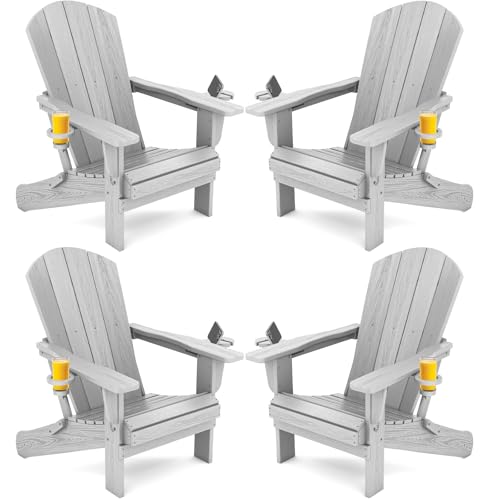
SERWALL Foldable Adirondack Chairs With Dual Cup Holders
A roomy outdoor chair can feel terrific beside a fire until storage day arrives and that wide frame suddenly owns half the shed. SERWALL addresses that familiar headache with a folding HDPE design that combines an oversized Adirondack profile with easier storage, while two cup holders and a phone holder keep small essentials off the ground. In the field of best adirondack camping chairs, this pair stands out less for stripped-down portability and more for bringing backyard-style comfort to car-accessible outdoor settings. The tradeoff is clear from the start: you get a substantial seat rather than the tiny packed footprint of a fabric camping chair.
SERWALL Outdoor Adirondack Chairs Set Of 2
SERWALL builds these chairs around virgin high-density polyethylene with a textured grain finish, giving the surface a wood-inspired look without relying on natural lumber. The material is described as resisting denting, cracking, peeling, and rotting under harsh outdoor conditions, which directly tackles the maintenance headaches that can follow wooden furniture through changing seasons. There isn't a need to frame that as indestructible, because no outdoor chair deserves that label. The real strength is simpler: HDPE removes several routine weathering concerns while preserving the broad Adirondack shape.
The supplied dimensions measure 32.5 inches deep, 29.3 inches wide, and 35.8 inches high, so this isn't a narrow seat pretending to be spacious. That footprint gives the large seat, tall backrest, and broad armrests enough room to function as actual lounging surfaces rather than decorative styling cues. It also explains why the folding mechanism matters so much. Left permanently open, an oversized Adirondack chair can swallow patio or garage space faster than you'd expect.
A 380-pound stated weight capacity gives the frame another practical talking point, and SERWALL pairs that capacity with reinforced joints for stability. The supplied product information specifically describes the chair as stable on uneven surfaces, which matters around gravel fire pits, lawns, and campsites that rarely offer a perfectly level floor. That doesn't mean placement stops mattering, of course. A stable chair still deserves firm footing, especially on soft soil or sloped ground.
Oversized Comfort Without A Fixed Footprint
Big Adirondack chairs usually force an annoying bargain: enjoy the space while they're open, then live with the bulk forever. The folding frame softens that problem because the chair can be put away when patio room is needed for something else. Seasonal storage becomes less awkward, and clearing a deck for cleaning or bad weather doesn't require treating the chair like permanent architecture. For smaller garages and busy patios, that's not a minor convenience.
Camping brings the same advantage with a different limitation. A folding Adirondack chair can fit into vehicle-based trips much more naturally than a rigid model, but folding doesn't magically turn an oversized frame into a backpacking stool. Car camping, RV stays, cabin weekends, and drive-up fire pits suit this format better than long walks into remote sites. That's a fair distinction, and pretending otherwise would oversell what the design is meant to do.
The two-chair configuration also changes how storage feels in practice. A pair takes more cargo space than one compact camp chair, yet it gives two matching full-size seats at the destination without piecing together mismatched furniture. For a porch or fire-pit setup, that set-of-two format is straightforward. For a tiny hatchback already packed with tents and coolers, though, folded dimensions still deserve careful thought.
Two Cup Holders Solve A Surprisingly Common Hassle
Wide Adirondack arms are comfortable, but beverages perched on them can still get knocked over by an elbow or an excited dog. SERWALL integrates two cup holders, giving drinks a defined place instead of relying on a flat armrest or uneven ground. That matters around fire pits where tables aren't always nearby. One holder is useful; having two leaves room for another drink, bottle, or small item without crowding the seating area.
The built-in mobile phone holder adds another practical spot for something people tend to keep within reach. Phones left on grass disappear surprisingly well after sunset, while setting one on a chair arm invites it to slide off as soon as somebody shifts position. A dedicated holder reduces that little nuisance without requiring another side table. It isn't a reason by itself to buy an Adirondack chair, but it fits the slow, sit-awhile nature of this design nicely.
There is a restraint worth appreciating here: convenience features still need to stay secondary to seating comfort. A chair covered in pockets and attachments can become cluttered fast, whereas SERWALL keeps the supplied feature list centered on drink storage, phone placement, and wide arm support. Those extras solve ordinary outdoor annoyances rather than trying to turn the chair into a gadget station. That's the right hierarchy for a seat intended for relaxing.
The Seat Is Built Around Staying Put For A While
The large seat and tall backrest tell you quite a bit about the intended experience before any technical specification does. This isn't a perch for ten-minute breaks; the shape emphasizes resting space and back support for longer stretches outside. Wide armrests reinforce that feeling by letting the shoulders and forearms settle naturally. Around a campfire or backyard gathering, that slower posture makes considerably more sense than the upright stance of a basic folding chair.
That same shape creates a tradeoff during meals or other forward-leaning activities. Adirondack geometry naturally favors reclining, so reaching repeatedly toward a low camping table may feel less convenient than sitting in a conventional dining-style chair. The comfort advantage appears during lounging rather than task-oriented sitting. That's worth knowing before treating any Adirondack design as a universal substitute for every kind of outdoor chair.
SERWALL also describes the chair as designed to shed rainwater easily, which matches the reality of furniture that may remain outdoors between uses. Water pooling on a seat is more than an irritation when somebody sits down without checking first, and repeated standing moisture isn't desirable around outdoor furniture either. A shape that encourages drainage complements the HDPE construction nicely. It's a small design consideration, but small things often separate pleasant ownership from constant fiddling.
HDPE Makes Seasonal Exposure Less Complicated
Outdoor seating can go through sun, rain, cold snaps, moisture, and sudden temperature changes without anybody remembering to move it inside. SERWALL describes its HDPE material as suitable for all-season outdoor use, with resistance to denting, cracking, peeling, and rotting. Those properties address several issues associated with leaving furniture exposed rather than treating every weather forecast like an emergency. The material choice is especially sensible for a chair intended to move between a deck, lawn, campsite, and storage area.
Natural wood still has an aesthetic advantage for people who care deeply about genuine grain and traditional furniture character. Textured HDPE can echo that appearance, but it isn't going to feel exactly like lumber in the hand. The trade is less maintenance for less natural-material character. Some people will make that deal instantly, while others may still prefer the aging and texture of actual wood.
Cleanup should also be simpler in the kinds of places these chairs are likely to live. Pollen on the porch, dusty campground residue, muddy splashes, and dried rain marks don't require refinishing a synthetic surface just because it got dirty. The low-maintenance finish is particularly relevant after outdoor trips where furniture may be packed away soon after use. Less fuss between weekends can matter more than decorative complexity ever will.
Stability Matters More Than Flashy Camping Features
Uneven ground exposes weak chair geometry almost immediately. A frame that feels fine on a smooth deck can become annoying on gravel or packed dirt if the joints flex excessively, which is why SERWALL's emphasis on reinforced joints and stability deserves attention. The stated 380-pound capacity also places load support among the chair's defining specifications rather than leaving it vague. Still, that number is manufacturer-provided and shouldn't be treated as independent test data.
The oversized dimensions can help create a planted feel, but size comes with an obvious portability tradeoff. Larger chairs need more room in storage and transportation even when they fold, so the practical question isn't simply whether they collapse. It's whether the folded chairs fit comfortably alongside the rest of the gear. For a roomy SUV, pickup, or RV, that concern may barely register; smaller vehicles make it more relevant.
Camping-chair shoppers sometimes get caught chasing features while overlooking basic fit for the trip itself. A heavily equipped chair isn't much help if carrying it to the campsite becomes miserable, and an ultralight seat isn't automatically satisfying if the whole point is lingering comfortably around a fire. SERWALL sits firmly on the comfort-and-stability side of that equation. Its folding capability broadens where it can go, but its oversized seating remains the central reason for choosing it.
Travel Practicality Has Clear Boundaries
Vehicle packing becomes a different puzzle once camping furniture, clothing, coolers, and overnight bags all compete for space. Folding the SERWALL chairs removes part of the problem, yet full-size Adirondack seating still deserves more cargo planning than compact fabric chairs. Foldability helps storage rather than eliminating bulk, and that's the more realistic way to frame the benefit. People traveling with larger vehicles are likely to feel that distinction less sharply.
Longer trips can also involve a completely separate problem: keeping formal clothing from becoming a wrinkled mess between destinations. That packing concern sits outside chair performance, but a useful related reference is luggage for hanging clothes for trips where garments need to stay organized while camping gear occupies the rest of the vehicle. The SERWALL pair itself belongs on the outdoor seating side of the packing equation, where folding helps make room without turning the chairs into compact luggage-sized objects.
Beach trips introduce another nuance. HDPE's outdoor-oriented construction makes sense around moisture and changing weather, yet a large chair still has to be carried from the vehicle to wherever you're sitting. Short walks are one thing; dragging oversized furniture over a long stretch of soft sand is another. The best-fit scenario remains one where relaxed seating matters and transportation distances stay reasonable.
Where SERWALL Gets The Balance Right
SERWALL's strongest combination is easy to identify: oversized seating, a 380-pound stated capacity, folding storage, and three integrated holders split between two cups and a phone. None of those features feels particularly exotic on its own, but together they address the everyday annoyances surrounding outdoor lounging. Drinks stay contained, a phone has a designated spot, and the chair can be put away rather than permanently occupying valuable floor space. That's practical design rather than feature collecting.
The weather-resistant HDPE also supports a broader range of placement than furniture that demands frequent refinishing or protection. A porch, deck, backyard fire pit, garden, or car-accessible campsite all fit the supplied design without requiring a completely different chair for each setting. The textured grain finish gives the synthetic material a warmer visual treatment while maintaining its maintenance-oriented purpose. For outdoor furniture that gets moved around rather than displayed untouched, that balance makes sense.
The weaknesses are equally straightforward. These are still oversized Adirondack chairs, so folding won't satisfy anyone whose priority is tiny storage, minimal carrying weight, or backpack-friendly equipment. The relaxed seat geometry may also be less convenient for dining and other activities that involve leaning forward repeatedly. Neither issue is hidden once the chair's dimensions and purpose are considered.
A Better Fit For Campfires Than Long Carries
Picture the practical setting rather than the product photo: a vehicle parked nearby, a fire pit a short distance away, and several hours of sitting ahead. That's where the large seat, tall back, wide arms, and built-in holders begin earning their space. The chair doesn't need to behave like ultralight equipment because comfort matters more than shaving every ounce. It simply needs to fold reliably enough that bringing it along isn't ridiculous.
Storage at home follows the same logic. Folding makes it easier to reclaim room on a patio, arrange seasonal equipment in a shed, or move furniture out of the way before cleaning. The difference from a fixed Adirondack chair becomes obvious during those mundane moments rather than while you're sitting in it. Sometimes the feature you appreciate most is the one that makes the chair less troublesome after everyone goes inside.
For anyone balancing a love of Adirondack lounging with the nuisance of permanent bulk, SERWALL offers a sensible middle road. Its 380-pound stated capacity, reinforced frame, all-season HDPE, dual cup holders, phone holder, and folding construction all serve practical outdoor routines rather than pretending to reinvent camp seating. The catch is equally plain: this remains substantial furniture, not a featherweight trekking chair. Around porches, decks, fire pits, RV sites, and drive-up campsites, that distinction is likely to feel more like a sensible compromise than a flaw.
SERWALL Grey Folding Adirondack Chairs With Cup Holders
Outdoor seating gets awkward fast when a roomy chair feels wonderful beside the fire but becomes a bulky obstacle the second it needs to be stored. SERWALL answers that tension with a folding oversized frame, weather-oriented HDPE construction, and built-in places for drinks and a phone. Within the search for best adirondack camping chairs, this grey two-chair set makes the most sense for people who want a substantial lounging position without permanently sacrificing porch, garage, or vehicle space. It isn't pretending to be backpacking furniture, and that straightforward identity is actually one of its stronger points.
SERWALL Grey Folding Adirondack Chair Set
The chair starts with a generous footprint measuring 32.5 inches deep, 29.3 inches wide, and 35.8 inches high. Those dimensions support the oversized character SERWALL is aiming for, giving the seat, backrest, and armrests more physical room than a narrow folding camp chair. That extra space can make long evenings around a fire feel less cramped, especially when sitting becomes the main activity rather than a quick break. The obvious tradeoff is bulk, because a larger chair still occupies meaningful storage room even after it folds.
SERWALL specifies a 380-pound weight capacity and reinforces the frame joints with stability in mind. That's particularly relevant on lawns, gravel, packed dirt, and other outdoor surfaces that aren't as predictable as a flat patio floor. The supplied description says the structure is intended to remain stable on uneven surfaces, although sensible placement still matters on steep or soft ground. A chair can have a robust frame and still deserve a quick footing check before somebody drops into it.
The grey finish gives the pair a quieter appearance than brighter Adirondack colors, which can work nicely around stone patios, neutral decks, and fire-pit areas where the furniture isn't supposed to dominate the setting. More important, the textured HDPE surface provides a wood-grain look without turning upkeep into a sanding and refinishing routine. Synthetic material won't reproduce the exact feel of real lumber, and that's a genuine difference worth acknowledging. In return, the chair is built around easier outdoor ownership rather than traditional wood maintenance.
Oversized Seating Changes The Comfort Equation
A large seat sounds like a basic feature until you've spent an evening shifting around in a narrow camp chair. SERWALL combines a large seating area with a tall backrest and wide armrests, creating the more relaxed posture people usually expect from Adirondack furniture. The extra room allows the body to settle instead of staying squeezed between fabric panels or thin frame rails. For campfires, porch conversations, and lazy afternoons, that furniture-like feel is the main attraction.
The tall backrest matters just as much as width because it gives the upper body somewhere substantial to rest. Basic portable chairs often prioritize folded size and weight, which can leave the back support feeling short or overly upright. SERWALL clearly leans the other direction, accepting more physical bulk in exchange for a seat designed around lingering. That's a sensible compromise if comfort at the destination matters more than minimizing every inch in the trunk.
Wide armrests add another layer of usable space. They support the forearms naturally and help prevent the shoulders from staying slightly raised during longer sitting sessions, while the integrated holders keep the arms from doing double duty as unstable drink shelves. The comfort-first layout suits relaxed outdoor use far better than tasks that require frequent forward leaning. Eating at a conventional camping table, for example, may still feel easier from a more upright chair.
Two Cup Holders Keep Drinks Off The Ground
Campfire seating has a funny way of creating nowhere sensible to put a drink. Grass can be uneven, gravel tips bottles, and placing a cup directly beside a chair invites somebody to kick it over in the dark. SERWALL builds in two integrated cup holders, giving beverages defined resting spots without requiring a separate side table. The second holder can also be handy when one drink isn't the only small item competing for easy reach.
The chair adds a built-in mobile phone holder as well. That sounds minor until a phone disappears between chair slats, slides from a broad armrest, or gets left face-down somewhere in the grass. Keeping it in a designated location can make an evening outside a little less fussy. It also avoids cluttering the seating area with add-on organizers or hanging pouches.
These storage details work because they match the way Adirondack chairs tend to be used. Long conversations, reading, listening to music, watching a fire, or simply sitting outside often involve a drink and a phone nearby. SERWALL isn't piling on unrelated accessories; it's addressing two ordinary annoyances with built-in everyday storage. That's more useful than novelty features that sound impressive but rarely matter once the chair is actually outside.
The Folding Frame Earns Its Keep After Sitting
Permanent Adirondack chairs can monopolize space because their broad backs and angled frames don't nest neatly with other furniture. SERWALL's folding design changes what happens after the sitting is over, letting the chair take up less room during storage. That can make a noticeable difference in a crowded garage, shed, covered porch, or patio that serves more than one purpose. Folding is less glamorous than a comfort feature, but it's often the feature that determines whether a large chair becomes annoying to own.
Vehicle travel benefits for the same reason. A full-size Adirondack chair isn't suddenly tiny once folded, yet flattening the frame makes packing around coolers, tents, bins, and other camping equipment more manageable. The space-saving advantage is therefore relative rather than absolute. It solves the awkward shape of fixed furniture, not the fundamental size difference between an Adirondack chair and a compact sling chair.
That distinction helps set realistic expectations for camping. SERWALL fits drive-up campsites, RV trips, cabin stays, tailgating areas, and beach outings near parking more naturally than trips requiring long equipment carries. A backpacker counting ounces has little reason to haul oversized HDPE seating into the woods. Someone pulling chairs ten yards from an SUV to a fire ring faces a completely different equation.
HDPE Takes Some Chores Out Of Outdoor Furniture
Weather can turn natural outdoor furniture into a maintenance calendar. SERWALL uses virgin high-density polyethylene, described as resistant to denting, cracking, peeling, and rotting under harsh outdoor exposure. The supplied product information positions the chairs for year-round exterior use rather than occasional placement on a covered porch. That doesn't make routine cleaning disappear, but it does remove several upkeep concerns associated with painted or stained lumber.
The textured grain is a practical compromise for anyone who likes the visual cues of wood but doesn't want the same material care. Wood-look HDPE won't fool someone expecting genuine timber under the hand, yet it doesn't need to behave exactly like wood to make sense. Its job is to pair outdoor resilience with a more furniture-like appearance than smooth molded plastic. For patios and campsites where chairs are exposed to dirt and changing weather, that trade can be pretty appealing.
SERWALL also says the seat is designed to shed rainwater easily. That's the kind of detail that becomes noticeable the morning after an unexpected shower, when a deeply pooled chair can stay wet long after other surfaces have dried. Better drainage complements weather-resistant material because water has less reason to linger across the sitting area. Still, wiping down an outdoor chair before use remains the sensible move after heavy rain.
Weather Resistance Fits Year-Round Outdoor Placement
A chair living outdoors sees far more than occasional rain. Heat, cold, moisture, dirt, and seasonal temperature swings can all expose weaknesses in materials and joints, so all-season construction matters more than cosmetic extras over the long run. SERWALL specifically describes its HDPE as capable of outdoor use throughout the seasons. No independent longevity testing was provided, so that should remain a manufacturer-stated characteristic rather than an invented durability promise.
One advantage of HDPE is that peeling and rotting aren't treated as normal maintenance milestones in the way they can become with neglected wooden furniture. That reduces the pressure to keep chairs constantly sheltered just to preserve their finish. The low-maintenance material also suits campground routines where furniture can pick up dust, wet leaves, muddy splashes, or smoke residue. Cleaning becomes the recurring job rather than refinishing the surface.
The downside is aesthetic rather than mysterious. People who specifically want the warmth, aging, and natural variation of wood may still prefer a lumber Adirondack chair despite the extra upkeep. SERWALL's strength lies in practical weather tolerance, not authentic wood character. Knowing which quality matters more makes this chair much easier to judge on its own terms.
Stability Matters On Grass And Gravel
A patio makes almost any properly assembled chair look stable because the floor does most of the work. Campsites and yards are less forgiving, with dips, roots, gravel, and uneven patches exposing frame movement quickly. SERWALL highlights reinforced joints and a robust frame as part of the chair's stability story. Paired with the stated 380-pound capacity, those details suggest that structural support is treated as a core feature rather than an afterthought.
The oversized dimensions can also contribute to a substantial planted feel once the chair is positioned correctly. Still, no specification makes uneven terrain irrelevant. Stable placement means keeping all contact points supported rather than straddling holes, loose rocks, or steep slopes. That's ordinary common sense, but it matters more with reclined furniture because shifting weight backward changes how the chair loads the ground.
This is another area where SERWALL's camping identity becomes clear. It's better suited to a prepared campsite or reasonably level patch of ground than to being dragged onto rough backcountry terrain. The chair's strength is settled comfort, not nimble mobility across unpredictable landscapes. Put it near the fire after camp is established and its design priorities line up much better.
The Two-Chair Set Makes Sense Around Shared Spaces
A pair of matching Adirondack chairs naturally suits conversation areas, fire pits, porch corners, and two-person camping setups. SERWALL's set-of-two configuration creates an immediate seating arrangement rather than requiring separate purchases to build a coordinated space. The neutral grey color also makes the pair easy to place alongside stone, wood, concrete, or darker outdoor furniture. That visual simplicity can be useful in areas already filled with grills, planters, tables, and other equipment.
Two oversized chairs do, of course, double the storage equation. Even with folding frames, both seats need garage wall space, shed room, or enough cargo capacity when traveling. That's the practical weakness of choosing furniture-like seating over compact camping chairs. The comfort is real, but so is the amount of material required to create it.
For homeowners who regularly move chairs between a backyard, porch, lawn, and fire pit, folding can offset that burden significantly. The same applies to campers who travel by pickup, SUV, or RV and don't need to carry seating very far. Short-distance portability is the better description here than ultralight travel. That small wording difference keeps expectations grounded in how a large HDPE Adirondack chair actually behaves.
Camping Comfort Has A Clear Best-Fit Scenario
The phrase best adirondack camping chairs can mean two very different things depending on the trip. Some people want the smallest possible seat they can lash to a pack, while others want a genuinely relaxing chair once the vehicle is parked and camp is built. SERWALL clearly belongs to the second camp. Its oversized seat, tall back, wide arms, cup storage, and phone holder put destination comfort ahead of minimalist transport.
That distinction becomes especially obvious around a fire pit. A full-size lounging posture can feel far more natural during several hours of talking, reading, or watching the flames than a narrow upright camping chair. You pay for that comfort with cargo space, but the folding mechanism at least keeps the chair from being rigidly bulky during transport. For car camping, that's a much more manageable bargain than it would be on foot.
Trips that mix outdoor gear with other travel equipment create a different packing problem altogether. Small luggage can become useful when larger camping pieces are already consuming vehicle space, and a related reference such as best mini suitcase covers that separate side of compact travel organization without implying any connection to chair performance. The SERWALL set remains firmly about substantial outdoor seating, where folding reduces awkwardness but doesn't erase size.
Useful Features Beat Decorative Extras Here
SERWALL's supplied feature set stays refreshingly practical. Two cup holders, a phone holder, reinforced joints, a folding frame, and weather-oriented HDPE each solve a recognizable outdoor problem rather than merely decorating the specification list. Drinks need somewhere stable, phones need somewhere visible, large chairs need easier storage, and furniture left outdoors needs material that can cope with exposure. That logic gives the design a coherent purpose.
The chair also avoids relying on unsupported claims about miraculous comfort or universal suitability. Its measurable details are more useful anyway: 32.5 inches deep, 29.3 inches wide, 35.8 inches high, and a stated 380-pound capacity. Those numbers help explain why the chair feels positioned as oversized furniture rather than a compact travel seat. They also make the storage tradeoff easier to anticipate before the chair reaches a garage or campsite.
A realistic reading puts the main weakness right beside the main strength. Large dimensions create roomy comfort, but those same dimensions mean more transportation and storage demand. Folding helps, yet it can't repeal basic geometry. For someone with enough cargo or storage room, that's a manageable compromise; for tiny vehicles or long carries, it can be the deciding drawback.
Grey HDPE Favors Practical Ownership
The grey finish won't appeal to everyone, particularly if the goal is a bright coastal palette or the richer look of natural stained wood. Still, neutral furniture has a habit of fitting into more settings without demanding the rest of the patio be redesigned around it. Combined with textured-grain HDPE, the color gives these chairs a restrained, easygoing appearance. That suits their practical personality better than an overly decorative finish would.
Maintenance is where the material choice becomes more persuasive. A chair intended for porches, gardens, backyards, decks, campsites, and fire-pit areas will encounter more dirt and weather than indoor furniture ever sees. SERWALL's HDPE construction is aimed at reducing cracking, peeling, denting, and rot concerns during that exposure. Routine cleanup remains part of ownership, but recurring refinishing isn't presented as part of the deal.
The biggest difference from conventional lightweight camping seating comes down to priorities. SERWALL gives up extreme portability in favor of space, back support, wide armrests, storage features, and a substantial frame. That's not automatically better or worse; it simply fits a different kind of outdoor routine. Drive close, unfold the chairs, settle in for a while, then fold them away when the space is needed again, and the design makes considerably more sense.
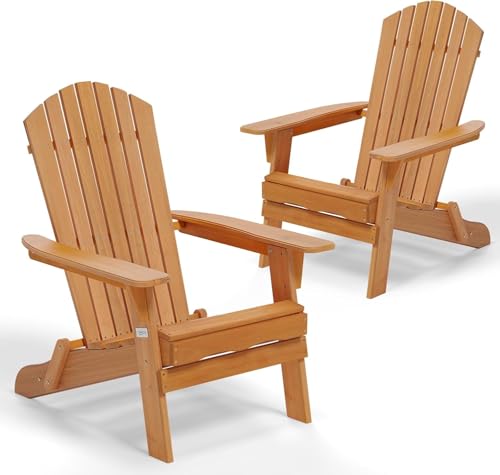
Ciokea Teak Folding Adirondack Chair With Cup Holder
A full-size Adirondack chair can be wonderfully relaxing right up until it needs to leave the patio. Ciokea tries to smooth out that awkward part with a folding wood-grain HDPE frame that keeps the deep, laid-back shape while giving the chair a flatter storage profile. For anyone sorting through best adirondack camping chairs, this teak-colored model sits in a useful middle ground between permanent backyard furniture and lightweight camp seating. It favors comfort and sturdiness first, then adds enough portability to make car camping, fire-pit nights, and seasonal storage much less of a headache.
Ciokea Teak Folding Adirondack Chair
The material choice is the backbone of the whole design. Ciokea uses wood-grain HDPE rather than natural lumber, aiming for a wood-like surface without the upkeep that usually follows real outdoor wood furniture. The supplied description says the plate can bend slightly under strong force and recover once that force is removed, while ordinary HDPE or HIPS may deform more severely or break. That claim comes from the manufacturer, so it should be treated as a product specification rather than independent test data, but it does explain why resilience is emphasized so heavily here.
The chair carries a stated 380-pound load capacity, which fits the broader, heavier-duty personality of an Adirondack frame. That capacity matters because the chair is designed for deeper sitting rather than a perched, upright posture. A roomy chair needs enough structural confidence to match the way weight settles into the back and seat. Ciokea positions the frame and material around that need instead of chasing the lowest possible product weight.
The teak finish gives the synthetic material a warmer appearance than plain black or gray plastic. It won't feel identical to real teak, and anyone expecting natural grain variation or genuine wood texture should keep that distinction in mind. Still, the realistic wood-look surface makes more visual sense on a porch or backyard deck than shiny molded plastic would. The practical payoff is that you get the look without taking on the same sealing, staining, or refinishing routine.
Folding Solves The Bulk Problem Better Than It Looks
Adirondack chairs aren't naturally compact. Their wide arms, reclined back, and broad footprint are exactly what make them comfortable, but those features also create an awkward shape for garages and vehicles. Ciokea's two-pin folding system lets the chair collapse flat after the pins are removed, reducing the amount of space it occupies when it's not being used. That simple change can matter a lot in a shed, on a crowded patio, or in the back of an SUV.
The mechanism is straightforward rather than fancy. Two removable pins means there aren't many moving parts to figure out, and the chair can be packed flatter without disassembling the entire frame. The tradeoff is equally obvious: loose pins need to be kept track of. Losing one in grass, sand, or a cluttered garage would turn an easy folding system into an annoying scavenger hunt.
Camping is where the difference between "folding" and "ultralight" really needs to stay clear. Ciokea can be carried and loaded into a vehicle much more easily than a fixed Adirondack chair, but it remains substantial outdoor furniture. Car camping, RV trips, beach access near parking, and drive-up campsites are natural fits. Long hikes to remote campsites are not.
The 103-Degree Tilt Changes How The Chair Feels
Ciokea gives the chair a 103-degree tilt angle, which pushes the seating position toward relaxed lounging rather than upright dining. That matters during long evenings around a fire because the body can settle farther back without constantly fighting the chair's geometry. The deeper sitting position also suits taller adults and anyone who dislikes narrow, shallow camp chairs. It's a slower, more relaxed kind of seating, plain and simple.
That comfort comes with a practical compromise. A reclined chair can feel less natural while eating at a table, working on a laptop, or repeatedly leaning forward to tend a grill. The deep seat design is built for resting, not for task-focused sitting. That's worth remembering if the same chair is expected to handle every outdoor activity from dinner to campfire lounging.
The widened armrests help balance that laid-back posture by giving the forearms a broader place to settle. Ciokea also says the armrests can accommodate a laptop, which gives the chair a little more functional surface area than a narrow camp chair. Still, a reclined Adirondack angle isn't going to replace a desk chair for prolonged computer work. The real strength is comfortable arm support with extra room for small items.
The Retractable Cup Holder Is Small But Sensible
A drink balanced on a wide armrest always looks secure until somebody shifts position. Ciokea adds a retractable cup holder that can hold different cup types while keeping beverages away from the main sitting surface. Around fire pits, lawns, and campsites, that saves the trouble of placing a bottle on uneven dirt or squeezing a side table into an already crowded setup. It's a modest feature, but one that fits the chair's purpose naturally.
The retractable design matters more than a permanently protruding holder would. It can stay tucked away when it isn't needed, helping preserve the cleaner outline of the armrest and reducing the chance of snagging something during storage. That gives the chair a nice bit of functional flexibility without loading it with unnecessary accessories. Sometimes the best convenience feature is the one that disappears when you're done with it.
There is also less clutter around the chair itself. Drinks stay off the ground, and the broad arms remain open for books, a phone, or a small plate. The design doesn't pretend to turn an Adirondack chair into an organizer station. It simply adds one practical storage point where outdoor seating often needs it most.
Weather Resistance Makes The Teak Finish Easier To Live With
Outdoor furniture eventually meets everything the forecast can throw at it. Ciokea describes the upgraded wood-grain HDPE as resistant to hot sun, heavy snow, salt spray, strong coastal wind, rain, and changing outdoor conditions. Those are manufacturer claims rather than outside durability results, but they line up with the product's all-weather positioning. The useful point is that the material is designed to stay outdoors without demanding the same care schedule as real wood.
Color fastness is part of the supplied description too, which matters for a teak-toned chair expected to retain its visual character through sun exposure. Synthetic furniture can look tired quickly if the finish fades unevenly, so color retention is a meaningful feature even though long-term performance isn't independently documented here. The realistic wood texture also helps hide the purely plastic look that some outdoor chairs struggle with. That makes the chair easier to blend into decks, patios, and garden settings.
Maintenance is another strong point. Ciokea says the surface is easy to clean and carries a lower maintenance cost than traditional alternatives, which suits outdoor seating that collects pollen, dust, mud, rain spots, or beach residue. The low-maintenance surface reduces the need for ongoing refinishing, although ordinary cleaning is still part of owning any chair left outside. Less work, not zero work, is the realistic expectation.
Assembly Is Short Enough To Stay Manageable
Ciokea provides a fairly specific setup outline: six assembly steps, ten parts, and an estimated 15 minutes. Those numbers come directly from the supplied product information, so they're useful as a manufacturer guideline rather than a guarantee for every person. The structure sounds manageable compared with outdoor furniture kits that arrive as a box full of nearly identical hardware. Once assembled, the folding mechanism handles recurring storage without requiring the chair to be taken apart again.
The 15-minute estimate will naturally vary with tool familiarity and how carefully the parts are sorted before starting. Still, six steps keep the process from sounding needlessly complicated. The more important point is that initial assembly is separate from everyday folding. You're not rebuilding the chair every time it comes out of the garage.
Ciokea also states that customer service is available around the clock for questions. No independent details about response quality or support outcomes are provided, so that claim shouldn't be inflated beyond what was supplied. It does at least mean assembly support is part of the product positioning. For furniture with moving joints and removable pins, clear setup guidance is worth having.
Camping Works Best If The Vehicle Stays Nearby
The strongest camping case for this chair is convenience after arrival. Once camp is established, a deep Adirondack seat can feel far more substantial than a narrow sling chair, especially during long conversations or slow evenings around the fire. The fold-flat design makes transport possible without forcing a rigid patio chair into the vehicle. That's a practical improvement, even if the chair still takes up more room than minimalist camp furniture.
Short carries suit it better than long ones. Moving the chair from a trunk to a campsite, across a backyard, or onto a nearby beach setup makes sense because folding reduces awkwardness. Hauling it over a long trail doesn't. The portability strength is about storage and car transport, not backpacking efficiency.
That distinction keeps expectations realistic. Someone seeking the lightest chair possible should be looking at fabric and aluminum designs instead. Someone seeking backyard-level comfort at a drive-up campsite may see the extra bulk as worthwhile. Ciokea is clearly built closer to the second use case.
Strong Material Comes With A Different Feel Than Wood
HDPE solves a lot of outdoor problems, but it also changes the tactile experience. Natural wood has warmth, irregular grain, and a weighty feel that molded material can't completely recreate. Ciokea's wood-grain texture narrows the visual gap, yet the chair remains synthetic and should be judged that way. That's not necessarily a weakness if easy upkeep matters more than material authenticity.
The payoff is practical resilience. The supplied description emphasizes the plate's ability to flex slightly under strong force and recover after the load disappears, while also resisting weather exposure. That combination gives the chair a durability-oriented personality rather than a delicate furniture feel. For patios, coastal areas, campsites, and family fire pits, that may be exactly the right priority.
The weakness appears if appearance and tactile character outrank convenience. Someone furnishing a traditional wood deck with natural materials may still prefer real lumber despite the extra upkeep. Someone tired of repainting or protecting outdoor furniture may appreciate the opposite trade. The difference is maintenance versus authenticity, and neither preference needs to be dressed up as universally better.
The Teak Color Fits Outdoor Spaces Without Shouting
Teak tones naturally sit well beside stone, soil, grass, and wood decking because the color feels warmer than plain black plastic. Ciokea uses that familiar furniture palette while keeping the practical advantages of HDPE. The wood-textured teak finish can make the chair feel less utilitarian around a porch or backyard conversation area. That's useful if the seat needs to move between camping trips and permanent home use.
The color also suits fire-pit areas where furniture tends to become part of the landscape rather than the focal point. Bright plastic can look casual, which is fine in many settings, but teak-style brown tends to blend more easily with natural materials. The visual versatility is a small advantage for a chair likely to spend far more time at home than inside a vehicle. It doesn't need to look like temporary camping gear when it's sitting on the patio.
Outdoor trips often involve an entirely different packing problem once clothing and luggage enter the picture. Frequent travel creates its own durability and organization concerns, and a related reference such as best suitcase for frequent travelers addresses that separate side of trip planning without forcing a connection to chair performance. The Ciokea remains focused on folding outdoor seating, where weather resistance and roomy comfort matter more than luggage-style portability.
Where The Main Tradeoffs Show Up
The chair's strengths are easy to summarize without exaggeration: 380-pound stated capacity, 103-degree tilt, folding storage, wood-grain HDPE, wide armrests, and a retractable cup holder. Each feature addresses a specific outdoor annoyance, from cramped seating to difficult storage and drink placement. The design feels coherent because those features all serve the same relaxed-use purpose. There's very little here that seems added simply to pad a specification list.
The weaknesses are just as clear. Full-size Adirondack proportions mean more cargo space, and removable folding pins create two small pieces that need to stay accounted for. The deep recline may also feel awkward during meals or work that requires frequent forward leaning. Those aren't hidden flaws so much as predictable consequences of the chair's shape and folding system.
Storage space deserves special attention for smaller homes and vehicles. Folding flat is valuable, but several bulky outdoor items can still fill a trunk or garage wall quickly. The folding advantage reduces awkwardness rather than eliminating size. That's the right expectation to carry into a purchase decision.
Best Fit Is Comfort-First Outdoor Use
This Ciokea feels most at home around a backyard fire pit, deck, garden, porch, RV site, or drive-up campsite. The deep sitting angle and wide arms encourage slowing down rather than constantly getting up and moving gear around. Once placed, the chair behaves more like familiar outdoor furniture than temporary travel seating. That's exactly why it can feel more satisfying during long stretches outside.
The foldable frame broadens where that comfort can go. A rigid Adirondack chair is usually tied to one property, while this one can be flattened for transport and brought along for weekend trips. The difference is mobility without abandoning the Adirondack shape. You're still carrying a substantial chair, just one that cooperates better with storage.
For anyone prioritizing ultralight gear, compact dimensions, or long-distance carrying, this chair sits on the wrong side of the tradeoff. For someone who values sturdy support, relaxed posture, weather-resistant material, and easier storage, the logic is much stronger. Ciokea isn't trying to make an Adirondack chair disappear into a backpack; it's trying to make a traditionally bulky seat easier to own, move, and use in more places.


9 Best Travel Camping Table of 2026 For Uneven Ground
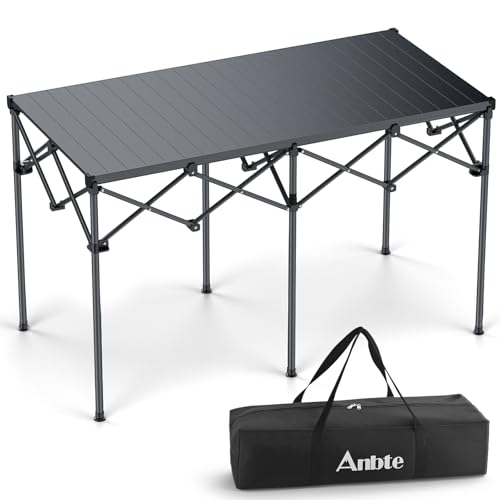
12 Best Heavy Duty Camping Table of 2026 That Will Not Wobble or Sag
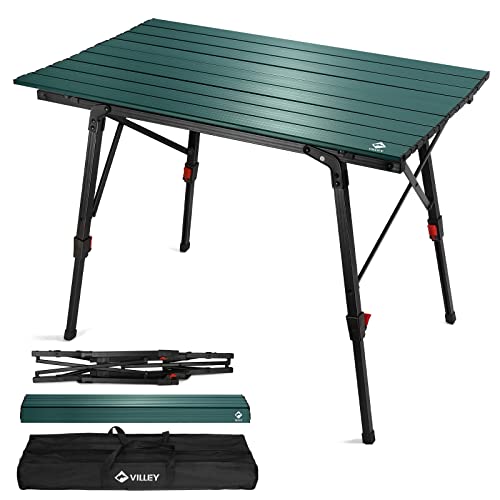
8 Best Camping Table Adjustable Legs of 2026 for Uneven Ground

9 Best Adjustable Height Camping Table of 2026 For Uneven Ground

10 Best Adjustable Camping Table of 2026 For Uneven Ground
10 Best Waterproof Camping Table of 2026 For Rain-Ready Campsites

11 Best Folding Bamboo Camping Table of 2026 For Uneven Ground

7 Best Folding Car Camping Table of 2026 For Uneven Ground