Best Backpack for 11 Year Old: Smart Picks 2026

A best backpack for 11 year old needs to handle more than a lunch box and two notebooks. School days often involve thick folders, library books, a water bottle, gym clothes, and the occasional project that refuses to fit neatly anywhere. A bag with a roomy main compartment helps, but one giant empty space can turn into a jumbled mess before the first bell. Practical dividers, a padded device sleeve, and easy-to-reach pockets keep small essentials from disappearing into the bottom.
Comfortable shoulder straps matter once the load starts feeling heavier than expected. Wide, padded straps spread pressure more evenly, while a breathable back panel can reduce that sticky feeling during warm walks or crowded bus rides. Strap adjustment should be simple enough to manage without help, since a bag hanging too low tends to pull backward and bump against the hips. Still, extra padding adds bulk, so an oversized hiking-style design may feel clumsy in narrow hallways or beneath a classroom desk.
Storage should match real school routines rather than look impressive in a product photo. Two main sections can separate books from lunch, while a front organizer gives pens, keys, and charging cables a proper home. Stretchy bottle pockets are handy, but shallow mesh pockets may lose tall bottles whenever the bag gets tossed onto a seat. Zippered side storage offers better security, though it can be slower to access between classes.
Material thickness and stitching reveal more about durability than flashy patterns do. Reinforced seams around the straps and grab handle help with the daily cycle of lifting, dropping, dragging, and stuffing. A coated polyester exterior can shrug off light rain and wipe clean without much fuss, but most school backpacks aren't truly waterproof. Papers and electronics still need an inner sleeve or protective pouch during a serious downpour.
Style carries more weight at this age than adults sometimes expect. Cartoon prints that seem fun today may feel too young a few months later, while plain black can look dull or get mixed up with similar bags. A clean design with a favorite color, textured fabric, or a few removable patches leaves room for personality without locking the bag into one phase. Better yet, subtle styling can survive changing tastes and stretch the purchase across more than one school year.
Size deserves a careful look because bigger isn't automatically better. A tall backpack may offer extra capacity, yet it shouldn't extend far below the waist or rise awkwardly behind the head. The loaded bag should sit close to the back, with heavier books placed nearest the body to limit pulling. Compact frames may feel better with an 18-to-22-liter design, while larger schedules or frequent after-school activities can justify a little more room.
Small details often decide whether a backpack becomes a daily favorite or a constant nuisance. Smooth two-way zippers are easier to open in a hurry, reflective accents add visibility near roads, and a sturdy top handle makes the bag simpler to move between hooks and floors. On the flip side, too many pockets can encourage overpacking and make forgotten items harder to track down. The strongest pick balances organized storage, manageable weight, dependable construction, and a look that still feels right after the new-school excitement wears off.

- TLR Rank9.4
TLR Rank is a ranking system developed by TravelLuggageReviews.com. TLR Rank has no relationship or impact from any manufacturers or sales agent websites. Learn more
- BrandBLUEFAIRY

- TLR Rank9.2
TLR Rank is a ranking system developed by TravelLuggageReviews.com. TLR Rank has no relationship or impact from any manufacturers or sales agent websites. Learn more
- BrandJiaYou
- TLR Rank9.2
TLR Rank is a ranking system developed by TravelLuggageReviews.com. TLR Rank has no relationship or impact from any manufacturers or sales agent websites. Learn more
- BrandBansusu
- TLR Rank9.2
TLR Rank is a ranking system developed by TravelLuggageReviews.com. TLR Rank has no relationship or impact from any manufacturers or sales agent websites. Learn more
- BrandBIKROD

- TLR Rank9.2
TLR Rank is a ranking system developed by TravelLuggageReviews.com. TLR Rank has no relationship or impact from any manufacturers or sales agent websites. Learn more
- BrandBTOOP

- TLR Rank9.2
TLR Rank is a ranking system developed by TravelLuggageReviews.com. TLR Rank has no relationship or impact from any manufacturers or sales agent websites. Learn more
- BrandBluboon
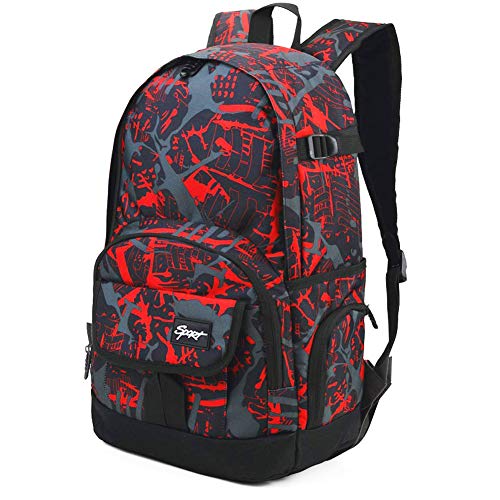
- TLR Rank9.0
TLR Rank is a ranking system developed by TravelLuggageReviews.com. TLR Rank has no relationship or impact from any manufacturers or sales agent websites. Learn more
- Brandrickyh style

- TLR Rank8.8
TLR Rank is a ranking system developed by TravelLuggageReviews.com. TLR Rank has no relationship or impact from any manufacturers or sales agent websites. Learn more
- BrandZHANAO

- TLR Rank8.8
TLR Rank is a ranking system developed by TravelLuggageReviews.com. TLR Rank has no relationship or impact from any manufacturers or sales agent websites. Learn more
- BrandBLUWEI

- TLR Rank8.4
TLR Rank is a ranking system developed by TravelLuggageReviews.com. TLR Rank has no relationship or impact from any manufacturers or sales agent websites. Learn more
- BrandGLORIEROO
Last update on 2026-08-01 / Affiliate links / Images, Product Titles, and Product Highlights from Amazon Product Advertising API
BLUEFAIRY Camo Blue Backpack Review
A school bag can look roomy on a product page and still become a daily headache once folders, lunch, a water bottle, and loose supplies pile inside. The best backpack for 11 year old needs enough structure to control that mess without feeling stiff or oversized. BLUEFAIRY approaches the problem with a 17-inch body, several zippered sections, padded carrying points, and a camo-blue design that lands between playful and grown-up. The result is practical in several important ways, though its size and styling won't suit every school routine.
BLUEFAIRY Camo Blue Backpack
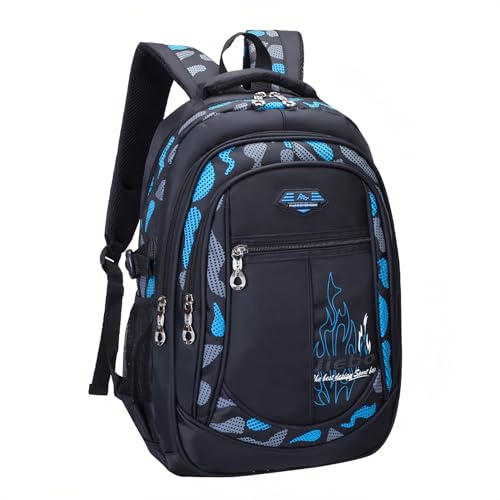
The shortened name, BLUEFAIRY Camo Blue Backpack, fits the product better than the long retail listing. Its stated dimensions are 17 inches high, 12 inches wide, and 6 inches deep, giving it the proportions of a full elementary or early middle school bag rather than a small preschool pack. That extra height helps with standard folders, notebooks, and larger binders that tend to bend inside shorter backpacks. Still, a 17-inch body may sit low on a smaller frame, especially after the main compartment is packed to the brim.
The camo-blue exterior has enough personality to avoid looking plain, yet it doesn't lean into cartoon characters that may feel too young after one semester. That matters more than it sounds. A backpack often becomes part of the morning routine, and a design that feels childish can get rejected long before the fabric wears out. The color pattern offers a useful middle ground, although camouflage remains a specific taste and won't blend with every school uniform or personal style.
BLUEFAIRY describes the material as lightweight, thick, breathable, and water resistant. Those traits address several familiar annoyances: a bag that feels heavy before it's loaded, fabric that folds into a heap, and dampness from light rain or spilled water. Water resistance should be treated as everyday protection rather than full waterproofing, though. A soaked bus stop, an open bottle, or a heavy downpour could still reach papers and electronics through zipper openings or seams.
The overall construction leans toward daily school use instead of travel or outdoor hauling. Smooth zippers, adjustable straps, and a padded back are sensible details for repeated opening, closing, lifting, and dropping. Comfort depends heavily on adjustment, so the straps need to be shortened enough to hold the bag close to the back rather than hanging around the hips. Packed carelessly, even a lightweight backpack can become awkward and pull backward.
Storage That Tames School-Day Clutter
The storage layout is the strongest part of this design. There is one main zippered compartment, three front zippered pockets, two stretchy bottle pockets, one internal zipper pocket, and one padded device sleeve. That arrangement gives books and larger items a central home while smaller supplies can stay closer to the front. It also reduces the familiar digging routine where a pencil case, key, or permission slip disappears beneath a stack of notebooks.
The padded sleeve is listed for a tablet, laptop, or binder, and its real value is separation. A device won't rub directly against a lunch container, while a binder can stay upright instead of sliding flat beneath everything else. The padding adds a modest buffer from bumps, but it shouldn't be mistaken for a hard protective case. Careful packing still matters, particularly when the backpack is dropped beside a desk or tossed onto a bus seat.
Three front pockets sound generous, and they can be, provided each pocket gets a clear job. One might hold writing tools, another tissues and sanitizer, and the third charging cables or small personal items. Without that routine, multiple pockets can create a new problem: remembering which zipper hides what. Organization only helps when it stays consistent, so a simple pocket system will work better than stuffing items wherever space appears.
The side bottle pockets use stretchy material, which makes them more forgiving with different container widths. That's handy for a standard school bottle or a compact umbrella. Tall, heavy bottles may still lean outward or slip if the elastic loosens over time, and an overfilled main compartment can push against the pockets from inside. A snug bottle with a secure lid is the safer pairing, especially on days when the bag gets tilted or dropped.
Comfort During Longer School Days
Padded, adjustable shoulder straps do most of the comfort work here. The padding softens pressure points, while adjustment lets the backpack sit closer to the upper back. That close fit matters once textbooks and binders add weight, because a low-hanging bag creates more pulling and bouncing. Wide, evenly adjusted straps are far more useful than carrying the pack over one shoulder, even if the one-strap habit feels quicker between classes.
The breathable back panel should help reduce heat buildup during walks, recess transitions, or crowded commutes. Breathable doesn't mean sweat-free, of course, particularly in warm weather or when the bag is packed tightly against clothing. Still, a padded surface with some airflow feels less harsh than a flat layer of coated fabric. The back panel improves daily comfort, though the benefit becomes smaller if the bag is overloaded.
At 17 inches tall, fit is the main tradeoff. The manufacturer lists the backpack for ages 4 through 12, but age alone doesn't determine whether a bag sits correctly. Height, torso length, and the amount carried each day matter more than the number on a birthday cake. The lower edge should rest near the waist, not swing well below it, and the top shouldn't press against the neck.
The lightweight build makes sense for school because the contents already supply most of the weight. Thick fabric can add durability, yet it may also feel warm and less flexible than thinner material. BLUEFAIRY tries to split that difference with breathable padding and a relatively simple shell. The comfort setup is sensible, but it can't compensate for oversized binders, unnecessary books, or a bottle that weighs nearly as much as the bag itself.
Pros Worth Noticing
Generous compartment variety is the clearest advantage. The main section handles bulky items, the padded sleeve separates a tablet or binder, and the front pockets keep small supplies from becoming loose clutter. This layout suits school days that involve more than a notebook and snack. It also makes quick items easier to reach without opening the largest zipper every time.
Water-resistant fabric adds useful protection during light rain, wet sidewalks, or minor spills. School bags often end up on damp floors, beneath leaky bottles, or beside muddy shoes, so a surface that can be wiped down has practical value. The darker camo pattern may also hide small marks better than pale solid colors. That said, dirt can still settle around seams and zipper tracks, where cleaning takes more patience.
Padded straps and a breathable back give the backpack a more thoughtful carrying setup than a basic unstructured book bag. Adjustable straps allow the fit to change as clothing layers and daily loads change. The 17-inch body also provides room for larger school materials without forcing corners or bending folders. For travel needs that sit outside this school-bag use case, one neutral reference is 24-inch luggage bag options, which address a separate packing situation rather than the same daily routine.
The design has room to grow without looking like adult office gear. Its blue camouflage pattern feels energetic, and the absence of oversized cartoon graphics may help it remain acceptable through changing tastes. The bag's capacity can also handle after-school clothing or a compact lunch bag on busier days. A less specific color scheme would be more adaptable, but this one has a clear identity without becoming overly loud.
Cons And Practical Limits
The 17-inch size may feel oversized on a shorter body, despite the broad age range listed by the manufacturer. A roomy bag can encourage overpacking, and extra capacity often gets filled simply because it's there. Once loaded with books, a tablet, lunch, and a full bottle, the backpack may become heavier than expected. The design works best when unused items are removed regularly instead of riding around all week.
Water resistance has limits. The fabric may repel light moisture, but the description doesn't establish full waterproof construction, sealed seams, or waterproof zippers. Electronics and important papers still need an inner pouch during heavy rain. Relying on the outer shell alone could leave corners damp, especially if the bag sits in water or remains exposed for a long stretch.
The camo-blue look won't appeal to every taste, and its style is less neutral than a plain navy, black, or gray backpack. A pattern that feels fun at the start of the year may become less appealing as preferences shift. It may also stand out in settings with strict color expectations. Removable patches or accessories can change the look a little, but the base camouflage remains the dominant visual.
Multiple pockets can become confusing without a consistent setup. Small items may be distributed across three front compartments and an internal zipper pocket, creating a frustrating zipper-by-zipper search. The stretchy bottle holders also depend on elastic tension, which may weaken with repeated use or oversized containers. Those aren't deal-breaking flaws, but they reward tidy packing habits and realistic expectations.
JiaYou 35L Blue School Backpack Review
A packed school day can turn a poorly designed bag into a shoulder-dragging nuisance before lunchtime. Books lean into lunch containers, pens vanish beneath notebooks, and a warm walk home leaves the back of a shirt damp. The best backpack for 11 year old should manage those ordinary problems without looking overly childish or feeling like a piece of hiking equipment. JiaYou answers with a roomy 35-liter layout, organized pockets, breathable padding, and a trolley sleeve, though the generous capacity brings a few tradeoffs.
JiaYou 35L Blue Backpack
The JiaYou 35L Blue Backpack measures 12.99 inches long, 10.24 inches wide, and 17.72 inches high. At about 1.76 pounds before packing, it isn't featherlight, but the weight is understandable for a bag with multiple compartments, padded carrying surfaces, and a polyester-lined interior. Its tall shape gives binders and notebooks enough vertical room, reducing the bent corners that show up in shorter daypacks. Still, nearly 18 inches of height can feel substantial on a smaller frame.
The outer shell uses durable nylon fabric, while the inside has a polyester lining intended to help the bag hold its shape. That combination is sensible for school because nylon handles routine scuffs better than delicate fashion fabric, and the lining prevents loose items from rubbing directly against the outer shell. The product information doesn't claim complete waterproofing, so rain protection should be viewed conservatively. Light moisture may bead or wipe away, but electronics and paper deserve an inner pouch during a downpour.
The blue design looks casual rather than little-kid cute, which may help the bag remain wearable as tastes change. Its shape leans closer to a travel daypack than a compact elementary book bag, giving it a more grown-up presence without looking like office luggage. The styling feels adaptable for school, weekend outings, shopping trips, or casual travel. The downside is simple: anyone who prefers small, understated bags may see this one as bulky before a single book goes inside.
JiaYou lists an age range of 5 to 20 years, but that range is too broad to settle the fit question by itself. Torso length, shoulder width, and the daily load matter far more than age labels. The bottom of the backpack should sit near the waist, not sag well below it, while the top should avoid pressing into the neck. Careful strap adjustment is essential with a bag this tall.
Pocket Layout And Everyday Organization
Storage is where this backpack earns most of its attention. The layout includes a main pocket with a laptop compartment, one secondary pocket, one snap pocket, two front zippered pockets, one rear zippered pocket, and two side pockets. That sounds like a lot, and it is. Used thoughtfully, those sections keep school materials from becoming one deep pile that has to be emptied whenever a pencil or key goes missing.
The main compartment has enough stated capacity for books, stationery, and larger daily items. A laptop sleeve creates a flat zone for a device, folder, or binder, helping it remain upright instead of sliding beneath lunch and clothing. Separation protects organization, though the description doesn't provide the exact laptop size the sleeve can accommodate. Measuring the intended device against the bag's internal dimensions would prevent a frustratingly tight fit.
Two front zipper pockets offer quick access to items that shouldn't disappear into the main section. Charging cables, tissues, pens, hand sanitizer, or transit cards can each have a predictable place rather than bouncing around loose. The rear zipper pocket adds a more discreet spot for a wallet, house key, or other small item. That hidden storage is useful during travel, although any pocket against the back becomes less convenient to reach while the pack is being worn.
The two side pockets are intended for water bottles, umbrellas, and similarly shaped items. Keeping wet umbrellas outside the main compartment helps prevent damp notebooks and soggy fabric lining. Bottle fit still depends on pocket depth and elasticity, details that aren't specified in the description. Tall or heavy bottles may shift, particularly if the main compartment is packed tightly enough to press outward.
Multiple pockets solve clutter only when each compartment has a consistent purpose. Otherwise, the bag becomes a zipper maze, with small items scattered across six or seven possible locations. A simple routine works better: school tools in front, valuables at the back, flat materials in the padded sleeve, and bulky supplies in the main section. Predictable packing saves time during rushed class changes and busy mornings.
Carrying Comfort And Heat Control
The S-shaped shoulder straps are designed to follow the body's natural lines rather than pull straight down from the shoulders. JiaYou states that this shape helps reduce pressure on the back and spine, though no medical evidence or specific ergonomic certification is provided. In practical terms, curved straps can sit more naturally around the shoulders and chest than narrow, flat webbing. Even strap adjustment remains the deciding factor, especially once the 35-liter interior starts filling up.
Breathable mesh panels cover the back and help air move between the backpack and clothing. That won't eliminate sweating on a hot day, but it can feel less sticky than smooth nylon pressed directly against the body. The sweat-wicking surface has the most value during walks, public transit transfers, outdoor school activities, or warm afternoon commutes. Heavy packing can compress the mesh, reducing some of that airflow.
A capacity of 35 liters is generous for an everyday school bag, and generosity can be a mixed blessing. There is room for books, a lunch container, a light jacket, and after-school supplies, but empty space tends to invite unnecessary extras. The bag may feel manageable at breakfast and surprisingly heavy by the time every pocket is filled. Regular cleanouts matter, since forgotten notebooks and half-used supplies add weight without adding value.
The 0.8-kilogram base weight is another practical consideration. It isn't unusually heavy for a structured, multi-pocket backpack, yet lighter alternatives may feel better when the school load is already substantial. Padded straps distribute pressure, but padding can't erase weight. Heavier books belong closest to the back, where they create less backward pull and reduce swinging.
Travel Details Beyond The Classroom
A trolley attachment panel allows the backpack to slide over a suitcase handle. That detail has little impact during an ordinary school day, but it becomes handy in airports, train stations, and hotel corridors. Instead of balancing a full pack on one shoulder while pulling luggage, the bag can ride securely on top of a rolling case. The trolley sleeve adds genuine travel value without changing how the backpack behaves in class.
The 35-liter capacity also suits short outings where a smaller school bag would run out of space. A change of clothes, snacks, a tablet, and basic travel supplies can share the organized interior without immediately crowding the zippers. Still, this isn't described as a technical hiking pack, and it lacks stated trail features such as a hip belt, hydration system, or weather-sealed construction. Casual trips fit its design better than demanding outdoor use.
The nylon exterior and polyester lining should be easier to maintain than cotton canvas, especially after dusty floors or minor spills. Spot cleaning is the safer assumption because the product details don't provide machine-washing instructions. Aggressive washing can damage padding, zipper coatings, or the bag's internal structure. Gentle cleaning preserves shape, while open-air drying reduces the chance of trapped moisture and stale odors.
From a practical angle, waterproof duffel bags for travel represent a different storage category for wetter trips and bulkier packing. The JiaYou backpack favors divided organization and hands-free carrying, while a waterproof duffel generally prioritizes open capacity and stronger moisture protection. The distinction matters because neither format solves every packing problem. School books and small devices benefit from pockets, while soaked clothing or outdoor gear may call for a more weather-focused bag.
Pros That Stand Out In Daily Use
The 35-liter interior provides breathing room for busy schedules that include more than books and pencils. Lunch, a light sweater, personal items, and after-school supplies can fit without forcing every zipper shut. The laptop compartment keeps flat items from folding into the main load. That level of capacity can reduce the need for a separate tote, though it also demands sensible packing.
The pocket selection is unusually broad for a casual school backpack. Front compartments improve access, the rear pocket offers discreet storage, and side pockets separate bottles or umbrellas from paper materials. This arrangement can make rushed mornings less chaotic because frequently used items don't have to share one large cavity. The practical catch is that the system requires consistency or small belongings may still go missing.
S-shaped straps and breathable mesh address two common comfort complaints: concentrated shoulder pressure and heat buildup. The curved straps should sit more naturally than basic straight straps, while mesh creates a softer, more ventilated contact area. These features are especially welcome during longer walks or warm afternoons. They remain support features rather than a license to overload the bag.
The trolley sleeve broadens its usefulness beyond school without adding a dangling accessory or awkward frame. The backpack can sit on rolling luggage during family travel, then return to normal daypack use afterward. Nylon construction also makes sense for repeated movement because it is less fussy than delicate fabric. The bag's travel-friendly build may be wasted, however, if it never leaves the classroom.
Cons And Realistic Tradeoffs
The large size can overwhelm a smaller build. A 17.72-inch height and 35-liter capacity create more room than some school days require, especially where textbooks stay in class or digital materials replace binders. Extra space may encourage packing everything in sight. The result can be a bag that technically fits the belongings but feels awkward on the body.
The listed 1.76-pound weight adds to the total before books, electronics, and water enter the picture. That isn't alarming for a structured backpack, yet it matters beside lighter school bags. Comfortable straps help distribute the load, but they don't reduce the number on the scale. A strict daily cleanout routine becomes part of using this bag well.
Water protection isn't clearly defined in the supplied specifications. Durable nylon may handle an occasional splash, but the listing doesn't state waterproof zippers, sealed seams, or a waterproof rating. A laptop sleeve protects against bumps more than prolonged moisture. Rainy commutes still call for an inner cover, protective case, or separate dry pouch for sensitive items.
The broad age recommendation is not a reliable fit guide. A bag suitable for a tall teenager won't automatically sit correctly on a much smaller child, even though both fall within the stated 5-to-20-year range. Strap length and torso proportions need more attention than the manufacturer's age bracket. The blue styling also carries a particular look, so practical fit and personal taste both deserve consideration before the spacious pocket count takes center stage.
Camo Boys 30L School Backpack Review
School mornings have a funny way of exposing every weak spot in a backpack. A cramped main compartment bends folders, shallow pockets swallow pencils, and thin straps start digging in once lunch and books join the load. The best backpack for 11 year old has to balance space with sensible weight, while still looking mature enough to survive changing tastes. This camouflage bookbag brings a 30-liter capacity, seven exterior and interior storage areas, widened straps, a padded back, and a tall 18.8-inch profile to that daily juggling act.
Camo Boys 30L Backpack
The shortened name, Camo Boys 30L Backpack, captures the product without dragging along the retail listing's repeated phrases. Its stated measurements are 12.5 inches long, 7.8 inches wide, and 18.8 inches high, which places it on the larger side of everyday school bags. That height gives folders and textbooks room to stand upright instead of curling at the corners. Still, the tall body deserves attention because a roomy backpack can look neat on a shelf yet sit awkwardly on a shorter torso.
The listed 30-liter capacity should accommodate ordinary school materials plus a lunchbox, tablet, and a few extras. Capacity alone doesn't tell the whole story, though. A backpack becomes useful only when its shape allows those belongings to sit without fighting for the same space. The 7.8-inch depth offers decent room for bulky items, but stuffing the bag to its limit could make it project noticeably from the back.
Camouflage gives the bag a clear personality without relying on cartoon graphics or oversized character prints. That matters during the years when preferences can change almost overnight. The classic camo pattern feels casual enough for school and outdoor trips, while the darker design may make everyday marks less obvious than they would be on pale fabric. Of course, camouflage is still a specific look, and it won't appeal to anyone leaning toward cleaner solids or quieter patterns.
The supplied description doesn't identify the exact exterior fabric, lining material, or water-resistance level. That missing detail limits any confident claims about rain protection, stain removal, or long-term abrasion. The known strengths lie in its layout and padding, not in verified weather performance. Papers and electronics would still benefit from an inner protective sleeve during wet commutes.
Storage Built Around Busy School Days
The pocket arrangement includes one main compartment, four front pockets, and two side pockets. Seven storage areas create plenty of opportunities to separate bulky materials from small daily essentials. Books, folders, a lunchbox, and a tablet can stay in the main section, while pens, tissues, keys, and cables remain closer to the front. That setup can prevent the familiar routine of unloading half the bag just to locate one missing item.
Four front pockets are more than many basic school backpacks provide, and that abundance has two sides. Organized consistently, they make commonly used belongings quick to reach between classes. Packed randomly, they turn into a guessing game where every zipper gets opened before the right pocket appears. A simple pocket routine, such as writing tools in one section and personal items in another, makes the design far more effective.
The main compartment is described as large enough for folders, books, lunch, and a tablet. Those items don't all behave the same way inside a moving backpack, so placement matters. Flat and heavier materials should sit nearest the back panel, with the lunchbox positioned farther forward to reduce pressure against the spine. A tablet should also have its own padded case because the supplied information doesn't mention a dedicated internal device sleeve.
Two side pockets give bottles and umbrellas a place outside the main storage area. That separation helps prevent condensation or a damp umbrella from resting against paper. The description doesn't specify whether those pockets use elastic, mesh, or fixed fabric, so bottle stability can't be judged precisely. A tightly sealed container remains essential because even a well-designed side pocket can't stop leakage inside a tilted bag.
Comfort Features Under A Real Load
Widened shoulder straps spread pressure across a broader area than narrow webbing. The straps are also described as breathable, which can make warm walks and crowded bus rides feel less stuffy. Wider contact points generally feel kinder on the shoulders, especially when books create a dense, uneven load. Even so, no strap design can rescue a bag that's filled beyond a comfortable carrying weight.
The padded back panel adds a softer barrier between the body and whatever is packed inside. Hard folder corners and rectangular lunch containers can otherwise press through thin fabric, creating uncomfortable spots during longer walks. Back padding improves separation and stability, though it may also trap some warmth if airflow channels aren't built into the panel. The description confirms padding but doesn't provide enough construction detail to promise strong ventilation.
A sponge-padded top handle addresses a small annoyance that often gets overlooked. Backpacks are repeatedly lifted from floors, hooks, car seats, and storage cubbies, and a thin handle can bite into the hand once the bag is full. The cushioned grab point should make short carries and quick transfers more comfortable. It isn't intended to replace the shoulder straps for long distances, since the full load would still hang from one concentrated point.
Fit deserves extra scrutiny because the backpack stands 18.8 inches tall. The upper edge shouldn't press into the neck, and the bottom shouldn't hang far below the waist. Both straps need equal adjustment so the bag sits close to the back instead of leaning to one side. A loose, low-hanging fit can make even a moderately packed bag feel heavier than it actually is.
Practical Use Beyond The Classroom
The bag is presented for school, travel, hiking, and playground trips, and its pocket count supports that range better than a single-compartment bookbag would. Snacks can stay separate from small personal items, while the main compartment handles clothing or activity supplies. The 30-liter volume gives it crossover value for day trips where a compact school bag might run out of room. Still, it isn't described as technical hiking equipment, so expectations should remain grounded.
No chest strap, waist belt, hydration sleeve, or weatherproof specification appears in the supplied details. Those omissions don't matter much for a regular classroom schedule, but they become more noticeable on longer trails. The design fits casual outdoor outings better than steep hikes carrying dense equipment. A playground visit or short family excursion falls comfortably within its stated purpose, while demanding backcountry use does not.
Travel also exposes the difference between carrying a backpack and managing rolling luggage. A neutral reference within that broader packing topic is carry-on luggage with a cup holder, which addresses airport mobility rather than everyday school organization. This camo backpack keeps both hands free, while a rolling case handles heavier travel loads without placing them on the shoulders. The two formats solve separate problems, so forcing one to perform the other's job usually creates frustration.
The camouflage print also makes sense outside school because it doesn't look tied to one classroom theme. Clothing, snacks, and a tablet can move from a weekday schedule to a weekend trip without repacking into another bag. That flexibility reduces unnecessary switching, particularly when the same essentials travel between home, activities, and short outings. Its tall profile may feel bulky in tight vehicle seats, though, especially after the front pockets are filled.
Strengths That Make Daily Packing Easier
Storage flexibility is the most obvious strength. Four front pockets create separate homes for small supplies, while the two side pockets keep bottles away from books. The large central area handles the awkward items that smaller pockets can't accommodate. This combination suits schedules that involve school materials, lunch, and after-class belongings in one bag.
The comfort package is thoughtfully layered. Widened breathable straps address shoulder pressure, the padded back softens contact with rigid contents, and the cushioned top handle helps during quick lifts. None of these features sounds flashy on its own. Together, they target the ordinary friction points that can make a backpack annoying before the school day has really started.
The 30-liter capacity offers room for changing routines. A lighter day might leave space unused, while busier schedules can absorb a jacket, lunchbox, or project supplies without requiring another tote. That breathing room is convenient, but it works best with restraint. Empty capacity shouldn't become an invitation to carry old papers and unnecessary books for weeks on end.
The camouflage styling avoids a preschool feel and may remain appealing longer than character-based designs. Darker patterns can also make minor scuffs less noticeable during ordinary use. The look carries easily into casual trips and outdoor activities. Personal preference remains the deciding factor, since a bold camo pattern is harder to ignore than a plain navy or gray shell.
Weaknesses And Sensible Expectations
The 18.8-inch height is the biggest fit concern. A taller body helps protect folders, but it may extend too far down the back on a smaller build. Age labels can't settle this because children of the same age can have very different torso lengths. The backpack's measurements should be considered against the body rather than judged by capacity alone.
The product details leave material performance unclear. Without a stated fabric type or water-resistance claim, durability in heavy rain and repeated rough handling can't be evaluated responsibly. The bag may cope well with ordinary school use, but the description doesn't support stronger promises. A protective inner pouch remains the cautious approach for tablets, paperwork, and other moisture-sensitive belongings.
Seven storage sections can encourage clutter just as easily as they prevent it. Four front pockets sound convenient until an urgent item could be hiding behind any one of four zippers. Consistent organization solves much of that problem, but it requires a habit rather than relying on the bag alone. Periodic cleanouts also keep forgotten objects from gradually increasing the load.
The large capacity may lead to overpacking, particularly because lunch, books, a tablet, and trip supplies can all fit at once. Widened straps and back padding improve comfort but don't reduce the actual mass being carried. Bulky front pockets can also shift the center of gravity away from the body. Keeping dense items close to the padded panel and removing unnecessary extras will matter more than filling every available inch.
BIKRDO Black USB School Backpack
A dead phone, a crushed notebook, and a water bottle rolling around beside a laptop can turn an ordinary school day into a small circus. Built to bring some order to that mess, the BIKRDO Black USB School Backpack combines two main compartments, a 15.6-inch laptop sleeve, several quick-access pockets, and an external charging port. Those features put it in the conversation for the best backpack for 11 year old, particularly where schoolwork, electronics, and after-class activities all share the same bag. Its plain black styling also skips the childish graphics, although the adult-oriented design may feel a little serious for some tastes.
BIKRDO Black USB Backpack
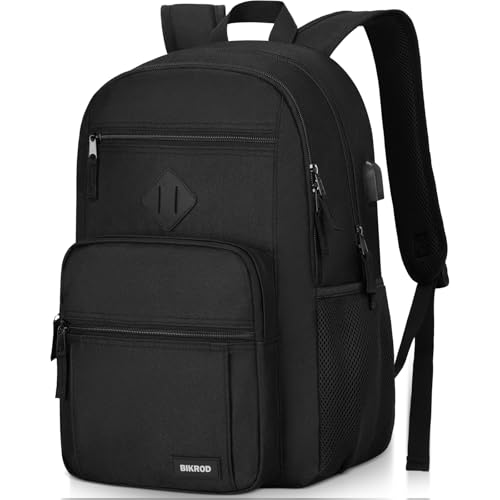
The BIKRDO Black USB Backpack takes a practical, no-nonsense approach to daily carrying. Two large main compartments provide more separation than a single-cavity bookbag, allowing folders and books to stay away from lunch containers, clothing, or miscellaneous gear. A dedicated sleeve fits laptops up to 15.6 inches, so a smaller school Chromebook or tablet should have extra breathing room. The description doesn't provide overall measurements or capacity in liters, though, which makes its exact scale harder to judge from specifications alone.
The black exterior looks neutral enough for school, weekend travel, and later academic years. That's a quiet strength because bold character prints can lose their appeal long before the zippers wear out. The understated design also pairs easily with uniforms, casual clothing, or sports gear without drawing much attention. On the flip side, plain black backpacks are common, so a name tag or removable identifier could prevent mix-ups in a crowded classroom.
BIKRDO lists 300D Oxford fabric as the main material and describes it as waterproof, sturdy, and wear resistant. Oxford fabric is commonly used where a balance of structure and manageable weight is needed, and the 300D specification suggests a lighter shell than thick expedition luggage. Still, the provided details don't mention sealed seams or waterproof zippers. Treating the bag as resistant to everyday splashes rather than fully submersible keeps expectations sensible.
The stated age guidance says it is suitable for ages three and older, but that broad recommendation doesn't settle whether the backpack will fit correctly. Shoulder width, torso length, and packed weight matter far more than a general age label. A proper fit keeps the bag close to the upper back, with neither the top pressing into the neck nor the bottom hanging well below the waist. The lack of published dimensions means fit deserves extra attention before the storage layout steals the spotlight.
Organization Without The Usual Pocket Scramble
Two main compartments give the interior a useful division of labor. One can carry binders, notebooks, and the laptop sleeve, while the second handles lunch, a light jacket, or supplies needed later in the day. Separating hard and soft items helps prevent book corners from crushing snacks or pressing awkwardly through the back panel. It also makes unpacking faster because everything isn't stacked inside one deep chamber.
The dedicated laptop sleeve is a meaningful feature, not just an extra strip of fabric. It holds a device upright and closer to the back, where the load usually feels more stable. A sleeve also keeps metal zippers, pencils, and lunch containers from rubbing directly against a notebook computer. The sleeve adds organization and basic padding, but a separate protective case still makes sense because no drop-protection rating is provided.
Outside storage includes two bottle pockets, a front utility pocket, a pleated stash pocket, and a zippered front stash pocket. That mix supports both quick access and secure storage. A transit card or tissue pack can live in the utility area, while keys and smaller valuables make more sense behind a zipper. The pleated pocket should expand for bulkier odds and ends, though stuffing it heavily could make the front of the backpack feel lopsided.
Side pockets keep drinks away from paper and electronics, which is always a smart move. Their exact depth, stretch, and bottle diameter aren't listed, so a tall container may not sit as securely as a shorter school bottle. A leakproof lid matters more than pocket placement, especially when the bag lands sideways under a desk. An umbrella can also use one side pocket, leaving the other available for a drink or rolled-up accessory.
Comfort And USB Convenience
Ergonomic S-curve shoulder straps follow the body more naturally than straight straps, helping the backpack settle around the shoulders instead of pulling only at their outer edges. The straps are adjustable, so the bag can sit higher or lower as clothing layers and daily loads change. BIKRDO also says the design helps prevent slipping, which is useful during walks or quick transitions between classes. Proper adjustment still does the heavy lifting because loose straps can make any backpack bounce and drag.
A padded back panel creates a softer barrier between the body and whatever is packed inside. That feature becomes noticeable when a binder edge or laptop corner would otherwise press through thin fabric. Back padding improves load comfort, but it can't make an overloaded backpack feel light. Dense textbooks belong nearest the padded panel, while lighter items can sit farther forward to keep the center of gravity close.
The built-in USB setup includes an external charging port and an internal cable. A power bank must be connected inside the backpack because the port doesn't generate electricity on its own. Once connected, a charging cable can run from the outside port to a phone without leaving the power bank loose in a hand or pocket. The USB port improves cable management, although the user still needs to supply and charge a compatible battery pack.
Cable routing brings a small but real convenience during long commutes, travel days, or after-school activities. It also introduces another component that should be kept dry and handled carefully around spills. The product information doesn't describe a removable cable, protective port cover, or charging speed, so those details remain unknown. The charging feature is useful rather than essential, and the backpack still functions normally when no power bank is installed.
Pros In A Packed Daily Routine
The dual-compartment layout is the clearest advantage. It reduces the pileup that happens when books, electronics, lunch, and clothing all share one space. The laptop sleeve adds another layer of separation for flat, delicate gear. This structure should make rushed packing more forgiving, provided each section keeps a consistent purpose.
Oxford 300D fabric offers a sensible balance for everyday carrying. The material is described as waterproof and wear resistant, which addresses light rain, damp floors, and the scuffs that come with school use. A wipeable dark surface may also hide ordinary marks better than pale canvas. Heavy storms remain a different story because the supplied description doesn't confirm sealed construction throughout the bag.
S-shaped straps and a padded back show more attention to comfort than basic bookbags with thin webbing. The curved shape can help the straps stay aligned during movement, while the cushioning reduces pressure from rigid contents. These features matter most once the backpack carries a laptop, several folders, and a full bottle. Sensible packing is still crucial because comfort features distribute weight rather than erase it.
The USB charging port gives the backpack a practical technology angle without taking away ordinary storage. It can keep a phone cable outside and a power bank tucked safely inside, reducing loose-wire clutter. From a broader travel perspective, one neutral reference is carry-on duffel bags for men, which serve a different role by prioritizing open packing space for clothing and short trips. The BIKRDO design remains better organized for books and devices, while a duffel generally handles folded gear with fewer internal divisions.
Cons And Tradeoffs To Keep In Mind
Missing size measurements are the biggest practical drawback in the supplied information. The backpack fits a 15.6-inch laptop, but that doesn't reveal its full height, width, depth, or total volume. A bag designed around adult laptops may sit larger than expected on a smaller torso. Without those figures, accurate fit assessment is tougher than it should be.
The broad age recommendation of three years and older isn't very informative. A backpack capable of carrying a 15.6-inch notebook could be far too large once packed for a young child, regardless of the stated minimum age. Fit should be judged by where the bag rests on the back and how easily the straps tighten. The storage capacity may be appealing, but unused room can tempt overpacking and add unnecessary strain.
Waterproof wording needs realistic interpretation. The 300D Oxford shell may resist splashes and light rain, yet no waterproof rating, seam sealing, or zipper protection is listed. Moisture can enter through openings even when the main fabric sheds water. Electronics, papers, and charging accessories still benefit from inner sleeves or protective pouches during wet weather.
The USB system adds parts that may go unused if phone charging isn't allowed during school or a power bank isn't carried. The external port also can't charge anything by itself, a detail that isn't always obvious from product names. Cables can wear over time, and the description doesn't explain whether the internal lead is replaceable. For a school day centered mostly on books and lunch, the charging feature may be less valuable than the second main compartment or padded back.
Corduroy 24L School Laptop Backpack Review
A school bag can look charming on the outside and still become a jumble of bent folders, loose pens, and a leaking bottle by lunchtime. This corduroy model takes a calmer approach, pairing a soft textured shell with a 24-liter interior, a laptop compartment, and several practical pockets. Those details place it among the more interesting options for the best backpack for 11 year old, especially where school supplies and personal style carry equal weight. The tradeoff is that corduroy needs more thoughtful care than slick synthetic fabric, and its 17-inch frame may feel large on a shorter torso.
Corduroy 24L School Backpack
The shortened name, Corduroy 24L School Backpack, fits the product better than the long retail title. Its listed size is 17 inches high, 12 inches long, and 6 inches wide, giving it enough vertical space for large folders and standard school materials. A 24-liter capacity lands in a sensible middle zone, roomy without drifting into oversized travel-pack territory. Still, the actual fit depends on torso length, not just the age range printed in a listing.
The backpack is designed to hold a 15.6-inch laptop, which also makes the padded compartment useful for a Chromebook, tablet, or binder. Keeping a device in its own section prevents sharp stationery, lunch containers, and loose chargers from rubbing directly against it. The sleeve should also help heavy, flat items stay close to the back, where they create less pulling. No specific drop-protection rating is provided, so a separate protective case remains sensible for delicate electronics.
Corduroy gives the bag a softer, more relaxed character than plain nylon or rigid polyester. The ribbed texture adds visual interest without relying on cartoon graphics or loud prints that may feel dated after a few months. The understated style can stretch across school and casual use, although the fabric may collect lint or show dust more readily than a smooth shell. That maintenance quirk isn't severe, but it does come with the material.
The supplied description calls the corduroy soft, durable, and machine washable. Machine washing is convenient for a school bag that may encounter snack crumbs, desk dust, and muddy floors, but care instructions still deserve attention. Padding, reinforced handles, and zippers can react differently to hot water or aggressive drying. A gentle cycle and thorough air drying would better preserve the shape than treating it like an ordinary sweatshirt.
Space That Handles A Full School Day
The main compartment is intended to carry textbooks, binders, lunch, and other class essentials. A 24-liter interior should provide enough room for an ordinary school schedule without leaving an enormous empty cavity. Large folders benefit from the 17-inch height because their corners are less likely to fold inward. Packing still needs some discipline, since a lunchbox placed against paper can create bent covers and uneven pressure.
The internal laptop compartment brings welcome structure to the largest section. Heavy books and the device can sit nearest the padded back, while softer or lighter items stay toward the front. That layered arrangement improves balance and reduces the backward tug that makes a loaded backpack feel clumsier than it is. Tossing everything in at random would waste much of the organizational benefit.
A front pocket keeps pens, keys, and a wallet out of the main load. That sounds basic, yet it solves one of the most common school-bag annoyances: emptying the whole backpack to locate one small object. Quick-access storage saves time during class changes, bus rides, and rushed mornings. The description doesn't mention internal dividers within the front pocket, so smaller items may still need a pencil case or zip pouch.
Two side pockets hold a water bottle, umbrella, flashlight, or selfie stick. Keeping damp or cylindrical items outside the main compartment protects books and electronics from moisture and pressure. Side storage adds practical flexibility, though bottle stability depends on pocket depth and stretch, details that aren't specified. A tall metal bottle may shift more than a shorter, lighter container.
Comfort During Walks And Long Class Days
Adjustable padded shoulder straps form the core of the carrying system. Padding spreads pressure over a wider area, while adjustment allows the backpack to sit closer to the upper back. A snug, balanced fit reduces bouncing during walks and keeps the load from hanging near the hips. Both straps should be set evenly, since carrying one side lower can make the bag feel heavier and twist the shoulders.
The 17-inch height deserves a second look from a fit standpoint. A bag can hold everything beautifully and still feel awkward if the bottom extends too far below the waist. Proper proportions matter more than capacity, especially once books and a laptop add weight. The top should stay below the base of the neck, while the lower edge should avoid swinging against the hips.
A reinforced top handle makes quick lifts less stressful on the stitching. School backpacks spend plenty of time hanging from hooks, being pulled from car floors, or moved from one chair to another. The strengthened grab point is useful for those short transfers and may reduce wear around the handle attachment. It shouldn't replace two-strap carrying for long distances because the entire load would concentrate in one hand.
The drawstring element adds a playful touch, while the SBS zipper is described as smooth, sturdy, and durable. Smooth zipper movement matters more than it sounds because a snagging closure becomes irritating during every rushed transition. Reliable hardware supports the whole storage design, since generous pockets mean little if they are hard to open. The drawstring may require a little more handling than a plain zipper-only opening, depending on how the main compartment is arranged.
Style, Care, And Everyday Flexibility
The corduroy shell gives this backpack a cozy, casual look that sits comfortably between a school bag and a fashion daypack. It doesn't resemble technical hiking gear, nor does it look like a rigid office laptop case. The softer appearance broadens its everyday appeal for class, work, shopping, or casual outings. Anyone who prefers a highly structured silhouette may find the fabric less crisp than coated synthetic materials.
Machine-washable construction is a practical advantage, but corduroy's ribbed surface can trap lint, crumbs, and fine debris. A soft brush or lint roller may handle quick cleanups without requiring a full wash. Routine surface care keeps the texture looking neater and helps avoid repeated machine cycles. Darker corduroy may hide marks better, while lighter shades can show wear sooner.
The bag is described for school, work, hiking, travel, camping, overnight stays, and daily errands. Its pocket layout and 24-liter volume support casual crossover use, especially for short trips with a change of clothes, a tablet, and small personal items. The design suits light travel better than technical outdoor use, since no chest strap, hip belt, or weatherproof rating is listed. A demanding trail load would ask more from the carrying system than the supplied features promise.
School packing sometimes shifts toward open-top designs rather than zippered backpacks. From a practical angle, tote bags for school represent a related format with faster access but less weight distribution across the shoulders. This corduroy backpack offers better hands-free balance, while a tote may feel simpler for lighter notebooks and quick errands. The difference comes down to load size, walking distance, and how much organization the day requires.
Pros That Make It Easy To Live With
The 24-liter capacity feels well judged for books, lunch, folders, and a device without turning the bag into a bulky expedition pack. It leaves room for a sweater or small after-school item while remaining more manageable than many 30-liter school backpacks. The 6-inch depth also provides usable space without making the profile excessively thick. Overpacking is still possible, but the capacity itself is fairly balanced.
The 15.6-inch laptop compartment gives larger electronics a defined place and keeps flat school materials organized. That section can also support a binder when no laptop is carried. Separating rigid items from food and loose supplies helps protect both the device and the rest of the load. The lack of stated padding thickness means it should be treated as an organizer first and serious impact protection second.
Machine-washable corduroy is a welcome feature for a fabric bag exposed to daily mess. The soft material feels less industrial than Oxford cloth and gives the backpack a distinct personality. A reinforced top handle, padded straps, and smooth zipper hardware add practical structure beneath that softer look. This mix of style and function is the bag's strongest selling point, provided the material's lint-catching nature isn't a bother.
Multiple storage zones help prevent the main compartment from becoming a catchall. A front pocket handles small essentials, while side pockets separate bottles and umbrellas from paper. The layout isn't overloaded with compartments, so remembering where things are should remain straightforward. That simplicity may suit a daily routine better than a backpack with a maze of tiny zippers.
Cons And Realistic Limitations
The 17-inch body may be too tall for a smaller frame. A backpack can technically fit the needed books and still hang too low, especially after the laptop sleeve and lunch area are filled. Since no torso-fit guidance is provided, measurements matter more than broad school-level labels. The lower edge should remain near the waist rather than swinging below it.
Corduroy requires more upkeep than a smooth synthetic shell. Dust and lint can settle into the ridges, while damp weather may leave the fabric feeling heavier until it dries. Machine washing helps, but frequent washing can place extra stress on padding and hardware. A quick brush or spot clean may be the better first step for ordinary dirt.
Weather protection isn't specified in the supplied details. The material is described as durable and washable, but not waterproof or water resistant. Rain could reach books, electronics, or the inner lining more easily than it would through a coated travel fabric. A protective laptop sleeve and inner document pouch would reduce that risk during wet commutes.
The drawstring design may add one more step during hurried access, depending on how it works with the main zipper. Some people enjoy the relaxed look, while others prefer a single clean closure that opens in one motion. The casual styling also won't fit every dress code or taste. Those tradeoffs don't undermine the useful pocket layout, but they do make the backpack more style-specific than a plain nylon bookbag.


10 Best Laptop Backpack For College of 2026 With Padded Drop Protection

9 Best Travel Carry On Backpack For Europe of 2026 To Clear Cabin Sizers

8 Best Travel Backpack For Carry On of 2026 to Avoid Gate Checks
7 Best Travel Backpack For Camera of 2026 With Modular Gear Protection
9 Best Backpack For 9 Year Old of 2026 To Fit Narrow Shoulders

7 Best Computer Backpack For Travel of 2026 With Luggage Straps

9 Best Backpack For 8 Year Old of 2026 With the Right Fit and Support
8 Best Small Day Backpack For Travel of 2026 That Stow in Luggage