Best Big Man Camping Chairs 2026: Built for More Room

Best big man camping chairs have to do more than carry a larger number on a weight-capacity label. The real difference shows up in seat width, frame stability, seat height, and fabric tension, especially after sitting for more than a few minutes. Narrow side panels can squeeze the thighs, soft sling seats may pull inward, and low frames can make standing back up feel like unnecessary work. A chair that gives the body enough room without wobbling or sagging makes campfire time far easier to enjoy.
Usable seat space deserves more attention than headline dimensions. A chair can look wide on paper while narrowing sharply near the hips, which defeats much of the benefit. Firmer fabric tends to hold its shape better, though it may feel less cushy at first than a loose hammock-style seat. That tradeoff often pays off during longer sits because supportive fabric reduces the constant shifting that happens once the seat begins collapsing toward the center.
Seat height can quietly make or break comfort. Very low chairs look relaxed, but getting out of them may require a deep push from the legs and arms, particularly after a long day outdoors. A slightly taller seat usually makes sitting down and standing up smoother while keeping the knees in a more natural position. Still, taller isn't automatically better, since a chair that sits too high can leave the feet poorly planted on the ground.
Heavy-duty frame construction also matters once weight shifts during normal movement. Leaning over for a cooler, reaching toward the fire, or turning to talk places different loads on folding joints than simply sitting still. Thick steel tubing often feels reassuringly planted, although the downside is obvious once the chair has to be carried any real distance. Lighter frames are easier to haul, but the connection points, cross braces, and overall stance still need enough structure to keep the chair from feeling twitchy.
Armrests deserve a close look because cramped placement can erase the benefit of an otherwise generous seat. Fabric arms sometimes fold inward, and oversized cup holders can steal elbow room exactly where extra space is needed. Wide arm placement and accessible storage keep the shoulders relaxed and make it easier to settle naturally instead of sitting with the elbows tucked in. A side pocket can also keep a phone, flashlight, glasses, or small camp item within reach without cluttering the seat.
Backrest shape becomes more noticeable the longer the evening runs. A deeply reclined back can feel nice for lounging, yet it may become awkward during meals, conversation, or card games when the upper body naturally wants to sit more upright. Firmer backs offer more structure, while thick padding adds softness but also increases bulk. Balanced back support usually works better than chasing maximum padding because support needs to stay useful after the first few minutes.
Portability is where oversized comfort starts collecting its bill. Wider frames and stronger tubing often mean a heavier chair and a larger folded package, which isn't a big deal beside a parked vehicle but can become irritating on a longer walk. A shoulder strap helps, though a bulky carry bag can still bump against the legs or feel poorly balanced. For car camping, fishing, tailgating, RV trips, and backyard fires, a bit of added weight may be an easy trade for a roomier and steadier seat.
Foot design and frame stance matter on real campground surfaces, too. Small feet can sink into soft soil or shift on loose gravel, while broader contact points spread pressure and generally feel more secure. A wider stance also helps tame the side-to-side rocking common with narrow folding chairs. Uneven ground will always require sensible placement, but a stable base makes the chair far less fussy once it's set down.
The better pick usually balances comfort with practical compromises instead of chasing the biggest specification in every category. Wide seating, supportive fabric, sensible seat height, sturdy joints, and manageable packed size need to work together. Some chairs provide enormous lounging space but become cumbersome to move, while lighter designs may give up padding or width. The useful sweet spot is enough room to settle naturally without turning the chair into another oversized piece of gear that's annoying to transport.

- TLR Rank8.6
TLR Rank is a ranking system developed by TravelLuggageReviews.com. TLR Rank has no relationship or impact from any manufacturers or sales agent websites. Learn more
- BrandGCI Outdoor

- TLR Rank9.3
TLR Rank is a ranking system developed by TravelLuggageReviews.com. TLR Rank has no relationship or impact from any manufacturers or sales agent websites. Learn more
- BrandARROWHEAD OUTDOOR

- TLR Rank8.1
TLR Rank is a ranking system developed by TravelLuggageReviews.com. TLR Rank has no relationship or impact from any manufacturers or sales agent websites. Learn more
- BrandTIMBER RIDGE

- TLR Rank8.1
TLR Rank is a ranking system developed by TravelLuggageReviews.com. TLR Rank has no relationship or impact from any manufacturers or sales agent websites. Learn more
- BrandOvermont

- TLR Rank7.2
TLR Rank is a ranking system developed by TravelLuggageReviews.com. TLR Rank has no relationship or impact from any manufacturers or sales agent websites. Learn more
- BrandTIMBER RIDGE

- TLR Rank7.7
TLR Rank is a ranking system developed by TravelLuggageReviews.com. TLR Rank has no relationship or impact from any manufacturers or sales agent websites. Learn more
- BrandFUNDANGO

- TLR Rank9.1
TLR Rank is a ranking system developed by TravelLuggageReviews.com. TLR Rank has no relationship or impact from any manufacturers or sales agent websites. Learn more
- BrandOvermont
- TLR Rank8.7
TLR Rank is a ranking system developed by TravelLuggageReviews.com. TLR Rank has no relationship or impact from any manufacturers or sales agent websites. Learn more
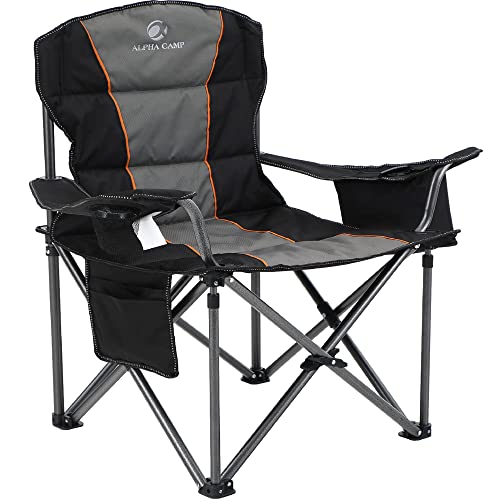
- BrandALPHA CAMP

- TLR Rank9.7
TLR Rank is a ranking system developed by TravelLuggageReviews.com. TLR Rank has no relationship or impact from any manufacturers or sales agent websites. Learn more
- BrandOvermont

- TLR Rank7.9
TLR Rank is a ranking system developed by TravelLuggageReviews.com. TLR Rank has no relationship or impact from any manufacturers or sales agent websites. Learn more
- BrandALPHA CAMP

- TLR Rank9.3
TLR Rank is a ranking system developed by TravelLuggageReviews.com. TLR Rank has no relationship or impact from any manufacturers or sales agent websites. Learn more
- BrandFAIR WIND
Last update on 2026-08-18 / Affiliate links / Images, Product Titles, and Product Highlights from Amazon Product Advertising API
GCI Outdoor Freestyle Rocker XL Review
A roomy camp chair can still miss the mark if the seat sits too low, the back feels cramped, or getting out turns into a small wrestling match. The GCI Outdoor Freestyle Rocker XL takes a more practical route with an oversized frame, a 20-inch seat height, and a broader, taller backrest built around relaxed outdoor sitting. Its standout feature is the Spring-Action Rocking Technology, which adds a gentle rocking motion without requiring a traditional curved rocker base. At 13.4 pounds, though, this isn't the sort of chair I'd lump in with lightweight gear meant for long walks into camp.
GCI Freestyle Rocker XL
The first thing that separates this chair from a typical folding camp seat is its 400-pound weight capacity combined with proportions that don't feel stingy. Open dimensions are 25.6 inches deep, 26.4 inches wide, and 34.8 inches high, so there's noticeably more structure around the body than you'd get from a compact sideline chair. That broader footprint matters for anyone tired of narrow fabric sides pressing inward around the hips. Better yet, the 20-inch seat height can make getting up feel less awkward than climbing out of a low-slung camping chair.
The steel frame is where much of that substantial feel comes from, and there's a tradeoff attached to it. Steel adds stability, but it also helps push the chair to 13.4 pounds, so carrying it across a large campground or sports complex won't feel featherlight. For car camping, backyard cookouts, or a sideline setup where the walk is short, that weight makes more sense. Packed down, the chair measures 25 inches deep, 4.9 inches wide, and 34.8 inches high, which is fairly slim from the side but still tall enough to claim noticeable trunk or storage space.
Comfort isn't just about width, either. The higher and broader backrest gives the upper body more surface to settle against, while the mesh backing allows airflow through an area that can get warm quickly on summer afternoons. That's a useful detail for long stretches beside a campfire, at a youth sports game, or during a backyard gathering where you're sitting far longer than planned. The built-in beverage holder and phone pocket also keep everyday clutter off the ground without turning the chair into a storage station.
There's a practical rhythm to the design that fits casual outdoor use well. Sit down, lean back, let the rocker move a little, then keep a drink and phone within reach without rearranging half the campsite. Comfort, storage, and support work together rather than feeling like unrelated extras tacked onto the frame. It isn't a compact chair, and pretending otherwise would miss the point; the XL shape is there specifically to prioritize space and support over minimal packed size.
Rocking Comfort Without Curved Rails
The rocking system is the most interesting part of the Freestyle Rocker XL because it doesn't depend on long curved runners under the chair. GCI Outdoor uses shock absorbers with patented Spring-Action Rocking Technology to create the movement, which allows the chair to rock on flat, hard, or soft terrain. That makes the motion more practical for campsites where the ground may be dirt, packed gravel, grass, or a patio surface rather than a perfectly level deck. The result is a rocking-chair feel packed into a folding outdoor frame.
That setup also sidesteps one of the headaches of traditional outdoor rockers: bulky rails that can be awkward to transport and finicky on uneven ground. The chair's legs remain planted while the spring system handles the motion, so the footprint stays closer to a regular folding chair. Gentle movement rather than exaggerated rocking is the better way to think about it. Anyone expecting a porch rocker with a huge swing may be disappointed, but the restrained motion makes more sense around coolers, camp tables, and crowded sidelines.
The mesh back deserves some credit here because rocking can make a warm padded chair feel even stuffier after a while. Airflow through the back panel helps take the edge off during warmer weather without stripping the chair of its supportive shape. On a cool evening, that ventilation may be less noticeable, but during sunny games or humid afternoons it becomes a more meaningful comfort feature. Small details like this tend to matter more after an hour than they do during the first five minutes.
There's also something reassuring about a chair that doesn't ask the body to sit perfectly still. A little movement can feel more natural during conversations, while watching a game, or while staring into a fire with nowhere else to be. The rocking mechanism adds comfort without adding a complicated setup routine, and that's a sensible match for a chair intended for repeated outdoor use. It won't replace a padded patio recliner, but it offers a different kind of comfort that standard folding chairs simply don't provide.
Setup, Packing, And Everyday Practicality
Bulky chairs often become annoying before anyone even sits down because setup can involve wrestling with stubborn frames and fabric. The Freestyle Rocker XL uses Eazy-Fold Technology to keep that process straightforward: grab the seat frame, push outward, then down to open it. Packing follows a similarly simple pattern by placing a foot on the leg base and pulling the closure handles upward. That quick routine suits the kind of repeated setup that happens at campsites, ball fields, and backyard events.
The biggest compromise remains portability. A 13.4-pound chair is reasonable beside a vehicle, but it becomes less appealing if the destination involves a long walk, steep trail, or crowded public transit. The folded profile is narrow at 4.9 inches, which helps with storage, yet the 34.8-inch folded height still makes it a substantial piece of gear. In other words, this chair favors sitting comfort once you arrive rather than effortless carrying on the way there.
That distinction makes the Freestyle Rocker XL easier to judge fairly. It suits situations where space, support, and a higher seating position matter more than shaving every possible pound from the load. A compact backpacking stool and this chair technically solve the same basic problem, but they live at opposite ends of the comfort-versus-portability spectrum. For campgrounds reached by car, sideline sports, RV stops, and patio use, the heavier build feels much easier to justify.
Unrelated gear problems can pop up on the same trip, especially once chairs, bags, and luggage all start moving between the house and the car. A separate reference for a jammed travel handle appears in how to fix a stuck suitcase handle, which deals with that issue without pretending it has anything to do with chair performance. Keeping that distinction clear matters because the Freestyle Rocker XL should be judged on what it actually offers: oversized seating, a 400-pound capacity, rocking motion, and simple folding hardware. Those strengths are useful enough on their own without dressing them up as something they're not.
Where The XL Design Makes The Difference
Plenty of camping chairs advertise heavy-duty construction, but the experience can still feel cramped if the geometry stays close to a standard seat. The Freestyle Rocker XL pairs its 400-pound frame rating with a wider overall body and a 20-inch seat height, so the extra capacity isn't isolated from the rest of the design. That combination matters because comfort depends on more than whether the frame can technically hold the load. Room to settle, a supportive back, and easier standing are part of the same equation.
The higher seat is especially worth noting because low chairs can be frustrating after a long day on your feet. A 20-inch height gives the legs a more natural starting position and reduces the deep drop associated with many compact camp chairs. Easier entry and exit may sound like a small perk, but it's the sort of detail that becomes more valuable every time the chair is used. At the same time, shorter sitters may prefer a lower seat if they want their feet firmly planted, so the taller geometry won't suit every body equally.
The broader backrest follows the same practical logic. More upper-body support can make a noticeable difference during long games or slow evenings outside, especially when a narrow back panel tends to dig into the shoulder blades. Add the mesh ventilation, and the chair avoids becoming an overly padded cocoon in warm conditions. There isn't elaborate lumbar adjustment or multiple reclining positions here, so anyone chasing fine-tuned ergonomic controls should keep expectations realistic.
The Freestyle Rocker XL makes the most sense as a substantial comfort chair that happens to fold, rather than a lightweight folding chair that happens to be comfortable. Its steel frame, XL proportions, rocking system, higher seat, beverage holder, and phone pocket all push it toward relaxed stationary use once the destination is reached. The weight and folded height are the obvious costs of that approach, and they're worth considering before loading up the car. For someone prioritizing room and steady support around camp, at the sideline, or in the backyard, those compromises are at least easy to understand rather than hidden behind flashy extras.
ARROWHEAD OUTDOOR Deluxe Folding Camp Chair Review
Extra storage sounds like a small perk until the campsite turns into a jumble of cans, sunglasses, phones, snacks, and loose gear with nowhere sensible to go. That everyday clutter is exactly where the ARROWHEAD OUTDOOR Deluxe Folding Camp Chair takes a different path from stripped-down camp seating. For anyone researching best big man camping chairs, its combination of portable seating, multiple drink-storage options, and several dedicated pockets gives it a practical identity beyond simple sit-down comfort. The tradeoff is equally clear: this chair focuses heavily on convenience features, while the provided specifications don't state a weight capacity, seat width, or seat height, so those measurements shouldn't be assumed.
ARROWHEAD OUTDOOR Deluxe Folding Camp Chair
The chair is described as lightweight and portable, which immediately separates it from oversized steel-framed chairs that can feel like luggage by the time they reach the campsite. Folding construction suits camping, tailgates, sporting events, indoor gatherings, BBQs, and cookouts, giving the chair a wider range of everyday uses than a campsite-only design. Portability matters even more when several chairs have to share trunk space with coolers, tents, and cooking gear. Still, without a supplied packed weight or folded dimensions, it's better to treat the lightweight description as a product characteristic rather than attach an invented number to it.
The headrest is another feature that shifts the chair toward laid-back comfort. A basic quad chair often ends at the upper back, which can leave the neck unsupported during longer stretches of lounging. Extra support around the head area can make sideline watching or a slow afternoon cookout feel less tiring, especially once sitting turns from twenty minutes into several hours. That said, the product details don't specify whether the headrest is adjustable, padded to a particular thickness, or removable, so expectations should stay grounded in what is actually provided.
There is a practical limitation worth flagging for anyone shopping specifically around larger body size. The product information supplied here doesn't include seat dimensions, frame capacity, or maximum supported weight, three measurements that matter a great deal in the big-man camping chair category. Storage and comfort features can make a chair more enjoyable, but they don't replace the need to verify physical fit. For that reason, this model makes a stronger case on convenience and organization than on documented heavy-duty capacity based on the details available.
Armrest Cooler And Everyday Storage
The armrest cooler is probably the feature most likely to earn its keep during actual outdoor use. It can hold up to six 12-ounce cans, keeping drinks close enough that repeated trips to a larger cooler aren't necessary every time someone wants another beverage. That capacity is useful during sports games, backyard gatherings, or an evening beside the fire where getting up constantly gets old fast. More importantly, the cooler is built into the chair rather than hanging as a completely separate accessory that needs another spot on the ground.
A nearby storage pouch handles the smaller stuff that otherwise disappears into pockets, cup holders, or the grass. The provided description specifically mentions room for a phone, bottle opener, or lighter, all items that tend to migrate around a campsite once people settle in. Keeping those pieces within arm's reach cuts down on the familiar "where did I put that?" routine without turning the chair into an overcomplicated organizer. Simple storage sounds mundane, but out in the yard or at a campground, mundane is often exactly what makes equipment pleasant to live with.
The cooler does bring one realistic tradeoff: six cans add weight once loaded, even if the empty chair itself is intended to remain portable. A fully stocked armrest can also make one side feel busier than a plain folding chair, particularly while opening, closing, or moving it around. Convenience is strongest once the chair is parked, not necessarily while it's being carried from place to place. That distinction matters if the walk from the vehicle to the seating area is long rather than a quick hop across the lawn.
Drink Holders That Go Beyond A Mesh Pocket
The wine glass holder is an unusual detail in a category dominated by basic cylindrical cup sleeves. It's designed to secure stemmed drinkware including wine, martini, margarita, and champagne glasses, which makes the chair noticeably more suited to backyard dinners, cookouts, and social gatherings than a bare-bones camp seat. A stemmed glass balanced on uneven grass is practically asking for trouble, so giving it a dedicated attachment point is a sensible bit of design. It won't matter to everyone, but for the situations where it does matter, it's more purposeful than another generic fabric pocket.
For regular cans and cups, the chair uses an insulated supersized cup holder rather than the familiar open mesh loop. The supplied dimensions say it accommodates containers up to 4.5 inches, or 114 millimeters, wide, which leaves room for more than a standard soda can. Insulation is intended to help the drink stay closer to its desired temperature, adding a layer of function that plain mesh can't provide. Since the product details don't state how long temperature retention lasts, there's no reason to invent a performance window that hasn't been given.
Multiple beverage-storage options create a clear personality for this chair. It isn't pretending to be ultralight backcountry gear; instead, it leans toward comfortable social seating with organized drink access. That makes more sense at a tailgate, campsite loop, backyard cookout, or sporting event than on a long hike where every ounce and every accessory matters. The difference is useful because it helps set realistic expectations rather than treating every folding chair as though it serves the same job.
Back Storage And Campsite Organization
The large mesh storage compartment on the back gives bulkier loose items somewhere to live without crowding the armrests. Hats, sunglasses, snacks, and similar pieces can stay off the dirt while remaining attached to the chair, which is handy once a campsite starts accumulating odds and ends. Mesh is also a sensible material for this location because it keeps the compartment visually light and lets dirt or sand shake out more easily than a completely enclosed fabric pocket. It's a practical detail, not a flashy one, and that's precisely why it can be useful day after day.
Backside storage also keeps personal items away from the seating area itself. A phone in the armrest pouch, drinks in dedicated holders, and larger bits in the rear mesh compartment create separate zones for different kinds of gear. That organization reduces the temptation to pile everything onto the seat whenever someone gets up for a minute. Small systems like this don't change how the frame performs, but they can noticeably reduce campsite clutter over the course of an afternoon.
Travel gear tends to create its own set of little headaches beyond the campsite, particularly when toiletries need to survive inside checked baggage without leaking across clothing. A related packing reference appears in how to pack shampoo in checked luggage, which addresses that separate travel issue without tying it artificially to chair performance. Keeping unrelated problems separate is useful because this chair's actual strengths remain much more concrete: integrated storage, beverage organization, portability, and relaxed seating features. Those are the areas where the supplied product information gives enough detail to make a fair assessment.
Where The Chair Makes Sense And Where It Doesn't
The strongest use case is relaxed outdoor seating where storage convenience matters almost as much as the seat itself. Tailgates, lawn games, sporting events, BBQs, campgrounds, and indoor overflow seating all fit naturally with the product description. A built-in cooler, oversized insulated drink holder, wine glass holder, phone storage, and rear mesh compartment mean fewer loose accessories scattered around the chair. That collection of features gives the design a social, stay-awhile personality rather than a minimalist camping focus.
The missing specifications deserve just as much attention as the listed features. Someone focused on big man camping chairs will usually want documented information about seat width, seat depth, seat height, and weight capacity before making a fit decision. None of those figures appear in the supplied details, so calling this chair heavy-duty for larger bodies would go beyond the available information. It may prove roomy in practice, but that conclusion can't responsibly be drawn from storage features or the word "deluxe" alone.
That limitation doesn't erase what the chair does well. Its lightweight folding design aims to make transport easier, while the headrest and multiple storage points support longer stretches of casual sitting without constant trips back to the cooler or gear pile. The drink-management setup is more developed than what many basic folding chairs offer, and the rear compartment gives loose items a sensible home. For buyers prioritizing organization and outdoor convenience, those features are tangible strengths, while anyone prioritizing verified oversized dimensions should confirm the missing fit specifications before treating it as a true large-capacity chair.
Timber Ridge XXL Oversized Directors Chair Review
A folding chair stops feeling relaxing pretty quickly once the seat pinches at the hips, the frame flexes under movement, or standing back up takes more effort than expected. The Timber Ridge XXL Oversized Directors Chair tackles those frustrations with a 28.4-inch-wide seat, a substantial steel frame, and a stated 600-pound weight capacity. Among best big man camping chairs, those dimensions immediately put the focus on usable room rather than squeezing a larger capacity label onto an ordinary-size chair. The cost of all that structure is easy to spot, though: at 22 pounds, portability takes a back seat to stability and comfort.
Timber Ridge XXL Directors Chair
The scale of this chair is hard to ignore, and that's exactly the point. Open dimensions measure 32.7 inches wide, 24 inches deep, and about 36.6 inches high, giving the frame noticeably more presence than a compact quad chair. The 28.4-inch seat width provides substantial side-to-side room, which matters far more in daily use than vague claims about being oversized. Anyone who's dealt with armrests crowding the thighs will understand why that extra width isn't merely a nice number on a spec sheet.
The 600-pound weight capacity is backed by a 25mm steel tube frame with powder coating, according to the supplied specifications. That combination speaks directly to the structural side of the design rather than relying on softer comfort features alone. A chair built this way naturally feels more substantial on paper, but the tradeoff follows right behind it: steel tubing and a larger frame help bring the total product weight to 22 pounds. For car camping, backyard use, or a short walk from the parking area, that may be perfectly reasonable; for a long carry, it's a different story.
The fabric choice adds another layer to the heavy-duty setup. 600D polyester embossed fabric is used across the seating area, pairing the frame with material intended for regular outdoor use. No specific abrasion test or durability lifespan is provided, so there's no reason to pretend the fabric is indestructible. Still, the combination of thick-looking structural hardware and broad fabric coverage makes the design feel purpose-built for roomy stationary seating rather than lightweight travel.
Folded dimensions come in at roughly 7 inches by 24.8 inches by 37.4 inches, which keeps the chair relatively flat but not especially small. That matters if trunk space is already fighting with coolers, tents, cooking equipment, and other camping gear. The chair folds down, yes, but nobody should confuse "folding" with "compact." Its strength is giving up some portability in exchange for a larger, more supportive place to sit.
Wide Seat And Full-Back Padding
The 28.4-inch-wide seat is arguably the most important comfort figure in the entire product description. Weight capacity tells you what the chair is rated to support, but width determines whether sitting actually feels roomy. A broad seat reduces the boxed-in sensation common with smaller folding chairs, especially where fabric sides and armrests normally crowd the hips. That extra lateral space can make long stretches at a campsite, barbecue, or sporting event feel far less restrictive.
Padding runs through both the full back and wide seat, which changes the feel compared with thin sling-style camp chairs. Foam padding can soften pressure points during long sitting sessions, particularly around the lower back and seat base where bare fabric often starts feeling tired after a while. The padded headrest adds another resting point, while cushioned armrests keep the forearms away from exposed frame tubing. Those touches lean the design closer to a portable outdoor lounge chair than a minimalist folding seat.
There is a tradeoff to all that padding. More foam and fabric tend to hold more bulk, and they're part of why this chair isn't something you'd toss over a shoulder and forget about. Comfort is prioritized over light carry weight, which makes sense for campsites reached by vehicle, patios, picnics, or indoor overflow seating. A backpacker counting ounces would probably consider the chair excessive, but that's not really the problem it's trying to solve.
The headrest and arm cushioning also matter because wide seating alone doesn't guarantee a relaxed posture. A chair can offer plenty of hip room yet still feel awkward if the upper body has nowhere comfortable to settle. Here, the full-back support and padded contact points aim to spread comfort across the entire sitting position rather than concentrating only on seat width. That's a more coherent design choice for longer sessions, especially where getting up every twenty minutes isn't part of the plan.
Side Table And Storage That Actually Earn Space
The right-side foldable side table gives the chair a practical advantage in situations where a separate camp table would be overkill. A phone and drink can stay beside the seat instead of disappearing into the grass or balancing awkwardly on an armrest. That setup is particularly useful around a barbecue, picnic area, campsite, or sports field where personal items tend to migrate onto coolers and folding tables. Once the chair is packed away, the table collapses with the setup rather than becoming another loose piece of gear.
Storage gets more interesting on the left side. The detachable side pocket includes a large compartment with insulated coating intended to help keep food or drinks cold or hot for hours. The supplied information doesn't provide a specific temperature-retention period, so expectations should remain reasonable rather than treating it like a dedicated cooler. Still, having insulated storage attached to the chair can cut down on repeated trips to a larger cooler during a long afternoon.
A mesh pocket under the seat handles smaller odds and ends that don't belong on the side table. Keys, gloves, snack wrappers, or other loose pieces can stay close without using up the primary storage pocket. That sort of organization may sound mundane, but campsites get cluttered quickly once several people start dropping gear around chairs. Keeping small items attached to one piece of furniture saves some of the usual rummaging later.
The attached storage does add visual and physical bulk, and that's worth acknowledging. A chair with a table, detachable pocket, insulation, padding, and a heavy steel frame was never going to pack like a stripped-down camp stool. Convenience grows as portability shrinks, and this model lands firmly on the convenience side of that equation. For stationary outdoor setups, that's a sensible compromise; for constant movement, less so.
Heavy-Duty Support Without Pretending It's Lightweight
The 25mm steel tube frame gives the chair its 600-pound rated capacity, but it also explains why the scale reads 22 pounds. That weight isn't a flaw by itself; it's simply part of the engineering compromise. Larger tubing, a wider frame, full padding, and integrated accessories all have mass, and pretending otherwise would make the review less useful. The better question is whether the chair will mostly be carried ten yards from a vehicle or half a mile into a campsite.
For short-distance transport, the weight can be easier to tolerate because the payoff is a broad seating area and a more planted-looking frame. A wide stance often feels more reassuring during normal shifting, leaning, and standing up, especially compared with narrow folding chairs that feel twitchy under side-to-side movement. The specifications don't provide anti-tip testing or stability measurements, so those claims shouldn't be invented. What can be said is that frame size and steel construction clearly favor structural substance over low weight.
The powder-coated frame adds an outdoor-oriented finish to the steel tubing. Powder coating can help create a protective surface on metal, but the provided details don't give a rust-resistance rating or maintenance schedule. Wiping the chair down after damp conditions and storing it dry would still be sensible habits for any steel-frame camp chair. Heavy-duty doesn't mean maintenance-free, especially when outdoor gear spends time around rain, grass, dirt, and changing temperatures.
That 22-pound figure becomes the clearest weakness if the chair needs to move often. Loading and unloading once or twice is one thing; carrying it repeatedly across parking lots or uneven campsites is another. Portability is functional rather than effortless, and that distinction matters because the word "folding" can make oversized chairs sound lighter than they really are. This design is better understood as substantial furniture that folds, not ultralight gear that happens to have a wide seat.
Practical Fit For Camping And Everyday Outdoor Use
The product description lists camping, traveling, barbecue, picnic, and indoor or outdoor activities as intended uses, and the hardware makes those scenarios easy to picture. A side table for a drink and phone fits naturally beside a grill or picnic setup, while the insulated pocket keeps refreshments close during a long afternoon. Indoors, the wide padded chair could also serve as temporary seating where ordinary folding chairs feel too narrow. The bulk matters less in those stationary situations because comfort becomes the bigger priority.
Travel deserves a little qualification, though. A 22-pound folding chair with a 37.4-inch folded height isn't the sort of travel item that disappears neatly into luggage. It makes more sense for vehicle-based trips where cargo space is available and the chair doesn't need to be carried far. Related packing decisions often become part of the same planning process, and a neutral reference for larger luggage appears in best large suitcase when organizing bulky travel gear becomes a separate concern. That topic stands on its own rather than having any bearing on the chair's performance.
The biggest practical advantage remains the combination of wide seating and documented load capacity. Some oversized chairs provide one without clearly addressing the other, leaving shoppers to guess whether generous dimensions actually come with a suitably stout frame. Here, the supplied specifications put a 28.4-inch seat beside a 600-pound capacity and a 25mm steel tube structure. Those numbers don't guarantee a personal fit, but they at least give concrete information to work with rather than vague "heavy-duty" language.
The limitation is equally concrete. Twenty-two pounds is heavy for a folding camp chair, and the folded package remains substantial even though it becomes much flatter than the open chair. Someone who values easy carrying above everything else will probably resent that heft. Someone who hates squeezing into narrow camp furniture may see the same weight as an acceptable price for extra room, padding, and a more robust frame.
Where The Timber Ridge XXL Stands Apart
The biggest difference is that several comfort and capacity features reinforce each other instead of working in isolation. The 28.4-inch seat provides room, the 600-pound frame rating addresses load support, and the padded back, headrest, and arms handle long-session comfort. That's a more convincing package than simply attaching an oversized label to a chair with ordinary proportions. The design is unapologetically large, and for once that's useful rather than decorative marketing language.
Storage also feels integrated into the seating experience rather than bolted on as an afterthought. The side table handles immediate items, the insulated detachable pocket deals with food or drinks, and the mesh compartment underneath catches smaller gear. Three different storage zones may be excessive for a quick soccer game, but they make more sense during camping or all-day outdoor gatherings. Fewer things end up on the ground, and fewer reasons remain to stand up just to grab a phone or drink.
The chair won't suit every situation, and that's actually easy to define. Long-distance carrying, tight trunks, minimalist campsites, and frequent repositioning all expose the downside of the 22-pound frame and oversized folded dimensions. Stationary setups play to its strengths instead: wide seating, generous padding, attached storage, a useful table, and documented heavy-duty support. Knowing that split makes the buying decision much clearer than pretending the chair excels equally everywhere.
Among best big man camping chairs, the Timber Ridge XXL makes its case with hard dimensions rather than vague promises: 28.4 inches of seat width, a 600-pound stated capacity, 25mm steel tubing, and full-seat and back padding. Those strengths come packaged with real bulk, and that tradeoff shouldn't be buried under praise. For a campsite, patio, picnic, barbecue, or other setting where the chair can stay put for hours, the design offers the sort of space and support that compact chairs simply can't mimic. For anyone hauling gear far from the vehicle, the same substantial construction may feel like too much chair to carry.
Overmont Oversized XL Camping Chair Review
Long hours outside can expose every weak point in a folding chair, from thin padding that flattens out to a seat that feels cramped once a jacket and a few layers enter the picture. The Overmont Oversized XL Camping Chair approaches those problems with a larger frame, substantial cushioning, and storage built around the way people actually settle in for sports, fishing, campfires, and backyard evenings. Within the best big man camping chairs category, its stated 500-pound support, 2.5 pounds of high-density cotton filling, and reinforced construction give it a comfort-first personality. Portability is still part of the design, but this clearly isn't a bare-bones chair built around stripping away every ounce.
Overmont Oversized XL Camping Chair
The chair measures 37 x 23 x 22 inches, creating a sizeable seating setup without relying on vague claims about being oversized. Those proportions matter because a camping chair can technically hold substantial weight yet still feel restrictive if the usable seating area is poorly shaped. Overmont pairs the larger dimensions with a stated 500-pound support capacity, giving the structure and seating concept a more coherent relationship. For camping trips, RV stops, soccer games, beach days, and backyard use, that extra room should be considered part of the chair's basic purpose rather than an ornamental feature.
Padding is where this model leans hardest into comfort. The chair contains 2.5 pounds of high-density cotton filling, a notable amount for a folding outdoor seat where many designs rely mostly on fabric tension. That cushioning is intended to soften long sitting sessions around a fire or during a slow afternoon at a sporting event. More padding does mean more material to fold and carry, though, so the comfort gain naturally comes with some extra bulk compared with a thin sling chair.
The structure also includes reinforced double stitching in high-stress areas, which addresses a common weak spot in heavily used fabric chairs. Repeated folding, body movement, and tension around seams can put considerable strain on stitched sections over time. The supplied description doesn't provide laboratory abrasion figures or a lifespan estimate, so there's no basis for assigning one. Still, reinforcement in the areas that take repeated stress is a practical design decision rather than a decorative detail.
A one-year warranty and responsive customer support are also listed with the chair. That doesn't tell us how the product will age in every environment, but it does establish the support period provided in the supplied specifications. Outdoor equipment has a rough life between dirt, sun, moisture, storage sheds, trunks, and repeated setup, so warranty coverage can matter more here than it might on furniture that never leaves a living room. The sensible expectation is straightforward: the chair is built for regular portable use, but basic care and dry storage still matter.
Deep Padding Changes The Sitting Experience
A lot of folding chairs depend almost entirely on stretched fabric to create their seating surface. Overmont goes another direction with high-density cotton cushioning, aiming to create a softer contact area across longer periods of use. That can be especially relevant once a two-hour soccer game becomes an afternoon tournament or a short campfire chat stretches deep into the evening. Thin fabric may feel fine at first, but extra cushioning becomes much easier to appreciate after the clock keeps moving.
The chair's angled tilt design adds another piece to the comfort equation. Instead of holding the body in a rigid upright position, the seating angle is intended to provide a more relaxed posture and ergonomic support. That relaxed geometry makes sense for bonfires, fishing, lawn seating, and casual outdoor events where leaning back is part of the experience. Anyone who prefers a very upright dining-chair posture may see the tilt differently, so this is better understood as a lounging-oriented feature rather than an automatic advantage in every situation.
Comfort also depends on how the chair behaves once someone starts shifting, reaching for a drink, or sitting for an extended period. Reinforced stitching and substantial padding address different parts of that problem, with one helping the fabric handle stress and the other reducing pressure against the body. Neither feature replaces the need for sensible placement on stable ground, especially outdoors where sand, grass, and uneven soil can affect any folding chair. Still, the overall design clearly favors a softer and more settled seating experience than minimalist camp furniture.
That comfort-first construction won't appeal equally to someone trying to pack extremely light. More padding occupies space, and an oversized frame usually demands more room than a compact folding stool. Comfort and packing efficiency pull in opposite directions here, which is a normal tradeoff rather than a hidden flaw. For vehicle-based camping, RV travel, backyard relaxation, or sports fields, the extra cushioning is easier to justify because the chair doesn't need to travel miles on foot.
Storage Keeps Small Gear From Taking Over
The oversized cup holder handles one of those mundane campsite problems that becomes irritating surprisingly fast. Standard holders can be too narrow for larger tumblers or insulated drink containers, leaving them balanced on the ground or wedged awkwardly beside the chair. Overmont describes this holder as accommodating most drink sizes, although no exact diameter is supplied in the provided information. That means the useful takeaway is its oversized intent, not an invented measurement that may not match a particular bottle.
The large insulated cooler bag adds more substantial storage for beverages. Keeping cold drinks attached to the chair can reduce the constant back-and-forth to a separate cooler during a game, fishing session, or campfire gathering. The description says the bag is designed to keep beverages cold, but it doesn't specify an exact retention time or tested temperature range. That's worth keeping realistic, because an integrated cooler pouch is convenient storage rather than a substitute for a dedicated hard-sided cooler on a long hot day.
Phones, keys, and snacks have their own spot in the side mesh pocket. Separating small essentials from drinks helps prevent the usual pile of loose gear around the chair legs, and mesh makes contents easy to see without digging around blindly. That sort of organization isn't flashy, but it saves annoyance once the campsite or sideline gets busy. A phone that stays within reach is also less likely to end up under a blanket, inside a cooler bag, or buried beneath other gear.
Multiple storage points make the chair better suited to longer stationary sessions than to constant movement. A drink, snack, phone, and keys can stay organized once the chair is planted, which fits the rhythm of a backyard gathering or campsite particularly well. The downside is obvious enough: pockets and insulated storage add material to the folded package. Anyone chasing the smallest possible camping footprint will likely favor a simpler chair, while convenience-minded use gives these extras more room to earn their keep.
Folding Design Makes The Bulk Easier To Manage
An oversized padded chair only makes sense away from home if packing it doesn't become a chore. Overmont uses an easy-folding design that collapses in seconds, according to the supplied details, helping the chair move between storage, vehicle, and campsite without a complicated sequence. That matters because elaborate folding mechanisms tend to lose their charm after repeated use. Simple setup keeps the chair aligned with casual outdoor routines rather than turning every stop into a small assembly project.
The included improved carry bag is intended to make transportation and storage easier after the chair folds down. No folded measurements or chair weight are provided in the supplied description, so attaching specific portability claims beyond that would be guesswork. The chair is described as having a compact folded size suitable for a car, RV, or storage area, which gives a useful sense of intended transport. Still, "compact" should be read relative to an oversized padded chair, not relative to ultralight backpacking furniture.
Travel packing often involves a different problem once larger outdoor gear has already taken up vehicle space. A separate reference for organizing work-oriented travel equipment appears in best backpack for business trips, which deals with that unrelated packing need without implying any effect on chair performance. The distinction keeps the focus where it belongs: this chair is about portable comfort, generous support, and convenient storage. Its carry bag helps contain that package, but it doesn't magically turn a padded XL seat into minimalist gear.
Vehicle-based adventures are where this folding format makes the most practical sense. A chair that can move from an RV compartment to a fire ring, from a trunk to a soccer field, or from a garage to the backyard doesn't need to weigh as little as a backpacking stool. Ease of folding matters more than extreme weight savings in those situations. That makes the Overmont design easier to appreciate on its own terms instead of judging it by standards meant for a completely different kind of outdoor seating.
Where The 500-Pound Support Matters Most
The stated 500-pound support capacity puts meaningful structure behind the oversized positioning. Capacity alone never guarantees comfort, but pairing it with larger dimensions and heavy cushioning makes more sense than attaching the same rating to a narrow seat. People frustrated by flimsy folding chairs are usually dealing with several issues at once: restricted room, thin seating, questionable seams, and a frame that doesn't inspire much confidence. Overmont addresses those areas through size, padding, reinforced stitching, and its rated support rather than relying on a single headline feature.
The angled seating position creates a noticeable difference from rigid director-style chairs. Relaxed tilt and cushioned support suit fishing, bonfires, beach vacations, lawn gatherings, and sports viewing where sitting back feels natural. That same posture may be less convenient for activities that demand frequent forward leaning, such as eating from a low camp table or repeatedly standing to tend a grill. No chair geometry handles every situation equally well, and the Overmont design clearly favors relaxation over formal upright seating.
Beach use deserves its own dose of common sense. The chair is listed for beach vacations, but the supplied details don't mention specialized wide sand feet, corrosion-resistant frame specifications, or a saltwater-focused finish. Beach suitability therefore comes from its portable outdoor design, not from any stated sand-specific engineering. Placing it carefully on stable ground and cleaning away sand or moisture afterward would be sensible habits for maintaining any folding chair used near the coast.
The same realism applies to long-term durability. Reinforced double stitching and the stated warranty are meaningful positives, yet neither removes ordinary wear from folding joints, fabric, storage pockets, or padding. Heavy-duty construction still benefits from routine care, particularly after wet camping weekends or dusty outdoor events. Keeping the chair dry before storage and avoiding unnecessary exposure between trips can help preserve the materials without requiring any elaborate maintenance routine.
Strengths And Tradeoffs In Everyday Use
The strongest part of the package is the way several features address comfort at the same time. Oversized dimensions, 500-pound support, 2.5 pounds of padding, and an angled seat all point toward longer, more relaxed sitting sessions. That's a useful combination for anyone who's had enough of folding chairs that technically function but become uncomfortable halfway through the evening. The design doesn't rely solely on extra width or extra padding; both ideas work alongside reinforcement and storage.
Convenience is another clear strength. An oversized drink holder, insulated cooler bag, and mesh pocket create dedicated places for the items that usually end up scattered around a campsite. That can make a bigger difference than expected during an all-day event because fewer items need to sit on the ground or share space in a single cramped pouch. Still, every added pocket and layer contributes to overall bulk, so simplicity isn't the chair's defining quality.
The main uncertainty comes from specifications that weren't included in the supplied material. There is no exact chair weight, folded measurement, cup-holder diameter, or detailed seat-width measurement provided here. Those missing figures matter for precise fit and transport planning, especially if trunk space or carrying distance is tight. Rather than filling those gaps with assumptions, it's more useful to recognize that the known strengths center on support capacity, cushioning, reinforced stitching, folding convenience, and attached storage.
Within best big man camping chairs, the Overmont Oversized XL stands out as a comfort-heavy option rather than a stripped-down workhorse. Its 500-pound stated support and generous cushioning address the frustration of chairs that feel undersized or unforgiving during long outdoor sessions, while the storage features make extended sitting more convenient. The tilted posture and added padding won't be the right fit for someone prioritizing the smallest possible packed setup or a very upright seating position. For camping, RV outings, sports events, fishing, backyard evenings, and bonfires where the chair can stay put for a while, the design puts its energy into room, softness, and practical reach-around storage.
TIMBER RIDGE Oversized Folding Camping Chair Review
A roomy seat can still feel awkward if the back is too short, the armrests collapse inward, or the frame feels nervous every time body weight shifts. The TIMBER RIDGE Oversized Folding Camping Chair takes a more structured approach with a 24 3/8-inch seat width, a 26 3/8-inch back, hard armrests, and a stated 500-pound capacity. For anyone weighing options among best big man camping chairs, those dimensions give the chair a clear identity built around space and support rather than decorative extras. At 16.85 pounds, though, this is substantial folding furniture, not something meant to disappear into a lightweight camping setup.
TIMBER RIDGE Oversized Folding Camping Chair
The 24 3/8-inch seat width immediately answers one of the most practical questions in this category: how much room is actually available across the chair. A wide capacity rating means little if the seat itself feels restrictive, so having a specific width is more useful than relying on an "oversized" label alone. Seat depth measures 19 3/4 inches, giving the lower body a generous platform without drifting into an extremely deep lounge position. Those proportions should appeal most to situations where extra room matters but an exaggerated recliner-style footprint would be overkill.
The chair stands 42 1/2 inches high, while the backrest itself measures 26 3/8 inches. That taller profile helps explain why the product emphasizes full-back comfort instead of the shorter shoulder-level support found on many basic quad chairs. More back coverage gives the upper body somewhere to settle during long stretches at a campsite, barbecue, or sporting event. It also makes the chair physically larger to transport and store, so the extra support doesn't come free.
A stated product weight of 16.85 pounds puts this model in the middle ground between lightweight portable chairs and very heavy oversized director-style seating. It's portable in the sense that it folds and can move between a vehicle, field, and campsite, but carrying it for a long distance would be a different proposition. That distinction matters because comfort-oriented camping chairs often sound more mobile on paper than they feel once they're in hand. Here, the design makes more sense for car camping, sidelines, backyard lawns, and short walks from a parking area.
The overall proportions create a useful balance. Wide seating, a tall back, and a moderate seat depth work together rather than leaning entirely on a single oversized measurement. Nothing in the supplied specifications suggests this is meant for ultralight travel, and that's fine. Its job is to provide a more substantial sitting experience while remaining foldable enough for common outdoor setups.
Steel Frame And 500-Pound Support
The structural core is a heavy-duty steel frame rated to 500 pounds. That number matters because larger seating dimensions need a frame designed to support the same kind of heavier-duty use. Steel generally brings more heft than lightweight alternatives, but in this case that mass fits the chair's purpose. The frame is clearly built around stability and support rather than chasing the lowest possible carry weight.
A 500-pound rating also gives the chair a meaningful place in the best big man camping chairs conversation. Capacity alone never guarantees comfort, yet pairing it with a 24 3/8-inch seat width makes the specification more relevant. A narrow chair with a large capacity figure can still feel miserable after twenty minutes. This model at least matches its structural rating with dimensions that point toward more usable room.
Steel construction comes with an obvious compromise. Durability and portability pull in opposite directions, and the 16.85-pound product weight reflects that tension. Someone moving the chair from a garage to the patio won't care much, while a long walk across a festival field or campground may make every extra pound more noticeable. That's not a defect so much as a reminder that this chair prioritizes stationary comfort once it reaches the destination.
The supplied description says the frame is intended to last season after season, but no laboratory durability figures or corrosion tests are provided. Sensible care still applies, especially after damp grass, rain, dust, or extended outdoor storage. Heavy-duty construction isn't the same thing as maintenance-free gear. Keeping the chair dry before storage and avoiding unnecessary weather exposure should help any steel-framed folding chair age more gracefully.
High Back, Headrest, And Hard Armrests
The full back with padded headrest is one of the chair's strongest comfort features because it supports more than the lower spine. Short-backed folding chairs can leave the shoulders and neck doing more work during long sits, particularly at games or around a fire. A taller 26 3/8-inch back gives the upper body more surface area to lean against. The padded headrest adds softness where the chair would otherwise end in plain fabric.
Hard armrests change the sitting experience in another useful way. Rigid arm support doesn't collapse inward the way fabric-only arms can, which can help the chair feel more defined and easier to push against while standing up. That can be especially welcome after sitting for a while, when soft hanging armrests don't give much leverage. The tradeoff is that hard arms may feel less forgiving than soft padded fabric for someone who prefers a looser lounging position.
Those armrests also help maintain the chair's shape around the body. A wider seat can lose some of its benefit if flexible side supports fold inward under load, but a firmer arm structure keeps the upper seating area more consistent. Space and structure reinforce each other here, which is more useful than simply adding width to a soft sling chair. The chair still isn't an adjustable recliner, so anyone wanting multiple back angles or movable arm positions should keep expectations realistic.
The comfort setup feels best suited to longer stationary use. A padded headrest, tall back, and hard arms make sense during camping, sporting events, barbecues, and backyard gatherings where sitting can stretch for hours. Those features add bulk compared with simpler folding chairs, but they also solve common annoyances that become obvious over time. The design clearly values support once seated more than minimalism while packed.
Cooler Pocket And Cup Holder Keep Gear Close
The chair includes a built-in pocket with cooler and cup holder, keeping drinks and small essentials close instead of scattered around the ground. That kind of storage is easy to dismiss until a phone disappears under a blanket or a cold drink ends up balanced on uneven grass. A dedicated place for snacks, beverages, and personal items makes long outdoor sessions feel less cluttered. It also reduces the number of times someone has to reach toward a separate cooler or camp table.
The cooler pocket gives the chair a more relaxed, stay-put personality. It makes sense beside a soccer field, grill, fire pit, or lawn where the chair becomes a small personal base for a few hours. Convenience is the real benefit, not replacing a full-size cooler. The supplied information doesn't state the pocket's exact capacity or temperature-retention duration, so those details shouldn't be guessed.
The cup holder serves a simpler job, and that's probably why it matters. A dedicated drink spot keeps cans, cups, or bottles away from dirt and reduces the chance of knocking them over beside the chair. Small storage features can improve daily usability even though they don't change the frame's strength or seat dimensions. They simply make the chair less fussy once it's set up.
Work and travel gear often creates a separate packing problem, especially when a trip involves both outdoor equipment and everyday bags. A neutral reference for that unrelated need appears in best tote bags for work with zipper, which concerns carrying work essentials rather than chair performance. The chair itself remains focused on seating comfort, drink storage, and heavy-duty support. Keeping those topics separate avoids forcing a connection that isn't really there.
Where The Dimensions Matter Most
Specific measurements are one of the most useful things this model offers. The 24 3/8-inch seat width gives a much clearer picture of fit than broad terms like large or oversized. A 19 3/4-inch seat depth adds room without sounding excessively deep, while the 42 1/2-inch overall height creates a tall silhouette. Together, those figures make it easier to judge whether the chair fits both body size and available storage space.
The back height also matters because many larger camping chairs concentrate on seat width while leaving the upper body with ordinary support. A 26 3/8-inch backrest gives this model a more complete approach to sizing. That taller structure may feel more supportive during extended sitting, but it also means the folded chair won't be as discreet as a compact low-back seat. Larger comfort dimensions usually have to show up somewhere once the chair is packed.
At 16.85 pounds, the chair is still far lighter than some 20-plus-pound oversized director chairs, but nobody would call it featherweight. Moderate portability is the realistic expectation. Carrying it from the trunk to a sideline or campsite should fit its intended role better than hauling it deep into a trail system. Anyone prioritizing low pack weight will probably be happier with a simpler chair and less padding or structure.
The sizing also creates a stronger fit for activities where the chair can remain stationary for a while. Camping, backyard use, barbecues, and sporting events all allow the roomy footprint and high back to earn their keep. A cramped balcony, packed car, or hike-in campsite may make the same dimensions feel less convenient. The chair doesn't need to excel everywhere to be useful where its strengths actually matter.
Everyday Strengths And Practical Tradeoffs
The chair's biggest strength is the way its main specifications support one another. A 500-pound capacity, 24 3/8-inch seat, high back, and hard armrests all point toward a more structured experience for larger seating needs. None of those features is especially flashy by itself. Put together, though, they address several frustrations that ordinary folding chairs often create at the same time.
Comfort also gets help from the padded headrest and full-back design. Those features matter more during a three-hour game or slow evening outside than they do during a quick fifteen-minute rest. The chair isn't described as having deep seat padding throughout, so it would be inaccurate to present it as a plush recliner. Its comfort profile comes more from space, back coverage, head support, and stable armrests than from excessive cushioning.
Weight remains the main compromise. Sixteen-point-eight-five pounds is manageable but substantial, especially if several chairs need to be carried at once. The steel frame earns some of that mass through its 500-pound rating, so the extra weight isn't mysterious. Still, anyone who values easy hauling above long-session comfort should treat that number as seriously as the seat width.
Among best big man camping chairs, this TIMBER RIDGE model makes a convincing case through concrete dimensions rather than vague oversized language. The wide seat, tall back, rigid arms, cooler pocket, cup holder, and documented frame capacity create a practical package for campsites, sidelines, lawns, and cookouts. Its size and 16.85-pound weight mean it's better suited to setups where walking distance stays reasonable. For long sitting sessions where room, support, and easy access to drinks matter more than ultralight portability, the design stays focused on the right problems.


9 Best Travel Camping Table of 2026 For Uneven Ground
12 Best Heavy Duty Camping Table of 2026 That Will Not Wobble or Sag
8 Best Camping Table Adjustable Legs of 2026 for Uneven Ground

9 Best Adjustable Height Camping Table of 2026 For Uneven Ground

10 Best Adjustable Camping Table of 2026 For Uneven Ground
10 Best Waterproof Camping Table of 2026 For Rain-Ready Campsites

11 Best Folding Bamboo Camping Table of 2026 For Uneven Ground

7 Best Folding Car Camping Table of 2026 For Uneven Ground