Best Camping Chairs 2026: Comfort Worth Packing

Best camping chairs should solve the little outdoor annoyances that become surprisingly irritating after an hour or two. A seat that pinches at the hips, sinks too low, or leaves your back unsupported can turn a relaxed campsite into a constant cycle of shifting and standing up. Seat width, back support, frame stability, and chair height matter more than flashy styling because those details affect how the chair actually feels after the novelty wears off. Comfort isn't complicated, but poorly matched dimensions can make even a sturdy chair feel wrong.
Weight capacity is worth checking, though the number shouldn't be treated as the whole story. A strong steel frame paired with reinforced joints can feel steadier on grass, gravel, or packed dirt, while wider feet may reduce sinking on softer ground. Fabric tension also changes the experience because a tighter seat feels more supportive, whereas a deep sling can be cozy but harder to rise from. Bigger frames usually bring more room and stability, but they also eat up trunk space and add weight on the walk from the car.
Portability separates a chair that's regularly used from one that ends up collecting dust in the garage. Some folding camping chairs collapse into narrow bundles that slide easily beside tents and coolers, while director-style chairs fold flatter but remain noticeably wider. A decent carry bag and shoulder strap make a bigger difference than they sound, especially at festivals, sporting events, or campsites with distant parking. Still, ultralight designs often trade away seat size, padding, or heavy-duty frame strength to stay easy to carry.
Cup holders, side pockets, cooler pouches, and side tables can make long stretches outdoors much less fiddly. Keeping a phone, drink, snack, sunscreen, or book within arm's reach means fewer items sitting in damp grass or disappearing under blankets. A rigid side table provides a stable spot for food and electronics, though it can make the folded chair bulkier. Fabric pockets pack smaller, but they aren't as useful for anything that needs a level surface.
Seat height deserves more attention than it usually gets. Low chairs can feel relaxed at the beach or beside a fire, yet standing up repeatedly may become tiresome, especially after sitting for a long spell. Higher seats and supportive armrests generally make getting in and out easier, while rigid arms provide more leverage than soft fabric loops. That difference can matter far more during an all-day tournament or weekend campsite than another decorative pocket.
Material choices also shape comfort and upkeep. Oxford fabric, polyester seats, breathable mesh panels, and powder-coated steel frames are common because camping furniture regularly deals with dust, spills, damp mornings, and rough storage. Mesh lets more air through during hot afternoons, while padded seats tend to feel warmer and softer as temperatures drop. There's no universal winner here because a breezy summer chair and a cushioned cold-weather chair solve different problems.
The smartest comparison starts with the annoyances you already know. Maybe narrow seats feel restrictive, bulky chairs are a pain to carry, low seating bothers your knees, or drinks constantly end up balanced on the ground. Compare comfort, packed size, frame strength, seat dimensions, storage features, and carrying weight against those frustrations instead of chasing the longest feature list. That makes it much easier to separate genuinely useful camping chairs from models that simply look impressive on a product page.

- TLR Rank8.0
TLR Rank is a ranking system developed by TravelLuggageReviews.com. TLR Rank has no relationship or impact from any manufacturers or sales agent websites. Learn more
- BrandPICNIC TIME

- TLR Rank9.1
TLR Rank is a ranking system developed by TravelLuggageReviews.com. TLR Rank has no relationship or impact from any manufacturers or sales agent websites. Learn more
- BrandGCI Outdoor

- TLR Rank7.6
TLR Rank is a ranking system developed by TravelLuggageReviews.com. TLR Rank has no relationship or impact from any manufacturers or sales agent websites. Learn more
- BrandPortal

- TLR Rank9.0
TLR Rank is a ranking system developed by TravelLuggageReviews.com. TLR Rank has no relationship or impact from any manufacturers or sales agent websites. Learn more
- BrandYestomo

- TLR Rank9.5
TLR Rank is a ranking system developed by TravelLuggageReviews.com. TLR Rank has no relationship or impact from any manufacturers or sales agent websites. Learn more
- BrandSUNNYFEEL

- TLR Rank8.8
TLR Rank is a ranking system developed by TravelLuggageReviews.com. TLR Rank has no relationship or impact from any manufacturers or sales agent websites. Learn more
- BrandSUNNYFEEL

- TLR Rank9.2
TLR Rank is a ranking system developed by TravelLuggageReviews.com. TLR Rank has no relationship or impact from any manufacturers or sales agent websites. Learn more
- BrandGCI Outdoor
- TLR Rank7.6
TLR Rank is a ranking system developed by TravelLuggageReviews.com. TLR Rank has no relationship or impact from any manufacturers or sales agent websites. Learn more
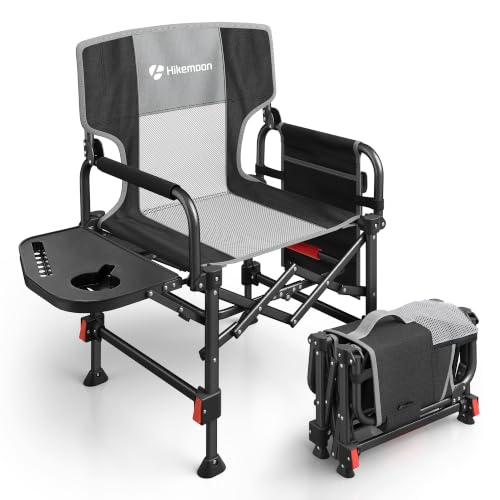
- BrandHIKEMOON

- TLR Rank7.5
TLR Rank is a ranking system developed by TravelLuggageReviews.com. TLR Rank has no relationship or impact from any manufacturers or sales agent websites. Learn more
- BrandTIMBER RIDGE

- TLR Rank7.6
TLR Rank is a ranking system developed by TravelLuggageReviews.com. TLR Rank has no relationship or impact from any manufacturers or sales agent websites. Learn more
- BrandColeman

- TLR Rank9.1
TLR Rank is a ranking system developed by TravelLuggageReviews.com. TLR Rank has no relationship or impact from any manufacturers or sales agent websites. Learn more
- BrandJoyfair

- TLR Rank8.4
TLR Rank is a ranking system developed by TravelLuggageReviews.com. TLR Rank has no relationship or impact from any manufacturers or sales agent websites. Learn more
- Brandhediya
Last update on 2026-08-19 / Affiliate links / Images, Product Titles, and Product Highlights from Amazon Product Advertising API
PICNIC TIME Sports Chair With Side Table Review
Dragging a bulky seat across a campground can take the shine off a relaxing afternoon before you've even sat down. The PICNIC TIME model approaches that nuisance with an 8.8-pound aluminum frame, an adjustable shoulder strap, and two carrying handles, giving the best camping chairs table attached search a rather practical candidate instead of another oversized piece of camp furniture. Its director-style shape also avoids the deep-sling feeling found in many collapsible chairs, while a fold-out table keeps drinks and small essentials off the ground. The tradeoff is straightforward: this design isn't built around ultralight backpacking, but around portable comfort and organized seating once you've reached the beach, park, lawn, or campsite.
PICNIC TIME Sports Chair
The first thing that separates this chair from a basic folding seat is its built-in side table. Instead of balancing a phone on your thigh or setting a drink in the dirt, the fold-out surface gives those everyday items a dedicated place beside the seat. That's a small detail on paper, yet it can change the rhythm of a long afternoon because snacks, sunglasses, cards, or a small plate stay within easy reach. For camp setups where table space always seems to disappear first, this extra utility makes a noticeable difference.
The chair also uses an accessories panel with multiple pockets, including an insulated bottled beverage pouch and a zippered security pocket. Loose gear has a habit of wandering around camp, especially keys, phones, and small personal items that get buried beneath towels or jackets. Keeping those things attached to the chair simplifies the setup and cuts down on repeated trips back to a bag or vehicle. The zippered section is particularly sensible for items you'd rather not leave sitting openly in a mesh pocket.
There's a catch, though, because every storage feature adds a little visual and physical bulk. Someone who only wants a bare-bones seat may see the side table and caddy as more equipment than necessary, especially if a separate camp table is already part of the setup. Still, the chair's appeal isn't minimalism; it's consolidation. One seat handles sitting, surface space, beverage storage, and small-item organization without requiring several separate accessories.
Comfort, Seat Width, And Everyday Support
A 19-inch-wide seat gives this director-style chair a roomier feel than many compact camp stools and narrow folding seats. The polyester canvas forms the main seating surface, while padded armrests soften the places where elbows naturally rest during longer stretches outdoors. That combination favors upright relaxation rather than the low, reclined posture of a beach lounger. For eating at a campsite, watching youth sports, fishing, or chatting around a picnic area, the more structured seating position can be easier to live with for hours.
The stated 300-pound weight capacity also gives the chair a clearly defined support limit rather than leaving strength vague. Capacity matters, but frame material matters too, and the aluminum construction helps keep total chair weight down to 8.8 pounds while still serving adult outdoor use. Aluminum also makes sense where carrying distance matters because shaving several pounds from a steel-framed director chair can make repeated transport less annoying. Still, anyone close to the listed limit should treat 300 pounds as the stated maximum, not as an invitation to overload the chair with extra gear or another person.
Director chairs have their own comfort personality, and that's worth acknowledging. They generally feel more upright and structured than deep bucket-style camping chairs, which can be a strength for easier sitting and standing but a weakness for someone chasing a laid-back, sink-in feel. The armrests and straight-sided frame create a defined seating area rather than a loose hammock shape. In other words, comfort here comes from supportive positioning and usable space, not from thick cushioning or a recliner-like posture.
Portability Without The Awkward Shuffle
The adjustable shoulder strap is one of those features that sounds ordinary until both hands are already occupied with a cooler, tote, blanket, or child-sized pile of outdoor gear. Slinging an 8.8-pound chair over one shoulder keeps the hands available, while the two integrated handles offer another carrying option for shorter distances. That flexibility suits trips where parking isn't directly beside the final seating spot. A chair doesn't have to weigh almost nothing to be portable; it has to be manageable in the way it's actually carried.
Its folding format also avoids a complicated assembly routine. The chair is designed to open into a usable director-style seat and fold back down for transport, which fits well with quick stops at the park, sideline seating, beach afternoons, and campsites where setup time is better spent elsewhere. There's no claim here that it disappears into a tiny backpack, and it doesn't. The director-style frame remains broader than narrow quad-fold chairs, so trunk space should still be considered before packing several of them.
That size tradeoff is the price of having a rigid side table, structured arms, and a wider seat. A smaller sling chair may pack into a long skinny bag, but it won't provide the same firm table surface or organized accessory panel. For car camping and day trips, that compromise feels reasonable because carrying convenience matters without demanding backpacking-level compactness. For long-distance hiking, though, an 8.8-pound chair with a director frame would be more chair than most people want to haul.
Storage Details That Earn Their Space
The insulated bottled beverage pouch adds more usefulness than an ordinary fabric cup sleeve because it gives a drink its own contained spot beside the chair. That can be handy on hot afternoons when a cold bottle otherwise ends up rolling around in a cooler or sitting on uneven ground. The accessories panel also separates small belongings rather than dumping everything into one oversized pocket. It's a tidy approach, and organization is the real benefit rather than simply having the greatest possible number of compartments.
The zippered security pocket deserves similar credit for being purpose-driven. Open mesh pockets are convenient, but they're not reassuring for keys, a wallet, or other small items that can slide out while the chair is carried or folded. A zipper gives those pieces a more controlled home without forcing them into a backpack every time you stand up. That doesn't turn the chair into secure storage, of course, but it does reduce the everyday nuisance of loose belongings.
The side table may prove more valuable than the pockets during meals or longer events. A firm surface can hold a plate, phone, book, or other small object in a way fabric storage simply can't. Still, surface area is naturally limited, so this isn't a substitute for a full camp table if you're preparing food or spreading out several items. It works best as a personal side station, and judging it on that basis keeps expectations realistic.
Where The Aluminum Frame Makes Sense
At 8.8 pounds, the aluminum frame strikes a useful middle ground between featherweight camp seating and heavier steel director chairs. The chair is substantial enough to incorporate padded armrests, a fold-out table, and a storage caddy without turning into a wrestling match every time it needs to move. That's especially useful around sports fields or parks where the walk from the vehicle can be longer than expected. The weight still matters, but it feels connected to useful hardware rather than unnecessary mass.
The frame also supports the chair's 300-pound stated capacity, pairing portability with a clearly defined adult-use specification. Aluminum can be a smart material here because the chair's purpose includes repeated carrying as much as repeated sitting. Still, anyone expecting the planted heft of a very heavy steel camp chair may notice the difference in feel. The PICNIC TIME design favors lighter transport and practical structure over maximum frame mass.
Outdoor gear decisions often spill into other travel choices, especially where weight and durability need to coexist. A separate reference on that material tradeoff appears in polycarbonate carry-on luggage, where similar concerns about strength, weight, and portability come up in a different category. The connection isn't about using luggage with a camping chair; it's simply another example of how material selection changes carrying convenience. For this chair, aluminum is central to keeping the director-style format from becoming unnecessarily cumbersome.
Realistic Strengths And Limitations
The strongest case for this chair comes from how several features work together rather than from one oversized specification. The side table, storage panel, insulated beverage pouch, and carrying strap all address common annoyances that show up after the chair leaves the garage. Drinks need somewhere stable, small belongings need somewhere visible, and the chair itself needs to get from the car to the seating area without monopolizing both hands. That practical combination is more convincing than a long list of decorative extras.
Its main limitation is equally clear: 8.8 pounds isn't ultralight, and the director-style frame won't pack as narrowly as a minimalist quad-fold chair. Someone prioritizing backpack space or hiking several miles before setting up camp would probably value a smaller format more than the side table and organizer. The 19-inch seat may also feel less roomy than oversized chairs built specifically around extra-wide seating. These aren't design failures; they're tradeoffs tied to the chair's intended balance of portability, structure, and utility.
The provided Lifetime Guarantee from the Picnic Time Family of Brands adds another practical layer because outdoor chairs deal with repeated folding, transport, dirt, and storage. A guarantee doesn't erase ordinary wear or replace sensible care, but it does distinguish the ownership proposition from a disposable camp chair with no stated long-term backing. The family-owned California company positions that guarantee as part of the product's support. For equipment likely to spend seasons moving between lawns, beaches, parks, and campgrounds, long-term manufacturer backing is worth factoring into the overall value.
Best Use Cases For This Chair Design
Car camping is probably where the PICNIC TIME Sports Chair feels most at home. The chair can ride in the trunk without demanding the extreme size reduction required for backpacking, and once camp is set up, the personal table and storage pockets become genuinely handy. A drink, phone, flashlight, and snack can stay beside the seat rather than getting scattered across a shared picnic table. That setup suits the slow, stay-awhile side of camping rather than minimalist travel.
Beach days, lawn events, and sports sidelines also fit the design because carry options and organized storage matter in places where gear tends to multiply. The shoulder strap leaves hands free, while the handles make quick repositioning easier once the chair is unfolded and moved around. Padded armrests add a little comfort during long games or lazy afternoons without turning the chair into a heavily cushioned seat. Sand and uneven terrain still call for sensible placement, since no folding chair becomes immune to soft or sloped ground.
For someone weighing convenience against packed bulk, the clearest question is whether the fold-out side table and armrest caddy will actually be used. If the answer is yes, the extra structure earns its keep by replacing several small annoyances with one organized seating station. If those features would sit empty most of the time, a simpler and lighter chair may make more sense. The PICNIC TIME Sports Chair is strongest where upright comfort, personal storage, and easier carrying matter more than squeezing a seat into the smallest possible package.
GCI OUTDOOR Freestyle Rocker With Side Table Review
A camping chair can feel comfortable for ten minutes and still become a nuisance once an afternoon stretches into evening. The GCI OUTDOOR Freestyle Rocker takes a different route by combining rocking motion, a built-in side table, solid armrests, and back support in one folding frame. That combination gives the best camping chairs table attached category a more relaxed personality than a standard stationary director chair. The tradeoff is obvious from the start: at 13.6 pounds, this isn't the chair you'd casually throw into a backpack, but its feature set is clearly aimed at comfort after you've reached the campsite, sideline, or backyard.
GCI OUTDOOR Freestyle Rocker
The defining feature is the Spring-Action Rocking Technology, which uses shock absorbers to create a gentle rocking motion on flat, hard, or soft ground. That matters because traditional rocking chairs usually need a fairly predictable surface, while this design is built around outdoor terrain. A campsite pad, lawn, or sideline can still offer the familiar back-and-forth movement without hauling a porch rocker into the wild. For long stretches of sitting, that controlled motion can make the chair feel less static and more inviting.
The rocking mechanism isn't the only useful part of the setup. A built-in side table gives drinks, snacks, a phone, or small personal items somewhere firm to land instead of sending everything to the grass. That surface can be especially handy beside a campfire where shared tables fill up quickly with cookware, lanterns, and food. The chair also includes a drink holder, so the seating area feels more like a personal station than a bare folding frame.
Solid armrests change the feel too. Soft fabric arms can sag under pressure, while the rigid armrest structure gives the upper body a more defined place to rest and can make standing up feel less awkward. The backrest adds support without turning the chair into an oversized recliner, which fits sports games and outdoor gatherings where a more upright posture makes sense. This chair leans toward structured relaxation, not deep lounging.
Rocking Comfort On Different Outdoor Surfaces
Rocking outdoors sounds simple until uneven ground enters the picture. GCI's shock-based system is designed to keep the motion smooth across hard, flat, and softer terrain, giving the chair more flexibility than a conventional rocker with curved rails. That doesn't mean every patch of ground will feel identical, of course, because slopes and very soft soil still affect stability. But the chair's design solves a real outdoor problem: enjoying a rocking motion without needing a porch or perfectly level patio.
The motion can also break up the stiffness that comes from sitting still during a long game or evening around the fire. Gentle movement gives the chair a different feel from fixed camping seats, especially for someone who naturally fidgets or likes to shift position rather than stay planted. The rocking action and supportive backrest work together rather than competing with one another. It's a small lifestyle difference, but for the right person it may be the feature that makes this chair noticeably more pleasant.
There is a practical compromise, though. Rocking hardware adds complexity and weight compared with a minimalist folding chair, and the 13.6-pound chair weight reflects that extra structure. Carrying it from a nearby vehicle to a campsite is one thing; walking a long distance with several pieces of gear is another. The rocking system earns its space most clearly where comfort matters more than shaving ounces.
Side Table Utility Around Camp
The built-in side table is more than a decorative attachment because outdoor seating often suffers from a shortage of flat surfaces. Drinks end up on the ground, phones get tucked under a thigh, and snack wrappers migrate everywhere. A rigid table beside the armrest gives those small items an obvious home without requiring another piece of furniture. That can make a simple camping setup feel noticeably less cluttered.
The table also fits the chair's more upright seating style. A rocker designed for sports games, backyard BBQs, and campfire relaxation benefits from having a stable place for a cup or small plate close to the body. The drink holder and table combination separates beverages from other belongings, reducing the juggling act that happens with single-pocket chairs. It's a sensible layout rather than a feature added just to pad the specification sheet.
Still, the table has limits. It isn't intended to replace a full camp table for meal prep, board games, or spreading out a pile of gear. Its strength is personal surface space, not large-area storage. Someone who already travels with a dedicated side table may see less value in the built-in version, while a compact car-camping setup can benefit from having one less standalone item to unpack.
Frame Strength, Capacity, And Seat Geometry
The chair uses a sturdy steel frame rated to support up to 250 pounds. Steel gives the rocker a planted, substantial structure, which makes sense for a design that has to manage both sitting load and repeated rocking movement. The tradeoff is weight, since steel won't feel as effortless to carry as a lightweight aluminum frame. Here, durability and rocking stability clearly take priority over ultralight portability.
Open dimensions measure 24 inches deep, 25 inches wide, and 34.8 inches high, giving the chair a reasonably substantial footprint without becoming a giant oversized seat. The seat height is listed at 19.7 inches, which places the sitting position higher than many low-slung beach chairs. That height can make getting up feel more natural, especially with solid armrests available for leverage. For people who dislike climbing out of a deep bucket seat, the higher seating position may be one of the more practical advantages.
The 250-pound capacity should be treated as the stated maximum rather than a rough suggestion. Anyone needing a wider frame or higher support rating may be better served by a heavy-duty oversized chair designed for that purpose. The Freestyle Rocker's strength lies in balancing rocking comfort, manageable dimensions, and outdoor utility, not chasing the highest capacity number possible. That distinction matters because a chair can be well designed without fitting every body size or use case.
Airflow And Back Support
Warm-weather seating gets uncomfortable fast when the back panel traps heat. The Freestyle Rocker uses durable mesh backing to allow airflow through part of the chair, which helps keep the back area from feeling sealed off on hot afternoons. Mesh won't provide the plush feel of thick padding, but that's exactly the tradeoff. The chair favors ventilation and practical outdoor comfort over heavy cushioning.
Back support also matters because rocking can feel sloppy if the chair doesn't hold the torso in a stable position. This design pairs its movement with a supportive backrest, so the rocking action comes from the frame technology rather than from a floppy seat. That distinction gives the chair a more controlled feel for sports sidelines and campground use. Instead of sinking deeply, the body stays relatively upright while still getting the benefit of motion.
Cooler temperatures may expose the other side of the mesh decision. A breathable back can let more air through than someone wants on a chilly evening, especially near an open field or exposed campsite. A light jacket or blanket solves much of that, but the mesh-first design is clearly better suited to airflow than insulation. That's a realistic limitation rather than a flaw, and it helps define where the chair feels most comfortable.
Setup And Folding Without A Wrestling Match
The Eazy-Fold Technology is designed to make setup straightforward rather than turning the rocker into a multi-step piece of outdoor furniture. The basic process involves grabbing the seat frame, pushing outward, and pressing down to open the chair. Packing it away reverses the motion by using the leg base and closure handles. That simplicity matters because complicated setup has a way of making even a comfortable chair feel annoying after repeated use.
Folded dimensions measure 25 inches deep, 4.9 inches wide, and 34.8 inches high, so the chair becomes relatively slim but remains tall. That shape fits more naturally against the side of a trunk, garage wall, or RV storage area than inside a compact backpack. The narrow folded width is helpful, though the overall height still needs consideration if cargo space is tight. It's a car-friendly folding format rather than a tiny packed bundle.
The 13.6-pound weight again becomes the deciding factor for transport. A short walk across a parking lot or from the car to a campsite should be manageable for many people, but carrying multiple chairs at once could become tiring. The chair earns that extra weight through steel construction, rocking hardware, rigid arms, and the side table. Anyone prioritizing comfort after arrival may accept that bargain more readily than someone focused on long-distance carry.
Where The Freestyle Rocker Makes The Most Sense
Sports sidelines are an obvious fit because the chair combines upright visibility, back support, and rocking movement. Sitting through a long youth tournament or outdoor event can get monotonous, and the ability to rock gently changes the experience without requiring a reclined posture. The side table keeps a drink or phone from disappearing into the grass between plays. That mixture of comfort and organization feels particularly well matched to extended outdoor events.
Backyard gatherings and lawn BBQs make sense for similar reasons. The chair gives more personality than a standard folding seat while still packing away once everyone leaves. Solid armrests and a built-in table make it easier to settle in with food or a drink, and the mesh backing helps during warm weather. It can move between patio, lawn, and campground roles without needing different furniture for each setting.
Camping use is strongest where the vehicle isn't far from the site. The chair's weight becomes much less troublesome once transportation is handled by a car or RV, while the rocking system and side table start paying dividends after camp is set up. A backpacking trip would expose the bulk and weight limitations quickly, but a weekend campground stay plays directly to the chair's strengths. This is furniture for staying comfortable at camp, not for minimizing every ounce on the trail.
Practical Tradeoffs Before Packing It
The biggest strength is the way several features work as one system. Rocking motion, a side table, rigid armrests, airflow, and supportive seating all serve the same goal of making longer outdoor sits less tedious. None of those features needs much explanation once you're actually using them because they solve familiar annoyances: nowhere to put a drink, stiff stationary seating, sweaty back panels, or soft armrests that don't provide much support. The chair feels intentionally built around staying put for a while.
The main weakness is portability compared with simpler camp chairs. At 13.6 pounds and nearly 35 inches tall when folded, the Freestyle Rocker asks for more storage room and carrying effort than a compact quad-fold chair. That may be perfectly acceptable for car camping, but it becomes harder to justify for hiking or crowded public transit. The extra comfort features come with real physical bulk, and pretending otherwise would miss the point.
Travel gear often involves the same tension between keeping things neat and avoiding awkward packing. A related packing reference appears in how to pack a blazer in a suitcase, where structure and available space also shape how easily an item travels. The topics are different, but the underlying idea is familiar: bulk isn't automatically bad if the added structure serves a useful purpose. With this rocker, the question is simply whether the side table and rocking mechanism earn the extra room in your vehicle.
Who Gets The Most Value From The Design
Someone who spends hours at a campsite, sports field, backyard gathering, or outdoor concert is more likely to appreciate the rocking mechanism and personal side table than someone who only needs a chair for a quick rest. Longer sessions give those comfort features time to matter. The supportive back and rigid arms also make the chair feel more substantial than many soft-sided folding seats. In that setting, the weight feels easier to forgive.
People who prefer a higher, more structured seat may also like the 19.7-inch seat height. Deep sling chairs can be cozy, but getting out of them repeatedly isn't everyone's idea of fun. The upright geometry and solid armrests create a more familiar chair-like posture, which can be especially useful during meals or events where standing up happens frequently. Rocking adds relaxation without forcing the body into a reclined position.
Minimalist campers will probably see things differently. A simple stool or ultralight chair beats this rocker on packed size and carrying weight, and there's no getting around that. The Freestyle Rocker makes more sense for someone willing to carry a little extra in exchange for movement, support, airflow, and built-in surface space. That's the real dividing line, and it makes the chair easier to judge without pretending one style fits every trip.
Portal Director Chair With 2-Way Side Table Review
A folding chair gets old fast when the seat sags, the table sits at the wrong angle, or every small item ends up balanced on your lap. The Portal design tackles those annoyances with a rotating height-adjustable side table, an upright mesh back, and a reinforced steel frame rather than relying on a basic bag-chair layout. That makes it an interesting fit within best camping chairs table attached, especially where eating, working from a tablet, watching sports, or simply keeping personal items organized matters. The flip side is clear too: this is a structured director chair, not a featherweight seat meant for long-distance carrying.
Portal Director Camping Chair
The standout idea is the 2-way rotating side table. A secure push-button mechanism lets the surface move from the side into a front-facing position, which changes how the chair can be used without adding a separate table. Side placement makes sense for a drink or snack, while the front position creates a more practical surface for a tablet, laptop, notebook, or meal. That flexibility is the biggest difference between this chair and models with a fixed little tray that only does one job.
Height adjustment adds another layer of usefulness. A table that's too low forces you to lean forward, while one that's too high can make typing or eating awkward, so the adjustable surface level matters more than it may seem in a product listing. The design lets the surface better match the activity instead of forcing every task into the same position. For campsite planning, sideline scorekeeping, or a quick outdoor lunch, that's a genuinely practical feature.
The table isn't enormous, of course, and expectations should stay grounded. It creates personal workspace, not the kind of spread you'd use for food prep or a family meal. Larger laptops, several dishes, or bulky gear could quickly crowd the available area. Still, one stable surface attached directly to the chair can eliminate the usual hunt for somewhere clean and level to put a phone, plate, or notebook.
Structured Support Instead Of A Sagging Sling
The upright ergonomic mesh back gives this chair a noticeably different personality from deep fabric bag chairs. Rather than letting the body sink backward into loose material, the structured backrest is designed to provide firmer lumbar support and encourage a more upright sitting position. That can feel better during activities where you're eating, working, fishing, or watching a game rather than reclining around a campfire. The difference is less about plush cushioning and more about stable posture over longer sitting periods.
Breathable 3D mesh helps keep that supportive shape from becoming stuffy. Warm afternoons can make solid fabric backs trap heat, particularly when the chair is used for several hours at a sports field or patio. The mesh promotes airflow, giving heat somewhere to escape instead of sealing it against the back. That won't replace shade on a hot day, but it addresses one of the more irritating drawbacks of heavily padded outdoor chairs.
There's a tradeoff here too. Mesh generally feels less cushioned than thick padded fabric, so someone chasing a soft lounge-chair sensation may prefer another style. The Portal chair puts support and ventilation ahead of deep padding, which makes sense for upright use but may not suit someone who likes to sink into a seat. Different comfort preferences matter more than broad labels like "comfortable."
Steel Frame Stability And 300-Pound Capacity
A reinforced powder-coated steel frame forms the structural backbone of the chair, paired with cross-bracing to increase stability. The stated capacity is 300 pounds, giving the chair a clearly defined limit for adult use. Steel tends to bring more heft than aluminum, but it also suits a director-style chair that needs to support both the seat and a movable table. The design clearly prioritizes steady structure over ultralight carrying weight.
Cross-bracing matters because a chair with an attached front-facing table needs to resist twisting and shifting. A flimsy frame could make the work surface feel shaky every time someone moves in the seat, so the reinforcement supports more than just the weight rating. The chair's layout aims to keep the seat, arms, and table behaving as one stable unit. That integrated stability becomes particularly useful while eating or placing electronics on the table.
Anti-slip foot caps add another practical detail for grass, patios, and lawns. They help the chair maintain a steadier base instead of allowing bare metal legs to slide too easily on harder surfaces. Soft or badly sloped ground can still affect any folding chair, so placement matters. The foot caps improve grip, but they don't erase the realities of uneven outdoor terrain.
Why The Adjustable Table Changes The Experience
Fixed side tables are handy, yet they usually lock the chair into one use pattern. Portal's rotating table mechanism lets the surface swing forward, which creates a more centered position for meals, tablets, or light work. That changes the chair from a seat with storage into something closer to a compact outdoor workstation. It's an unusual benefit for anyone who spends long stretches at tournaments, campgrounds, fishing spots, or outdoor events.
A front-facing surface also reduces the need to twist sideways every time you reach for something. Eating from a plate or using a tablet can feel more natural when the surface sits directly in front of the torso rather than beside the elbow. Adjusting the height further improves that setup because surface position and body posture can be matched more closely. Small ergonomic details like that tend to matter more after an hour than they do during a thirty-second setup.
The obvious downside is that extra hardware introduces more moving parts. A simple fabric cup holder has almost nothing to adjust, while a rotating table relies on hinges, locks, and a push-button mechanism. That added complexity is the price of greater positioning flexibility. Someone who only needs a place for one drink might consider it unnecessary, but someone who regularly eats, writes, or uses a device outdoors may get far more from it.
Fast Folding Without A Bag-Chair Shape
The chair uses a step-and-pull folding system designed for quick setup and breakdown. That matters because director chairs can sometimes feel cumbersome compared with pull-apart quad chairs, especially after a long day outdoors. Portal keeps the process straightforward so the structure doesn't turn into a puzzle every time it goes back into the vehicle. Fast folding fits the chair's sideline and camping roles well.
Once folded, the chair measures just 9.4 inches thick. That relatively flat profile can slide behind RV seats or fit into crowded trunks where cylindrical carry bags don't always stack neatly. It still occupies more broad surface area than a narrow quad-fold model, but the flat shape creates different packing options. For RVs, SUVs, and car trunks, flat storage can be more useful than skinny storage.
This format won't appeal as much to someone who expects a chair to disappear into a backpack. The steel frame, upright structure, side table, and armrests naturally demand more room than minimalist seating. But car camping changes the equation because storage efficiency isn't only about absolute size; shape matters too. A flat chair tucked against a vehicle wall can sometimes be easier to accommodate than several long tubular bags rolling around the cargo area.
Padded Armrests And Everyday Comfort
The padded armrests soften the chair's otherwise structured feel. Rigid director-style arms provide useful support while sitting down or standing up, and padding keeps those contact points from feeling unnecessarily hard during longer sessions. That combination works well for upright outdoor seating because the arms provide both comfort and leverage. It's a simple feature, but it's tied directly to how the chair is likely to be used.
An integrated cup holder handles another common annoyance: drinks competing with phones and food for side-table space. Keeping the beverage in its own dedicated spot leaves the rotating surface available for meals, electronics, or other gear. That separation makes the table more functional than it would be if every item had to share the same small area. Tiny details often decide whether outdoor furniture feels organized or cluttered.
The chair's comfort strategy is therefore fairly balanced rather than heavily padded. The mesh back improves airflow, the rigid structure supports posture, and the padded arms soften the points that stay in contact with the body. Someone who wants a plush recliner may want more cushioning, but supportive upright comfort is clearly the priority here. Tailgating, fishing, and sideline seating all fit that style better than low-slung beach lounging.
Camping, Fishing, And Sideline Use
Car camping is one of the chair's natural environments because the rotating side table becomes particularly useful once camp is established. It can hold a meal during breakfast, a tablet while checking a map, or small gear while sorting equipment. The structured back makes the chair feel more suitable for active sitting than for simply sinking backward. For campers who regularly use their chair as more than a place to rest, the added surface earns its keep.
Fishing offers another strong use case. A stable chair with an integrated cup holder and adjustable table can keep tackle, snacks, a phone, or small accessories close without spreading everything across damp ground. The upright back also suits the stop-and-start rhythm of fishing better than an extremely reclined seat might. Naturally, muddy banks and sharply sloped shorelines still demand careful placement.
Sideline sports may be where the folding format feels especially practical. The chair sets up quickly, gives the back structured support, and provides room for a drink plus a separate surface for a phone or snack. Long tournaments can turn basic folding chairs into a patience test, so airflow and useful personal storage matter more as the hours add up. The Portal design appears focused on exactly that kind of extended outdoor sitting.
Where The Chair Gives Up Ground
Portability is the biggest area where this chair has to compromise. A reinforced steel director frame with a rotating table can't match the packed size of an ultralight fabric seat, and pretending otherwise would miss the design's purpose. The 9.4-inch folded thickness helps with vehicle storage, but this still isn't trail-focused furniture. Its portability makes the most sense from trunk to campsite, patio, fishing spot, or sports field.
The 300-pound capacity is solid for its stated specification, yet it may not cover every seating need. Oversized heavy-duty chairs can offer wider seats and higher weight ratings, while smaller ultralight chairs win on portability. Portal sits somewhere in the middle, emphasizing functional table design and upright support rather than maximum capacity or minimum weight. That middle-ground approach is a strength only if those priorities line up with the way the chair will be used.
The rotating mechanism also means this isn't the simplest folding chair available. More adjustment creates more flexibility, but anyone who prefers grab-and-sit simplicity may never use the front-facing position or height settings. The adjustable table is the defining difference, so buying this style makes the most sense when that feature solves a real problem rather than merely sounding clever. Otherwise, a fixed-table director chair could be simpler.
Travel And Packing Practicalities
Camping equipment and business-travel gear don't share the same purpose, yet both categories punish awkward shapes surprisingly quickly. A neutral reference to organizing portable gear appears in duffel bags for business travel, where usable storage shape and easy access matter for entirely different reasons. The relevant idea here is packing geometry: a flat-folding object can sometimes fit into a crowded vehicle more neatly than something technically smaller but awkwardly shaped. Portal's 9.4-inch folded profile plays directly into that kind of packing logic.
RV storage is a good example. Space behind seats or along narrow walls may accept a flat chair more easily than a collection of round carry bags, especially after coolers, tables, and bedding are already loaded. The flat-fold configuration gives the chair a practical edge in those spaces even though it isn't tiny. It's less about chasing the smallest measurement and more about using the available storage efficiently.
Car trunks tell a similar story. The chair's broad frame can consume floor area if laid flat, but standing it along an edge may leave the center open for other gear. That flexibility matters on trips where every item competes for space. The Portal chair won't vanish, but its predictable folded shape can be easier to plan around than loose or oddly shaped camping furniture.
Who Benefits Most From This Design
The strongest match is someone who treats a camping chair as a small personal station rather than just a seat. The rotating table, cup holder, upright back, and padded arms support eating, reading, device use, fishing, and sideline sitting without needing several separate accessories. That kind of multifunctional setup can reduce clutter around the chair and keep essentials within reach. The value comes from using the features together, not merely counting them.
People who dislike low, sagging bag chairs may also appreciate the structured director-style posture. A firmer back and supportive armrests create a more conventional seated position, while mesh keeps the back from feeling overly enclosed. That makes the chair particularly sensible for long periods of upright sitting. It won't provide the cocoon-like feel of a deep lounge chair, and that's exactly the point.
Minimalist campers will probably see the equation differently. Steel construction and a movable table add bulk that makes little sense if every ounce and inch of packed space matters. The Portal Director Camping Chair earns its place through adjustability, stability, and usable surface space, not through extreme portability. For car-based outdoor days where comfort and function outrank trail weight, those tradeoffs are much easier to justify.
Yestomo Directors Chair With Side Table Review
A roomy camping seat sounds straightforward until narrow arm spacing, sagging fabric, and nowhere to put a drink start wearing on you. The Yestomo Directors Chair tackles those irritations with a 24.5-inch-wide seat, a reinforced steel frame, and a built-in table rather than relying on the loose sling shape common in many folding chairs. That puts it squarely in the conversation around best camping chairs table attached, especially where stability, personal storage, and easier access to everyday gear matter. At 11.8 pounds, though, this is clearly a comfort-first chair rather than something built for ultralight hiking.
Yestomo Directors Chair
The chair's most obvious strength is its 450-pound stated capacity, which gives it a noticeably higher support ceiling than many standard outdoor seats. Yestomo pairs that figure with a reinforced steel frame designed to provide a more secure, planted feel instead of the flexible wobble sometimes associated with lightweight bag chairs. That matters for anyone who prefers a chair that feels substantial underneath them rather than delicate. The wider 24.5-inch seat also complements that heavy-duty approach instead of squeezing the body into a narrow frame.
The 18.5-inch seat height is another practical detail that can make everyday use more comfortable. Low camping chairs may feel relaxed for lounging, but standing up from them repeatedly can become tiresome, particularly during long sporting events, BBQs, or campsite meals. A higher seat paired with sturdy arms creates a more familiar sitting position. That difference may sound small on paper, but it can change how often someone has to brace, lean forward, and push themselves out of the chair.
The 35.5-inch overall chair height gives the design a fairly substantial upright profile. This isn't a compact stool pretending to be an all-day seat; it's meant to provide structured support and generous seating space. The benefit is better room and stability, while the tradeoff is obvious in storage and carrying size. Bigger comfort nearly always asks for a little more space in return.
Heavy-Duty Frame And Realistic Stability
The reinforced steel frame is central to how this chair is positioned. Steel generally brings more weight than lightweight aluminum, but that extra mass can help a director-style chair feel steadier under load. Yestomo's stated 450-pound capacity suggests the frame is aimed at broader support needs rather than casual minimalist seating. For campground use, sports sidelines, patios, or lawn gatherings, that sturdier structure may be worth the extra pounds.
Stability matters even more because the chair includes a side table and multiple storage areas. A weak frame would make those features feel less useful if the seat shifted every time someone leaned toward the table. The heavy-duty construction helps the chair, table, and arm structure act more like one connected unit. That's a sensible match for people who want to eat, read, watch a game, or keep gear organized while seated.
Still, the 450-pound figure should be treated as the stated maximum, not as a reason to overload the chair. Outdoor terrain changes how any folding chair behaves, and soft soil, slopes, or uneven ground can affect stability regardless of frame strength. The steel construction gives the chair a reassuring foundation, but placement still matters. Common sense on rough ground remains part of the deal.
Wide Seat Comfort Without The Deep Sling Feel
A 24.5-inch-wide seat gives the chair more side-to-side space than many ordinary folding seats. That extra width can reduce the boxed-in feeling caused by close-set armrests or narrow fabric panels. The benefit isn't only comfort; it also gives the body more room to settle naturally without constant repositioning. For longer outdoor sessions, that breathing room can matter quite a bit.
The chair's ergonomic design leans toward supportive upright seating rather than a deep bucket shape. Traditional bag chairs often sag toward the center, which some people enjoy but others find awkward after an hour or two. Yestomo's director-style structure keeps the seating position more defined. That can make meals, conversations, fishing, or watching sports feel less like you're climbing in and out of a hammock.
Comfort has limits, of course, and this isn't described as a thickly padded recliner. The appeal comes from space, structure, breathable materials, and supportive geometry rather than plush cushioning. Someone who wants a soft lounge-chair feel may prefer a heavily padded model. Someone bothered by narrow seating and sagging fabric may appreciate this approach more.
Breathable Mesh And 600D Oxford Fabric
Warm weather can turn a comfortable chair into a sweaty one surprisingly fast. Yestomo uses breathable mesh fabric in parts of the chair to improve airflow and reduce that closed-in feeling across the back. The mesh doesn't eliminate heat, but it gives warm air somewhere to move instead of trapping everything behind solid fabric. That can make a noticeable difference during summer camping, sideline games, or backyard gatherings.
The main seating material uses 600D Oxford fabric, which is commonly chosen for outdoor gear because it balances toughness with manageable weight. Here, it complements the reinforced frame rather than feeling like a thin skin stretched across heavy steel. The material is intended for repeated outdoor use and gives the chair a more durable seating surface than flimsy fabric would. That's especially relevant where the chair may be folded, transported, stored, and reopened over and over.
Mesh and Oxford fabric create an interesting comfort tradeoff. The mesh helps with ventilation, while the Oxford sections provide structure and durability. That means the chair doesn't lean entirely toward soft cushioning or bare-bones breathability. Its material mix favors practical outdoor comfort, which makes sense for extended use in changing temperatures.
Side Table Convenience That Actually Solves Something
The built-in side table addresses one of the most common little annoyances around camp: nowhere stable to put a drink, snack, phone, or small plate. Setting those items on uneven grass is annoying, and balancing them on your lap gets old quickly. A firm table attached to the chair keeps essentials close without adding another standalone piece of furniture. That makes the chair feel more self-contained.
The table is especially useful during sporting events, BBQs, picnics, and casual campground meals. You can keep a drink beside you without holding it constantly, and small items don't have to share space with the chair's storage pocket. The personal surface area is the real advantage, not the idea that it replaces a full-sized camping table. Large meal prep or piles of gear still need a bigger surface.
There's also a bulk tradeoff. A chair with an attached table won't fold into the same tiny bundle as a stripped-down sling chair. That added structure is part of why the Yestomo model weighs 11.8 pounds. The table earns its keep only if stable personal storage matters more than shaving every possible ounce.
Side Pockets Keep Small Gear From Wandering
The multifunction side pocket gives smaller belongings a dedicated place instead of tossing everything into a single open compartment. Phones, keys, sunglasses, napkins, and other odds and ends are easier to keep organized when each item isn't buried under the next. That sounds minor until you're sitting outside after dark trying to remember where the car keys went. Organized storage tends to matter more the longer the chair stays in use.
Multiple compartments also reduce the need to crowd the side table. A phone or wallet can live in the pocket while the table stays open for food or a drink. The chair therefore separates storage from surface space, which is smarter than asking one small tray to handle every personal item. It's a simple design choice, but it makes the chair feel less cluttered.
The limitation is predictable: fabric pockets aren't rigid storage. Heavy or oversized objects can pull on the material, and valuables still shouldn't be treated as secure simply because they're off the ground. The pockets are best for lightweight outdoor essentials. Used that way, they reduce the usual pile of loose gear around the chair.
Carrying Strap And Folding Practicality
At 11.8 pounds, this isn't the sort of chair you'd forget you're carrying. The integrated carrying strap helps make that weight easier to manage by allowing the chair to ride over a shoulder instead of occupying both hands. That matters when you're also hauling a cooler, blanket, tackle box, or food bag. The strap doesn't make the chair ultralight, but it makes the weight less awkward.
The package dimensions are listed at 35.1 by 19.7 by 4.4 inches, giving the folded chair a broad but fairly slim profile. That shape may tuck along a trunk wall or behind other gear more neatly than a thick folded chair. Still, it's much larger than a backpacking stool or compact quad-fold chair. Car camping, RV travel, lawn events, and sports sidelines are much more natural settings for this format.
Quick setup also matters because nobody enjoys fighting with furniture at the end of a long drive. The chair is designed for straightforward folding and unfolding rather than complicated assembly. That suits casual outdoor use where fast deployment and easy packing matter more than achieving the smallest possible stored size. Less fuss, more sitting.
Where The Chair Fits Best
Car camping is an easy match because the chair's wide seat, strong frame, side table, and storage pocket all become more valuable once weight isn't being carried for miles. After camp is set up, those features help turn the seat into a comfortable personal base. Drinks stay off the ground, keys remain nearby, and the upright posture works well around a table or fire ring. The bulk feels much easier to justify in that setting.
Sporting events make sense too. A 35.5-inch-tall director chair provides a more structured seating position than many low folding seats, while the side table and storage pocket help organize the little items that accumulate during a long game. The 18.5-inch seat height can also make repeated standing less of a chore. Anyone who has spent an entire afternoon climbing out of a low sling chair will understand the appeal.
Backyard BBQs, picnics, and fishing trips also play to the chair's strengths. The design is stable enough for long sitting, breathable enough for warm weather, and organized enough to reduce clutter around the seat. Backpacking is the obvious weak fit because 11.8 pounds and a broad folded frame are hard to justify on foot. This chair belongs closer to the vehicle than the mountaintop.
Strengths That Stand Out
The most persuasive part of the design is how its major features support the same kind of use. The 450-pound capacity, 24.5-inch seat, reinforced steel frame, and upright design all point toward roomy, stable seating. Nothing about that combination feels random. The chair is clearly built around support first, then adds organization and convenience around that foundation.
The side table and pockets also work together well. Instead of forcing drinks, phones, keys, and snacks onto one surface, the chair offers separate places for different items. That can make extended outdoor sitting less messy and reduce how often someone has to stand up just to retrieve something. Convenience here is practical rather than decorative.
The breathable mesh deserves credit too, because heavy-duty chairs sometimes become hot and bulky in the name of strength. Yestomo at least addresses airflow by incorporating mesh into the design. The result is a chair that tries to balance strength, room, and ventilation instead of maximizing only one of them. That's a more useful combination for warm-weather outdoor use.
Weaknesses Worth Keeping In Mind
The biggest weakness is weight and folded size. An 11.8-pound steel chair with a table won't be pleasant on a long walk, no matter how useful the carrying strap is. The 35.1-inch package length and 19.7-inch width also require real cargo space. Anyone packing a tiny car with tents, coolers, and several chairs should measure before assuming everything will squeeze in.
The chair also favors firmness over plushness. Breathable mesh and 600D Oxford fabric can feel supportive, but there's no supplied claim of thick seat padding or a deeply cushioned back. Someone who wants a soft recliner-style seat may consider the structured director-chair feel too upright. That isn't necessarily a flaw, but it's a meaningful difference in comfort style.
The 450-pound capacity and wide seat may attract attention, yet dimensions still matter independently of weight rating. A higher capacity doesn't automatically mean every body shape will feel equally comfortable between the arms or against the back. The 24.5-inch width and 18.5-inch height provide useful numbers for judging fit more realistically. Capacity tells one part of the story, not all of it.
Storage And Travel Perspective
Outdoor chairs and luggage solve very different problems, but both can become frustrating when packed dimensions don't match the available space. A neutral reference to compact travel sizing appears in 21-inch suitcase options, where practical dimensions also shape how easily an item fits into a larger travel setup. The shared idea is simply space planning: measurements matter more than vague labels like portable or compact. The Yestomo chair's folded dimensions make that especially relevant for crowded trunks and RV storage areas.
A flat 4.4-inch thickness can be useful along the edge of a vehicle, even though the chair remains broad. That shape may stack differently from cylindrical quad-fold chairs, and sometimes differently is better. The folded profile can help organize cargo if it's planned around instead of tossed in at the last minute. Still, four or five of these chairs would quickly consume serious space.
The carrying strap adds flexibility after unloading. Slinging the chair over a shoulder keeps both hands available for other gear and reduces the awkward bear-hug carry common with larger director chairs. That's a practical benefit, though it doesn't erase the 11.8-pound weight. The strap improves how the chair carries, not how much it weighs.
24-Month Support And Ownership Expectations
Yestomo states a 24-month guarantee along with customer support during that two-year period. That matters because folding chairs live a rough life: frames get loaded into trunks, fabric gets dusty, and moving parts are opened and closed repeatedly. A stated support period adds some reassurance if a product issue appears during normal ownership. It doesn't replace sensible care, but it gives the purchase a defined service window.
The guarantee is best viewed as part of the ownership package rather than proof that nothing can ever go wrong. Steel frames, fabric seats, straps, and folding joints still need reasonable handling and storage. Keeping the chair dry before long-term storage and avoiding loads above the stated limit remain basic common sense. The two-year support period simply gives owners a clearer route if a legitimate concern develops.
For a chair designed around repeated camping, lawn, sporting, picnic, and BBQ use, that support period fits the product's intended role. This isn't meant to be disposable seating for one afternoon. The combination of 600D Oxford fabric, reinforced steel, and stated warranty support points toward repeated outdoor use. How long it ultimately lasts will still depend on treatment, storage, and frequency of use.
The Practical Buying Tradeoff
The Yestomo Directors Chair makes the most sense if roomy seating and high stated support matter more than minimalist packing. Its 24.5-inch seat, 450-pound capacity, 18.5-inch seat height, and reinforced steel construction directly address concerns that small folding chairs often ignore. The side table and storage pockets then add convenience around that sturdy base. It's a chair designed to stay useful once you've settled in, not disappear into a tiny carry sack.
Someone who frequently walks long distances with gear will probably notice the downside first. The 11.8-pound weight is manageable around a campground or sports field, but it isn't trail-friendly. Likewise, the broad folded dimensions require more planning in a packed vehicle. A lighter chair wins on mobility, while this one trades some mobility for space, structure, and storage.
That tradeoff is what defines the Yestomo model most clearly. It offers heavy-duty support, breathable seating, a useful side table, organized storage, and shoulder carrying in one director-style package. Those features solve real annoyances for long outdoor sessions, though they come with honest penalties in weight and bulk. For car-based camping, lawn events, picnics, BBQs, and sports days, that balance is much easier to appreciate than it would be on a hiking trail.
SUNNYFEEL Camping Directors Chair With Side Table Review
Getting settled outdoors shouldn't involve juggling a phone, drink, book, and loose gear while trying not to sink into an awkward folding seat. The SUNNYFEEL model takes a more organized route, pairing a built-in side table, dedicated holders, and multi-pocket storage with the upright structure of a director chair. Those details make it particularly relevant among best camping chairs table attached because the attached surface isn't the only convenience built around the seat. At 13.4 pounds, though, the chair clearly favors a sturdier, better-equipped setup over stripped-down portability.
SUNNYFEEL Camping Directors Chair
The chair opens to 21 by 25 by 36 inches, giving it the upright proportions associated with director-style outdoor seating rather than the deep slump of a bag chair. That shape can be useful during meals, fishing sessions, sideline games, and backyard gatherings where sitting fairly upright feels more natural. The frame supports up to 300 pounds, according to the supplied specifications, and the structured arms give the seat a more defined feel. Anyone who dislikes sinking toward the middle of a sling chair may appreciate that difference immediately.
SUNNYFEEL uses an anti-pinching and click-to-lock design to simplify the opening process. Pulling the frame apart and locking it into position avoids a complicated assembly routine, which matters after unloading a packed vehicle or arriving at an event with several other things to carry. The mechanism also gives a clear indication that the chair has reached its usable position. Simple, yes, but outdoor furniture tends to be better when setup doesn't turn into a guessing game.
The packed dimensions shrink to 20 by 19 by 5 inches, creating a relatively flat shape for vehicle or home storage. That's different from the long cylindrical bundle produced by most quad-fold chairs, and the flatter format can slide beside other cargo or against an RV storage wall. It won't disappear into a hiking pack, especially at 13.4 pounds. Still, for car camping, concerts, picnics, or lawn events, flat-fold storage can be easier to organize than an awkward loose frame.
A Side Table That Keeps The Ground Out Of The Equation
The integrated side table tackles a familiar outdoor annoyance: drinks and personal items usually need somewhere flat, yet grass, gravel, and sand rarely cooperate. A firm surface beside the chair keeps a snack, phone, or small personal item closer to hand without balancing everything on your lap. That can make a long afternoon feel much less cluttered. The benefit is simple but practical, especially at campsites where the main table is already covered with cooking gear.
Separate beverage and phone holders help prevent the side table from becoming overloaded with every little thing you brought outside. A drink gets its own place, a phone stays within reach, and the table remains available for something that actually needs a flat surface. This separation is more useful than stuffing everything into one large pocket. It gives the seating area a small sense of order without requiring another piece of furniture.
The table does have a natural limit. It functions as personal surface space, not a substitute for a full camping table, so large meals, cooking equipment, or sprawling gear setups still need more room. Someone who already parks a camp table beside every chair may not value the attached surface as much. For lighter setups, though, having a dedicated little platform can save plenty of bending and reaching.
Multi-Pocket Storage For The Small Stuff
A double front multi-pocket organizer runs along the side of the chair and gives books, magazines, an iPad, keys, or a wallet somewhere specific to live. That's handy because tiny belongings have an uncanny ability to vanish under blankets, inside bags, or beneath the chair as soon as daylight starts fading. Multiple pockets make organization easier than one giant pouch where everything sinks to the bottom. Less digging around, more time actually sitting.
The storage arrangement also complements the side table rather than duplicating it. A tablet or book can stay in the pocket while food or a drink sits on the table, keeping the seating area from turning into a messy pile. The separation between storage and usable surface area is one of the stronger parts of the design. It feels especially sensible for fishing, sports events, and concerts where belongings tend to accumulate over several hours.
Fabric storage shouldn't be treated like a hard case, naturally. Heavy or sharp items can stress pockets, and valuables still need normal care even if they're tucked beside the seat. The organizer makes the most sense for lightweight everyday essentials. Used that way, it solves the annoying problem of keeping small things nearby without constantly opening a backpack.
Steel Construction With A Clear Weight Tradeoff
The chair uses a sturdy steel frame rated for up to 300 pounds. Steel gives the structure a substantial foundation, which fits a director chair carrying not only body weight but also a side table and storage system. That added structure comes with a cost: the chair itself weighs 13.4 pounds. For a short carry from the car to a campground, that may be reasonable; for several miles on foot, it's another story.
The supplied fabric specification combines double-seam 600x300D Oxford cloth with 200g mesh. Oxford fabric gives the seating surfaces a more robust outdoor-oriented construction, while mesh adds ventilation where airflow matters. Together they lean toward durability and breathability rather than thick, heat-trapping padding. That balance suits warm-weather use where a fully padded back can become stuffy before lunch.
A heavier steel chair can also feel more deliberate under the body than an extremely light frame, though terrain still matters. Uneven rocks, steep slopes, or loose soil can make any folding chair unstable regardless of its specifications. The 300-pound stated capacity should therefore be respected as a maximum rather than treated as spare room for abuse. Frame strength helps, but sensible placement still counts.
Breathability Without Turning Into A Bare Mesh Seat
The 200g mesh sections serve a clear purpose on hot days: moving air behind the body instead of trapping heat against a solid panel. That can be especially welcome at summer concerts, fishing spots, and sideline events where shade comes and goes. A fully cushioned chair may feel softer at first, but it can also hold warmth. SUNNYFEEL's material mix aims for a more practical balance.
The chair isn't presented as a plush recliner, and that distinction matters. Its comfort comes from structured support, breathable fabric, arm support, and useful dimensions rather than layers of thick foam. People who prefer to sink deeply into a padded lounge chair may want a different format. People who prefer an upright seat that doesn't wrap around them may find this design easier to live with.
Cooler evenings reveal the other side of breathable mesh. More airflow can feel less cozy once the temperature drops, so the same feature that helps at noon may call for a jacket after sunset. That's a normal material tradeoff, not a defect. The chair's ventilation-first approach makes the most sense for moderate and warm outdoor conditions.
Setup Designed To Avoid The Usual Folding-Chair Fuss
The opening process is built around a pull-apart and click-to-lock routine. Instead of fitting poles together or wrestling fabric over a frame, the chair moves directly from stored to seated form. The anti-pinching feature is another thoughtful detail around a mechanism that naturally brings moving metal pieces close together. For frequent outings, straightforward setup can matter almost as much as comfort.
Packing up follows the same philosophy. A chair that closes without a long sequence is easier to move between a campsite, lawn, festival, or sporting event throughout the season. The supplied carrying arrangement uses handle straps attached to the carry setup, helping manage the folded frame once it's time to leave. That doesn't make 13.4 pounds disappear, but it does make the weight less awkward to control.
The compact 5-inch packed thickness gives it a different storage advantage from narrow bag chairs. A flat chair can sit beside coolers, luggage, or tent bags rather than rolling around the trunk. A related example of how shape affects travel storage appears in slim business backpack designs, where keeping bulk controlled matters for a completely different kind of trip. The shared idea is usable packing shape, not that the two products serve the same purpose.
Comfort For Long Camp And Sideline Sessions
Director chairs tend to keep the body more upright, and that can be a strength during long social or activity-focused sessions. Eating dinner, watching a game, tying fishing gear, or talking around a campsite can feel easier when you're not buried in a low fabric bucket. The solid frame also gives the arms a defined place to rest. This seating style feels more like an outdoor chair and less like a suspended sling.
The open dimensions provide enough structure without turning the chair into an enormous piece of patio furniture. Its 25-inch overall width keeps the frame relatively contained, while the 36-inch height supports the upright shape. Fit is still personal, of course, and these dimensions matter more than broad comfort labels. A chair can support someone by weight yet still feel too narrow or too upright for their preference.
Long sessions also highlight the usefulness of the attached accessories. Once you're settled, drinks, phones, reading material, and small belongings can stay within arm's reach instead of forcing repeated trips to a bag. That's where the design starts earning its extra weight. The features aren't there for a two-minute rest; they're built around staying seated for a while.
Where The 13.4-Pound Weight Makes Sense
Car camping gives this chair the easiest argument for itself. A vehicle handles most of the transportation, leaving the user to carry the 13.4-pound folded chair only across a relatively short distance. Once opened, the table, holders, pockets, and sturdy frame become much more valuable than the pounds they added. That's a sensible trade for a campground where the chair might stay set up all weekend.
Sports games and concerts follow the same logic if the walk from parking isn't extreme. The chair provides organized storage and upright seating for events that can last several hours, and the carry arrangement makes short-distance transportation less clumsy. A lightweight stool would be easier to move, but it wouldn't offer the same support or personal storage. Different priorities, different winners.
Backpacking is where the chair's case weakens considerably. A steel frame weighing over 13 pounds is a big ask when every item must travel on your back for miles. Although the product description lists backpacking among potential activities, its supplied weight and packed dimensions make vehicle-based or short-carry use the more realistic fit. For long hikes, a far lighter chair would usually make more sense.
Strong Points That Work Together
The strongest aspect isn't a single flashy specification but the way the parts reinforce one another. The side table, beverage holder, phone holder, and multi-pocket organizer all reduce clutter around the seat. The steel frame supports that feature-heavy structure, while breathable fabric keeps the chair from becoming needlessly enclosed. It's a coherent setup rather than a collection of unrelated extras.
The quick-fold mechanism also fits the intended use nicely. A chair designed for beaches, fishing trips, picnics, concerts, lawn parties, and campgrounds should be easy to move between those places. The click-to-lock system and flat packed shape support that kind of repeated setup and storage. You don't gain ultralight portability, but you do gain predictable handling.
The 300-pound capacity rounds out the package without chasing an exaggerated support figure. It creates a clear boundary and matches the chair's heavy-duty positioning. Bigger-capacity chairs exist, and lighter chairs exist, so the SUNNYFEEL model sits in a middle lane focused on structured adult seating with integrated convenience. That's a useful distinction because no chair needs to win every category.
Limitations Worth Knowing Before Packing
The biggest drawback is straightforward: 13.4 pounds is heavy for a portable chair if long-distance carrying is part of the plan. A strap or handle improves grip, not gravity. People moving several chairs at once may feel that weight quickly, especially across large parking areas or festival grounds. The chair's convenience begins after arrival more than during the journey.
The director-style layout also won't satisfy every comfort preference. Some people love a low, soft, reclined sling, while this design emphasizes upright support and a firmer structure. Neither approach is universally better. The SUNNYFEEL model makes more sense for eating, socializing, fishing, and watching events than for someone who wants to sink back as deeply as possible.
Storage features add usefulness but also create more chair around the chair, so to speak. The side table and organizer contribute to the 20-by-19-inch packed footprint even though the folded thickness stays slim at 5 inches. A packed vehicle with several seats may therefore need more planning. Comfort and convenience cost cargo space, and that's the honest trade.
Best-Fit Outdoor Situations
Fishing is a natural setting because the side table and multi-pocket organizer can keep a drink, phone, small tools, reading material, or personal gear within reach. The upright seat suits an activity where standing and sitting may happen repeatedly rather than once or twice. Breathable mesh also helps during warm stretches beside the water. Soft or sloped banks still demand careful chair placement.
Picnics, lawn parties, and backyard gatherings benefit for different reasons. A personal table means fewer items competing for space on the main food table, while the holders reduce clutter underfoot. The chair's flat-fold design also makes garage or shed storage fairly straightforward between events. It's the sort of seating that can move from camping duty to backyard duty without changing how it functions.
Concerts and sporting events may bring the side pockets into their own. Phones, programs, keys, wallets, and snacks can stay near the seat rather than scattered in several bags. The structured arms and upright back are also better suited to attentive sitting than a very low beach chair. For several-hour events where leaving the seat repeatedly gets old, those little conveniences add up.
The Practical Balance Behind The Design
SUNNYFEEL's director chair makes its strongest case through comfort after arrival. The steel frame, 300-pound capacity, 600x300D Oxford cloth, mesh sections, and organized storage all point toward repeated outdoor use rather than minimal carry weight. Its table and holders deal with familiar frustrations without needing separate accessories. That's the heart of the design.
The compromise is equally easy to see. At 13.4 pounds, this isn't the chair to choose simply because "portable" appears in the description. It is portable in the sense that it folds, stores relatively flat, and can be carried between a vehicle and an outdoor seating area. The difference between portable and ultralight matters here, and keeping that distinction clear leads to more realistic expectations.
For camping, fishing, picnics, patios, lawns, sports, and concerts where the walk is reasonable, the combination of attached table space, organized pockets, breathable support, and a sturdy director frame makes sense. For long hiking routes or trips built around the smallest possible packed load, the bulk and weight work against it. The chair is at its best as a comfortable outdoor base station, not as gear meant to disappear into a backpack.

9 Best Travel Camping Table of 2026 For Uneven Ground
12 Best Heavy Duty Camping Table of 2026 That Will Not Wobble or Sag
8 Best Camping Table Adjustable Legs of 2026 for Uneven Ground

9 Best Adjustable Height Camping Table of 2026 For Uneven Ground

10 Best Adjustable Camping Table of 2026 For Uneven Ground
10 Best Waterproof Camping Table of 2026 For Rain-Ready Campsites

11 Best Folding Bamboo Camping Table of 2026 For Uneven Ground

7 Best Folding Car Camping Table of 2026 For Uneven Ground