
9 Best Dirt Bike Luggage of 2026 For Rough Trails

How many miles of rocky whoops can an off-road pack survive before it sags directly into a red-hot exhaust? Most dirt bikes offer zero flat rack space, turning every strap, buckle, and seam into a high-risk failure point when the trail turns violent. An insecure pack shifts across the rear plastics, throws off bike balance during steep climbs, or melts against a blistering tailpipe miles from the nearest road. A snapped anchor or soaked zipper quickly leaves critical tools lost in the dirt and an afternoon ruined.
Riding technical singletrack feels effortless when essential gear stays centered, bone-dry, and completely unnoticed on the bike. Dialing in a dependable setup requires heavy-duty cinch buckles that refuse to budge over washboard stutter, welded waterproof roll-tops to fend off deep river crossings, and ample clearance from hot exhaust components. You can carry every vital spare and layer without compromising aggressive riding positions. Here is how the top dirt bike luggage contenders compare for stability, durability, and trail clearance.

- TLR Rank9.3
TLR Rank is a ranking system developed by TravelLuggageReviews.com. TLR Rank has no relationship or impact from any manufacturers or sales agent websites. Learn more
- BrandKEMIMOTO

- TLR Rank9.1
TLR Rank is a ranking system developed by TravelLuggageReviews.com. TLR Rank has no relationship or impact from any manufacturers or sales agent websites. Learn more
- BrandNilkatss
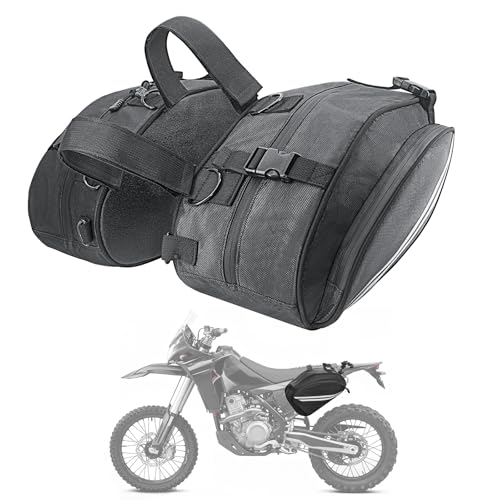
- TLR Rank9.1
TLR Rank is a ranking system developed by TravelLuggageReviews.com. TLR Rank has no relationship or impact from any manufacturers or sales agent websites. Learn more
- BrandGAWAF

- TLR Rank8.8
TLR Rank is a ranking system developed by TravelLuggageReviews.com. TLR Rank has no relationship or impact from any manufacturers or sales agent websites. Learn more
- BrandKRONOX

- TLR Rank8.7
TLR Rank is a ranking system developed by TravelLuggageReviews.com. TLR Rank has no relationship or impact from any manufacturers or sales agent websites. Learn more
- BrandNICECNC

- TLR Rank8.5
TLR Rank is a ranking system developed by TravelLuggageReviews.com. TLR Rank has no relationship or impact from any manufacturers or sales agent websites. Learn more
- BrandROBOCUP

- TLR Rank8.2
TLR Rank is a ranking system developed by TravelLuggageReviews.com. TLR Rank has no relationship or impact from any manufacturers or sales agent websites. Learn more
- BrandE-riding

- TLR Rank7.9
TLR Rank is a ranking system developed by TravelLuggageReviews.com. TLR Rank has no relationship or impact from any manufacturers or sales agent websites. Learn more
- BrandThrottlePak

- TLR Rank7.8
TLR Rank is a ranking system developed by TravelLuggageReviews.com. TLR Rank has no relationship or impact from any manufacturers or sales agent websites. Learn more
- BrandOdinsberg
Last update on 2026-11-05 / Affiliate links / Images, Product Titles, and Product Highlights from Amazon Product Advertising API
How do you keep dirt bike luggage from melting on the exhaust pipe?
Check physical spacing between your bags and the exhaust before tightening down any mounting straps. Dirt bike tail sections lack wide subframes, so soft saddlebags will melt if fabric touches the silencer. You should confirm your motorcycle has an external heat shield installed, or fit an aftermarket standoff bracket to keep soft bags suspended away from the muffler. Always inspect the gap with the rear suspension fully compressed to verify that rough bumps will not push the luggage into direct contact with hot metal.
Will dirt bike luggage bounce loose over whoops and rocks?
Bags stay anchored over harsh terrain when you secure them with stiffened backing plates, universal buckles, or dedicated fender mounts. A handlebar bag uses heavy buckles wrapped tightly to crossbars to stop vibration, while an enduro tail pack built with a stiffened back plate resists side-to-side shifting. For technical trails, a rear fender bag constructed from 500D PVC straps directly over the rear fender plastic, minimizing movement. Always verify that tension buckles are cinched down before heading out, and check the webbing after the first few miles of riding to take up any slack.
What bag style fits your ride length without getting in your way?
Match luggage volume to your trip duration so you preserve freedom of movement while standing on the pegs. For short morning loops, a compact 1.5-liter or 2-liter handlebar bag carries trail tools, keys, and a phone without crowding your controls. Half-day and full-day trail rides work well with an expandable 12L to 15L tail bag or saddlebags offering 10 to 12 liters per side to distribute bulk evenly. If you are packing extra layers or camp gear for longer journeys, a 30L or 40L waterproof duffel provides the needed volume across the rear seat.
How do dirt bike bags keep gear dry during river crossings and heavy rain?
Off-road luggage prevents water intrusion by using welded seams, impermeable PVC tarpaulin, or included rain covers. Duffel packs and dry bags built with welded 840D TPU achieve an IPX6 waterproof rating that withstands wheel spray and sudden downpours. Fender packs often combine 500D PVC fabric with PU waterproof zippers to block mud thrown by the rear tire. If your saddlebags use lighter textile builds, verify that you deploy dedicated waterproof rain covers over each side before splashing through creek crossings.
How should you pack heavy tools to maintain bike balance on technical trails?
Pack heavy steel tools and spare tubes as low and as close to the center of the chassis as possible. Placing dense gear into a fender pack or small handlebar bag keeps your center of gravity stable, preventing awkward weight transfers when navigating ruts. Managing trail weight requires the same balance considerations as calculating how much your pack should weigh on a hike, because top-heavy packs make the bike harder to control over rocks. Splitting heavier items between dual saddlebag sides also keeps weight symmetrical on steep climbs.
How do you prevent dirt bike bags from getting lost on remote trails?
Keep loose strap tails secured so they cannot get caught in the rear wheel or work their buckles loose over trail chatter. Tucking a compact device into a zippered pouch, similar to using trackers to prevent lost bags, gives you a digital backup if gear ever detaches along overgrown singletrack. Roll excess webbing into keeper loops, confirm every buckle snaps firmly, and inspect your tie-down points whenever you stop for fuel.


Best Affordable Carry On Luggage 2026 - 11 Most Loving

The 12 Best Carry On Luggage For Bad Back 2026 - Top Choices

Best Lightest carry on luggage with wheels in 2026

Top Airport Traveling Suitcases: Our 11 Best Picks

The Best Delsey Paris Luggage Set 2026

Top 10 Delsey Softside Luggage Picks for Stress-Free Travel

11 Best Guest Room Luggage Rack of 2026 To Protect Clean Bedding

11 Best Grom Luggage Rack of 2026 For Direct Bolt-On Fit










