Best Duffle Bags for College 2026: Smart Picks

Best duffle bags for college need to handle more than a quick visit to the gym. A typical week may involve carrying workout clothes, laundry, textbooks, chargers, toiletries, and enough clothing for an overnight trip home. That mixed load exposes weak zippers, thin handles, and floppy bottoms in a hurry. A dependable bag keeps those everyday hassles from turning into a tangled mess at the bottom of one oversized compartment.
Storage layout matters just as much as total capacity. One huge compartment sounds convenient until clean shirts sit beside damp towels or charging cables disappear underneath a pair of shoes. A separate footwear pocket, one accessible exterior pocket, and a few smaller organizers usually provide enough structure without making packing fussy. Too many tiny sections can be annoying too, especially when every item seems to end up in the wrong pocket.
Carry comfort deserves a close look because dorms, parking lots, train platforms, and airport terminals can involve longer walks than expected. A removable padded shoulder strap helps spread the load, while handles that wrap around the bag feel more secure than short straps sewn only to the top panel. Still, padding can't fix an overloaded bag. A giant duffle filled to the brim can become a shoulder-bruising brick, so a moderate size often works better for regular campus use.
Durable fabric should resist scuffs, light rain, and the occasional dirty floor without demanding delicate care. Polyester and nylon shells are common because they're relatively light and easy to wipe down, though fabric thickness and stitching quality vary. Reinforced stress points around the handles matter more than a flashy logo. A structured or coated base is also handy because it reduces sagging and gives the bag a little protection on wet pavement.
Useful capacity depends on the job. A smaller duffle suits the recreation center, intramural practice, or one-night stays, while a medium bag gives clothing and toiletries more breathing room for weekend travel. Oversized models swallow plenty, but they can be awkward in crowded buses, narrow dorm rooms, and shared closets. Frankly, unused bulk becomes a nuisance when storage space is already tight.
Easy maintenance can make the difference after spilled shampoo, muddy shoes, or forgotten gym clothes leave their mark. A wipe-clean lining is simpler to manage than fabric that holds odors, and ventilation around a shoe compartment helps damp gear dry sooner. Machine washing may sound convenient, but hardware, stiff panels, and coatings often require gentler care. Checking the manufacturer's cleaning directions before tossing the whole bag into a washer saves a nasty surprise.
Color and appearance still count, though practical shades hide dirt better during busy weeks. Bright interiors make small items easier to spot, which is a surprisingly helpful detail in dim dorm rooms or early morning locker areas. Neutral exteriors also move easily between the gym, class, internships, and short trips without looking out of place. In the end, the better bag isn't necessarily the largest or most decorated one. It's the one that fits the usual load, stays comfortable on the move, and doesn't create extra work after every trip.

- TLR Rank9.4
TLR Rank is a ranking system developed by TravelLuggageReviews.com. TLR Rank has no relationship or impact from any manufacturers or sales agent websites. Learn more
- BrandMAXTOP

- TLR Rank9.2
TLR Rank is a ranking system developed by TravelLuggageReviews.com. TLR Rank has no relationship or impact from any manufacturers or sales agent websites. Learn more
- BrandAmazon Essentials

- TLR Rank9.2
TLR Rank is a ranking system developed by TravelLuggageReviews.com. TLR Rank has no relationship or impact from any manufacturers or sales agent websites. Learn more
- BrandRockland

- TLR Rank9.0
TLR Rank is a ranking system developed by TravelLuggageReviews.com. TLR Rank has no relationship or impact from any manufacturers or sales agent websites. Learn more
- BrandFmeida

- TLR Rank9.0
TLR Rank is a ranking system developed by TravelLuggageReviews.com. TLR Rank has no relationship or impact from any manufacturers or sales agent websites. Learn more
- BrandVorspack

- TLR Rank8.8
TLR Rank is a ranking system developed by TravelLuggageReviews.com. TLR Rank has no relationship or impact from any manufacturers or sales agent websites. Learn more
- BrandSuruid

- TLR Rank8.2
TLR Rank is a ranking system developed by TravelLuggageReviews.com. TLR Rank has no relationship or impact from any manufacturers or sales agent websites. Learn more
- BrandREDSEASONS
Last update on 2026-08-01 / Affiliate links / Images, Product Titles, and Product Highlights from Amazon Product Advertising API
MAXTOP Large Gym Bag for College Travel
Campus routines have a knack for turning one simple bag into a catchall for sneakers, toiletries, workout clothes, chargers, and whatever else gets tossed in at the last minute. A cramped main compartment or nowhere to isolate damp gear can make an ordinary overnight stay feel needlessly messy. The MAXTOP Large Gym Bag tackles those practical headaches with a roomy body, separate shoe storage, wet and dry organization, and several pockets designed for frequently carried items. Its layout makes the strongest case for the bag, especially for anyone juggling college travel, fitness sessions, laundry runs, and short weekend plans.
MAXTOP Large Gym Bag
The stated dimensions are 19 by 10.5 by 11 inches, giving the bag enough room for clothing, toiletries, fitness equipment, and other daily travel supplies without pushing it into oversized luggage territory. That balance matters in a dorm or shared apartment, where closet shelves and under-bed spaces fill up fast. The rectangular shape should also be easier to pack than a narrow barrel-style bag because folded shirts and towels can sit flatter. Still, packing every compartment to capacity will naturally make it bulkier and heavier to carry.
The detachable adjustable shoulder strap gives the bag more flexibility than fixed handles alone. A shorter setting keeps the load close to the body, while a longer adjustment can work for crossbody carrying when both hands are occupied. The regular grab handles remain useful for quick moves between a car, locker room, dorm hallway, or train seat. Because no specific padding thickness is provided, comfort under a very heavy load should be treated as a practical unknown rather than assumed.
A rear luggage strap adds real value during longer trips by allowing the duffle to slide over a suitcase handle. That setup keeps the bag from swinging off one shoulder while moving through an airport, hotel lobby, or transit station. It also reduces the temptation to stack the duffle loosely on top of rolling luggage, where it can slip sideways at the worst moment. For trips that require more packing space than this duffle offers, a neutral size reference appears in best luggage bag 24 inch.
Storage That Handles Messy Routines
The independent shoe compartment is one of the most useful parts of the design because footwear creates more packing trouble than nearly any other item. Shoes bring dirt, moisture, and odor into a bag, and placing them beside clean clothing is rarely a good arrangement. MAXTOP states that the side compartment can hold one or two pairs of shoes or be used for dirty clothes. Actual fit will depend on shoe size and bulk, so two pairs of thin trainers are more realistic than two pairs of heavy boots.
Built-in air holes give the shoe section some ventilation rather than sealing used footwear inside an airtight pocket. That can help reduce trapped odor after a gym session, though ventilation won’t replace airing out damp shoes once the bag reaches its destination. The same compartment can serve as a temporary laundry section during a short trip. That alternative use is handy when shoes are being worn and sweaty clothing needs to stay away from clean items.
The waterproof wet pocket creates another separation layer for damp towels, swimwear, or clothing after a workout. Wet and dry organization sounds like a minor feature until a leaking toiletry bottle or soaked towel touches everything packed beside it. Keeping moisture contained can spare notebooks, clean shirts, and electronics accessories from an unpleasant surprise. The description identifies the pocket as waterproof, but it doesn’t provide details about seam construction, so it makes sense to treat it as wet-item storage rather than a container for loose liquids.
Pockets Built Around Daily Grab-and-Go Use
A spacious main pocket and internal compartment form the central storage area, but the surrounding pockets keep smaller items from disappearing underneath clothes. That arrangement is especially helpful during rushed mornings when a key card, charger, or set of earbuds needs to be found without unpacking half the bag. Too many tiny organizers can become fussy, yet this design appears to focus on broader, recognizable storage zones. The result should feel less like sorting office supplies and more like giving everyday gear a sensible place to land.
The front and back include zippered pockets described as anti-theft storage for personal belongings. Their biggest practical benefit is controlled access, since zipped sections are safer than open slip pockets while moving through busy stations or crowded campus spaces. The rear pocket may also keep valuables closer to the body depending on how the bag is carried. The term anti-theft shouldn’t be read as a security guarantee, though, because ordinary zippers still require normal awareness and care.
Side pockets hold water bottles and umbrellas, helping prevent either item from taking up room in the main compartment. A wet umbrella stored beside dry clothing is a recipe for a soggy mess, so exterior placement makes sense. Bottle fit will depend on diameter and pocket depth, neither of which is specified in the supplied details. Larger insulated bottles may be a tighter match than standard disposable or slim reusable bottles.
The front hook-and-loop pocket gives tissues, travel papers, or frequently handled documents a spot that opens faster than a zipper. That kind of pocket is convenient for low-value items needed repeatedly during a trip. It’s less suitable for cash, identification, or anything that shouldn’t be exposed by a quick pull. Used thoughtfully, it keeps routine essentials from cluttering the more secure zippered sections.
How It Fits College and Weekend Travel
The bag’s strongest role is as a short-trip and activity duffle rather than a substitute for structured luggage on longer journeys. Its dimensions and storage mix suit a few outfits, toiletries, shoes, and basic workout gear, depending on packing style. Soft-sided construction generally makes a duffle easier to squeeze into a car trunk, locker, or crowded closet than a rigid case. The tradeoff is that fragile belongings receive less protection unless they’re packed inside their own cases.
For gym and yoga routines, the wet pocket and ventilated shoe section directly address two recurring annoyances: damp fabric and used footwear. A water bottle can stay outside, clean clothes can remain in the main area, and small belongings can sit in the zipped pockets. That separation makes unpacking less chaotic after returning to a dorm or apartment. It also reduces the odds of forgetting sweaty clothing buried beneath unrelated gear, though the bag still needs to be emptied and aired out regularly.
Weekend travel brings out the benefit of the luggage sleeve and multiple carry methods. The shoulder strap works for stairs, sidewalks, and short walks, while the rear sleeve becomes more useful alongside a rolling suitcase. Carrying the bag by hand may feel neater in tight spaces, especially while boarding a bus or moving through a narrow aisle. The lack of supplied weight information makes it impossible to judge how light the empty bag feels, so the packing load remains the bigger factor.
Strengths, Limits, and Practical Expectations
The main strength is the combination of storage zones rather than any single flashy feature. Shoe separation, a wet pocket, bottle storage, zippered sections, and a luggage strap all solve distinct packing problems. Together, they make the bag adaptable enough for fitness, overnight travel, camping supplies, and routine campus hauling. That flexibility is useful, but it can also encourage overpacking because there always seems to be one more pocket available.
A realistic limitation is that capacity must be shared among the compartments. Filling the shoe section with two pairs may reduce usable space or change the shape of the main compartment, depending on how the sections are constructed. Bulky footwear, thick winter clothing, and large toiletries can consume room faster than the exterior dimensions suggest. Careful packing will matter more than simply relying on the word “large.”
The black finish offers a practical everyday appearance that should move easily between a fitness center, dorm, hotel, and casual business trip. Dark fabric also tends to show minor dirt less quickly than pale colors, though lint and dust can still be visible. No material composition or cleaning method is included in the supplied information, so durability and maintenance shouldn’t be overstated. Following the care guidance that arrives with the bag would be safer than assuming it can be machine washed.
The MAXTOP bag makes the most sense where organization and flexible carrying matter more than rigid protection. It addresses the awkward mix of clean clothing, damp gear, footwear, documents, and travel basics with compartments that each have a clear job. Its biggest weakness is the uncertainty around strap cushioning, fabric weight, and long-term wear because those details weren’t provided. Packed within sensible limits, though, the layout is well matched to college life, gym visits, and compact weekend travel.
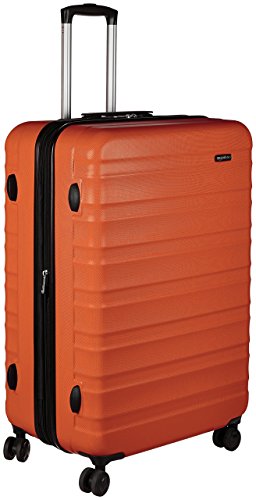
Amazon Basics Large Duffel for College Storage
Bulky bedding, winter clothes, and laundry can overwhelm an ordinary gym bag before the zipper even closes. The Amazon Basics Large Travel Duffel takes a different approach, offering a broad rectangular body with more than 6,000 cubic inches of interior space. Among the best duffle bags for college, it stands out less as a polished everyday carry and more as a lightweight hauler for move-in days, semester breaks, storage, and road trips. That distinction matters because its generous dimensions solve big packing problems while creating a few portability tradeoffs of their own.
Amazon Basics Large Travel Duffel
The bag measures 32.5 by 17 by 11.5 inches, so this isn't a compact duffel meant for one workout outfit and a water bottle. Its wide rectangular shape gives folded clothing, towels, blankets, and soft household items room to spread out instead of piling upward. That shape can make packing feel less like stuffing a sack and more like loading a flexible storage bin. Still, the larger footprint needs a fair amount of floor, trunk, or closet space while it's in use.
Amazon lists a 50-pound weight capacity, which gives the bag enough carrying range for substantial loads without suggesting that every trip should push it to the limit. Fifty pounds can become uncomfortable quickly when the only stated carrying method is a pair of top loop handles. A heavily loaded bag may be manageable for lifting into a car but awkward for a long walk across campus. The capacity is a strength for storage and transport, yet sensible packing remains the difference between useful and unwieldy.
The shell uses 100-percent nylon, a material choice that keeps the bag relatively lightweight while offering practical durability for routine hauling. Nylon also suits a collapsible design because it can fold down without the rigid panels found in rolling luggage. The supplied description doesn't mention padding, reinforcement details, or water resistance, so those qualities shouldn't be assumed. Its clearest advantage is simple: more carrying space without the weight of a hard-sided case.
Roomy Packing Without Fussy Organization
The roomy main compartment is built for volume rather than elaborate sorting. Large clothing bundles, spare linens, sleeping bags, or off-season garments can go inside without wrestling with dividers. That open layout is useful during dorm moves because oddly shaped soft items don't have to fit around fixed compartments. On the flip side, smaller belongings can migrate to the bottom unless they're grouped in packing cubes or separate pouches.
A zippered interior pocket gives keys, tickets, or similarly small pieces a more controlled place to stay. It won't turn the bag into a detailed organizer, but it helps prevent a few essentials from disappearing beneath several layers of clothing. The exterior pocket provides quicker access when opening the main zipper would be inconvenient. Neither pocket is described with exact dimensions, so bulky electronics or large toiletry kits may still need to remain in the main section.
The bag's storage style favors people who prefer one broad packing zone over a maze of specialized pockets. That simplicity can be refreshing during a rushed move, especially when the goal is getting a lot of soft gear from one place to another. It may feel too bare-bones for gym use, though, since the details don't mention a shoe compartment, wet pocket, or bottle sleeve. From a practical angle, a different luggage format is represented by best 19 inch roller bag, which suits trips where structured rolling transport matters more than collapsible storage.
Pros for Dorm Moves and Semester Breaks
The biggest pro is sheer usable volume. More than 6,000 cubic inches gives bulky sweatshirts, jeans, towels, and bedding enough room to travel together rather than being split across several smaller bags. Fewer separate pieces can make loading a car simpler and reduce the chance of leaving something behind in a dorm hallway. For seasonal packing, this generous interior earns its keep.
Another strength is the collapsible construction. Once emptied, the bag can be folded and placed on a shelf, under a bed, or inside another suitcase rather than occupying permanent floor space. That's a practical win where closets are narrow and storage space is already claimed by laundry baskets, shoes, and textbooks. A rigid suitcase can't shrink after move-in day, but this duffel can get out of the way.
The durable zipper closure keeps the main opening straightforward, while the top loop handles allow quick lifting between a trunk, storage room, and dorm. There are no wheels, frames, or telescoping parts to manage, which means fewer moving pieces during basic transport. The simple build also avoids the extra bulk that structured luggage adds before anything is packed. For short carries and vehicle-based travel, that stripped-down approach makes sense.
Its black exterior brings a quieter practical benefit as well. Dark fabric tends to hide ordinary scuffs and grime better than a pale travel bag, especially around parking lots, storage areas, and shared floors. The neutral appearance also works for clothing storage without drawing much attention. Cosmetic simplicity won't improve carrying comfort, but it does suit a bag expected to handle unglamorous jobs.
Cons That Matter Before Packing Heavy
The most obvious weakness is the lack of a stated shoulder strap or backpack-style carry system. Top handles are fine for short lifts, yet a wide bag loaded near its capacity can bump against the legs and pull heavily on the hands. Long walks through airports, train stations, or sprawling campuses may become tiring in a hurry. The bag is better suited to car-to-room movement than extended hand carrying.
Size creates another tradeoff. A 32.5-inch length provides welcome packing room, but it may feel oversized for daily classes, gym visits, or a single overnight stay. The bag could also be awkward in crowded buses, small lockers, or narrow dorm closets while fully packed. Plenty of capacity sounds attractive, though unused space can encourage packing more than anyone really wants to carry.
The open interior also lacks dedicated separation for shoes, damp clothing, or toiletries. Dirty sneakers placed beside clean shirts will need their own bag, and a leaking bottle could spread through a large portion of the compartment. Packing cubes, shoe sacks, and sealed toiletry pouches can solve those issues, but they add extra pieces to the routine. Anyone wanting built-in wet and dry organization may consider this layout too plain.
Care requirements bring one more limitation: the bag is listed as hand wash only. That can be inconvenient after dust, spills, or travel grime accumulate across such a large surface. Cleaning a bag this size in a sink may be awkward, and the supplied information doesn't state whether spot cleaning is sufficient for most messes. Careful use and separate storage pouches can reduce cleaning headaches, but maintenance won't be as effortless as tossing the entire bag into a washing machine.
Realistic Use Around College Life
Move-in and move-out days play directly to the bag's large rectangular capacity. Soft items that don't need rigid protection can be packed quickly, zipped shut, and loaded into a vehicle without using cardboard boxes. The flexible sides also adapt to uneven loads such as rolled blankets, jackets, and laundry. Fragile electronics, glass items, and crushable belongings still need firmer protection elsewhere.
Semester breaks offer another sensible role. The duffel can hold a substantial clothing rotation for a drive home, then collapse once everything is unpacked. Its lightweight nylon body means more of the carrying allowance goes toward belongings rather than a heavy frame. Air travel is less straightforward because airline size and weight rules vary, so the bag's measurements should be considered against the relevant carrier limits before a flight.
Storage between trips may be where this model quietly proves most useful. Extra comforters, off-season clothing, and spare towels can remain inside without the bag taking on the fixed bulk of a plastic tote. The zippered closure keeps the load contained, though the product details don't describe an airtight or moisture-proof seal. Dry indoor storage is therefore a safer fit than damp basements, outdoor sheds, or exposed garages.
The Amazon Basics duffel works best as a high-capacity hauler rather than a refined travel organizer. Its generous interior, nylon construction, two small-item pockets, and collapsible body solve straightforward college storage and transport problems without piling on extra features. The missing shoulder strap, basic organization, and hand-wash care requirement are meaningful compromises, especially for frequent pedestrian travel. Used for bulky soft goods, laundry, road trips, or dorm transitions, its simple design has a clear and practical job.
Rockland Duffel Bag for College and Weekend Trips
A packed schedule can turn a small carrying problem into a daily nuisance. Shoes, a sweatshirt, toiletries, chargers, and a few notebooks quickly become a jumbled pile when the opening is narrow or the pockets are too shallow. The Rockland Duffel Bag approaches that routine with a compact 18.5 by 10.5 by 8.5-inch body, a wide U-shaped opening, four zippered exterior compartments, and a removable shoulder strap. Among the best duffle bags for college, its appeal comes from manageable proportions and straightforward organization rather than oversized capacity.
Rockland 18.5-Inch Duffel Bag
The bag uses 600-denier polyester, a material commonly chosen for soft luggage because it balances everyday toughness with a relatively light structure. That fabric should be better suited to repeated trips between dorm rooms, locker areas, cars, and buses than a thin casual tote. Still, the supplied details don’t describe water resistance, interior lining, or reinforced seams, so those qualities shouldn’t be assumed. Its stated material points to a practical, no-frills shell built for ordinary travel wear.
The compact dimensions make this Rockland model easier to manage than a large moving-day duffel. At 18.5 inches long, it’s sized more naturally for a workout, one-night stay, or tightly packed weekend than for hauling bedding and an entire seasonal wardrobe. That smaller footprint can fit more comfortably beside a desk, beneath a dorm bed, or in a crowded vehicle. The tradeoff is obvious, though: bulky shoes and thick winter clothing can eat through the available space fast.
A removable adjustable ergonomic shoulder strap gives the bag more carrying flexibility than top handles alone. The strap can be shortened for a close shoulder carry or lengthened when a crossbody position feels less awkward. Removing it also keeps loose webbing from getting in the way during storage or hand carrying. Since no padding measurements are provided, comfort with a dense, heavy load remains uncertain.
Wide Opening and Main Compartment Access
The U-top zippered opening is one of the bag’s most useful design choices. A wide flap exposes more of the main compartment, making it easier to place folded clothes inside without stuffing them through a narrow slit. It also helps during unpacking because items near the corners are less likely to stay hidden. For hurried packing before class or an early bus, that access can save a fair bit of rummaging.
The opening shape also supports better visibility. A traditional straight zipper often creates a dark tunnel where small belongings drift beneath larger items, but a U-shaped panel folds back and reveals more of the interior at once. That doesn’t create extra capacity, of course, but it makes the existing space easier to use. A bag that opens cleanly often feels roomier simply because its contents aren’t fighting the zipper.
The main compartment is best treated as an open packing area rather than a highly divided organizer. Clothing, towels, a toiletry pouch, or compact fitness gear can share the central space, while smaller accessories move to the exterior pockets. That separation keeps the large cavity from becoming a catchall for every charger, ticket, and loose key. Packing cubes could add more structure, but they may take up a noticeable share of this relatively compact interior.
Four Exterior Pockets Keep Clutter in Check
Two front zippered compartments offer quick storage for items that would otherwise disappear in the main section. A student ID, transit card, earbud case, charging cable, or folded schedule can stay accessible without leaving the pockets open to accidental spills. The zipper closures are a meaningful advantage over simple slip pockets, especially in busy hallways or public transportation. Exact pocket dimensions aren’t provided, so larger accessories may need to remain inside the bag.
The two side zippered compartments add another layer of sorting. One side could hold toiletries while the other keeps snacks, cables, or small travel supplies separate from clothing. That layout is useful for routines where several small categories need their own place, though it doesn’t replace a dedicated shoe or wet-item section. Shoes stored in a side pocket may not fit depending on their size, and the description doesn’t claim that either compartment is ventilated.
Four secured exterior pockets give the Rockland bag a clear organizational strength over plain single-compartment duffels. Instead of opening the main zipper every time a small item is needed, frequently handled belongings can stay near the surface. That’s handy during a short trip when tickets, keys, or charging accessories come out repeatedly. The downside is that filling every exterior pocket may make the bag feel lumpy and reduce how neatly it sits.
College Use Without Oversized Bulk
This duffel’s compact profile fits routines where carrying convenience matters more than maximum volume. It can handle a change of clothes, basic toiletries, and a few personal items without creating the wide, swinging footprint of a large travel bag. That makes it more natural for gym sessions, intramural sports, weekend visits, or laundry loads that haven’t reached mountain status. For semester moves, though, several trips or a larger companion bag would probably be necessary.
Storage is another quiet benefit. A smaller soft-sided duffel is easier to tuck into a dorm closet or place on a shelf than a rigid suitcase that keeps its full shape year-round. The supplied details don’t explicitly state that the bag collapses, so it would be misleading to promise completely flat storage. Even so, polyester construction generally takes up less fixed room than framed luggage. Space-starved rooms tend to reward that simpler footprint.
Travel by car or bus suits the Rockland’s proportions particularly well. The bag can sit at a passenger’s feet, share trunk space with other luggage, or move through a narrow aisle without feeling like a piece of moving equipment. Air travel requires more caution because carrier size rules differ, and the provided information doesn’t identify the bag as an approved personal item. From a broader luggage angle, a neutral reference appears in best luggage with spinner wheels, where rolling designs address heavier loads differently.
Everyday Strengths Worth Noting
The clearest strength is the balance between access and organization. A U-shaped top opening handles clothing and larger gear, while four exterior zipper pockets keep smaller items from sinking to the bottom. That combination solves a common annoyance without making the bag feel overengineered. Every compartment has a fairly obvious job, which keeps packing simple.
The 600-denier polyester shell is another sensible feature for repeated campus use. Bags are often dropped beside lockers, pushed under seats, and scraped against car trunks, so a tougher woven fabric matters more than decorative trim. The product details support durability at the material level, though they don’t provide information about long-term abrasion testing or reinforcement. Realistic expectations are important: sturdy fabric helps, but no soft bag is immune to sharp objects or rough handling.
Carrying flexibility also counts as a practical plus. The removable shoulder strap allows hands-free movement when holding a phone, coffee, or another bag, while the compact size should reduce the awkward swing associated with oversized duffels. Adjustability lets the strap position change with body height and clothing thickness. Without stated padding details, however, a lighter load is still the safer bet for longer walks.
Limitations Before It Gets Packed
The main weakness is limited capacity compared with large travel duffels. Its measurements work well for compact loads, but thick hoodies, extra shoes, and bulky toiletries can crowd the interior quickly. Packing for several days may require careful outfit planning instead of tossing in extras at the last minute. Anyone who routinely carries bedding or sports equipment may outgrow this size.
The lack of a stated shoe compartment matters for gym and sports use. Sneakers placed in the main compartment can transfer dirt or odor to clean clothing unless they’re packed in a separate sack. None of the supplied pocket descriptions mention ventilation, wet-item protection, or waterproof lining. A basic shoe bag and sealed pouch for damp clothes would make the setup more workable, but those are additional pieces to manage.
No dedicated bottle pocket is listed either. A water bottle may need to sit inside the main compartment or occupy one of the side sections if it fits. That creates a small but real concern around leaks, especially beside electronics or clean clothes. A tightly sealed bottle can reduce the risk, yet the bag itself doesn’t appear designed around hydration storage.
Realistic Packing and Carrying Experience
A one-night load is where the 18.5-inch size makes the most sense. A change of clothes, sleepwear, toiletries, and a compact pair of shoes could fit depending on garment thickness and shoe size. The four exterior pockets can then handle chargers, identification, tickets, and smaller personal items. Packing remains simple because nothing needs to be stacked in several deep layers.
Gym use is equally plausible, but the missing wet and shoe separation changes how the bag should be packed. Clothing and towels can occupy the main area, while a separate pouch keeps damp fabric from touching clean gear. The wide U-shaped opening makes post-workout unpacking easier, which matters when sweaty clothes shouldn’t sit overnight. Used with a little discipline, the layout stays practical despite its basic interior.
The Rockland Duffel is less suited to heavy, dense cargo. Books, large electronics, and full bottles can add weight quickly, and a soft body won’t provide the rigid protection of structured luggage. Its best role is carrying flexible items such as clothing, towels, and lightweight personal gear. Keeping the load moderate should also make the shoulder strap and compact handles more comfortable during ordinary campus travel.
The bag’s main difference lies in its modest scale and pocket-heavy exterior. It doesn’t try to replace a suitcase, laundry hauler, or specialized sports bag with ventilated sections. Instead, it handles short routines with a wide opening, manageable dimensions, and enough zippered storage to prevent small-item chaos. Those qualities fit weekend visits and daily activity runs, while the limited capacity and lack of wet separation remain the compromises built into its simpler design.
Fmeida 65L Foldable Duffel Bag for College Travel
Extra clothes have a sneaky way of multiplying before a weekend trip, and the return journey is usually worse once laundry, souvenirs, or last-minute purchases join the pile. The Fmeida 65L Foldable Duffel Bag tackles that familiar squeeze with a roomy interior, a compact folded form, and separate storage for footwear. Among the best duffle bags for college, it leans toward flexible travel and backup packing rather than rigid everyday structure. The design makes sense for dorm moves, semester breaks, gym runs, and those trips where carrying an empty spare bag can save a whole lot of hassle later.
Fmeida 65L Foldable Duffel
The stated 65-liter capacity gives this bag enough room for clothing, toiletries, shoes, and other soft travel gear without requiring a hard-shell suitcase. Unfolded, it measures 24.5 by 11.5 by 14 inches, which puts it well beyond a compact gym bag. That size can swallow several outfits or a substantial laundry load, though bulky jackets and large shoes will still claim space quickly. Capacity sounds generous on paper, but thoughtful packing keeps the bag from turning into an awkward, sagging load.
Foldability is the feature that separates this model from many standard duffels. The bag compresses to approximately 10.24 by 9.06 inches, allowing it to sit inside another suitcase, on a closet shelf, or beneath a dorm bed until needed. That makes it useful as a backup travel bag for return trips carrying more than the outbound journey. It won’t eliminate airline baggage fees by itself, since carrier limits still apply, but it provides another packing option when space suddenly runs short.
The supplied description lists polyester construction, reinforced major stress points, water resistance, and tear resistance. Those details suggest a shell designed for flexible travel rather than delicate handling, while the lightweight build keeps the empty bag from adding unnecessary bulk. Water resistance can help with light splashes or brief exposure, though it shouldn’t be treated as full waterproofing. Electronics and important papers still belong in sealed protective pouches if wet weather is in the forecast.
Capacity That Solves Real Packing Problems
A large open interior works well for clothing because shirts, pants, towels, and soft bedding don’t need elaborate dividers. The main storage area can handle irregular loads more easily than a rigid case with fixed corners and molded panels. That flexibility helps during dorm transitions, especially when the bag needs to carry a mix of folded clothes and loosely shaped items. The downside is that smaller belongings can sink beneath larger pieces unless they’re grouped in pouches or packing cubes.
The bag’s dimensions make it suitable for more than a quick gym stop. A short trip could include several outfits, sleepwear, toiletries, and spare shoes, while a campus laundry run could hold a much larger load than a basic tote. Still, the 65-liter volume may be excessive for everyday classes or a single workout. A half-empty large duffel can feel floppy, and a completely full one may be heavier than the shoulder strap can comfortably manage over long distances.
That tension between volume and portability defines the bag’s practical character. The strength is having room available whenever plans expand, but the tradeoff is resisting the urge to pack every spare inch. Soft-sided bags don’t distribute weight like framed luggage, so dense items such as textbooks or large electronics can create uncomfortable pressure points. Clothing, towels, shoes, and lightweight travel supplies are a more natural match for this construction.
Shoe Storage Keeps Clean Gear Separate
The separate shoe compartment addresses one of the messiest problems in a shared travel bag. Footwear carries dust, moisture, and odor, none of which belongs against clean shirts or freshly packed towels. Fmeida describes an internal end pouch and shoe section that divide the bag into practical zones. That organization saves the trouble of wrapping sneakers in grocery bags or letting dirty soles rub against everything nearby.
Shoe capacity will depend on size and style, so realistic expectations matter. Slim sneakers take less room than thick boots, and any compartment extending into the main body may reduce usable clothing space. The supplied information doesn’t state ventilation details, which means damp footwear shouldn’t remain sealed inside longer than necessary. After a workout or rainy walk, emptying and airing the compartment helps prevent trapped odors from settling into the fabric.
The end pouch can also serve as a separation zone for dirty laundry when shoes aren’t being carried. That flexibility is handy on the trip home, when clean clothing has dwindled and worn garments need their own corner. A sealed pouch may still be useful for very damp items because water resistance doesn’t necessarily mean every internal seam is leakproof. The compartment solves ordinary separation well, but it isn’t described as a dedicated waterproof wet pocket.
Carrying Options and Travel Convenience
Comfortable handles give the bag a straightforward way to move between a dorm room, car trunk, hotel, or gym locker. The adjustable removable shoulder strap adds hands-free carrying and can be shortened or lengthened according to the load and body position. Removing the strap keeps it from dangling during storage or when the bag is carried by hand. No padding thickness is provided, so shoulder comfort with a fully packed 65-liter load remains an open question.
A rear luggage sleeve lets the duffel slide over the handle of a rolling suitcase. That small detail becomes valuable in airports and stations because it keeps the bag from swinging at the hip while navigating long corridors. The sleeve also stabilizes the duffel on top of luggage instead of leaving it balanced loosely. From a related travel perspective, a useful reference appears in best rolling duffel bag for travel, where wheel-based designs handle heavy loads with a different set of tradeoffs.
Multiple pockets provide storage for smaller belongings such as a phone, passport, charging cable, or travel documents. These quick-access pockets keep essentials away from the deep main compartment, where they could vanish beneath clothing. Exact pocket sizes aren’t included, so larger tablets or bulky organizers may not fit as neatly as compact items. Even so, a few external storage points make a large duffel far less frustrating during transit.
College Routines This Bag Handles Well
Semester breaks suit the bag’s packable design particularly well. It can travel folded inside a suitcase on the outbound trip, then open up for laundry, extra clothing, or belongings gathered during the stay. That arrangement is more flexible than carrying a second full-size suitcase from the beginning. Airline rules still need attention, since a bag this size may not meet every carrier’s carry-on limits once fully packed.
Dorm move-in days are another natural fit. The large interior can hold soft items such as bedding, towels, hoodies, and clothing that would otherwise require several smaller bags. Once unpacked, the duffel folds down instead of permanently occupying precious closet space. The storage advantage is substantial in a compact room, though fragile décor or electronics still need rigid protection elsewhere.
Gym and sports use can work, especially when shoes and clothing need separate zones. The bag has enough room for towels, spare outfits, basic equipment, and toiletries, but its size may feel excessive for a light workout routine. A smaller duffel would be easier to carry through crowded locker rooms, while the Fmeida makes more sense for activities involving bulky gear. Its best-fit role shifts toward large loads rather than minimal daily carry.
Strengths and Limitations in Daily Use
The most convincing strength is the combination of large capacity and compact storage. Many roomy bags remain bulky even when empty, but this one folds into a much smaller footprint. Reinforced stress points and tear-resistant polyester support the idea of repeated travel use without adding a rigid frame. That balance suits unpredictable schedules where the bag may be needed one week and tucked away the next.
The shoe compartment, luggage sleeve, and removable strap give the design more structure than a plain oversized sack. Each feature solves a specific annoyance: dirty footwear, awkward suitcase stacking, and limited carrying choices. Those additions make the bag adaptable without filling the interior with too many permanent dividers. It still relies on the packer to control the load, and loose contents may shift during travel.
The largest weakness is carrying comfort at full capacity. A 65-liter bag can become very heavy, yet no wheels or rigid support system are listed. The shoulder strap may be fine for moderate loads, but long walks with dense packing could become tiring. Vehicle-based trips, luggage-assisted travel, and short carries are better suited to this format than extended walking.
Another limitation involves protection. The soft foldable shell saves storage space, but it won’t shield breakable items the way structured luggage can. Water-resistant material may handle light moisture, though the description doesn’t claim submersion protection or waterproof seams. Packed with clothes, shoes, towels, and other flexible gear, the design plays to its strengths without asking it to do a hard case’s job.
Vorspack 100L Extra Large Duffel Bag
Dorm move-outs rarely stay tidy. Bedding, winter jackets, laundry, camping gear, and awkward household items can overwhelm a normal weekender before packing has properly begun. The Vorspack 100L Extra Large Duffel takes a cargo-first approach, pairing an enormous interior with reinforced webbing, a foldable body, and a surprisingly low stated empty weight of 0.69 pounds. Within the best duffle bags for college, this model stands apart as a bulk hauler for long trips, storage, and vehicle-based travel rather than a neat everyday class or gym bag.
Vorspack 100L Extra Large Duffel
The headline feature is its 100-liter capacity. Unfolded dimensions of 31.5 by 16.5 by 11.8 inches create enough room for larger clothing bundles, blankets, shoes, camping supplies, or other bulky accessories that would crowd a smaller duffel. That volume can reduce the number of separate bags needed during a dorm move or extended road trip. Still, a bag this large can become downright cumbersome once every corner is packed.
Its long rectangular profile favors soft and irregularly shaped belongings. Hoodies, towels, sleeping bags, laundry, and tent accessories can settle into the interior without working around a rigid frame. This open storage layout is less fussy than luggage filled with dividers, but it also means smaller pieces can vanish underneath larger gear. Packing cubes or labeled pouches would add order without permanently reducing the available space.
The product details frame this as a heavy-duty cargo duffel, and that description suits its proportions better than the usual weekender label. It can serve as an overnight bag, but doing so may leave most of the capacity unused unless several people share the load. Its size makes more sense for longer stays, seasonal relocation, or carrying equipment that simply won’t cooperate with compact bags. Put plainly, this is a lot of bag.
Reinforced Webbing Handles Heavy Loads
Vorspack uses three-inch-wide high-density webbing that extends beneath the bag rather than stopping near the upper seams. That arrangement spreads the load across a larger portion of the body and reduces dependence on a few small attachment points. The construction is particularly relevant for heavy clothing, camping equipment, or packed household items. Reinforcement won’t make an overloaded bag light, but it can make the carrying system feel more trustworthy.
The widened straps are paired with a padded fabric handle. Padding helps soften the pressure against the hand when lifting the duffel into a trunk, onto a luggage cart, or across a short hallway. The benefit becomes less dramatic during a long walk because the supplied details don’t mention a shoulder strap or backpack harness. A comfortable grip improves lifting, yet all that weight still remains concentrated in the hands.
The lack of wheels creates a clear tradeoff. A soft, foldable bag stores more easily than rolling luggage, but it demands more physical effort once loaded with dense gear. Vehicle-based trips, house moves, and short transfers play to its strengths, while airports and long station corridors may expose its limitations. From a practical angle, best business travel duffel bag covers a different style of travel where compact organization and frequent carrying matter more than raw volume.
Material Built for Storage and Transport
The body uses thickened 600D polyester, described as odor-free, tear-resistant, and wear-resistant. That material choice makes sense for a duffel expected to rub against car trunks, storage shelves, tent poles, and dorm floors. Polyester also keeps the construction flexible enough to fold after use. The provided information doesn’t state that the bag is waterproof, so moisture protection shouldn’t be assumed.
The wear-resistant shell is more valuable around bulky gear than polished appearance. Rough-edged objects can still damage soft fabric, especially if they shift during transport, so tools and pointed camping items should be covered before packing. Clothing and flexible equipment create fewer stress points against the walls. The material supports hard use, but careful loading still has a say in how long the bag lasts.
Maintenance details aren’t included in the description, leaving cleaning requirements uncertain. A large black bag may hide minor scuffs and ordinary travel grime, though dust and lint can remain visible on dark polyester. The black exterior is practical for cargo use because it doesn’t demand delicate treatment or careful color coordination. Spills, mud, and damp gear should still be handled promptly rather than left sealed inside.
Two-Way Zipper and Basic Security
A two-way SBS zipper allows the main opening to be accessed from either direction. That setup is useful on a bag more than thirty inches long because the zipper pulls can meet wherever access is most convenient. It also avoids dragging one pull around the entire opening every time the bag needs to be closed. Smooth operation matters even more once the fabric is under tension from a full load.
The zipper includes a keyhole that accepts a lock. A small luggage lock can discourage casual opening during storage or checked transport, although it won’t turn a soft polyester bag into a secure container for valuables. Fabric can be cut, and ordinary zipper hardware has natural limits. The feature is best understood as a modest barrier against accidental or opportunistic access.
Fragile electronics, identification, and expensive belongings deserve more protection than this cargo-style construction provides. The description doesn’t mention internal padding, rigid panels, or dedicated valuables pockets. Its security strength lies mainly in keeping the main zipper together, not resisting determined tampering or impact. Clothes, linens, tents, and general equipment are far better matches than delicate devices.
Foldable Storage Saves Dorm Space
Despite its huge unfolded dimensions, the bag compresses to approximately 8.7 by 8.7 by 1.6 inches. That small folded footprint is a major advantage in a dorm room where empty suitcases and storage containers compete for limited space. It can slide beneath a bed, sit on a shelf, or travel inside another bag until needed. Few rigid containers offer comparable capacity and then nearly disappear after unpacking.
The stated empty weight is just 0.69 pounds, which is unusually light relative to the 100-liter volume. A low starting weight leaves more of the total load tied to actual belongings rather than frames, wheels, or molded panels. That matters for checked travel, though airline weight and size rules still apply to the packed bag. Large capacity can reach baggage limits long before the zipper runs out of room.
Foldability also makes the duffel useful as a backup cargo bag. It can remain packed away during an outbound trip and open later for laundry, purchases, or equipment that no longer fits elsewhere. The concept is practical, but a fully loaded return bag may require checked transport or vehicle space. Keeping it available is easy; carrying it after filling all 100 liters is the harder part.
Pros for College Moves and Long Trips
The strongest pro is uncomplicated bulk storage. Bedding, winter clothing, towels, and other soft possessions can travel together rather than being divided among several small duffels. That can simplify move-in and move-out days, especially when loading a family car. Fewer bags also mean fewer pieces to count before leaving a hallway or parking lot.
Reinforced webbing creates another meaningful strength. Extending the straps beneath the bag helps support the contents from below instead of asking the upper fabric alone to bear the load. The padded handle then makes short lifts less punishing on the hands. This combination suits the bag’s cargo-minded design, even though it doesn’t solve long-distance carrying.
The folded size and low weight give it an edge over rigid storage bins. A plastic tote occupies the same amount of space whether it’s full or empty, while this duffel can be flattened once the semester move is finished. That feature also helps in shared apartments where closets are already crowded. For occasional large loads, storing the container shouldn’t become another problem.
Its list of possible roles is broad without requiring specialized construction. The bag can carry laundry, camping supplies, hospital essentials, seasonal decorations, gym equipment, or household items during a move. This multi-purpose layout comes from its simple open body rather than a maze of fixed compartments. The simplicity is useful, though it places nearly all organization responsibility on the person packing.
Cons That Show Up Under Heavy Use
The most serious weakness is portability at full capacity. One hundred liters of clothing may already be heavy, and tools or dense camping equipment can push the load much further. Without listed wheels or a shoulder strap, movement depends on the hand handles. Short transfers are manageable, but extended walking could become a real chore.
Organization is another limitation. The supplied details don’t mention exterior pockets, internal dividers, a shoe compartment, or wet and dry separation. Small accessories may settle into corners or disappear beneath blankets and clothing. Separate organizers can fix the problem, but they add cost and another layer of packing decisions.
The soft body offers little shape when partially filled. A modest load may slide toward one end, causing the bag to sag and twist while being carried. That behavior is common with oversized foldable duffels because rigid structure would undermine their storage advantage. Bulky soft items fill the shape more evenly than a handful of small, heavy objects.
Air travel may expose another practical drawback. The unfolded dimensions and 100-liter volume make this more likely to function as checked baggage than a carry-on, depending on the airline and packed size. A zipper lock can add a small measure of closure security, but the fabric still lacks hard-shell protection. Delicate belongings and items sensitive to crushing need their own protective cases.
Best Uses and Realistic Boundaries
College moves are arguably the bag’s most convincing job. Comforters, pillows, sweatshirts, and towels occupy plenty of volume without creating sharp pressure points against the fabric. The extra-large interior can replace multiple smaller bags while the reinforced straps help support the load. Afterward, the duffel folds down and gives the floor space back.
Road trips and camping also suit the design. Tent fabric, sleeping gear, tarps, and clothing can share the main compartment, while the long rectangular body fits naturally across a trunk or cargo area. The 600D polyester construction is better matched to this sort of rough-and-ready transport than formal business travel. Wet tents or muddy gear should be bagged separately because waterproof containment isn’t listed.
Daily gym visits are possible, but the scale may feel like bringing a moving box to carry a towel and sneakers. The missing shoe section and accessory pockets also make routine locker-room organization less convenient. Its best-fit use involves oversized loads, infrequent transport, and compact storage after the job is done. Smaller duffels are easier for ordinary workouts and short pedestrian trips.
The Vorspack’s defining difference is how much carrying room it provides without leaving behind a bulky empty container. Wide reinforcing straps, a padded grip, a lockable two-way zipper, and a 600D polyester body support its role as a lightweight cargo hauler. Its compromises are equally clear: basic organization, limited structured protection, and potentially difficult carrying once heavily packed. Used for soft, bulky belongings and short transfers, the design stays within the job it handles best.

10 Best Sleeping Bags For Tall People of 2026 To Stretch Out Fully

10 Best Diaper Bag Backpacks For Dads of 2026 With Fast Gear Access

9 Best Diaper Bags For Twins of 2026 With Dual Compartments

10 Best Rebecca Minkoff Leather Crossbody Bags Over 300 of 2026 With Genuine Everyday Capacity
11 Best Marc Jacobs Bags of 2026 For Daily Essentials
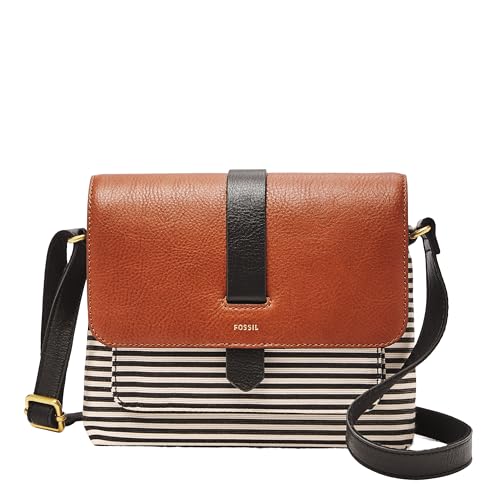
10 Best Fossil Handbags of 2026 For Everyday Organization

10 Best Tory Burch Handbags of 2026 For Everyday Wear

11 Best Kate Spade Handbags of 2026 For Work and Daily Carry