
4 Best Fabric For Light Travel Luggage of 2026 To Prevent Tears and Scuffs

A tight squeeze into an airplane overhead bin catches the corner of a featherweight suitcase, shearing the outer seam against an exposed metal bracket. Rain during a wet curb-to-terminal sprint soon seeps through untreated threads, leaving clean clothes damp and travelers facing unexpected replacement costs mid-trip. Shaving ounces off total packing weight should never force a compromise on fabric strength, leaving your gear vulnerable to fragile fabrics that tear under tension or scuff against rough baggage carousels.
Travel feels completely effortless when luggage glides smoothly along concourses, lifts into overhead bins without straining your back, and keeps personal belongings bone-dry in nasty weather. True durability comes from smart weave construction rather than heavy, rigid shells. Resilient Oxford cloth and high-tenacity polyester with water-repellent coatings shrug off tarmac scrapes while keeping empty suitcase weight remarkably low. Paired with sturdy reverse-coil zippers, these flexible materials guard against split seams and sudden downpours. Here is how today's proven softside options compare to keep your journey easy, organized, and worry-free.
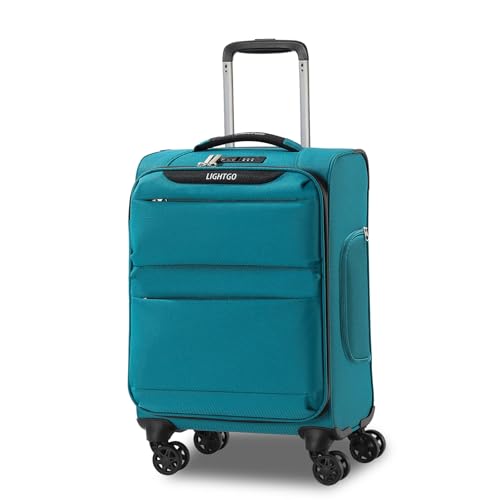
- TLR Rank8.9
TLR Rank is a ranking system developed by TravelLuggageReviews.com. TLR Rank has no relationship or impact from any manufacturers or sales agent websites. Learn more
- BrandLIGHTGO

- TLR Rank7.9
TLR Rank is a ranking system developed by TravelLuggageReviews.com. TLR Rank has no relationship or impact from any manufacturers or sales agent websites. Learn more
- BrandSwissGear

- TLR Rank8.0
TLR Rank is a ranking system developed by TravelLuggageReviews.com. TLR Rank has no relationship or impact from any manufacturers or sales agent websites. Learn more
- BrandSwissGear

- TLR Rank7.6
TLR Rank is a ranking system developed by TravelLuggageReviews.com. TLR Rank has no relationship or impact from any manufacturers or sales agent websites. Learn more
- BrandLeapVerse
Last update on 2026-11-07 / Affiliate links / Images, Product Titles, and Product Highlights from Amazon Product Advertising API
Is high-tenacity polyester or Oxford fabric better for light travel luggage?
Both fabrics provide excellent durability for low-weight travel, but high-tenacity polyester focuses on weather resistance while Oxford fabric emphasizes scuff resistance. High-tenacity polyester often pairs with water-repellent coatings and reverse coil zips to keep water out during transit. In contrast, tightly woven Oxford fabric offers dependable scratch protection across larger packing volumes, holding tare weights down to roughly 8 pounds on 28-inch luggage. For shorter trips where overhead lifting matters most, lightweight polyester carry-on options keep weight closer to 6 pounds. Verify the specific weave denier and exterior coating in the product specifications to match your travel needs.
Will lightweight softside fabric protect packed clothes from rain?
Softside fabric protects packed gear from wet weather only when treated with dedicated water-repellent coatings and paired with reverse coil zippers. Untreated woven cloth can absorb water during walks from the terminal curb to the gate, allowing moisture to soak through to your clothing. Tightly woven high-tenacity polyester with factory exterior repellency causes rain and surface splashes to bead off rather than penetrate the seams. If a manufacturer listing does not explicitly mention a water-repellent exterior coating or reverse coil zips, check the product details before relying on it in wet conditions.
How do light travel fabrics resist airport abrasions without adding extra weight?
Light travel fabrics prevent tears through tight thread weaves that flex under impact rather than heavy structural padding. Flexible materials like Oxford fabric and durable polyester give way when dragged across cargo surfaces, avoiding the surface cracks common in rigid plastics while keeping checked luggage weight around 8 to 10 pounds. For transit involving conveyor belts and transfer handlers, choosing checked luggage built for rough handling ensures the woven structure holds up against constant friction. Inspect the outer corner seams and edge guards to confirm they offer reinforced stitching against terminal wear.
Can expansion zippers weaken the seams of lightweight luggage?
Expansion zippers create added pressure on luggage seams when clothing is packed tight against the extended fabric. Expandable softside designs often add approximately 2 inches of depth, which increases packing volume but pulls on the zipper perimeter. Using built-in interior tie-down straps helps secure your gear in the base compartment, taking tension off the outer fabric walls and zipper tracks. Before packing an expandable bag to full capacity, check the seam reinforcement and confirm whether the manufacturer provides multi-year warranty backing for zipper failures.
What empty weight should you look for in a lightweight carry-on bag?
Look for an empty tare weight between 3.95 and 6 pounds to keep overhead lifting manageable and stay within airline carry-on limits. A 20-inch carry-on measuring roughly 14 x 8.5 x 21 inches easily fits overhead bins while leaving sufficient weight allowance for your actual clothing. Lightweight polyester builds achieve these low weights without abandoning essentials like telescopic handles, spinner wheels, or integrated TSA locks. Always confirm the manufacturer dimensions and empty weight directly to make sure wheel and handle hardware are included in the listed figures.
How should you clean softside luggage fabric to prevent fraying and wear?
Clean the exterior weave using a soft cloth, lukewarm water, and mild detergent to lift airport grit without damaging the cloth fibers. Dirt, runway grime, and dust trapped in woven polyester or Oxford fabric create friction that can fray threads over time. Avoid stiff scrubbing brushes or harsh solvents, as aggressive cleaning can strip away the factory water-repellent coating. Allow the suitcase to air-dry completely before storing it so internal lining materials stay dry and seam stitching remains intact.


Best Affordable Carry On Luggage 2026 - 11 Most Loving

The 12 Best Carry On Luggage For Bad Back 2026 - Top Choices

Best Lightest carry on luggage with wheels in 2026

Top Airport Traveling Suitcases: Our 11 Best Picks

The Best Delsey Paris Luggage Set 2026

Top 10 Delsey Softside Luggage Picks for Stress-Free Travel

11 Best Guest Room Luggage Rack of 2026 To Protect Clean Bedding

11 Best Grom Luggage Rack of 2026 For Direct Bolt-On Fit










