Best Hand Luggage For Europe Travel 2026 Smart Picks

Best hand luggage for europe travel has to do more than roll nicely across airport tiles. European trips often involve budget airlines, old train stations, cobbled streets, tiny lifts, and overhead bins that fill up fast. A bag that feels roomy at home can suddenly become a headache at the gate, especially once wheels, handles, and bulging pockets get measured. So, the smarter pick usually starts with cabin-friendly sizing, not flashy styling.
A reliable Europe-ready cabin bag should stay close to the common 55 x 40 x 20 cm overhead limit, while still leaving enough room for clothes, toiletries, chargers, and a spare layer. Soft-sided bags can squeeze into tight spaces, but they may bulge if packed to the gills. Hard-shell cases protect contents better, yet their fixed shape won't forgive overpacking. That tradeoff matters, especially when a low-cost fare gives little wiggle room.
Weight deserves just as much attention as size. Many European airlines keep cabin bags around the 7 to 10 kg range, and that limit disappears quickly with shoes, denim, tech gear, and liquids. A lighter suitcase body gives more room for actual travel essentials instead of wasting allowance on the bag itself. Well, nobody wants to unpack socks at the check-in counter while a queue stares daggers.
Wheels can make or break the whole trip. Four-spinner wheels feel smooth in airports, but larger wheels eat into the allowed dimensions and may struggle on uneven pavement. Two-wheel bags often handle curbs and stone streets better, though they need to be pulled behind you. For Europe, durable wheels and a sturdy handle matter more than a glossy shell that looks pretty for one flight.
Interior layout also separates a useful bag from a fussy one. Compression straps, flat packing panels, and one quick-access pocket help keep the chaos down when hotel rooms are small and mornings start early. Expandable zippers sound tempting, but they can push the bag outside cabin limits. The safer move is choosing smart internal organization over extra bulk that might cost money at the gate.
The best fit won't always be the biggest-looking suitcase. A compact, lightweight, tough bag with honest dimensions usually wins because it handles real travel friction without drama. It should move easily through train aisles, fit into overhead lockers, and survive being lifted, dragged, and squeezed into awkward corners. That’s the sweet spot for Europe travel hand luggage, practical enough for strict airlines and flexible enough for messy, wonderful trips.

- TLR Rank9.4
TLR Rank is a ranking system developed by TravelLuggageReviews.com. TLR Rank has no relationship or impact from any manufacturers or sales agent websites. Learn more
- BrandMATEIN

- TLR Rank8.8
TLR Rank is a ranking system developed by TravelLuggageReviews.com. TLR Rank has no relationship or impact from any manufacturers or sales agent websites. Learn more
- BrandTravelpro

- TLR Rank8.6
TLR Rank is a ranking system developed by TravelLuggageReviews.com. TLR Rank has no relationship or impact from any manufacturers or sales agent websites. Learn more
- BrandSwissGear

- TLR Rank8.6
TLR Rank is a ranking system developed by TravelLuggageReviews.com. TLR Rank has no relationship or impact from any manufacturers or sales agent websites. Learn more
- BrandSamsonite
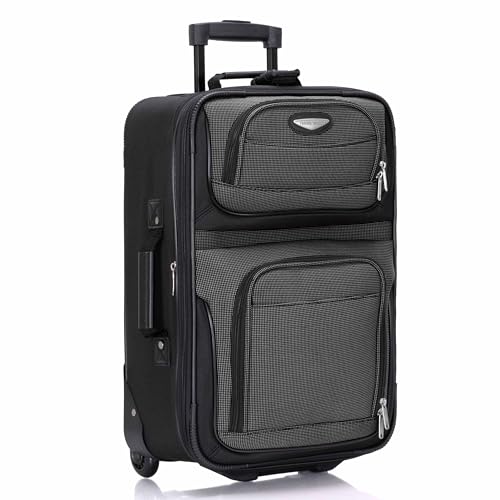
Travel Select Unisex-Adult Amsterdam Expandable Rolling Upright Luggage, Gray, Carry-on
View on Amazon- TLR Rank8.2
TLR Rank is a ranking system developed by TravelLuggageReviews.com. TLR Rank has no relationship or impact from any manufacturers or sales agent websites. Learn more
- BrandTravel Select

- TLR Rank8.0
TLR Rank is a ranking system developed by TravelLuggageReviews.com. TLR Rank has no relationship or impact from any manufacturers or sales agent websites. Learn more
- BrandVentureVault
Last update on 2026-06-12 / Affiliate links / Images, Product Titles, and Product Highlights from Amazon Product Advertising API
Matein Carry On Backpack For Europe Travel
Dragging a bulky suitcase across uneven train platforms gets old fast. Tight airline rules, crowded overhead bins, and endless transfers create plenty of opportunities for travel gear to become part of the problem instead of the solution. That's where the best hand luggage for europe travel conversation starts to get interesting, because flexibility matters just as much as storage space. The Matein Carry On Backpack approaches that challenge with a practical mix of capacity, portability, and airline-friendly dimensions.
Matein Carry On Backpack
Expandable storage is the feature that immediately stands out. The backpack starts in a carry-on-friendly form and expands to roughly 40 liters when additional room becomes necessary. That extra capacity makes a noticeable difference during trips where souvenirs, jackets, or extra clothing gradually take over available space. Instead of carrying an additional bag, travelers can simply unzip the expansion section and gain useful room.
The layout feels designed by someone who understands travel frustrations. Packing cubes, camera accessories, toiletries, and clothing fit comfortably inside the main compartment without turning into a jumbled mess. Internal compression straps help secure contents, which reduces shifting during transit. A bag that stays organized often saves more time than people expect.
Airline compatibility is another strong point. The dimensions align with many common cabin requirements, making the backpack suitable for carriers frequently used throughout Europe. While airline policies always deserve verification before departure, the design clearly prioritizes carry-on convenience over oversized capacity.
Storage flexibility isn't flawless, though. Expanding the bag to its full capacity can make it feel noticeably bulkier on crowded trains or narrow aisles. Travelers who prefer ultra-minimal packing may find themselves carrying more than necessary simply because the space is available.
Convertible Design For Different Travel Styles
Many travel backpacks look and behave like traditional hiking packs. The Matein takes a different route with its convertible design. Hidden shoulder straps can be tucked away into a dedicated zippered compartment, allowing the bag to resemble a briefcase rather than a backpack.
This small design decision becomes surprisingly useful in airports, business settings, and train stations. Walking into a hotel lobby with a streamlined carry bag often feels more polished than wearing a fully loaded backpack. The transition takes only moments and doesn't require extra accessories.
The side and top grab handles contribute to that flexibility. Pulling luggage from overhead compartments can be awkward, especially during crowded boarding situations. Having multiple carrying points simplifies the process and reduces the awkward wrestling match many travelers know all too well.
The tradeoff appears during longer walks. While the briefcase-style carry option is handy, it isn't something most people will want to use for extended periods. The backpack mode remains the most comfortable configuration whenever substantial walking is involved.
Comfort During Long Travel Days
A travel bag may look impressive online, but comfort determines whether it remains enjoyable after several hours of movement. The Matein performs well in this area thanks to its air-mesh back panel and padded shoulder straps. Ventilation isn't revolutionary, yet it does help reduce the sticky feeling that often develops during warm-weather travel.
The adjustable sternum strap deserves attention too. Weight distribution changes noticeably when the chest strap is properly positioned. Instead of all the pressure concentrating on the shoulders, some of the load becomes more balanced across the upper body.
Four external compression straps help stabilize contents. A loosely packed backpack often swings and shifts with each step, creating unnecessary strain. Tightening the load keeps everything closer to the body and improves carrying comfort.
Comfort naturally has limits. Once packed near maximum capacity, forty liters can become heavy regardless of strap design. Travelers carrying electronics, camera equipment, or dense clothing may still experience fatigue during long walking sessions.
Organization That Supports Real Travel
Organization tends to separate a thoughtful travel bag from a basic storage container. The Matein includes a front compartment designed for everyday essentials such as notebooks, chargers, phones, pens, and travel documents. Keeping these items accessible eliminates the need to constantly open the main compartment.
Quick-access storage proves particularly useful during airport security checks. Boarding passes, identification, and cables remain within reach rather than buried beneath layers of clothing. Small conveniences like this often become the features people appreciate most after several trips.
The main compartment focuses on volume while still maintaining structure. Compression straps inside prevent clothing from shifting excessively. Travelers using packing cubes will likely appreciate the rectangular interior shape because it accommodates organized packing systems efficiently.
Some travelers may wish for additional internal dividers. The bag prioritizes large open storage areas over highly segmented compartments. That approach works well for flexible packing but may require extra organizers for those who prefer dedicated pockets for every item.
Durability And Everyday Reliability
Water-resistant polyester forms the foundation of the backpack's construction. Light rain, accidental spills, and typical travel conditions are unlikely to create immediate concerns. While it shouldn't be mistaken for a fully waterproof expedition bag, the material provides useful everyday protection.
The stitching and zipper construction appear focused on practicality rather than flashy design. Lockable zipper heads add a welcome layer of security, particularly in crowded transit environments where bag access deserves attention. Small security features can provide peace of mind during unfamiliar journeys.
The lightweight build contributes positively to overall usability. Every pound saved in the bag itself becomes available for actual travel gear. Frequent flyers understand how quickly weight allowances disappear once clothing, electronics, and toiletries enter the equation.
Long-term durability will always depend on usage patterns. Constant overpacking, rough baggage handling, and extreme conditions eventually affect any travel bag. Still, the overall construction emphasizes functional durability rather than decorative details.
Pros And Cons Worth Knowing
Pros include generous expandable storage, airline-friendly sizing, versatile carrying configurations, useful compression straps, comfortable shoulder support, and practical organization. The combination creates a travel bag that adapts well to flights, trains, and city exploration. Its lightweight construction also helps maximize packing efficiency.
The luggage pass-through strap is another welcome addition. Sliding the backpack onto a rolling suitcase handle reduces strain during airport transfers and longer terminal walks. Small travel-focused details like this suggest the design team paid attention to real-world movement rather than catalog descriptions.
Cons are relatively minor but worth mentioning. Fully expanded capacity can make the bag feel bulky in crowded environments. Internal organization leans toward open storage rather than highly specialized compartments, which won't suit every packing style.
Another limitation involves structure. Travelers who prefer rigid luggage may find the soft-sided design offers less protection for fragile items. Careful packing can address that concern, but it's still a factor worth considering.
From a practical angle, a relevant reference is top opening luggage, which represents a different approach focused on rigid-shell protection rather than backpack versatility. The Matein instead prioritizes mobility, adaptability, and carry comfort throughout varied European travel situations.
Travelpro Maxlite 5 Carry-On Spinner
Missed connections, crowded train platforms, and airline baggage rules have a way of exposing weaknesses in travel gear. A suitcase that feels manageable in the store can suddenly become awkward after several days of moving between airports, hotels, and city streets. That's exactly why the best hand luggage for europe travel category attracts so much attention from travelers who value efficiency over flashy design. The Travelpro Maxlite 5 approaches that challenge with a straightforward focus on weight reduction, maneuverability, and packing practicality.
Travelpro Maxlite 5
Lightweight construction sits at the heart of this suitcase. At approximately 5.4 pounds, it trims weight compared to the previous Maxlite generation, creating more room for clothing and essentials within airline weight restrictions. That advantage becomes noticeable on multi-city trips where every pound matters and lifting luggage into overhead compartments becomes a repeated task.
The carry-on dimensions align with the requirements of many domestic airlines, which helps minimize uncertainty during check-in and boarding. European travel often involves a mixture of full-service and budget carriers, so staying close to accepted cabin dimensions can reduce unnecessary headaches. A lighter suitcase also tends to feel more manageable when navigating stairs in older train stations.
Travel gear doesn't always need dramatic innovation to be useful. Sometimes a simple reduction in weight creates a better overall experience than adding complicated features. The Maxlite 5 follows that philosophy surprisingly well.
Its softside construction does bring a tradeoff. While the material offers flexibility and easier packing, it won't provide the same level of impact resistance that travelers may expect from rigid hardshell luggage.
Smooth Mobility Across Different Surfaces
Four spinner wheels provide the kind of movement frequent travelers appreciate after long transit days. The wheels rotate 360 degrees, allowing the suitcase to glide beside the traveler rather than being dragged behind. Busy airport terminals, hotel lobbies, and smooth train station floors feel noticeably easier to navigate.
The PowerScope handle contributes significantly to that experience. Multiple stopping positions offer flexibility for travelers of different heights, while the contour grip improves comfort during extended use. Small ergonomic details often become more important after several hours of movement.
From a reviewer’s perspective, the steering feels predictable rather than overly sensitive. Some spinner suitcases roll so freely that maintaining control becomes frustrating on sloped surfaces. The Maxlite 5 strikes a more balanced approach that feels stable without becoming sluggish.
Uneven cobblestone streets still present challenges because no spinner system completely eliminates vibration. Travelers spending significant time on historic European streets should keep realistic expectations about wheel performance regardless of brand.
Packing Capacity And Interior Organization
Expandable storage gives the suitcase additional flexibility without permanently increasing its footprint. The expansion zipper adds up to two inches of extra capacity, which can be helpful during return journeys when purchases and souvenirs begin competing for space.
Inside, the organization layout focuses on practicality rather than complexity. A full-length lid pocket provides separation for flatter items, while adjustable hold-down straps help reduce movement during transport. Clothing stays more organized, which can save time when unpacking after a long travel day.
Two exterior compartments create quick-access storage opportunities. Travel documents, charging cables, lightweight accessories, and small essentials can remain accessible without opening the primary compartment. That convenience becomes particularly useful during airport security checks.
The interior volume of approximately 46 liters provides respectable capacity for a carry-on suitcase. Packing discipline still matters, though. Expanding the bag fully may create challenges if strict airline size enforcement becomes part of the journey.
Durability Features That Matter
Durability often reveals itself through subtle design choices rather than flashy marketing terms. Travelpro incorporates a unique bottom tray structure intended to strengthen the foundation of the suitcase. Since the lower section absorbs much of the impact during travel, reinforcing that area makes practical sense.
The H20 Guard lining adds another thoughtful detail. Moisture exposure happens more often than travelers expect, whether from damp clothing, light spills, or changing weather conditions. The protective lining helps shield the interior from those everyday inconveniences.
Stitching, handles, and overall construction focus on utility rather than decorative elements. The low-profile carry handles are positioned for easier lifting into overhead bins, car trunks, and luggage racks. Frequent travelers often appreciate functionality that doesn't draw attention to itself.
Softside luggage naturally faces wear over time, especially when exposed to rough baggage handling. Scuffs and fabric abrasion may appear sooner than on some hard-shell alternatives, although the flexibility of soft fabric can also help absorb impacts that might crack rigid materials.
Travel Experience During European Trips
European travel creates unique demands that differ from many domestic vacations. Train transfers, compact hotel rooms, narrow elevators, and older buildings reward luggage that remains manageable rather than oversized. Mobility and weight savings become practical benefits rather than marketing buzzwords.
The Maxlite 5 performs particularly well in situations where travelers need to move quickly through transit hubs. Carrying the suitcase up a short staircase or lifting it onto a luggage rack feels less taxing thanks to the reduced weight. Small advantages accumulate throughout a trip.
Packing flexibility also helps accommodate changing weather conditions. A lightweight jacket, extra sweater, or rain gear can fit more comfortably when internal space isn't consumed by an unnecessarily heavy suitcase frame. That adaptability feels especially useful during multi-country itineraries.
Travelers prioritizing maximum protection for delicate electronics may prefer a more rigid design. Softside luggage generally prioritizes flexibility and packing efficiency over impact resistance, making it important to pack fragile items thoughtfully.
Notable Strengths And Limitations
Strengths include its remarkably light weight, smooth spinner system, expandable capacity, organized storage layout, moisture-resistant interior lining, and traveler-friendly handle design. These features work together to address common frustrations encountered during frequent travel.
The limited lifetime coverage and companion promise add reassurance, particularly for travelers who fly regularly. Protection against common carrier damage during the specified coverage period reflects the product's travel-focused intent rather than simply serving as a generic warranty statement.
Limitations are mostly tied to the realities of softside luggage. Structural protection remains lower than what some hard-shell models can provide. Fully expanding the suitcase may also reduce flexibility when facing particularly strict carry-on measurements.
In some cases, a related reference can be found in softside carry-on luggage, where similar travel-focused priorities emphasize packing flexibility and reduced overall weight. The Maxlite 5 fits comfortably within that philosophy, focusing on efficient movement rather than unnecessary complexity.
SwissGear Sion Carry-On Luggage
Crowded boarding lanes have a funny way of making luggage feel bigger than it looked at home. A carry-on that refuses to turn neatly, tips over beside a café table, or forces a two-handed lift onto a train rack can sour the first hour of a trip. The best hand luggage for europe travel needs to behave well in tight corners, cramped aisles, and quick hotel transfers, not just look tidy in product photos. The SwissGear Sion Carry-On Luggage leans into that practical lane with spinner wheels, expandable packing space, and a softside build made for flexible movement.
SwissGear Sion Carry-On Luggage
The SwissGear Sion has a familiar softside shape, but the details feel aimed at real travel friction. Its listed overall size includes wheels and handles at 22.75 x 14.25 x 10.25 inches, while the packing dimensions are 21 x 12.75 x 10.25 inches. That distinction matters because airline sizing often counts everything attached to the bag, not just the fabric box. For European trips with stricter gate checks, that extra awareness can save a lot of side-eye at boarding.
The suitcase uses 360-degree multi-directional spinner wheels, which makes it easier to steer through airport crowds and narrow airplane aisles. Instead of dragging behind like an old two-wheel roller, it can glide beside the body with less shoulder pull. That’s useful during long terminal walks, especially after a red-eye flight when patience is running on fumes. The locking retractable push-and-pull handle keeps the movement controlled without turning each transfer into a wrestling match.
Softside luggage has a different personality than hard-shell luggage. It offers a little give, which helps when sliding the bag into tight storage spaces or packing one last thin layer. At the same time, the softer body won’t protect fragile items the way a rigid shell might. That makes the SwissGear Sion better suited to clothing, shoes, toiletries, and general travel gear than delicate camera equipment packed without extra padding.
The black exterior also plays a practical role. Luggage takes scuffs, rubs, and dirty platform floors in stride, especially during multi-stop trips. A darker bag hides everyday marks better than pale-colored suitcases. Still, the common black finish can blend into a sea of similar bags, so a small luggage tag or strap helps with quicker spotting.
Expandable Space For Flexible Packing
The expandable design gives the SwissGear Sion a useful edge for trips that don’t stay perfectly planned. A few folded shirts, a rain layer, or small travel purchases can push a rigid carry-on past its comfort zone. With this suitcase, the expansion feature adds breathing room without changing the whole packing system. That flexibility feels especially handy on return legs, when the bag somehow always needs more space than it did on day one.
Ample packing space is only helpful if contents stay in place. The fully lined interior includes adjustable tie-down straps, which help secure garments and reduce shifting during movement. That may sound like a small detail, but it keeps shirts, trousers, and lightweight jackets from sliding into one wrinkled pile. Anyone who has opened a suitcase on a tiny hotel bed knows that messy unpacking gets old quickly.
The removable zippered wet bag adds a nice layer of separation. Damp swimwear, laundry, or a toiletry item with a questionable cap can stay away from clean clothing. It’s not a glamorous feature, but it solves a very real travel problem. Bags that manage dirty and clean items separately tend to feel more civilized after a few days on the road.
Expansion does come with a catch, though. A fully expanded carry-on may become harder to fit into certain overhead compartments or strict airline sizing frames. The extra capacity is best treated as occasional backup rather than an excuse to pack like a checked suitcase. For the best hand luggage for europe travel, restraint still wins more often than stuffing every pocket to the limit.
Front Pockets And Everyday Access
The SwissGear Sion includes multiple front panel pockets, and that’s where softside luggage often beats hard-shell cases. Travel documents, small electronics, a compact notebook, or a slim pouch can sit outside the main compartment. Quick access reduces the awkward airport ritual of opening the whole suitcase just to grab one item. In a security line, that convenience feels less like a feature and more like a tiny act of mercy.
A built-in ID tag adds another practical touch. It keeps identification attached without dangling loose from the handle or getting snagged during handling. Simple? Sure. Useful? Absolutely. Little features like that tend to matter most during hectic travel days, especially when bags are being moved between overhead bins, hotel storage rooms, and shuttle trunks.
The large mesh lid pocket improves internal visibility. Small accessories, underlayers, socks, or folded items can stay separated instead of disappearing under bulkier clothing. Mesh storage also helps with quick visual checks before leaving a room. That can prevent the classic last-minute panic of wondering whether something got left behind.
The additional packing pocket gives smaller items a better home. Chargers, adapters, grooming items, and travel-sized essentials need structure or they become suitcase confetti. The Sion doesn’t overcomplicate the layout, which is a strength for travelers who prefer straightforward organization. Still, people who carry lots of tech accessories may want separate pouches for finer sorting.
Handling Through Airports And Hotels
The reinforced padded top handle works with the side and bottom handles to make lifting easier from different angles. That sounds basic until the suitcase has to be pulled from an overhead bin while other passengers are waiting. Multiple grab handles make the bag easier to manage during awkward lifts, especially in trains, taxis, and compact hotel luggage areas. A single top handle rarely feels like enough during real travel.
The spinner wheels shine on polished airport floors. Rolling beside the body reduces strain and keeps the suitcase close in crowded spaces. That close control helps when weaving between café chairs, boarding lines, and people stopping suddenly in terminal walkways. Smooth movement is one of those benefits that doesn’t need drama to be appreciated.
European streets can be less forgiving. Cobblestones, uneven sidewalks, and older station entrances may challenge spinner wheels more than smooth indoor floors. The SwissGear Sion can handle normal travel movement, but it won’t float over rough pavement like a rugged outdoor roller. Travelers should expect to lift or tilt it occasionally, especially in historic city centers.
The locking retractable handle supports easier steering, but packed weight still matters. Overfilling any spinner suitcase can make it harder to control, especially on ramps or uneven surfaces. The bag’s handling is strongest when packed with some discipline. Light, balanced packing makes the entire design feel more useful.
Durability And Material Tradeoffs
The exterior uses durable scuff-resistant polyester fabric, which suits travelers who want flexibility without babying the bag. Polyester can absorb the bumps and rubs of normal travel while keeping the suitcase relatively forgiving in tight spaces. It also avoids the cracking risk that can come with some hard shells under rough treatment. That said, fabric can show wear differently, especially along corners and high-contact edges.
The fully lined interior gives the suitcase a more finished feel. Lining matters because exposed seams and rough interiors can snag clothing over time. SwissGear keeps the inside practical, with compartments that support packing instead of fighting it. The overall feel is travel-first rather than fashion-first, and honestly, that’s not a bad thing.
Scuff resistance should not be mistaken for invincibility. Frequent flights, rough baggage carts, and overstuffed compartments can still leave marks. A softside case can tolerate squeezing better than a hard shell, but it may need occasional cleaning after dusty sidewalks or wet station platforms. The durability tradeoff is flexibility versus rigid protection.
The suitcase works best for clothing-heavy trips and everyday travel essentials. Fragile souvenirs, laptops, or glass items should be protected inside padded sleeves or separate cases. That’s not a flaw unique to this model, just a realistic note about softside luggage. In practical terms, the SwissGear Sion rewards organized packing more than careless tossing.
Pros And Cons In Real Use
The biggest strength is how approachable the design feels. Spinner wheels, front pockets, expandable storage, and multiple handles all solve common travel annoyances without making the suitcase complicated. It’s easy to understand, easy to pack, and easy to move across typical airport surfaces. That combination fits the rhythm of short European trips, business breaks, and casual vacations.
Organization is another clear win. The removable wet bag, mesh lid pocket, packing pocket, and tie-down straps create enough structure for tidy packing. Nothing feels overly fussy, which matters when unpacking in a small room or repacking before an early train. A bag that keeps essentials visible can make travel days feel calmer.
The weakness sits mostly in size and surface limitations. The overall dimensions include wheels and handles, and the depth may become a concern with strict carry-on rules if the bag is packed too full. Spinner wheels also perform best on smooth flooring, not rough outdoor routes. Heavy packers may need to watch both expansion and total bulk.
The URL topic points in a different direction from this suitcase, so the reference should stay neutral rather than forced. From a practical angle, a related bag category appears in Thule backpack, which reflects a backpack-focused approach instead of a softside spinner setup. The SwissGear Sion remains more suitcase-like, with better rolling convenience and less hands-free mobility.
Best Fit And Practical Limits
The SwissGear Sion feels most at home on trips built around airports, hotels, and organized transit. It suits packing needs that include clothing, toiletries, light accessories, and a few extras without turning the bag into a bulky chore. The expandable carry-on format offers helpful flexibility for changing weather or a small purchase along the way. Still, disciplined packing keeps it at its best.
Short city breaks and weeklong light-packing trips both make sense for this design. The front pockets support quick access, while the main compartment handles folded clothing and packing cubes well. The suitcase doesn’t pretend to be outdoor gear, and that honesty works in its favor. It’s a practical roller for structured travel, not a rough-road adventure bag.
Space limitations deserve respect. European budget airlines can be strict, and expanded softside bags may attract closer attention at the gate. The safest setup is to use the expansion feature sparingly and keep outer pockets from bulging. A neat profile usually travels more smoothly than a bag stretched to its seams.
The SwissGear Sion Carry-On Luggage brings together spinner mobility, accessible storage, and flexible packing in a way that feels grounded. It has clear advantages for organized travelers who want a softside case with room to adapt. It also has honest limits around rough surfaces, fragile-item protection, and strict sizing situations. Those tradeoffs are easy to live with when the packing style matches the suitcase’s strengths.
Samsonite Freeform Carry-On Spinner
Airport floors can make almost any suitcase look graceful, but real travel has a longer memory. Overhead bins get tight, hotel rooms shrink fast, and every extra pound becomes annoying after a long connection. That’s where the best hand luggage for europe travel needs more than a pretty shell and smooth wheels. The Samsonite Freeform Carry-On Spinner brings a hardside build, expandable packing, built-in security, and a bright mint green look that’s easier to spot than the usual black rectangle.
Samsonite Freeform Carry-On Spinner
The Samsonite Freeform keeps its design clean, almost a little futuristic, without turning fussy. Its packing dimensions are listed at 19.5 x 14.5 x 10.0 inches, while the overall dimensions are 21.25 x 15.25 x 10.0 inches. That difference matters because wheels and handles count in many airline sizing checks. For trips where cabin limits can feel like a moving target, knowing the full outside measurement helps keep expectations realistic.
At 6.5 pounds, this carry-on sits in a reasonable weight range for a hardside spinner. It’s not featherlight in the way some softside bags can be, but the shell gives a firmer layer of protection for packed belongings. That tradeoff makes sense for travelers who dislike fabric bags getting squashed or misshapen in overhead bins. A rigid case also keeps the bag looking more structured when it isn’t packed perfectly.
The mint green color adds more than personality. A lighter, less common finish can make the suitcase easier to recognize during crowded travel moments. That said, pale colors may show scuffs and marks faster than darker luggage. Pretty? Yes. Maintenance-free? Not quite.
The Freeform’s shape is especially useful for neat packers who like a defined packing space. Hardside luggage doesn’t stretch the way softside fabric does, so what fits is what fits. That limitation can be helpful, oddly enough, because it discourages the kind of overpacking that causes trouble at the gate.
Hard Shell Strength And Travel Protection
The ultra-light, ultra strong shell is one of the Freeform’s main selling points in the provided product details. A hard shell helps protect clothing, accessories, and firmer items from pressure during overhead storage or car transfers. It also gives the suitcase a cleaner profile, which can feel reassuring during fast-moving travel days. Nobody wants a bag that bulges like it’s holding secrets.
Hardside construction brings a different rhythm to packing. Instead of stuffing one flexible cavity, travelers divide items between two structured halves. This can make organization easier, especially for separating clean clothes from shoes, toiletries, or worn garments. The case feels more orderly by design.
The shell’s strength has a practical upside during multi-stop trips. A suitcase may be lifted, turned sideways, stacked briefly, or squeezed into tight spaces throughout a journey. The Freeform is built for that kind of routine pressure. Still, no hardside suitcase should be treated like armor for delicate items without proper padding.
The main weakness is flexibility. A hard shell won’t forgive last-minute packing mistakes the way a softside bag might. If the case is already full, forcing it shut can strain zippers or compress contents more than intended. Careful packing matters with this style.
Spinner Wheels And Easy Movement
The four multi-directional double spinner wheels give the Freeform its easy airport personality. Rolling upright with 360-degree movement reduces the load on the arm and shoulder. That benefit becomes obvious during long terminal walks, especially when switching gates or moving through crowded boarding areas. Smooth movement may not sound exciting, but tired hands will disagree.
Double spinner wheels tend to feel steadier than smaller single-wheel setups on flat indoor surfaces. The suitcase can glide beside the body instead of trailing behind and bumping into ankles. That close control helps in narrow airplane aisles, hotel corridors, and airport shuttle lines. It’s the kind of feature that quietly earns its keep.
The push-button locking handle adds to the controlled feel. It extends for maneuvering and stores neatly when not in use, keeping the exterior profile cleaner. A handle that locks properly reduces wobble during rolling, which makes the suitcase feel more predictable. Little annoyances become big ones after a full day of travel.
Rough pavement is the usual caveat. Spinner wheels perform best on smooth flooring, not old cobblestones or uneven sidewalks. For European cities with older streets, the Freeform may need to be tilted or lifted over rough patches. That’s not a dealbreaker, but it’s a realistic limit.
Packing Layout And Internal Organization
The Freeform uses cross ribbons and a divider to keep packed items controlled. That setup works well for folded outfits, packing cubes, and separated clothing groups. Multiple pockets add smaller storage zones, which keeps accessories from drifting into corners. A suitcase that opens neatly can make hotel-room living feel less chaotic.
The compression feature helps keep clothing flatter and better contained. On short trips, this can reduce the messy pile effect that happens when a bag gets moved around repeatedly. Clothing won’t stay freshly pressed by magic, of course, but the structure helps. Packed with care, the interior feels tidy rather than cramped.
The built-in ID tag is another small, practical touch. It keeps basic identification integrated into the suitcase instead of hanging loosely from a strap. During busy travel days, fewer dangling parts can mean fewer snags and less fuss. Simple details often matter more than flashy extras.
The main compartment layout may feel less convenient for frequent access. Hardside clamshell suitcases usually need more floor or bed space to open fully. In tiny European hotel rooms, that can be mildly annoying. A softside bag with front pockets may be easier for grabbing items quickly.
Security Features For Busy Routes
The recessed TSA combination lock gives the Freeform a cleaner and more secure setup for travel days when the bag may leave your direct reach. A built-in lock avoids loose padlocks and keeps the exterior tidy. While carry-on luggage often stays nearby, there are still moments when a bag gets stored, checked, or handled out of sight. Built-in security adds a sensible layer of control.
The recessed design matters because protruding parts can snag or take hits during handling. By sitting into the suitcase body, the lock feels less exposed. That detail pairs well with the hardside structure, creating a more streamlined travel case. It’s tidy, practical, and not overdone.
Security features should be viewed realistically. A built-in lock can discourage casual access, but it doesn’t turn luggage into a safe. Valuables still belong in a personal item whenever possible. The lock is a useful travel feature, not a substitute for smart packing habits.
The case also expands for added packing capacity. That extra room can be handy, but expanded luggage may be more vulnerable to size issues depending on the airline. For the best hand luggage for europe travel, expansion is best treated as backup space rather than the default packing mode.
Pros And Cons In Daily Travel
The biggest strength is the balance between structure and movement. The hard shell protects better than fabric luggage, while the double spinner wheels keep the case easy to guide across smooth surfaces. The built-in lock, divider, pockets, and compression system add practical layers without making the bag feel complicated. It’s a clean travel tool with a polished edge.
Another advantage is visual recognition. The mint green finish stands out in a world packed with black and navy suitcases. That can make the bag easier to spot in hotel storage rooms, rideshare trunks, or overhead bins. The flip side is that lighter colors usually need more tolerance for visible scuffs.
The main weakness comes from hardside limitations. The suitcase has less give than softside luggage and may require more space to open fully. Spinner wheels also prefer smooth paths, so rough sidewalks and older streets can make rolling less graceful. Packed carelessly, the rigid shape becomes less forgiving.
In real-world usage, a neutral reference to another travel-adjacent category appears in stroller for bumpy roads, which highlights how wheel behavior changes dramatically across uneven surfaces. The Freeform follows a smoother-airport-floor logic, so its best movement happens in terminals, hotels, and stations rather than rugged pavement.
Fit For Europe Travel Habits
The Freeform suits trips where organized packing and smooth airport movement matter more than soft flexibility. Its hardside shell gives a tidy structure for clothing, accessories, and personal items. The interior divider and compression help keep things from shifting during flight and ground transfers. That matters when one suitcase handles several cities in a row.
Short European breaks, domestic flights, and carry-on-only itineraries line up well with this suitcase’s design. The overall dimensions stay within many common carry-on expectations, though each airline can set its own rules. Travelers using budget carriers should pay close attention to depth, especially if the expansion zipper is used. A full hard shell doesn’t hide extra bulk very well.
The suitcase feels less suited to rough, stair-heavy routes where a backpack might be easier. Four spinner wheels are comfortable on flat surfaces, but lifting the case repeatedly can become tiring in stations without elevators. The 6.5-pound weight remains manageable, yet packed weight changes the whole feel. Smart packing keeps the experience much smoother.
The Samsonite Freeform Carry-On Spinner works best for neat packers who prefer structure, security, and easy rolling. It offers a protective shell, organized interior, double spinner wheels, and a lock built into the body. Its limitations are honest ones: less exterior access, less flexibility, and reduced ease on rough ground. For city-to-city travel with airports, hotels, and smoother transit paths, those tradeoffs are easy to understand.
Travel Select Amsterdam Carry-On
Old-school rolling luggage still has a place, especially when the trip calls for simple packing and fewer moving parts. Busy terminals, hotel staircases, and narrow train corridors can make oversized bags feel like dead weight in a hurry. The best hand luggage for europe travel should stay manageable, organized, and easy to lift without turning every transfer into a mini workout. The Travel Select Amsterdam Carry-On takes a more traditional route with inline skate wheels, expandable storage, and a sturdy polyester build that favors function over flash.
Travel Select Amsterdam Carry-On
The Travel Select Amsterdam Carry-On has a straightforward look, and honestly, that’s part of its charm. It doesn’t chase a glossy shell or complicated compartments. Instead, the bag focuses on basic travel practicality, with a 21-inch carry-on size, fabric construction, and a rolling upright shape that many travelers already know how to pack.
The gray finish feels calm and low-key. It won’t stand out like a bright mint or patterned case, but it also won’t scream for attention in a station lobby or airport queue. That muted style suits travel days where the bag just needs to blend in and behave. A small tag or strap would still help with faster identification.
The front panel uses 1200D two-tone polyester with PVC backing, which gives the suitcase a tougher fabric feel than thinner softside bags. That construction is useful for routine bumps, rubs, and light surface abuse. Still, fabric luggage can pick up marks over time, especially around corners and lower edges. Softside durability depends as much on packing habits as material strength.
The overall design feels better suited to practical travel than polished business presentation. It’s the kind of suitcase that makes sense for short breaks, casual trips, and carry-on packing where structure matters but luxury styling doesn’t. That grounded personality is refreshing, even if it won’t satisfy someone who wants a sleek hardside spinner.
Expandable Space And Packing Control
The expandability is one of the biggest selling points in the provided product details. Travel Select states that the expansion feature increases packing capacity by 25 percent. That kind of extra room can be a lifesaver after a few travel purchases, a bulky sweater, or one of those “I’ll just bring this too” moments. Been there, packed that.
That said, expansion needs discipline. A bag that grows by 25 percent may become harder to fit into strict carry-on spaces when packed to the edge. European travel can involve airlines with firm cabin bag rules, so the expanded mode works best as occasional backup. The best hand luggage for europe travel usually wins by staying neat, not by pushing every zipper to its limit.
The fully lined interior gives the bag a more finished feel inside. A lined suitcase helps protect clothing from rough seams and makes packing feel cleaner. It also keeps the interior from feeling like a plain fabric cavity. Small details like lining can make repacking less annoying during longer trips.
Large zipper pockets add a useful layer of organization. Socks, chargers, folded accessories, and travel-size items can stay separated instead of sliding into corners. The design isn’t overly technical, which works well for people who prefer simple storage zones. Packing cubes would pair naturally with this layout.
The compression straps help keep everything in place once the bag is closed. Clothing can shift during rolling, lifting, and overhead storage, especially in softside luggage. Straps reduce that movement and help maintain a tidier interior. Nobody loves opening a suitcase to see shirts and toiletries having a wrestling match.
Inline Wheels And Rolling Behavior
The Travel Select Amsterdam uses inline skate wheels rather than four spinner wheels. That changes the whole feel of the bag. Instead of gliding beside the body, it rolls behind at an angle like a classic upright suitcase. Some travelers still prefer this because inline wheels can feel tougher and more stable on uneven surfaces.
Corner protectors add another practical touch. The lower corners of rolling luggage take plenty of abuse from curbs, luggage racks, stair edges, and careless bumps. Reinforcement in those areas helps reduce wear where the suitcase is most vulnerable. It’s not glamorous, but it makes sense.
The product details mention smooth quiet rolling, and the inline wheel setup should support that on appropriate surfaces. Airport floors, hotel hallways, and smoother sidewalks are the friendliest environments. On rougher pavement, inline wheels may handle forward motion better than tiny spinner wheels, though they still require pulling effort.
The tradeoff is maneuverability in tight spots. Spinner bags turn easily in place, while inline rollers need more room to pivot. Narrow airplane aisles, crowded café corners, and packed train platforms may require extra care. The bag moves best when there’s a clear path ahead.
Handles That Help With Awkward Lifts
The retractable push-button handle system gives the suitcase a familiar rolling setup. A handle that collapses neatly keeps the profile cleaner during storage and lifting. Push-button operation also makes transitions quicker when moving between rolling, carrying, and stowing. Simple mechanics can be a real comfort during rushed travel days.
Top and side carry handles make the bag easier to lift from different angles. That matters more than people think. A carry-on may need to be lifted into an overhead bin, placed onto a hotel luggage stand, or pulled from a car trunk. Multiple grip points reduce awkward wrist angles and make the bag feel less stubborn.
The bottom grip handle is especially useful. Lifting a loaded suitcase with one top handle can feel clumsy, particularly when sliding it into overhead storage. A bottom grip allows two-handed lifting with better balance. That kind of practical feature fits the Travel Select Amsterdam’s no-nonsense style.
The handle system won’t feel as modern as some newer premium luggage designs. There’s no mention of contour grips, multi-height luxury handles, or fancy ergonomic extras. Still, the basic setup covers the important tasks. For a value-minded upright case, usable handles matter more than decorative hardware.
Material Feel And Travel Durability
The 1200D polyester front panel with PVC backing gives this suitcase a sturdier fabric identity. Denier ratings describe fabric thickness, and 1200D sits on the heavier, tougher side compared with many thinner textile bags. That doesn’t make the suitcase immune to damage, but it suggests the exterior was built for normal travel stress. Scuffs, rubbing, and corner contact are part of the job.
Softside luggage has a practical advantage around packing flexibility. The body can give slightly when fitting into storage spaces or dealing with odd-shaped contents. That flexibility helps during road trips, train rides, and hotel storage. Hardside luggage feels cleaner, but fabric cases often feel more forgiving.
The PVC backing adds structure to the front panel. It can help the material hold up better against moisture and abrasion than plain fabric alone. Still, the bag should not be treated as fully waterproof. Wet platforms, rain exposure, or spills still deserve caution.
The suitcase’s durability profile seems best matched to ordinary travel, not punishing baggage abuse. Overpacking can strain zippers, seams, and expansion panels over time. The safest approach is to use the expandable capacity wisely, not constantly. A bag lasts longer when it isn’t forced shut like a stubborn suitcase sandwich.
Pros And Cons For Real Trips
The main strength of the Travel Select Amsterdam is its practical simplicity. It offers expandable storage, large interior pockets, compression straps, inline wheels, and several grab handles without turning into an overdesigned travel gadget. The layout makes sense quickly, which helps when packing under time pressure. No learning curve, no fuss.
The 25 percent expansion feature gives it a useful advantage over fixed-capacity bags. Extra space can help on return trips when packing gets less tidy or souvenirs sneak into the suitcase. The large zipper pockets and lined interior also make organization easier. For casual travel, those features pull real weight.
The weakness sits in maneuverability and modern polish. Inline wheels don’t rotate like spinners, so the suitcase needs more room to turn. It also lacks the rigid protection of hardside luggage and may not feel as refined as more expensive carry-ons. Travelers who want effortless side-by-side rolling may prefer a spinner design.
Size discipline also matters. Expansion can make the bag bulkier, which may not play nicely with strict airline checks. The suitcase works best when packed with restraint and used as a carry-on upright rather than treated like a small checked bag. That’s especially important for the best hand luggage for europe travel, where compact movement often beats maximum capacity.
From a practical angle, a neutral reference in a different travel category appears in Nike laptop backpack, which reflects a hands-free carrying style rather than rolling upright luggage. The Travel Select Amsterdam leans the other way, offering more suitcase-like packing structure and less shoulder burden.
Best Fit And Honest Limits
The Travel Select Amsterdam fits trips where budget-friendly practicality matters more than luxury touches. Its softside upright design gives enough organization for folded clothes, toiletries, and small accessories. The expandable feature adds backup space without making the bag complicated. It feels like luggage built for everyday travel, not showroom admiration.
Short European breaks, weekend flights, and train-connected itineraries can all make sense with this bag. The inline wheels may actually feel useful on slightly uneven paths where tiny spinners can get twitchy. Still, crowded interiors and tight turns require more pulling space. That’s the tradeoff of a classic two-wheel layout.
The bag may not suit travelers carrying delicate electronics or fragile souvenirs without extra protection. Soft fabric and flexible sides don’t provide the same shell-like defense as hardside luggage. Packing fragile items in padded organizers would be wise. Clothing, shoes, and general travel goods are a better match.
The Travel Select Amsterdam Carry-On delivers expandable capacity, straightforward storage, tough-feeling polyester, and practical handles in a familiar upright format. Its limits are easy to spot: less turning freedom, less rigid protection, and possible size concerns when fully expanded. For organized packing and simple rolling, though, it brings a lot of useful travel behavior without pretending to be fancy.


11 Best Framed Luggage of 2026 For Zipperless Security

11 Best Folding Two Wheeler For Luggage of 2026 To Prevent Tipping

11 Best Expandable Roller Luggage of 2026 That Fit Overhead Bins

10 Best Fishing Rod Luggage of 2026 To Protect Fragile Blanks

10 Best Feminine Luggage of 2026 For Chic and Durable Travel
11 Best Female Carry On Luggage of 2026 For Easy Overhead Lifting
11 Best Fashion Carry On Luggage of 2026 With Durable Shells

10 Best Fabric Spinner Luggage Carry On of 2026 To Avoid Gate Checks