
10 Best Hard To Break Luggage Lock of 2026 For Rough Handling

The internal casing density is the single detail that separates a truly dependable lock from one that snaps on its very first flight. Flimsy locks rely on brittle pot metal and hollow pins that cannot survive the sheer kinetic force of automated baggage chutes or careless tosses into the cargo hold. A rigid shackle that catches against a conveyor belt guide easily bends or snaps clean off, while cheap tumblers pop open under the slightest pry leverage. When that tiny link fails, zippers burst open under pressure, spilling personal belongings across the tarmac and leaving packed gear completely exposed before you even reach the arrivals hall.
Traveling with absolute confidence means knowing your suitcase stays firmly shut, no matter how roughly ground crews handle it. Reaching that level of security comes down to heavy-duty alloy bodies paired with flexible braided steel cables that flex under severe impact instead of shearing. Smart relock mechanisms also solve the screener problem by trapping the inspection key until the shackle clicks back into place. Here is how the toughest models stack up so you can keep your bags sealed tight on every trip.

- TLR Rank9.7
TLR Rank is a ranking system developed by TravelLuggageReviews.com. TLR Rank has no relationship or impact from any manufacturers or sales agent websites. Learn more
- BrandForge

- TLR Rank9.2
TLR Rank is a ranking system developed by TravelLuggageReviews.com. TLR Rank has no relationship or impact from any manufacturers or sales agent websites. Learn more
- BrandBV
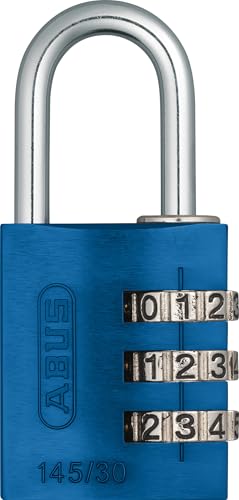
- TLR Rank9.0
TLR Rank is a ranking system developed by TravelLuggageReviews.com. TLR Rank has no relationship or impact from any manufacturers or sales agent websites. Learn more
- BrandABUS

- TLR Rank8.8
TLR Rank is a ranking system developed by TravelLuggageReviews.com. TLR Rank has no relationship or impact from any manufacturers or sales agent websites. Learn more
- BrandSURE LOCK

- TLR Rank8.8
TLR Rank is a ranking system developed by TravelLuggageReviews.com. TLR Rank has no relationship or impact from any manufacturers or sales agent websites. Learn more
- BrandForge

- TLR Rank8.4
TLR Rank is a ranking system developed by TravelLuggageReviews.com. TLR Rank has no relationship or impact from any manufacturers or sales agent websites. Learn more
- BrandPuroma
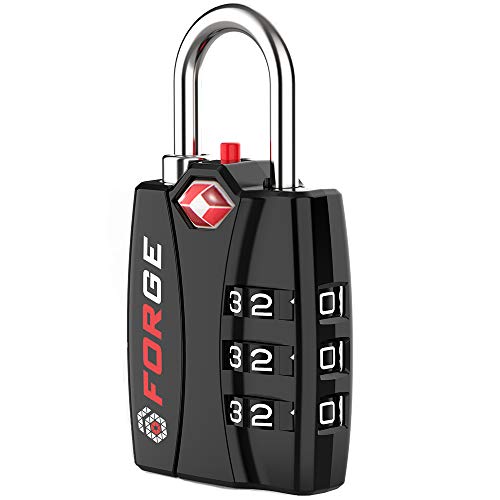
- TLR Rank8.3
TLR Rank is a ranking system developed by TravelLuggageReviews.com. TLR Rank has no relationship or impact from any manufacturers or sales agent websites. Learn more
- BrandForge

- TLR Rank8.2
TLR Rank is a ranking system developed by TravelLuggageReviews.com. TLR Rank has no relationship or impact from any manufacturers or sales agent websites. Learn more
- BrandTravelMore

- TLR Rank8.0
TLR Rank is a ranking system developed by TravelLuggageReviews.com. TLR Rank has no relationship or impact from any manufacturers or sales agent websites. Learn more
- BrandForge

- TLR Rank7.6
TLR Rank is a ranking system developed by TravelLuggageReviews.com. TLR Rank has no relationship or impact from any manufacturers or sales agent websites. Learn more
- BrandForge
Last update on 2026-11-02 / Affiliate links / Images, Product Titles, and Product Highlights from Amazon Product Advertising API
FAQs
Which lock body and shackle materials best resist snapping under rough handling?
Locks built with solid zinc alloy or specially engineered alloy bodies paired with hardened steel shackles offer the strongest defense against baggage impacts. Dense alloy casings prevent the housing from cracking when suitcases collide on automated conveyor belts or drop onto tarmac carts. For heavy pry resistance, select models constructed from sturdy steel and zinc alloy designed to withstand sawing, hammering, and prying forces. Keyed options with hardened steel tumblers also protect the internal locking mechanism from seizing when checked bags endure heavy crushing pressure.
Is a flexible cable lock more durable than a rigid steel shackle on luggage?
A flexible braided cable often handles aggressive transit better than a rigid bar because it bends on impact instead of snapping under lateral pressure. Rigid shackles require exact alignment and can shear if caught in baggage handling machinery, whereas flexible cables absorb mechanical shocks and easily thread through irregular zipper sliders on durable carry-on hardside luggage. However, travelers needing rigid structural resistance against pry bars often prefer thick steel shackles, provided the shackle clearance matches their luggage zipper tabs.
How do you verify whether airport security inspected and relocked your suitcase?
Choose an officially accepted travel lock featuring a built-in visual inspection indicator. These designs allow security screeners to unlock and inspect the bag using an authorized master key, which automatically triggers a bright red indicator stem to pop up from the lock body. The red alert remains visible until you reset it, giving you immediate proof that your luggage was opened. Standard TSA-recognized mechanisms also require screeners to turn the cylinder back to the locked position before extracting their inspection key, preventing bags from traveling unfastened.
Does a four-digit combination lock provide better protection than a three-digit dial?
Yes, a four-digit dial provides 10,000 unique numerical combinations, compared to the 1,000 possible codes on a standard three-digit lock. This ten-fold increase in code variations substantially reduces the risk of someone opening the lock through quick manual guesswork. If you prefer keyless travel without remembering long combinations, three-digit locks with simple internal setting levers remain popular, but travelers seeking maximum deterrence against unauthorized access benefit from the added code density of a four-dial design.
What shackle dimensions are required to fit standard luggage zipper pulls?
Suitcase zipper pull eyelets vary widely, so you must verify the shackle diameter along with both horizontal and vertical clearances. For rigid locks, specific dimensions like a 0.55-inch horizontal clearance and a 0.98-inch vertical clearance determine whether the shackle can capture two interlocking sliders at once. If you pack a carry-on with a laptop compartment that uses smaller secondary zipper holes, measure the opening before buying or choose a slim cable stem lock that threads cleanly through narrow grommets without binding.
Can an extra-long cable lock help secure personal gear outside the airport?
A travel lock equipped with an extended flexible cable, such as a 15-inch cable model, allows you to anchor your luggage to immovable fixtures during long layovers or train journeys. In addition to securing main suitcase zipper pulls together, the extra length lets you loop around structural poles, train luggage racks, or through the handles of secondary daypacks. This anchors your entire travel setup in place and stops opportunistic thieves from grabbing an unattended bag while you rest.


Best Affordable Carry On Luggage 2026 - 11 Most Loving

The 12 Best Carry On Luggage For Bad Back 2026 - Top Choices

Best Lightest carry on luggage with wheels in 2026

Top Airport Traveling Suitcases: Our 11 Best Picks

The Best Delsey Paris Luggage Set 2026

Top 10 Delsey Softside Luggage Picks for Stress-Free Travel

11 Best Guest Room Luggage Rack of 2026 To Protect Clean Bedding

11 Best Grom Luggage Rack of 2026 For Direct Bolt-On Fit










