Best Luggage For Cobblestone Streets 2026 Tough Picks

Best luggage for cobblestone streets has to do more than roll nicely across an airport floor. Old stone lanes, uneven curbs, narrow sidewalks, and steep hotel entrances can turn a flimsy suitcase into a noisy headache fast. The real trouble usually starts after the train station, not inside it. A bag that feels smooth on polished tile can wobble, drag, and fight back once the ground gets rough.
Wheel size matters more than most people expect. Tiny spinner wheels feel convenient indoors, but they can catch between stones, tilt sideways, or wear down quickly on bumpy paths. Larger, sturdier wheels handle broken pavement with less fuss, especially when the suitcase has enough clearance underneath. Still, four-wheel spinners aren't always useless, because some newer designs use tougher housings and smoother bearings that hold up better than cheap plastic sets.
Two-wheel luggage often feels more dependable on cobblestones because the wheels sit partly recessed and take bumps in a straighter line. The tradeoff is simple: it usually needs to be pulled behind you, so crowded streets and tight cafes can feel awkward. Spinner luggage feels easier beside your body, yet it may need to be tilted onto two wheels outdoors to avoid chewing up the smaller casters. That little habit can save plenty of frustration, honestly.
Hard-side shells protect contents well, but the wrong shell can sound like a drum over stone streets. Polycarbonate usually handles impact better than brittle plastic, while soft-side luggage can absorb some vibration and squeeze into older hotel rooms with less drama. A reinforced corner design also helps because cobblestones tend to punish the bottom edges first. Pretty finishes are nice, but scuffs will happen, so durability should beat showroom shine here.
Handle strength deserves just as much attention as the wheels. Rough surfaces send vibration up through the telescoping handle, and a loose handle can make the whole suitcase feel cheap within minutes. A wider handle system often improves control, especially on slopes or uneven crossings. Packed too heavily, even a well-built suitcase can start fishtailing, so balanced packing makes a bigger difference than people like to admit.
Carry-on size can be easier to manage on cobblestone streets because lighter bags bounce less and lift over curbs without turning every step into a workout. Bigger checked luggage gives more room, sure, but heavy loads make stairs, train platforms, and stone alleys feel twice as long. Expandable designs are handy, though overstuffing them can shift the center of gravity and make rolling rougher. Practical packing wins here, not just capacity.
Weather resistance also matters on old streets where puddles settle between stones. A slightly raised wheel base, coated fabric, sealed zippers, or a tough hard shell can help protect clothes from splash and grime. No suitcase should be treated like a waterproof dry bag unless the maker clearly says so. Even so, better materials can keep a quick rain shower from becoming a soggy mess.

- TLR Rank9.2
TLR Rank is a ranking system developed by TravelLuggageReviews.com. TLR Rank has no relationship or impact from any manufacturers or sales agent websites. Learn more
- BrandLUGGEX

- TLR Rank9.2
TLR Rank is a ranking system developed by TravelLuggageReviews.com. TLR Rank has no relationship or impact from any manufacturers or sales agent websites. Learn more
- BrandLUGGEX

Traveler's Choice Pagosa Indestructible Hardshell Expandable Spinner Luggage, Black, Carry-on
View on Amazon- TLR Rank9.0
TLR Rank is a ranking system developed by TravelLuggageReviews.com. TLR Rank has no relationship or impact from any manufacturers or sales agent websites. Learn more
- BrandTraveler's Choice
- TLR Rank9.0
TLR Rank is a ranking system developed by TravelLuggageReviews.com. TLR Rank has no relationship or impact from any manufacturers or sales agent websites. Learn more
- BrandLEVEL8

- TLR Rank8.8
TLR Rank is a ranking system developed by TravelLuggageReviews.com. TLR Rank has no relationship or impact from any manufacturers or sales agent websites. Learn more
- BrandTravelpro

- TLR Rank8.6
TLR Rank is a ranking system developed by TravelLuggageReviews.com. TLR Rank has no relationship or impact from any manufacturers or sales agent websites. Learn more
- BrandROPLUS

- TLR Rank8.6
TLR Rank is a ranking system developed by TravelLuggageReviews.com. TLR Rank has no relationship or impact from any manufacturers or sales agent websites. Learn more
- BrandSamsonite

- TLR Rank8.6
TLR Rank is a ranking system developed by TravelLuggageReviews.com. TLR Rank has no relationship or impact from any manufacturers or sales agent websites. Learn more
- BrandSwissGear
Last update on 2026-06-13 / Affiliate links / Images, Product Titles, and Product Highlights from Amazon Product Advertising API
LUGGEX Underseat Carry On Luggage With Wheels
Dragging a bulky suitcase across uneven stone streets can turn a pleasant trip into an exhausting chore. That's where the idea behind the best luggage for cobblestone streets becomes more practical than trendy. LUGGEX Underseat Carry On Luggage focuses on mobility, compact sizing, and organization rather than sheer packing volume. For short city breaks, overnight train journeys, and quick flights where maneuverability matters, this compact roller approaches travel from a refreshingly practical angle.
LUGGEX Underseat Carry On
Compact dimensions are the first thing that stand out. Measuring 15.7 x 13 x 7.7 inches, this bag is designed to fit under most airline seats while still offering enough room for clothing, toiletries, and travel essentials. That balance becomes valuable when moving through older European districts where narrow sidewalks and crowded public transportation often make larger luggage feel cumbersome.
The soft-sided construction contributes to its flexibility. Unlike rigid shells that can become awkward in tight spaces, this design adapts more easily when sliding beneath seats or fitting into compact hotel storage areas. Travelers who frequently switch between planes, trains, and taxis may appreciate that adaptability.
Visual appeal also deserves mention. The cream white finish creates a polished look without appearing overly flashy. It feels more refined than many utility-focused underseat bags, which often prioritize function while neglecting style.
Still, the compact size naturally introduces a tradeoff. Extended trips requiring multiple outfits, heavy footwear, or bulky outerwear will likely exceed its practical capacity. This bag performs best when packing remains disciplined and intentional.
Mobility On Rough Streets And Urban Terrain
Wheel performance matters tremendously for anyone searching for the best luggage for cobblestone streets. LUGGEX uses a two-wheel configuration rather than four exposed spinner wheels. That decision may seem old-fashioned at first glance, yet it brings a practical advantage on uneven surfaces.
Two recessed wheels generally handle cracks, stone joints, and rough pavement with greater stability than small spinner systems. Instead of catching every gap between stones, the wheels maintain a straighter rolling path. Travelers crossing historic city centers often discover that this approach reduces the constant wobbling associated with lightweight spinner luggage.
The reinforced bottom panel adds another layer of protection. Cobblestones create repeated impacts against luggage bases, especially when curbs and uneven paving enter the equation. Extra reinforcement helps reduce wear in areas that typically show damage first.
No wheel system completely eliminates vibration on rough streets. Users should expect some rattling over older stone pathways. The advantage here is that the bag remains manageable rather than feeling unstable or difficult to control.
Thoughtful Organization For Short Trips
Organization often determines whether a compact bag feels efficient or frustrating. LUGGEX addresses this challenge through a combination of dedicated storage zones and accessible compartments. The result feels more structured than many similarly sized personal-item suitcases.
Front organizers provide quick access to travel necessities such as boarding passes, pens, charging cables, and power banks. Frequent travelers know how valuable that convenience becomes during airport security checks or boarding queues.
The padded laptop compartment accommodates devices up to 15.6 inches. That feature makes the bag useful for business travel, remote work trips, or situations where carrying a separate laptop bag feels unnecessary. Keeping electronics separated from clothing also simplifies packing organization.
Inside the main compartment, the available space supports overnight travel surprisingly well. A few clothing changes, personal care items, and essential accessories fit comfortably without making the bag feel overloaded. Packing cubes can further improve space efficiency for travelers who prefer a more organized setup.
The front pocket deserves moderation, however. LUGGEX specifically recommends avoiding overfilling this section to maintain compliance with airline personal-item requirements. Ignoring that advice could compromise one of the bag's strongest advantages.
Handle Design And Travel Comfort
Small details often influence long-term travel comfort more than headline features. The all-aluminum telescoping handle represents one of those details. Many lightweight bags use thinner materials that can develop noticeable flex over time, particularly when frequently pulled across uneven terrain.
The aluminum construction creates a more solid feel during movement. Pulling the bag through terminals, train stations, and busy sidewalks requires less correction and adjustment. That added stability contributes to a smoother travel experience overall.
Another useful addition is the integrated luggage sleeve located on the back panel. This feature allows the underseat bag to sit securely on top of a larger carry-on handle. During airport transfers, that arrangement reduces physical strain and simplifies navigation through crowded terminals.
Ergonomic practicality remains a recurring theme throughout the design. Instead of chasing flashy innovations, LUGGEX focuses on solving common travel annoyances that frequent travelers encounter repeatedly.
Where This Bag Fits Best
Every piece of luggage performs better in some situations than others. LUGGEX Underseat Carry On shines during short journeys where convenience matters more than maximum storage. Overnight business trips, weekend city breaks, and minimalist travel schedules align naturally with its strengths.
Travelers moving through airports, train stations, and older city districts may appreciate its blend of portability and durability. The compact profile reduces the burden of navigating crowded transportation hubs while still maintaining enough space for essential belongings.
A related perspective on flexible travel gear appears in soft luggage for travel, particularly when balancing storage efficiency with everyday portability. That broader discussion highlights why many travelers continue choosing adaptable soft-sided designs despite the popularity of hard-shell alternatives.
Long vacations requiring extensive wardrobes present a different scenario. The available capacity simply isn't intended for week-long packing lists or travelers who prefer bringing multiple pairs of shoes and larger accessories. Expectations should remain aligned with the bag's intended role.
Practical mobility, smart organization, and airline-friendly sizing form the foundation of this underseat suitcase. Rather than trying to be everything at once, it focuses on making short-trip travel simpler, lighter, and more manageable.
LUGGEX FLT Expandable Polycarbonate Carry On
Airport floors make almost every suitcase look capable. The real test starts after the terminal doors slide open and uneven pavement, train platforms, and old stone streets begin shaking every wheel and handle. That reality is exactly why the conversation around the best luggage for cobblestone streets focuses so heavily on durability, wheel performance, and practical handling. LUGGEX FLT approaches those challenges with a hard-shell design, expandable storage, and a layout that feels noticeably different from conventional carry-ons.
LUGGEX FLT Expandable Carry On
Distinctive design choices separate this suitcase from many lookalike carry-ons. The most noticeable feature is the top-opening configuration, which allows access to belongings without laying the suitcase completely flat. That sounds simple on paper, yet anyone who has dealt with cramped hotel rooms or crowded train aisles understands how valuable a smaller footprint can be.
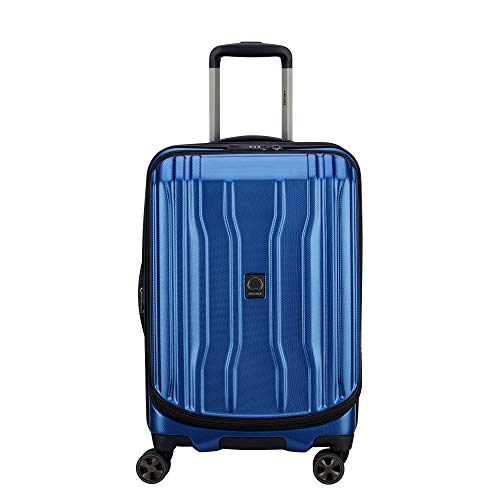
The blue polycarbonate shell gives the suitcase a modern appearance without relying on flashy details. Instead of chasing trends, the design leans toward functionality. The proportions feel balanced, and the shape remains practical for overhead compartments while still offering meaningful storage space.
Carry-on compatibility also works in its favor. With external dimensions listed at 22 x 15 x 9 inches before expansion, the suitcase remains focused on short to medium-length trips. The size strikes a useful middle ground between portability and packing flexibility.
Weight matters more than many travelers realize. At 7.3 pounds, this model stays reasonably manageable while still providing the protective benefits associated with a hard-shell structure. That balance becomes noticeable when lifting luggage repeatedly during a travel day.
Performance On Cobblestone Streets
Rolling luggage across cobblestones creates a completely different experience than moving through smooth airport corridors. Small vibrations become constant impacts, and weak wheel assemblies reveal their shortcomings quickly. Wheel durability becomes one of the most important factors for travelers navigating historic districts and uneven streets.
LUGGEX equips this suitcase with 360-degree silent spinner wheels. While spinner wheels naturally perform best on smooth surfaces, the quality of the wheel housing and rolling mechanism often determines how well they handle rougher terrain. The silent-wheel design helps reduce noise during movement, making the travel experience feel less chaotic.
Cobblestones still present limitations for any spinner-based suitcase. Larger gaps between stones can interrupt wheel movement, especially in older city centers. Tilting the suitcase slightly onto two wheels during rough stretches often improves control and reduces unnecessary stress on the wheel assemblies.
The polycarbonate shell adds another practical advantage. Frequent bumps against curbs, train platforms, and uneven pathways can challenge softer luggage materials. Polycarbonate generally offers better impact resistance than more brittle alternatives, helping the suitcase maintain its structure through repeated travel cycles.
Travelers expecting completely effortless movement on ancient stone roads should keep realistic expectations. No luggage glides perfectly over rough surfaces. Still, the combination of sturdy construction and smooth wheel engineering positions this model well within the conversation about the best luggage for cobblestone streets.
Storage Capacity And Packing Flexibility
Space limitations ruin trips faster than many people expect. A carry-on might fit airline requirements beautifully yet become frustrating once bulky jackets, boots, or extra travel gear enter the picture. Expandable storage helps address that challenge.
The standard 36-liter capacity already provides a respectable amount of room for a carry-on suitcase. Activating the expansion system increases capacity to approximately 41 liters, creating additional space without immediately requiring checked baggage. That flexibility can prove useful during longer itineraries or return journeys involving souvenirs and purchases.
Deep compartment design stands out here. Larger items such as boots, thicker clothing layers, books, and travel accessories fit more naturally than they do in many shallow carry-on layouts. Packing feels less like solving a puzzle and more like organizing belongings logically.
Students relocating temporarily, travelers carrying seasonal clothing, and families sharing luggage space may appreciate the additional depth. The suitcase isn't trying to maximize compartments at the expense of usable storage volume. Instead, it focuses on creating a large primary area that remains easy to pack.
Top Opening Convenience In Real Travel Situations
Traditional clamshell luggage requires significant floor space during packing and unpacking. Hotel rooms, cruise cabins, train compartments, and compact apartments don't always cooperate. The vertical opening system directly addresses that common frustration.
Accessing belongings becomes simpler when the suitcase can stand upright against a wall. A quick clothing change, retrieving travel documents, or grabbing electronics no longer requires opening both halves of the case. That convenience feels especially useful during transit-heavy travel schedules.
The feature also supports better organization habits. Travelers who frequently unpack only part of their luggage may find themselves disturbing fewer items throughout the trip. Small conveniences like this tend to become more appreciated after several travel days.
Space efficiency is the real story here. While many luggage innovations focus on appearance, this one addresses an everyday travel problem that occurs repeatedly in airports, hotels, and transportation hubs.
Interior Details And Travel Experience
Interior materials rarely dominate product descriptions, yet they influence long-term satisfaction. LUGGEX includes a soft peach-skin lining designed to help protect clothing from snags. Delicate fabrics often benefit from smoother interior surfaces, particularly during longer trips.
The suitcase also arrives with a dust cover and packaging intended to feel presentation-ready. Those additions don't change performance directly, but they contribute to the overall ownership experience. Attention to smaller details often reflects broader design priorities.
TSA-approved security remains another practical inclusion. Travelers moving through airports regularly understand the convenience of integrated locks designed around common security requirements. It simplifies luggage management without adding external accessories.
An interesting side note emerges when discussing travel gear and outdoor stability products. In some situations, related equipment discussions appear in weighted umbrella base comparisons, where durability and balance receive similar attention despite serving completely different purposes.
The three-stage telescopic handle completes the package with adjustable height options and smoother retrieval. Combined with the silent spinner system, expandable storage, and polycarbonate shell, the suitcase presents a travel-focused approach built around practical movement rather than flashy marketing language.
Traveler's Choice Pagosa Carry-On Spinner
Rough streets have a way of exposing flimsy luggage fast. A suitcase can look sharp beside the gate, then start clacking, scuffing, and fighting every uneven stone the moment the route turns old and bumpy. The Traveler's Choice Pagosa Carry-On Spinner enters the best luggage for cobblestone streets conversation with a tough polypropylene shell, expandable storage, and travel-friendly details that make short trips feel less like a juggling act. It isn't a magic carpet over rough pavement, but it does bring enough structure and practical grit to feel more prepared than many glossy carry-ons.
Traveler's Choice Pagosa Carry-On
The shortened name fits the product's personality pretty well: Pagosa Carry-On sounds compact, sturdy, and not overly precious. This suitcase is built around a polypropylene hardshell that is described as abrasion-resistant, scratch-resistant, and water-resistant. That matters because cobblestones don't just test the wheels, they punish the lower corners, side panels, and base every time the bag bumps off line. A softer suitcase may flex more, but this hard case focuses on keeping its shape while handling travel wear.
The black finish gives it a straightforward look without trying too hard. That's not a bad thing. Cobblestone routes, train transfers, and busy sidewalks tend to leave marks, so a low-key color can feel more forgiving than a bright shell that shows every scrape. The overall design leans practical, and that suits a carry-on meant to take real movement, not just sit pretty in an overhead bin.
Carry-on sizing also keeps the bag in a useful lane. The exterior dimensions are listed as 22 inches high by 14.25 inches wide by 9.25 inches deep, with up to 2 inches of expansion. At 6.3 pounds, it stays lighter than many hard-side carry-ons, which helps when lifting it into overhead storage or carrying it over stairs where wheels can't do the work.
The expansion gusset deserves a little praise, with a caveat. That extra space can help on return trips when clothes don't fold as neatly as they did at home. Still, overpacking any spinner suitcase can make it harder to control on stone streets, so the 2-inch expansion works best as breathing room, not an excuse to stuff the bag like a moving box.
Wheel Handling On Uneven Stone Streets
Spinner wheels are lovely in airports, and then cobblestones show up with a completely different opinion. The Pagosa uses 360-degree spinner wheels, which give it smooth maneuverability through crowds and terminals. On polished floors, that setup can feel easy and natural because the suitcase can move beside you instead of dragging behind. On rougher streets, though, small wheel systems usually need a bit more patience.
The smarter way to use a spinner on cobblestone is to tilt it and pull it on two wheels when the surface gets choppy. That reduces sideways chatter and keeps the wheels from catching in gaps between stones. The Pagosa's lighter weight helps here, since a heavier packed bag would put more stress on the wheel housings. So, yes, it can work for the best luggage for cobblestone streets, but technique matters.
Rubber carry handles on the top and side add a practical backup when rolling isn't worth the trouble. Old streets often come with curbs, steps, tram tracks, and hotel entrances that aren't exactly suitcase-friendly. Being able to grab the bag quickly from more than one angle makes those awkward moments less annoying. Not glamorous, sure, but very useful.
The multi-stage telescoping handle also plays a role in control. A push-button mechanism gives the handle adjustability, which helps different pulling angles feel less awkward. On bumpy ground, a loose or poorly matched handle height can make a suitcase sway more than it should. This design gives travelers more room to dial in a comfortable grip.
Shell Strength And Travel Wear
The polypropylene hardshell is the main durability story here. Abrasion resistance matters on travel days filled with curbs, luggage racks, shuttle floors, and stone sidewalks. Scratch resistance helps preserve appearance, while water resistance adds a bit of reassurance around wet streets and light rain. None of that means the bag should be treated carelessly, but the material choice feels sensible for active travel.
Hard-side luggage can sometimes feel noisy over uneven paths. That's part of the tradeoff. The Pagosa's shell protects contents better than a thin soft-sided design might, but rough pavement may still create some rattling. Packed thoughtfully, with clothing cushioning harder items, the interior can feel more settled during movement.
Self-mending #10 zippers are another practical detail. Zippers take a surprising amount of abuse, especially when expansion panels are used and the suitcase is packed close to full. A stronger zipper system reduces one of the most common weak points in everyday luggage. That's the kind of feature people may not notice until a cheaper bag starts splitting at the worst possible time.
The shell's water-resistant nature also helps during unpredictable travel days. Cobblestone streets often collect puddles in uneven dips, and wheel spray can kick up grime. A water-resistant exterior won't replace a fully waterproof case, but it adds a useful layer of protection when the weather turns messy.
Interior Space And Packing Behavior
The interior layout is built around a large compartment with multiple zippered pockets. That combination gives the bag enough structure without turning packing into a maze of tiny sections. Compression straps help keep clothing in place, which matters after the suitcase has been rolled, lifted, tilted, and bumped through a long travel day. Nobody enjoys opening a bag to find everything shifted into one corner.
The listed interior dimensions are 19.5 inches high by 13.75 inches wide, with the depth description provided in the product details. For a carry-on, the usable space should fit short-trip clothing, toiletries, and compact extras without feeling overly cramped. The expansion panel adds flexibility when packing bulkier layers or returning with a little more than planned.
Multiple zippered pockets make small-item control easier. Chargers, grooming items, socks, and travel documents can stay separated instead of vanishing beneath clothing. That matters during hotel hopping, where unpacking fully doesn't always make sense. A bag that lets things stay sorted can save a surprising amount of time.
Packing discipline still makes or breaks the experience. The more weight added near the outer edges, the more a spinner may wobble on rough ground. Heavy items should sit low and centered whenever possible. That simple habit can make the Pagosa feel steadier across uneven routes.
Tech Features Without Overdoing It
The built-in USB port and Type C port give this carry-on a modern convenience angle. A dedicated interior power bank compartment supports quick connection to portable electronics, though the power bank itself is not included. Charging access can be handy during airport waits, train delays, or long connection days. The feature feels useful, provided expectations stay realistic.
The power bank compartment dimensions are listed as 9 inches wide by 3.5 inches long by 1 inch deep. That specific sizing matters because not every battery pack will fit neatly inside. Travelers should check their own power bank dimensions before assuming compatibility. It's a small detail, but it keeps the feature from becoming frustrating.
Tech features shouldn't distract from luggage basics. Wheels, zippers, shell strength, and handle comfort still matter more for the best luggage for cobblestone streets. The ports are a nice extra, not the heart of the suitcase. That's the fair way to look at it.
A related gear discussion can sit naturally beside travel organization, especially where style and daily carry overlap in luxury backpacks. That connection isn't the same product category, but it speaks to the same habit of balancing appearance, utility, and how gear behaves during real movement.
Best Fit And Honest Limitations
The Pagosa Carry-On feels strongest for short trips, city travel, and routes where a protective shell is more important than soft-sided flexibility. Its lightweight hard-shell build helps it stay manageable while still giving belongings a more structured layer of defense. The expandable space adds convenience without turning the suitcase into an oversized checked bag. For quick flights and train-connected itineraries, that balance feels practical.
Its biggest limitation is tied to the spinner design. Smooth airport floors flatter spinner luggage, while cobblestones demand slower movement and better control. Travelers who expect effortless rolling across old streets may be disappointed. Pulling it on two wheels during rough patches is the more realistic approach.
The hard shell also doesn't compress into tight spaces the way soft luggage can. Overhead bins, compact car trunks, and small hotel corners may require a bit more planning. Still, the shape protects contents well and keeps packing neat. That's a worthwhile tradeoff for many trips.
Traveler's Choice Pagosa Carry-On works best as a tough, organized carry-on with a practical weight, useful expansion, and added charging convenience. It suits travel days where durability, clean packing, and easy airport movement matter, while still requiring common sense on rough historic streets. Cobblestones won't become smooth, obviously. But with careful packing and the right rolling technique, this suitcase has enough backbone to handle the route without feeling fussy.
LEVEL8 Grace EXT Carry On Luggage
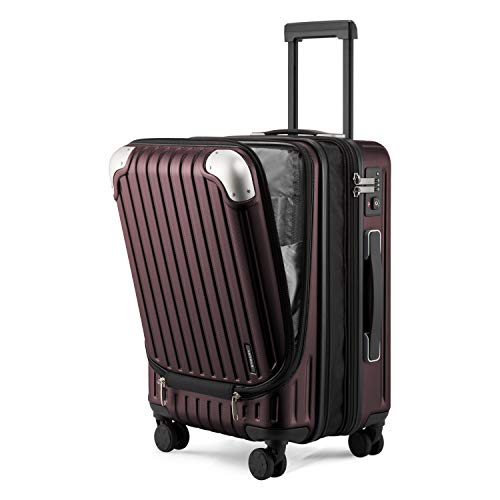
A packed travel day can get ugly fast once smooth airport floors give way to cracked sidewalks, train platforms, and old stone streets. The suitcase that felt polished at check-in suddenly has to deal with vibration, tight turns, and the awkward little bumps that make weak wheels complain. That’s why best luggage for cobblestone streets isn’t just about looking sleek, it’s about control, shell strength, wheel behavior, and smart packing access. LEVEL8 Grace EXT Carry On Luggage brings a hardside build, front laptop storage, expandable capacity, and eight spinner wheels into that rougher travel conversation.
LEVEL8 Grace EXT Carry On
The shortened name, LEVEL8 Grace EXT, fits the suitcase without sounding bloated. It keeps the polished feel of the original product name while cutting away the extra wording. This 20-inch carry-on leans toward short business trips, quick city travel, and organized packing where electronics and clothes need separate zones. The red finish adds personality, though the real value sits in the structure rather than the color.
Overall dimensions are listed at 21.8 x 14.5 x 9.8 inches, including wheels and handles. That puts it in the carry-on category, but airline rules can vary, so sizing should always be matched with the specific carrier before a trip. The suitcase expands an additional 1.57 inches, increasing packing capacity from 36 liters to 42 liters. That added room is useful, but it can also make the bag bulkier in tight overhead bins.
The suitcase weighs 9 pounds, which is worth noting. That isn’t featherlight for a 20-inch carry-on, especially once it’s packed with a laptop, clothing, and chargers. The upside is that the added structure may feel more stable and protective. The downside shows up when stairs, narrow guesthouse entrances, or luggage racks enter the picture.
PC+ABS construction gives the shell a practical balance of rigidity and impact resistance. The 3-layer micro-diamond textured surface is designed to resist scratches, which matters because cobblestone streets and crowded transit zones can be rough on luggage finishes. It won’t stay flawless forever, of course. Still, textured shells usually hide everyday scuffs better than glossy ones.
Rolling Behavior On Stone Streets
Eight rubber-covered spinner wheels sound smooth, and on flat indoor surfaces they should make the bag easy to maneuver. The 360-degree wheel setup helps the suitcase move beside the body, which is handy in airport lines, hotel lobbies, and narrow boarding areas. Rubber coverage can also soften some vibration compared with bare plastic wheel designs. That said, cobblestone streets don’t care how nice a spinner feels in a terminal.
Small spinner wheels can struggle when gaps between stones get deep or uneven. The smarter habit is to tilt the LEVEL8 Grace EXT onto two wheels across rougher sections instead of pushing it flat on all eight. That keeps the bag moving in a cleaner line and reduces the sideways chatter that can wear on wheel assemblies. For the best luggage for cobblestone streets, technique matters almost as much as hardware.
The aluminum telescoping handle adds another layer of control. A shaky handle makes rough pavement feel worse because every bump travels straight into the wrist. LEVEL8 describes the handle as smooth and ergonomic, which suits the suitcase’s business-trip personality. A firm grip and adjusted handle height can make a noticeable difference during long walks from stations to hotels.
Realistic expectations keep this review fair. No spinner suitcase will float over old stone roads without noise or vibration. This model is better viewed as a structured carry-on that can handle rough patches with careful use, not a rugged expedition case built only for broken pavement. For city travel that mixes airports, sidewalks, trains, and hotel corridors, that balance feels reasonable.
Front Laptop Storage And Daily Access
The front laptop compartment is one of the most practical design choices here. Separate electronics storage means a laptop doesn’t have to sit buried between shirts, shoes, and toiletries. LEVEL8 suggests the compartment for laptops up to 15.6 inches and under. That makes airport security, cafe work breaks, and quick document access less of a hassle.
This feature changes how the suitcase behaves during a trip. Instead of carrying a separate laptop bag, travelers may be able to keep electronics inside the carry-on while still reaching them quickly. That’s helpful in crowded terminals where opening a full suitcase would feel clumsy. It also keeps clothing cleaner and less disturbed.
There is a tradeoff, though. A front laptop compartment can shift weight toward the outer panel, especially with a heavier device inside. On cobblestones, that uneven weight distribution may increase wobble if the main compartment isn’t packed thoughtfully. Heavy items should stay low and centered whenever possible.
Organization beats overpacking with this suitcase. The front compartment is a convenience feature, not an invitation to overload every pocket. Keeping cables, notebooks, and electronics tidy will make the bag easier to roll and lift. Too much weight up front can undercut the smooth feel of the spinner wheels.
Capacity, Expansion, And Packing Layout
The interior layout includes cross straps, dividers, and multiple pockets. Those pieces sound simple, but they matter during multi-stop travel. Cross straps help hold clothing in place after the suitcase has been lifted, rolled, tilted, and shoved into storage spaces. Dividers also make it easier to separate clean clothes from accessories or folded layers.
The 36-liter base capacity should work well for shorter trips with disciplined packing. Expanding to 42 liters gives more breathing room for jackets, extra outfits, or return-trip items. That flexibility is convenient when the itinerary stretches beyond a quick overnight stay. Still, expansion adds thickness, and extra thickness can affect carry-on fit.
The suitcase’s hard shell makes packing feel structured. Clothes stay framed inside a defined shape, which helps prevent the sloppy bulging common with soft luggage. On the flip side, the shell won’t compress into tight spaces as easily. Small hotel rooms, compact car trunks, and crowded overhead bins may require a little more patience.
Packing capacity pairs nicely with the laptop compartment, but balance matters. A fully loaded interior plus a front laptop can make the 9-pound starting weight feel heavier than expected. Travelers who pack shoes, books, electronics, and dense clothing should be ready for that. The suitcase rewards thoughtful packing more than “just one more thing” packing.
Security, Shell Feel, And Practical Limits
The TSA combination lock adds useful peace of mind during regular air travel. Integrated security keeps the suitcase cleaner than dangling external locks, and it reduces one small accessory to manage. For a carry-on that may hold electronics, documents, and clothing together, that built-in lock feels appropriate. It’s not a substitute for careful handling, but it adds convenience.
The PC+ABS shell brings a sturdy feel without relying on overly technical claims. Its anti-scratch textured surface is especially relevant for travel through crowded spaces where bags rub against walls, seats, bins, and curbs. Cobblestones may not scrape the shell directly every moment, but they do create the bumps and knocks that age luggage quickly. A tougher exterior helps the bag look and feel less fragile.
A neutral side reference belongs here because the provided link points to a different product category rather than luggage. Gear built around stability and movement can raise similar durability questions in budget jogging stroller discussions, even though the use case sits outside suitcase travel. That connection is broad, not direct, so it should be read as a separate practical reference.
Limitations deserve plain language. The 9-pound weight may not suit travelers who prioritize the lightest possible carry-on. Spinner wheels need care on rough stone streets, and the expandable design can reduce overhead-bin confidence when packed too full. Even so, LEVEL8 Grace EXT Carry On Luggage offers a thoughtful mix of laptop access, protective shell design, organized storage, and smooth indoor mobility for trips that demand more structure than a basic carry-on provides.
Travelpro Maxlite 5 Carry-On Spinner
Long walks between stations and hotels can make every extra pound feel personal. A suitcase that behaves nicely on glossy airport floors may start wobbling, dragging, or wearing out patience once the route turns bumpy. The Travelpro Maxlite 5 Carry-On Spinner steps into the best luggage for cobblestone streets discussion with a softside build, low weight, expandable packing space, and a handle system designed for easier control. It feels less like a showpiece and more like the practical bag that gets grabbed first when the trip has too many moving parts.
Travelpro Maxlite 5 Carry-On
The shortened name, Travelpro Maxlite 5, captures the point of this suitcase without dragging along the full product title. At 5.4 pounds, it’s noticeably light for a 21-inch carry-on, which matters when stairs, curb drops, and train platforms keep interrupting the roll. That lighter frame also helps reduce arm fatigue during longer city transfers. For travel days with uneven sidewalks, less weight often feels like a quiet luxury.
Softside construction gives this bag a different personality from hardshell luggage. It can flex a bit when packed, which may help in tight overhead bins or compact hotel rooms. The tradeoff is that soft luggage doesn’t provide the same rigid impact barrier as a hard case. Still, for travelers who care about quick pockets, lower weight, and easier handling, this design makes plenty of sense.
The listed exterior dimensions are 23 x 14.5 x 9 inches, while the interior measures 21 x 14 x 9 inches. That keeps the suitcase positioned around carry-on travel, though airline size rules can vary by carrier. The 46-liter volume gives it generous room for a lightweight spinner. Packed carefully, it can handle more than a basic overnight load without feeling oversized.
H20 Guard protection helps shield the interior lining from moisture. That detail becomes useful during rainy taxi lines, damp platforms, or streets where puddles collect between stones. It doesn’t make the suitcase waterproof, and it shouldn’t be treated like outdoor gear. But it adds reassurance when weather decides to get cute at the wrong time.
Rolling Feel On Cobblestone Routes
The four spinner wheels rotate 360 degrees, which makes the bag easy to guide through airports and hotel lobbies. Spinner mobility shines on smooth surfaces because the suitcase can roll upright beside the body with little effort. Crowds feel easier to navigate when a bag can shift direction quickly. That convenience is one reason spinners remain popular despite their limits on rough terrain.
Cobblestones create a tougher test. Small spinner wheels can chatter, catch, or bounce when gaps between stones are uneven. The better move is to tilt the Travelpro Maxlite 5 onto two wheels across rough patches instead of pushing it flat on all four. That simple adjustment can reduce wheel strain and make the suitcase feel steadier.
Lightweight handling gives this model an edge over heavier carry-ons on old streets. A 5.4-pound starting weight leaves more room for packing before the bag becomes a chore to lift. It also helps when the pavement forces a quick carry instead of a roll. Those moments happen more often than glossy travel photos admit.
The unique bottom tray design is another useful durability touch. Rough streets tend to punish the base first, especially when a suitcase drops off curbs or bumps over stone edges. Added bottom structure helps support the frame where travel wear usually gathers. That matters for anyone thinking beyond one easy weekend trip.
PowerScope Handle And Control
The PowerScope handle stops at 38 inches and 42.5 inches, giving users two height positions for better fit. Handle control plays a bigger role than people expect, especially when pulling luggage across cracked pavement or angled sidewalks. A handle that sits too low can strain the shoulder. A handle that feels flimsy can make every bump feel worse.
The patented contour grip includes rubberized touch points. That sounds like a small comfort feature, but rough travel days are built from small annoyances. A better grip helps during long terminal walks, outdoor transfers, and those moments where one hand is managing coffee, phone, passport, and suitcase at once. Not fancy, just sensible.
Low-profile top, side, and bottom carry handles add practical backup. Multiple grab points matter around stairs, shuttle steps, luggage racks, and uneven curbs. Rolling is convenient until it suddenly isn’t. Being able to lift from different angles makes the bag easier to manage in tight or awkward spaces.
The handle system also pairs well with the suitcase’s low weight. Heavier bags can make even good handles feel strained, particularly over cobblestones. This model’s lighter build gives the handle and wheels less mass to fight. That doesn’t erase vibration, but it helps keep the whole experience more controlled.
Packing Layout And Everyday Access
The expandable design adds up to 2 inches of packing capacity. Extra packing space can save the day when a trip includes bulkier clothing or the return journey includes a few more items than expected. The expansion feature should still be used with restraint. Overpacking a spinner can make it top-heavy and less pleasant on uneven routes.
Two exterior compartments make this suitcase easier to live with during actual travel. Tickets, small documents, chargers, and compact accessories can stay within reach without opening the main compartment. That’s especially helpful in airports or train stations where spreading luggage open would be a pain. Softside luggage often wins this access game.
The full-length interior lid pocket, side accessory pocket, and adjustable hold-down straps help keep belongings sorted. Interior organization matters because cobblestone travel shakes everything more than smooth rolling does. Clothing can slide, toiletries can shift, and loose items can migrate into weird corners. Straps and pockets reduce that chaos.
A careful packing routine brings out the best in this suitcase. Heavier items should sit low and close to the wheel base, while lighter layers can fill the upper areas. That keeps the bag more balanced when pulled across rough streets. It also makes lifting the suitcase feel less awkward.
Softside Strengths And Tradeoffs
The Travelpro Maxlite 5 makes a strong case for softside carry-on luggage. Weight savings, exterior access, flexible packing, and comfortable handling all work in its favor. Those qualities feel especially useful on trips that mix airports, older streets, rideshares, and public transportation. The bag seems built for movement rather than display.
Softside luggage does come with realistic limits. It may show fabric wear over time, especially around corners and lower edges. It also won’t protect fragile items with the same rigid wall structure as a hardshell case. Packing delicate belongings inside clothing layers is still the smarter habit.
The spinner wheels are convenient but not invincible. Cobblestones, broken sidewalks, and deep stone gaps can challenge any four-wheel spinner. For the best luggage for cobblestone streets, this model’s lighter weight helps offset that weakness, but technique still matters. Tilt, pull, and slow down when the street gets rough.
A separate gear discussion can sit near travel commuting habits because daily carry choices often face the same comfort-versus-capacity tradeoff in backpack for commuting planning. That reference belongs to a different category, yet the shared concern is practical movement through busy spaces. Good gear should reduce friction instead of adding one more thing to manage.
Best Use Cases And Honest Fit
The strongest fit for Travelpro Maxlite 5 is short to medium travel where weight, access, and packing flexibility matter. Business trips, weekend flights, domestic travel, and city-hopping itineraries all suit its design. The exterior pockets help with quick access, while the expandable body provides room for less predictable packing. It’s a practical suitcase, not a delicate one.
Travelers who prefer maximum shell protection may lean toward hard-side alternatives. This bag prioritizes lightness and convenience instead. That tradeoff is fair, especially for people who don’t want every airport transfer to feel like a deadlift session. The low weight is the headline feature that actually affects the body during travel.
Its Limited Lifetime Coverage and trusted companion promise are worth noting because the brand states coverage details for repairs involving airline or common carrier damage during the first year. Warranty support can add confidence, though the exact terms should always be reviewed through the seller or manufacturer before relying on them. Coverage language matters, and assumptions can lead to disappointment. Still, the inclusion adds a reassuring layer to the product story.
Travelpro Maxlite 5 Carry-On feels especially sensible for travelers who pack with discipline, value low weight, and need a bag that handles airports beautifully while staying manageable on rougher city streets. It won’t make cobblestones smooth, and the spinner wheels still need careful handling outdoors. Yet the light frame, practical handles, moisture-guarded lining, expandable space, and organized layout give it a grounded reason to belong in the best luggage for cobblestone streets conversation.

10 Best Sleeping Bags For Tall People of 2026 To Stretch Out Fully

10 Best Diaper Bag Backpacks For Dads of 2026 With Fast Gear Access

9 Best Diaper Bags For Twins of 2026 With Dual Compartments

10 Best Rebecca Minkoff Leather Crossbody Bags Over 300 of 2026 With Genuine Everyday Capacity
11 Best Marc Jacobs Bags of 2026 For Daily Essentials
10 Best Fossil Handbags of 2026 For Everyday Organization

10 Best Tory Burch Handbags of 2026 For Everyday Wear

11 Best Kate Spade Handbags of 2026 For Work and Daily Carry