Best Material For Checked Luggage 2026 Smart Picks

Best material for checked luggage isn’t just about grabbing the toughest-looking shell and calling it a day. Checked bags get stacked, dragged, squeezed, and sometimes left in the rain before they ever reach the carousel. That’s why polycarbonate luggage often feels like the sweet spot, since it bends under pressure instead of cracking too quickly. Still, it won’t stay spotless forever, so scuffs are part of the deal.
Aluminum checked luggage brings the most rigid protection, and yeah, it looks sharp rolling through an airport. But that toughness comes with extra weight, a higher price, and dents that can show up like travel stamps. For fragile gear, camera equipment, or trips where the bag gets handled hard, aluminum makes sense. For casual vacations, it can feel like bringing a tank to a picnic.
ABS luggage usually costs less, which makes it tempting right away. The tradeoff is that it can crack more easily under cold weather or heavy impact compared with polycarbonate. It’s fine for occasional travel, especially when price matters more than long-term abuse. But if a bag gets checked several times a year, ABS may start showing its limits sooner than expected.
Softside luggage, especially ballistic nylon or dense polyester, still earns its place. It gives a little when packed tight, handles exterior pockets better, and can be easier to wedge into car trunks or hotel corners. The downside is weaker crush protection, so breakable items need smarter packing. So, the real winner depends on whether durability, weight, packing flexibility, or price matters most.

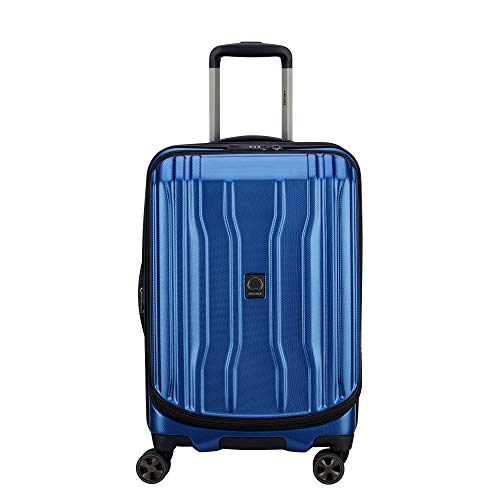
Traveler's Choice Pagosa Indestructible Hardshell Expandable Spinner Luggage, Black, Checked-Medium
View on Amazon- TLR Rank9.0
TLR Rank is a ranking system developed by TravelLuggageReviews.com. TLR Rank has no relationship or impact from any manufacturers or sales agent websites. Learn more
- BrandTraveler's Choice
- TLR Rank8.8
TLR Rank is a ranking system developed by TravelLuggageReviews.com. TLR Rank has no relationship or impact from any manufacturers or sales agent websites. Learn more
- BrandRockland

- TLR Rank8.6
TLR Rank is a ranking system developed by TravelLuggageReviews.com. TLR Rank has no relationship or impact from any manufacturers or sales agent websites. Learn more
- BrandSwissGear

- TLR Rank8.6
TLR Rank is a ranking system developed by TravelLuggageReviews.com. TLR Rank has no relationship or impact from any manufacturers or sales agent websites. Learn more
- BrandSlohif

- TLR Rank8.6
TLR Rank is a ranking system developed by TravelLuggageReviews.com. TLR Rank has no relationship or impact from any manufacturers or sales agent websites. Learn more
- BrandAmazon Basics
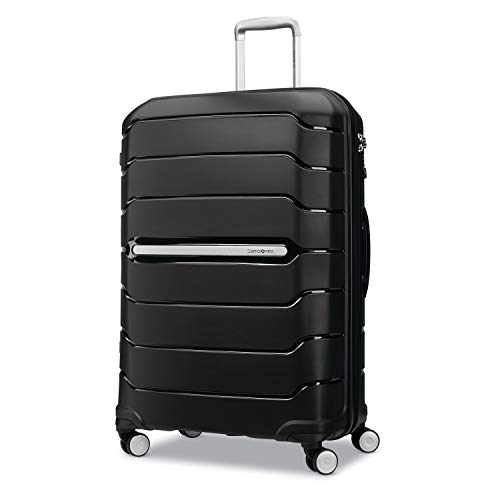
Samsonite Freeform Hardside Expandable with Double Spinner Wheels, Checked-Large 28-Inch,
View on Amazon- TLR Rank8.6
TLR Rank is a ranking system developed by TravelLuggageReviews.com. TLR Rank has no relationship or impact from any manufacturers or sales agent websites. Learn more
- BrandSamsonite

- TLR Rank8.6
TLR Rank is a ranking system developed by TravelLuggageReviews.com. TLR Rank has no relationship or impact from any manufacturers or sales agent websites. Learn more
- BrandJZRTravel

- TLR Rank8.4
TLR Rank is a ranking system developed by TravelLuggageReviews.com. TLR Rank has no relationship or impact from any manufacturers or sales agent websites. Learn more
- BrandExplore Land

- TLR Rank8.4
TLR Rank is a ranking system developed by TravelLuggageReviews.com. TLR Rank has no relationship or impact from any manufacturers or sales agent websites. Learn more
- BrandRainVillage

- TLR Rank8.2
TLR Rank is a ranking system developed by TravelLuggageReviews.com. TLR Rank has no relationship or impact from any manufacturers or sales agent websites. Learn more
- BrandT Tersely
Last update on 2026-07-09 / Affiliate links / Images, Product Titles, and Product Highlights from Amazon Product Advertising API
Best Material For Checked Luggage
Airports have a funny way of exposing weak luggage. A suitcase can leave home looking spotless and come back with fresh scuffs, scraped corners, and a few battle scars from baggage handling. That reality is exactly why discussions around best material for checked luggage never seem to fade away. Material determines how a case absorbs impacts, handles rough treatment, and survives years of travel, and the Traveler's Choice Pagosa Indestructible Hardshell Expandable Spinner Luggage enters that conversation with a practical approach built around polypropylene construction and traveler-friendly features.
Traveler's Choice Pagosa Spinner
The first thing that stands out is the suitcase's indestructible polypropylene hardshell. Polypropylene has earned a strong reputation among luggage enthusiasts because it tends to flex rather than crack under pressure. That flexibility matters when a checked bag gets tossed onto conveyor systems or compressed beneath heavier luggage. Unlike some rigid materials that may show stress fractures over time, polypropylene shells are designed to absorb punishment while maintaining structural integrity.
Scratches and abrasions are part of travel life, and no suitcase remains showroom fresh forever. The Pagosa's shell addresses that concern through its abrasion-resistant and scratch-resistant exterior. While marks can still appear after repeated trips, the material helps reduce the visual wear that often makes luggage look older than it really is.
Water exposure creates another challenge. Rain on the tarmac, wet sidewalks outside hotels, or unexpected weather delays can leave luggage exposed for longer than expected. The shell's water-resistant properties help provide another layer of protection, reducing concerns about moisture reaching packed belongings.
Viewed from a materials perspective, the Pagosa aligns closely with what many travelers seek when researching the best material for checked luggage. It prioritizes impact resistance without introducing the extra weight commonly associated with aluminum alternatives.
Expansion Space Without The Packing Headache
Packing always starts with good intentions. Then souvenirs appear, extra clothing sneaks into the suitcase, and suddenly zipper tension becomes a real concern. The Pagosa addresses that familiar situation through its expandable gusset design, which adds up to two inches of additional packing capacity.
That extra room can make a noticeable difference during longer trips. Bulky jackets, extra shoes, or gifts picked up during travel often create the need for just a little more space. Rather than forcing travelers to sit on their luggage to close it, the expansion feature offers breathing room without dramatically changing the suitcase's overall shape.
Compression also plays an important role inside the case. The inclusion of interior compression straps helps prevent clothing from shifting excessively during transport. Anyone who's opened a checked suitcase to discover everything piled in one corner understands why that matters.
The overall storage layout feels practical rather than flashy. Instead of overwhelming the interior with unnecessary compartments, the design focuses on keeping packing organized and accessible.
Smooth Movement Through Busy Airports
Dragging a heavy suitcase through crowded terminals can turn a routine travel day into an exhausting one. Mobility becomes even more important during tight connections or long walks between gates. The Pagosa uses 360-degree spinner wheels to address that challenge.
Spinner wheels allow the suitcase to roll alongside the traveler instead of being dragged behind. That simple difference reduces strain on the shoulders, wrists, and back. Tight airport corners, crowded security lines, and busy hotel lobbies become easier to navigate because the luggage responds smoothly to directional changes.
The suitcase also features a multi-stage telescoping handle with a push-button mechanism. Adjustable handle heights help accommodate different walking styles and body types, making the experience more comfortable during extended use.
Small details matter here. The combination of spinner wheels and telescoping handle creates a setup that feels balanced and predictable. Luggage that fights against movement becomes frustrating quickly, while luggage that tracks naturally often goes unnoticed for all the right reasons.
Durability Beyond The Shell
Many travelers focus entirely on shell materials while overlooking other components that often fail first. Zippers, handles, and internal hardware frequently determine how long a suitcase remains reliable. The Pagosa includes self-mending #10 zippers, which are known for their heavier-duty construction compared with lighter zipper alternatives.
Zipper failure ranks among the most frustrating luggage problems because it can happen suddenly and leave travelers scrambling for solutions. A stronger zipper system helps reduce that risk while adding confidence during overpacked travel days.
The suitcase also includes top and side rubber carry handles. Those handles become surprisingly important when lifting luggage into vehicles, onto scales, or off baggage claim belts. Comfortable grip points may not attract attention during the buying process, but they improve everyday usability.
Durability often reveals itself through these secondary features. A sturdy shell means little if supporting components fail prematurely. The Pagosa shows a balanced approach by reinforcing several key areas that experience regular wear.
Interior Organization And Everyday Practicality
Opening the suitcase reveals a layout designed around straightforward organization. The large interior compartment provides room for clothing, shoes, and travel essentials without creating unnecessary complexity. Travelers who prefer a clean packing strategy will likely appreciate the simplicity.
Several zippered interior pockets help separate smaller belongings from larger packed items. Chargers, travel documents, toiletries, or accessories can remain organized rather than disappearing into the main compartment.
Practical hãy kiểm tra lại bạn đã tạo hyperlink chưa. Lưu ý yêu cầu: Create hyperlink as below rules. In addition, always add relevant CTA hyperlink or relevant hook before hyperlink to increase interaction. Structrue CTA or hooks ANCHOR_TEXT. Only 1 hyperlink in the response. I will provided you url part. "Here is list link:" Anchor text selected a 2–6 word phrase (or longer only if it reads more naturally) that still clearly represents the path topic. Rewrite full response with hyperlink luggage rarely needs flashy innovations to improve the travel experience. Sometimes a thoughtful arrangement of pockets, straps, and storage areas provides the biggest benefit. The Pagosa leans toward that philosophy, emphasizing function over gimmicks.
Interestingly, conversations about travel accessories occasionally branch into unrelated style categories. In some cases, a separate reference can be found in large oversized sunglasses for women. While entirely different from luggage, both categories highlight how comfort and convenience often shape travel decisions more than flashy marketing language.
The Pagosa's interior design supports efficient packing while keeping essentials accessible throughout a trip. Combined with the durable shell, expandable capacity, spinner-wheel mobility, and reinforced zipper system, the suitcase delivers a practical interpretation of what many travelers expect from luggage built around the best material for checked luggage. Its strengths center on durability, maneuverability, and usable storage, while the hardshell format naturally trades some flexibility compared with soft-sided luggage. For travelers prioritizing impact resistance and long-term durability, that tradeoff will likely feel worthwhile.
Best Material For Checked Luggage
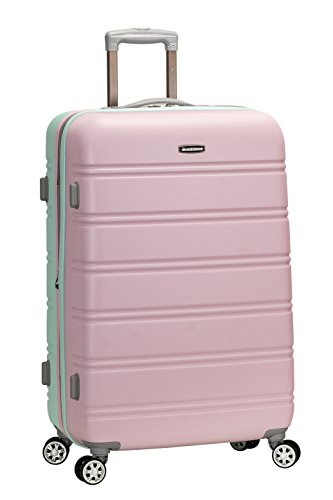
Gate changes, rushed connections, and crowded baggage claims can expose every weakness in a suitcase. A bag that feels sturdy in a store may tell a different story after several flights and countless conveyor belt rides. That's one reason discussions around best material for checked luggage continue to matter. The Rockland Melbourne Hardside Expandable Luggage approaches that challenge with a combination of ABS hardshell construction, spinner-wheel mobility, and practical interior organization designed for real travel conditions.
Rockland Melbourne Hardside
The foundation of this suitcase starts with its lightweight ABS shell. ABS remains a popular luggage material because it balances affordability and weight better than many heavier alternatives. Carrying less weight before packing can make a noticeable difference, especially on longer trips where every pound counts toward airline limits.
Durability still plays a role here. The shell is designed to handle everyday travel bumps, scrapes, and stacking pressure that checked luggage routinely faces. While ABS doesn't offer the same flexibility as polypropylene, it provides a solid layer of protection for clothing, shoes, and travel essentials packed inside.
Weight savings often become more valuable after several hours of travel. Lugging a heavy suitcase through parking garages, hotel entrances, and airport terminals can become tiring surprisingly fast. The Melbourne's lightweight profile helps reduce some of that burden without sacrificing the benefits of a hardside design.
From a material standpoint, travelers researching the best material for checked luggage will notice that ABS focuses on keeping weight manageable while maintaining reasonable impact resistance. That balance makes practical sense for trips where convenience matters as much as protection.
Built For Easier Airport Navigation
Movement can make or break the luggage experience. Nobody enjoys dragging a stubborn suitcase through a crowded terminal while weaving around travelers, kiosks, and security lines. The Melbourne addresses that challenge with multi-directional double spinner wheels.
Spinner wheels allow the suitcase to move beside the traveler rather than trailing behind. That small difference can reduce strain on the wrist and shoulder, especially during longer walks between gates. Smooth rolling also makes tight corners and crowded waiting areas easier to navigate.
The inclusion of a chrome telescoping handle adds another layer of convenience. The handle extends smoothly and provides a comfortable grip while maneuvering the luggage. Combined with the spinner wheel setup, the suitcase feels easier to guide through busy travel environments.
Mobility features rarely generate excitement on product pages, yet they're often the details travelers appreciate most after a long travel day. The Melbourne leans into practicality rather than flashy engineering.
Interior Layout That Keeps Packing Simple
Opening the suitcase reveals a design focused on organization rather than complexity. The interior includes a mesh zip pocket that helps separate smaller items from the main packing area. Chargers, toiletries, travel documents, and accessories can stay organized instead of floating freely among clothing.
Interior securing straps provide another useful feature. Clothing tends to shift during flights, especially inside larger checked luggage. The straps help keep packed items in position and reduce the chaos that often appears after opening a suitcase at the destination.
Packers who prefer a straightforward layout will likely appreciate the design. Some luggage models add numerous compartments that reduce usable space. The Melbourne keeps things relatively simple while still providing enough structure to stay organized.
Travel gear discussions often branch into related packing considerations. For readers interested in different luggage sizes and rolling designs, a useful reference appears in best 22 inch rolling suitcase options, which highlights another approach to balancing portability and storage capacity.
Expandable Capacity For Unexpected Extras
Trips rarely end with exactly the same amount of luggage that left home. Souvenirs, gifts, extra clothing layers, and last-minute purchases often create a need for more packing room. That's where the suitcase's expandable design becomes particularly useful.
Additional space can help avoid difficult packing decisions near the end of a trip. Instead of forcing belongings into an already full compartment, expansion provides flexibility while maintaining the structure of a hardside suitcase.
The exterior dimensions of 28 inches by 17 inches by 12 inches place this model firmly in checked-luggage territory. That larger footprint allows travelers to pack for extended trips without immediately running into space limitations.
Expansion does come with a tradeoff. Additional packing room can encourage overpacking, which may push luggage closer to airline weight restrictions. Travelers who tend to bring home more than they leave with will likely appreciate the option regardless.
Everyday Strengths And Realistic Tradeoffs
The Melbourne focuses on practicality rather than luxury touches. Its strongest attributes include the lightweight ABS shell, smooth spinner-wheel performance, and uncomplicated packing layout. Those features work together to address common travel frustrations without adding unnecessary complexity.
ABS material brings advantages and limitations. Weight remains one of its biggest strengths, making the suitcase easier to handle throughout a trip. At the same time, travelers seeking maximum impact resistance may prefer polypropylene or aluminum alternatives, which often prioritize durability over weight savings.
Organization feels sensible rather than elaborate. The combination of mesh storage and compression straps provides enough structure for efficient packing without reducing available space. That approach tends to age well because it remains useful regardless of travel style.
The Rockland Melbourne ultimately presents a practical interpretation of the best material for checked luggage discussion. Its design favors manageable weight, dependable mobility, expandable storage, and straightforward functionality, creating a suitcase that focuses on everyday travel needs rather than unnecessary extras.
SwissGear Sion Softside Expandable Roller Luggage
A checked bag doesn’t need to look like a vault to survive real travel. Sometimes the smarter move is a case that flexes, packs easily, and doesn’t fight back every time it gets lifted into a trunk or rolled through a packed terminal. That’s where best material for checked luggage gets more interesting than the usual hard-shell-versus-softside debate. The SwissGear Sion Softside Expandable Roller Luggage takes the fabric route with scuff-resistant polyester, expandable packing space, spinner wheels, and a layout that clearly favors practical organization over showroom drama.
SwissGear Sion Softside
The Sion’s main appeal starts with its durable polyester fabric. Softside luggage doesn’t try to win by feeling rigid or armor-like. Instead, it gives a little, absorbs the usual bumps, and handles tight packing situations with more forgiveness than many hard shells.
That matters because checked luggage rarely has a gentle day. It gets squeezed between other bags, pulled from car trunks, stacked in hotel storage rooms, and dragged across rough flooring. The scuff-resistant exterior helps the bag stay respectable through that routine wear, even though fabric can still pick up marks over time.
Polyester also keeps the suitcase from feeling overly bulky before anything goes inside. A lighter-feeling softside case can make travel less annoying, especially when the packing list already includes shoes, jackets, toiletries, and those “just in case” extras. For the best material for checked luggage, weight and flexibility deserve as much attention as toughness.
The tradeoff is worth saying plainly. A softside suitcase won’t protect fragile contents the same way a thick hard shell might. Still, for clothing-heavy trips, flexible packing, and easier handling, the Sion’s softside construction makes a lot of everyday sense.
Flexible Packing Without The Wrestling Match
Packing a checked bag often starts neatly and ends with someone pressing down on the lid like they’re closing a stubborn attic door. The Sion helps avoid that mess with its expandable travel case design. Extra space gives packing a little breathing room when the return trip includes more than the outbound trip.
The suitcase measures 26.25 x 16.75 x 11 inches including wheels and handles, with packing dimensions of 24.5 x 15.25 x 11 inches. Those dimensions put it firmly in checked-medium territory, which suits longer weekends, business travel, or trips that need more than a carry-on can reasonably hold. It’s roomy without feeling like oversized luggage that becomes awkward to lift.
Softside expansion has a different feel from hard-shell expansion. Fabric panels tend to flex around bulkier clothing, making sweaters, jeans, and spare layers easier to fit. That doesn’t mean overpacking is harmless, though, because airline weight limits still have the final say.
The real benefit is control. Instead of cramming items into a fixed shell, the Sion offers adjustable packing flexibility that feels more forgiving during rushed packing. That’s a small detail until the night before a flight, then suddenly it’s the whole story.
Organization That Actually Gets Used
The inside of the Sion feels designed for people who pack in layers, not for people who want a dozen fussy compartments. Its fully lined interior gives the main packing space a cleaner, more finished feel. That helps clothing sit better and keeps the inside from feeling flimsy.
Adjustable tie-down straps help keep garments from shifting around during transit. Checked bags get flipped, stacked, and handled from every angle, so clothing rarely stays in place without some help. These straps reduce that suitcase explosion effect that happens when everything slides into one corner.
The removable zippered wet bag is a smart touch. Damp swimwear, toiletries, laundry, or small spill-prone items can be separated from clean clothing. It’s not flashy, but it solves a very real packing problem.
The large mesh lid pocket and smaller packing pocket give accessories a proper home. Socks, belts, chargers, and smaller travel items are easier to keep visible instead of buried under folded clothes. That kind of organization saves time because the bag doesn’t need to be unpacked every time something small goes missing.
Airport Movement Feels Less Like A Chore
Rolling luggage should not feel like dragging furniture. The Sion uses 360-degree multi-directional spinner wheels, which makes it easier to move through crowds, lines, and narrow airport walkways. The bag can roll upright beside the traveler rather than trailing behind at an awkward angle.
That upright movement matters more with checked luggage than many people expect. A medium checked bag can become heavy fast once fully packed. Spinner wheels reduce wrist strain and make sudden direction changes less clumsy.
The locking retractable push/pull handle adds structure to the rolling experience. A handle that locks into place helps the suitcase feel steadier while moving. Paired with spinner wheels, it creates a more controlled feel during busy travel moments.
Travel gear sometimes overlaps with outdoor packing habits, especially when a trip mixes flights, trails, and weekend stays. A related carry setup appears in best carry on backpack for hiking-focused packing needs. The connection is practical rather than decorative, since both pieces solve different parts of the same mobility puzzle.
Exterior Pockets And Lift-Friendly Details
Front pockets are where softside luggage quietly beats many hard-shell cases. The Sion includes multiple front panel pockets, giving quick access to items that don’t belong buried inside the main compartment. Travel papers, light layers, small accessories, and last-minute items can stay reachable.
The built-in ID tag also fits the real-world nature of checked luggage. Bags can look similar at baggage claim, especially in black. Having identification integrated into the front pocket area adds a practical layer without needing extra dangling tags.
Handles matter once the suitcase leaves smooth airport flooring. The Sion includes a reinforced padded top handle, plus integrated side and bottom handles. Those grip points make lifting easier from baggage carousels, car trunks, hotel shuttles, and storage racks.
This is where the softside format feels especially sensible. Fabric luggage can be easier to grab, squeeze, and position than a rigid case. The Sion’s handle setup supports that strength, making the bag less awkward during the parts of travel that wheels can’t solve.
Where This Material Makes Sense
The Sion makes its strongest argument through practical flexibility. Polyester softside luggage suits travelers who pack clothing, shoes, accessories, and personal items more often than fragile gear. The material has enough give to handle real packing habits without turning every zipper pull into a negotiation.
Hard-shell luggage still has its place. Polycarbonate or polypropylene can offer stronger impact protection, especially for delicate items. But softside polyester brings lighter handling, exterior storage, and easier expansion, which can be more useful on ordinary trips.
The suitcase’s biggest limitation is the nature of fabric itself. It may not shield contents from crushing pressure as well as a hardside case. It also needs realistic care around rain, grime, and heavy abrasion, even with a scuff-resistant finish.
Still, the SwissGear Sion gives a grounded answer to the best material for checked luggage question. It doesn’t pretend softside polyester is the toughest material on the planet. It simply shows why durable fabric luggage remains relevant: easier packing, useful pockets, smoother handling, and a more forgiving structure for trips that don’t fit neatly into a rigid shell.
Slohif Stretch Luggage Cover
Scraped corners, mystery smudges, and that sinking feeling at baggage claim can make even a sturdy suitcase look older than it is. A checked bag may have the right shell material, but airport handling still leaves marks, dents, and grime in places nobody wants to inspect after a long flight. That’s where best material for checked luggage becomes a wider conversation, because protection doesn’t always stop with the suitcase itself. The Slohif Stretch Luggage Cover adds a polyester fiber sleeve over existing luggage, giving the outer case a snug layer against scratches, minor dents, dirt, and mix-ups in crowded travel spaces.
Slohif Stretch Luggage Cover
The Slohif cover isn’t luggage by itself, so it plays a different role from a hard-shell suitcase or softside roller. Its value sits in the layer it adds over a bag that already handles the heavy lifting. The elastic polyester fiber fabric stretches around the suitcase like a fitted sleeve, helping protect the surface from the scuffs that come with airport belts, shuttle trunks, and storage rooms.
That snug fit matters more than it sounds. A loose cover can twist, bunch, or make handle access annoying, while a tight one stays cleaner in use. The product description highlights a secure glove-like fit, which is especially useful for keeping the suitcase covered without turning every lift into a small wrestling match.
For anyone comparing the best material for checked luggage, this cover adds a practical twist. It doesn’t replace polycarbonate, polypropylene, ABS, aluminum, or polyester luggage materials. Instead, it helps those materials last longer by taking some of the cosmetic abuse before it reaches the suitcase shell.
The tradeoff is simple. A sleeve adds an extra step before and after travel, and it may not appeal to people who prefer grabbing a bag and going. Still, for protecting a suitcase that already cost real money, that extra minute can feel pretty reasonable.
Protection From The Usual Travel Bruises
Checked luggage rarely gets treated like a fragile package. Bags slide against conveyor belts, rub against other suitcases, and sometimes come back with scratches that weren’t there at departure. The Slohif cover focuses on scratch and dent prevention, giving the suitcase exterior a buffer against that rough handling.
It’s worth keeping expectations grounded. A fabric cover won’t turn a thin or fragile suitcase into an impact-proof case. What it can do is reduce direct surface contact, which helps protect against abrasion, grime, and cosmetic wear during normal travel.
The “expensive luggage” angle in the product description makes sense. A nice suitcase can lose its polished look quickly after a few checked trips. This cover helps preserve the outer finish, especially on glossy shells that show scratches and smudges more easily.
That’s the practical benefit here. Instead of waiting until the suitcase looks beaten up, the cover takes the first round of punishment. For travelers who care about keeping luggage presentable, that’s not vanity, it’s maintenance.
Stretch Fabric That Fits Multiple Sizes
The cover uses superior elastic polyester fiber, according to the provided details. Elasticity is the key feature because luggage sizes vary, corners differ, and handles need room to function. A stiff fabric would make installation frustrating, while stretch material can hug the suitcase more naturally.
The product description notes suitability for 22 to 32 inch luggage, while this specific version fits medium-size cases around the 24 to 27 inch range. That flexibility helps because checked bags don’t always follow one exact shape. Rounded shells, boxier cases, and expandable designs all need a cover that can adapt.
Washability also gives the cover a nice everyday advantage. Airport floors, car trunks, and baggage belts aren’t exactly spotless. Being able to reuse and wash the sleeve makes the product feel less disposable and more like regular travel gear.
The fabric is also described as resistant to deformation after repeated use. That’s important because a stretched-out sleeve would lose the secure fit that makes it useful in the first place. A cover should stay firm, not sag like tired gym clothes after a few trips.
Precise Openings Make Daily Use Easier
A luggage cover can become irritating fast if it blocks handles or makes the suitcase harder to move. The Slohif sleeve addresses that issue with precise openings on the top and sides. Those cutouts allow access to handles without needing to remove the cover every time the bag gets lifted.
This detail matters at baggage claim. Bags often need to be grabbed quickly from moving carousels, lifted into taxis, or placed onto luggage racks. Clear handle access makes those moments smoother, especially when travel fatigue has already kicked in.
The cover also includes an additional front pocket for personal items. That pocket can be handy for lightweight extras that need quick access, though it shouldn’t be treated like a secure storage compartment for valuables during checked travel. Small convenience, yes. Safe storage for passports or cash, no.
The design feels more useful because it respects the suitcase’s original function. The cover protects, but it doesn’t completely bury the handles or make the bag feel less usable. That balance separates a practical sleeve from one that looks neat online and annoys people at the airport.
Easy Identification In Crowded Travel Spots
Black, navy, gray, repeat. Baggage claim can feel like a parade of nearly identical suitcases, and mistakes happen more easily than people admit. The Slohif cover helps with luggage identification by adding a more noticeable exterior design to the suitcase.
The product description calls the design eye-catching, and that fits the purpose well. A bright or unique cover makes a bag easier to spot at airports, train stations, hotel lobbies, and group travel pickups. Less squinting at tags, less awkward grabbing of someone else’s suitcase.
Personalization also has a practical side. A distinct cover can reduce confusion without needing ribbons, stickers, or dangling tags that may tear off in transit. The sleeve itself becomes the visual marker.
Large checked bags often bring up size planning too, especially when packing for longer trips. A related luggage-size reference appears in best 32 inch suitcase for readers weighing bigger checked-bag capacity against handling comfort. The connection stays practical because both topics deal with managing luggage visibility, protection, and travel-day convenience.
Where This Cover Fits The Material Debate
The Slohif cover changes how the best material for checked luggage discussion should be framed. Instead of asking only which suitcase shell survives the most abuse, it raises a second question: how much protection can be added after the suitcase is chosen? That’s a useful angle for anyone already owning luggage they like.
Polycarbonate, polypropylene, ABS, and polyester luggage each come with their own strengths. A stretch cover doesn’t erase those differences, but it does help reduce surface wear across several bag types. That makes it especially helpful for suitcases with finishes that mark easily.
The limitation is clear enough. This cover won’t replace structural durability, strong wheels, reliable zippers, or a well-built handle system. It protects the outside surface, helps with identification, and adds a washable travel layer, but the suitcase underneath still determines core performance.
Used with realistic expectations, the Slohif Stretch Luggage Cover makes sense as a protective accessory rather than a substitute for quality luggage. Its elastic polyester fabric, snug fit, handle openings, front pocket, washable construction, and easy-to-spot design all support one simple travel goal: keeping a checked bag cleaner, more recognizable, and less scratched after the rough parts of the trip.
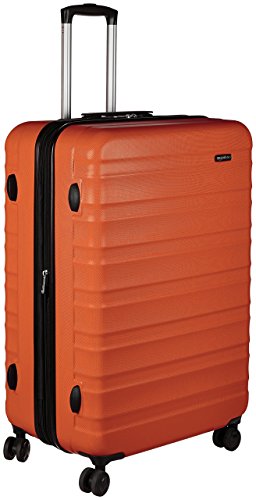
Amazon Basics 30-Inch Softside Spinner
Big trips have a way of turning small luggage into a bad joke. Shoes eat space, jackets refuse to compress, and suddenly that neat packing plan becomes a wrestling match on the bedroom floor. That’s where best material for checked luggage gets practical fast, because the material affects not only durability, but also how easily a suitcase handles tight spaces, heavier packing, and the usual airport shuffle. The Amazon Basics 30-inch Softside Spinner leans into softside polyester construction, generous capacity, expandable storage, and smooth spinner movement without pretending to be a luxury showpiece.
Amazon Basics 30-Inch Softside
The suitcase starts with a softside design, which gives it a different personality from a hard-shell case. Instead of relying on a rigid outer shell, it offers a little give when packed or stored. That flexibility can be handy when luggage needs to slide into tight closets, car trunks, or crowded hotel corners.
Softside luggage often makes sense for trips where clothing, shoes, and everyday essentials take up most of the space. The Amazon Basics model doesn’t try to protect delicate gear like a thick hard case might. Its strength sits in packing flexibility, easier handling, and the ability to collapse a bit when space gets awkward.
The outer dimensions, including wheels, are 17.5 x 12.9 x 30.9 inches, while the interior measures 16.5 x 10.6 x 26.7 inches. That makes this a true large checked suitcase, not a borderline carry-on trying to act bigger than it is. The total size is also listed as 74 cm excluding wheels, which reinforces its checked-luggage role.
For the best material for checked luggage, polyester softside construction brings a useful tradeoff. It doesn’t deliver the crush resistance of polycarbonate or polypropylene, but it handles bulky packing with less drama. That’s a fair deal for longer trips where capacity and flexibility matter more than a rigid shell.
Capacity That Suits Longer Trips
The listed 77-liter interior capacity gives this suitcase enough room for trips lasting longer than a week. That extra volume matters when the packing list includes multiple outfits, spare shoes, toiletries, laundry bags, and maybe a jacket that refuses to fold neatly. Large luggage should feel roomy without turning every item into a puzzle piece.
The suitcase is also expandable for up to 25% additional packing capacity. That’s a serious advantage on return trips, especially when clothing doesn’t compress the same way twice. Souvenirs, gifts, or an extra outfit can fit without forcing the zipper into a panic.
Of course, more space can tempt overpacking. A large softside spinner can swallow a lot, and airline weight limits still matter. The suitcase weighs 7.87 lbs. empty, so the starting weight stays fairly manageable for a large checked bag.
The softer structure also helps the bag settle into real-life storage spots. Compared with hardside luggage, this design can collapse a bit, which helps when space is tight. That’s not glamorous, but it’s the kind of detail that earns appreciation during actual travel.
Interior Organization That Avoids Chaos
Inside, the suitcase uses a fabric lining to help protect packed belongings from scratches and snags. That lining adds a cleaner barrier between clothes and the luggage frame. It’s a small feature, but small features matter when packed items spend hours shifting around in transit.
The 150D-polyester interior organizer includes three zippered pockets for smaller items. Those pockets help keep chargers, socks, grooming items, accessories, and travel extras from disappearing into the main compartment. Digging through a large suitcase for one tiny item gets old fast.
The layout feels simple in a good way. Some large luggage adds too many compartments and ends up stealing usable space. This one keeps the main area open while still giving smaller pieces a proper place to land.
That balance supports practical packing habits. Folded clothing can stay in the main compartment, while loose items go into zippered sections. The result is less rummaging, fewer lost accessories, and a suitcase that feels easier to live out of during longer stays.
Rolling Performance And Handling
A large checked suitcase can become awkward once fully packed. That’s why the 360-degree spinner wheels matter so much here. They allow the suitcase to roll smoothly in multiple directions instead of dragging behind like a stubborn cart.
Spinner mobility changes the feel of a large suitcase in crowded spaces. Airport lines, hotel lobbies, elevators, and shuttle areas are easier to manage when the bag can move beside you. Less twisting, less pulling, less of that shoulder tug that shows up after a long walk.
The telescoping handle supports comfortable maneuvering. A handle that extends properly helps keep the bag controlled while rolling, especially with a tall 30-inch suitcase. The securely mounted short handle also helps during lifting moments when wheels are no help.
Related luggage planning sometimes shifts toward smaller hard-shell bags, especially for shorter flights or tighter packing limits. A separate travel reference appears in hardside spinner carry-on luggage for those situations where compact structure matters more than checked-bag volume.
Softside Material Strengths And Limits
The Amazon Basics spinner makes its strongest case through usable volume and flexible storage. Polyester softside luggage can bend slightly around packed items, which helps with bulky clothing and odd-shaped essentials. That give-and-take feel is exactly why softside luggage still sticks around in a market full of glossy hard shells.
Protection, though, needs realistic expectations. A softside suitcase won’t shield contents from hard impacts the same way a rigid hardside model can. Fragile items need careful packing, extra padding, or a different suitcase style altogether.
The solid, strong zippers are an important part of the design because expansion and heavy packing put real pressure on closure points. Zippers often take more abuse than people expect. A large suitcase with weak zippers can become frustrating very quickly.
The best way to read this suitcase is as a practical travel tool, not a display piece. It favors capacity, mobility, expandable space, and softside flexibility. For the best material for checked luggage, that makes polyester a sensible pick when packing volume and easier storage sit higher on the list than hard-shell impact resistance.
Daily Travel Use And Practical Fit
This luggage works best in situations where one large checked bag needs to carry a lot without becoming painfully heavy at the start. The 30-inch size gives plenty of room for extended travel, family packing overflow, or seasonal clothing. It’s not the bag for quick overnight trips, and honestly, it would be overkill there.
The black softside design keeps the look simple and low-key. It won’t stand out loudly at baggage claim, so a luggage tag or strap may help with quick identification. That’s a small downside of classic black luggage, but many people still prefer the cleaner, understated look.
The softside body also makes sense for storage between trips. A rigid hardside suitcase keeps its full shape no matter what, while this one can compress slightly in tight areas. Apartment closets, packed car trunks, and shared storage spaces all benefit from that bit of flexibility.
The Amazon Basics 30-inch Softside Spinner gives a grounded answer to the best material for checked luggage debate. Its polyester softside build won’t be the toughest option for fragile cargo, but it offers roomy packing, expandable capacity, organized storage, smooth spinner movement, and easier handling for longer trips where practicality beats polish.

10 Best Sleeping Bags For Tall People of 2026 To Stretch Out Fully

10 Best Diaper Bag Backpacks For Dads of 2026 With Fast Gear Access

9 Best Diaper Bags For Twins of 2026 With Dual Compartments

10 Best Rebecca Minkoff Leather Crossbody Bags Over 300 of 2026 With Genuine Everyday Capacity
11 Best Marc Jacobs Bags of 2026 For Daily Essentials
10 Best Fossil Handbags of 2026 For Everyday Organization

10 Best Tory Burch Handbags of 2026 For Everyday Wear

11 Best Kate Spade Handbags of 2026 For Work and Daily Carry