Best messenger bag for street photography 2026 smart picks

Best messenger bag for street photography isn’t just about carrying a camera from one block to the next. It’s about moving through sidewalks, cafés, buses, markets, and crowded corners without feeling like the bag is fighting back. A stiff backpack can slow the whole rhythm down, while a sloppy shoulder bag can make every lens change feel like a small wrestling match. A good messenger bag sits in that sweet spot where quick access, comfort, and low-profile design actually matter.
Street photography rewards fast hands and calm movement, so the bag needs to open without drama. A flap that lifts quietly, a zipper that doesn’t snag, and dividers that keep gear from clanking around can make a real difference. Nobody wants to miss a candid frame because the camera was buried under a jacket, charger, and half-forgotten receipt. The right setup keeps a camera body ready, a spare lens protected, and personal items tucked away without turning the bag into a messy junk drawer.
Comfort matters more than it first seems. A compact mirrorless kit can still feel annoying after three hours of walking, especially with a metal lens, water bottle, phone, notebook, and power bank riding along. A padded strap helps, but balance matters too, because a bag that swings forward every time the pace changes gets old fast. Street-ready carry should feel stable while crossing traffic, climbing stairs, or crouching for a low-angle shot.
Material choice deserves a closer look as well. Canvas gives a softer, worn-in look that blends well in casual city settings, though it may need extra care in rain. Nylon usually handles weather and scuffs better, but some versions look too tactical or noisy for quiet shooting. Leather looks sharp, sure, but it can get heavy and stiff, especially on longer walks. The smartest pick depends on how much weather resistance, structure, and discretion the bag needs to provide.
Size can make or break the experience. A bag that looks roomy online may feel bulky once it’s hanging at the hip, and oversized compartments encourage overpacking. A smaller messenger bag keeps the kit honest, usually one camera, one or two lenses, batteries, cards, and daily basics. That limitation can be useful, oddly enough, because lighter gear choices often lead to more wandering, more patience, and fewer sore shoulders.
Security should stay practical, not paranoid. A flap closure can hide zippers from casual hands, while rear pockets keep cards, cash, or a passport closer to the body. Loud buckles, oversized logos, or obvious camera branding can attract the wrong kind of attention. A plain-looking messenger bag often does the job better because it doesn’t scream camera gear from across the street.
The best setup also respects small habits. Some people want a top zipper under the flap for faster camera access, while others prefer removable inserts that let the bag double as an everyday carry. Weather flaps, grab handles, tripod straps, and tablet sleeves can be useful, but only if they don’t add clutter. A strong best messenger bag for street photography should feel simple after the first few minutes, not like a puzzle with shoulder straps.
- TLR Rank9.4
TLR Rank is a ranking system developed by TravelLuggageReviews.com. TLR Rank has no relationship or impact from any manufacturers or sales agent websites. Learn more
- BrandKattee

- TLR Rank9.2
TLR Rank is a ranking system developed by TravelLuggageReviews.com. TLR Rank has no relationship or impact from any manufacturers or sales agent websites. Learn more
- BrandK&F CONCEPT

- TLR Rank9.2
TLR Rank is a ranking system developed by TravelLuggageReviews.com. TLR Rank has no relationship or impact from any manufacturers or sales agent websites. Learn more
- BrandMegaGear

- TLR Rank9.0
TLR Rank is a ranking system developed by TravelLuggageReviews.com. TLR Rank has no relationship or impact from any manufacturers or sales agent websites. Learn more
- BrandCADeN
- TLR Rank8.8
TLR Rank is a ranking system developed by TravelLuggageReviews.com. TLR Rank has no relationship or impact from any manufacturers or sales agent websites. Learn more
- BrandCwatcun
- TLR Rank8.8
TLR Rank is a ranking system developed by TravelLuggageReviews.com. TLR Rank has no relationship or impact from any manufacturers or sales agent websites. Learn more
- BrandCwatcun

- TLR Rank8.6
TLR Rank is a ranking system developed by TravelLuggageReviews.com. TLR Rank has no relationship or impact from any manufacturers or sales agent websites. Learn more
- Brandpeacechaos
Last update on 2026-06-13 / Affiliate links / Images, Product Titles, and Product Highlights from Amazon Product Advertising API
Best Messenger Bag For Street Photography
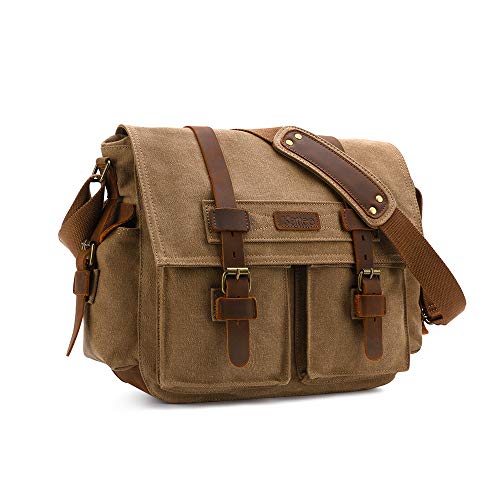
Moments on the street rarely wait around. A glance between strangers, sunlight bouncing off a storefront window, or a split-second expression can disappear before a zipper is halfway open. That reality makes the best messenger bag for street photography less about storage numbers and more about access, comfort, and blending into everyday surroundings. Kattee Leather Canvas Camera Bags for Men Vintage DSLR SLR Messenger Shoulder Bags Khaki takes a refreshingly practical approach by combining a classic appearance with features designed around carrying camera gear without turning every outing into a logistics exercise.
Kattee Leather Canvas Camera Bag
Genuine leather accents paired with durable canvas construction give this bag a noticeably different personality from many modern camera bags. Instead of looking like dedicated camera equipment, it resembles a casual messenger bag that happens to carry photography gear. Street photographers often appreciate that subtle appearance because it attracts less attention while moving through crowded urban areas.
The canvas material also contributes to a softer, less rigid feel. Some heavily padded camera bags create a bulky silhouette that feels awkward in cafés, public transportation, or busy sidewalks. Kattee's design leans toward everyday practicality, creating a balance between camera protection and daily usability.
Visual appeal isn't everything, though. The leather trim adds character while reinforcing key stress points. Over time, materials like these tend to develop a worn-in appearance that many photographers actually prefer rather than trying to keep the bag looking factory fresh forever.
That vintage styling works especially well for photographers who enjoy documenting city life, architecture, markets, or travel scenes. The bag fits naturally into those environments instead of standing out as specialized equipment.
Storage Layout Built Around Real Carry Habits
The internal dimensions of approximately 30 x 10.5 x 21 cm create enough room for a DSLR setup without encouraging unnecessary overpacking. That's an underrated benefit. Bigger bags often invite extra lenses, accessories, and gadgets that eventually become shoulder fatigue after a few hours of walking.
Self-adhering padded dividers allow the interior to adapt to different camera configurations. A photographer carrying a DSLR body and standard zoom lens can organize the space differently than someone carrying a mirrorless camera with multiple compact primes. Flexibility matters because camera kits evolve over time.
The soft interior liner deserves attention as well. Cameras spend plenty of time bouncing lightly against bag walls during normal movement. A gentle lining helps reduce unnecessary contact while protecting camera finishes, screens, and lenses from minor abrasion.
Photographers who switch between personal and professional use may appreciate how the layout avoids feeling overly compartmentalized. The storage system remains organized without forcing every item into a tiny dedicated slot.
Comfort During Long Walks
Street photography often involves far more walking than people expect. A productive session can easily stretch across several neighborhoods, public parks, transit stations, and side streets. During those hours, weight distribution becomes more important than flashy specifications.
The messenger-style format keeps gear accessible while allowing quick rotation from the hip toward the front. That movement feels more natural than repeatedly removing a backpack whenever a photo opportunity appears. Small efficiencies like that can make an outing feel smoother from beginning to end.
The bag's dimensions help prevent excessive bulk against the body. Some oversized camera messengers swing around awkwardly while crossing streets or climbing stairs. Kattee keeps a more controlled profile that works better in crowded environments.
There is a tradeoff worth mentioning. Anyone carrying multiple large telephoto lenses, large flashes, or extensive professional equipment may eventually reach the limits of this design. The bag favors mobility and everyday practicality over maximum gear capacity.
Useful Extra Storage Beyond Camera Gear
Photography rarely happens in isolation from everyday life. Water bottles, sunglasses, headphones, notebooks, keys, and umbrellas often end up traveling alongside camera equipment. A bag that ignores those realities usually creates frustration sooner rather than later.
Additional accessory pockets provide dedicated storage for memory cards, business cards, CDs, and other small essentials. Keeping these items separated from larger gear reduces clutter and minimizes the familiar scavenger hunt that happens when everything gets tossed into one compartment.
The spacious overall design accommodates more than camera equipment alone. That versatility becomes valuable during travel days, city exploration, or mixed-purpose outings where photography shares space with work or personal activities.
Interestingly, a related carry solution appears in discussions about mobile work setups, and a useful reference can be found in best briefcase for charging macbook. The comparison highlights how different bags prioritize organization depending on whether electronics, cameras, or daily essentials take center stage.
Street Photography Advantages
Fast access remains one of this bag's strongest qualities. Messenger bags naturally position gear closer to the photographer's hands than many alternative carrying systems. That convenience matters whenever an unexpected moment appears and disappears within seconds.
The understated appearance supports another important street photography principle. Blending into the environment often produces more authentic images. Bright logos, tactical styling, and oversized camera branding can sometimes change how people react in public spaces.
Kattee's vintage aesthetic helps the bag feel like part of everyday life rather than specialized equipment. That subtle distinction can make carrying a camera feel less intrusive in social environments.
The combination of leather and canvas also avoids the overly technical appearance common among many dedicated camera bags. Some photographers appreciate equipment that feels connected to daily routines rather than separate from them.
Tradeoffs Worth Considering
No bag solves every carrying challenge. Photographers who frequently work in heavy rain may want additional weather protection since the product description emphasizes canvas and leather construction rather than waterproof materials. Environmental conditions should always influence gear decisions.
The messenger format prioritizes accessibility over absolute load distribution. Carrying heavy equipment for extended periods may place more weight on one shoulder compared to a backpack setup. That difference becomes more noticeable as gear volume increases.
Medium-sized camera kits fit comfortably within the available space, but photographers carrying multiple large lenses may eventually need a larger system. Capacity limits aren't necessarily weaknesses. Sometimes they encourage a more focused shooting approach.
Those limitations feel reasonable given the bag's intended balance of camera protection, daily functionality, and vintage styling. Rather than trying to accommodate every possible scenario, it concentrates on practical portability and accessible organization.
Best Messenger Bag For Street Photography
Fast-moving city scenes have a habit of exposing weak gear decisions. A bulky backpack can slow access to the camera, while an undersized shoulder bag often turns lens changes into a juggling act. For anyone searching for the best messenger bag for street photography, the K&F Concept 2 in 1 Sling Bag brings together flexibility, weather resistance, and practical storage in a compact package that feels designed around movement rather than stationary shooting.
K&F Concept 2 In 1 Sling Bag
Compact dimensions are the first thing that stand out. Measuring 13 × 8.6 × 5.9 inches externally, the bag stays relatively streamlined against the body while still creating enough room for essential camera gear. That balance matters on crowded sidewalks where oversized camera bags can become awkward and intrusive.
The black and green color combination gives the bag a contemporary look without screaming "camera equipment." Street photography often benefits from blending into everyday environments, and this design feels closer to an everyday carry bag than a dedicated photography case.
Weight also deserves attention. At approximately 1.32 pounds, the bag avoids adding unnecessary burden before equipment is even loaded inside. Long walks through urban areas become noticeably more comfortable when the bag itself isn't contributing excessive weight.
The adjustable shoulder strap extends from 34.25 inches to 55.1 inches, allowing multiple carrying positions. Some prefer the bag worn high and secure across the chest, while others like it resting lower on the hip for quick camera access. The flexibility accommodates both approaches.
Designed Around Everyday Shooting Needs
The interior layout focuses on practicality rather than overwhelming complexity. A camera body and up to two lenses can fit within the available space, creating a setup that aligns nicely with how many street photographers actually work. Carrying fewer pieces of gear often encourages faster decision-making and lighter movement.
FlexFold dividers allow the internal space to adapt as needs change. One day may involve a mirrorless camera and prime lens combination, while another outing could require a wider lens selection. The divider system supports those changes without forcing a rigid arrangement.
Removing the dividers opens another possibility. According to the product specifications, the bag can accommodate a drone once the internal partitions are taken out. That versatility makes the design feel less specialized and more useful across different creative projects.
Storage efficiency becomes especially noticeable during travel. Instead of carrying multiple dedicated bags, the adjustable interior creates opportunities to reconfigure the same bag depending on the day's priorities.
Protection Without Excessive Bulk
10mm high-density EPE shock-proof cotton forms the foundation of the protective system. Camera gear naturally experiences bumps while walking, boarding transportation, or navigating crowded spaces. The additional cushioning helps shield equipment from those routine impacts.
Many protective camera bags rely on thick, box-like structures that sacrifice comfort. K&F takes a different direction by maintaining a softer overall profile. The result feels more natural against the body and avoids the rigid sensation common among heavily armored camera bags.
The softer construction improves mobility during active shooting sessions. Twisting, crouching, or quickly repositioning for a photograph feels less restricted because the bag moves more naturally with the wearer.
Protection remains present, but it doesn't dominate the design. That distinction makes the bag easier to incorporate into everyday routines rather than reserving it exclusively for photography outings.
Weather Resistance And Material Quality
Recycled nylon canvas paired with a double PU-coated exterior creates a thoughtful balance between durability and comfort. Street photography doesn't always happen under ideal weather conditions, so basic resistance to moisture becomes a meaningful advantage.
Abrasion-resistant thread contributes to long-term durability in areas that experience regular friction. Shoulder bags repeatedly rub against clothing, walls, vehicle seats, and countless other surfaces during daily use. Reinforced construction helps reduce wear from those repeated interactions.
The material feels intentionally softer than hard-shell alternatives. Some photographers appreciate rigid protection, but others prefer a bag that conforms more naturally to the body. K&F clearly leans toward the second philosophy.
That softer structure also reduces the visual footprint of the bag. Instead of appearing like a hard equipment case, it blends more comfortably into casual urban settings.
Useful Carrying Flexibility
Multi-function carrying options represent one of the strongest aspects of this design. The same bag can function as a sling bag, shoulder bag, messenger bag, crossbody bag, or handheld carry. That adaptability allows different carry methods depending on the environment.
Walking through a busy market may favor a snug crossbody configuration, while a casual afternoon shoot could feel more comfortable with a traditional shoulder carry. Having those options extends the usefulness of the bag beyond a single purpose.
Bottom carry straps add another layer of practicality. Small tripods with a maximum diameter of 2.99 inches can attach underneath the bag, keeping internal storage free for camera equipment. Tripod transport often becomes an afterthought in compact bags, so this inclusion feels particularly useful.
A related storage discussion occasionally appears among parents organizing daily essentials, and an interesting reference can be found in best tote bag for daycare, where compartment management plays a similarly important role despite serving a completely different purpose.
Storage Organization And Practical Tradeoffs
Multiple storage pockets help separate frequently used items from camera equipment. Front and rear zipper compartments, internal zipper pockets, side pockets, and open pockets create numerous organizational possibilities without making the layout confusing.
Memory cards, batteries, cables, wallets, keys, and personal accessories can remain separated from primary camera gear. That organization reduces the time spent digging through the main compartment whenever a small item is needed.
The compact dimensions naturally create limits. Photographers carrying several large telephoto lenses, professional flashes, or extensive accessory kits may eventually outgrow the available capacity. The design favors mobility rather than maximum equipment storage.
Those tradeoffs feel intentional rather than restrictive. The bag targets a practical middle ground where comfort, accessibility, protection, and versatility coexist without turning into an oversized equipment hauler. For street photography, that balance often matters more than sheer carrying volume.
MegaGear Leather Camera Messenger
A camera bag can look polished on a desk and still feel fussy the second a street scene starts moving. Leather adds charm, sure, but the real question is whether the bag keeps gear reachable, protected, and comfortable without turning every quick shot into a small chore. For the best messenger bag for street photography, MegaGear Genuine Leather Camera Messenger Bag leans into a classic crossbody shape with Italian leather craftsmanship, a removable insert, and shock-resistant padding for a carry style that feels more refined than rugged.
MegaGear Leather Camera Messenger
The first impression is all about the leather. MegaGear uses premium Italian leather, and that choice gives the bag a richer, more dressed-up feel than nylon or canvas camera bags. It doesn't look like a technical equipment pouch, which can be a real advantage while working through cafés, galleries, old streets, or travel spots where subtle gear feels less awkward.
That polished look comes with a practical upside. A vintage-style messenger bag blends into everyday clothing better than a boxy camera case with oversized branding. For street photography, low-profile carry can help the camera feel like part of the day rather than a big production.
The leather finish also gives the bag a more personal character over time. Scratches and creases may show, so anyone expecting a spotless surface forever might get annoyed. Still, that lived-in look often suits street work nicely because natural wear can make the bag feel less precious and more ready for daily use.
The brown color adds warmth without feeling loud. It pairs easily with casual outfits, travel clothing, or office wear, which matters when one bag needs to move between daily errands and photo walks. That flexibility is part of the appeal.
Camera Storage That Stays Sensible
The removable insert is the quiet workhorse here. MegaGear designed this bag for DSLR, mirrorless, and instant cameras, with room for a camera body plus 1 to 2 lenses or accessories. That setup makes sense for street photography because carrying too much gear often leads to slower decisions and tired shoulders.
The insert gives the bag structure when camera gear is inside. It separates equipment from notebooks, cards, and small electronics, so lenses don't end up rubbing against everyday items. That matters more than it sounds, especially after a long day of opening and closing the bag in busy places.
Removing the insert changes the personality of the bag. It can shift from camera carry to regular messenger use, which makes it more useful on days when the camera stays home. That multifunctional design keeps the bag from feeling like a single-purpose purchase.
The front and side pockets help with small-item control. Memory cards, spare batteries, pens, a slim notebook, or a compact device can stay outside the main camera area. Less digging means fewer missed moments, plain and simple.
Protection Without A Hard Case Feel
MegaGear includes heavy-duty shock-resistant lining to help protect gear from normal bumps, drops, and accidental knocks. Street shooting isn't gentle on bags. Door frames, bus seats, café chairs, and crowded sidewalks all have a way of testing camera carry without warning.
The padded interior adds reassurance without making the whole bag look like a padded equipment cube. That's a nice middle ground. The bag still carries like a stylish messenger, yet the camera area gets protection that a plain leather satchel wouldn't provide.
That said, the protection shouldn't be misunderstood. This isn't a hard-shell case, and it isn't described as waterproof or built for rough outdoor abuse. Realistic protection is the right phrase here, meaning it helps with daily bumps rather than extreme conditions.
Leather also needs more care than synthetic fabric. Rain, dust, and careless storage can affect the finish over time. For city walks and occasional travel, though, the material choice feels more intentional than fragile.
Comfort For Wandering With A Camera
The removable and adjustable shoulder strap measures up to 53.1 inches, giving enough range for crossbody wear. That matters because crossbody carry keeps the bag closer to the torso and helps reduce swinging while walking. A stable bag makes quick stops feel smoother.
Street photography often means drifting without a strict route. One block turns into five, then a short outing becomes an afternoon. During that kind of use, crossbody comfort can matter as much as camera access.
The messenger style also keeps gear reachable from the side. Instead of taking off a backpack, the bag can be shifted forward for access to the main compartment. That small difference can keep the shooting rhythm alive when a scene appears suddenly.
The tradeoff is shoulder load. A leather messenger carrying a camera and lenses can feel heavier on one side after hours of use. Anyone packing larger lenses or extra electronics may want to keep the kit lean rather than stuffing every pocket just because space is available.
Style That Fits Street And Travel Use
The design feels grown-up without being stiff. MegaGear offers colors such as black, brown, blue, olive, maroon, and mink, so the bag isn't locked into one visual mood. The brown version has that classic camera-bag charm that pairs especially well with travel photography and casual street work.
A stylish bag can change how gear feels in public. Some camera bags make every outing look like an assignment, while this one feels closer to a normal daily accessory. That can be helpful in places where a low-key presence makes photography feel more natural.
There is a related carry discussion for people who prefer hybrid office and travel layouts, and a neutral reference sits naturally in best briefcase backpack for men because organization and all-day carry comfort matter outside photography too. The connection isn't about replacing a camera bag, but about understanding how different carry formats solve different daily problems.
The style-first design won't satisfy everyone. Minimalists may love it, but photographers who want rows of technical compartments, tripod straps, and weather-sealed zippers may feel boxed in. MegaGear is better suited to cleaner kits and calmer carry habits.
Strengths, Limits, And Everyday Fit
The main strength is the way MegaGear combines leather style with actual camera-focused structure. Plenty of leather messenger bags look good but offer poor equipment protection. This one adds a removable insert and shock-resistant lining, which makes it more believable as a photography bag.
The capacity feels appropriate for a practical street setup. A camera body, 1 to 2 lenses, small accessories, and a few daily items should be enough for many walks. That restraint can actually sharpen the shooting experience because lighter carry usually means more movement and less fuss.
The biggest limitation is weather confidence. Since the provided details highlight leather craftsmanship and shockproof lining rather than waterproof sealing, wet conditions call for caution. A small rain cover or careful handling would be wise during unpredictable travel days.
Another limitation is load balance. Crossbody messenger bags are easy to access, but they don't spread weight like a backpack. For quick sessions, city wandering, and occasional impulsive shoots, though, the MegaGear Leather Camera Messenger feels like a stylish, grounded choice that understands the value of carrying less and moving better.
CADeN Waterproof Camera Messenger
Rain clouds, packed sidewalks, and a laptop riding beside camera gear can turn a simple photo walk into a gear-management headache. This CADeN bag answers that mess with large-capacity storage, waterproof nylon, and a layout that feels built for people who carry more than just a camera body. For the best messenger bag for street photography, it leans toward protection and utility rather than vintage charm, which can be a smart tradeoff for long city days.
CADeN Camera Messenger Bag
The CADeN Camera Messenger Bag has a more serious working-bag attitude than a small casual sling. Its 14.5 x 6.3 x 11 inch size gives it room for 1 camera, 3 lenses, a tripod, a 14 inch laptop, a kettle, and accessories, based on the provided product details. That’s a lot of carry space, so it suits longer outings where leaving half the kit at home feels risky.
The design doesn’t try to disappear like a fashion messenger. It looks practical, black, and gear-focused, which may appeal more to people who care about function than old-school leather style. The upside is obvious: more equipment fits inside without forcing awkward stacking.
Street photography can be light and spontaneous, but some days aren’t that simple. A laptop, extra lens, water bottle, memory cards, and tripod can quickly overwhelm a smaller bag. CADeN gives those items a clearer place to go.
Room For A Real Working Kit
Large capacity is the main reason this bag stands out. A setup with one camera and three lenses gives more flexibility for wide streets, portraits, architecture, and compressed details. That extra space can feel reassuring when the day includes both photography and regular errands.
The laptop compartment adds another layer of usefulness. A 14 inch laptop slot makes the bag more practical for editing, travel, school, or office stops between shoots. Not every street session needs a laptop, but having the option can save carrying a second bag.
The tripod holder also matters. Many messenger bags ignore tripod storage, leaving it to swing awkwardly in one hand. This CADeN design gives a dedicated place for it, which helps keep both hands freer while walking.
The tradeoff is bulk. A bag that holds this much gear won’t feel as invisible as a compact crossbody. For short casual walks, smaller camera bags may feel easier and less noticeable.
Quick Access For Moving Streets
The top quick-access feature is one of the most street-friendly parts of this bag. Pulling a camera out from the top can be faster than opening the whole main compartment. That matters when a clean frame appears and disappears before there’s time to fuss with straps.
Fast camera access also helps reduce disruption. Instead of setting the bag down, opening a full flap, and rearranging equipment, the shooting flow stays more natural. Small details like that shape the whole experience after an hour outside.
The removable dividers bring order to the main compartment. CADeN lists 18mm thickness and 7-layer padding, which suggests a more protective interior structure than thin casual inserts. Gear separation becomes especially helpful when carrying multiple lenses.
Still, more dividers can mean more setup time. The bag may need a little adjustment before it feels dialed in. Once arranged properly, though, the interior should make gear easier to reach without constant reshuffling.
Weather Protection And Daily Durability
Wet pavement and sudden drizzle are part of real city shooting. CADeN uses waterproof nylon and includes a free rain cover, which gives the bag a stronger weather story than many canvas or leather options. That doesn’t mean careless soaking is wise, but it does add confidence during unpredictable weather.
The water-resistant rubber bottom is another practical touch. Bags often end up on café floors, benches, sidewalks, and damp ground while lenses are changed or batteries are swapped. A rubberized base helps keep the camera case cleaner and adds protection where contact happens most.
Scratch-resistant and lightweight materials also fit the daily-use angle. A street bag gets rubbed against walls, train seats, table corners, and crowded doorways. Tougher exterior fabric helps it handle that routine abuse better.
The reinforced shoulder strap connection is worth noting too. CADeN describes crossing reinforcement technology with load-bearing up to 50kg. That specification should not be treated as a reason to overload the bag, but it does suggest attention to stress points.
Comfort During Longer Carry
The adjustable and lengthening shoulder straps use high elasticity material, according to the details provided. That matters because a fully loaded camera messenger can become tiring fast. Softer strap construction can reduce pressure during longer walks.
The breathable mesh fabric back mat also feels practical. Camera bags pressed against the body can get warm, especially in crowded streets or humid weather. Breathable padding helps make long carry sessions less sticky and uncomfortable.
Weight balance still depends on how the bag is packed. A camera, three lenses, laptop, tripod, and water bottle can create serious shoulder load. The smartest use is thoughtful packing, not filling every space just because it exists.
This is where CADeN feels more like a workhorse than a casual stroll bag. It rewards organized packing and planned shooting days. For a quick one-camera walk, it may be more bag than necessary.
Pockets, Protection, And Small Hassles
The bag’s accessory space helps tame the small stuff. Memory cards, batteries, filters, cables, and everyday items can quickly turn into pocket chaos without dedicated storage. Multiple compartments make the bag more useful for mixed photography and daily carry.
The 7-layer padded divider system gives the camera area a more protected feel. Street photography may look relaxed, but the gear takes little knocks all day. Padding helps reduce worry when the bag brushes a doorway or bumps against a seat.
A separate size-focused reference appears in loungefly mini backpacks, which is useful as a neutral reminder that bag dimensions can change how carry comfort feels in everyday movement. That connection sits outside camera gear, but the size lesson still applies.
The main weakness is simplicity. Photographers who prefer a slim, quiet, barely-there messenger may find this CADeN too equipment-focused. But for carrying a fuller kit through unpredictable streets, capacity, weather protection, and organization give it a clear reason to exist.
Cwatcun Compact Camera Messenger
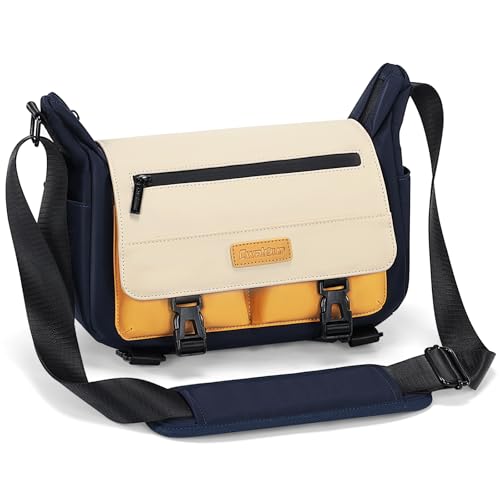
A quick photo walk can turn messy fast when the bag is too small for real gear but too bulky for easy movement. Cables tangle, lenses bump around, and a water bottle somehow ends up exactly where the spare battery should be. The Cwatcun Compact Camera Messenger aims for a more balanced setup, giving the best messenger bag for street photography crowd a waterproof compact design, adjustable dividers, and enough room for a DSLR body with multiple lenses without drifting into oversized travel-bag territory.
Cwatcun Camera Messenger Bag
The Cwatcun bag starts with a size that feels practical for street shooting rather than studio hauling. Its external dimensions are 12.9 x 6.29 x 8.26 inches, while the internal space measures 11.8 x 5.11 x 6.69 inches. That gives it enough structure for a serious camera setup, but it still keeps a compact footprint for sidewalks, trains, weekend markets, and crowded corners.
The provided details say it fits 1 DSLR body and 3 lenses, along with a tripod, water bottle, cables, and other accessories. That capacity makes sense for a flexible day kit. A body, a wide lens, a standard lens, and a tighter lens can cover a lot of street situations without making the bag feel like a rolling equipment case.
The adjustable dividers are a big part of the appeal. Gear rarely stays the same from one outing to the next, so customizable padded storage keeps the interior from feeling locked into one awkward layout. One day the setup may favor lenses, and the next day it may need more space for vlogging accessories or travel basics.
The shape feels less fussy than bags with too many rigid chambers. That’s helpful because street photography already demands fast decisions. A bag should organize the kit, not create another puzzle every time the camera goes back inside.
Protection For Rougher Daily Movement
Street bags take little hits all day. They brush against walls, tap chair legs, slide under café tables, and bump against the body while crossing busy streets. Cwatcun addresses that reality with a durable waterproof exterior and a soft padded interior designed to shield gear from bumps, scratches, and light rain.
The waterproof claim is useful for everyday uncertainty. Light rain, damp benches, and sudden weather shifts can make a regular fabric bag feel risky. This one gives a bit more confidence, though it still makes sense to avoid treating it like a waterproof hard case.
The padded interior matters just as much as the outer shell. Lenses and camera bodies don’t need dramatic accidents to pick up scuffs. Routine movement can cause small damage over time, so soft internal protection helps reduce that everyday wear.
The anti-scratch fabric adds another practical layer. A camera bag used for travel or street work won’t stay untouched for long. Reinforced materials help the bag handle the kind of casual abuse that happens without anyone noticing.
Storage That Keeps Small Gear From Vanishing
Small accessories are usually the first things to disappear inside a camera bag. SD cards, batteries, lens caps, cables, and filters can sink to the bottom if the storage layout is too loose. Cwatcun’s multiple-pocket organization helps keep those pieces separated from the main camera compartment.
The removable dividers also make the storage feel more adaptable. A weekend photographer may want a camera and lenses one day, then a lighter setup with extra personal items the next. That flexibility keeps the bag from feeling useful only during planned shoots.
The quick-access design fits the rhythm of street photography. A sudden reflection, a quiet expression, or a clean patch of light won’t wait while someone digs through layers of gear. Fast access can be the difference between catching a frame and watching it vanish.
The bag also leaves room for practical extras like a water bottle and cables. That sounds simple, but it matters after a few hours outdoors. A camera kit that ignores basic daily items often creates more hassle than expected.
Comfort For Walking, Wandering, And Waiting
Cwatcun gives this bag several carry modes, including crossbody and shoulder carry. That matters because comfort changes throughout the day. A bag that feels fine at the start can become annoying once the route stretches longer than planned.
The breathable adjustable strap is meant to mold more naturally to the body. That’s useful for walking with a loaded kit, especially when the bag includes a DSLR, several lenses, and small accessories. A stiff strap can dig in quickly, so softer contact makes a real difference.
The luggage attachment adds value for travel days. Rolling luggage and shoulder bags can fight each other in airports or hotels, so attaching the camera bag to luggage keeps the setup neater. That feature won’t matter on every photo walk, but it helps when street photography overlaps with weekend travel.
The comfort story still has limits. A compact messenger carrying a DSLR, 3 lenses, tripod, water bottle, and cables can get heavy on one side. Packing with restraint is the smart move here, because balanced carry beats filling every available inch.
Street Photography Strengths And Real Tradeoffs
The strongest part of this bag is how it blends compact size with serious capacity. Many small camera bags force uncomfortable compromises, while this one keeps space for a DSLR body, multiple lenses, and daily essentials. For the best messenger bag for street photography, that mix feels genuinely useful.
The waterproof exterior and padded interior also suit unpredictable city shooting. Gear needs protection from light rain and bumps, but the bag still has to stay easy to carry. Cwatcun seems to lean toward practical protection rather than heavy, boxy armor.
A neutral style reference appears naturally in what is a hobo bag, since soft-sided carry shapes can change how a bag feels against the body during daily movement. That topic sits outside camera gear, but the carry-shape idea still connects to comfort and flexibility.
The main tradeoff is that this bag may be more functional than refined. Anyone wanting rich leather, vintage styling, or a dressier everyday look may prefer something less technical. Cwatcun is better for people who care about organized gear access, weather-minded materials, and enough space to handle a real shooting day.
Best Use Cases And Practical Limits
The Cwatcun Compact Camera Messenger fits best into walking-heavy photo routines. Street sessions, weekend travel, casual vlogging, and mixed daily carry all match its design pretty well. The compact all-in-one layout helps avoid carrying a separate accessory pouch for every small item.
Photographers who keep their kit focused will get the most from it. A DSLR with 2 or 3 lenses, batteries, SD cards, cables, and a water bottle makes sense. Trying to force in oversized lenses or too many extras could make the bag feel cramped and shoulder-heavy.
The tripod and water bottle capacity are useful, but they also affect comfort. Extra items add up quickly, especially during hot days or long city routes. A thoughtful loadout will make the bag feel much better than a just-in-case packing style.
The satisfaction support note adds reassurance, though it shouldn’t replace careful use. Smooth zippers, reinforced stitching, and anti-scratch fabric are all helpful details, but rough handling still wears any bag down over time. As a street-focused camera messenger, Cwatcun’s strength sits in its compact storage, weather-conscious build, and easy-access organization.

8 Best Mens Messenger Bag of 2026 For Daily Commutes

8 Best Laptop Messenger Bag For Tech of 2026 With Impact Protection and Cord Storage

9 Best Leather Messenger Bag For Macbook Pro of 2026 With Padded Drop Protection

8 Best Leather Laptop Messenger Bag of 2026 For Daily Commutes
10 Best Leather Messenger Bag For Men of 2026 Built To Endure Daily Commutes
9 Best Leather Messenger Bag Men of 2026 For Daily Commutes
9 Best Messenger Bag For Dslr of 2026 With Quick Access

9 Best Messenger Bag For Ipad Pro of 2026 For Keyboard Cases