
8 Best Outer Material For Hard Sided Luggage of 2026 To Prevent Cracking

Rigid plastic looks remarkably sturdy on a showroom floor, but sheer stiffness is actually the quickest route to a shattered suitcase. Rough baggage ramps and crowded conveyors deliver sharp impacts that basic ABS plastic simply cannot absorb, resulting in a brittle outer shell that cracks under pressure. That sudden failure leaves personal belongings spilling across the terminal, turning a smooth travel day into an expensive scramble for an emergency replacement. Deep scrapes only compound the frustration when glossy finishes scuff against conveyor metal and look ruined after one flight.
Traveling with real peace of mind requires a suitcase engineered to yield under blunt force rather than snap. Opting for impact-absorbing polycarbonate gives the exterior enough natural flex to absorb heavy blows and rebound immediately to its original shape, all while staying light enough to lift into overhead compartments with ease. Combining that resilient material with a micro-textured finish camouflages everyday abrasions, while aluminum corner caps protect high-stress edges from direct trauma. Matching the right shell build to your travel routine ensures your hardside case absorbs rough handling without ever splitting open.

- TLR Rank8.2
TLR Rank is a ranking system developed by TravelLuggageReviews.com. TLR Rank has no relationship or impact from any manufacturers or sales agent websites. Learn more
- BrandAnyZip

- TLR Rank7.9
TLR Rank is a ranking system developed by TravelLuggageReviews.com. TLR Rank has no relationship or impact from any manufacturers or sales agent websites. Learn more
- BrandHanke

- TLR Rank7.8
TLR Rank is a ranking system developed by TravelLuggageReviews.com. TLR Rank has no relationship or impact from any manufacturers or sales agent websites. Learn more
- BrandAnyZip
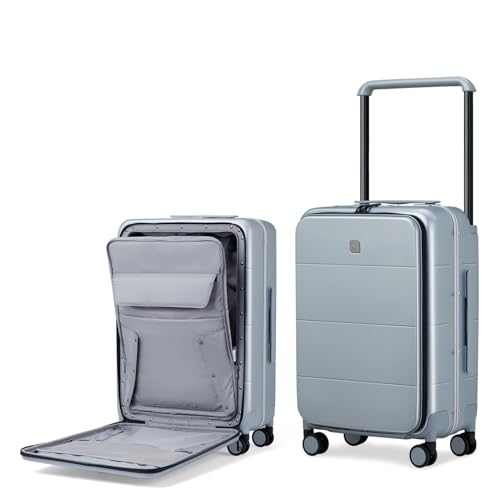
- TLR Rank7.5
TLR Rank is a ranking system developed by TravelLuggageReviews.com. TLR Rank has no relationship or impact from any manufacturers or sales agent websites. Learn more
- BrandHanke

- TLR Rank7.4
TLR Rank is a ranking system developed by TravelLuggageReviews.com. TLR Rank has no relationship or impact from any manufacturers or sales agent websites. Learn more
- BrandAnyZip

- TLR Rank7.4
TLR Rank is a ranking system developed by TravelLuggageReviews.com. TLR Rank has no relationship or impact from any manufacturers or sales agent websites. Learn more
- BrandHanke

- TLR Rank7.4
TLR Rank is a ranking system developed by TravelLuggageReviews.com. TLR Rank has no relationship or impact from any manufacturers or sales agent websites. Learn more
- BrandKORVYAL

- TLR Rank7.1
TLR Rank is a ranking system developed by TravelLuggageReviews.com. TLR Rank has no relationship or impact from any manufacturers or sales agent websites. Learn more
- BrandAnyZip
Last update on 2026-11-12 / Affiliate links / Images, Product Titles, and Product Highlights from Amazon Product Advertising API
Does pure polycarbonate hold up better against cracking than standard ABS plastic?
Yes, pure polycarbonate is significantly more resilient because it flexes and rebounds under airport pressure, whereas rigid ABS is more prone to cracking under blunt force. Polycarbonate absorbs the energy of impacts on baggage carousels and handling ramps rather than snapping under stress. ABS composite options offer a rigid, lightweight structure, but pure PC remains the standard for travelers who prioritize crack resistance above all else. Checking the exterior shell composition ensures your bag survives transit without brittle fractures.
How does a PC and ABS composite shell perform during transit?
A PC and ABS blend balances the impact resistance of polycarbonate with the lightweight stiffness of ABS. Suitcases built from PC and ABS composite materials withstand transit bumps while keeping overall weight manageable, such as a 20-inch carry-on weighing 7.24 pounds or a 24-inch checked bag weighing 8.73 pounds. This hybrid construction reduces the brittleness of pure ABS without adding the excess heft of heavier metal builds. When looking for suitcases built for rough handling, confirming a PC and ABS blend provides solid everyday defense against impacts.
Do aluminum frames and corner guards prevent suitcase shells from cracking?
Yes, adding an aluminum outer frame and four metal corner protectors reinforces the primary stress points on a suitcase. In zipperless designs made of PC and ABS material, the metal framing absorbs sudden drop forces that would otherwise split molded seams or crack fragile edges. This structure creates a rigid seal while letting the main composite panels flex naturally under heavy pressure. Always verify the manufacturer specifications to ensure corner guards are actual metal protectors rather than decorative plastic caps.
Does choosing a durable hard shell make a carry-on too heavy to lift overhead?
Not necessarily, because lightweight composite builds keep carry-on luggage easy to lift into airplane bins. For example, a 20-inch PC and ABS carry-on with an aluminum frame can weigh 7.24 pounds with a 38-liter volume, while an expandable 20-inch model can weigh 7.5 pounds with 40.2 liters of packing room. Dimensions around 15 by 9.1 by 21.3 inches or 13.5 by 9.4 by 21.5 inches fit standard spaces without eating heavily into airline weight allowances. If your goal is finding carry-ons sized to fit overhead bins, checking both shell material and empty weight before you buy avoids awkward struggles at the gate.
Can expandable hard shell luggage maintain its structural durability?
Yes, expandable hard shells maintain structural protection, though the expansion fabric creates a different stress profile than a solid zipperless shell. A 20-inch expandable suitcase can expand from 40.2 liters to 47 liters of capacity, and a 29-inch model can increase from 111.8 liters to 126 liters, giving you flexibility for extra belongings. The primary hard panels continue shielding your items from crushing impacts on baggage belts. To maintain protection, ensure the main body utilizes tough PC or ABS composite, and confirm that high-wear parts like the wheels feature durable TPE wheel skins.
How do you verify what outer material a suitcase actually uses before purchasing?
Check the product specifications label closely to confirm whether the shell is listed as 100 percent polycarbonate, ABS composite, or a PC and ABS blend. Retail descriptions often call any rigid suitcase a hard shell, masking cheaper, brittle plastics under general labels. Look for explicit mentions of PC, polycarbonate, or PC and ABS composite within the detailed materials breakdown. If a product description simply lists hard plastic without naming the polymer, check user manuals or contact the manufacturer to verify before buying.


Best Affordable Carry On Luggage 2026 - 11 Most Loving

The 12 Best Carry On Luggage For Bad Back 2026 - Top Choices

Best Lightest carry on luggage with wheels in 2026

Top Airport Traveling Suitcases: Our 11 Best Picks

The Best Delsey Paris Luggage Set 2026

Top 10 Delsey Softside Luggage Picks for Stress-Free Travel

11 Best Guest Room Luggage Rack of 2026 To Protect Clean Bedding

11 Best Grom Luggage Rack of 2026 For Direct Bolt-On Fit










