Best size backpack for airline restrictions 2026 Sweet spot

Best size backpack for airline restrictions sounds simple until a “looks fine” bag suddenly turns into a sizer fight at the gate. A smart target is a backpack that behaves like a carry-on even when it is stuffed, because airlines judge the whole shape, not the marketing label. A common ceiling across many carriers is around 22 x 14 x 9 inches, yet the sneaky part is how pockets, curved backs, and puffy padding can push real dimensions over the line. A bag that is technically the right size but bulges like a bread loaf can still get flagged. A little breathing room is the difference between a smooth walk-on and a last-minute shuffle.
Depth is usually the deal-breaker, so the “right” size is often the shallowest bag that still holds what matters. A streamlined profile with compression straps keeps the silhouette tight, while a soft-sided build can squeeze into a sizer without a wrestling match. Meanwhile, stiff frames, thick exterior pockets, and chunky bottle holsters add width in all the wrong places. A clean front panel is not just prettier, it is less likely to snag the measuring box. If the bag has an expandable gusset, it is basically a temptation button, and temptation loves chaos.
Capacity numbers can be a head fake, because 35 liters in one design can sit taller and fatter than 40 liters in another. A better approach is to prioritize carry-on dimensions first, then choose a volume that fits inside those borders without relying on “just don’t overpack” willpower. A clamshell opening helps pack flat, which keeps the back from ballooning. A removable hip belt is also a quiet win, since dangling straps can look messy and get snagged at the worst time. Small details, big relief, go figure.
Under-seat realities change the game, because “personal item” sizing is often tighter than overhead carry-on sizing. A bag that is perfect for the bin can still feel too tall when it has to slide under the seat in front. A slightly shorter torso length, less rigid structure, and a softer top can make it slide in with a gentle shove instead of a loud, awkward jam. Weight distribution matters too, because a long airport walk with a poorly balanced pack feels like carrying a stubborn toddler. Comfort is not a luxury when boarding turns into a sprint.
Practical packing habits keep the bag inside the rules without turning every trip into a math problem. Heavy items close to the back reduce bulge, and rolling clothes along the edges keeps the center from puffing outward. A flat tech sleeve is cleaner than stacking gadgets in a front pocket that turns the bag into a box. Leaving a little space is not “wasted,” it is insurance against surprise souvenirs and overzealous gate checks. In the end, the best size backpack for airline restrictions is the one that stays sleek when it is full, because that is when airlines actually notice it

- TLR Rank9.4
TLR Rank is a ranking system developed by TravelLuggageReviews.com. TLR Rank has no relationship or impact from any manufacturers or sales agent websites. Learn more
- BrandECOHUB

- TLR Rank9.4
TLR Rank is a ranking system developed by TravelLuggageReviews.com. TLR Rank has no relationship or impact from any manufacturers or sales agent websites. Learn more
- BrandTaygeer

- TLR Rank9.4
TLR Rank is a ranking system developed by TravelLuggageReviews.com. TLR Rank has no relationship or impact from any manufacturers or sales agent websites. Learn more
- BrandSirmaeed

- TLR Rank9.4
TLR Rank is a ranking system developed by TravelLuggageReviews.com. TLR Rank has no relationship or impact from any manufacturers or sales agent websites. Learn more
- BrandLOVEVOOK

- TLR Rank9.2
TLR Rank is a ranking system developed by TravelLuggageReviews.com. TLR Rank has no relationship or impact from any manufacturers or sales agent websites. Learn more
- BrandHOTOR

- TLR Rank9.2
TLR Rank is a ranking system developed by TravelLuggageReviews.com. TLR Rank has no relationship or impact from any manufacturers or sales agent websites. Learn more
- BrandWANDF
- TLR Rank9.2
TLR Rank is a ranking system developed by TravelLuggageReviews.com. TLR Rank has no relationship or impact from any manufacturers or sales agent websites. Learn more
- BrandMATEIN
- TLR Rank9.2
TLR Rank is a ranking system developed by TravelLuggageReviews.com. TLR Rank has no relationship or impact from any manufacturers or sales agent websites. Learn more
- BrandWEPLAN

- TLR Rank9.2
TLR Rank is a ranking system developed by TravelLuggageReviews.com. TLR Rank has no relationship or impact from any manufacturers or sales agent websites. Learn more
- Brandcoofay
- TLR Rank9.2
TLR Rank is a ranking system developed by TravelLuggageReviews.com. TLR Rank has no relationship or impact from any manufacturers or sales agent websites. Learn more
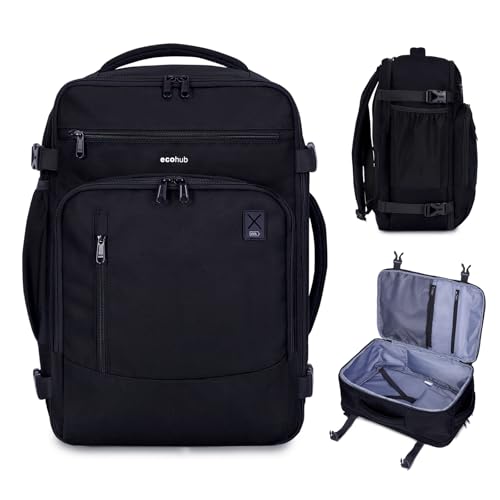
- BrandECOHUB
Last update on 2026-01-06 / Affiliate links / Images, Product Titles, and Product Highlights from Amazon Product Advertising API
Best size backpack for airline restrictions
The idea of a backpack that actually respects airline sizing rules sounds simple, yet reality tends to be messier. Overstuffed bags, surprise gate checks, and vague “personal item” definitions can turn boarding into a quiet stress test. This is where a backpack designed around strict dimensions earns its keep, not by promising freedom, but by quietly avoiding friction. The focus here is on balance, staying compact without feeling stripped down. That balance is exactly where this product tries to live.
ECOHUB 18x14x8 Travel Backpack
This backpack positions itself as a deliberate answer to airline size anxiety rather than a generic travel sack. With dimensions aligned to underseat limits, it aims to slip past measurement frames without the awkward sideways shove. The shape stays rectangular and controlled, which matters more than raw liters when staff start eyeballing bags. At just 1.6 pounds, it avoids the “why does this feel heavier than it looks” moment. The overall impression is restrained, practical, and very intentional.
The 30L capacity sounds modest on paper, yet the layout does a lot of quiet work. Instead of chasing oversized volume, it leans into usable space that stays compliant when fully packed. This approach fits well with the core promise of the best size backpack for airline restrictions, keeping things smooth at the gate. Nothing about the silhouette screams expandable chaos. It is designed to behave even when temptation creeps in.
What stands out early is how the bag avoids flashy design cues. No aggressive bulges, no exaggerated pockets, no unnecessary framing. That restraint works in its favor, especially on budget airlines known for strict enforcement. The backpack looks like it belongs under a seat, not in a debate. Sometimes blending in is the smartest move.
Carry On Dimensions That Actually Matter
The stated measurements of 18 x 13.7 x 7.8 inches land right where many airlines draw the line for personal items. This is not about barely scraping by, but about leaving a small margin that reduces stress. Depth is often the silent killer, and this backpack keeps that under control with a flatter profile. The result is a bag that does not puff outward when loaded correctly. That matters more than most people expect.
Airlines rarely measure empty bags, they judge them when packed. A design that holds shape under pressure earns real trust. This backpack’s structure supports that goal by distributing bulk across the back panel instead of the front. It helps avoid the dreaded “bulge check” at boarding. That subtle control makes the size feel honest rather than optimistic.
For anyone chasing the best size backpack for airline restrictions, these dimensions are the core argument. They align with common policies without forcing awkward packing rituals. The bag fits the rules rather than daring them. That difference changes how travel feels before the plane even takes off.
Suitcase Style Opening And Smart Packing Flow
The clamshell opening shifts packing from guesswork to something closer to logic. Opening fully like a suitcase makes it easier to layer items flat instead of stacking them into a lump. This keeps the center of gravity close to the back, reducing strain and awkward bulging. Elastic straps help lock bulky clothes in place so they do not migrate mid trip. It feels controlled rather than improvised.
Two internal pockets break up the main compartment without stealing volume. Shoes, folded clothes, or even a compact jacket find a natural home. This organization supports the bag’s shape rather than fighting it. Packing becomes faster and less fiddly, which matters when time is tight. The layout rewards intention without demanding perfection.
This kind of packing flow quietly supports airline compliance. Flat packing equals flatter profile, and flatter profile equals fewer problems. It is not flashy, but it is effective. That effectiveness is where this backpack quietly earns its spot.
Pocket Layout That Reduces Travel Friction
The front organizational pockets are designed around real travel habits, not marketing diagrams. Items like an iPad, notebooks, pens, and passports each get defined space. This avoids the frantic pocket dig at security or the boarding gate. A built in key chain sounds small, yet it removes a common irritation. Small wins add up fast.
The top access pocket is positioned for quick grabs without opening the whole bag. Sunglasses, travel documents, or earbuds stay within easy reach. Meanwhile, the hidden back pocket adds a layer of quiet security for essentials like a phone or wallet. This kind of placement feels thoughtful rather than excessive. It respects how people actually move through airports.
There is also a front zipper pocket that works well for quick security checks. Toiletries stay accessible without turning the bag inside out. That reduces delays and keeps things calmer. Calm is an underrated feature in travel gear.
Comfort And On The Move Practicality
The shoulder straps are thick, softly padded, and designed to distribute weight evenly. This matters during long terminal walks or unexpected detours. Foam padding reduces pressure points without feeling bulky. The backpack sits comfortably without pulling backward. Comfort here feels practical, not luxurious.
An expandable water bottle holder adds flexibility without adding bulk when empty. It stays flush until needed, which protects the bag’s clean outline. The side handle allows the backpack to double as a holdall, useful in tight aisles or overhead juggling. A luggage strap loops cleanly over suitcase handles for smoother transfers. These touches support real movement, not just standing still.
Each of these elements reinforces the same idea, making travel less awkward. The bag adapts without drawing attention. That adaptability keeps the experience fluid. Nothing feels like an afterthought.
Durability With A Sustainability Angle
The materials lean into durability without tipping into stiffness. Water resistant fabric protects contents from spills and light rain. Heavy duty SBS zippers glide smoothly and feel reassuring under repeated use. Reinforced ripstop stitching adds confidence for longer trips. The construction feels ready for repetition.
Using at least 50 percent recycled materials gives the bag a quieter kind of value. Fabric and lining derived from recycled PET bottles reduce waste without sacrificing performance. This sustainability angle does not shout, it simply exists. That subtlety fits the overall design philosophy. Responsible choices can still feel practical.
Combined with the lightweight build, durability here does not come at the cost of comfort. The backpack stays manageable even when full. That balance keeps it versatile across short hops and longer journeys. Reliability becomes part of the experience.
Charging Port And Modern Travel Needs
The integrated USB charging port acknowledges how essential devices have become. Keeping a phone powered during layovers or delays reduces stress. The port is positioned discreetly, avoiding awkward cable runs. It supports convenience without complicating the design. That restraint feels intentional.
This feature pairs well with the organized interior. Power banks tuck neatly inside without interfering with other items. Charging becomes passive rather than a constant juggling act. It supports modern travel habits without dictating them. The result feels balanced.
Rather than chasing gimmicks, the backpack focuses on usefulness. Each feature serves a clear purpose. That clarity keeps the experience grounded. It avoids unnecessary noise.
Where This Backpack Quietly Excels
The strength of this backpack lies in how consistently it supports its main goal. Size compliance, shape control, and practical organization work together rather than competing. There is no single flashy feature trying to steal the spotlight. Instead, everything points toward smoother boarding and easier movement. That cohesion is rare.
By respecting airline limits while staying functional, it reduces the mental load of travel. Packing becomes simpler, boarding becomes calmer, and movement feels easier. Those benefits are felt more than they are noticed. The backpack does not demand attention. It simply does its job.
For anyone prioritizing the best size backpack for airline restrictions, this model makes a strong case through restraint. It proves that compliance does not have to feel limiting. Sometimes, staying within the lines is exactly what creates freedom.
Pink Carry On Travel Backpack
The first time a bag has to juggle shoes, a laptop, chargers, and a sudden boarding call, expectations tend to shift fast. Space feels tighter, time feels shorter, and the wrong layout can turn a smooth trip into a juggling act. That pressure exposes small design flaws immediately, especially around security checks and underseat storage. Somewhere in that moment, the idea of the best size backpack for airline restrictions stops being abstract and becomes very personal. This backpack steps into that moment with a design that tries to calm the chaos rather than add to it.
Everyday Shape That Travels Better Than Expected
The 17 x 11 x 7 inch footprint lands in a comfortable middle ground where airline rules and daily practicality overlap. It is compact enough to slide under a seat, yet tall enough to avoid that cramped, overstuffed look. The structure stays relatively flat even when packed, which matters during gate checks. At roughly 2.5 pounds, the weight feels reasonable for a bag carrying this many features. The overall silhouette reads intentional rather than improvised.
This balance becomes more obvious during boarding, where bags that look bulky attract attention. The backpack’s profile avoids exaggerated pockets that tend to snag eyes and sizers. That restraint helps it behave like a compliant carry on instead of a hopeful one. It quietly supports the promise behind the best size backpack for airline restrictions without leaning on buzzwords. The bag just fits, and fitting matters.
There is also something reassuring about how the bag holds its shape when lifted. It does not sag dramatically or twist under load. That stability reduces strain on shoulders and wrists when navigating crowded aisles. Small details like this add up quickly in real travel scenarios.
Interior Capacity And Pocket Discipline
Three main compartments and nine interior pockets sound busy, yet the layout avoids feeling cluttered. Each pocket has a clear purpose, which keeps items from migrating into a single messy zone. A dedicated laptop compartment supports devices up to 17 inches, while a separate sleeve handles tablets cleanly. Clothes, books, and accessories stay separated instead of competing for space. Organization here feels practical rather than decorative.
The shoe pouch deserves special mention because it prevents the classic problem of footwear contaminating everything else. Shoes stay contained, odors stay isolated, and packing stays sane. This feature alone changes how the bag gets used on short trips. It encourages smarter packing without forcing compromises. That kind of design nudges better habits.
Despite the layered layout, the bag does not feel restrictive. Items slide in and out without a fight, which is crucial during security checks. The 180 degree opening helps flatten the bag during inspection. That ease reduces friction at a moment when patience is already thin.
USB Charging Port In Real Travel Use
The built in USB charging port reflects how travel has evolved. Phones rarely leave hands, especially during delays or gate changes. Having an external charging port allows quick top ups without digging through compartments. The internal cable keeps power banks tucked away and organized. It supports convenience without adding bulk.
Importantly, the design does not pretend to be something it is not. There is no built in battery, which avoids unnecessary weight and regulations. The port simply offers access, not magic. That honesty keeps expectations aligned with reality. The feature works because it stays simple.
During longer walks through terminals, this setup reduces the need to stop and reorganize. Cables stay manageable, devices stay powered, and momentum stays intact. That flow matters more than it sounds. Smooth movement keeps travel fatigue in check.
Convertible Carry Options That Feel Thoughtful
Hideaway shoulder straps change how the bag behaves in tight spaces. When stored, the backpack transforms into a cleaner hand carried form that avoids snagging. This flexibility helps during boarding, storage, or overhead bin wrestling. Two padded grab handles support different carrying angles. The bag adapts instead of demanding accommodation.
The luggage strap adds another layer of practicality. Sliding the backpack over a suitcase handle stabilizes the load during long walks. It reduces shoulder fatigue and keeps posture more relaxed. This feature quietly supports longer travel days. It works without drawing attention.
This hybrid design allows the bag to move between backpack, duffle, and shoulder bag roles. That versatility fits unpredictable travel routines. One moment requires hands free movement, the next requires compact control. The bag transitions smoothly between those needs.
Comfort And Wear Over Long Days
Padded shoulder straps distribute weight evenly, which matters once the bag is fully loaded. Pressure points stay minimal, even after extended use. The back panel provides enough structure to avoid collapse without becoming rigid. Comfort here feels functional rather than luxurious. It supports movement without demanding praise.
The slightly waterproof fabric adds peace of mind during unexpected weather. Light rain or spills do not immediately threaten contents. This resilience supports daily use beyond travel. The bag does not feel fragile or precious.
Over time, the comfort profile encourages consistent use. The bag becomes a default choice rather than a situational one. That consistency reflects a design that fits routine life as well as trips. Comfort earns loyalty quietly.
Flight Approval And Security Flow
The 180 degree zipper opening speeds up security checks significantly. Laptops remain visible, compartments stay accessible, and the bag does not need to be unpacked entirely. This efficiency reduces stress and saves time. It also avoids drawing unnecessary attention from security staff.
Fitting both overhead and underseat storage adds flexibility during boarding. When bins fill quickly, the bag adapts without complaint. This adaptability supports smoother transitions between flights. The backpack does not lock its owner into one storage option.
For anyone navigating airlines with strict policies, this compliance matters. It reinforces the appeal of the best size backpack for airline restrictions in everyday terms. The bag simply works within the rules. That reliability is valuable.
Visual Style And Practical Aesthetics
The pink exterior leans playful without sacrificing professionalism. It stands out enough to be recognizable while remaining appropriate for varied settings. This balance supports both travel and daily use. Style here does not override function.
The clean lines and structured shape avoid looking bulky. The design feels intentional rather than trendy. That timelessness extends the bag’s usefulness. It does not feel tied to a single phase or purpose.
Visual appeal often gets dismissed, yet it influences how often a bag gets used. This one manages to stay appealing without shouting. Subtle confidence suits it well.
Pros That Define The Experience
Airline compliant dimensions support smoother boarding and underseat storage. Multi pocket organization keeps items accessible and separated. USB charging access supports modern device habits without added bulk. These strengths combine to reduce travel friction. The bag feels cooperative rather than demanding.
Convertible carry options add flexibility across different environments. Shoe pouch separation improves packing hygiene. Security friendly opening speeds up checkpoints noticeably. Each advantage supports a specific travel pain point. Together, they form a cohesive experience.
The lightweight build enhances comfort across longer days. The slightly waterproof material adds durability. These practical strengths reinforce everyday usability. Nothing feels wasted or ornamental.
Cons Worth Considering Honestly
No included power bank means charging relies on external accessories. Structured organization may feel restrictive for those who prefer open packing. Pink color limits appeal for more neutral preferences. These limitations are not deal breakers but deserve attention. Awareness prevents disappointment.
The laptop compartment supports large devices but can feel snug when overpacked. Bulkier items require thoughtful placement. Overloading compromises the bag’s shape slightly. Discipline keeps performance consistent.
While versatile, the bag may feel compact for those accustomed to oversized packs. Anyone transitioning from larger frames should adjust expectations. A look at options like large man backpack alternatives may provide helpful contrast. Size discipline defines this design.
Who This Backpack Ultimately Serves Well
This backpack shines where rules are tight and routines are busy. It supports organized movement through airports, campuses, and daily commutes. The design rewards thoughtful packing rather than brute force. That philosophy aligns with frequent, structured use.
It bridges travel and everyday life without switching personalities. The bag does not feel like a compromise between roles. Instead, it blends them quietly. That balance encourages consistent use.
By focusing on fit, function, and flexibility, the backpack earns trust over time. It avoids gimmicks and leans into reliability. That reliability defines its value. Consistency becomes the standout feature.
Sirmaeed Carry On Backpack
It usually starts with a packed itinerary and a bag that suddenly feels too small for the plan. Extra shoes creep in, camera gear demands protection, and somehow everything still needs to pass through airport security without drama. That tension between space and compliance is where frustration lives. Somewhere after the zipper barely closes, the search for the best size backpack for airline restrictions stops being theoretical and becomes urgent. This backpack is clearly built for that exact crossroads.
Sirmaeed 50L Expandable Travel Backpack
This backpack makes its intentions obvious from the first unzip. It is designed to flex with changing needs instead of forcing a single packing style. The expandable section adds roughly 5 cm of depth, pushing capacity up to 50L when required. That expansion feels controlled rather than reckless, which matters when airline staff start paying attention. The bag looks disciplined when compressed and generous when opened.
At its core, the design balances structure and adaptability. The rectangular profile keeps contents aligned instead of sagging into awkward bulges. When expansion is not needed, the backpack stays compact enough to behave like a carry on. That dual personality is hard to pull off, yet this one manages it with restraint. It aims to support real travel demands without antagonizing airline rules.
The black exterior reinforces that practical mindset. Nothing flashy distracts from function, and nothing looks fragile. It feels like a bag meant to be used repeatedly, not babied. That confidence shows in how the materials and seams come together.
Expandable Capacity And Real Packing Freedom
The expandable feature is the headline act, but its execution deserves attention. Adding volume without ruining shape is harder than it sounds. This backpack expands outward in a way that keeps weight centered rather than flaring awkwardly. Clothes, toiletries, and bulkier items slide in without forcing odd compromises. That flexibility reduces the need to overthink every item.
At full expansion, the bag clearly enters “big trip” territory. Camera gear, extra layers, or longer stays suddenly feel manageable. When compression straps pull everything back in, the bag returns to a calmer profile. This push and pull gives the backpack a wider range than fixed capacity designs. It adapts to the trip instead of dictating it.
This adaptability supports the promise behind the best size backpack for airline restrictions. Used thoughtfully, the bag stays compliant. Used recklessly, it can push limits. That honesty respects the reality of travel rather than pretending rules do not exist.
TSA Friendly Design And Security Flow
The 90 to 180 degree opening changes how security checks feel. Instead of digging or unloading, the backpack opens flat, keeping everything visible. Laptops up to 17 inches sit securely while remaining easy to access. This layout reduces delays and keeps lines moving. It is a quiet relief during rushed mornings.
The design aligns well with common TSA expectations. Nothing feels hidden or obstructive during inspection. That transparency reduces extra screening. Less scrutiny means less stress.
For frequent flyers, this feature quickly becomes non negotiable. It saves time and patience. Efficiency here translates directly into a smoother travel rhythm.
Water Resistance And Anti Theft Details
Water resistant materials protect contents from light rain and unexpected spills. This is not a dry bag promise, but it is enough for everyday weather surprises. The fabric feels sturdy without being stiff. That balance supports outdoor use alongside airport travel.
The anti theft pocket on the back adds a layer of security that feels well placed. Passports, IDs, and wallets stay against the body rather than exposed. This placement reduces anxiety in crowded terminals. It is a small feature with outsized peace of mind.
Combined, these protections support confidence during movement. The bag does not demand constant checking. It allows focus to stay on the journey instead of the zipper.
Convertible Carry Modes In Practice
Padded adjustable shoulder straps support long carries without digging in. Weight distribution feels even, especially when the bag is fully loaded. The padding absorbs pressure rather than transferring it. That comfort matters over extended walks.
Two padded carry handles on the top and side allow quick transitions. Lifting the bag into overhead bins or out of car trunks feels controlled. Switching between handbag and backpack modes is intuitive. The bag adapts to context easily.
The luggage strap on the back integrates smoothly with rolling suitcases. It stabilizes the load and reduces shoulder strain. This feature supports international travel scenarios especially well. It works quietly in the background.
Durability And Long Term Confidence
The promise of a lifetime warranty sets expectations high. It signals confidence in materials and construction. Seams feel reinforced, and zippers move smoothly without catching. The backpack does not feel disposable.
This sense of durability encourages heavier use. The bag feels capable of handling repeated trips and varied environments. It does not seem limited to occasional travel. Reliability becomes part of its identity.
That reassurance matters when investing in a primary travel bag. Longevity reduces replacement cycles. Trust builds with use.
Where Size Meets Airline Reality
This backpack sits at an interesting edge. Compressed, it aligns well with airline expectations. Expanded, it pushes toward maximum allowable limits. That flexibility requires awareness rather than blind trust.
Used with discipline, it fits the philosophy of the best size backpack for airline restrictions. It gives room without demanding it. That choice remains in the hands of the traveler.
Those accustomed to very long hauls or extreme capacity may compare it with gear like a hunting backpack, but airline dynamics change the equation. This bag prioritizes air travel first, not expedition hauling. That distinction defines its role.
Pros That Stand Out Clearly
Expandable capacity allows one bag to serve multiple trip lengths. TSA friendly opening speeds up security checks noticeably. Water resistant materials protect against everyday weather. These strengths combine into a versatile travel companion.
Anti theft pocket improves document security in crowded spaces. Convertible carry options add flexibility across environments. Luggage strap integration supports smoother transfers. Each advantage addresses a specific travel pain point.
The lifetime warranty adds long term value. It reinforces confidence in construction. These pros shape a reliable experience.
Cons That Deserve Honest Attention
Full expansion can test airline size limits if overused. Larger footprint may feel bulky in tight cabins. Weight increase when packed becomes noticeable at maximum capacity. These drawbacks hinge on packing discipline.
The bag rewards thoughtful use rather than careless stuffing. Overpacking compromises its strengths. Awareness keeps performance consistent.
For shorter trips, the size may feel more than necessary. Minimalist travelers might prefer slimmer profiles. This backpack leans toward versatility over minimalism.
How It Fits Into Real Travel Routines
This backpack suits trips where plans evolve mid journey. Expansion supports unexpected needs without requiring a second bag. Compression restores order when moving through airports. That adaptability matches real travel rhythms.
It transitions smoothly between flights, city movement, and outdoor activity. The design does not lock it into a single role. It feels ready for varied use cases.
By balancing capacity, compliance, and durability, it carves out a clear identity. The bag supports ambition without ignoring rules. That balance defines its appeal.
LOVEVOOK 40L Travel Backpack
There is a moment during packing when everything seems reasonable until the zipper resists and the clock starts ticking. Shoes are still on the floor, toiletries are half packed, and suddenly the idea of carrying a separate bag feels like defeat. That pressure exposes the quiet gap between what a backpack promises and how it performs under airline rules. Somewhere between the third folded shirt and the laptop sleeve, the need for the best size backpack for airline restrictions becomes obvious. This backpack is clearly designed for that exact tipping point.
First Look And Overall Design Intent
The box style structure immediately signals that this bag is built for order rather than chaos. Its rectangular form keeps contents stacked instead of slumped, which helps maintain a clean profile. Even before packing, the shape suggests discipline. That discipline matters when airline sizing frames are unforgiving.
The 18 x 14 x 8 inch footprint aligns neatly with personal item standards. It feels intentional, not accidental. This sizing allows the bag to slide under seats without a wrestling match. The exterior avoids unnecessary bulges that usually trigger scrutiny.
Color choices stay neutral and versatile, leaning toward understated rather than trendy. The black brown combination works in airports, offices, and hotels without feeling out of place. This visual restraint reinforces the practical focus. Nothing here looks fragile or decorative.
Capacity And Packing Strategy
The 40L capacity sits in a sweet spot for short trips without inviting reckless overpacking. It comfortably handles 3 to 5 days of clothing alongside shoes and essentials. The included packing cubes change how the space gets used. Items stay categorized instead of collapsing into a single pile.
Separate cubes for shoes, toiletries, and underwear reduce friction during packing and unpacking. This separation keeps clean items clean and saves time on the road. The dry and wet compartment is particularly useful for towels or damp clothing. That feature quietly solves a common travel annoyance.
Side compression straps help rein things in when the bag is full. They pull bulk inward rather than letting it balloon outward. This compression supports airline compliance and keeps the silhouette tidy. Discipline here pays dividends at the gate.
Security Check And Electronics Handling
The 180 degree opening transforms security checks into a calmer experience. Electronics remain visible and accessible without unpacking the entire bag. Laptops up to 17.3 inches and tablets fit securely in the dedicated compartment. That layout respects both speed and protection.
By opening flat, the backpack avoids awkward fumbling at checkpoints. Everything stays in place rather than shifting. This reduces the chance of repacking mistakes under pressure. Smooth transitions matter more than advertised features.
The electronics compartment sits toward the back, which helps balance weight. That placement also keeps sensitive gear closer to the body. Stability improves both comfort and peace of mind. The design feels thought through.
Comfort And Carry Experience
Padded shoulder straps distribute weight evenly across the shoulders. Even when fully packed, pressure points stay manageable. Reinforced stitching adds confidence during long carries. The bag feels capable rather than delicate.
Side handles introduce flexibility during tight boarding situations. Lifting the bag sideways into overhead bins feels controlled. Switching between backpack and hand carry happens naturally. That adaptability supports real travel rhythms.
The luggage strap on the back integrates cleanly with rolling suitcases. It stabilizes the backpack during long terminal walks. This reduces shoulder fatigue and keeps posture relaxed. Small comforts accumulate quickly.
Durability And Material Choices
The strengthened polyester exterior resists light rain and everyday scuffs. It does not feel flimsy or overly stiff. This balance supports repeated use across different environments. Durability here feels practical, not overengineered.
Zippers and seams show reinforcement where it matters most. Stress points appear well supported. The bag does not give off disposable vibes. Longevity feels like part of the plan.
These material choices align with frequent use rather than occasional trips. The backpack feels ready for repetition. Reliability becomes part of its appeal. That matters over time.
Airline Compatibility In Real Use
The backpack’s dimensions are clearly tuned for air travel. It fits under seats and attaches securely to luggage handles. This flexibility helps during crowded boarding scenarios. The bag adapts instead of demanding accommodation.
Its compliance supports the core idea behind the best size backpack for airline restrictions. It stays within limits without feeling undersized. That balance reduces stress during boarding. Calm boarding sets the tone for the trip.
Those familiar with structured underseat options like underseat luggage will appreciate how this backpack achieves similar discipline with more flexibility. It bridges personal item rules and backpack convenience. That crossover is valuable.
Pros That Define Strength
Airline compliant dimensions make boarding smoother and more predictable. Packing cubes included improve organization without extra purchases. Box style opening speeds up packing and security checks. These strengths work together cohesively.
Dry and wet separation adds real world practicality. Compression straps help manage bulk effectively. Dedicated electronics storage protects valuable gear. Each advantage targets a common travel pain point.
The overall experience feels considered rather than improvised. Features support each other instead of competing. That harmony defines the backpack’s strengths.
Cons Worth Weighing Carefully
40L capacity may tempt overpacking if discipline slips. Boxy structure feels less flexible than soft packs in tight spaces. Neutral styling may not appeal to those seeking bold aesthetics. These tradeoffs are situational.
The bag rewards thoughtful packing rather than stuffing. Ignoring that balance can compromise its shape. Awareness keeps performance consistent. Expectations matter.
For longer trips or heavier loads, larger specialized packs may feel more comfortable. This backpack prioritizes airline compliance over maximum hauling. That choice defines its role.
How It Fits Into Daily And Travel Routines
This backpack transitions smoothly between airport, hotel, and daily use. It does not feel locked into a single purpose. That versatility supports unpredictable schedules. The design stays relevant beyond flights.
Organization encourages repeatable packing habits. Over time, routines become faster and less stressful. The bag becomes familiar rather than frustrating. Familiarity builds trust.
By balancing structure, capacity, and compliance, the backpack earns its place in regular rotation. It supports ambition without ignoring limits. That balance is its quiet strength.
HOTOR Travel Backpack
The first real test happened early in the morning, halfway through packing, when the bag was still open and the floor was already a mess. Clothes were folded neatly, then unfolded again, and somehow the laptop kept sliding into the wrong spot. That moment exposed how quickly a regular backpack turns stubborn during short trips. Somewhere between rearranging cables and re-rolling shirts, the idea of the best size backpack for airline restrictions quietly took shape. This backpack is clearly designed for that exact moment of friction.
Suitcase Style Opening That Changes Everything
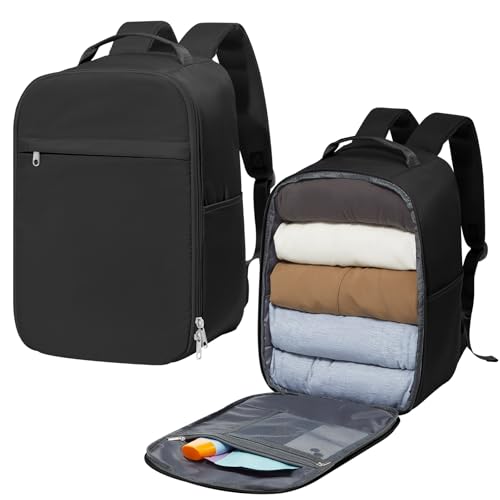
The suitcase-like opening immediately alters how packing feels. Instead of stuffing items from the top and hoping for the best, everything lays flat and visible. Elastic inner straps hold clothes in place, reducing the need to constantly repack. That structure removes a surprising amount of stress.
This layout favors deliberate packing over brute force. Shirts stack evenly, gadgets stay put, and nothing spills out when the zipper opens. It supports a calmer rhythm, especially when time is tight. Organization becomes intuitive rather than forced.
For trips in the 3 to 5 day range, this approach feels efficient. Space gets used evenly instead of collapsing into one bulky section. The bag behaves predictably, which is half the battle during travel. Predictability saves patience.
Dimensions That Respect Airline Limits
The size lands squarely within common flight approved boundaries. It fits overhead bins comfortably and slides under seats without awkward angles. This balance supports smoother boarding without drawing attention. The shape stays compact even when fully packed.
With measurements around 11.8 by 7.9 by 17.3 inches, the bag avoids excess depth. Depth is often the silent deal breaker, and this backpack keeps it in check. That restraint reinforces its role as a compliant carry on. The silhouette stays controlled.
This compliance directly supports the idea behind the best size backpack for airline restrictions. The bag works with airline rules instead of daring them. That cooperation makes travel feel less adversarial. Calm boarding changes the tone of the entire trip.
Material Quality And Everyday Durability
The Oxford fabric immediately feels reassuring in hand. It resists water, stains, and abrasions without feeling stiff. Light rain or a spilled drink does not trigger panic. Protection here feels practical rather than overengineered.
Invisible zippers add a subtle layer of durability. They glide smoothly and resist dust buildup over time. This design choice also keeps the exterior clean and minimal. Less clutter means fewer snag points.
Over repeated use, the materials hold their shape. The bag does not sag or lose structure easily. That consistency builds confidence. Durability becomes something you stop thinking about.
Pocket Layout And Smart Accessibility
Multiple pockets are arranged with intent rather than excess. A padded laptop compartment protects devices up to 15.6 inches without crowding the main space. A dedicated wet pocket separates damp items cleanly. That separation solves a common annoyance.
The outer quick access zipper pocket works well for small essentials. Keys, chargers, or travel documents stay within reach. Side mesh pockets handle water bottles or umbrellas without eating interior space. Everything has a place.
This layout reduces rummaging during transit. Finding items takes seconds instead of minutes. Efficiency here lowers mental load. Small efficiencies compound quickly on travel days.
Comfort During Long Carry Periods
At roughly 1.2 pounds, the backpack stays light even before packing. Once loaded, the breathable back panel helps manage heat buildup. Padded shoulder straps distribute weight evenly across the shoulders. Comfort remains consistent over long walks.
The bag does not pull backward or sag unevenly. Weight stays close to the body, improving balance. This stability reduces fatigue during extended wear. Comfort feels engineered rather than accidental.
A luggage strap on the back integrates smoothly with rolling suitcases. Attaching the bag frees shoulders during long terminal walks. This feature quietly improves mobility. Hands stay free for tickets or phones.
Versatility Across Different Scenarios
This backpack transitions easily between travel and daily use. Its clean design fits business settings, school environments, and casual outings. It does not feel overly specialized. That versatility extends its usefulness.
For shorter trips, it replaces traditional luggage entirely. For daily routines, it functions as a reliable work or school bag. That dual role reduces the need for multiple bags. Simplicity becomes an advantage.
Those planning longer journeys may compare it to options like a 10 day suitcase, but this backpack fills a different niche. It prioritizes mobility and airline compliance over sheer volume. That distinction matters.
Travel Focused Design Details
Every feature seems aimed at reducing friction during movement. The bag opens wide, closes securely, and stays compact. Nothing rattles or shifts excessively during transit. Stability supports confidence.
Airline compatibility is not treated as an afterthought. The dimensions, weight, and structure all align toward smoother boarding. That alignment reduces uncertainty. Predictable outcomes lower stress.
The design favors repeated use over novelty. It does not chase trends or flashy elements. Instead, it focuses on reliability. Reliability earns trust.
Pros That Stand Out Clearly
Suitcase style opening simplifies packing and unpacking. Flight approved dimensions support smooth boarding. Lightweight build reduces shoulder fatigue. These strengths work together cohesively.
Durable Oxford fabric protects against everyday wear. Wet pocket separation adds practical hygiene control. Invisible zippers improve longevity. Each advantage addresses real travel pain points.
The overall experience feels thoughtful rather than rushed. Features complement each other instead of competing. That harmony defines the bag’s strengths.
Cons Worth Considering Honestly
Limited expansion means overpacking is not an option. Structured shape offers less flexibility than soft backpacks. Moderate capacity may feel tight for heavy packers. These limitations depend on expectations.
The bag rewards disciplined packing habits. Ignoring that balance can feel restrictive. Awareness keeps satisfaction high. Expectations shape experience.
For trips beyond five days, larger luggage may feel more appropriate. This backpack focuses on efficiency rather than excess. That focus defines its role.
How It Fits Into Real Travel Routines
This backpack excels during quick transitions and short stays. It supports fast packing, smooth boarding, and easy movement. That efficiency aligns with modern travel rhythms. Time savings accumulate quickly.
Over time, the bag becomes predictable and familiar. Packing routines develop naturally. Familiarity reduces friction. Reduced friction improves the journey.
By aligning size, structure, and comfort, the backpack earns its place in regular rotation. It supports travel without demanding attention. Quiet reliability becomes its signature.


10 Best Laptop Backpack For College of 2026 With Padded Drop Protection

9 Best Travel Carry On Backpack For Europe of 2026 To Clear Cabin Sizers

8 Best Travel Backpack For Carry On of 2026 to Avoid Gate Checks
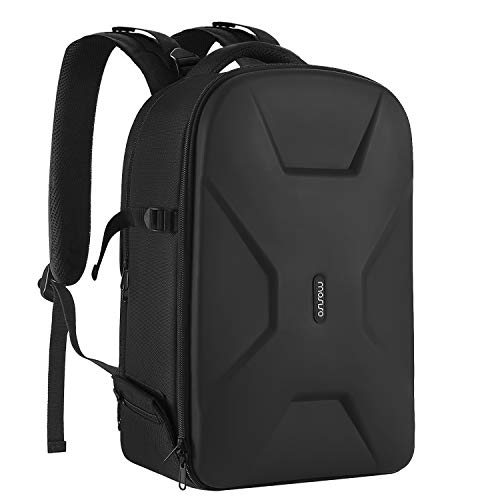
7 Best Travel Backpack For Camera of 2026 With Modular Gear Protection
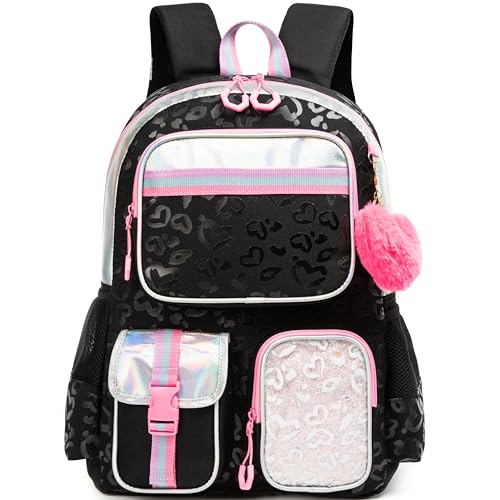
9 Best Backpack For 9 Year Old of 2026 To Fit Narrow Shoulders

7 Best Computer Backpack For Travel of 2026 With Luggage Straps

9 Best Backpack For 8 Year Old of 2026 With the Right Fit and Support
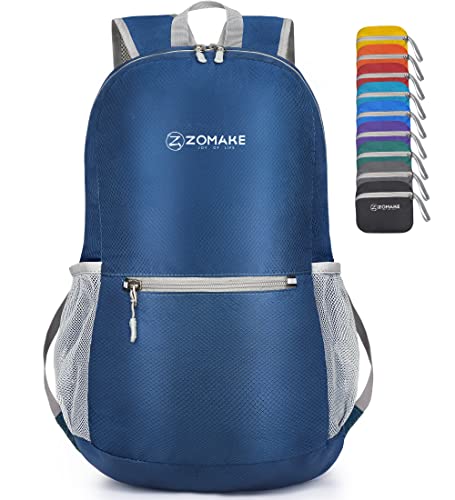
8 Best Small Day Backpack For Travel of 2026 That Stow in Luggage