Best ski boot bag for checked luggage 2026 picks

Best ski boot bag for checked luggage needs to do more than swallow a pair of bulky boots. Airport travel adds pressure fast, especially with stiff shells, damp liners, helmets, goggles, gloves, base layers, and that one extra fleece that somehow never fits. A regular duffel might look roomy at home, but once ski boots go in, the whole thing turns into a lumpy brick. So, the smarter pick is a bag that separates dirty boot soles from clean clothing while keeping weight balanced enough to haul through terminals.
Checked luggage brings a different set of headaches than a day-trip boot backpack. The bag may get tossed, stacked, dragged, or squeezed between hard suitcases, so soft fabric alone isn’t enough. Reinforced panels, sturdy zippers, padded boot zones, and water-resistant fabric matter because wet parking lots and slushy lodge floors don’t care about careful packing. Still, too much structure can make the bag heavy before anything goes inside, and that’s where the tradeoff gets real.
A strong ski boot travel bag should make packing feel less like a wrestling match. Separate boot compartments help keep sharp buckles from chewing up jackets, while a center storage area gives helmets and soft gear a safer place to ride. Ventilation also matters, though it won’t magically dry soaked liners after a long powder day. Yep, airflow helps, but smart packing still means cracking boots open and airing gear whenever there’s time.
Size deserves a closer look because bigger isn’t always better. Oversized bags can fit helmets, pants, goggles, and accessories, but airline weight limits can sneak up fast once boots and dense winter layers are packed. A compact bag may feel cleaner and easier to check, yet it can force awkward decisions about what stays behind. The sweet spot usually lands with organized compartments, tough handles, and enough internal room without turning the bag into a bulky gear locker.
Durability matters most around stress points: handles, shoulder straps, zipper pulls, boot compartment seams, and the bottom panel. Those areas take the beating during curbside drop-offs, shuttle rides, hotel transfers, and baggage claim scrambles. A bag with smooth zippers and reinforced carry points feels boring at first, but boring is good when the line is moving and hands are freezing. No drama, no jammed zipper, no boots spilling out beside the rental car counter.

- TLR Rank9.6
TLR Rank is a ranking system developed by TravelLuggageReviews.com. TLR Rank has no relationship or impact from any manufacturers or sales agent websites. Learn more
- BrandRESVIN

- TLR Rank9.4
TLR Rank is a ranking system developed by TravelLuggageReviews.com. TLR Rank has no relationship or impact from any manufacturers or sales agent websites. Learn more
- BrandThule
- TLR Rank9.4
TLR Rank is a ranking system developed by TravelLuggageReviews.com. TLR Rank has no relationship or impact from any manufacturers or sales agent websites. Learn more
- BrandUnigear

- TLR Rank9.4
TLR Rank is a ranking system developed by TravelLuggageReviews.com. TLR Rank has no relationship or impact from any manufacturers or sales agent websites. Learn more
- BrandSEMSTY
- TLR Rank9.2
TLR Rank is a ranking system developed by TravelLuggageReviews.com. TLR Rank has no relationship or impact from any manufacturers or sales agent websites. Learn more
- BrandAthletico

- TLR Rank9.0
TLR Rank is a ranking system developed by TravelLuggageReviews.com. TLR Rank has no relationship or impact from any manufacturers or sales agent websites. Learn more
- BrandWildhorn Outfitters

- TLR Rank8.6
TLR Rank is a ranking system developed by TravelLuggageReviews.com. TLR Rank has no relationship or impact from any manufacturers or sales agent websites. Learn more
- BrandThule
Last update on 2026-06-13 / Affiliate links / Images, Product Titles, and Product Highlights from Amazon Product Advertising API
Best Ski Boot Bag For Checked Luggage
Airport transfers can turn a ski trip into a juggling act long before the first chairlift starts spinning. Bulky boots, damp gloves, oversized jackets, and fragile goggles all seem to fight for space at the same time. The best ski boot bag for checked luggage should simplify that chaos rather than add to it, and the RESVIN Ski Boot Bag approaches the challenge with a surprisingly practical layout. Its large storage volume, weather-focused construction, and travel-oriented design create a setup that feels built around real ski travel instead of just equipment storage.
RESVIN Ski Boot Bag
Storage capacity immediately stands out with this backpack. RESVIN rates the bag at roughly 65 to 66 liters, giving it enough room for ski boots, a helmet, goggles, gloves, outerwear, and several smaller accessories without forcing everything into one crowded compartment. Ski travelers who dislike carrying multiple bags through airports will appreciate having a centralized place for nearly all essential gear.
The extra volume isn't simply empty space. RESVIN divides the interior into six dedicated compartments, helping equipment stay separated instead of becoming a tangled mess. Goggles can remain protected from boot buckles, while gloves and accessories stay easier to locate after a long day on the mountain.
Large-capacity bags sometimes become difficult to manage once fully packed. This design avoids that issue reasonably well because the compartment structure creates natural organization. Rather than digging through layers of clothing to locate a forgotten item, gear remains distributed throughout designated sections.
Organization That Supports Real Ski Travel
Versatile storage often gets advertised on ski bags, but practical execution matters more than marketing language. RESVIN incorporates dedicated spaces for boots up to US men's size 12.6 while still leaving substantial room for surrounding equipment. The arrangement feels intended for travelers who bring their own gear rather than renting at the destination.
External adjustable webbing adds another layer of flexibility. Skis and snowboards can be secured outside the main compartment, allowing the internal space to remain available for protective clothing and accessories. That separation helps prevent sharp edges and hardware from pressing against softer items during transit.
A thoughtful detail appears in the fold-down rear panel. By converting into a standing mat, the panel creates a cleaner place to change boots in snowy parking lots, crowded resort areas, or icy lodge entrances. Keeping feet dry during gear changes sounds like a small benefit until conditions become wet and uncomfortable.
Smaller essentials also receive attention through additional accessory pockets. Phones, lift cards, wallets, keys, and identification can remain separate from larger gear, reducing the frustration of searching through bulky compartments for everyday necessities.
Built For Snowy Conditions
Cold-weather gear faces conditions that ordinary travel luggage rarely encounters. Snow, slush, ice, and moisture can quickly expose weaknesses in materials, especially around seams and lower panels. RESVIN addresses that concern through 1680D nylon construction, a fabric commonly selected for demanding outdoor applications because of its resistance to abrasion and wear.
Water protection extends beyond the primary shell. The bottom section receives waterproof tarpaulin reinforcement designed to resist moisture penetration from snow-covered surfaces. That feature becomes particularly valuable after setting the bag down repeatedly in lift areas, parking lots, shuttle stops, or ski lodge entrances.
Cold temperatures can also affect certain materials over time. The low-temperature-resistant base material helps maintain durability in environments where standard fabrics may become less flexible. While no fabric is completely immune to abuse, the construction choices suggest that long-term winter use was part of the design process.
Weather resistance doesn't mean complete waterproof submersion protection, of course. Travelers should maintain realistic expectations. The design is intended to handle snowy conditions and wet surfaces rather than function as a dry bag in extreme circumstances.
Comfort During Airport And Resort Transfers
Heavy ski equipment becomes far less enjoyable after several hours of travel. A fully loaded gear bag can quickly strain shoulders and lower back muscles, particularly during airport transfers between terminals. RESVIN attempts to reduce that burden through an EVA padded mesh back panel that creates separation between the wearer and packed equipment.
Boots are notoriously awkward shapes. Their hard shells can create pressure points inside poorly designed backpacks. The padded back structure helps prevent those hard surfaces from pressing directly against the user's back, creating a noticeably more comfortable carrying experience.
Adjustable shoulder straps further contribute to travel comfort. Weight distribution improves when straps can be customized for different body sizes and packing loads. The padding also helps reduce shoulder discomfort during longer walks through airports or resort villages.
Comfort features often receive less attention than storage specifications, yet they can make a larger difference during actual travel. A bag may hold enormous amounts of equipment, but if carrying it feels miserable, those storage advantages lose much of their value.
Practical Advantages For Checked Luggage Use
Checked luggage faces challenges beyond simple storage. Bags get stacked, shifted, dragged, and moved through multiple handling systems before arriving at a destination. The combination of durable fabric, reinforced lower construction, and compartmentalized design gives the RESVIN bag qualities that align well with airline travel requirements.
Its dimensions of approximately 22 x 11 x 13 inches create a profile that remains manageable while still offering substantial internal volume. That balance matters because oversized luggage can become cumbersome even before weight restrictions enter the conversation.
Equipment protection also benefits from compartment separation. Helmets, goggles, and clothing are less likely to experience direct contact with hard boot components during transportation. Keeping items organized can indirectly help preserve their condition throughout repeated trips.
Interestingly, travelers researching mobility-focused luggage solutions sometimes examine adjacent categories as well. A related perspective appears in lightweight carry-on luggage for seniors, where comfort, accessibility, and transport efficiency receive similar attention.
Tradeoffs And Considerations
Large storage capacity creates flexibility, but it can also encourage overpacking. Once every compartment is filled with gear, total weight may become substantial. Travelers should remain aware of airline baggage limits before fully loading the bag for longer trips.
The backpack design prioritizes carrying convenience, though travelers seeking hard-shell protection may prefer a different category entirely. Soft-sided construction offers adaptability and lighter weight, but it won't provide the same rigid structure as specialized hard cases.
Size may also feel excessive for minimalist skiers who travel with only boots and a few accessories. Those individuals might not fully utilize the available storage volume. On the other hand, travelers carrying helmets, outerwear, spare layers, and personal equipment will likely appreciate the extra space.
Organization, durability, and travel comfort remain the strongest elements of this design. The bag focuses on solving practical transportation problems rather than relying on flashy extras, which gives it a grounded appeal for ski travelers who value function over gimmicks.
Best Ski Boot Bag For Checked Luggage
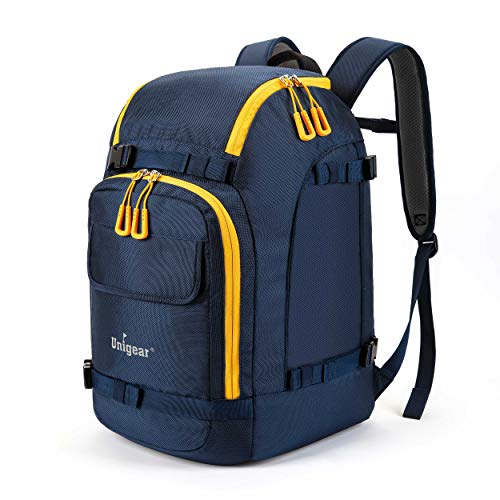
Missed connections, crowded shuttle buses, and wet parking lots have a funny way of exposing weak travel gear. Ski boots aren't shaped like normal luggage, and that's exactly why ordinary backpacks often struggle once winter equipment enters the picture. The best ski boot bag for checked luggage should keep gear protected while making travel feel less chaotic, and the Thule RoundTrip 45L Boot Backpack takes a thoughtful approach to that challenge. Rather than relying on oversized dimensions, it focuses on organization, accessibility, and practical features that solve real travel annoyances.
Thule RoundTrip 45L Boot Backpack
Purpose-built organization defines this backpack from the start. Thule designed the RoundTrip around the realities of ski and snowboard travel, giving boots their own dedicated rear-loading compartment while reserving separate areas for other equipment. The result feels structured instead of cramped, which becomes increasingly valuable during busy travel days.
The 45-liter capacity isn't the largest in its category, yet it strikes a practical balance. Some ski bags offer massive storage volume but become awkward once fully loaded. This design leans toward efficient packing rather than endless space, helping equipment stay manageable during airport transfers and resort navigation.
Boot storage accommodates footwear up to Mondopoint 30.5, equivalent to roughly US men's size 13. Larger boots often create challenges in travel bags, so having dedicated sizing information removes some of the guesswork before a trip begins.
Travelers who prefer keeping essentials organized instead of piled together will likely appreciate the layout. Separate compartments reduce gear collisions and make it easier to access specific items without unpacking half the bag.
Smart Storage Without Wasted Space
Ski travel often involves more than boots alone. Helmets, gloves, goggles, base layers, neck gaiters, and small accessories all compete for room. Compartment separation helps prevent that familiar scenario where delicate items end up squeezed beneath heavier equipment.
The rear-loading boot section creates a clear distinction between hard gear and softer apparel. That separation matters because ski boots contain buckles, edges, and rigid surfaces that can press against clothing or accessories during transport. Keeping those elements apart adds a layer of protection without requiring extra organizers.
Access points from both the top and front of the backpack make packing noticeably easier. Some bags force users to dig through a single opening, turning gear retrieval into a frustrating scavenger hunt. Here, equipment remains more accessible whether the bag is standing upright or lying flat.
Efficient access becomes especially useful in airport terminals and ski lodges. Pulling out a pair of gloves or quickly grabbing goggles feels much less disruptive when the bag isn't fighting back.
Goggle Protection Gets Special Attention
Goggles tend to be one of the more vulnerable pieces of ski equipment. Scratched lenses can ruin visibility, and tossing them into a crowded compartment isn't always a smart move. Thule addresses that concern through a dedicated padded pocket lined with soft materials.
Lens protection isn't a flashy feature, but experienced skiers know how valuable it can be. A separate compartment helps shield goggles from boot buckles, helmet edges, and other hard gear that might otherwise cause damage during travel.
The soft-lined construction also adds convenience. Instead of wrapping goggles in spare clothing for protection, they can remain in a designated location where they're easier to locate after arriving at the destination.
Small details often separate thoughtful products from generic ones. This compartment falls squarely into that category because it addresses a common frustration with a straightforward solution.
Standing Mat Convenience In Real Conditions
Snow-covered parking lots and damp lodge entrances rarely provide ideal places to change boots. That's where the fold-down back panel earns its keep. By opening the rear section, the panel converts into a standing mat that helps create a cleaner changing area.
Keeping feet dry sounds simple until conditions become messy. Wet socks before the first run of the day can quickly become an annoyance, particularly during colder weather. The integrated mat helps reduce contact with slush, mud, and melting snow.
Practicality matters here more than novelty. The feature doesn't add unnecessary complexity, nor does it require extra accessories. It simply transforms an existing panel into something useful during gear changes.
Resort parking lots, shuttle stops, and mountain base areas all become more manageable with a dedicated surface underfoot. Little conveniences like that tend to be appreciated more after repeated trips.
Travel Comfort And Carry Experience
Weight distribution influences how a ski backpack feels during long walks through terminals. A well-organized bag generally carries better than one where equipment shifts constantly. The RoundTrip's structured layout helps gear stay positioned more consistently while moving.
Backpack portability remains one of the strongest arguments for this style of ski luggage. Carrying gear on both shoulders leaves hands available for rolling suitcases, lift tickets, or other travel necessities. That flexibility becomes valuable during busy travel days.
The moderate storage capacity also helps avoid a common problem associated with oversized ski bags. More space often encourages overpacking, which can increase weight quickly. The 45-liter design naturally encourages a more focused packing approach.
Some travelers may wish for additional capacity if they routinely carry extensive outerwear collections or bulky extra equipment. Others may see the controlled size as an advantage because it helps prevent unnecessary gear from making the trip.
Environmental Considerations And Practical Tradeoffs
One notable aspect of this backpack is its association with bluesign criteria. That standard focuses on responsible manufacturing practices involving worker protection, consumer safety, and environmental considerations. While it doesn't directly affect storage performance, it provides additional context about the product's production approach.
Capacity represents the most obvious tradeoff. Travelers who prefer carrying nearly every piece of equipment in a single bag may find larger alternatives more suitable. The RoundTrip instead prioritizes organization and accessibility within a moderate footprint.
Balanced functionality becomes the central theme throughout the design. Storage compartments, dedicated boot placement, protective goggle handling, and dual-access packing all work together toward a common goal of simplifying travel logistics.
Interestingly, equipment organization isn't limited to winter sports. A related perspective on carrying gear efficiently appears in best mtb waist pack, where storage access and mobility are approached from a different outdoor activity angle. The underlying challenge remains surprisingly similar: keeping essential gear available without creating unnecessary bulk.
The overall package feels carefully considered rather than overloaded with gimmicks. Practical features take priority, making the backpack particularly appealing for travelers who value smooth logistics as much as time spent on the mountain.
Best Ski Boot Bag For Checked Luggage
Dragging ski gear from the car to the lodge is one thing; getting it through airports, shuttles, hotel hallways, and snowy parking lots is a whole different headache. Boots are stiff, helmets steal space, goggles need protection, and damp layers have a bad habit of touching everything else. The Unigear Ski Boot Bag makes a strong case for the best ski boot bag for checked luggage because it gives winter gear a more sensible home instead of letting every item fight for room. Its 50L storage capacity, separate compartments, waterproof base, and padded backpack carry system feel built around the messy reality of ski travel.
Unigear Ski Boot Bag
The Unigear Ski Boot Bag keeps things refreshingly practical. Its 50L capacity is roomy enough for boots, a helmet, goggles, gloves, clothing, valuables, and smaller accessories without turning the whole setup into an oversized gear trunk. That middle-ground size matters because checked luggage can get heavy fast, especially once hard-shell boots and winter layers are packed together. Instead of chasing maximum volume, this bag gives enough room for a full snow-day load while still staying manageable.
Organization is where the design starts to earn its keep. Three individual compartments help separate boots from softer items, which cuts down on the usual mess caused by buckles, dirt, and wet soles. The bag also includes extra pockets for smaller gear, so lift cards, phone, wallet, and gloves don't vanish into the bottom. For anyone who's ever dug through a packed bag with cold hands, better gear separation feels less like a luxury and more like common sense.
The boot compartment fits US men's boots up to size 12.5, based on the provided product details. That range covers plenty of recreational and frequent ski setups, though people with larger boots should double-check sizing before packing. The listed dimensions, 11.8 x 12.6 x 19.7 inches, also suggest a fairly compact travel footprint. It won't swallow endless extra jackets, but it should handle the core kit without feeling sloppy.
Storage Layout That Cuts Down The Scramble
A ski boot bag can have plenty of space and still be annoying if the layout is lazy. Unigear avoids that trap with three separate compartments and added pockets that create a clearer packing routine. Boots get their own space, while helmets, goggles, clothing, and valuables can sit away from hard plastic shells and metal buckles. That matters during checked travel because gear can shift, compress, and rub against itself while in transit.
The external adjustable webbing adds useful flexibility for skis or a snowboard. This gives the bag more utility around resort travel, car loading, or short walks between lodging and the lift area. It doesn't mean the bag replaces every ski travel case, especially for flights where skis often need separate handling. Still, external carry options make the backpack more adaptable once you're on the ground.
The flip-down back-panel door is one of those features that sounds ordinary until the weather turns ugly. It works as a standing mat, giving dry footing while changing in or out of boots. Snowy asphalt, muddy shuttle stops, and damp lodge floors can make socks miserable in seconds. With that panel folded down, boot changes feel cleaner and less rushed.
Small pockets play a quieter role, but they still matter. Valuables and accessories are easy to misplace during winter travel because gloves, hats, and straps all look like clutter after a long day. Keeping small items isolated helps prevent the classic end-of-day panic search. In real use, that kind of simple organization often saves more frustration than a flashy feature ever could.
Waterproof Build For Slush And Snow
The Unigear bag uses a combination of tarpaulin and 1050D nylon, according to the supplied details. That pairing is aimed at durability and water resistance, which is exactly what a boot bag needs around melting snow and rough surfaces. Ski bags don't live gentle lives. They get dropped in parking lots, shoved into trunks, leaned against wet walls, and dragged through lodge entrances.
The fully lined waterproof bottom is especially important. A bag can have decent fabric up top, but the base takes the real punishment. Snow soaking through from below can dampen clothing, gloves, or spare layers, and nobody wants that surprise before a cold morning. The low-temperature-resistant tarpaulin bottom helps reduce that risk when the bag is set down on snow or slush.
Waterproof doesn't mean invincible, though. This bag is designed to handle snow exposure and wet ground, not to sit in standing water for hours. That's a fair tradeoff for a soft backpack-style ski bag. Its protection is practical rather than overbuilt, which keeps the bag useful without turning it into a stiff hard case.
The padded structure also helps protect more fragile items. Goggles, helmet accessories, and smaller gear benefit from padding and separation, especially when packed beside boots. A bag like this won't replace a dedicated hard goggle case, but well-padded compartments add a welcome buffer during normal travel.
Backpack Comfort With Heavy Winter Gear
Carrying ski boots by hand gets old fast. They're clunky, awkward, and always seem to bump into knees or door frames. The Unigear Ski Boot Bag uses an EVA padded mesh back panel to keep hard boot shells from poking directly into the back. That detail can make a big difference during walks from parking areas, airport drop-offs, or shuttle stops.
The padded backpack straps use an adjustable system, which helps the bag sit more securely while moving. A poorly balanced ski bag can swing around and make every step feel heavier than it should. This design aims to keep the load closer to the body, which helps with general comfort. Packed carefully, shoulder strain should feel more controlled than with a basic duffel.
Comfort still depends on how the bag is loaded. Heavy boots, helmets, outerwear, and extras can push the total weight up quickly. The backpack format helps with carry convenience, but it doesn't erase the weight of winter gear. Smart packing still matters, especially for checked luggage where airline weight limits may come into play.
The carry experience feels best suited to practical movement rather than long-distance trekking. It should handle airports, parking lots, resort walkways, and short transfers well. For extended walks with heavy loads, any ski boot backpack will start to feel like work. Even so, padded support gives this Unigear model a clear advantage over loose boot totes or thin, unstructured bags.
Checked Luggage Strengths And Limits
For checked luggage, the Unigear bag offers a useful blend of structure, storage, and weather handling. The 50L layout gives enough room for major ski items while avoiding the temptation to pack the entire closet. That can be a good thing, because ski gear becomes dense in a hurry. A bigger bag might hold more, but it can also become harder to lift, carry, and keep within travel limits.
The main strength is organization under pressure. Boots, helmet, goggles, clothing, valuables, and accessories all have more logical places to go. That reduces the risk of damage from gear rubbing together, especially during car rides or baggage handling. For trips that involve several transfers, organized storage keeps small travel annoyances from piling up.
The main limitation is that it remains a soft-sided backpack. Travelers who want rigid shell protection for expensive gear may want something more structured. Also, the external ski or snowboard webbing is useful around the mountain, but checked airline travel often calls for dedicated ski or snowboard bags. The Unigear backpack is strongest as a boot-and-gear carrier, not a full replacement for every winter travel case.
Its blue color may appeal to those who prefer gear that stands out a bit at baggage claim or in a crowded lodge. Style isn't the main story here, but visibility can be handy when several black boot bags are stacked together. Separately, compact everyday carry discussions often overlap with outdoor packing habits in best urban daypack, where smart access and controlled storage matter in a different setting. The Unigear Ski Boot Bag stays focused on snow travel, and that focus is exactly where its checked-luggage usefulness comes from.
Best Ski Boot Bag For Checked Luggage
Snow trips can get messy before the boots even touch the mountain. A helmet takes more room than expected, gloves disappear into odd corners, and wet soles can make clean layers feel like collateral damage. The SEMSTY Ski Boot Bag fits into the best ski boot bag for checked luggage conversation because it gives ski gear a defined place instead of letting everything tumble around in a regular suitcase. Its 55L storage capacity, waterproof fabric, padded base, and adjustable backpack carry system make it feel practical for winter travel with real gear, not just a neat product photo.
SEMSTY Ski Boot Bag
The SEMSTY Ski Boot Bag lands in a useful middle zone. With 55L of storage, it offers more room than compact boot bags without feeling like a bulky expedition pack. That size gives enough space for a ski suit, helmet, goggles, gloves, and smaller accessories. For checked luggage, that balance matters because ski equipment gets heavy in a hurry.
The listed dimensions, 12.5 x 13.3 x 20.8 inches, make the bag feel structured rather than oversized. It has enough height and depth for bulky gear, yet it still keeps a backpack-style shape. The 1.23 kg listed weight also keeps the bag from starting out too heavy before boots and outerwear go inside. That’s a quiet but meaningful advantage for winter travel packing.
The grey color gives it a cleaner, understated look. More importantly, the layout focuses on keeping items orderly, which matters after a long ski day when gloves are damp and patience is thin. The bag doesn’t try to be fancy for the sake of it. It leans into simple organization, and that’s often exactly what ski travel needs.
Storage That Keeps Gear From Becoming A Pile
Gear organization can make or break a ski boot backpack. SEMSTY uses an individual compartment design so boots, helmet, goggles, gloves, and accessories don’t have to share one chaotic main cavity. That separation helps prevent hard boot shells from pressing into softer items. It also makes packing feel more deliberate, which saves time when the car is running or the shuttle is waiting.
Handy zippers improve access without turning the bag into a puzzle. Deep bags can be frustrating because small items slide out of reach, especially when everything is packed tight. This design tries to reduce that digging-around problem by making essentials easier to reach. A bag that opens sensibly can feel like a small win after a cold morning.
Orderly packing also helps with checked luggage. Bags shift during handling, and poorly separated gear can rub, scrape, or crush itself along the way. Goggles and gloves benefit from not being buried under boots. Clothing stays cleaner when it isn’t constantly pressed against wet or gritty soles.
The storage layout suits trips where the core ski kit needs to stay together. It may not replace a dedicated ski case or snowboard bag, but it handles the boot-and-gear side well. That distinction matters because the SEMSTY bag is strongest as a ski boot travel backpack, not as a do-everything winter luggage system.
Waterproof Materials For Wet Ground
The exterior uses 840D twisting nylon fabric, according to the provided details. That material is described as waterproof, tear-resistant, and scratch-resistant, which makes sense for a bag that may sit on wet pavement, icy lodge floors, or rough trunk surfaces. Ski bags deal with more abuse than regular gym backpacks. Snow travel has a way of punishing thin fabric fast.
The bottom panel deserves special attention. SEMSTY adds waterproof and low-temperature-resistant tarpaulin, along with four non-slip mats. That combination helps the bag stay more stable when placed on slick ground. It also helps reduce moisture exposure from below, where many soft bags are weakest.
Non-slip support sounds minor until the bag starts sliding around on icy surfaces. The four mats give the base more grip, which helps when loading gear near the car or setting the pack down at the resort. Little design details like that don’t shout, but they can make the bag feel less fussy in bad weather.
Waterproof construction still has limits. This is not a hard waterproof case, and it shouldn’t be treated like one. For snow, slush, wet floors, and regular winter use, though, the material choices feel sensible. The main benefit is weather-ready protection without turning the backpack stiff or awkward.
Comfort That Matters Once Boots Are Packed
Boots are uncomfortable cargo. They’re rigid, oddly shaped, and heavy enough to make cheap backpacks feel miserable after a short walk. SEMSTY uses an ergonomic back panel to reduce pressure across the back and shoulders. That feature matters during airport walks, parking-lot hauls, and resort transfers.
The soft padded EVA mesh helps stop boots from knocking into the back. That’s a smart touch because ski boots can create hard pressure points through thin fabric. A padded barrier keeps the carry experience from feeling like a punishment. With back comfort handled better, the bag becomes more useful beyond short car-to-lodge trips.
Adjustable straps help the pack sit closer to the body. A loose ski bag can sway, twist, and pull unevenly while walking, especially with boots packed on one side. SEMSTY’s adjustable strap system is meant to reduce that movement. The result should feel more controlled when the bag is loaded properly.
Still, the comfort depends on smart packing. A fully loaded 55L ski bag can get heavy quickly, no matter how padded the straps are. Dense items like boots and helmets should be positioned with weight balance in mind. The carry system helps, but it doesn’t cancel out the weight of winter gear.
Checked Luggage Strengths And Realistic Limits
For checked travel, the SEMSTY bag brings several useful strengths together. The 55L capacity gives enough space for core ski gear, while the compartment layout reduces the mess that usually comes with boots and accessories. The waterproof bottom helps during wet ground contact. The padded structure adds a little reassurance for fragile items like goggles.
The bag’s biggest advantage is convenience across several travel moments. It can move from home storage to car loading, airport check-in, shuttle rides, and resort changing areas without needing constant repacking. That continuity matters because ski trips already involve enough moving parts. A bag that keeps gear grouped and reachable can lower the small frustrations that pile up fast.
The tradeoff is protection level. Soft-sided construction is easier to carry and pack, but it won’t offer the rigid defense of a hard case. Travelers carrying especially delicate or expensive accessories may still want separate protective cases inside the bag. That’s not a flaw so much as a realistic boundary for a waterproof ski backpack.
The provided service details mention replacement services for quality problems within one year and lifetime customer service. That adds some reassurance, though product support experiences can vary and shouldn’t be overstated. Separately, travel comfort often shows up in unrelated categories too, and a neutral packing reference appears in lightweight stroller for newborn where weight, handling, and everyday movement are also part of the discussion.
The SEMSTY Ski Boot Bag feels most convincing for winter trips where organization, wet-ground resistance, and backpack comfort matter more than maximum capacity. It isn’t the largest option, and it isn’t a hard case. But for a practical best ski boot bag for checked luggage pick with enough room for boots and surrounding gear, it brings a grounded, no-nonsense set of features to the table.
Best Ski Boot Bag For Checked Luggage
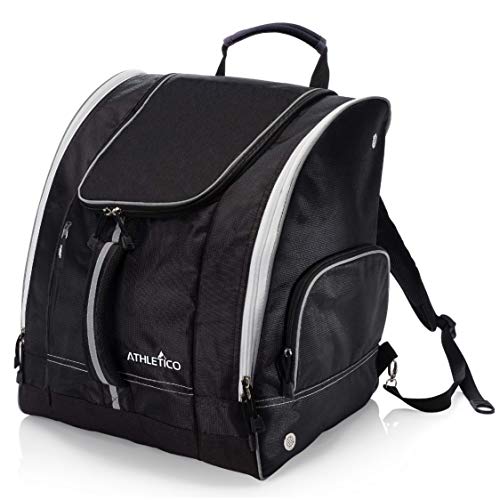
Boots never pack politely. They’re bulky, stiff, damp after a long day, and oddly determined to shove clean layers into one corner of a bag. The Athletico Ski Boot Bag fits the best ski boot bag for checked luggage discussion because it separates the clunky pieces from the softer gear while still keeping everything in one travel-friendly shape. With side-entry boot storage, padded carry points, water-resistant polyester, and reflective details, it feels built for the kind of ski travel where convenience matters just as much as toughness.
Athletico Ski Boot Bag
The Athletico Ski Boot Bag takes a straightforward approach, and honestly, that works in its favor. Instead of trying to look like complicated expedition luggage, it focuses on the basics that make ski and snowboard gear easier to move. The large main compartment holds jackets, helmets, goggles, gloves, and other equipment, while the side-entry boot zones keep hard shells away from softer items. That separation helps reduce the usual packing mess before a snowy trip even starts.
The bag’s layout feels especially useful for travel days that involve several stops. Gear can move from home to car, car to airport, airport to shuttle, and shuttle to lodge without constant repacking. A single bag for boots and key accessories lowers the odds of leaving gloves behind or burying goggles under a jacket. For checked luggage, organized storage is less about neatness and more about avoiding damage and wasted time.
Athletico describes the bag as rugged and outdoor ready, and the provided details support that direction. The water-resistant polyester helps handle damp surfaces and light snow exposure, while the individual boot openings keep dirt and moisture more contained. It’s not a hard-shell case, so it won’t offer rigid protection. Still, the design gives ski gear a cleaner, smarter place to ride than a regular duffel.
Side-Entry Storage Keeps Boots In Their Lane
The side-entry zippered boot compartments are the heart of this bag. Ski and snowboard boots are awkward cargo, and tossing them into a shared space can leave clothing dirty, scratched, or compressed. With separate boot storage, the Athletico bag keeps boot shells and buckles from bullying everything else inside. That’s a simple idea, but it solves a problem that shows up every single ski day.
The main compartment adds flexibility for bulkier soft gear. Helmets, goggles, gloves, and jackets can sit together without direct contact with muddy soles or wet boot edges. That matters after a stormy afternoon when gear comes off in a hurry and nobody feels like organizing perfectly. The bag gives enough structure to keep the mess from taking over.
Side access also makes loading easier. Instead of opening one huge cavity and forcing boots into a tight corner, each boot slides into its own side section. That helps the bag keep its shape while packed. It also makes unloading at the lodge feel less like wrestling with a stubborn suitcase.
The tradeoff is that compartmented storage can limit how creatively the bag packs compared with a plain duffel. Odd-shaped extras may not fit wherever you want them to. But for ski travel, predictable organization usually beats open-space chaos.
Water Resistance For Snowy Travel Days
Snow gear rarely stays dry for long. Parking lots turn slushy, lodge floors collect puddles, and car trunks end up with a mix of salt, grit, and melting snow. The Athletico bag uses water-resistant polyester, giving it a practical layer of protection for regular winter conditions. That’s useful for checked luggage, but also for the less glamorous parts of ski travel.
Water resistance should be understood realistically. This bag is made to handle snowy slopes, damp ground, and everyday winter mess, not prolonged soaking. Soft bags always have limits around seams and zipper areas. Even so, a water-resistant shell is a smart baseline for storing boots, jackets, and accessories around snow.
The product details also mention venting and grommets for snow drainage. That feature makes sense because boots can carry trapped snow into the bag after a day outside. Drainage support helps reduce moisture buildup instead of letting every bit of melted snow sit trapped inside. It’s a practical touch, especially for repeated use across a trip.
Venting also helps with gear that needs to breathe. Ski boots and gloves can hold moisture, and sealed storage can get unpleasant quickly. Airflow won’t dry soaked gear by magic, but it can help reduce that stuffy packed-bag feeling. For anyone carrying used winter gear between travel stops, moisture management matters more than it sounds.
Comfort Details For Moving Heavy Gear
Ski boots are not light, and carrying them by hand gets old before the day begins. Athletico includes padded lumbar back support, hidden carrying straps, and padded top and front handles. Those details give the bag multiple carry options, which helps when navigating cars, stairs, airport counters, or shuttle lines. Travel-friendly comfort shows up in small touches rather than one flashy feature.
The padded lumbar support is especially useful with hard gear inside. Boots can press awkwardly through thin fabric, creating pressure points against the back. Extra padding helps soften that contact and makes the bag more comfortable during short to moderate carries. That difference becomes noticeable when the walk from parking to lodge feels longer than expected.
Hidden straps keep the bag cleaner when backpack carry isn’t needed. Loose straps can snag, drag, or get in the way during storage and travel. Being able to tuck them away gives the bag a neater profile. For checked luggage, strap management can also help reduce unnecessary flapping and tangling.
The padded handles add another layer of convenience. Sometimes a backpack carry isn’t the easiest choice, especially when lifting the bag into a trunk or onto a luggage scale. Top and front handles make those quick movements smoother. That kind of grab-and-go flexibility is easy to overlook until it saves a few awkward moments.
Visibility And Safety Around Low Light
The reflective piping gives this black boot bag a useful edge. Ski days often begin early and end near dusk, and resort areas can get foggy or dim quickly. Reflective side details help the bag stand out more clearly around skiers, vehicles, and crowded drop-off zones. It’s not a replacement for personal awareness, but it adds a sensible safety touch.
Black bags can blend into shadows, car trunks, and crowded gear piles. The reflective accents make the Athletico design easier to notice without changing its understated look. That can help during evening loading or early morning unloading. Small visibility upgrades often prove their worth during rushed transitions.
Carrying handles also benefit from reflective treatment, according to the provided description. That placement makes sense because handles are exposed during movement and lifting. In a busy resort setting, clearer visibility can reduce the chance of someone missing the bag in low light.
The safety feature doesn’t change how the bag packs, but it adds practical value around real ski routines. Fog, dusk, and snow glare can all make visibility awkward. A little reflective piping is a modest feature, yet it fits the bag’s overall practical personality.
Checked Luggage Strengths And Practical Limits
The Athletico Ski Boot Bag works best as a practical boot-and-gear carrier. Its separate side boot compartments, roomy main section, water-resistant shell, and padded carry options all support ski and snowboard travel without making the bag overly complicated. For checked luggage, that combination helps keep dirty boots away from soft gear while keeping the entire setup easier to move.
Its soft-sided design brings flexibility, but it also sets boundaries. Travelers expecting hard-case protection for helmets, goggles, or fragile accessories should add internal protection or use separate cases. The bag organizes gear well, but checked baggage handling can still be rough. That’s where realistic packing habits matter.
The main compartment may feel generous for common ski essentials, though it still depends on how bulky the jacket and helmet are. Overpacking can make any boot bag awkward, especially once wet gear and heavy boots are involved. Balanced packing will help the Athletico bag carry better and maintain its shape.
Daily carry needs can look surprisingly similar across different routines, even outside winter sports. A neutral storage comparison appears in minimalist backpack for work, where clean organization and low-bulk movement matter in a very different setting. The Athletico Ski Boot Bag stays firmly focused on snow travel, with its strongest appeal coming from simple separation, moisture-aware details, and comfortable ways to haul awkward gear.

10 Best Sleeping Bags For Tall People of 2026 To Stretch Out Fully

10 Best Diaper Bag Backpacks For Dads of 2026 With Fast Gear Access

9 Best Diaper Bags For Twins of 2026 With Dual Compartments

10 Best Rebecca Minkoff Leather Crossbody Bags Over 300 of 2026 With Genuine Everyday Capacity
11 Best Marc Jacobs Bags of 2026 For Daily Essentials
10 Best Fossil Handbags of 2026 For Everyday Organization

10 Best Tory Burch Handbags of 2026 For Everyday Wear

11 Best Kate Spade Handbags of 2026 For Work and Daily Carry