Best Small Backpack for Travel 2026: Smart Picks

A best small backpack for travel should carry the day’s essentials without feeling like a stubborn suitcase strapped to your shoulders. That sounds simple, but compact bags often hide frustrating compromises: shallow bottle pockets, straps that dig in, awkward laptop sleeves, or one cavernous compartment where everything tumbles together. A practical design keeps a passport, charger, sunglasses, snacks, and a light layer within easy reach. The real win isn’t squeezing in more stuff; it’s carrying what matters without digging through a fabric black hole at the airport gate.
Comfort deserves more attention than flashy pocket counts. Thin straps may feel fine while the bag is empty, then turn into shoulder cutters once a water bottle, tablet, and power bank are added. Light padding, breathable back panels, and straps with enough adjustment range help the pack sit closer to the body instead of bouncing around. Still, extra padding adds bulk, so a slim urban bag may feel neater in crowded cafés while offering less support during a long walking day.
Useful organization should match real travel habits rather than looking impressive in product photos. A quick-access pocket near the top handles earbuds, transit cards, and hotel keys without inviting a full unpacking session. Interior dividers keep charging cables from twisting around pens and toiletries, while a secure pocket gives cash and documents a less obvious home. Too many tiny sections can become their own headache, though, especially when nobody remembers which zipper swallowed the adapter.
Size matters, and not just because airline rules can be strict. A compact personal-item backpack should slide under a seat without stealing every inch of legroom, yet it still needs enough structure to avoid collapsing into a lumpy heap. Smaller everyday packs are easier to manage on trains, buses, and narrow sidewalks. But packing bulky headphones, a thick sweater, or a large camera may require accepting a slightly roomier profile.
Material and zipper design shape how the backpack handles messy travel days. Water-resistant fabric can protect against a quick shower or spilled drink, though it shouldn’t be confused with full waterproofing. Smooth two-way zippers make security checks less irritating, while reinforced seams help at the spots that take the most strain. On the flip side, stiff fabric can feel boxy, and ultralight material may show wear sooner if the bag is regularly shoved beneath seats.
The strongest pick fits the way a trip actually unfolds. A laptop sleeve matters for work stops, side pockets matter for constant hydration, and a luggage pass-through earns its keep during airport-heavy itineraries. Meanwhile, a decorative feature that never gets used is just extra weight wearing a nice outfit. Prioritize balanced capacity, carrying comfort, secure storage, and easy access, then let color and style break the tie.
- TLR Rank9.6
TLR Rank is a ranking system developed by TravelLuggageReviews.com. TLR Rank has no relationship or impact from any manufacturers or sales agent websites. Learn more
- BrandLOVEVOOK

- TLR Rank9.4
TLR Rank is a ranking system developed by TravelLuggageReviews.com. TLR Rank has no relationship or impact from any manufacturers or sales agent websites. Learn more
- BrandJanSport

- TLR Rank9.4
TLR Rank is a ranking system developed by TravelLuggageReviews.com. TLR Rank has no relationship or impact from any manufacturers or sales agent websites. Learn more
- BrandMATEIN

G4Free 10L/15L Hiking Backpack Lightweight Packable Hiking Daypack Small Travel Outdoor Foldable Shoulder Bag(Grey)
View on Amazon- TLR Rank9.2
TLR Rank is a ranking system developed by TravelLuggageReviews.com. TLR Rank has no relationship or impact from any manufacturers or sales agent websites. Learn more
- BrandG4Free

- TLR Rank9.2
TLR Rank is a ranking system developed by TravelLuggageReviews.com. TLR Rank has no relationship or impact from any manufacturers or sales agent websites. Learn more
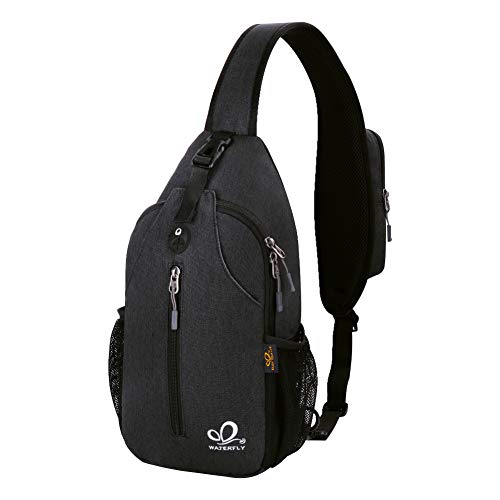
- BrandWATERFLY
- TLR Rank9.2
TLR Rank is a ranking system developed by TravelLuggageReviews.com. TLR Rank has no relationship or impact from any manufacturers or sales agent websites. Learn more
- BrandECOHUB
- TLR Rank9.0
TLR Rank is a ranking system developed by TravelLuggageReviews.com. TLR Rank has no relationship or impact from any manufacturers or sales agent websites. Learn more
- BrandWATERFLY

- TLR Rank8.8
TLR Rank is a ranking system developed by TravelLuggageReviews.com. TLR Rank has no relationship or impact from any manufacturers or sales agent websites. Learn more
- BrandPritent

- TLR Rank8.8
TLR Rank is a ranking system developed by TravelLuggageReviews.com. TLR Rank has no relationship or impact from any manufacturers or sales agent websites. Learn more
- BrandTHE NORTH FACE
Last update on 2026-08-01 / Affiliate links / Images, Product Titles, and Product Highlights from Amazon Product Advertising API
LOVEVOOK Small Travel Backpack Review
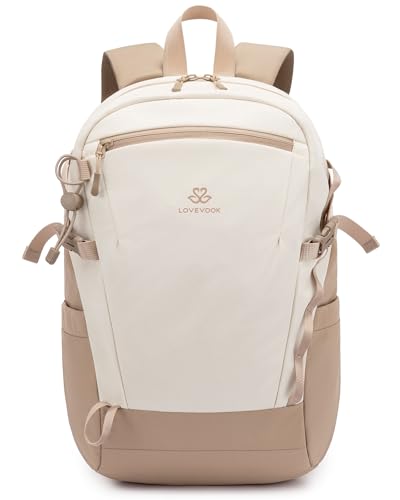
A compact backpack can look neat on a product page, then become a nuisance the moment a laptop, water bottle, charger, and light jacket go inside. Shoulder pressure builds quickly, small pockets turn into clutter traps, and soft bags sometimes slump against the back like a sack. The LOVEVOOK Small Travel Backpack aims to solve those familiar annoyances with an adjustable chest strap, structured storage, and travel-focused details. Positioned around the best small backpack for travel category, it favors everyday comfort and organization over rugged expedition features.
LOVEVOOK Small Travel Backpack
The first thing that separates this bag from a basic casual daypack is its ergonomic back support system. LOVEVOOK says the combination of padded support and an adjustable chest strap can make the load feel 30% lighter, though that figure should be treated as a brand claim rather than independent test data. Even so, the design logic makes sense because a chest buckle helps keep the shoulder straps from drifting outward. That steadier fit can reduce the constant tugging and readjusting that gets old fast during airport walks or long campus days.
The bag also avoids the overly technical look found on many hiking-inspired packs. Its color-blocked exterior and clean lines feel more at home in a coffee shop, classroom, office lobby, or boarding area than on a backcountry trail. That styling matters because a small travel bag often pulls double duty after the flight is over. Instead of hauling a bulky carry-on around town, this one can shift into a casual daypack without looking like leftover luggage.
Still, appearances create a tradeoff. The modern shape may appeal to anyone who wants a polished backpack, but it doesn’t signal heavy-duty outdoor capability. There’s no claim of waterproof construction, technical suspension, or trail-specific ventilation. The water-repellent fabric is meant for light rain and everyday splashes, not hours in a downpour. For city travel and routine commuting, that’s usually enough, but rough weather calls for more protection.
Comfort And Carrying Support
Small bags aren’t automatically comfortable, especially once a 15.6-inch laptop joins the load. The LOVEVOOK design addresses that weak point with padded back support and a chest strap that can stabilize the pack during brisk walking. A chest buckle is particularly useful in crowded terminals, where quick turns and sudden stops make loose straps annoying. It also helps keep the bag centered rather than letting the weight sway from side to side.
The shoulder straps appear geared toward everyday loads rather than minimalist fashion. That’s a practical call because narrow straps can bite into the shoulders even when the total weight isn’t especially high. Spreading pressure across a wider area makes books, electronics, and travel basics feel less punishing over time. The lightweight construction also means the bag itself doesn’t eat up much of the carrying comfort before anything is packed.
Comfort will still depend on how the interior is loaded. A laptop pressed against the back creates a firm base, while loose shoes, bottles, or thick clothing can produce uneven lumps if they aren’t arranged carefully. The chest strap can steady the bag, but it can’t fix poor weight distribution. Keeping heavier items close to the padded laptop sleeve should make the pack sit more naturally and reduce the backward pull that causes tired shoulders.
The chest strap may feel unnecessary during short errands, and some people simply dislike the appearance of an extra buckle across the front. That’s fair. Luckily, an adjustable strap can be worn loosely or left unclipped when the load is light. Its real value shows up during longer walks, public transit transfers, or any day when the backpack stays on for hours rather than minutes.
Storage And Everyday Organization
The main compartment offers enough room for books, clothing, and routine travel gear without turning the backpack into an oversized carry-all. A dedicated 15.6-inch laptop compartment is a notable advantage because many compact backpacks stop at smaller devices. Keeping the computer in its own padded area prevents it from sliding around with chargers, notebooks, and toiletries. That separation also makes security screening less chaotic because the laptop has a predictable place.
Multiple interior pockets help control the small items that usually settle at the bottom. Cables, pens, earbuds, power banks, and travel documents are easier to handle when they aren’t sharing one deep cavity. The organized pocket layout saves time in situations where standing still isn’t convenient, such as a boarding line or crowded train platform. Still, overfilling every pocket can make the bag feel dense and stiff, so restraint pays off.
The available room sounds generous for a small backpack, but expectations should stay realistic. A laptop, change of clothes, compact toiletry pouch, and light jacket may fit comfortably, while bulky shoes or thick winter layers could overwhelm the shape. This isn’t a substitute for a full suitcase. It works better as a personal-item style bag, commuter pack, or weekend companion for someone who packs with a bit of discipline.
The anti-theft pocket adds a sensible layer of separation for passports, cash, or a phone. Rear-facing storage is harder to reach casually in a crowd, though no fabric pocket can guarantee security against determined theft. The benefit is convenience with a little discretion, not invincibility. Used thoughtfully, the hidden storage area keeps important items away from the most exposed front compartments.
Travel Features That Earn Their Space
The luggage strap may be the quiet star of the design. Sliding the backpack over a rolling suitcase handle keeps it from slipping off every few steps, and it frees the shoulders during long waits. That small feature makes a big difference after a connection, especially when fatigue turns minor inconveniences into major irritations. The luggage pass-through also helps the bag stay upright instead of collapsing against the suitcase.
Air travel favors bags that stay compact, organized, and easy to move. The LOVEVOOK model checks those boxes with its chest buckle, hidden pocket, laptop sleeve, and manageable footprint. It appears better suited to under-seat use than a large hiking pack, though exact airline acceptance always depends on the carrier’s current size limits and how heavily the bag is filled. Soft-sided construction offers some flexibility, but stuffing it to the seams can erase that advantage.
From a practical angle, carry-on duffel bag considerations become relevant when a compact backpack can’t handle extra clothing or shoes. A duffel and small backpack often divide the load more sensibly than forcing everything into one overpacked bag. The backpack can hold electronics, documents, and daily essentials, while the larger piece handles bulkier items. That arrangement keeps the most valuable belongings close without stretching the smaller bag beyond its intended role.
The water-repellent and scratch-resistant exterior also suits airports, car trunks, and daily commutes. Light rain, accidental splashes, and routine contact with seat backs shouldn’t be as worrying as they would be with delicate fabric. Still, water-repellent doesn’t mean waterproof, so electronics deserve an inner sleeve or protective pouch in sustained rain. The fabric offers everyday defense, not storm-level sealing.
Pros And Practical Strengths
The strongest advantage is the balance between a polished appearance and functional support. Many fashion-focused backpacks skip chest straps and structured back panels, while outdoor packs can look bulky in everyday settings. LOVEVOOK lands between those extremes with casual styling and travel-minded hardware. That middle ground makes the bag easier to use across work, school, flights, and ordinary errands.
Storage is another clear strength. The large main area, laptop sleeve, organized pockets, and anti-theft compartment give different items a proper place. That reduces the frantic digging that happens when a passport, charging cable, or hotel key disappears under clothing. The separated organization feels especially useful for short trips where one bag has to manage both technology and personal items.
The lightweight build also deserves credit. Heavy backpacks often feel substantial in the hand, but that extra structure becomes dead weight once the packing starts. A lighter shell leaves more of the carrying burden for belongings that actually matter. Paired with the chest strap, the reduced base weight should make the bag easier to tolerate through a full commute or travel day.
Its versatility rounds out the positive side. The backpack can move from a college schedule to a work commute, then serve as an under-seat travel bag on the weekend. That flexibility reduces the need to keep separate bags for every routine. The clean exterior design also avoids looking too sporty or too formal, which helps it blend into different settings without fuss.
Cons And Realistic Tradeoffs
The first limitation is weather protection. Water-repellent material handles drizzle and small spills, but heavy rain can eventually work through seams and zippers. Anyone carrying an expensive laptop in wet conditions should use additional protection rather than trusting the outer fabric alone. The water resistance is convenient insurance for ordinary mishaps, not a license to ignore the forecast.
Capacity may also be misunderstood because the bag is described as spacious while remaining compact. Those ideas can coexist, but only within reason. A 15.6-inch laptop, books, clothing, and accessories can add weight quickly, and the shape may become crowded before the listed categories are all packed at once. The small travel size rewards selective packing and may disappoint anyone who routinely carries bulky footwear, camera gear, or thick outerwear.
The chest strap is helpful, though it won’t suit every outfit or preference. Some may see it as visual clutter on a casual backpack, and others may never bother fastening it during short trips. An unused buckle can dangle or feel unnecessary. Its value depends on carrying heavier loads or walking long enough for load stability to matter.
The bag’s outdoor language should also be read carefully. Scratch resistance and light weather protection are useful for parks, day trips, and easy trails, but they don’t automatically make this a technical hiking backpack. There’s no supplied evidence of a hydration system, reinforced hip belt, load-lifting straps, or advanced airflow channels. The hiking-friendly features lean toward casual outings rather than demanding terrain.
Where The Design Fits Best
Daily commuting is an obvious match because the laptop sleeve, organized pockets, and lighter structure address the common pain points of carrying electronics and small essentials. The bag can hold work materials without forcing a bulky business backpack into a crowded bus or train. Its modern styling also feels relaxed enough for casual offices while staying tidier than a traditional outdoor pack. That balance is hard to pull off without looking bland.
Short flights and weekend trips also play to its strengths. The luggage strap handles the airport portion, while the compact profile becomes easier to carry after arrival. A few carefully rolled clothes, small toiletries, and essential tech should suit the available space better than loose, bulky packing. The travel-friendly layout supports efficient movement rather than maximum capacity.
College routines may benefit from the same features, especially with a larger laptop and several notebooks in the mix. The chest strap can help steady the load while moving between buildings, and the scratch-resistant fabric is useful around desks, lockers, and public transit. Still, packing several heavy textbooks could test the limits of any lightweight small backpack. The ergonomic support improves carrying behavior, but it doesn’t remove the actual weight.
Casual day hikes are possible as long as the route and weather remain modest. Water, snacks, a thin layer, and basic personal items fit the concept well, while technical gear or all-day trail supplies may require something more specialized. The LOVEVOOK bag is better viewed as a city-to-trail daypack than a dedicated outdoor load hauler. That distinction keeps expectations grounded and highlights where its design makes the most sense.
JanSport Half Pint Mini Backpack Review
Bulky bags can turn a simple coffee run, museum visit, or neighborhood walk into an unnecessary hauling job. A smaller pack trims away that excess, but the tradeoff is obvious: every pocket and inch of capacity has to earn its place. The JanSport Half Pint sits firmly in the best small backpack for travel conversation because it keeps the design light, familiar, and easy to carry. Its 10.2-liter capacity won’t handle a weekend wardrobe, yet it gives everyday essentials a cleaner home than stuffed jacket pockets or a loose tote.
JanSport Half Pint Mini Backpack
The Half Pint uses a straightforward layout rather than chasing complicated organization. One main compartment handles a wallet, phone, compact tablet, small notebook, snacks, or a light layer, while the front zippered pocket separates smaller pieces. That simplicity makes packing quick because there aren’t twelve nearly identical pockets to search later. On the flip side, loose cables and cosmetics may mingle unless they’re placed inside a small pouch.
Its 10.2-liter size puts the backpack closer to a day bag than a conventional travel pack. That scale works nicely for walking around after checking into a hotel, browsing local shops, or carrying personal items during a flight. It won’t swallow bulky headphones, shoes, a sweatshirt, and a large water bottle all at once without becoming crowded. Realistically, this bag rewards selective packing rather than the old habit of tossing in everything “just in case.”
The black exterior gives the design a low-key, flexible appearance. It doesn’t scream hiking gear, school bag, or fashion purse, which lets it move between settings without looking out of place. The classic JanSport shape is recognizable but not fussy, and the smaller proportions soften the boxy profile associated with full-size backpacks. Anyone who prefers bold structure or multiple exterior details may find it almost too plain.
JanSport builds the main body with 100% recycled 600-denier fabric, according to the supplied product description. That material choice gives the pack a sturdy everyday shell while reducing reliance on newly produced fabric. The description doesn’t claim waterproof construction, so rain protection should be treated conservatively. Light exposure may be manageable, but electronics and paper items deserve extra protection during wet weather.
Compact Storage Without The Bulk
Small bags often fail because the opening is narrow or the interior wastes space. The Half Pint keeps things uncomplicated with a roomy single chamber that uses most of the available volume. A phone, slim wallet, sunglasses case, power bank, and compact tablet can sit together without the rigid dividers found in technical packs. The open interior feels flexible, though neat packing depends more on personal habits.
The front stash pocket is the natural spot for keys, earbuds, lip balm, transit cards, or a charging cable. Keeping those pieces away from the main compartment reduces the familiar bottom-of-the-bag scavenger hunt. The zippered front pocket also adds a small layer of security compared with an uncovered slip pocket. Still, it remains an exterior compartment, so passports and larger amounts of cash are better kept closer to the body.
A compact tablet can fit based on the provided description, but there’s no listed padded laptop sleeve. That distinction matters. A tablet placed beside hard objects may need its own protective case, and carrying a laptop would fall outside the intended use of this miniature backpack. The minimal internal structure keeps weight down, yet it also places more responsibility on the way fragile gear is packed.
Capacity is easiest to appreciate through ordinary scenarios. A city outing might include a wallet, phone, small camera, folded tote, snacks, and a thin cardigan. A flight setup could include documents, earbuds, a charger, medicine, and a small tablet. The 10.2-liter interior handles those restrained loads better than bulky travel gear or thick clothing.
Comfort For Shorter Daily Routes
Adjustable shoulder straps help the Half Pint sit at a comfortable height instead of hanging awkwardly near the lower back. That adjustability matters because a miniature backpack can look and feel unbalanced when the straps are left too loose. The sturdy shoulder straps are intended for regular everyday use rather than heavy load support. With a modest amount of gear, they should keep the bag stable enough for stores, cafés, sightseeing, and quick errands.
Padding details aren’t emphasized in the supplied description, so this shouldn’t be treated like an ergonomic hiking pack. A small bag usually carries less weight, which partly offsets the lack of advanced suspension. Even then, stuffing dense items into the main compartment can create pressure points against the back. The lightweight build makes the most sense with light personal belongings, not stacks of books or heavy electronics.
The web haul handle adds a useful grab point at the top. It lets the backpack move easily from a car seat to a café chair or airport security bin without catching a shoulder strap. That sounds minor, yet small conveniences often matter most during repeated stops. The grab-and-go handle also offers a cleaner way to carry the bag briefly when wearing it feels unnecessary.
Comfort remains tied to realistic expectations. A compact purse-style backpack won’t distribute weight like a larger model with a chest strap, padded back panel, or hip belt. It’s better suited to light loads spread across a few hours than a full day carrying dense equipment. The small-scale design cuts bulk, but it also removes the support features used in heavier travel packs.
Travel Use And Everyday Flexibility
The Half Pint makes sense as a secondary travel bag rather than the only bag for an entire trip. It can hold personal items during transit, then become a lightweight daypack once the larger luggage stays at the hotel. That role plays to its compact footprint and easy-carry format. It also avoids the awkwardness of bringing a large backpack into restaurants, galleries, or crowded indoor spaces.
Airport usefulness depends on packing style. The bag can keep a phone, identification, snacks, a tablet, and charging accessories close at hand, but there’s no supplied claim of a luggage sleeve or hidden anti-theft pocket. Travelers using rolling luggage may need to wear it rather than secure it to the suitcase handle. The simple travel layout stays light, though it offers fewer transit-specific features than newer carry-on backpacks.
Weekend packing may require a second piece for clothing and shoes. From a practical angle, a related capacity reference appears in gym duffel bags for men, since a larger duffel can carry bulkier gear while the Half Pint holds smaller personal items. That division prevents the mini backpack from becoming misshapen or uncomfortable. The two-bag approach also keeps frequently used items separate from clothes and footwear.
Daily life may be where this JanSport feels most natural. Coffee runs, casual shopping, festivals, short walks, and quick visits rarely require a full-size backpack. The miniature profile carries more than pockets without encouraging needless overpacking. It also leaves both hands free, which is handy around public transit, checkout counters, and crowded sidewalks.
Durability And Material Tradeoffs
The 600-denier main body fabric suggests a sturdier shell than thin fashion fabric, based on the information provided. That should help the backpack tolerate routine rubbing against chairs, vehicle seats, and indoor surfaces. The recycled fabric construction also gives the design an environmental angle without changing the familiar JanSport appearance. No abrasion rating or laboratory test data is supplied, so durability claims should stay within everyday use.
Zippers and seams matter just as much as the main fabric, yet the supplied details don’t provide technical specifications for either. Careful use will still extend the life of the bag, especially around an overfilled main compartment. Forcing the zipper around bulky items can strain the opening and distort the compact shape. The small capacity makes restraint part of proper maintenance rather than a mere packing preference.
The black color should hide minor dirt and scuffs better than pale shades. That’s useful for travel, where bags spend time on floors, under seats, and against public surfaces. Dark fabric can still show lint, dust, or light-colored debris, so it isn’t maintenance-free. The easygoing exterior simply makes ordinary wear less visually distracting.
Weather protection is the bigger unanswered question. The description highlights durability and sturdy construction but doesn’t describe the bag as water-resistant or waterproof. A compact rain cover or internal waterproof pouch would make sense around valuable electronics and documents. The 600-denier fabric may feel substantial, yet fabric thickness alone doesn’t guarantee sealed protection.
Strengths Worth Noticing
The biggest strength is portability. At 10.2 liters, the Half Pint avoids the sagging bulk and temptation to overpack that often come with larger bags. Its compact capacity fits short outings, travel essentials, and basic daily carry without becoming cumbersome. That restraint can be refreshing after years of hauling half-used gear around town.
The uncomplicated layout is another advantage for anyone tired of overengineered interiors. One main area and one front pocket create a clear mental map, so packing and unpacking happen quickly. The simple organization won’t please someone who wants a dedicated pocket for every cable, but it reduces visual and functional clutter. Small pouches can add structure without permanently dividing the interior.
Style also works in the bag’s favor. The black color, classic silhouette, and miniature scale create a casual appearance that doesn’t lean heavily toward one age group or activity. The unisex design keeps it practical for shared household use or anyone who dislikes overly decorative accessories. Its familiar shape also makes the bag easy to pair with everyday clothing.
The recycled main body fabric adds substance to the product story. Rather than relying only on appearance, JanSport specifies a 100% recycled 600-denier material for the exterior body. That detail may matter to shoppers who want familiar durability with less newly produced fabric. It doesn’t erase every environmental consideration, but it’s more concrete than vague sustainability language.
Weaknesses And Packing Limits
The lack of a dedicated padded laptop compartment is the clearest limitation. A compact tablet may fit, but larger devices and fragile electronics need separate protection. The single-compartment design also allows hard objects to press against screens if everything is tossed in carelessly. This bag favors basic personal carry over tech-heavy commuting.
Organization may feel too sparse for travelers carrying adapters, cords, cosmetics, medication, documents, and several small accessories. The front pocket helps, yet it can fill quickly. Pouches become almost necessary once the small-item count starts climbing. The minimal pocket layout keeps the bag light, but it won’t satisfy someone who depends on built-in dividers.
Heavy loads are another poor match. The adjustable straps improve fit, though the description doesn’t mention advanced padding, chest support, or a structured back panel. Books, bottles, or dense equipment could make the small backpack uncomfortable faster than expected. The light-duty carry style works best when the contents remain genuinely light.
Travel-specific hardware is limited in the provided information. There’s no stated luggage pass-through, lockable zipper design, bottle pocket, or concealed security compartment. Those omissions don’t make the bag ineffective, but they narrow its role. The Half Pint behaves more like a dependable miniature daypack than a specialized flight companion.
Best Situations For The Half Pint
Short city outings fit the design particularly well. A few essentials stay contained, both hands remain free, and the bag doesn’t dominate the outfit or bump into people in tight spaces. The mini backpack format feels especially sensible around museums, markets, cafés, and public transportation. Carrying less also makes repeated walking stops less tiring.
Vacation days with larger luggage left behind are another natural use. The Half Pint can hold a phone, wallet, sunscreen, sunglasses, compact tablet, and small snacks without bringing the bulk of the main travel bag. Its lightweight functionality supports casual sightseeing rather than demanding hikes or overnight packing. That distinction keeps the bag useful without overselling its capacity.
Quick errands benefit from the same restraint. Keys and a phone stay out of clothing pockets, while purchases can remain separate in a reusable tote. The front stash pocket keeps frequently handled items from disappearing beneath everything else. A full-size backpack would often feel excessive for that routine.
Long hikes, laptop-heavy workdays, and bulky gym loads fall outside the bag’s strongest range. Those situations demand more structure, padding, airflow, and capacity than the supplied design promises. The JanSport Half Pint stays most convincing as a light personal bag for simple travel days and everyday movement. Pushing it beyond that role would trade its best quality, compact convenience, for avoidable strain.
Matein Travel Laptop Backpack Review
Airport days get messy fast when a charger disappears under a hoodie, a passport ends up in the wrong pocket, and a laptop keeps sliding against everything else. The Matein Travel Laptop Backpack tackles that clutter with separate storage zones, a slim profile, and travel-minded details that suit the best small backpack for travel category. It carries up to a 15.6-inch laptop, keeps smaller accessories sorted, and adds a luggage strap for easier movement through terminals. The design isn’t built around rugged outdoor use, but it makes a strong case for organized commuting, short trips, and everyday tech carry.
Matein Travel Laptop Backpack
The Matein backpack takes a practical, no-nonsense approach to storage. A separate laptop compartment holds devices up to 15.6 inches, while the main packing area handles notebooks, a light jacket, headphones, or daily essentials. That split keeps hard electronics away from loose personal items, which makes the bag less chaotic during security checks. It also helps prevent a laptop from becoming the accidental divider inside one oversized compartment.
The front section is where the design gets more specific. Multiple pockets, pen slots, and a key fob hook give small items a fixed place instead of letting them vanish into the bottom. Chargers, cables, business cards, earbuds, and pens can stay separated without relying on extra pouches. For anyone who gets annoyed by constant rummaging, that level of organization feels genuinely useful.
The grey exterior keeps the look restrained and easy to pair with casual or work clothing. It doesn’t lean too sporty, nor does it try to imitate a formal briefcase. The slim business profile suits offices, college buildings, airports, and coffee shops without drawing much attention. Still, the understated shape may feel plain to someone who prefers a more expressive travel bag.
Material details support ordinary daily use rather than extreme conditions. The supplied description lists water-resistant polyester fabric and metal zippers, which should help with light rain, minor spills, and routine wear. Water resistance isn’t the same as waterproofing, though, so a laptop still deserves extra protection in prolonged rain. The bag is better suited to urban travel than to harsh weather or rough trail use.
Storage That Keeps Tech Under Control
Separate laptop storage is one of the backpack’s clearest strengths. The compartment accommodates 13-inch, 14-inch, 15-inch, and 15.6-inch devices according to the provided information. That range makes the bag useful across different work and school setups without forcing a snug fit. The dedicated device section also keeps the computer from rubbing against keys, adapters, or other hard objects.
The main compartment offers enough room for daily necessities and electronics accessories, though it remains a slim backpack rather than a suitcase replacement. A folded shirt, compact toiletry pouch, headphones, and a few work materials should fit more naturally than bulky shoes or thick winter clothing. The roomy packing area works best with disciplined packing. Stuffing it to the limit would undercut the slim shape and make the bag less comfortable.
Front organization reduces the small frustrations that build during a long day. A pen pocket saves time at a check-in desk, and the key hook keeps keys from scratching a phone screen or disappearing beneath cables. The multi-pocket front compartment favors people who carry several small accessories. On the other hand, anyone who prefers one open cavity may see the extra sections as unnecessary.
Organization only helps when each pocket has a clear purpose. Too many items packed into the front can make the bag feel lopsided and create pressure against the main compartment. Heavier gear should sit closer to the back, while lighter accessories belong toward the front. That simple packing habit lets the structured layout support balance instead of merely adding more places to hide things.
Comfort During Commutes And Travel Days
The back panel uses thick, soft multi-panel padding with ventilation, based on the supplied description. That setup aims to support the back while reducing the sticky, flat feeling common with thin backpacks. The ventilated padding should matter most during longer walks through terminals, campuses, or city streets. It won’t eliminate heat completely, but it gives air more room to move than a plain fabric panel.
Adjustable shoulder straps help distribute the load and reduce strain. Their breathable construction makes sense for a backpack carrying a laptop, charger, and several accessories, because tech weight adds up quickly. The soft shoulder padding should feel more forgiving than narrow straps on a minimalist daypack. Comfort will still depend on keeping the bag close to the body instead of letting it hang low.
The foam-padded top handle adds another carrying option. That handle is useful while moving the bag through a security checkpoint, lifting it from under a seat, or carrying it briefly through a crowded aisle. The padded grab handle prevents the sharp pressure that thin webbing can cause. It’s a modest detail, but repeated use makes that difference easy to appreciate.
This isn’t a hiking suspension system with a hip belt or load lifters. Dense books, large power banks, and a heavy laptop can still create fatigue over several hours. The comfort-focused construction improves everyday carry, yet it doesn’t erase the actual weight inside. Packing less remains the simplest way to keep the bag pleasant on a full travel day.
Travel Features With Practical Value
The luggage strap gives the Matein backpack a real advantage in airports. Sliding it over a suitcase handle keeps the bag upright and removes weight from the shoulders during long waits. The luggage pass-through also reduces the awkward balancing act of stacking a backpack on top of rolling luggage. That feature earns its place because it solves a frequent travel annoyance without adding much bulk.
A hidden pocket on the back offers a more discreet spot for a passport, wallet, or phone. Its location makes casual access from behind more difficult than with a front-facing pocket. The anti-theft pocket adds useful separation, though it shouldn’t be treated as complete protection against theft. Awareness still matters in crowded stations, airport lines, and public transportation.
The slim dimensions may help the backpack fit more comfortably beneath an airline seat, but the provided information doesn’t include exact measurements or a guarantee for any carrier. Packing level also changes how well a soft-sided bag fits. From a practical angle, carry-on luggage for Ryanair is a related reference because strict baggage limits can affect how a small backpack and main carry-on are paired. The compact profile is helpful, but current airline requirements should always guide the final packing plan.
The backpack can serve as a personal tech bag beside a larger piece of luggage. A laptop, documents, chargers, and in-flight essentials stay accessible while clothes and shoes remain elsewhere. That division keeps important belongings close and prevents the bag from becoming overstuffed. The travel-friendly layout performs best as part of a sensible two-bag setup.
USB Port Convenience And Its Limits
The external USB port gives a charging cable an easier route to a phone while walking. An internal cable connects to a power bank stored inside the backpack, reducing the need to leave the main zipper partly open. The built-in USB access is convenient during commutes, layovers, or long waits. It keeps the power bank tucked away while the phone remains in hand.
The backpack doesn’t generate power on its own. A separate power bank is required, and the supplied description clearly states that the USB port only provides access for charging. That distinction matters because the USB charging feature is a cable-management tool, not a battery. Anyone expecting an included charging source would need to adjust that expectation.
Cable setup also adds a small maintenance step. The internal connection has to stay attached, and the external port needs to remain clean enough for reliable use. A loose power bank can shift around inside unless it sits in a pocket or pouch. The charging arrangement works better when the battery has a stable place rather than floating around with books and clothing.
Some people may rarely use the port, especially if they prefer charging directly from a power bank in a pocket. In that case, the feature becomes harmless but unnecessary hardware. The external charging access is most valuable during frequent travel or long commutes. For occasional use, it’s a nice extra rather than a defining reason to choose the bag.
Pros That Stand Out
The strongest benefit is organized storage. Separate laptop space, a roomy main compartment, front pockets, pen slots, and a key hook give different belongings a logical home. The layered organization reduces clutter without turning the bag into a maze of tiny sections. That balance works especially well for tech accessories and everyday travel items.
Comfort is another meaningful advantage. Ventilated back padding, adjustable shoulder straps, and a foam top handle address the three main contact points during carrying. The soft support system should reduce pressure better than a basic flat-backed backpack. It’s particularly useful when the bag stays on for more than a quick walk from the car.
The luggage strap and hidden rear pocket add genuine travel value. Neither feature feels decorative, and both solve common problems during flights or train trips. The luggage attachment helps during long terminal walks, while the concealed pocket keeps important items away from exposed compartments. Those details make the backpack more travel-aware than a standard school bag.
Its polyester shell and metal zippers support regular weekday and weekend use. The material is described as durable and water resistant, which suits commuting, office travel, and light outdoor exposure. The everyday durability fits the intended role without pretending to offer expedition-level toughness. That honest middle ground makes the design easier to understand.
Cons And Realistic Tradeoffs
The USB port depends entirely on a separate power bank. Without one, the external connection has no practical function. The charging feature may also feel outdated to anyone who prefers wireless charging or carries a battery directly in a jacket pocket. Useful, yes, but only under the right routine.
The slim shape limits bulky packing. Shoes, thick sweaters, camera gear, or several days of clothing could quickly overwhelm the available space. The compact travel design favors electronics, documents, and neatly folded basics rather than oversized items. Anyone expecting suitcase-like capacity will run into the bag’s boundaries fast.
Water resistance offers only moderate reassurance. Light rain and accidental splashes are one thing, while sustained wet weather is another. The polyester exterior may slow moisture, but the supplied details don’t mention sealed seams or waterproof zippers. Electronics deserve an inner sleeve or dry pouch during uncertain weather.
The hidden pocket and luggage strap improve security and convenience, but the backpack lacks some features found on more specialized travel bags. No chest strap, hip belt, or clamshell opening is mentioned in the provided information. The business backpack layout prioritizes commuting and straightforward access over technical travel design. That tradeoff keeps the bag slim but less adaptable for demanding trips.
Where The Matein Makes The Most Sense
Work commutes suit this backpack naturally. A laptop, charger, notebook, pens, phone accessories, and a light layer can stay separated without creating a bulky silhouette. The professional grey design blends into offices and shared workspaces without looking stiff. Its organization also makes moving between meetings less frustrating.
College and school routines benefit from the same storage logic. The laptop compartment protects a device from loose supplies, while front pockets keep smaller items close. The adjustable shoulder straps help manage the load during walks between buildings. Heavy textbooks could still make the bag uncomfortable, so moderation matters.
Short business trips and day travel are another good match. The luggage strap, hidden pocket, and USB access support movement through airports and stations. The travel-oriented features help most when the backpack carries electronics and personal essentials beside a rolling suitcase. It’s less convincing as the only bag for a clothing-heavy weekend.
Outdoor use should stay casual. Water-resistant fabric can handle light weather, and the padded back may feel comfortable on an easy day trip. The urban travel construction isn’t described with hydration compatibility, trail support, or rugged suspension. Parks, city walks, and simple excursions fit better than technical hiking routes.
G4Free Packable Hiking Daypack Review
Extra baggage has a sneaky way of appearing halfway through a trip, right after souvenirs, snacks, and a spare layer start competing for space. A full-size backup bag solves the problem but wastes room before it’s needed, while a flimsy tote can become uncomfortable within minutes. The G4Free Packable Hiking Daypack takes a more practical route by folding into its own inner pocket and opening into a compact carry bag later. That foldable setup gives it a clear place among the best small backpack for travel options, especially for trips where low weight and easy storage matter more than heavy padding.
G4Free Packable Hiking Daypack
The defining feature is simple: the entire backpack folds into its own pocket. No separate pouch has to be tracked down, which removes one small but irritating travel problem. At full size, the bag measures 15.5 by 9 by 3.5 inches, while the packed form shrinks to about 7.5 by 6 inches. That compact bundle can sit inside a suitcase, larger backpack, or vehicle storage compartment without claiming much room.
The supplied product name references 10-liter and 15-liter versions, so capacity depends on the selected model. Either way, the design stays in small daypack territory rather than replacing a main piece of luggage. The lightweight 0.56-pound construction leaves more carrying allowance for the contents instead of the bag itself. That’s handy during flights, though stuffing a soft pack beyond its natural shape can quickly make it awkward.
Grey gives the exterior a quiet, practical appearance that won’t stand out sharply in a city, campground, or airport. The bag isn’t built around polished business styling or decorative details. Its appeal comes from packability, low weight, and straightforward storage. Those priorities make sense for a backup bag, but they also mean the daypack looks softer and less structured than a conventional travel backpack.
The listed uses cover hiking, biking, travel, camping, work, and shopping. That’s a wide range, yet the backpack’s actual strengths remain fairly specific. It suits light loads, short routes, and situations where convenience beats structure. The foldable body makes it adaptable, though it shouldn’t be mistaken for a technical trail pack with load support and specialized outdoor hardware.
Foldable Design And Packing Value
Packable backpacks earn their keep before they’re even worn. A normal daypack occupies a fixed chunk of suitcase space, while this one compresses into a small rectangle when not in use. The self-stowing pocket also keeps the packed form tidy instead of leaving loose straps tangled around clothing. For trips with tight packing limits, that compact storage can be more useful than an extra padded compartment.
The bag can also act as overflow storage on the return journey. Clothing, lightweight souvenirs, or other soft items can move into the opened backpack if the main luggage becomes crowded. The product description presents this as a possible way to manage excess baggage, although airline rules and fees still depend on the carrier. The backup carry option adds flexibility, but it doesn’t guarantee acceptance as a free additional item.
Unfolding a self-packed bag is generally quick because there’s no assembly beyond turning the pocket out and arranging the straps. Folding it back may take a little patience until the fabric and straps are tucked neatly into the inner compartment. That’s normal with packable gear. The compact folded size is the payoff, while the softer material requires a bit more handling than a rigid bag.
The foldable design creates an unavoidable tradeoff in structure. A backpack that compresses this far can’t include a thick frame, substantial back panel, or heavily padded suspension. Contents determine the shape once it’s loaded, so hard or oddly shaped objects may press against the back. The space-saving construction is useful, but careful packing becomes part of the comfort system.
Storage Layout For Light Essentials
The main compartment is intended for clothing, an umbrella, and other daily items. Its open layout makes it easy to pack a thin jacket, snacks, a compact towel, or basic travel supplies. The single main storage area offers flexibility because it isn’t broken into rigid sections. Still, loose electronics and small accessories may drift around unless they’re placed in separate pouches.
A front compartment handles items such as tissues, keys, or earphones. Keeping those pieces outside the main cavity saves time during short stops and prevents sharp keys from rubbing against softer belongings. The front access pocket is practical for frequently handled items, though it may feel limited once several accessories pile up. Small organization works best here, not an entire collection of travel gadgets.
Two side pockets add useful separation for bottles, compact umbrellas, or small items that don’t belong inside. Side storage matters on a lightweight daypack because it keeps wet or frequently used gear away from clothing. The dual side pockets also reduce the need to open the main zipper every few minutes. Their usefulness will depend on the size and shape of the items, since no elastic or closure details are supplied.
The bag doesn’t list a padded laptop sleeve, tablet compartment, key leash, or concealed security pocket. That keeps the construction light but narrows its role around delicate electronics and important documents. A laptop would need a separate protective sleeve, and valuables deserve more secure placement in crowded areas. The minimal organization suits outdoor basics and casual errands better than tech-heavy commuting.
Weight And Carrying Comfort
At only 0.56 pounds, the backpack starts with very little dead weight. That matters during walking-heavy days because every unnecessary ounce adds up once water, clothing, and snacks are packed. The ultralight shell also makes the bag easier to keep inside another piece of luggage without second thoughts. It feels like a practical backup rather than an object that needs its own packing plan.
Low bag weight doesn’t automatically guarantee comfort, though. Soft packable backpacks depend heavily on load shape and strap adjustment. A neatly folded jacket against the back can create a softer surface, while a bottle or hard case in the wrong spot can become annoying quickly. The unstructured back panel rewards deliberate packing and lighter contents.
The supplied description doesn’t mention padded shoulder straps, chest support, or a hip belt. That omission suggests the daypack is meant for modest loads rather than long hours under heavy weight. Shoulder pressure may become noticeable if the bag is packed with dense items. The light-duty carry system fits short hikes, shopping runs, and sightseeing better than steep, all-day routes.
Comfort also depends on choosing between the available capacities. A smaller version can discourage overpacking, while a larger one creates more room but also makes it easier to carry too much. The 10-liter or 15-liter format should be matched to actual use rather than the instinct to buy more space. With a pack this soft, restraint usually improves both balance and comfort.
Material And Weather Protection
The exterior uses thickened water-resistant nylon, according to the supplied details. Nylon makes sense for a packable bag because it can remain lightweight while handling routine abrasion and folding. The water-resistant fabric should help during light rain or accidental splashes. Still, the description doesn’t claim waterproof seams or sealed zippers, so extended exposure could allow moisture inside.
An SBS zipper is also listed as part of the construction. Zipper quality matters on foldable packs because the opening gets bent, compressed, and handled repeatedly. The SBS zipper hardware adds a more specific durability detail than vague wording alone. No test results are provided, so long-term performance should be understood within normal everyday use.
The claim that the bag is not easy to tear sounds reassuring, but sharp branches, rough stone, and overstuffed seams can still damage lightweight fabric. Thickened nylon improves resistance without turning the backpack into expedition gear. The durable nylon shell is better suited to parks, easy trails, shopping, and travel than to dragging across abrasive ground. Sensible use will matter more than marketing language.
Rain protection deserves realistic expectations. A brief shower may be manageable, especially with less sensitive contents, but electronics and paper should sit inside an additional waterproof pouch. The water-resistant finish is a layer of defense rather than complete weather sealing. That distinction becomes especially important during hiking, where a small forecast change can turn into sustained exposure.
Travel Use And Everyday Flexibility
The G4Free design fits neatly into a suitcase as a secondary bag. Once the main luggage stays at the hotel, the daypack can carry water, a light layer, snacks, and small purchases. The packable travel role is arguably stronger than its role as a permanent everyday backpack. It disappears when unnecessary and becomes useful only when the day calls for it.
Airports present a few practical scenarios for this setup. The folded bag can remain inside checked or carry-on luggage, then open for lightweight overflow during the return trip. Airline baggage policies still control what can be taken aboard, so the bag’s compact size doesn’t override carrier limits. The small unfolded footprint helps, but packing volume and current rules remain the deciding factors.
A garment-focused travel setup may pair the daypack with a larger bag for clothing. From a practical angle, convertible garment duffel bags provide a related reference for keeping formal outfits separate while a small backpack handles daily essentials. The two bag types solve different problems without forcing a false overlap. The G4Free daypack stays responsible for lightweight carry, while bulkier clothing belongs elsewhere.
Shopping and casual commuting are also reasonable uses. The side pockets organize drinks or umbrellas, and the main compartment can hold small purchases or lunch. The foldable convenience makes the bag easy to keep in a car or desk drawer for unplanned errands. Its soft shape may look less polished in an office, though practicality is clearly the bigger priority.
Pros That Make Sense
The most obvious strength is compact storage. Folding to roughly 7.5 by 6 inches lets the backpack hide inside luggage until needed. The self-contained packable design removes the hassle of carrying a separate pouch. That makes it a sensible spare bag for travel, camping, and vehicle storage.
Weight is another clear advantage. At 0.56 pounds, the bag adds little burden before anything goes inside. The lightweight construction supports walking, cycling, and sightseeing without making the empty pack feel overbuilt. It also leaves more of the total load for useful items rather than heavy structure.
The storage layout stays simple but functional. A main compartment, front pocket, and two side pockets separate the broad categories most people carry on a short outing. The three-zone organization avoids unnecessary complexity while keeping small essentials and bottles accessible. That balance works nicely for casual use.
Water-resistant nylon and an SBS zipper support the intended outdoor and travel roles. These materials don’t make the bag invulnerable, but they add more reassurance than a thin promotional tote. The everyday durability fits light hiking, biking, shopping, and routine travel. Used within those boundaries, the design has a practical set of strengths.
Cons And Honest Tradeoffs
The biggest weakness is limited carrying support. A packable body can’t offer the same padding, frame, or load transfer as a structured hiking backpack. The soft back panel allows hard items to press through if they aren’t arranged carefully. Heavy loads may become uncomfortable faster than expected.
Organization is fairly basic. There’s no supplied laptop sleeve, hidden pocket, internal divider system, or dedicated electronics section. The minimal pocket layout keeps weight down but may frustrate anyone carrying several cables, documents, or fragile devices. Small accessory pouches can help, though they add another layer of packing.
Weather resistance has limits as well. Water-resistant nylon can handle light exposure, but the available details don’t support calling the bag waterproof. The rain protection should be viewed as moderate rather than absolute. Sensitive belongings still need an inner barrier during wet conditions.
The soft structure can also affect appearance. Partially filled, the backpack may sag; overfilled, it may bulge and pull awkwardly at the seams. The foldable shape values compact storage over a crisp silhouette. Anyone who prefers a polished commuter bag or rigid travel organizer may find the design too relaxed.
Situations Where It Fits Best
Short hikes are a natural use as long as the load stays modest. Water, snacks, a light jacket, tissues, and a compact umbrella match the available compartments well. The small outdoor capacity supports easy routes and brief outings without encouraging unnecessary gear. Technical trails call for more support and protection than this design promises.
City sightseeing may be an even better match. The backpack stays light, fits inside luggage before use, and offers enough room for daily necessities. The compact travel profile is less intrusive in crowded attractions, cafés, and public transportation. It also gives small purchases a place without forcing them into pockets.
Biking works for lightweight gear, particularly where a bulky backpack would feel cumbersome. The narrow dimensions and low empty weight reduce excess bulk across the shoulders. The simple carry format can handle a windbreaker, snacks, and personal items. Lack of a stated chest strap may allow some movement during faster riding, so load size matters.
Work and school use are more conditional. Lunch, a notebook, and small essentials may fit, but laptops and heavy textbooks fall outside the bag’s strongest range. The G4Free packable daypack serves better as an emergency or secondary bag than as a daily tech backpack. Its value comes from being ready without taking up much room beforehand.
WATERFLY 20L Packable Backpack
A spare bag usually sounds useful right up until it hogs a corner of the suitcase for the entire trip. The WATERFLY 20L Packable Backpack takes a different route by folding down to a compact bundle while still opening into a practical daypack for sightseeing, hiking, camping, or overflow storage. That combination gives it a natural place among the best small backpack for travel options, especially for travelers who value low weight and flexible capacity over thick padding. It isn’t built like a structured commuter pack, though, and that distinction shapes nearly every strength and weakness.
WATERFLY 20L Packable Backpack
The numbers tell the basic story without much fuss. Fully opened, the backpack measures 16.9 by 11.4 by 5.5 inches, while the folded form shrinks to about 8.7 by 6.3 inches. That difference matters because a bag this size can disappear into a suitcase, car compartment, or larger backpack until it’s actually needed. Instead of carrying an empty daypack through every stage of a trip, the folded bundle stays out of the way.
At 10.2 ounces, the WATERFLY is light enough to avoid feeling like wasted packing weight. The low starting weight leaves more room for water, snacks, clothing, and small travel essentials without making the total load unnecessarily heavy. That’s particularly useful on walking-heavy vacations, where every extra ounce starts to feel personal after a few hours. Still, lightweight construction usually means fewer comfort features and less structure.
The 20-liter capacity gives this model more breathing room than many miniature backpacks. It can handle a light jacket, compact umbrella, snacks, a small towel, and a few personal items without forcing everything into a tight stack. The 20L interior is generous for a packable bag, though it can also tempt people to carry more than the thin structure handles comfortably. Capacity and comfort aren’t always on speaking terms.
Its recycled nylon body, polyester lining, and SBS zipper create a practical material mix for ordinary travel and outdoor use. The recycled nylon construction keeps the pack light while giving it more substance than a disposable drawstring bag. No claim of full waterproofing is provided, so moisture protection should be treated realistically. Light outdoor use fits the design better than prolonged exposure to harsh conditions.
Folded Size And Travel Convenience
Packability is the feature that earns the most attention here. The backpack folds into a much smaller footprint, making it easy to carry as a backup without rearranging an entire suitcase. The compact folded shape is especially handy on trips where shopping, beach gear, or extra clothing may appear later. It solves a real travel problem without demanding permanent space from the beginning.
The unfolded bag can also take over as a daypack after arrival. A traveler can leave heavier luggage at the hotel and carry only food, water, a light layer, and daily essentials. The secondary-bag role makes more sense than treating this as a primary travel pack for electronics and clothing. It’s flexible, not magical, and that’s a useful boundary to remember.
Airports add another practical angle. A folded backpack can remain tucked away during the outbound journey, then open for lightweight overflow on the return trip. Airline policies still determine whether an extra bag is allowed, so the pack’s small folded size doesn’t guarantee free additional baggage. The travel backup function is valuable, but carrier rules remain the final word.
The foldable design does come with a handling tradeoff. Packing it back down may require a little patience, especially when straps and fabric need to sit neatly inside the folded shape. That’s common with ultralight gear and usually improves with repetition. The space-saving benefit outweighs the minor fuss for travelers who truly need compact storage.
Capacity For Daily Essentials
A 20-liter pack sits in a useful middle ground. It’s larger than a purse-style mini backpack but still smaller and less cumbersome than a full travel bag. The usable daypack capacity can support sightseeing, short hikes, errands, or a light commute. Bulky shoes, thick sweaters, and large camera systems will eat through the space quickly, though.
The open interior favors flexible packing. Clothes, a rain layer, snacks, and a small personal pouch can be arranged without rigid dividers dictating the layout. That freedom helps when the contents change from one outing to the next. The unstructured storage is adaptable, but it also means small objects may drift around unless pouches are used.
Organization is described in broad terms rather than with a detailed list of specialized pockets. That suggests the pack is meant to keep general items together rather than manage a tech-heavy collection of cables, pens, cards, and devices. The simple storage approach suits casual travel and outdoor basics. Anyone who prefers a designated place for every accessory may find it too loose.
Twenty liters also creates a weight-management challenge. The bag can hold enough gear to become heavy, even though the pack itself weighs very little. Without a firm frame or substantial back padding, dense loads may feel less comfortable than the capacity number suggests. The roomy interior should be used thoughtfully rather than filled just because space remains.
Comfort And Load Support
Ultralight backpacks usually rely on careful packing more than elaborate support systems. The supplied description doesn’t mention a padded back panel, chest strap, or hip belt, so comfort will depend on keeping the load modest. The lightweight body helps reduce overall burden, but it can’t spread weight like a structured hiking pack. Hard items should be placed away from the back whenever possible.
A folded sweatshirt or thin towel can create a makeshift cushion against the rear panel. Bottles, hard cases, and square-edged objects may poke through if they sit directly against the body. The soft pack construction rewards a little forethought and punishes careless loading. That sounds blunt, but it’s the honest nature of packable gear.
Shoulder comfort will also depend on how much of the 20-liter volume is used. A lightly packed bag should feel easy enough for short walks, shopping, or casual sightseeing. Once the contents become dense, the straps may begin carrying more pressure than expected. The best use case is a light-to-moderate load rather than a full, heavy haul.
Long hikes may expose the limitations more quickly. Technical daypacks use shaped padding, ventilation channels, sternum straps, and load-control features to stabilize weight. None of those features are listed here. The WATERFLY packable design favors convenience and portability over all-day trail support.
Material And Everyday Durability
Recycled nylon is a sensible choice for a foldable backpack because it balances low weight with routine durability. The fabric can compress repeatedly without the rigid feel of heavier luggage materials. The recycled main body also gives the product a more concrete material story than vague environmental language. Still, recycled fabric doesn’t automatically mean indestructible fabric.
The polyester lining adds a second layer inside the bag. That may help protect the interior from routine abrasion caused by keys, containers, or packed gear. The lined construction feels more appropriate for repeated travel than a single-layer sack. Sharp objects and overstuffing can still stress seams, so sensible packing remains part of durability.
An SBS zipper is specified, which is a more useful detail than simply calling the zipper durable. The zipper will handle frequent opening, folding, and compression, all of which matter on a packable design. The SBS hardware supports the bag’s intended everyday use. No testing data is provided, so long-term performance shouldn’t be exaggerated.
Weather resistance isn’t clearly defined in the supplied description. Nylon often handles minor moisture better than absorbent fabric, but that alone doesn’t make the bag waterproof. The material protection may be adequate for brief light rain, while electronics and documents should still stay inside protective sleeves. Heavy or sustained rain calls for more dependable coverage.
Outdoor Use Without Overstating It
Short hikes fit the WATERFLY’s strengths better than demanding trails. A bottle, snack, rain shell, sunscreen, and compact first-aid pouch can fit without making the pack overly complex. The 20-liter outdoor capacity is enough for a casual route or a day around a campground. Technical gear and heavy hydration loads may push it beyond its comfort zone.
Camping use is more about auxiliary storage than carrying a full setup. The backpack can hold small items around camp, serve as a quick supply bag, or carry essentials during short walks away from the site. The foldable camping utility is convenient because the bag takes up little room when packed with larger gear. It isn’t meant to replace a load-bearing hiking backpack.
Travel remains the more convincing role. The folded pack can wait quietly inside luggage, then become useful for beach visits, local markets, or urban wandering. The light travel profile feels less cumbersome in crowded spaces than a stiff, full-size backpack. Its casual shape also makes it easier to stow beneath a café table or vehicle seat.
From a practical angle, tote backpacks for women provide a related reference for travelers who want more structure and a different carry style. A tote-backpack hybrid may suit office or city use better, while the WATERFLY favors low weight and compact storage. The difference in design priorities comes down to polish versus packability. Neither format solves every situation equally well.
Strengths That Stand Out
The biggest strength is the weight-to-capacity ratio. A 20-liter bag that weighs only 10.2 ounces gives travelers useful space without adding much burden before packing begins. The ultralight build makes it easy to justify bringing along. That matters most when the backpack is carried as insurance rather than used every day.
Folded dimensions are another clear advantage. Shrinking to roughly 8.7 by 6.3 inches allows the pack to tuck into luggage, drawers, or vehicle storage with minimal fuss. The small packed footprint solves a common problem for people who need an extra bag but hate carrying empty bulk. It’s a straightforward feature with obvious day-to-day value.
The 20-liter size also offers more flexibility than many tiny packable models. It can carry a meaningful amount of clothing and outdoor basics while staying manageable for short outings. The usable interior volume supports travel, hiking, camping, and shopping without forcing a single purpose. That versatility is practical, provided the load remains light.
Material selection rounds out the positive side. Recycled nylon, polyester lining, and an SBS zipper create a sensible foundation for repeated folding and ordinary use. The durable component mix is specific enough to inspire more confidence than vague construction claims. It still belongs in the lightweight category, not the rugged expedition class.
Weaknesses And Realistic Limits
The lack of stated padding is the clearest weakness. A soft back panel allows awkwardly packed objects to press through, and thin shoulder support may feel uncomfortable under heavier loads. The limited support structure is the price paid for compact folding. That tradeoff is reasonable, but it shouldn’t be ignored.
Organization may also feel sparse for tech-heavy travelers. No dedicated laptop sleeve, anti-theft pocket, key leash, or detailed organizer panel is listed. The basic interior layout handles clothing and general essentials better than electronics and paperwork. Separate pouches can help, though they reduce some of the simplicity.
The 20-liter capacity can become a trap. More room encourages more packing, and more packing can overwhelm lightweight straps and soft structure. The capacity-versus-comfort tradeoff matters more here than it would with a framed daypack. Filling every corner isn’t always the smartest move.
Weather protection remains uncertain because no clear waterproof claim is provided. The nylon body may cope with minor moisture, but the seams and zipper could still allow water inside. The limited rain assurance makes protective inner bags sensible for electronics, documents, and clothing. Outdoor suitability should be interpreted as casual rather than extreme.
Where The WATERFLY Fits Best
City sightseeing is one of the strongest matches. The backpack is light, roomy enough for daily essentials, and easy to pack away before or after use. The compact travel behavior makes it less intrusive in museums, cafés, markets, and public transportation. A larger structured pack would often feel like overkill in those places.
Short outdoor trips also suit the design. The bag can carry water, snacks, a light jacket, and a few basic supplies without adding much dead weight. The casual hiking role works best on easier routes where support demands remain modest. Rough terrain and heavy gear call for a more specialized backpack.
Shopping and overflow storage are practical uses too. The 20-liter interior provides enough room for small purchases, while the folded format keeps the bag available without being constantly visible. The backup carrying function is especially helpful during vacations where luggage tends to grow on the return trip. Airline allowances still need to be respected.
Daily office or school use is less convincing unless the load stays simple. Without a listed laptop sleeve or structured organization, electronics and documents need separate protection. The WATERFLY 20L Packable Backpack makes more sense as a secondary travel bag, light daypack, or emergency carry option. Its best qualities appear when portability matters more than padding, polish, or technical support.


10 Best Laptop Backpack For College of 2026 With Padded Drop Protection

9 Best Travel Carry On Backpack For Europe of 2026 To Clear Cabin Sizers

8 Best Travel Backpack For Carry On of 2026 to Avoid Gate Checks
7 Best Travel Backpack For Camera of 2026 With Modular Gear Protection
9 Best Backpack For 9 Year Old of 2026 To Fit Narrow Shoulders

7 Best Computer Backpack For Travel of 2026 With Luggage Straps

9 Best Backpack For 8 Year Old of 2026 With the Right Fit and Support
8 Best Small Day Backpack For Travel of 2026 That Stow in Luggage