Best Soft Luggage For Adventure Motorcycles 2026 Grit

Best soft luggage for adventure motorcycles isn’t just about strapping bags to a bike and hoping the trail plays nice. A loaded adventure bike already feels tall, heavy, and a little stubborn once the road turns rocky, so soft panniers help keep weight lower without adding hard corners that bite back in a tip-over. The better setups use waterproof roll-top closures, tough outer fabric, and stable mounting that won’t flap around like laundry in a storm. That matters after the third water crossing, the first dusty detour, or that annoying moment when a loose strap taps the rear wheel.
Rackless luggage keeps things lean for smaller dual-sports and midweight ADV bikes, but it asks for careful packing and heat clearance near the exhaust. Rack-mounted soft bags feel tidier and more planted, especially with a heavier camping load, though they add hardware and a bit more fuss during setup. Neither style is magic, and honestly, that’s the point. The right pick depends on whether the ride leans toward fast dirt sections, long pavement transfers, or slow crawling where every extra pound feels personal.
Adventure motorcycle soft bags also solve a very real storage headache: Wet gear, tools, layers, food, and camp bits all need a place without turning the bike into a wobbling suitcase. Look for reinforced bottoms, replaceable straps, solid compression points, and smooth interior shapes that don’t punish dry bags or tool rolls. A bag that’s easy to remove at camp can save patience after a long day, while a semi-rigid soft pannier can feel more orderly for riders who hate digging through floppy fabric. Still, theft resistance is limited compared with hard cases, so valuables shouldn’t live in soft luggage overnight.
Waterproof motorcycle luggage should be treated with healthy skepticism until the closure, seams, and liner design make sense. Roll-top bags with welded liners usually handle rain better than zip-heavy designs, but constant abrasion can still wear fabric down over time. Soft luggage shines because it bends, compresses, and usually survives messy drops better than aluminum boxes. But sharp tools, stove corners, and loose bolts need padding, because soft sides won’t protect fragile gear like a rigid case would.
- TLR Rank9.4
TLR Rank is a ranking system developed by TravelLuggageReviews.com. TLR Rank has no relationship or impact from any manufacturers or sales agent websites. Learn more
- BrandTUSK

- TLR Rank9.2
TLR Rank is a ranking system developed by TravelLuggageReviews.com. TLR Rank has no relationship or impact from any manufacturers or sales agent websites. Learn more
- BrandTUSK

- TLR Rank8.8
TLR Rank is a ranking system developed by TravelLuggageReviews.com. TLR Rank has no relationship or impact from any manufacturers or sales agent websites. Learn more
- BrandRhinowalk

- TLR Rank8.8
TLR Rank is a ranking system developed by TravelLuggageReviews.com. TLR Rank has no relationship or impact from any manufacturers or sales agent websites. Learn more
- BrandKEMIMOTO

KEMIMOTO Motorcycle Saddlebags,Upgraded Bottom Anti-scalding Motorcycle Luggage Bag 30L(15Lx2) Large
View on Amazon- TLR Rank8.8
TLR Rank is a ranking system developed by TravelLuggageReviews.com. TLR Rank has no relationship or impact from any manufacturers or sales agent websites. Learn more
- BrandKEMIMOTO

- TLR Rank8.8
TLR Rank is a ranking system developed by TravelLuggageReviews.com. TLR Rank has no relationship or impact from any manufacturers or sales agent websites. Learn more
- BrandNICECNC

- TLR Rank8.8
TLR Rank is a ranking system developed by TravelLuggageReviews.com. TLR Rank has no relationship or impact from any manufacturers or sales agent websites. Learn more
- BrandRhinowalk

- TLR Rank8.6
TLR Rank is a ranking system developed by TravelLuggageReviews.com. TLR Rank has no relationship or impact from any manufacturers or sales agent websites. Learn more
- BrandKEMIMOTO

- TLR Rank8.6
TLR Rank is a ranking system developed by TravelLuggageReviews.com. TLR Rank has no relationship or impact from any manufacturers or sales agent websites. Learn more
- BrandEddie Bauer

- TLR Rank8.4
TLR Rank is a ranking system developed by TravelLuggageReviews.com. TLR Rank has no relationship or impact from any manufacturers or sales agent websites. Learn more
- BrandKEMIMOTO
Last update on 2026-07-09 / Affiliate links / Images, Product Titles, and Product Highlights from Amazon Product Advertising API
Best Soft Luggage For Adventure Motorcycles
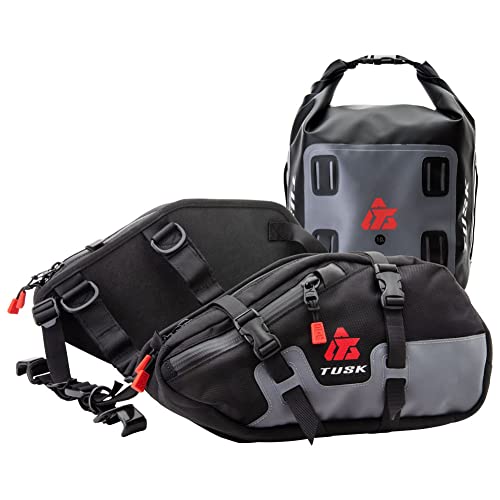
Dusty backroads, surprise rain, and uneven terrain have a funny way of exposing weak gear. A luggage system might seem fine in the garage, yet the first rough trail can reveal loose mounting points, awkward weight distribution, or bags that simply get in the way. That reality is exactly why the best soft luggage for adventure motorcycles often focuses less on flashy features and more on practical usability. The TUSK Traverse Pannier Bags Base System takes that straightforward approach with a rackless design intended for day trips and lightweight adventure travel.
TUSK Traverse Pannier System
Rackless construction is the defining characteristic of this setup. Traditional pannier systems frequently require metal side racks, which add weight, complexity, and cost. The Traverse Base System skips that requirement, allowing the bags to mount directly to compatible motorcycles. Riders trying to keep their machines nimble on gravel roads or narrow trails will likely appreciate that simplified arrangement.
Weight management matters more than many people expect. A motorcycle already carrying camping gear, tools, water, and extra clothing can start feeling cumbersome surprisingly quickly. By removing the need for additional rack hardware, the lightweight pannier configuration helps reduce unnecessary bulk while maintaining carrying capacity for day-long adventures.
The design also creates a cleaner overall profile. Wide luggage setups can become frustrating in tight wooded sections, rocky switchbacks, or congested fuel stops. The compact soft luggage layout keeps the motorcycle looking purpose-built rather than overloaded, which can make a noticeable difference during technical riding conditions.
Unlike hard luggage, soft panniers tend to be more forgiving during low-speed tip-overs. That doesn't mean they're immune to damage, but the flexible materials generally create less concern when the bike takes an unexpected nap on a dirt trail. Riders who spend time off pavement often view this as a meaningful advantage.
Built For Day Trip Adventures
The product description specifically highlights readiness for day trip adventure riding, and that focus shapes expectations appropriately. Not every luggage system needs to support weeks of remote travel. Sometimes the goal is simply carrying tools, snacks, rain gear, spare gloves, and a few essentials without turning the motorcycle into a rolling storage unit.
Many adventure riders know the frustration of overpacking. Empty space often invites unnecessary gear, and before long the motorcycle feels heavier than intended. The Traverse system naturally encourages a more disciplined packing strategy. That can be surprisingly beneficial because lighter loads typically contribute to better handling and reduced fatigue.
Weekend exploration often involves unpredictable conditions. A route that starts as pavement may transition into gravel, dirt, or rough two-track terrain. The soft pannier format suits those mixed-surface rides because it prioritizes mobility rather than maximizing storage volume at all costs.
Practicality also plays a role here. Riders frequently stop to take photos, grab lunch, check maps, or adjust layers during changing weather. A luggage setup that remains straightforward and uncomplicated tends to support those moments better than systems that require constant adjustment or excessive hardware management.
Real-World Riding Experience
Adventure riding creates a unique challenge because every pound carried influences how the motorcycle behaves. Extra weight positioned poorly can affect balance during slow-speed maneuvers and technical sections. The rackless soft luggage design helps maintain a more natural riding feel compared with some heavier alternatives.
Loose surfaces reveal strengths and weaknesses quickly. Gravel roads, washboard sections, and rocky climbs tend to punish luggage systems that shift excessively. While proper installation remains essential, the Traverse concept aims to minimize unnecessary movement by keeping the load integrated closely with the motorcycle.
Comfort isn't discussed often enough in luggage conversations. A rider spending hours standing on foot pegs, navigating uneven terrain, benefits from equipment that doesn't constantly interfere with body positioning. The relatively streamlined nature of the system helps preserve freedom of movement during active riding situations.
Perspective matters here. Riders focused on lightweight exploration frequently prioritize confidence over carrying capacity. The ability to maneuver comfortably through challenging sections can outweigh the benefit of bringing additional gear that may never leave the bag.
Strengths And Practical Benefits
Simplicity stands out immediately. Eliminating racks reduces installation complexity and decreases the number of components that require maintenance or inspection. Less hardware often means fewer opportunities for rattles, loose bolts, or compatibility headaches.
Flexibility also deserves attention. Soft luggage systems generally adapt better to varying load sizes than rigid hard cases. That adaptability can be useful during shorter rides where carrying needs change from trip to trip.
Another notable benefit involves motorcycle handling. Adventure motorcycles already carry substantial weight, particularly larger displacement models. Any opportunity to avoid unnecessary additions deserves consideration, and the rackless design aligns well with that objective.
An unrelated style reference occasionally appears in broader gear discussions, and a neutral example can be seen in tortoiseshell oversized square sunglasses. While entirely different from motorcycle luggage, it illustrates how equipment choices often balance function, comfort, and personal preference rather than relying solely on specifications.
The softer exterior provides another practical advantage. Tight parking situations, narrow trails, and occasional drops become slightly less intimidating compared with rigid luggage systems that may dent, bend, or transfer impact differently during minor incidents.
Tradeoffs Worth Considering
Storage limitations represent the most obvious compromise. Riders planning extended multi-day expeditions may eventually need greater carrying capacity than a day-trip-oriented setup typically provides. Packing discipline becomes increasingly important as trip length grows.
Security presents another consideration. Soft luggage generally lacks the lockable protection associated with hard aluminum cases. Valuable electronics, documents, and other sensitive items may require additional planning whenever the motorcycle is left unattended.
Weather performance depends heavily on the specific materials and closure systems used. Since the provided product information focuses on the rackless design and intended use, expectations should remain tied to the details available rather than assumptions about waterproofing or long-term exposure resistance.
Compatibility deserves careful attention before purchasing. Rackless systems often depend on motorcycle shape, seat design, and exhaust placement. Verifying fitment helps avoid disappointment and ensures the luggage performs as intended once installed.
Those tradeoffs don't necessarily represent weaknesses. They simply reflect the product's mission. The Traverse Base System appears geared toward riders seeking a lightweight adventure luggage solution rather than a large-capacity touring platform, and understanding that distinction helps set realistic expectations from the start.
Best Soft Luggage For Adventure Motorcycles
Running out of space halfway through a ride can turn a relaxing trip into a juggling act. Gloves end up stuffed into odd corners, tools sink to the bottom of overloaded bags, and water bottles somehow become the hardest item to reach when they're needed most. That's part of the reason the best soft luggage for adventure motorcycles focuses on organization just as much as storage volume. The Tusk Pilot Pannier Bags with Bottle Holders approach the problem from a practical angle, combining multiple compartments with dedicated exterior bottle storage for easier access during long days on the bike.
Tusk Pilot Pannier Bags
Soft side pannier storage sits at the heart of this system. Instead of relying on one large cavity that turns into a gear pile after a few hours of riding, these bags are designed to separate riding essentials into dedicated spaces. That seemingly simple detail can save time at fuel stops, campsites, and roadside breaks.
Adventure travel often involves carrying a surprisingly mixed collection of items. Rain layers, tire repair kits, snacks, maps, compact tools, and extra gloves all compete for limited room. The organized storage layout helps reduce that clutter and keeps frequently used items easier to locate.
From a reviewer’s perspective, thoughtful storage matters because frustration usually comes from access rather than capacity. Digging through a packed bag for a small tool isn't anyone's idea of fun. Organized compartments help reduce that common annoyance and create a smoother riding experience.
Compact organization also supports better packing habits. Separating equipment into designated sections encourages riders to carry what they actually need instead of tossing everything into one oversized compartment and hoping for the best.
Integrated Bottle Holder Advantage
Integrated bottle holders immediately stand out because they're not commonly included in every pannier design. Hydration is easy to overlook during long stretches of riding, especially on warm days where hours pass quickly between stops. Having a dedicated exterior location for a bottle can make access noticeably more convenient.
Practicality shows up in small details. Reaching into a main compartment every time a drink is needed becomes tedious after repeated stops. The exterior holder creates separation between hydration items and the rest of the packed gear, helping maintain better organization throughout the day.
Those holders aren't necessarily limited to water bottles either. Cylindrical items such as compact fuel containers, small camping accessories, or other similarly shaped gear may fit depending on size requirements. That flexibility gives riders additional storage options without consuming interior space.
Convenient accessibility often gets overlooked in product descriptions, yet it can significantly affect daily usability. Features that reduce small inconveniences tend to become the ones appreciated most after hundreds of miles on the road.
Storage Layout And Daily Use
Multiple storage compartments help transform packing from a guessing game into a more structured process. Riders can dedicate separate pockets to tools, electronics, personal items, or emergency supplies rather than combining everything together. That organization becomes especially useful during unpredictable weather or mechanical situations.
Different riding styles create different packing challenges. Some trips involve little more than a few hours of exploration, while others stretch from sunrise to sunset. The compartment structure allows gear arrangements to adapt without forcing every item into the same space.
As a rider, there's real value in knowing exactly where essential equipment is located. Seconds matter when reaching for rain gear before a storm arrives or locating a repair kit after spotting a puncture. Organized storage supports quicker decisions and fewer interruptions.
Another interesting observation involves gear management beyond motorcycles. Discussions about storage-focused products occasionally branch into categories such as best tote bags under 200, where organization and accessibility remain important considerations despite serving a completely different purpose.
Compartment separation also helps protect delicate items from unnecessary contact with heavier tools or hardware. While soft luggage isn't intended to replace hard protective cases, thoughtful organization can reduce wear on packed equipment.
Attachment Stability On The Trail
Secure attachment straps play a major role in how luggage performs once the pavement ends. Loose or shifting bags can become distracting, particularly on uneven terrain where balance and concentration already demand attention. Stability contributes directly to riding confidence.
Adventure routes frequently include washboard gravel, rough forest roads, and occasional rocky sections. Vibrations from those surfaces can expose weaknesses in poorly secured luggage. A mounting system designed to keep bags positioned properly helps reduce movement and keeps the load more predictable.
Load placement affects motorcycle handling more than many riders initially expect. Equipment that remains stable allows the bike to feel more consistent during cornering, braking, and slow-speed maneuvers. Even modest improvements in stability can become noticeable over the course of a long day.
Consistent positioning offers another practical benefit. Riders spend less time adjusting straps and more time focusing on the route ahead, which is exactly what most adventure travelers prefer.
Durability And Long-Term Considerations
Abrasion-resistant materials are an important feature for luggage that may encounter dirt, gravel, brush, and repeated loading cycles. Adventure motorcycles rarely stay spotless, and luggage often absorbs more abuse than expected during normal travel.
Soft bags inevitably experience contact with riding gear, boots, tools, and environmental debris. Durable fabric construction helps the panniers handle those routine encounters while maintaining their overall structure. The focus here isn't flashy styling but practical longevity.
Tradeoffs still exist. Soft luggage generally won't provide the same theft resistance as lockable hard cases, and it offers less impact protection for fragile items. Riders carrying sensitive electronics may want additional protective pouches inside the compartments.
Realistic expectations are important with any luggage system. The Tusk Pilot Pannier Bags prioritize organized storage, accessible hydration options, secure mounting, and durable materials. For riders seeking a practical setup that simplifies gear management during day rides and adventure outings, those strengths align well with the challenges commonly encountered on the road.
Rhinowalk 28L Waterproof Saddle Bags
A wet jacket is annoying, but soaked tools, damp gloves, and a soggy base layer can sour a ride fast. Soft luggage has to deal with rain, dust, vibration, exhaust heat, and the weird little packing choices that happen before sunrise. That is where best soft luggage for adventure motorcycles earns its keep, not by looking tough on a product page, but by keeping daily gear organized and protected without making the bike feel clumsy. The Rhinowalk 28L Waterproof Saddle Bags bring a practical two-bag setup with waterproof PVC tarpaulin, roll-top access, and collapsible storage for riders who want usable side capacity without hard-case bulk.
Rhinowalk 28L Saddle Bags
Waterproof construction is the headline feature here, and it matters because adventure riding rarely sticks to clean pavement. Rhinowalk uses 500D PVC tarpaulin, a material known for resisting water, dust, and abrasion better than thin fabric shells. The roll-up closure adds another layer of weather defense, since folding the opening down several times helps block rain from sneaking into the main compartment. It is a simple design, but simple often wins when cold fingers and roadside packing are part of the deal.
The paired bags provide a total of 28L capacity, split into two 14L side pockets. That layout suits daily riding needs like rain gear, compact tools, snacks, spare gloves, and small travel essentials. It is not a giant expedition setup, and honestly, that restraint can be a blessing on smaller adventure and sport motorcycles. Too much unused space invites overpacking, and overpacking turns every slow U-turn into a little wrestling match.
Soft-sided storage also makes these panniers easier to live with off the bike. Once empty, the bags can collapse down for easier storage instead of taking up garage space like rigid boxes. That matters in apartments, shared sheds, and packed workshops where every shelf already has a helmet, chain lube, or half-forgotten tool roll sitting on it. The design feels more about practical riding rhythm than showroom neatness.
Waterproof Build And Roll-Top Access
The roll-top design is the sort of feature that sounds basic until weather turns mean. Folding the bag down three or four times, then buckling it, creates a more dependable seal than many casual zippered bags can offer. Quick opening and closing helps during fuel stops or roadside layer changes, especially when the sky looks like it is about to dump rain. There is less fuss, fewer fragile parts, and fewer reasons to mutter under your breath.
500D PVC tarpaulin gives the bags a tough, wipe-clean shell that suits dusty and muddy riding. Dirt does not cling to this kind of surface the way it can cling to softer woven fabric, so cleanup should be less of a chore after sloppy roads. That is a real benefit after a wet trail day, when the last thing anyone wants is luggage that drags half the route back into the garage. The material choice also supports repeated transport conditions, which is where bargain bags often start to show their weak spots.
There is one tradeoff with heavy waterproof materials: They may feel stiffer than lighter textile luggage. That is not automatically bad, because structure helps the bags hold shape, but it can affect how they pack and fold. Waterproof motorcycle panniers often ask riders to accept a little extra material feel in exchange for better resistance against rain and grime. For mixed-weather travel, that bargain makes sense.
Capacity And Packing Behavior
The 28L total capacity gives enough room for daily essentials without encouraging a garage-cleanout packing style. Each side has 14L, which helps balance the motorcycle better than loading everything into one rear bag. A jacket liner on one side and tools or food on the other can keep weight more predictable. Small decisions like that show up later when gravel gets loose or the bike leans awkwardly on uneven ground.
Two side bags also help separate cleaner items from dirtier gear. A compact pump, tire tools, or cable lock can stay away from spare layers and soft goods. That kind of separation reduces the usual rummaging problem, where everything ends up buried under everything else. Organized side storage does not need fancy dividers to be useful, especially when the basic left-right split already brings order to the load.
The bags are described for most adventure and sport motorcycle racks, which gives them broad appeal while still leaving room for fitment checks. Rack shape, exhaust position, and rear bodywork can all affect how side luggage sits. Rhinowalk also suggests using a separate heat-isolation accessory to keep the bag away from the exhaust pipe and prevent burns. That detail should not be ignored, because exhaust clearance is one of those problems that only needs one mistake to become expensive.
Mounting Stability And Bike Fit
The attachment setup uses Velcro boards and buckles to connect the two bags across the motorcycle. This lets the distance between the bags be adjusted, which helps with different motorcycle widths and rack arrangements. A flexible mounting span is useful because adventure bikes and sport motorcycles rarely share the same tail shape. A bag that can adapt a bit is easier to place cleanly and securely.
Anti-vibration behavior depends on more than the bag material alone. Stable strap tension, balanced packing, and proper placement all play a role once the bike hits rough pavement or washboard dirt. The provided mounting approach is meant to keep the bags fixed in position during use, but riders still need to check strap routing before longer rides. Loose luggage is not just annoying, it can become a safety concern near wheels, chains, or hot exhaust parts.
Soft panniers can be more forgiving during minor bumps or low-speed drops than rigid cases. They do not remove risk, but they usually avoid the sharp-corner feel of hard luggage. Soft motorcycle side bags also keep the bike from feeling wider and more boxy than necessary. That slimmer, less rigid presence can make daily riding feel more natural, especially in traffic, trailheads, or tight parking spots.
Daily Use, Tradeoffs, And Practical Fit
The Rhinowalk setup feels best suited for riders who value weather protection, simple packing, and collapsible storage over lockable security. Soft bags do not protect valuables the same way hard cases can, so cameras, documents, and electronics may need extra planning. A waterproof shell keeps rain out, but it will not stop someone from opening or removing gear if the motorcycle is left unattended. That is the usual soft-luggage tradeoff, and it is worth accepting only with eyes open.
The bags also reward neat packing habits. Sharp tools, stove parts, and hard metal objects should be wrapped or placed carefully so they do not rub against the inside over time. Abrasion-resistant PVC helps on the outside, but thoughtful packing protects the bag from the inside too. Funny enough, luggage often wears from bad habits as much as bad roads.
Cleaning should be refreshingly low drama. Dust, road film, and splashed mud can usually be wiped from PVC tarpaulin more easily than from soft woven materials. That makes the bags appealing for riders who use their motorcycle often rather than treating luggage like delicate travel accessories. Easy-clean construction fits the real world, where rides end with bugs on the visor and grit on every strap.
Gear conversations sometimes branch into totally different travel categories, and a neutral reference point for structured luggage can be seen in best Travelpro hardside luggage. The comparison is not direct, but it highlights the broader split between rigid organization and flexible storage. For motorcycles, especially adventure motorcycles, flexible storage often makes more sense because the luggage has to move with the bike instead of fighting it. The Rhinowalk bags sit on that practical side of the fence.
Rhinowalk 28L Waterproof Saddle Bags are not trying to replace oversized touring panniers or lockable aluminum boxes. They aim for a lighter, weather-ready, collapsible side-storage setup that handles daily gear without making the motorcycle feel overloaded. The main things to watch are exhaust spacing, strap security, and realistic packing limits. Get those right, and this pair makes a strong case for riders who want best soft luggage for adventure motorcycles with waterproof protection and no hard-case fuss.
KEMIMOTO 20-25L Rack Bag
A long ride gets messy fast when layers, tools, snacks, gloves, and little roadside essentials all end up fighting for the same corner of the bike. Rear storage can either make that rhythm smoother or turn every stop into a dig-through-the-pile routine. The best soft luggage for adventure motorcycles should give gear a stable place to ride without making the motorcycle feel overbuilt or awkward. The KEMIMOTO 20-25L Rack Bag leans into that practical middle ground with expandable storage, a soft collapsible body, detachable partitions, and strap-based mounting for touring-style motorcycles.
KEMIMOTO Rack Bag
Expandable storage is the main reason this bag earns attention. The 20L base capacity keeps the profile manageable for everyday rides, while the zip extension adds another 5L of space when extra gear sneaks into the plan. That extra room can handle tools, clothing, compact rain layers, or daily essentials without forcing a second bag onto the bike. It is a useful setup for rides that start simple and somehow become longer by lunchtime.
The bag measures 19.7 by 13.4 by 10.6 inches, giving it a broad trunk-style shape rather than a tall, wobbly tower. KEMIMOTO says it can accommodate two half helmets, which gives a helpful sense of usable interior space without pretending it replaces full touring luggage. That matters because helmet-shaped storage is awkward in many soft bags. A wider interior can make packing feel less like solving a puzzle in bad lighting.
Soft collapsible construction gives this bag a different personality from hard cases. It can hold shape during use, yet it does not create the same rigid bulk when stored off the motorcycle. That is helpful in garages, apartments, and travel setups where luggage needs to tuck away instead of hogging shelf space. The tradeoff is clear, though: soft bags are easier to carry and store, but they do not provide the same impact protection or lockable security as hard luggage.
Storage Space That Actually Feels Useful
The 20L to 25L expansion makes the bag more forgiving than a fixed-capacity trunk bag. Some rides call for a light load, maybe gloves, a hoodie, basic tools, and a small bottle. Other rides suddenly involve an extra jacket, souvenirs, or clothing for a longer stay. Having that zippered boost means the bag can flex with the day instead of forcing every trip into one packing style.
Inside, the detachable partitions help keep items from becoming one big heap. That is a small feature with a big practical payoff, especially when heavier tools share space with clothing or personal items. Separating gear also helps prevent small objects from disappearing under soft layers. Anyone who has searched for a tire gauge at dusk knows that tidy storage is not just about neatness.
The included wet dry bag adds another layer of organization. Damp gloves, wet socks, or a rain shell can be separated from clean clothing instead of turning the whole interior clammy. It is not glamorous, but it solves a real road problem. Gear stays easier to manage when wet and dry items are not rubbing shoulders all afternoon.
Capacity does have limits. This bag is not a replacement for full pannier systems on remote multi-day travel with camping equipment, cookware, and bulky cold-weather layers. It fits better as a rear rack or trunk bag for controlled packing. Used that way, it feels sensible rather than overpromised.
Material, Mounting, And Road Manners
1680D Oxford cloth gives the bag a sturdy fabric base for repeated travel conditions. That kind of material choice suits a soft motorcycle luggage piece that may be loaded, carried, strapped down, and handled often. It is described as tear-resistant, which matters when buckles, tools, rack edges, and everyday friction are part of the routine. Still, sharp metal items should be packed thoughtfully because soft luggage always benefits from a little common sense.
The mounting system uses quick-release buckles and integrated heavy-duty welded D-rings. That combination is practical because rack bags need to stay put without turning removal into a chore. Quick-release hardware helps during hotel stops, garage storage, or moments when the bag needs to come off the motorcycle fast. A stable mount also keeps the load from shifting every time the road surface gets choppy.
Strap routing deserves attention before any serious ride. A soft trunk bag can behave beautifully when secured well, but poorly tensioned straps can flap, loosen, or rub against painted surfaces. The bar strap setup should be checked after loading because weight changes how the bag settles. A quick tug test before leaving can prevent a lot of roadside irritation later.
The bag is listed as compatible with Road King, Street Glide, Road Glide, Electra Glide, and Trike models. That gives it a touring-bike lean rather than a pure dirt-focused personality. For the keyword best soft luggage for adventure motorcycles, that means it fits best into the softer side of adventure travel: road-heavy touring, mixed weekend routes, and luggage-rack setups where organized rear storage matters more than aggressive off-road minimalism.
Carry Comfort Away From The Motorcycle
Side carry handles make the bag easier to move once it leaves the bike. That sounds basic, but awkward luggage can get old quickly at motel check-ins, camp tables, or parking lots. A bag loaded with tools and clothing is not fun to grab by loose straps. Real handles make the whole thing feel more like usable travel gear instead of something wrestled off a rack.
The adjustable shoulder strap adds another carrying option. Being able to loosen or tighten the strap helps the bag sit more naturally against the body. That is handy when walking a few blocks, moving through a garage, or carrying gear indoors after a long ride. The bag is not just storage on the motorcycle, it also has to behave once the engine is off.
There is also a neat crossover between motorcycle luggage and broader travel packing. Soft bags that carry well off the bike reduce the awkward handoff between riding and walking. A related travel reference appears naturally in best travel backpack for Asia, where comfort, organization, and manageable carry weight also shape the packing experience. The categories differ, but the frustration is familiar: gear should move with you, not make every transfer feel clumsy.
Best Fit And Realistic Tradeoffs
KEMIMOTO 20-25L Rack Bag makes the most sense for rides where rear storage needs to stay organized, expandable, and easy to remove. The trunk-style footprint is useful for clothing, helmets, tools, and daily travel items. It is especially appealing when side panniers feel excessive for the ride. Sometimes one well-packed rear bag is the cleaner answer.
The biggest strength is packing flexibility. The expandable design, detachable partitions, wet dry bag, handles, and shoulder strap all support different parts of the riding day. It is not just about how much the bag holds, but how calmly it handles changing gear needs. That kind of flexibility can make a ride feel less cluttered.
The main weakness is tied to the soft design. It will not match hard luggage for security, crush protection, or weather confidence unless extra protective steps are taken. Riders carrying laptops, cameras, or fragile electronics should add padded cases inside. Soft luggage is forgiving, but it is not a vault.
As a reviewer, I would treat this as a touring-friendly soft rack bag rather than a rugged replacement for dedicated off-road panniers. The product details point toward storage convenience, expansion, organization, and carry comfort. For the right motorcycle setup, especially models with suitable racks, it offers a practical way to carry more without dragging around a bulky hard trunk. That balance is where the bag feels most convincing.
KEMIMOTO 30L PU Leather Saddlebags
A hot tailpipe can ruin a saddlebag before the ride even gets interesting. Add light rain, awkward buckles, and gear sliding around inside a sagging pouch, and suddenly side storage feels more like babysitting than packing. The best soft luggage for adventure motorcycles needs to handle small daily headaches first, because those are the ones that stack up mile after mile. The KEMIMOTO 30L PU Leather Saddlebags bring a structured pair of side bags with anti-scalding bottom protection, light-rain resistance, quick-release access, and enough split capacity for regular riding essentials.
KEMIMOTO 30L Saddlebags
Anti-scalding protection is the feature that gives this bag its most practical edge. KEMIMOTO uses upgraded high-temperature resistant material on the bottom to help reduce damage from a tailpipe sitting too close to the saddlebag. That matters because exhaust heat is not a small issue on motorcycles with low or tight rear clearance. A melted bottom panel can turn an ordinary ride into an expensive lesson.
The brand also gives a specific clearance reminder: the saddlebag bottom should sit at least 3 inches from the tailpipe. That detail is worth treating seriously, not as fine print. Heat-resistant material helps, but it does not erase the need for smart installation. A careful fit check before loading gear can save the bag, the contents, and a lot of muttered frustration in the garage.
Compatibility is broad, but not universal. The bags are listed for models such as Sportster, Softail, Dyna, V-Star, Shadow, and Vulcan, while the provided details say they do not fit Sportster 48 Iron 883. That makes fitment checking especially important for riders trying to adapt cruiser-style saddlebags to adventure-minded use. The bag has useful features, but motorcycle shape still gets the final vote.
Capacity That Suits Everyday Riding
The total storage volume is 30L, split into two 15L side bags. Each bag measures 13.6 by 7.1 by 11.4 inches, which gives enough room for regular items without turning the rear of the motorcycle into a bulky cargo rack. Gloves, a wallet, earphones, clothes, a raincoat, or a jacket all fit the type of packing this design is meant to support. For short runs and casual travel, that split layout makes sense.
Side storage helps keep gear from piling up behind the seat. A rear-only bag can become tall, top-heavy, and annoying to access, especially once a jacket or rain layer gets stuffed on top. With dual 15L saddlebags, weight can be spread across both sides instead of stacked in one place. That can make the bike feel more balanced during slower riding or tight parking maneuvers.
There is a useful limit here, though. These saddlebags are better suited for daily essentials and moderate travel gear than serious off-road expedition loads. The PU leather construction and cruiser-compatible fit suggest a practical road-biased bag, not a deep backcountry pannier built for repeated rocky drops. That distinction keeps expectations honest.
The capacity also encourages a tidier packing style. Smaller paired bags make it easier to separate clean clothing from damp rain gear or keep small accessories from getting buried. A little order goes a long way after a long day, especially when hands are cold or the light is fading.
Shape Retention And Light Rain Protection
Shape retention is a real advantage for soft side bags. KEMIMOTO includes a hard shape inside the bags, so they do not sag even when empty. Sagging saddlebags can look sloppy, but the bigger issue is function: poor structure can cause rubbing, shifting, or awkward access. A bag that holds its form is simply easier to live with.
The synthetic PU leather material is described as waterproof in light rain. That phrasing matters. Light-rain resistance is helpful for short showers or damp roads, but it should not be treated like full stormproof protection. Riders carrying electronics, documents, or dry clothing may still want inner waterproof pouches or dry bags.
PU leather also brings a more classic motorcycle look than technical tarpaulin or textile adventure luggage. That can be a plus on cruisers and retro-styled bikes where utility still needs to look tidy. But styling comes with tradeoffs, especially if the route includes mud, brush, gravel, or repeated abrasion. Adventure motorcycle soft luggage usually has to balance appearance against rough-surface practicality.
Maintenance should stay realistic. Dust, road grime, and water spots can show on smooth synthetic surfaces, so occasional wiping will help preserve the bag’s appearance. That is not a dealbreaker, just part of owning luggage with a cleaner, more finished exterior.
Access, Buckles, And Roadside Convenience
The two opening methods give the bags a nice practical rhythm. KEMIMOTO includes both a pin buckle and a quick-release buckle, so access does not have to feel like dealing with old luggage hardware every single stop. The quick-release buckle is especially useful for grabbing gloves, a rain layer, or small items during short breaks. Nobody wants to fiddle with straps while clouds are closing in.
Fast access matters more than it sounds on paper. A bag can have enough room and still feel annoying if every opening feels slow or clumsy. The quick-release design helps reduce that friction, while the pin buckle keeps the visual style more traditional. That mix gives the bag both convenience and a classic saddlebag look.
Mounting uses ropes at the rear of the motorcycle, based on the provided details. That approach can work well when installed carefully, but it asks for patience during setup. Secure placement depends on keeping the bags aligned, clear of the exhaust, and away from moving parts. A rushed install is where good luggage starts acting badly.
Small travel habits often overlap across different gear categories, especially around locks, closures, and access points. A neutral related reference appears in how to open number lock suitcase, which sits in a different travel lane but still circles the same everyday problem: gear is only helpful when access stays simple and predictable.
Strengths, Limits, And Best Use Cases
The strongest parts of the KEMIMOTO 30L PU Leather Saddlebags are easy to identify. The anti-scalding bottom, structured interior, light-rain resistance, quick-release access, and 30L split storage all solve normal motorcycle storage problems. Nothing feels overly complicated. That is a good thing for riders who want side bags that behave without turning every ride into a setup project.
The biggest limitation is fit and use environment. These bags list compatibility with several cruiser-style models, not a broad adventure-bike fitment chart. For the keyword best soft luggage for adventure motorcycles, they make more sense for pavement-heavy exploring, weekend road trips, and relaxed mixed-route riding than aggressive dirt use. A rider expecting repeated trail drops or heavy mud may want a more technical textile or tarpaulin setup.
Weather expectations also need a steady hand. Waterproof in light rain is not the same as fully waterproof during hours of heavy rain. That wording should guide packing choices, especially for electronics and clothing. A dry bag inside the saddlebag is cheap insurance when the forecast looks moody.
From a reviewer’s seat, the appeal is the bag’s calm usefulness. It gives daily gear a stable place, keeps its shape, helps guard against exhaust heat, and opens without drama. For motorcycles that match its fit requirements, the KEMIMOTO setup delivers practical side storage with a cleaner style than many rough-and-ready panniers. That blend makes it a believable option for riders who want soft luggage that looks tidy but still handles real road routines.

10 Best Sleeping Bags For Tall People of 2026 To Stretch Out Fully

10 Best Diaper Bag Backpacks For Dads of 2026 With Fast Gear Access

9 Best Diaper Bags For Twins of 2026 With Dual Compartments

10 Best Rebecca Minkoff Leather Crossbody Bags Over 300 of 2026 With Genuine Everyday Capacity
11 Best Marc Jacobs Bags of 2026 For Daily Essentials
10 Best Fossil Handbags of 2026 For Everyday Organization

10 Best Tory Burch Handbags of 2026 For Everyday Wear

11 Best Kate Spade Handbags of 2026 For Work and Daily Carry