Best Suitcase for Checked Bag 2026: Tough Picks

A best suitcase for checked bag travel needs more than a polished shell and a roomy interior. Checked luggage gets stacked under heavier cases, pushed across conveyor belts, and pulled from carts by whichever handle is easiest to grab. Weak corners, exposed wheels, and loose zipper tracks can fail long before the main body looks worn. Scratches aren't the real problem; a split seam or missing wheel is.
Polycarbonate luggage often strikes a sensible balance between flexibility, impact resistance, and manageable weight. The shell can bend slightly under pressure, then return to shape instead of cracking at the first hard knock. ABS cases usually cost less, but thinner models may feel brittle around corners and wheel housings. Aluminum protects belongings behind a rigid frame, though its extra weight and tendency to dent won't suit every trip.
Size also deserves a hard look. A giant suitcase sounds convenient until it encourages overpacking and arrives at the scale several pounds above the airline limit. Medium and large checked cases with compression panels often make better use of space because they hold clothing flat and reduce shifting. Expansion zippers add flexibility for souvenirs, but opening them fully can create an awkward, overstuffed shape that's harder to roll.
Spinner wheels glide easily through smooth terminals and narrow check-in lines, yet their exposed position can make them vulnerable during baggage handling. Recessed wheels sit closer to the suitcase body and face less leverage when the case lands on a corner. Two-wheel luggage may feel less nimble indoors, but it often tracks more confidently over carpet, brick, and uneven pavement. Either setup can work, provided the wheel mounts feel solid and don't rattle under a full load.
Handles matter just as much as wheels. A telescoping handle should extend smoothly without excessive side-to-side movement, while top and side grab handles need firm attachment points for lifting the packed case. A little movement in the telescoping rails is normal, but a handle that twists under light pressure may become troublesome once the suitcase is heavy. Reinforced carry handles make trunk loading and baggage-claim retrieval far less frustrating.
Interior organization should stay practical. Zippered dividers keep smaller belongings from spilling out, and adjustable straps prevent folded clothes from sliding into a wrinkled pile. Oversized organizers can steal packing depth, so more compartments don't automatically mean better storage. The strongest choice combines a resilient shell, dependable hardware, controlled weight, and enough room for the trip without inviting every just-in-case item in the closet.
- TLR Rank9.0
TLR Rank is a ranking system developed by TravelLuggageReviews.com. TLR Rank has no relationship or impact from any manufacturers or sales agent websites. Learn more
- BrandTravelpro

- TLR Rank8.8
TLR Rank is a ranking system developed by TravelLuggageReviews.com. TLR Rank has no relationship or impact from any manufacturers or sales agent websites. Learn more
- BrandAmazon Basics

- TLR Rank8.8
TLR Rank is a ranking system developed by TravelLuggageReviews.com. TLR Rank has no relationship or impact from any manufacturers or sales agent websites. Learn more
- BrandSwissGear

- TLR Rank8.8
TLR Rank is a ranking system developed by TravelLuggageReviews.com. TLR Rank has no relationship or impact from any manufacturers or sales agent websites. Learn more
- BrandSamsonite

- TLR Rank8.8
TLR Rank is a ranking system developed by TravelLuggageReviews.com. TLR Rank has no relationship or impact from any manufacturers or sales agent websites. Learn more
- BrandSamsonite
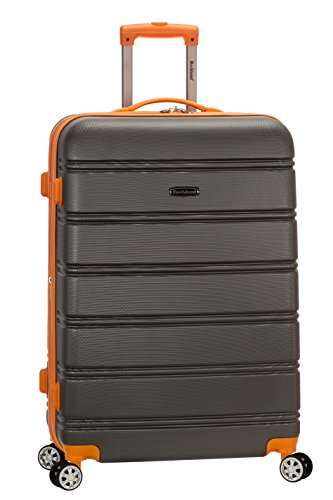
Rockland Melbourne Hardside Expandable Spinner Wheel Luggage, Charcoal, Checked-Large 28-Inch
View on Amazon- TLR Rank8.6
TLR Rank is a ranking system developed by TravelLuggageReviews.com. TLR Rank has no relationship or impact from any manufacturers or sales agent websites. Learn more
- BrandRockland

- TLR Rank8.0
TLR Rank is a ranking system developed by TravelLuggageReviews.com. TLR Rank has no relationship or impact from any manufacturers or sales agent websites. Learn more
- BrandU.S. Traveler
Last update on 2026-08-01 / Affiliate links / Images, Product Titles, and Product Highlights from Amazon Product Advertising API
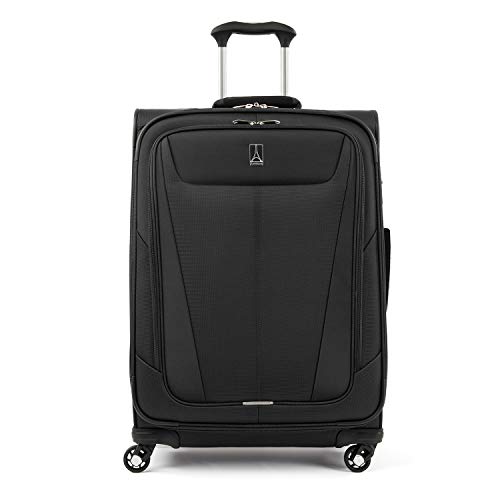
Travelpro Maxlite 5 25-Inch Spinner Review
Checked luggage has a rougher job than its polished showroom appearance suggests. It gets lifted by side handles, pushed onto conveyor belts, stacked beneath heavier cases, and rolled across more than smooth terminal floors. The Travelpro Maxlite 5 Softside Expandable Luggage approaches those demands with a lightweight 7.3-pound build, a 25-inch case, and enough packing room for medium to long trips. For anyone searching for the best suitcase for checked bag travel without dragging around a bulky shell, its mix of restrained weight, expandable storage, and straightforward organization makes a strong first impression.
Travelpro Maxlite 5 Checked-Medium Spinner
The first thing that stands out is how little dead weight this suitcase adds before packing begins. At 7.3 pounds, it leaves more of the baggage allowance available for clothes, shoes, toiletries, and the inevitable extras that sneak into a longer-trip packing list. Travelpro describes this version as half a pound lighter than the Maxlite 4, which may sound modest on paper, yet every saved ounce matters when the airport scale is hovering near a carrier’s limit. That lighter frame also makes the case less awkward to lift from a car trunk or pull from a crowded baggage carousel.
The case measures 25 by 18 by 11 inches, while the overall dimensions reach 27 by 18.5 by 11.5 inches once the wheels and external parts are included. That distinction matters because airline measurements typically consider the complete exterior footprint rather than the fabric body alone. Its medium checked size provides more breathing room than a compact case, but it doesn’t feel as unwieldy as many oversized suitcases. Packed sensibly, it should handle a substantial wardrobe without turning every curb or hotel staircase into a wrestling match.
A soft-sided body brings its own practical character. The exterior can give slightly around packed items, which is helpful when a sweater or toiletry pouch refuses to sit perfectly flat. The tradeoff is that softside luggage won’t shield fragile objects from pressure in the same way a rigid shell might, so breakables still need careful placement and cushioning. For clothing-heavy trips, though, that flexibility feels useful rather than flimsy, especially when paired with the reinforced bottom tray.
The restrained black finish keeps the suitcase businesslike and easy to pair with other travel gear. It won’t hide every dust mark or scuff, but soft fabric usually wears cosmetic damage more quietly than a glossy hard shell. A luggage tag or distinctive strap may still be worthwhile because black cases are common around baggage claim. Style takes a back seat here, and frankly, that suits a bag built around low weight, practical storage, and dependable movement.
Spinner Wheels And Handle Control
Four spinner wheels rotate through 360 degrees, allowing the suitcase to move beside the traveler instead of trailing behind at an angle. That movement is particularly handy in check-in lines, elevators, narrow hotel corridors, and airport restrooms where space disappears in a hurry. A small change in direction doesn’t require tipping the entire case onto two wheels. The result is a smoother, less tiring roll on level flooring, especially when the main compartment is fully loaded.
Spinner systems do have a realistic limitation: four wheels stay exposed to bumps, curbs, and rough handling. Rolling the case upright works beautifully on polished floors, while rough sidewalks may be easier to handle by tilting the bag and pulling it on two wheels. The unique bottom tray design is significant because it adds support near an area that absorbs repeated impact and wheel stress. It doesn’t make the case indestructible, but it addresses a common weak point in lightweight spinner luggage.
The PowerScope handle stops at 38 inches and 42.5 inches, giving different heights a more natural pulling position. Its contour grip uses rubberized touch points, which should reduce the hard, slippery feel found on basic plastic handles. That comfort becomes more noticeable during a long walk through a terminal or when steering a packed bag through a tight queue. Two stop positions also help prevent the awkward hunched posture that comes from using a handle set too low.
Some movement in a telescoping handle is normal because the tubes need clearance to extend and retract. Still, careful handling is sensible when the case is heavily packed, since no lightweight handle should be used as a lever for lifting the entire suitcase. The low-profile top, side, and bottom handles give better options for that job. Those multiple carry points make it easier to lift the case from different angles without yanking on the telescoping rails.
Packing Space And Interior Organization
The main compartment expands by up to 2 inches, adding welcome capacity for bulkier clothing or purchases made during the trip. Expansion works best as a pressure-release valve rather than an invitation to fill every spare inch. Once the compartment is extended and heavily loaded, the case may become deeper, less balanced, and more likely to approach baggage-weight limits. Used with restraint, though, the expandable panel provides the kind of flexibility that saves a packing session from turning into a stubborn zipper battle.
Adjustable hold-down straps keep clothing from shifting into a rumpled pile as the suitcase changes position during transit. They’re simple, but they solve a real problem, especially with folded shirts, lightweight pants, and soft layers that tend to slide. The full-length interior lid pocket creates a broad space for flatter items, while the side accessory pocket separates smaller belongings that would otherwise vanish beneath clothing. Organization remains uncomplicated, which is often better than a maze of tiny compartments that steal usable room.
Two exterior compartments add quick-access storage for items that don’t need rigid protection. A light jacket, laundry bag, travel documents used before check-in, or a flat pair of sandals can sit outside the main compartment without disturbing the packing arrangement. These pockets become less useful if they’re stuffed until they bulge, since overfilling the front can make the suitcase harder to balance. The smartest approach is to reserve them for lightweight, flexible items rather than dense objects.
Travelers who also pack separate gear bags may appreciate a broader look at capacity differences, and a neutral reference appears in best large duffel bags for travel. A duffel often handles irregular shapes more easily, while this Travelpro suitcase provides a structured rectangular space and easier upright movement. The two formats solve different packing frustrations rather than replacing each other outright. For conventional clothing, shoes, and organized trip essentials, the Maxlite 5 offers a tidier setup with less digging.
Moisture Protection And Everyday Handling
The interior lining includes H2O Guard, a feature intended to protect the lining from moisture. That can be useful when damp clothing, a lightly leaking toiletry bottle, or a wet exterior creates conditions that would otherwise soak into untreated fabric more readily. It shouldn’t be mistaken for a fully waterproof compartment, and liquids still belong inside sealed pouches. Even so, added moisture resistance makes cleanup less troublesome and gives the interior a more practical layer of defense.
Soft-sided luggage often earns its keep during ordinary travel moments rather than dramatic ones. It squeezes into a packed vehicle more willingly than a completely rigid case, and the exterior pockets make last-minute rearranging less disruptive. The Maxlite 5’s low-profile carry handles also reduce protruding parts that might snag during handling. Those small design choices don’t shout for attention, but they shape how manageable the suitcase feels from the driveway to the hotel room.
Balance can change depending on how the front pockets and expandable section are loaded. Heavy items placed too far forward may cause the case to lean, particularly with the main compartment expanded. Shoes and dense toiletry bags are better positioned near the wheel end and closer to the center of the suitcase. This simple packing habit supports steadier rolling and puts less strain on the telescoping handle during direction changes.
The medium format suits trips that require more than a carry-on but don’t justify a massive suitcase. A week of clothing, layered outfits, or shared packing for a shorter trip can fit more naturally here than in a compact spinner. Still, anyone who packs minimal outfits may see unused space and would be better served by a smaller case. The Maxlite 5 makes the most sense when packing capacity matters, yet avoiding an oversized, heavy bag remains a priority.
Durability Coverage And Practical Tradeoffs
Travelpro provides Limited Lifetime Coverage along with its Trusted Companion Promise. According to the supplied product information, that promise covers the cost of repair for damage caused by an airline or another common carrier for one year. Coverage terms, eligibility requirements, and claim procedures should always be reviewed carefully because warranty language can include conditions. Even with those details to consider, carrier-damage repair coverage adds meaningful reassurance during the suitcase’s first year of travel.
The lightweight construction creates the product’s biggest benefit and its clearest compromise. Less weight means easier lifting and more room within baggage allowances, but it also means the materials aren’t trying to imitate the thick, rigid feel of a heavy-duty trunk. Rough treatment may still leave scuffs, fabric wear, or stressed components over time. The case is better understood as lightweight travel luggage with reinforced details, not an armored container built for fragile professional equipment.
The four-wheel system favors smooth indoor movement, while the soft exterior favors flexible packing. Travelers who prioritize hard-shell impact resistance or recessed two-wheel construction may prefer a different design. Likewise, anyone carrying delicate bottles, electronics, or breakable souvenirs will need protective packing methods inside the case. The Maxlite 5’s strengths sit in maneuverability, reduced empty weight, and practical organization rather than maximum crush resistance.
For medium to long trips, the overall package feels thoughtfully balanced. The expandable main compartment handles changing packing needs, the two-height PowerScope handle improves control, and multiple grab handles simplify lifting from awkward positions. Exterior pockets and interior organization keep routine items from becoming a jumbled mess. Its real appeal lies in doing the everyday work of a checked-medium suitcase without burdening the trip with unnecessary weight or fussy design.
Amazon Basics 30-Inch Hardside Spinner Review
Oversized luggage can swallow a long packing list, but it can also become awkward once the case is full and the airport scale enters the picture. The Amazon Basics 30-Inch Hardside Spinner leans heavily toward capacity, structured protection, and uncomplicated organization rather than lightweight minimalism. Its extra-thick ABS shell, expandable body, and double spinner wheels give it a practical place among options for the best suitcase for checked bag travel. Still, the large dimensions call for disciplined packing, because generous space has a funny way of inviting more clothing than the trip actually needs.
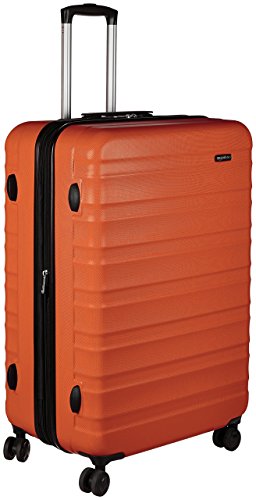
Amazon Basics 30-Inch Hardside Spinner
The case measures 12.7 by 21 by 30.7 inches, including its wheels, so this isn’t a compact checked bag pretending to be roomy. It’s built for longer vacations, work trips that require extra clothing, or journeys where bulky layers take up more space than expected. That size can also help when two people share one suitcase for a shorter getaway. On the flip side, maneuvering a packed 30-inch case through a small hotel room or lifting it into a vehicle won’t feel as effortless as handling a medium spinner.
An extra-thick ABS hard shell forms the main protective barrier around the contents. ABS creates a rigid exterior that helps keep folded clothing, shoes, and packed accessories from being directly compressed by neighboring luggage. The material isn’t the same as an aluminum frame or a more flexible polycarbonate shell, so realistic expectations matter. Hard impacts can still leave marks or stress the case, but the structured body offers more shape retention than a soft bag loaded with irregular items.
The black finish is described as scratch resistant, which should help the surface handle ordinary scuffs more quietly than a highly polished shell. Scratch resistance doesn’t mean scratchproof, especially after repeated conveyor belts, baggage carts, and cargo-hold stacking. Black also has a practical, understated look that suits work travel as easily as a family vacation. Since dark suitcases are common at baggage claim, a visible luggage tag or strap can save a few seconds of squinting at nearly identical cases.
Capacity remains the defining feature here. A 30-inch shell leaves room for thick sweaters, larger footwear, packing cubes, and the extra items that rarely fit comfortably in smaller luggage. That freedom can reduce the need for a second checked bag, though it also raises the risk of exceeding airline weight limits. The suitcase itself may offer the space, but careful weight management still decides whether that space is genuinely useful.
Hard Shell Protection And Its Tradeoffs
A rigid case helps protect belongings from the constant pressure of stacked luggage. The protective ABS exterior is especially useful for items that shouldn’t be squeezed flat, such as structured shoes, toiletry cases, or neatly packed work clothes. The flat interior walls also make packing cubes easier to arrange without the sides slumping inward. That said, truly fragile objects still need cushioning because a hard shell can resist pressure without absorbing every shock.
ABS luggage usually feels firm, yet it can be less flexible than some other shell materials. A little flexibility can help a case absorb an impact, while a stiffer body may show stress differently after rough handling. The supplied product information doesn’t claim indestructibility, and that’s worth keeping in mind. Its strength lies in structured everyday protection, not in turning checked luggage into a vault.
The shell also limits the quick-access convenience found on many softside cases. There are no exterior pockets listed, so travel documents, a sweater, or last-minute items need to stay elsewhere before the bag is checked. Once the case is closed, reaching something inside means opening the main compartment. That tradeoff buys a cleaner exterior with fewer fabric pockets to snag, but it demands a little more planning before leaving home.
Cleaning should be relatively straightforward because the outer shell can be wiped rather than brushed like woven fabric. Dust, conveyor residue, and light surface grime are easier to spot on black, yet they’re also less likely to soak into the material. A damp cloth should handle ordinary marks without much fuss, provided harsh chemicals are avoided. The low-maintenance exterior fits travelers who’d rather spend time unpacking than scrubbing fabric panels.
Double Spinner Wheels In Crowded Spaces
Four double spinner wheels support movement in any direction, giving the large suitcase more flexibility than its size might suggest. Rolling upright beside the body works well in check-in lines, wide terminals, elevators, and smooth hotel corridors. The double-wheel arrangement spreads contact across eight wheel points rather than four single rollers. That setup can make directional changes feel steadier when the load inside is balanced.
A large spinner still behaves differently from a compact carry-on. Weight placed unevenly near the front or one side can make the case pull off course, even with multidirectional wheels. Dense items belong near the wheel end and close to the center, while lighter clothing can fill the upper sections. That simple packing pattern helps preserve stable rolling instead of forcing the telescoping handle to correct every wobble.
Smooth floors play to the spinner system’s strengths. Rough sidewalks, deep carpet, cracked pavement, and curbs may require tilting the suitcase and pulling it rather than gliding it upright. Exposed spinner wheels also sit outside the main shell, so they deserve sensible handling around stairs and vehicle trunks. The wheels improve mobility, but they don’t erase the physical reality of moving a fully packed 30-inch case.
The sturdy telescoping handle provides the main steering point, while a securely mounted short handle supports lifting. That combination covers the two jobs a large suitcase performs most often: rolling and being hoisted into awkward spaces. The short handle matters more than it may appear, since grabbing the telescoping rails to lift a heavy case can strain the mechanism. Using the dedicated carry handle is the better habit whenever the suitcase leaves the ground.
Interior Layout And Packing Control
The interior uses a 150D polyester lining, giving packed belongings a finished surface instead of direct contact with the shell. A divider separates the case into more manageable zones and helps prevent clothing from spilling out when the lid opens. This matters with a large suitcase because loose contents can shift substantially while the case is being handled. Divided packing turns a deep empty cavity into a more orderly setup.
Three zippered pockets hold smaller items that would otherwise disappear beneath layers of clothing. Charging cables, belts, socks, travel accessories, and sealed toiletry items can stay grouped rather than drifting into corners. The pockets won’t replace dedicated protective cases for fragile electronics or leaking liquids, but they reduce the usual digging around. Small-item organization is especially valuable in a case this large, where tiny belongings can be surprisingly hard to locate.
The interior divider also gives the packing process a natural sequence. Bulky clothing can sit in one section, while lighter layers and smaller accessories stay contained on the other side. Shoes should still be bagged to keep dirt away from the lining, and liquid toiletries belong in sealed pouches. A tidy layout doesn’t merely look better; it helps the contents stay predictable after the suitcase has been rolled, tilted, and stacked.
Travelers who split gear between structured luggage and a hands-free bag may notice how differently each format handles bulky items, and a neutral reference appears in best travel duffel bag backpack. A backpack-style duffel can suit flexible loads and short transfers, while this hardside spinner favors organized packing and upright mobility. Neither format solves every travel problem. The useful distinction is whether the trip calls for rigid structure or a softer bag that adapts to irregular spaces.
Expandable Capacity Without Packing Chaos
The suitcase expands to provide up to 15 percent more packing space. That extra room can accommodate a thicker jacket, a few souvenirs, or clothing that no longer compresses as neatly on the return trip. Expansion is most useful as a backup rather than the default setting. Filling the base capacity first keeps the case more balanced and makes it easier to judge whether the added depth is truly necessary.
Overpacking remains the obvious risk. Large luggage can look half empty while already holding a surprising amount of weight, especially once shoes, toiletries, and dense clothing enter the mix. Expanding the case doesn’t increase an airline’s baggage allowance, so the extra volume may create a heavier problem rather than solve a space problem. A portable luggage scale pairs well with any 30-inch checked suitcase, even though one isn’t included in the supplied details.
The expanded shape may also affect stability. Added depth moves part of the load farther from the center, which can make an upright spinner more prone to leaning if the front section is packed heavily. Soft clothing belongs in the expanded area, while dense objects should remain deeper inside near the wheels. That packing choice keeps the case from becoming a top-heavy box with a mind of its own.
Used carefully, the expansion feature adds flexibility without changing the suitcase’s basic purpose. It helps with return-trip clutter, seasonal layers, and those oddly shaped items that resist tidy folding. It won’t fix poor packing habits or an overloaded itinerary, but it provides breathing room when plans shift. The real benefit is controlled extra capacity, not permission to fill every available inch.
Where This Large Spinner Makes Sense
Longer trips make the strongest case for this suitcase. The large shell can handle multiple outfits, larger shoes, workwear, or cold-weather clothing without forcing every item into tight compression. Shared packing for a couple or a parent and child may also be more convenient than checking two separate cases. The generous interior volume is useful whenever reducing the number of bags matters more than keeping each bag compact.
Short weekend travel paints a different picture. The suitcase may feel oversized for a few outfits, and the empty space can tempt unnecessary packing. A smaller checked case or carry-on would be easier to lift, store, and steer through crowded areas. This Amazon Basics model suits substantial packing lists better than minimalist getaways, despite the product description mentioning weekend use.
Small vehicles and tight lodging spaces deserve thought, too. A case measuring more than 30 inches tall can take up a noticeable portion of a compact trunk or hotel floor. Hard shells don’t collapse after unpacking, so storage space remains fixed throughout the trip. That’s the price of rigid protection, and it may matter in small apartments, cruise cabins, or rooms with limited closet space.
The suitcase offers a straightforward blend of an extra-thick ABS shell, double spinner wheels, interior pockets, and expandable capacity. Its weaknesses are equally plain: substantial dimensions, no listed exterior pockets, and the temptation to overpack. Those tradeoffs don’t diminish its value for the right kind of trip, but they do shape the experience. Packed with restraint, the case provides structured checked-bag storage without piling on decorative features that complicate everyday use.
SwissGear Sion 29-Inch Softside Luggage Review
Large checked luggage can be a blessing right up until it becomes a bulky, overstuffed brick with a mind of its own. The SwissGear Sion Softside Expandable Luggage takes a more flexible approach, pairing a roomy 29-inch format with spinner wheels, multiple handles, and several storage zones. Among choices for the best suitcase for checked bag travel, it stands out for organization and easier access rather than rigid shell protection. The design makes the most sense for trips where clothing volume, practical pockets, and manageable movement matter more than keeping every packed item behind a hard exterior.
SwissGear Sion 29-Inch Expandable Luggage
The overall measurements come to 30 by 18.5 by 12.5 inches, including the wheels and handles, while the packing body measures 28.5 by 17.25 by 12.5 inches. That puts it firmly in the large checked-luggage category, with enough room for longer trips, thick seasonal clothing, or shared packing. The size also means restraint matters, because a spacious case can become heavy long before it looks completely full. Its generous interior is useful, but it isn’t a free pass to toss in every “maybe” item from the closet.
The soft exterior uses scuff-resistant polyester fabric, which gives the suitcase more flexibility than a rigid shell. That slight give can help around bulky sweaters, shoes, and packing cubes that don’t line up perfectly. It also makes the case easier to squeeze into a crowded vehicle or hotel luggage area. The tradeoff is straightforward: softside construction won’t shield delicate belongings from pressure as firmly as a hard case, so fragile items still need careful placement and padding.
An expandable body adds more room when the base compartment starts feeling tight. That can be handy on the return trip, especially after picking up gifts, adding laundry, or packing clothing less neatly than before. Expansion can also shift the suitcase’s balance and create extra depth, so dense items should stay close to the wheel end. The expandable capacity works best as a backup feature rather than the starting point for every packing session.
The black finish gives the case a restrained, familiar look that fits business travel and vacations equally well. Dark polyester tends to hide light dust better than pale fabric, though scuffs and wear will still show over time. Since black luggage is common at baggage claim, the built-in ID tag in the front panel becomes more useful than it first appears. A visible name tag, colored strap, or distinctive accessory can still make identification quicker in a crowded carousel lineup.
Spinner Wheels And Airport Maneuvering
Four 360-degree multi-directional spinner wheels let the suitcase roll upright in several directions. That movement feels especially helpful in airport lines, elevators, narrow hotel hallways, and crowded shuttle areas where dragging a large case behind you becomes clumsy. The suitcase can move beside the body instead of cutting across other people’s path. For a bag this size, that side-by-side control reduces some of the usual bulk-related frustration.
Smooth terminal floors play to the spinner setup’s strengths, but rough pavement tells a different story. Uneven sidewalks, thick carpet, and curb edges may require tilting the suitcase and pulling it rather than gliding it upright. Exposed spinner wheels also take some of the impact during baggage handling, so they aren’t immune to hard drops or awkward landings. The mobility advantage is real, yet it works best on level surfaces and with a balanced load.
The locking retractable push-and-pull handle serves as the main steering point. A stable grip helps manage the case through quick turns, though the handle shouldn’t be used to lift a fully packed suitcase off the ground. That job belongs to the reinforced top, side, and bottom handles. Using the dedicated lifting points reduces strain on the telescoping mechanism and gives better control when placing the bag into a trunk or pulling it from a luggage rack.
Balance depends heavily on how the interior is loaded. Shoes, toiletry cases, and other dense items belong near the wheel base, while lighter garments can fill the upper section. Heavy items stuffed into the front pockets may pull the suitcase forward or make it lean while standing. A little packing discipline supports steadier rolling, easier steering, and less twisting pressure on the retractable handle.
Front Pockets And Interior Organization
The front panel includes multiple pockets, giving quick access to flat or flexible items before the suitcase is checked. A light jacket, laundry pouch, travel papers, or spare packing bags can stay outside the main compartment without disturbing the larger load. These pockets are useful, but overfilling them can distort the case and affect balance. The best use is for lightweight essentials, not dense objects that drag the front of the suitcase downward.
Inside, adjustable tie-down straps help keep garments from sliding into a wrinkled heap. Large luggage has more room for contents to shift, so these straps matter more than they might in a compact case. They’re especially helpful with folded shirts, pants, and soft layers that tend to move as the suitcase is tilted or stacked. The straps won’t replace careful folding, but they do keep the load more stable during transit.
A large mesh lid pocket creates a broad storage zone for flatter items. That space can hold undergarments, accessories, lightweight shirts, or travel organizers without burying them under the main clothing stack. The additional packing pocket handles smaller belongings that would otherwise disappear into corners. Together, these features create practical separation without turning the interior into a confusing maze of tiny compartments.
The removable zippered wet bag is one of the more useful details in the layout. Damp swimwear, lightly soiled clothing, or sealed toiletry items can stay apart from cleaner garments. It shouldn’t be treated as a substitute for fully leakproof packaging, especially with liquid bottles, but it gives messy items a designated place. That kind of separation can save the rest of the suitcase from picking up moisture or odors during the trip.
Large Capacity And Packing Tradeoffs
A 29-inch suitcase naturally favors longer travel over quick getaways. It can handle layered outfits, bulkier footwear, or clothing for several days without forcing everything into tight compression. Shared packing for two people on a shorter trip may also be more convenient than managing two separate checked bags. The large packing volume is the core benefit, though it comes with extra bulk before the suitcase is even full.
Airline weight limits remain the main practical concern. A large case can hold more than many travelers can check without paying an overweight fee, especially once shoes, toiletries, and souvenirs enter the mix. Expansion adds room, not weight allowance. A luggage scale can help keep expectations honest, even though one isn’t listed among the supplied product details.
Storage after the trip deserves thought as well. Softside luggage has some flexibility, but a structured 29-inch case still occupies a noticeable amount of closet or floor space. Small apartments, compact cars, and tight hotel rooms may make the size feel more cumbersome than expected. The suitcase earns its keep best when capacity matters often enough to justify the space it consumes between trips.
Travel styles sometimes shift between wheeled luggage and hands-free bags, and a related format is discussed in best carry-on luggage for a 5-day trip. A carry-on keeps the load smaller and easier to manage, while the SwissGear Sion favors more clothing, larger shoes, and checked-bag convenience. The two formats solve different problems rather than competing on the same terms. This large spinner makes sense when minimizing packing compromises matters more than traveling light.
Handles, Fabric, And Everyday Durability
The reinforced padded top handle provides a more comfortable lifting point than a thin strap or exposed plastic grip. An integrated side handle supports horizontal lifting, while the bottom handle helps with awkward angles. Those three contact points make it easier to move the suitcase into vehicles, onto scales, or off baggage carousels. The multiple carry handles are particularly useful once the case is fully packed and too heavy for one-handed lifting.
Polyester fabric brings a practical blend of flexibility and abrasion resistance, though it isn’t immune to cuts, snags, or stains. The scuff-resistant description suggests the exterior is built to cope with ordinary travel wear, not to remain spotless forever. Fabric panels may also absorb moisture more readily than a hard shell if exposed to heavy rain. Keeping liquids sealed inside and wiping the exterior after damp travel can help preserve the lining and fabric over time.
The fully lined interior keeps belongings away from the back of the outer fabric and gives the packing space a cleaner finish. Linings can still collect dust, loose threads, and residue from shoes, so packing pouches remain useful. The removable wet bag and separate pockets make cleanup easier by containing some of the messier items. These details support day-to-day practicality more than flashy appearance, and that suits the suitcase’s purpose.
The SwissGear Sion’s main strengths sit in its roomy format, organized interior, front-pocket access, and flexible softside construction. Its weaknesses are tied to the same design: a large footprint, greater temptation to overpack, and less rigid protection for fragile belongings. Spinner wheels make the size easier to manage, while the reinforced handles help during lifting. For longer trips built around clothing, accessories, and flexible storage, it offers a sensible balance of capacity, organization, and maneuverability.
Samsonite Freeform 28-Inch Hardside Spinner Review
A long trip can expose every weak point in a suitcase, from a wobbly handle to a shell that flexes in all the wrong places. The Samsonite Freeform Hardside Expandable Spinner tackles those headaches with a large packing area, recessed lock, double spinner wheels, and a structured interior. It earns attention in the search for the best suitcase for checked bag travel because it balances capacity with upright mobility instead of relying on size alone. Still, its 31.1-inch overall height and 9.5-pound empty weight mean thoughtful packing matters from the start.
Samsonite Freeform 28-Inch Spinner
The packing dimensions measure 27.6 by 20 by 13 inches, while the complete exterior reaches 31.1 by 20.95 by 13.78 inches. That difference matters because airline sizing usually considers wheels, handles, and other external parts, not only the main shell. This is clearly a large checked case built for longer trips, bulky wardrobes, or shared packing. It offers serious room, though that much space can make a luggage scale feel like the final boss.
An empty weight of 9.5 pounds isn’t featherlight, yet it remains reasonable for a large hardside spinner with a lock, expansion system, and double wheels. The weight leaves less baggage allowance than a lighter softside case would, so dense shoes, toiletries, and heavy clothing need some restraint. Packed with lighter garments, the suitcase can use its size without becoming unnecessarily punishing to lift. Packed carelessly, well, the extra room may work against you.
The mint green finish gives the suitcase a clearer visual identity than the usual sea of black and navy bags. That color can make it easier to recognize at baggage claim without relying entirely on a bright strap or oversized tag. Marks and scuffs may show differently on a lighter shell, though cosmetic wear is normal for checked luggage. The distinctive exterior favors quick recognition over trying to look untouched after every trip.
Large hardside luggage works best for trips that need structure. Shoes, folded clothing, toiletry cases, and packing cubes sit against firmer walls instead of shifting inside flexible fabric. The tradeoff is fixed storage size, since the shell won’t collapse after unpacking. Small hotel rooms, compact trunks, and limited closet space may make the large footprint feel more noticeable than it did at home.
Shell Strength And Checked-Bag Protection
Samsonite describes the shell as ultra-light and ultra-strong, built to handle the strain of modern travel. The rigid body helps protect packed belongings from direct pressure when other bags are stacked against it. That structure is particularly useful for neatly folded workwear, structured shoes, or items that shouldn’t be crushed flat. Fragile objects still need padding because a hard shell resists pressure better than it absorbs every sharp impact.
The shell also gives the case a clean, streamlined shape without external fabric pockets. That design reduces snag points and keeps the outer surface simple, but it removes quick-access storage. Anything needed before check-in, such as travel papers or a light layer, belongs in a personal item rather than inside the suitcase. The closed exterior favors protection and order over last-minute access.
Hard shells can pick up scratches, dents, or scuffs after repeated flights, and no supplied detail suggests this case is immune. Those marks usually affect appearance more than function, provided the shell, wheels, and closures remain intact. A little cosmetic wear is part of checked-luggage life, plain and simple. The more important question is whether the case continues to roll, close, and protect its contents.
The product includes a 10-year limited warranty against defects in materials and workmanship. That coverage adds reassurance, though it shouldn’t be confused with protection against every form of airline damage or ordinary wear. Warranty terms often depend on the nature of the issue and the supporting documentation. Keeping proof of purchase and reading the coverage details can prevent surprises if a claim becomes necessary.
Double Spinner Wheels And Handle Control
Four multi-directional double spinner wheels allow upright movement through 360 degrees. That setup lets the suitcase roll beside the body rather than trailing behind at an angle, which can reduce pulling strain on the arm and shoulder. The benefit is most noticeable in check-in lines, wide terminals, elevators, and smooth hotel corridors. A large case still feels large, but the wheel arrangement helps keep it from behaving like a stubborn cart.
Double wheels spread contact across more rolling points than single spinners. That can support steadier movement when the load is centered and the floor is level. Rough sidewalks, broken pavement, and thick carpet may still call for tilting the case and pulling it on two wheels. The upright rolling advantage shines indoors, while outdoor surfaces remain less forgiving.
The push-button locking handle extends for steering and stores neatly inside the suitcase when not in use. A retractable system keeps the exterior cleaner and reduces exposed hardware during storage. It should guide the case rather than serve as a lifting bar, especially when the suitcase is packed close to its practical limit. Using dedicated carry points protects the telescoping mechanism from unnecessary strain.
Load placement has a direct effect on steering. Dense items belong near the wheel base and close to the center, while lighter clothing can fill the upper portion. Heavy objects placed far from the center may cause leaning or drifting during upright rolling. Balanced packing supports smoother maneuverability and makes the handle feel more controlled through quick turns.
Expansion, Compression, And Interior Order
The expansion feature creates more room when the standard packing space starts to feel tight. Extra capacity can help with bulky layers, return-trip purchases, or clothing that no longer folds as neatly after several days away. Expansion also increases the case depth and can shift weight outward. The added packing room is useful, but it works best as a reserve rather than the default setup.
Compression helps counter the looseness that often comes with a large interior. The cross ribbon holds garments in place, while the divider separates sections and keeps the contents from tumbling out when the case opens. This layout suits packing cubes, folded outfits, and shoes arranged along the edges. It won’t perform miracles on an overloaded wardrobe, but it gives the load a clearer structure.
Multiple pockets handle smaller belongings that would otherwise disappear beneath larger items. Cables, belts, socks, sealed toiletries, and lightweight accessories can stay grouped instead of drifting into corners. The built-in ID tag adds another practical detail without taking up packing space. These organization features are simple, yet they reduce the usual rummaging once the suitcase reaches the hotel.
Travel gear sometimes needs a softer shape for irregular loads, and that difference is reflected in best rolling duffel for safari. A rolling duffel can flex around boots, layered gear, or awkwardly shaped equipment, while the Freeform keeps clothing and accessories behind a rigid shell. Neither approach fits every trip. The choice depends on whether structured protection or flexible packing matters more.
Security Features And Daily Practicality
A recessed TSA combination lock sits within the suitcase body rather than protruding outward. The recessed placement helps reduce snagging and gives checked belongings a basic layer of closure security. It doesn’t make the suitcase theft-proof, and valuables still belong in a carry-on whenever possible. The lock mainly prevents casual opening while allowing recognized inspection procedures.
The built-in lock also removes the need to keep track of a separate padlock. That’s one less tiny item to lose in a drawer, hotel room, or packing pouch. A memorable combination matters, of course, since forgotten codes can turn convenience into a headache. The integrated security suits travelers who prefer fewer loose accessories.
The suitcase’s greatest strength is its balance of large capacity, organized packing, and smooth upright movement. Its clearest weakness is the same large format, which can encourage overpacking and become awkward in tight spaces. The 9.5-pound starting weight also leaves less room under airline limits than a lighter checked case. Realistic packing habits determine whether the size feels liberating or excessive.
Longer trips, formal wardrobes, cold-weather clothing, and shared packing all fit the Freeform’s design well. Short trips or minimalist travel may leave much of the interior unused while still requiring storage for a 31.1-inch case. The shell, wheels, expansion system, and recessed lock work together around organized checked travel, not compact convenience. For a traveler who genuinely needs the room, the suitcase offers a sensible mix of protection, movement, and packing control.
Samsonite Omni PC 24-Inch Checked Spinner Review
Oversized luggage often creates more trouble than freedom, especially once stairs, crowded terminals, and airline scales enter the picture. The Samsonite Omni PC Hardside Expandable Luggage takes a more measured route with a 24-inch packing body, structured polycarbonate shell, and four oversized spinner wheels. Its medium checked size gives it a credible place among choices for the best suitcase for checked bag travel because it offers useful room without drifting into giant-case territory. The design still asks for smart packing, but it’s easier to manage than a full-size 28- or 30-inch suitcase.
Samsonite Omni PC 24-Inch Spinner
The packing dimensions measure 24 by 17.5 by 11.5 inches, while the overall exterior reaches 26.5 by 17.75 by 11.75 inches. That distinction matters because wheels, handles, and shell edges count toward the real footprint of the suitcase. The medium format suits longer trips for disciplined packers, as well as shorter journeys that involve extra shoes, work clothing, or seasonal layers. It offers breathing room without becoming a piece of luggage that dominates every hotel room it enters.
At 8.34 pounds, the Omni PC isn’t the lightest medium checked case, but it stays within a reasonable range for a hardside spinner with an integrated lock and expansion system. The empty weight leaves more baggage allowance than many large checked suitcases, which can matter when toiletries and footwear start adding up. Dense items still need restraint because a compact-looking case can become surprisingly heavy. A medium shell won’t prevent overpacking, but it makes that mistake a little less tempting.
The black exterior gives the suitcase a clean, businesslike appearance. It blends easily with work gear, travel backpacks, and darker luggage sets without looking overly decorative. Black cases are common at baggage claim, though, so the built-in structure benefits from a visible luggage tag or colored strap. The understated finish favors practicality, while personal identification prevents carousel confusion.
This size lands in a useful middle ground. It’s larger than a carry-on, yet noticeably less cumbersome than a full-size checked case. Solo travelers with a moderate wardrobe may appreciate the balance, while families trying to pack for several people may need more volume. The checked-medium format works best when organization matters more than sheer capacity.
Polycarbonate Shell And Surface Texture
The shell uses a micro-diamond polycarbonate texture intended to resist scratches. That textured surface can make ordinary scuffs less visually obvious than they might appear on a smooth, glossy case. Checked luggage rarely stays flawless, so the real benefit lies in reducing the battered look that often develops after repeated conveyor belts and cargo-hold handling. Cosmetic marks may still appear, but the pattern gives them less room to steal the spotlight.
Polycarbonate has a different feel from stiffer ABS luggage. It can flex slightly under pressure, which may help the shell absorb routine impacts without reacting like a brittle box. That flexibility doesn’t make the suitcase immune to dents, deep scratches, or damaged corners. Its structured protection is suited to clothing, shoes, packing cubes, and ordinary travel belongings rather than delicate equipment tossed in without padding.
The hard exterior keeps the suitcase’s shape more consistently than softside fabric. Folded workwear, organized cubes, and structured shoes sit behind firm walls instead of pressing outward into flexible panels. The tradeoff is fixed storage space after the trip because the shell won’t collapse into a small closet corner. Travelers with limited home storage should account for the rigid footprint before treating the medium size as compact.
No exterior pockets are listed, which keeps the outside cleaner but removes quick access. A sweater, travel document, or last-minute item can’t be slipped into a front compartment after the suitcase is closed. Those belongings need to stay in a personal item before check-in. The sealed outer design rewards planning and reduces loose fabric panels that might catch during handling.
Oversized Spinner Wheels And Handle Feel
Four multi-directional oversized spinner wheels allow the suitcase to roll upright through a full range of motion. That matters in crowded terminals, elevator corners, narrow check-in lanes, and hotel hallways where pulling a bag behind you can clip nearby feet. Upright movement also places less constant pulling weight on the arm and shoulder. The suitcase still has mass, of course, but the wheel layout makes that mass easier to direct.
Oversized wheels can feel steadier than tiny rollers on minor floor seams and transitions. Smooth airport flooring remains their natural habitat, while rough pavement and thick carpet may require tilting the case onto two wheels. Spinner wheels sit outside the shell, so curbs and stairs deserve a little patience. The rolling advantage is strongest on level surfaces with the load packed evenly.
The push-button locking handle extends for steering and retracts into the case when not needed. That stored position keeps the profile tidier during baggage handling and closet storage. The handle should guide the case rather than lift it, especially once the compartment is full. Using the suitcase’s dedicated carry points reduces unnecessary strain on the telescoping tubes.
Weight distribution changes how the handle feels in motion. Shoes, toiletry bags, and other dense objects belong close to the wheel end and near the center of the case. Heavy items placed high or far to one side can make the suitcase lean and wander. A balanced interior load improves steering more effectively than forcing the handle through every turn.
TSA Lock And Checked-Bag Security
A side-mounted TSA lock adds a basic layer of access control without requiring a separate padlock. The built-in design helps deter casual opening while still allowing authorized inspection. It doesn’t turn the suitcase into a secure vault, and valuable electronics, cash, or irreplaceable documents still belong in a carry-on. The lock mainly adds convenience and reduces one more small accessory to keep track of.
The side placement leaves the lock accessible without cluttering the top handle area. A remembered combination is essential because convenience quickly disappears when the code slips the mind. Writing the number in an insecure place defeats the point, so a private record method makes more sense. The integrated locking system suits travelers who prefer fewer loose parts and a cleaner exterior.
Locks protect the opening mechanism, not the entire suitcase from damage or loss. Airline handling can still affect wheels, shell corners, and handles even when the zipper pulls remain secured. Realistic expectations keep the feature in its proper lane. It adds closure security, not complete protection from every travel mishap.
The suitcase also carries a 10-year limited warranty against defects in materials and workmanship. That coverage speaks to manufacturing issues rather than every scratch, dent, or airline-related problem. Warranty terms should be reviewed carefully because eligibility often depends on the type of damage and available documentation. Keeping purchase records makes future claims less of a headache.
Book-Opening Interior And Packing Control
The book-opening layout splits the case into two broad packing zones. A mesh divider keeps one side contained, while cross straps hold clothing in the main compartment. This arrangement helps prevent the entire load from shifting toward the hinge or spilling out when the case opens. It also gives packing cubes and folded outfits a more predictable place to sit.
The zipped modesty pocket provides enclosed storage for smaller or more private items. Socks, undergarments, belts, or lightweight accessories can stay separate from the main clothing stack. That pocket won’t replace a dedicated toiletry pouch or protective electronics case, but it cuts down on loose clutter. The divided interior makes unpacking less like rummaging through a laundry basket.
Cross straps help keep folded garments flatter during transit. They work best when tightened over an evenly layered load rather than a pile with one bulky center. Shirts and pants can remain more orderly, while dense items sit closer to the wheels. The compression support improves neatness, though careful folding still does most of the heavy lifting.
Travelers who divide their belongings between wheeled luggage and an everyday work bag may value the practical distinction discussed in best tote bag for work with laptop compartment. A tote keeps a computer and daily essentials close, while the Omni PC handles clothing and checked belongings behind a rigid shell. Each format serves a separate stage of the trip. Keeping those roles distinct can reduce unnecessary opening of the checked case.
Expansion And Realistic Packing Limits
The expansion feature adds room for return-trip purchases, thicker garments, or clothing that no longer folds as neatly as it did at home. That extra depth can be useful, but it also changes the suitcase’s balance and overall profile. Expanded luggage tends to encourage one last pair of shoes, then another sweater, and suddenly the scale has opinions. The added capacity works best as a reserve rather than a default setting.
Compression helps keep clothing pressed after the case expands. The combination gives travelers flexibility without letting the interior become completely loose and shapeless. Still, compression doesn’t reduce actual weight, nor does it create space without consequences. A tightly packed case can remain overweight even if every zipper closes smoothly.
The 24-inch body offers enough room for a thoughtful long-trip wardrobe, especially with packing cubes or a coordinated clothing plan. Bulky winter gear may fill it quickly, while lightweight summer clothing leaves more flexibility. Couples sharing one bag may outgrow the space sooner than a solo traveler would. The medium capacity rewards selective packing rather than tossing in backup options for every possible scenario.
Expansion also makes the shell deeper, which may affect storage in a compact vehicle or crowded hotel room. The case remains easier to manage than many large checked spinners, but it isn’t tiny. Used sensibly, the feature handles unexpected volume without turning the suitcase into an oversized burden. Used carelessly, it can erase much of the size advantage that makes this model appealing.
Best-Fit Trips And Practical Limitations
Business trips with formal clothing suit the structured interior particularly well. Cross straps, the divider, and the rigid shell help keep outfits more controlled than an unstructured bag would. The medium dimensions also feel less clumsy during hotel transfers and rental-car loading. The organized packing layout fits travelers who value order over quick exterior access.
Longer vacations can work, too, provided the wardrobe isn’t dominated by heavy boots and thick coats. The 24-inch format gives a solo traveler room for several outfits without the bulk of a giant case. Minimal packers may have more space than they need, while chronic overpackers may still push the expansion system too far. The suitcase sits comfortably between compact efficiency and large-case capacity.
Its clearest limitations are the lack of exterior pockets, the fixed hardside shape, and an empty weight that isn’t exceptionally low. The shell protects structure, but it requires more room in storage and less flexibility in a packed trunk. The spinner wheels improve movement, yet rough outdoor surfaces may still feel demanding. These practical tradeoffs are manageable when the trip favors organized checked luggage over soft, adaptable storage.
The Omni PC brings together a scratch-resistant polycarbonate texture, TSA lock, oversized spinner wheels, expansion, and a divided interior. None of those features relies on flashy complexity, and that’s part of the appeal. The suitcase focuses on orderly packing, controlled movement, and a manageable checked size. For travelers who don’t need a massive case, its balanced dimensions and structured protection make everyday airport handling less of a production.


10 Best Luggage Tags For Suitcase of 2026 That Stay Attached

10 Best Travel Luggage Suitcase Samsonite Rimowa of 2026 For Smooth Terminal Gliding

10 Best Vintage Suitcase Record Player of 2026 For Skip-Free Playback
11 Best Weight Scale For Suitcase of 2026 To Avoid Airline Fees

11 Best Travel Laundry Bag For Suitcase of 2026 To Block Odors and Save Space

10 Best 100 Watt Portable Folding Suitcase Rv Solar Panel of 2026 For Easy Camper Battery Charging

10 Best Checked Suitcases Hard Shell of 2026 Built for Rough Handling

11 Best Suitcase Vacuum Bag of 2026 for Easy Luggage Packing