Best Travel Tote with Luggage Sleeve 2026 Picks

A best travel tote with luggage sleeve earns its place beside a rolling suitcase by solving a very ordinary travel headache: carrying too much without constantly readjusting straps. A useful sleeve keeps the tote anchored around a telescoping suitcase handle instead of letting it slide sideways every few steps. That little bit of stability matters more than flashy extras while weaving through airport lines, hotel lobbies, train platforms, or crowded parking garages. Better still, a balanced tote leaves one hand free for a phone, coffee, passport, or boarding pass instead of turning every stop into a juggling act.
Interior organization can make or break the experience, especially once chargers, headphones, snacks, documents, toiletries, and a light layer all end up sharing the same space. A single cavernous compartment sounds roomy, but loose items quickly sink to the bottom and become a pain to retrieve while standing in a boarding line. Several practical pockets usually work better, provided they don't chop the main compartment into sections too small for a sweater or packing cube. A dedicated bottle pocket and an easy-reach zip section are particularly handy because those are the things people tend to grab without wanting to unpack half the bag.
Size deserves a careful look because bigger isn't automatically better. A roomy travel tote can swallow an impressive amount of gear, but once it's overpacked, the shoulder straps may dig in and the bag can become awkward to lift onto a suitcase. Compact models travel more neatly, yet they may struggle with a laptop, headphones, toiletry pouch, and an extra layer all at once. So the sweet spot is usually enough structure to hold everyday travel necessities without quietly inviting the entire closet along for the ride.
Strap comfort matters once the tote leaves the suitcase handle. Wide straps generally spread weight more comfortably than skinny handles, while enough drop length makes it easier to wear the bag over a jacket or sweatshirt. Still, very long straps can leave a packed tote hanging low and bumping against the hip, so proportions matter. Handles should also feel securely attached because laptops, water bottles, and chargers add weight fast, and flimsy stitching is one shortcut worth avoiding.
Material choices bring their own tradeoffs. Lightweight nylon or polyester keeps the empty bag manageable and often wipes clean without much fuss, which is useful after a tote spends time under airplane seats or on terminal floors. More structured fabrics help the bag stand upright, but they can add bulk even before anything goes inside. A sensible luggage sleeve, reliable zipper, reinforced handles, and an easy-clean exterior usually matter more in daily travel than decorative hardware that adds weight without solving a real problem.
Small details separate a tote that's pleasant to travel with from one that's merely big. A sleeve that's too loose can let the bag rotate around the suitcase handle, while one that's too narrow may not fit thicker telescoping handles comfortably. Exterior pockets are useful, but open pockets can feel less reassuring for passports or wallets in busy places, so secure closures deserve attention. The strongest fit comes from matching capacity, organization, comfort, and suitcase compatibility to the amount of gear actually carried instead of chasing the largest bag on the shelf.

- TLR Rank9.6
TLR Rank is a ranking system developed by TravelLuggageReviews.com. TLR Rank has no relationship or impact from any manufacturers or sales agent websites. Learn more
- BrandBaggallini

- TLR Rank9.4
TLR Rank is a ranking system developed by TravelLuggageReviews.com. TLR Rank has no relationship or impact from any manufacturers or sales agent websites. Learn more
- BrandBAGSMART

- TLR Rank9.4
TLR Rank is a ranking system developed by TravelLuggageReviews.com. TLR Rank has no relationship or impact from any manufacturers or sales agent websites. Learn more
- BrandLOVEVOOK

- TLR Rank9.2
TLR Rank is a ranking system developed by TravelLuggageReviews.com. TLR Rank has no relationship or impact from any manufacturers or sales agent websites. Learn more
- BrandTOPBAG

- TLR Rank9.2
TLR Rank is a ranking system developed by TravelLuggageReviews.com. TLR Rank has no relationship or impact from any manufacturers or sales agent websites. Learn more
- BrandBaggallini

- TLR Rank9.2
TLR Rank is a ranking system developed by TravelLuggageReviews.com. TLR Rank has no relationship or impact from any manufacturers or sales agent websites. Learn more
- BrandWandering Nature

- TLR Rank9.2
TLR Rank is a ranking system developed by TravelLuggageReviews.com. TLR Rank has no relationship or impact from any manufacturers or sales agent websites. Learn more
- BrandBAGSMART
Last update on 2026-08-17 / Affiliate links / Images, Product Titles, and Product Highlights from Amazon Product Advertising API
Via Tote Lightweight Travel Bag
Airport travel gets annoying fast when a shoulder bag keeps slipping off a suitcase, a laptop competes with everything else for space, and small essentials vanish somewhere near the bottom. The Via Tote is built around those everyday friction points, combining a lightweight 1 lb. 5 oz. body with an 18 L interior, organized storage, and a luggage handle sleeve. That combination gives the best travel tote with luggage sleeve idea a practical shape rather than relying on one flashy feature. At 19.2 inches wide, 12.5 inches high, and 6.3 inches deep, it offers useful carrying space without drifting into oversized weekender territory.
Via Tote
The first thing worth noticing is the weight-to-capacity balance. An 18 L tote that weighs 1 lb. 5 oz. starts light enough that the bag itself doesn't consume much of the load your shoulder eventually has to carry. Add a laptop, charger, bottle, headphones, documents, and a light layer, and the weight can climb surprisingly quickly. Starting with a lighter shell won't make heavy belongings disappear, but it keeps unnecessary bag weight from piling onto the problem.
The 19.2 x 12.5 x 6.3-inch dimensions also create a useful middle ground between a compact handbag and a bulky travel duffel. The wider shape gives notebooks, electronics, and folded layers more horizontal room, so everything doesn't have to be stacked like a puzzle. That can make retrieving gear less frustrating during a flight or workday. The tradeoff is that the tote may feel broad against the hip in narrow airplane aisles or packed public transportation.
A 12-inch shoulder drop gives the straps enough clearance for everyday shoulder carry, including over a light jacket or sweatshirt. Short tote handles often become irritating once clothing gets thicker, so the extra drop has practical value beyond the specification sheet. Still, strap length can't cancel an overloaded bag. Packing a 16-inch laptop, two full bottles, chargers, and several dense accessories will eventually make any shoulder tote feel substantial.
Laptop Storage For Work And Travel
The Via Tote includes a padded laptop pocket designed for a laptop or tablet up to 16 inches. That dedicated section keeps electronics separated from water bottles, cosmetics, keys, and other loose belongings instead of letting everything rub together in one open compartment. The separation is especially useful during airport security, hotel work sessions, or hybrid office days when the computer comes out repeatedly. A defined place for the device saves the familiar routine of unpacking half the bag just to reach it.
The 16-inch device compatibility is particularly useful because larger work laptops can be awkward inside ordinary fashion totes. A bag may technically be wide enough while still lacking a protected place to keep the computer upright and separated. Here, laptop storage is clearly part of the design rather than an accidental fit. That makes the Via Tote more suitable for routines where work gear needs to move directly from a commute to an airport or hotel.
There is a straightforward space tradeoff once a larger laptop goes inside. The computer, charger, notebook, headphones, bottle, and personal accessories all share the same 18 L capacity, so bulky extras can tighten the interior fairly quickly. Thick folders, large lunch containers, or several clothing layers may leave less breathing room than the exterior dimensions initially suggest. The bag makes more sense with a selective packing approach than with a toss-everything-in habit.
Luggage Sleeve Keeps The Bag From Sliding
The built-in luggage handle sleeve directly addresses one of the most frustrating parts of carrying a tote beside rolling luggage. A loose bag balanced across a suitcase often tilts or slips sideways every time the wheels change direction. Sliding the Via Tote over a telescoping handle keeps the two pieces together and takes weight off the shoulder during longer walks. That simple stability is one of the strongest reasons this bag fits naturally into the best travel tote with luggage sleeve category.
The sleeve also contains a zippered pocket, giving that area a second purpose beyond securing the tote to luggage. Small items that need occasional access can stay separated rather than disappearing beneath a laptop, sweater, or charger pouch. A hotel key, earbud case, compact document, or similar item fits naturally there. It's a modest design choice, but those small conveniences tend to matter after several hours of moving through terminals and hotel corridors.
Larger packing situations naturally demand more capacity than an 18 L tote can provide, especially once multiple outfits, shoes, or bulky travel gear enter the picture. A different carry format handles that job more naturally, and the capacity differences become easier to understand through large duffel bags for travel as a neutral reference for roomier packing needs. The Via Tote serves another purpose by keeping frequently needed belongings close while larger luggage handles the bulk. That difference in intended use helps prevent the tote from being overloaded into a role it wasn't designed to fill.
Organization Keeps Small Essentials Reachable
Open totes can become cluttered surprisingly fast because the smallest items have a habit of sinking beneath everything else. The Via Tote counters that problem with two hidden zipper pockets, a grab-and-go phone pocket, privacy pocket, key leash, and lipstick loop. Each storage point addresses a specific type of small item rather than breaking the whole interior into dozens of tiny compartments. That balance preserves useful open space while giving frequently misplaced belongings somewhere predictable to live.
The grab-and-go phone pocket is especially relevant during travel because a phone rarely stays packed for long. Boarding passes, maps, payment apps, hotel information, transportation updates, and messages can bring it back into your hand every few minutes. A dedicated pocket cuts down on repeated rummaging through clothing and charger cables. The key leash follows the same logic, keeping keys from settling into whatever corner happens to be hardest to reach.
The hidden zipper pockets and privacy pocket give less frequently handled belongings a more discreet location. Backup cards, medication, cash, or personal items don't necessarily belong beside the phone or other things being grabbed constantly. Keeping them separated can reduce clutter and unnecessary exposure when the main compartment is opened. These pockets don't make the tote theft-proof, of course, but they support a more orderly way of carrying valuables in crowded places.
Two Bottle Pockets Add Useful Structure
Water bottles can cause more interior chaos than their size suggests, especially inside a tote carrying electronics. The Via Tote includes two internal water bottle pockets designed to accommodate larger bottles and help keep them upright. That structure prevents a container from rolling across notebooks, cables, or the laptop section as the bag moves. It also keeps the central compartment more predictable instead of allowing tall items to drift wherever there's room.
The second pocket introduces some useful packing flexibility. It can hold another bottle, but an umbrella or similarly shaped item could also occupy that space depending on the day. Filling both with large bottles naturally uses more of the 18 L capacity, though, so there is a real compromise between hydration storage and room for bulkier belongings. Leaving one pocket empty may make more sense when a sweater, headphones, or larger work accessory needs the space.
This layout shows one of the Via Tote's more practical strengths. The bag gives awkward items defined places without turning every inch of the main compartment into rigid storage. That leaves room for changing packing needs from one day to the next. Someone who prefers one completely open cavity may find the structure unnecessary, but anyone tired of bottles and small items shifting around will probably appreciate the logic.
RFID Passport Storage Adds Another Layer
The Via Tote includes an RFID-protected passport pocket designed to help shield compatible contactless travel documents. The everyday benefit is also refreshingly simple: a passport gets its own place instead of being mixed with receipts, cosmetics, charging cables, and snacks. Knowing exactly where that document sits can remove one small source of stress at check-in counters or border control. The RFID element adds a security-minded feature without changing how the pocket functions in normal use.
The privacy-focused storage works alongside the hidden zipper compartments to separate important belongings from quick-access items. Cards, backup cash, medication, or travel documents can stay deeper inside the tote rather than sitting in an open pocket. No soft travel bag can promise complete security, so normal awareness still matters in terminals, cafés, and public transportation. What the Via Tote offers is better separation and a more deliberate place for belongings that deserve less exposure.
Organization supports everyday security in another way too. A passport, key, or card is easier to account for when it always returns to the same pocket. Constantly shifting possessions between compartments creates more chances to leave something behind or forget which zipper was used. Defined storage zones reduce that mental clutter during trips with repeated stops, transfers, and hotel changes.
Lightweight Build Helps With Everyday Carry
The Via Tote's 1 lb. 5 oz. empty weight becomes especially useful once the bag moves beyond occasional airport trips. Carrying a tote between home, transit, meetings, errands, and a hotel makes unnecessary base weight easier to notice. Starting light leaves more of the load for the belongings that actually matter. That said, a large laptop and two full bottles can still turn a light tote into a heavy shoulder bag, so packed weight deserves the final say.
The 18 L size also gives the Via Tote a life outside travel. A laptop, notebook, charger, water bottle, small personal items, and a light layer all fit the kind of everyday workload this capacity is meant to handle. That makes the same bag useful for commuting, business travel, hybrid office days, and routine errands. Switching between a work tote and a separate airport bag becomes less necessary when both roles share the same basic packing needs.
The wider profile creates a noticeable comfort tradeoff. A 19.2-inch-wide tote gives larger flat items room to sit naturally, but the bag may feel broader against the body than a slim commuter design. Tight spaces can make that width more obvious. On the other hand, the wider opening can make contents easier to see and retrieve without stacking everything vertically.
Strengths And Weaknesses Stay Pretty Clear
The strongest aspect of the Via Tote is its combination of travel-specific features rather than one dramatic selling point. A padded 16-inch laptop pocket, luggage sleeve, RFID passport section, hidden zipper pockets, two bottle holders, phone storage, privacy pocket, key leash, and lipstick loop all address recognizable packing frustrations. The lightweight starting weight keeps that organization from feeling burdened by an unnecessarily heavy shell. Together, those details create a tote that seems focused on smoother travel and work routines rather than decorative complexity.
The clearest weakness is the limited room for bulky packing. An 18 L bag can handle everyday essentials comfortably, but shoes, thick clothing, several outfits, and a large toiletry kit will consume space quickly. Overloading also works against the benefit of the lightweight construction because the shoulder ultimately carries the total packed weight. A larger travel bag makes more sense for volume, while the Via Tote is better kept focused on electronics, documents, hydration, and frequently needed personal items.
Structured organization introduces another tradeoff. Dedicated pockets make it easier to keep a phone, passport, keys, bottles, and private belongings separated, but those organizers also occupy space that a completely open tote would leave unrestricted. Oddly shaped gear may therefore feel easier to pack in a simpler bag. The Via Tote clearly favors predictable organization over one large undivided cavity, and that distinction matters more than simply counting pockets.
The practical appeal comes from using the Via Tote for the job its dimensions support. The luggage sleeve reduces the nuisance of balancing a second bag on rolling luggage, while the padded laptop section keeps work gear separated from everyday items. RFID passport storage, bottle pockets, and smaller organizers handle the little things that tend to create the biggest mess. Its main limitation remains straightforward: keeping the load within a sensible 18 L range will preserve the comfort and organization that make the bag useful in the first place.
BAGSMART Expandable Puffer Tote Bag
A tote feels useful only until the packing list grows by one sweater, a charger pouch, and a few things that somehow didn't seem necessary the night before. BAGSMART tackles that familiar squeeze with an expandable 22 L to 28 L design, giving the bag extra room without forcing it to stay oversized every day. That adjustable capacity makes it relevant to the best travel tote with luggage sleeve search, especially where commuting, flights, overnight stays, and everyday errands overlap. The water-resistant quilted exterior, 15.6-inch laptop storage, external pockets, and pass-through luggage strap add practical structure around the extra space rather than treating expansion as the only reason to pay attention.
BAGSMART Expandable Tote
The expandable capacity is the detail that separates this tote from a fixed-size carry bag. With the bottom zipper closed, it provides 22 L of storage, while opening that section increases capacity to 28 L. BAGSMART states that the expansion adds about 25% more room, which can be useful when a routine work load suddenly needs to accommodate an overnight layer, toiletries, snacks, or extra travel gear. Instead of carrying a large bag all the time, the tote can stay more compact until those extra six liters are actually needed.
That flexibility solves a common space-versus-bulk tradeoff. A smaller tote behaves nicely around an office or café but can become cramped once travel items pile in, while a permanently larger bag may feel floppy and unnecessary during a light day. The BAGSMART design sits between those extremes by making the lower section adjustable. It's a practical approach for changing loads, though the extra room doesn't magically make every packing combination comfortable.
The important limitation is simple: more capacity can mean more weight. Expanding the tote and filling the extra section with shoes, books, electronics, and bottles could turn a manageable shoulder bag into a heavy one pretty quickly. Soft clothing and light travel extras make better use of the added volume than dense gear stacked to the zipper. The expansion works best as breathing room, not as a challenge to stuff every inch.
Water-Resistant Quilting Handles Everyday Mess
The puffy water-resistant fabric gives the tote a softer, more casual feel than a rigid business bag while addressing a very practical concern: travel gear gets dirty. Rain at the curb, a damp airport floor, a gym bench, or a spilled drink can all leave marks on a bag that spends time outside the office. BAGSMART describes the exterior as wipeable, so ordinary grime shouldn't automatically become a major cleaning job. That maintenance-friendly surface is a sensible match for a tote expected to move between commuting, flights, weekend trips, and gym use.
The supplied description also calls the material tear-resistant, which matters in a bag designed for books, electronics, clothing, and repeated travel. Soft quilted fabric can look delicate, but the intended construction is clearly meant for more than occasional desk duty. Still, tear resistance isn't the same as immunity to damage. Sharp corners, strained seams, and habitual overpacking can eventually stress any soft-sided tote.
The quilted puffer styling brings a clear tradeoff in appearance. It feels relaxed and travel-friendly, which suits casual offices, weekend hotels, gym runs, and airport terminals without looking overly formal. A sharply structured work setting may call for something more rigid and tailored, so this isn't the bag for every dress code. On the flip side, the softer body can adapt more naturally around oddly shaped belongings than a stiff shell.
Laptop Storage Keeps Work Gear More Orderly
A large open compartment sounds convenient until a laptop, charger, notebook, and personal items all settle into one messy pile. BAGSMART includes organized storage for a 15.6-inch laptop, books, stationery, and other essentials, giving work gear more predictable places inside the tote. That can make a noticeable difference during business trips or hybrid workdays where the computer gets pulled out and repacked several times. Less digging means fewer moments spent moving half the bag just to reach one device.
The 15.6-inch laptop accommodation covers many common work machines while leaving the rest of the tote available for clothing, documents, snacks, or personal gear. A dedicated area also helps prevent the computer from shifting around beside loose items as the bag moves. That separation becomes even more useful once the tote expands to 28 L, because larger interiors can turn chaotic without some internal order. Here, the compartments help the added capacity remain functional instead of becoming a deeper place to lose things.
There is still a weight tradeoff with work gear. A laptop, books, and charging accessories are dense items, and filling the expanded section with more heavy equipment can make shoulder carry less comfortable than the soft exterior suggests. The bag offers room, but carrying comfort depends on what occupies that room. A measured load makes far more sense than treating 28 L as permission to bring the whole desk along.
Luggage Strap Makes Rolling Travel Less Awkward
The pass-through luggage strap is the feature that most clearly connects this BAGSMART tote with the best travel tote with luggage sleeve category. A regular tote balanced across a roller suitcase tends to slide sideways or tip whenever the luggage changes direction. Sliding the BAGSMART over the telescoping handle keeps the two pieces together and removes some weight from the shoulder during longer walks. That simple setup can make airports, train stations, and hotel corridors feel considerably less fiddly.
The tote also keeps a regular carry handle, so it can shift between suitcase-mounted travel and ordinary hand carry as the day changes. That matters because a travel bag often plays several roles before the trip is over. It may ride on a suitcase through the terminal, sit under a desk after landing, and carry gym or overnight gear later that evening. The pass-through strap adds a travel mode without making the bag dependent on rolling luggage.
Longer trips bring a different packing equation once clothing and larger pieces start multiplying, and a broader luggage setup can make more sense in that situation through luggage sets for men as a neutral reference for distributing bulk across larger cases. The difference in function is worth keeping clear because this tote is better at keeping important items close than replacing full-size luggage. Letting a suitcase carry dense or bulky gear also helps the BAGSMART remain comfortable when it comes off the luggage handle.
External Pockets Keep Essentials Within Reach
The external pockets are designed around items that tend to come out repeatedly during a trip. A boarding pass, phone, snack, or small accessory can stay accessible without opening the main compartment every few minutes. That becomes especially helpful while one hand is occupied with a suitcase or coffee. Small conveniences may not sound dramatic, but repeated rummaging can become one of the most annoying parts of a busy travel day.
Quick-access storage has a security tradeoff that deserves some common sense. Exterior pockets are easier to reach, so low-risk items fit them better than valuables that should stay deeper inside the bag. A snack or temporary paper document makes sense there, while a wallet or passport may be better placed in a more protected area. Convenient access is useful, but thoughtful placement matters just as much.
Keeping small items outside also improves main-compartment organization. Frequently handled gear doesn't need to compete with a laptop, books, clothing, and larger travel items for the same central space. That becomes particularly useful in the 28 L configuration, where extra room can tempt loose packing. Bigger capacity only helps if the things needed most don't disappear into it.
Under-Seat Storage Adds Useful Flight Flexibility
BAGSMART describes the tote as designed to fit under airplane seats, which can keep a laptop, snacks, reading material, and charging gear close during a flight. Having those essentials nearby avoids repeated trips to the overhead bin whenever something small is needed. The 22 L configuration naturally makes the most sense for a more compact under-seat setup. Actual space can vary by airline, aircraft, and seat location, so the amount packed into the tote still matters.
The expandable bottom creates a useful decision before boarding. Keeping the bag at 22 L preserves the smaller profile, while opening it to 28 L gives more room for overnight gear or unexpected extras. A fully stuffed expanded tote may naturally be harder to place in tighter under-seat spaces than a lightly packed version. That doesn't make the expansion less useful; it simply means capacity and compact storage are sometimes competing priorities.
This adjustable size is one of the clearer differences from fixed-capacity totes. A business flight may require little more than a laptop and essentials, while a weekend trip can add clothing, toiletries, and a few personal items. The same bag can shift between those loads without forcing a switch to another tote. That kind of flexibility is more practical than carrying maximum volume on every trip just in case.
Versatility Works Best With Realistic Packing
BAGSMART positions the tote for sports, weekend trips, gym use, business travel, and overnight stays, and the expandable design explains how those roles can overlap. A 22 L load can handle electronics, books, and everyday essentials, while the 28 L setting makes room for extra clothing or travel gear. The same bag can therefore move between several routines without changing its basic organization. That range is useful when the day's plans don't fit neatly into one category.
The water-resistant, wipeable exterior also supports that multi-purpose role. Gym floors, airport carpets, wet sidewalks, and hotel rooms expose a tote to very different conditions, so easy surface cleaning has obvious practical value. A delicate material would make those transitions more annoying. The puffy fabric instead leans toward everyday utility, though keeping it away from sharp edges remains sensible.
The bag still has a best-use boundary. Someone carrying very heavy books or dense equipment every day may care more about load distribution than expandable storage, while formal business environments may favor a more structured silhouette. BAGSMART leans toward adaptable, casual travel rather than rigid presentation. That's not a flaw, but it does define where the design feels most natural.
Strengths And Weaknesses Stay Easy To Read
The biggest strength is the 22 L to 28 L adjustable capacity. Instead of forcing a permanent choice between compact everyday carry and extra travel space, the bottom zipper lets the bag respond to the load. The water-resistant quilting, 15.6-inch laptop organization, external pockets, and luggage strap all reinforce that flexible purpose. Each feature solves a recognizable problem rather than simply filling out a specification list.
The main weakness is the temptation to overpack once the expansion is open. A 28 L tote filled with a laptop, books, shoes, bottles, clothing, and chargers can become much heavier than the soft puffer appearance suggests. The luggage strap helps while a suitcase is available, but the handles still carry everything once the tote comes off the roller. Extra space is valuable only if packed weight stays reasonable.
The softer build creates another tradeoff. Quilted fabric gives the tote flexibility, water resistance, and a casual look, while a rigid work bag may hold its shape more consistently and feel more formal. The BAGSMART approach favors adaptability over a sharply structured silhouette. That distinction matters more than calling one design universally better than the other.
The practical appeal comes from letting the BAGSMART change with the day instead of expecting it to do every job at maximum capacity. The 22 L mode suits lighter work and travel loads, while the 28 L expanded mode provides extra room when an overnight stay or additional gear enters the plan. Its luggage strap reduces the nuisance of balancing a tote on rolling baggage, and the organized interior keeps a 15.6-inch laptop, books, and smaller essentials from collapsing into one pile. The strongest experience comes from using the expansion as flexible reserve space rather than treating every extra liter as something that needs to be filled.
Best Travel Tote With Luggage Sleeve For Weekend Trips
Short trips can become surprisingly messy once shoes, toiletries, damp clothes, documents, and clean outfits all compete for the same compartment. LOVEVOOK tackles that problem by giving different types of gear their own zones instead of relying on one oversized cavity, which makes the bag relevant to the best travel tote with luggage sleeve category. The design combines a separate shoe compartment, removable toiletry bag, waterproof wet pocket, trolley sleeve, and multiple storage pockets inside a 19 x 9 x 13.58-inch body. At 2.3 pounds, it isn't chasing ultralight minimalism, but the added organization makes sense for weekend travel, gym sessions, hospital stays, and short business trips where separation matters.
LOVEVOOK Travel Duffle Bag
The lower compartment is arguably the most practical part of the design because shoes and clean clothing rarely belong in the same open space. LOVEVOOK gives footwear its own flat-bottom section, which also works for dirty clothes or other items that need to stay apart from the main compartment. That simple separation cuts down on the usual plastic-bag workaround and keeps the packing layout easier to manage. For a short trip, it's a more useful feature than adding another tiny accessory pocket that ends up forgotten.
The same bottom section adds a different kind of flexibility for hospital or family-related packing. LOVEVOOK specifically notes that diapers, wipes, and similar supplies can be stored there, so the compartment isn't locked into one purpose. That makes the bag useful beyond airports without pretending every feature fits every situation equally well. A section designed to isolate shoes naturally works for anything else that benefits from being kept away from clothing and toiletries.
There is a clear tradeoff, though. A divided bottom means part of the bag's interior is permanently structured around that separate zone, so tall or oddly shaped items have less uninterrupted vertical space than they would in a simple open duffle. That's not necessarily a problem if shoes or dirty clothing are part of the packing list. Someone who prefers one large cavity with no internal boundaries may find the layout more restrictive.
Separate Toiletry Storage Cuts Down On Clutter
Small bottles and cosmetics can make a weekender feel chaotic faster than bulky clothing. LOVEVOOK includes a separate toiletry bag, allowing grooming items, makeup, and compact personal-care products to stay together rather than drifting through several pockets. The removable format is especially handy because the pouch can go straight to a bathroom counter or locker without dragging the entire duffle along. That keeps the larger bag parked where it belongs while the smaller essentials stay portable.
The separate pouch also creates a useful packing difference compared with a built-in toiletry pocket. A removable bag can be packed independently, rearranged inside the main compartment, or taken out completely if toiletries aren't needed for a particular trip. That flexibility is helpful for gym days and hospital use as much as weekend travel. It also makes it easier to keep potential leaks away from clothing and electronics.
The downside is straightforward: a filled toiletry bag still occupies real space. Large bottles and bulky cosmetic kits can eat into the main compartment quickly, especially once shoes and clothing are already packed. The best use is with compact travel essentials rather than full-size bathroom products. That keeps the removable pouch convenient without letting it dominate the bag.
Trolley Sleeve Makes Airport Movement Easier
The integrated trolley sleeve is the feature that most directly supports the best travel tote with luggage sleeve search. Instead of balancing a soft duffle loosely on top of a roller suitcase, the sleeve slides over the telescoping handle and helps the bag stay in place. That reduces the constant sideways shifting that happens during turns or quick walks through a terminal. It also takes the load off your shoulder whenever rolling luggage is available.
A zippered rear pocket adds quick-access storage for items such as a smartphone, identification, or passport. Those are exactly the things that tend to come out repeatedly during check-in, security, boarding, and hotel arrival. Keeping them separate from clothing and shoes reduces the need to open the main compartment every few minutes. Still, exterior-facing storage is easier to access, so normal awareness around valuables remains sensible in crowded spaces.
Larger trips create a different packing problem once several days of clothing and bulkier items enter the mix, and that broader scenario is reflected in soft-side checked luggage, where flexible suitcase capacity serves a different role from a carry-on-oriented duffle. The difference in purpose is worth keeping clear because the LOVEVOOK works best for things that need to stay nearby while larger luggage handles heavier volume. Using both roles correctly can make airport movement feel far less cumbersome.
Main Storage Works Best For Short Trips
LOVEVOOK states that the bag can hold three to five days of daily essentials, though actual packing time will depend heavily on clothing type, footwear, toiletries, and how compactly everything is arranged. Lightweight summer outfits take up far less room than sweaters, jeans, and cold-weather layers. The spacious main compartment is supported by five larger pockets, giving smaller belongings more defined places instead of leaving them loose. That organization can make short trips easier to unpack because essentials don't all land in one pile.
The five-pocket layout is useful for separating chargers, underwear, travel documents, small accessories, and other everyday items. A front pocket also gives electronics or travel materials a more accessible place outside the main packing zone. That's helpful during boarding or hotel check-in, where repeatedly opening the full duffle is a hassle. The layout feels more deliberate than a basic weekender with one main zipper and very little internal separation.
Capacity still deserves realistic expectations. Three to five days of minimal clothing is very different from three to five days involving multiple shoes, a large cosmetic collection, thick layers, and work electronics. The LOVEVOOK can stretch across several kinds of trips, but it isn't unlimited. Packing according to the season and actual itinerary will matter more than treating the stated trip range as a guarantee.
Wet Pocket Keeps Damp Gear Away From Clothes
A waterproof PVC-lined wet pocket gives damp towels, swimsuits, or workout clothing a separate place instead of letting moisture spread through the main compartment. That's particularly useful after swimming, yoga, gym sessions, or outdoor activities where wet items need to travel before they can be washed or dried. The pocket doesn't dry anything, of course, but it helps contain the mess during the trip home or back to a hotel. That separation gives the bag a practical edge over simple weekenders with no wet-storage option.
The wet compartment adds another difference in everyday use. A travel-only duffle may rarely encounter damp clothing, while a gym or sports bag often does, and LOVEVOOK is clearly trying to cover both routines. A swimsuit can stay apart from clean outfits after the pool, or a sweaty shirt can be isolated after a workout. That crossover makes the bag more useful between trips rather than leaving it stored in a closet.
The limitation is simple: wet storage should stay temporary. Damp fabric left sealed for too long can develop odor regardless of how well the surrounding items are protected. The pocket is best treated as a short-term barrier between wet and dry belongings until everything can be removed. Used that way, it solves a real mess without pretending to replace proper drying.
Carry-On Dimensions Need Sensible Packing
The supplied specifications list the bag at 19 x 9 x 13.58 inches with a weight of 2.3 pounds. LOVEVOOK describes it as meeting most international carry-on requirements and as suitable for overhead or under-seat placement. Airline rules, aircraft layouts, and seat positions can vary, so the packed shape matters just as much as the nominal measurements. A softly filled duffle is naturally easier to fit into tight spaces than one stuffed until every seam is under tension.
The 2.3-pound empty weight also tells you something about the design priorities. This isn't a stripped-down fabric tote because the shoe compartment, waterproof pocket, organizers, trolley sleeve, and overall structure all add material. That additional weight buys separation and functionality, but shoes, cosmetics, clothing, and electronics will push the final load higher. The trolley sleeve becomes especially valuable once the bag gets substantially packed.
Under-seat placement carries a practical caveat as well. A bag may fit more easily when lightly packed than when loaded for several days, and available space can differ from one flight to another. Overhead storage may therefore make more sense for a fuller load. The smart expectation is flexibility rather than assuming one storage position will work identically on every aircraft.
Quilted Style Balances Travel And Daily Use
The quilted exterior gives the LOVEVOOK a softer, more polished appearance than the typical sports duffle. That can help the bag move between an airport, hotel, gym, hospital, and casual business environment without looking tied to only one setting. Its black finish keeps the visual approach understated while the quilting adds texture. Someone who wants a rigid executive-style silhouette may still prefer a firmer bag.
Soft construction brings a useful packing advantage because clothing and irregular items can settle into available space rather than fighting a hard shell. A sweater or flexible toiletry pouch can squeeze around other belongings with less fuss. The downside is that uneven packing can make a soft duffle look lumpy or cause one side to sag. Keeping heavier items low and balancing the load can help preserve a neater shape.
The exterior styling matters less than the internal separation, though. Shoes underneath, wet items isolated, toiletries in a removable pouch, and smaller belongings in their own pockets each solve a more practical problem than appearance alone. That's where this bag earns most of its usefulness. The quilting simply makes those functional features easier to carry across several settings.
Strengths And Tradeoffs In Everyday Use
The strongest part of the LOVEVOOK is its multi-zone organization. Shoes or dirty clothing get the lower compartment, damp gear gets the waterproof-lined pocket, toiletries have their own removable pouch, and smaller belongings can use the five interior pockets or front storage. That setup reduces the amount of mixing and repacking that usually happens inside a basic duffle. The trolley sleeve then adds another practical layer whenever rolling luggage joins the trip.
The main weakness is that every specialized feature adds structure and encourages more categories of gear to come along. At 2.3 pounds empty, the bag already carries more base weight than a bare-bones tote, and filling the shoe section, wet pocket, toiletry pouch, and main compartment can make it heavy quickly. The luggage sleeve helps during airport movement, but there will still be times when the duffle needs to be lifted or carried. Packing only what the trip actually calls for will matter more than using every pocket simply because it's there.
Another tradeoff is the divided interior itself. Dedicated zones are useful for people who dislike mixing shoes, clothing, wet gear, and cosmetics, yet someone who carries bulky equipment may prefer one uninterrupted compartment. The bottom shoe section and wet pocket consume space that a simpler duffle would leave flexible. This LOVEVOOK design clearly prioritizes separation over maximum open-volume freedom.
The bag makes the most sense for short travel where clean separation, luggage compatibility, and organized access matter more than carrying the lightest possible tote. Its trolley sleeve takes the hassle out of balancing a duffle on rolling luggage, while the shoe compartment and wet pocket handle two of the messiest packing problems. The removable toiletry bag and multiple pockets keep smaller items from getting swallowed by the main compartment. Its practical limit is equally clear: the more specialized sections you fill, the heavier and tighter the overall bag becomes, so thoughtful packing matters.
Waterproof Travel Duffle Bag With Trolley Sleeve
A long travel day gets irritating fast when a bottle, phone, documents, clothes, and electronics all end up fighting for the same patch of space. This duffle takes a fairly straightforward approach to that problem with multiple storage pockets, a waterproof exterior, flexible carrying options, and the suitcase compatibility expected from a best travel tote with luggage sleeve. At 18.5 x 14.2 x 8.5 inches and 1.3 pounds, it aims to provide useful packing room without starting off unnecessarily heavy. The design makes the most sense for short travel, gym sessions, overnight stays, or mixed work days where portability matters as much as capacity.
Travel Duffle Bag
The first useful detail is the 1.3-pound empty weight, because a roomy travel bag can become surprisingly heavy before it even looks full. Add a laptop, book, spare clothes, toiletries, and a full water bottle, and the load stacks up in a hurry. Starting with a lighter shell means less dead weight hanging from the shoulder during the parts of a trip when rolling luggage isn't available. The obvious tradeoff is that lightweight construction can't compensate for stuffing every pocket with dense gear.
The stated 18.5 x 14.2 x 8.5-inch dimensions give the bag enough depth for folded clothes and toiletry pouches while leaving a broad face for books, documents, and electronics. That shape feels more like a flexible weekender than a narrow office tote, which can be handy when work gear and personal items need to travel together. The extra depth is useful for overnight packing, but it may feel bulkier against the hip than a slim commuter bag. In tight airplane aisles or crowded transit, that wider profile is worth keeping in mind.
The bag's broad purpose is another strength. The supplied details position it as a gym bag, business travel bag, overnight bag, hospital bag, carry-on, and general travel holdall rather than assigning it one narrow job. That flexibility works well if the contents change from day to day. Someone who wants highly specialized compartments, though, may prefer a more purpose-built design because no dedicated shoe section or isolated wet compartment is listed.
Waterproof Material Helps With Damp Conditions
The exterior uses high-density waterproof material, which is a practical feature for travel and gym routines where damp conditions aren't unusual. Rain between a car and terminal, condensation from a bottle, or a slightly wet towel can make ordinary fabric unpleasant in a hurry. A waterproof outer material adds a helpful barrier around clothing, paperwork, and electronics during those everyday situations. Still, the product details don't provide a waterproof rating, so realistic expectations are important.
Waterproof fabric and a fully sealed bag aren't automatically the same thing. The supplied description doesn't mention sealed seams, waterproof zipper specifications, or submersion protection, so the strength here is better resistance to routine moisture rather than complete isolation from water. That's plenty useful for airport runs, gym trips, or outdoor activity, but electronics and documents still deserve sensible placement. Heavy, prolonged rain would ask more from the bag than the information provided actually confirms.
The material also supports the duffle's multi-purpose character. Sports courts, gyms, campsites, fishing spots, and travel terminals expose a bag to dirt and moisture more often than a desk-only tote ever will. A weather-conscious exterior makes those transitions less fussy. The practical difference is simple: the bag can move through more environments without needing the delicate treatment of a dressier fabric tote.
Multiple Pockets Keep Everyday Gear More Organized
A roomy bag quickly becomes annoying if small belongings sink underneath clothes and books. This model uses multiple interior and exterior pockets, giving keys, documents, glasses, a phone, toiletries, and other compact essentials more predictable places. That reduces the usual rummaging every time one small item is needed. The organization stays fairly general, which is useful if the packing list changes often instead of following the same rigid routine.
Three outside compartments are intended for a water bottle, towel, and mobile phone. Those are logical quick-access items because each may come out several times during a travel or fitness day. Keeping a bottle outside the central storage area also prevents it from rolling around beside papers or electronics. The benefit is simple access without disturbing the main load every few minutes.
Exterior storage creates a security tradeoff, though. A phone or bottle may be convenient there during ordinary use, but passports, wallets, and important documents generally deserve more protected placement in crowded terminals or public transportation. Quick access and secure storage aren't always the same goal. The pocket system works best when frequently handled, lower-risk items stay outside while valuables remain deeper in the bag.
Trolley Sleeve Takes Pressure Off The Shoulder
The trolley sleeve is the defining travel detail and the main reason this bag fits naturally into the best travel tote with luggage sleeve conversation. A soft duffle balanced loosely across a roller suitcase has a habit of shifting sideways every time the suitcase turns. Sliding the bag over the telescoping handle keeps the two pieces traveling together rather than constantly needing correction. During a long terminal walk, that can also spare the shoulder from carrying the full load.
The trolley setup doesn't lock the bag into airport use because it can also be carried by hand or with an adjustable shoulder strap. A quick move from the car to a hotel room may favor the handles, while a longer walk without rolling luggage may make shoulder carry more practical. Adjustable length helps the strap sit better over different clothing layers and carrying positions. The difference from a fixed-handle tote is having more freedom to shift the load as the day changes.
Short trips often sit between a compact tote and genuinely large luggage, and that middle-ground packing problem is closely related to medium sized duffel bags, where moderate capacity balances portability with useful overnight room. This model takes that idea in a lightweight, trolley-friendly direction rather than emphasizing specialized internal zones. The connection is practical because both formats aim to carry more than a daily handbag without becoming cumbersome full-size luggage. That balance matters most when one bag needs to stay easy to move.
Shoulder And Hand Carry Suit Different Situations
The included comfortable handles and adjustable shoulder strap give the bag two straightforward carrying styles away from the suitcase. Hand carry works well for short distances, while the shoulder strap frees both hands for luggage, paperwork, or a phone. That sounds basic, but travel comfort often depends on being able to change positions before one side gets tired. A fixed carry method can become annoying once the bag grows heavier.
The adjustable strap also introduces a useful comfort advantage. A shorter setting can keep the bag closer to the body, while a longer drop can provide more clearance over a jacket or bulkier clothing. The strap can't eliminate weight, though, and that's the real limitation. A laptop, books, toiletries, and bottles can turn a light duffle into a heavy load surprisingly fast.
That leads to the bag's main carrying tradeoff. Its 1.3-pound base weight is helpful, but the broad storage encourages packing several categories of gear at once. Keeping heavier belongings centered can reduce awkward pulling, and using the trolley sleeve whenever rolling luggage is available takes some pressure off one shoulder. Comfortable hardware helps, but thoughtful packing still does most of the work.
Carry-On Use Keeps Important Items Nearby
The manufacturer describes the 18.5 x 14.2 x 8.5-inch bag as suitable for airplane carry-on travel. Keeping important documents, electronics, medication, and a change of clothes nearby can reduce reliance on checked baggage for things that would be inconvenient to lose access to. That makes the duffle useful for short trips where checking a larger suitcase may feel unnecessary. Airline policies differ, however, so current carrier size rules remain the final word.
The multi-pocket layout supports flight days because small essentials tend to come out repeatedly. A phone, reading material, glasses, documents, and chargers are easier to deal with when they aren't buried beneath clothes. Less rummaging also means the main zipper doesn't need to stay open every time one item is needed. That becomes especially useful around boarding gates and security lines where space is limited.
Carry-on packing still involves a weight-versus-accessibility tradeoff. Keeping every valuable possession nearby can sound reassuring, but laptops, books, chargers, and bottles are dense. The bag's low empty weight gives it a good head start, yet the final load can become tiring once it's on a shoulder. Prioritizing essentials instead of treating the duffle like a backup suitcase will preserve more of its portability.
Gym And Sports Use Add Everyday Flexibility
The supplied information also positions the duffle for exercise, yoga, tennis, basketball, fishing, camping, hiking, and general sports use. A towel, bottle, spare clothes, toiletries, phone, and personal gear fit naturally into that kind of mixed load. The waterproof fabric is particularly relevant around damp locker rooms, outdoor conditions, and sweaty equipment. That broader usefulness means the bag doesn't have to sit in storage between trips.
The three external compartments add a practical gym benefit because a bottle, towel, and phone can remain easier to reach than items buried in the main section. That can make changing rooms or short activity stops less chaotic. Still, no dedicated waterproof wet pocket is listed in the provided description. Damp clothing may therefore need its own pouch if keeping it separated from clean items is important.
Footwear exposes another weakness. The details don't specify a separate shoe compartment, so sneakers or muddy outdoor shoes may need independent containment inside the main storage area. That's a meaningful limitation for frequent gym or hiking use. The bag is more of an adaptable all-purpose duffle than a specialized sports organizer.
Overnight And Hospital Packing Stay Straightforward
The roomy format also lends itself to overnight and hospital use, where clothes, documents, toiletries, glasses, books, electronics, and smaller personal belongings may all need to stay together. Multiple pockets give those categories some separation instead of letting everything collapse into one loose pile. Easy access can matter more than sheer capacity during a short stay. A charger or document is far less frustrating when its location is predictable.
The bag's general-purpose layout is useful here because it can be repurposed once the overnight stay is over. The same sections can return to work supplies, gym clothing, or travel gear rather than remaining tied to one scenario. That adaptability can be more practical than owning several bags with nearly identical dimensions. The tradeoff is that a dedicated hospital or maternity bag may offer more specific storage for supplies.
This model therefore suits a flexible packing approach. Small organizer pouches can handle toiletries, medication, or any category that needs stronger separation, while the main bag provides broader room. That setup isn't as specialized, but it leaves more freedom to change the contents from trip to trip. For mixed routines, that can be a strength rather than a missing feature.
Strengths And Weaknesses Are Easy To Pin Down
The clearest strength is lightweight versatility. A 1.3-pound body, waterproof material, multiple pockets, three external compartments, trolley sleeve, handles, and adjustable shoulder strap give the bag several useful roles without making one activity the entire point. Travel, gym sessions, hospital stays, overnight trips, and business use all fit the same basic storage concept. That flexibility is practical if one bag needs to cover several jobs.
The main weakness is the absence of certain specialized features in the confirmed product information. A laptop is listed among the belongings that can be packed, but no padded laptop compartment or maximum device size is specified. Waterproof fabric is provided, yet no isolated wet pocket or separate shoe compartment is mentioned. Those omissions matter if protected electronics or strict clean-and-dirty separation are priorities.
Another tradeoff is how quickly a versatile bag can become overloaded. Clothes, books, toiletries, electronics, a towel, and a bottle can all fit the intended use, but carrying several dense categories at once will change the feel dramatically. The shoulder strap and trolley sleeve offer better ways to manage the load, not a way to erase it. The low base weight delivers the most benefit when the contents stay equally intentional.
The bag is at its most useful when lightweight portability, weather protection, and flexible storage matter more than purpose-built internal separation. Its trolley sleeve reduces the nuisance of balancing a second bag on rolling luggage, while the external compartments keep recurring items easier to reach. Waterproof material adds a practical buffer around mixed indoor and outdoor use, and the adjustable strap broadens the carrying options once a suitcase isn't nearby. The realistic difference is versatility rather than specialization, making this duffle better suited to changing routines than to someone who specifically needs shoe, wet-item, or padded laptop compartments.
Baggallini Carryall Expandable Packable Tote
Extra space is useful on a trip right up until the bag providing it becomes another bulky thing to manage. At just 13 oz., this Baggallini takes a different approach, pairing a light, packable body with an expandable silhouette instead of making travelers carry maximum capacity all day. That combination gives it a convincing place in the best travel tote with luggage sleeve category, especially when the day's load can change between the airport, hotel, shopping stops, and the trip home. The built-in luggage handle sleeve, water-resistant material, multiple compartments, and included foldable tote all support that flexible role without adding much empty weight.
Baggallini Carryall Expandable Packable Tote
The most striking number in the supplied specifications is the 13-ounce weight. That's useful for a carryall because the contents, not the empty bag, are usually what should consume the carrying allowance. A jacket, snacks, travel documents, purchases, and personal essentials can add weight quickly, so beginning with a light shell helps keep the whole setup manageable. The strength here isn't simply being light; it's combining that low weight with an expandable format.
In its regular configuration, the tote measures 12.5 inches high, with a 16-inch width at the bottom and 22-inch width across the top. That tapered shape creates a broad opening while keeping the base more controlled, which can make loading everyday travel items less fiddly. Expand the bag and the height increases to 18.5 inches, giving bulky or newly acquired items more vertical room. That's a substantial change in shape without requiring a second full-size carryall.
The expandable construction does introduce a tradeoff. More available room makes it tempting to keep adding things, and a 13-ounce tote can still become uncomfortable once the contents get heavy. Expansion solves a volume problem, not a weight problem. Used with softer, lighter belongings, though, the extra height can be far more useful than carrying an oversized tote from the start.
Expansion Adapts To A Changing Travel Load
Travel loads rarely stay exactly the same from departure to return. A sweater comes off, snacks get added, souvenirs appear, and suddenly the carefully packed bag needs another few inches of breathing room. The expandable silhouette addresses that ordinary problem by letting the Carryall remain relatively compact until more capacity is actually needed. That's a smarter arrangement than hauling a permanently oversized tote through every part of the trip.
The jump from 12.5 inches to 18.5 inches in height is particularly useful for awkward soft items. A light jacket, scarf, travel pillow, or extra clothing layer may not weigh much, yet these pieces can consume a surprising amount of space. Expansion gives them somewhere to go without forcing smaller essentials into a tighter pile. The result is more flexibility around changing conditions rather than simply more room for the sake of it.
There's still a practical weakness to consider. An expanded soft tote won't necessarily feel as tidy or compact as it does in its smaller configuration, especially if the upper area is packed unevenly. Heavier belongings can also change how the bag hangs and carries. Keeping dense objects lower while reserving the expanded area for lighter pieces should make better use of the design.
Luggage Sleeve Makes Airport Movement Less Fussy
The built-in luggage handle sleeve is the travel feature doing much of the heavy lifting here, figuratively speaking. Sliding the Carryall over a rolling suitcase handle lets the suitcase support the tote during long terminal walks instead of leaving the entire load on an arm or shoulder. It also prevents the familiar annoyance of a loose bag sliding sideways off a suitcase after a sharp turn. For a best travel tote with luggage sleeve, that kind of straightforward compatibility matters more than decorative travel features.
The sleeve becomes even more useful after the tote has been expanded. Extra capacity usually means extra contents, and extra contents eventually mean more carrying fatigue. Resting the bag on rolling luggage gives the expandable design more practical value because additional storage doesn't automatically have to translate into a heavier hand carry through the airport. That's a sensible pairing of features rather than two unrelated specifications.
There is, naturally, a situational limitation. The luggage sleeve provides its biggest benefit only while a rolling suitcase is part of the setup. Once the suitcase is checked, stored, or left at the hotel, the Carryall has to function independently again. Its low 13-ounce weight helps at that point, but the comfort of the final load still depends on how aggressively that expandable space has been filled.
Packable Storage Gives The Bag A Second Layer
Baggallini includes an unlined tote bag that can fold into the Carryall's large front pocket when it isn't being used. That's an interesting bit of travel practicality because a secondary bag can be useful without demanding separate luggage space from the beginning. It can stay tucked away until an extra carrying option becomes necessary. Then, once emptied, it returns to the front pocket instead of floating around loose inside the main bag.
The concept works particularly well for trips where storage needs change unexpectedly. Groceries, casual shopping, laundry, beach items, or miscellaneous hotel-room clutter don't always belong in the main travel tote. A separate lightweight bag gives those items somewhere else to go while preserving the Carryall's organization. It also avoids turning the primary bag into one overloaded compartment simply because an extra item appeared during the day.
The included tote is described as unlined, which sets a sensible expectation about its role. It's better understood as supplemental carrying space than as a heavily structured organizer for fragile electronics or other belongings needing substantial protection. That's not necessarily a drawback because extra structure would add weight and bulk when the secondary tote is packed away. The design prioritizes packability over protection.
Organization Keeps The Carryall From Becoming A Catchall
Expandable totes can easily turn into deep catchalls, so the stated variety of pockets and compartments matters. Smaller belongings benefit from having defined storage instead of sinking beneath clothing or other bulky travel items. That distinction becomes even more relevant after the bag expands because greater depth makes loose objects harder to locate. Organized storage helps preserve quick access while the overall capacity changes.
The exact pocket dimensions and individual layouts aren't specified in the provided description, so there's no reason to invent roles for each compartment. The useful takeaway is narrower: multiple organizational areas are present, giving smaller belongings alternatives to the main cavity. That should help with the ordinary assortment of travel essentials that otherwise end up mixed together. It also keeps the review grounded in what Baggallini actually specifies rather than assuming features that aren't listed.
Organization does have its own packing tradeoff. Pockets are handy for small items, but bulky belongings still depend on the main storage area and expanded silhouette. A structured travel tote with specialized laptop, shoe, or wet-item compartments would serve a different packing style. The Carryall instead leans toward adaptable everyday organization and lightweight capacity.
Water-Resistant Material Fits Everyday Travel
The Carryall is made from water-resistant material, which adds useful protection against the ordinary messiness of travel. A light shower between transportation and a hotel, condensation from a drink, or a damp surface can happen without warning. Water resistance gives the contents a better buffer than an absorbent fabric would. Baggallini also describes the material as easy to spot clean, which matters for a bag likely to spend time on airplane floors, luggage racks, and public seating.
The wording deserves attention because water-resistant isn't the same as waterproof. No waterproof rating, sealed construction, or submersion protection is provided in the supplied information. The realistic expectation is resistance to everyday moisture rather than protection against sustained soaking. That distinction is especially relevant if electronics or important paperwork are being carried.
Easy spot cleaning complements the packable travel design nicely. A bag that moves between airports, hotels, vehicles, and everyday errands is bound to pick up marks eventually, and complicated maintenance would work against its grab-and-go character. Being able to deal with localized dirt without an elaborate cleaning routine makes the Carryall easier to keep in regular rotation. It's a modest feature, but one that can matter after repeated trips.
Lightweight Construction Has A Clear Purpose
The 13-ounce construction becomes more meaningful when viewed alongside the expansion system and luggage sleeve. Baggallini isn't trying to make this tote behave like rigid luggage. Instead, the bag stays light enough to pack, carry, expand, and place over a suitcase handle as travel demands change. That approach suits trips where adaptability is more valuable than firm structure.
A soft, lightweight build inevitably comes with a difference in support compared with heavier structured totes. The provided specifications don't mention a padded laptop compartment, rigid base, or specialized protective framework. Fragile electronics may therefore call for their own protective sleeve if they're carried inside. That's a reasonable compromise for a design centered on low weight and packability, but it's still a compromise worth recognizing.
The benefit shows up when the bag isn't packed to its limit. A light base weight makes casual errands, sightseeing, airport movement, and everyday carrying less burdensome before the contents are even considered. Stuff it with dense items, however, and the experience changes quickly. The Carryall's cleverest use is flexible volume for relatively light travel essentials, not treating every available inch as permission to pack more weight.
Travel Versatility Extends Beyond The Airport
The expandable body makes sense beyond flights because day-to-day capacity can fluctuate just as easily at a hotel, on a road trip, or during an afternoon away from home. The tote can remain in its smaller form while carrying routine essentials, then expand if a jacket, purchases, or other bulky pieces need somewhere to go. That keeps the bag from feeling oversized during lighter moments. It's a practical middle ground between carrying too little and starting every day with an unnecessarily large bag.
Different routines can call for very different proportions, and a smaller activity-focused bag serves another purpose entirely. For example, small gym bags for men provide a related reference for situations where compact sports storage matters more than expandable travel capacity. The difference in purpose is clear: the Baggallini is built around changing volume, packability, and suitcase compatibility rather than a dedicated gym layout. Keeping that distinction intact avoids pretending two different bag styles solve exactly the same problem.
The included secondary tote strengthens this multi-use character because one packed bag can turn into two carrying pieces as circumstances change. That's useful for separating incidental items without immediately expanding the main Carryall. On the other hand, anyone who consistently needs a fixed amount of highly organized space may prefer a structured bag that doesn't change shape. Flexibility is the point here, and it works best when the packing routine is equally flexible.
Strengths And Tradeoffs Stay Refreshingly Straightforward
The biggest strength is the combination of low empty weight and adjustable capacity. At 13 ounces, the Carryall starts light, while its height can move from 12.5 inches to 18.5 inches when more room is necessary. The luggage handle sleeve helps manage the expanded load alongside rolling luggage, and the included foldable tote provides another layer of storage without requiring a permanently separate bag. Those features work together around one practical idea: carrying space should adapt instead of staying oversized all day.
The primary weakness follows from that same lightweight philosophy. The provided description doesn't specify a padded laptop compartment, dedicated shoe storage, wet pocket, or rigid structural support. Someone carrying fragile electronics, gym shoes, or items needing strict separation may need additional organizers. That's a noticeably different proposition from a heavier travel tote built around specialized compartments.
Capacity can also become a double-edged feature. Expanding from 12.5 to 18.5 inches creates meaningful extra room, but filling that space with heavy objects can undermine the advantage of a 13-ounce bag. Soft clothing, a jacket, lightweight purchases, or other bulky-but-light belongings make more sense in the expanded section than dense books and equipment. Used with that distinction in mind, the expansion feels purposeful rather than merely bigger.
The Carryall's strongest case rests on lightweight travel, adaptable storage, and suitcase-friendly handling. It stays relatively compact when the load is modest, grows when the day demands more room, and rides over a rolling luggage handle during airport transfers. Water-resistant material and spot-clean maintenance suit frequent movement, while the packable secondary tote handles those moments when one bag suddenly isn't enough. Its main tradeoff is limited confirmed specialization, making it better suited to flexible packing than to travelers who need rigid protection or dedicated compartments for every category of gear.

10 Best Sleeping Bags For Tall People of 2026 To Stretch Out Fully

10 Best Diaper Bag Backpacks For Dads of 2026 With Fast Gear Access

9 Best Diaper Bags For Twins of 2026 With Dual Compartments

10 Best Rebecca Minkoff Leather Crossbody Bags Over 300 of 2026 With Genuine Everyday Capacity
11 Best Marc Jacobs Bags of 2026 For Daily Essentials
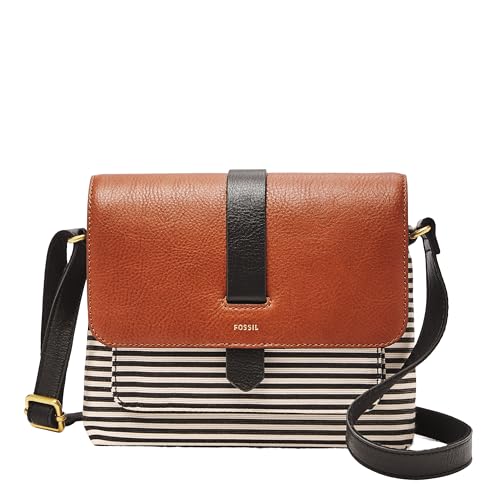
10 Best Fossil Handbags of 2026 For Everyday Organization

10 Best Tory Burch Handbags of 2026 For Everyday Wear

11 Best Kate Spade Handbags of 2026 For Work and Daily Carry