can pilots wear polarized sunglasses? clear answer

can pilots wear polarized sunglasses sounds like a simple yes-or-no question, but cockpit reality makes it a bit messier. Polarized lenses can cut harsh glare beautifully on roads, water, and bright pavement, yet aircraft windshields, instrument screens, and display panels don’t always play nicely with that filter. The catch is that cockpit visibility isn’t just about blocking sunlight; it’s about reading every screen, catching subtle reflections, and spotting traffic without delay. So, yeah, polarized sunglasses may feel comfortable, but comfort alone doesn’t settle the matter.
Polarized lenses work by filtering certain light waves, especially glare bouncing off flat surfaces. That sounds handy during taxi, climb, or approach on a bright day, but odd things can happen once those lenses meet laminated windshields or digital displays. Some screens may look dim, blotchy, rainbow-tinted, or partly invisible depending on viewing angle. That’s a pretty big deal because flight instruments need to stay readable at a quick glance, not after tilting your head like you’re trying to fix a bad TV signal.
There’s also the windshield problem, and it’s not small potatoes. Many aircraft windshields can create patterns or stress marks that become more visible through polarized lenses. Instead of giving a cleaner view, the glasses may add distracting patches, color shifts, or weird dark areas across the outside scene. For flying, visual clarity has to beat glare reduction every time, especially during busy phases where one missed detail can snowball fast.
That doesn’t mean every polarized pair is automatically dangerous in every cockpit. Some setups may seem fine in casual use, and some pilots may test lenses with specific aircraft and displays before deciding. Still, non-polarized aviation sunglasses are usually the safer, more practical pick because they reduce brightness without interfering as much with screens or windshields. A neutral gray or brown tint, good UV protection, and distortion-free optics often matter more than aggressive glare blocking.
The smarter move is to think like a pilot, not a beachgoer. Bright sun, haze, clouds, reflective surfaces, and panel lighting all change fast, so sunglasses need to support quick judgment rather than create surprises. UV protection, lens quality, comfortable fit under a headset, and stable color perception deserve more attention than marketing buzz. In plain English, can pilots wear polarized sunglasses? Sometimes, yes, but many avoid them because non-polarized lenses tend to behave more predictably where it counts.

- TLR Rank9.2
TLR Rank is a ranking system developed by TravelLuggageReviews.com. TLR Rank has no relationship or impact from any manufacturers or sales agent websites. Learn more
- BrandLUENX

- TLR Rank9.0
TLR Rank is a ranking system developed by TravelLuggageReviews.com. TLR Rank has no relationship or impact from any manufacturers or sales agent websites. Learn more
- BrandFEISEDY
- TLR Rank9.0
TLR Rank is a ranking system developed by TravelLuggageReviews.com. TLR Rank has no relationship or impact from any manufacturers or sales agent websites. Learn more
- BrandSUNGAIT

- TLR Rank9.0
TLR Rank is a ranking system developed by TravelLuggageReviews.com. TLR Rank has no relationship or impact from any manufacturers or sales agent websites. Learn more
- BrandSUNGAIT

- TLR Rank8.8
TLR Rank is a ranking system developed by TravelLuggageReviews.com. TLR Rank has no relationship or impact from any manufacturers or sales agent websites. Learn more
- BrandGQUEEN

- TLR Rank8.8
TLR Rank is a ranking system developed by TravelLuggageReviews.com. TLR Rank has no relationship or impact from any manufacturers or sales agent websites. Learn more
- BrandANZIW

- TLR Rank8.8
TLR Rank is a ranking system developed by TravelLuggageReviews.com. TLR Rank has no relationship or impact from any manufacturers or sales agent websites. Learn more
- BrandWearMe Pro

- TLR Rank8.6
TLR Rank is a ranking system developed by TravelLuggageReviews.com. TLR Rank has no relationship or impact from any manufacturers or sales agent websites. Learn more
- BrandCGID

- TLR Rank8.6
TLR Rank is a ranking system developed by TravelLuggageReviews.com. TLR Rank has no relationship or impact from any manufacturers or sales agent websites. Learn more
- BrandZENOTTIC

- TLR Rank8.6
TLR Rank is a ranking system developed by TravelLuggageReviews.com. TLR Rank has no relationship or impact from any manufacturers or sales agent websites. Learn more
- BrandGeneric
Last update on 2026-08-09 / Affiliate links / Images, Product Titles, and Product Highlights from Amazon Product Advertising API
Can Pilots Wear Polarized Sunglasses Safely?
Bright glare over a runway can feel like someone turned the sky into a mirror, and that’s exactly why cockpit eyewear deserves more thought than a casual pair grabbed from a car console. The question can pilots wear polarized sunglasses comes up because polarized lenses sound helpful on paper, yet flying adds screens, laminated windshields, changing sun angles, and fast visual checks into the mix. A lens that feels calm during a beach walk can behave strangely inside an aircraft, especially around digital displays and angled cockpit glass. So the real issue isn’t whether polarized lenses block glare, but whether they protect situational awareness without hiding something important.
Pilot Sunglasses And Polarization
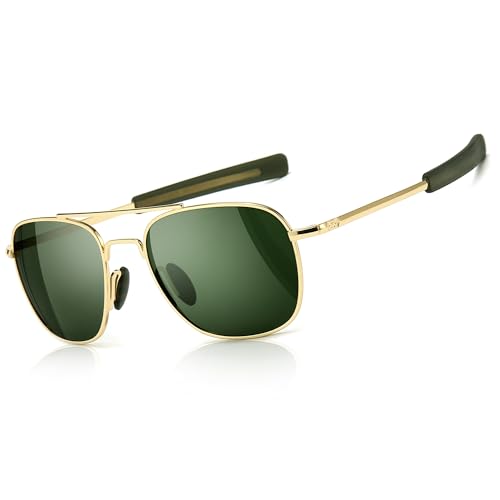
Polarized sunglasses reduce glare by filtering light that reflects off flat surfaces, which is why they’re loved by drivers, anglers, and anyone tired of squinting at shiny pavement. That benefit can feel tempting in aviation because pilots deal with bright clouds, reflective water, sunlit ramps, and haze that can make the eyes work overtime. Still, a cockpit is a different beast. A pilot needs clear outside scanning, readable instruments, and steady depth judgment, not just darker lenses.
The tricky part is that polarization can interact with aircraft windshields and display screens in ways that aren’t obvious until the glasses are actually worn in the cockpit. Some screens may look dimmer from certain angles, while other surfaces may show rainbow-like stress patterns or dark patches. That little annoyance on the ground can become a bigger distraction during workload-heavy moments. A good lens should disappear from the pilot’s awareness, not keep asking for attention.
Can pilots wear polarized sunglasses in a casual sense? Yes, some may wear them in certain aircraft and notice no major issue. But that doesn’t make them the most reliable choice across different cockpits, weather conditions, and panel layouts. Aviation favors consistency, and non-polarized lenses usually give pilots fewer surprises. That predictability matters when traffic, terrain, weather, and radio calls are all competing for mental bandwidth.
A safer buying mindset starts with the cockpit first and the sunglass aisle second. Instead of asking which pair looks sharp, ask whether the lenses keep instrument visibility stable, preserve natural color cues, and fit comfortably under a headset. A pair that squeezes at the temples or distorts a display can become irritating fast. The best aviation sunglasses often feel boring in the right way because they simply let the pilot see without drama.
Why Cockpit Displays Change The Answer
Flight displays are the biggest reason many pilots hesitate around polarized lenses. Modern panels often include LCD screens, GPS units, tablets, electronic flight bags, engine monitors, and backup displays. Polarized lenses may darken or partially obscure some of those screens depending on the angle of the lens and the display. That’s not a small tradeoff when quick information checks are part of safe cockpit flow.
Even older cockpits aren’t completely free from this problem. A pilot might still use a portable tablet, a mounted navigation unit, or a handheld device that responds poorly to polarized eyewear. Tilt the head a bit, and a readable screen may suddenly fade or shift. That kind of inconsistency chips away at confidence because the pilot starts managing the glasses instead of managing the flight. Nobody needs extra fiddling during a busy approach.
The outside view can also be affected by the windshield itself. Laminated or stressed aircraft glass may reveal strange patterns through polarized lenses, especially in bright conditions. Those patterns can compete with outside scanning, and outside scanning is where pilots catch traffic, birds, runway features, and weather texture. A lens that improves glare but adds visual noise creates a poor bargain.
Non-polarized aviation sunglasses avoid many of these headaches by reducing brightness without filtering reflected light in the same aggressive way. That doesn’t mean every non-polarized pair is automatically good, though. Lens distortion, overly dark tints, cheap coatings, and poor frame fit can still cause trouble. The smarter target is clear optics, comfortable wear, and a tint that supports the job instead of showing off.
Glare Relief Without Losing Detail
Sun glare in flight isn’t just uncomfortable; it can make small details harder to read and slow down visual decisions. Pilots often face glare from cloud tops, rivers, wet runways, snow, polished aircraft surfaces, and low-angle sun near departure or arrival. Glare control helps reduce eye strain, but it can’t come at the cost of missing runway markings, screen data, or traffic movement. That’s where the polarization debate gets practical rather than fashionable.
A neutral gray tint is often praised because it dims brightness while keeping color perception fairly natural. Brown or copper tints may add contrast, which some pilots like in hazy or variable light. But very dark lenses can become a nuisance when moving between bright outside views and shaded panel areas. Lens tint should support fast transitions, not make the cockpit feel like a cave.
For pilots who fly behind glass panels, a quick ground check can reveal a lot. Put the sunglasses on, look at every screen from normal seated angles, then move your head the way you naturally would during a scan. If displays dim, shimmer, or disappear, the lenses are telling on themselves. To keep cockpit readability steady, rely on ray ban oversized sunglasses men only if the lens choice, fit, and visibility match actual flying needs rather than style alone.
Comfort also matters more than people admit. Thick temples can break the headset seal, which may let in extra cabin noise and create pressure near the ears. A frame that feels fine for ten minutes can become irritating after a long leg. Thin temples, stable nose pads, and lightweight frames are small details that can keep fatigue from creeping in.
Real Cockpit Tradeoffs Pilots Should Weigh
Can pilots wear polarized sunglasses becomes easier to answer once the tradeoffs are laid out plainly. Polarized lenses may reduce harsh reflected glare, but they can also interfere with screen visibility and windshield clarity. Non-polarized lenses may not cut glare as dramatically, yet they often behave more predictably around avionics. In aviation, predictable usually beats impressive.
Another issue is how quickly light changes during flight. A pilot might climb through haze, level above a bright cloud deck, turn toward a low sun, then descend into a shaded pattern all in the same trip. Sunglasses need to handle those shifts without forcing constant removal. Photochromic lenses can be tempting, but cockpit windshields may limit how they react to UV, and slow tint changes can feel awkward during rapid lighting shifts.
Travel habits also shape eyewear choices. Sunglasses get tossed into flight bags, left in side pockets, bumped by headsets, and sometimes pressed against kneeboards or checklists. A scratched lens can scatter light and create more strain than it solves. To keep small travel items from floating around between legs, use best rfid waist pack for passports, cards, and daily carry gear when the flying day turns into airport hopping.
Pilots who wear prescription lenses need an extra layer of planning. Clip-ons, prescription sunglasses, and fit-over designs can all work, but each option affects comfort, field of view, and headset fit differently. The safest choice is usually the one that keeps visual correction accurate and cockpit viewing easy. Fashion can wait in line behind seeing the panel clearly.
How To Choose Safer Aviation Sunglasses
Start with UV protection, because bright skies are not kind to unprotected eyes. A lens should block UVA and UVB, reduce visible brightness, and keep the view sharp across the full lens area. Cheap lenses may look dark while still causing distortion, and that’s a lousy deal for flying. Darkness alone doesn’t equal safety, and it definitely doesn’t equal better vision.
Next, test the glasses where they’ll actually be used. Sit in the aircraft, power up the screens, check the tablet, scan through the windshield, and move your head naturally. Watch for dimming, color shifts, strange patches, and annoying reflections. Cockpit testing beats guessing every single time.
Frame design deserves the same attention as the lenses. Thin arms usually work better under aviation headsets because they reduce pressure points and help preserve the ear seal. Large lenses can block side glare, but oversized frames may bump against headset cups or hats. A balanced pair gives coverage without turning the cockpit into a wrestling match.
Pilots who travel often should also protect the glasses outside the aircraft. Hard cases, microfiber cloths, and separate storage pockets prevent scratches that can ruin an otherwise useful pair. For gear that gets beaten up during layovers, training weekends, or road trips to the airport, To avoid a jammed travel day, rely on how to repair suitcase zipper before a small luggage problem turns into a gate-side headache. Good flying habits often start with boring little systems that keep essentials ready.
Best Practical Answer For Daily Flying
The most practical answer is simple: pilots can wear polarized sunglasses in some situations, but many are better served by non-polarized aviation sunglasses. The reason isn’t snobbery or old-school habit. It’s the need for stable screen readability, clean windshield viewing, and fewer surprises during high-workload moments. A lens that behaves consistently earns trust faster than one that only wins the glare battle.
A good pair should reduce squinting without making the pilot fight the panel. It should sit comfortably under a headset, keep colors believable, and avoid distracting patterns through the windshield. Neutral tint, low distortion, proper UV blocking, and headset-friendly temples usually matter more than polarization. That combination fits the cockpit’s real rhythm better than marketing claims do.
There’s still room for personal preference, especially across aircraft types. A pilot flying a simple aircraft with minimal screens may have a different experience than someone flying behind multiple digital displays. The key is to test, compare, and stay honest about what the lenses do in the actual cockpit. If a pair creates even occasional doubt, that doubt deserves attention.
Can pilots wear polarized sunglasses isn’t a question to answer from a store shelf. It belongs in the cockpit, with the screens on, the windshield in view, and the headset in place. The best sunglasses make flying feel visually calmer without stealing detail from the panel or the sky. That’s the standard worth using before trusting any lens above the runway.
Can Pilots Wear Polarized Sunglasses In Modern Cockpits?
After glare, screen readability, and windshield patterns are weighed together, the better question becomes less about permission and more about practical cockpit judgment. A pilot may love how polarized lenses calm harsh reflections on the ramp, yet that same lens can make a tablet, glass panel, or laminated windshield behave in ways that feel distracting. Can pilots wear polarized sunglasses depends heavily on the aircraft, avionics, lighting, and how the glasses perform from the actual seated position. The safest habit is simple: trust what the cockpit shows you, not what the sunglasses promise on the tag.
Screen Checks Before Every Flight
A quick screen check can save a lot of frustration before the engine even starts. Put on the glasses, sit where you normally sit, and look at every primary flight display, GPS screen, radio panel, tablet, and backup instrument from natural head angles. If any display fades, turns patchy, or needs a head tilt to read clearly, the lens has already failed the cockpit test. A pilot shouldn’t need a workaround just to read basic information.
Bright sunlight can make screen problems harder to spot because the eyes are already adjusting to glare. That’s why the test should happen with avionics on, cockpit lighting adjusted, and the windshield view included. Polarized sunglasses may seem fine in one direction, then act differently after a turn, climb, or panel scan. Small visual interruptions become annoying fast when the radio is busy and the workload rises.
Tablets deserve special attention because they’re often used for charts, weather, checklists, and navigation backups. Some screens darken sharply through polarized lenses, especially in portrait or landscape orientation. A chart that looks dim during taxi may become worse under direct sun. Readable flight data matters more than glare reduction that only helps part of the view.
Many pilots keep a spare pair of non-polarized sunglasses in the flight bag for exactly this reason. It’s a simple fallback if glare conditions, aircraft equipment, or screen angles make polarization annoying. A sturdy case helps protect that backup pair, especially during travel days with headsets, kneeboards, chargers, and logbooks bouncing around. For longer trips with fragile gear packed beside clothing and cases, a best samsonite hard shell suitcase can help keep eyewear and cockpit accessories from getting crushed.
Lens Shape And Frame Fit Matter
Lens behavior gets most of the attention, but frame fit can quietly make or break a flying day. Thick temples can press under a headset and break the ear seal, which lets cabin noise creep in. That extra noise can lead to fatigue, and fatigue makes every cockpit task feel heavier. Thin, headset-friendly temples are often more useful than bold frames that look better outside the aircraft.
Lens coverage also needs balance. A bigger lens can block side glare and reduce squinting, but oversized frames may touch headset cups, hats, or oxygen equipment depending on the cockpit. The goal is steady visual coverage without pressure points or awkward gaps. If the glasses slide during a turn of the head, they’ll become one more thing to manage.
Aviator-style shapes remain popular because they often cover the visual field without feeling boxed in. Still, not every aviator frame works well in flight. Plastic frames can feel lighter, but the temple shape, bridge fit, and lens tint matter more than the label. For a casual frame style that still needs a practical lens check, plastic oversized aviator sunglasses should be judged by cockpit comfort, screen readability, and whether the frame stays stable under a headset.
Prescription wearers need to be even pickier. A prescription sunglass lens should keep the full field sharp, especially near the lower lens area where panel checks happen often. Clip-ons can be convenient, but they may add reflections or tiny alignment issues. Clear corrected vision beats convenience every time in the cockpit.
Color Accuracy And Weather Cues
Good sunglasses should reduce brightness without flattening the outside world into a muddy scene. Pilots rely on color contrast to read weather, terrain, runway markings, and light signals. A tint that makes everything look dramatic may feel pleasant for casual wear but less helpful for flying. The cockpit needs honest vision, not a prettier version of the sky.
Gray lenses tend to preserve natural color better, which can help with quick scanning and panel interpretation. Brown or amber lenses may improve contrast in haze, but they can shift color perception more noticeably. That shift isn’t always a problem, yet it should be understood before relying on the glasses during mixed light. Neutral visual judgment is especially valuable near airports where small cues matter.
Cloud layers, smoke, haze, snow, and late-day sun all change how sunglasses feel in flight. A lens that works nicely at noon may feel too dark near dusk or inside a shaded cockpit. Very dark lenses can make panel reading more tiring, especially if the pilot keeps moving between bright outside references and darker instruments. Moderate tint strength usually offers a better compromise than chasing maximum darkness.
Polarization can also reduce certain reflections that might otherwise help a pilot notice wet surfaces or subtle visual texture. That tradeoff doesn’t matter much in some settings, but it can matter during runway assessment or low-level visual work. The point isn’t to fear polarized lenses. The point is to respect that glare removal can sometimes remove useful information too.
Practical Buying Rules For Pilots
Start with the basics and refuse to compromise on them. Sunglasses for flying should offer full UV protection, low distortion, a comfortable frame, and a tint that keeps screens and outside references easy to read. Polarized lenses should only stay in the running if they pass a real cockpit check. Store lighting and sidewalk glare don’t tell the whole story.
Try the glasses with the headset before trusting them for a long flight. Wear them long enough to notice temple pressure, nose pad marks, slipping, or weird reflections from the frame. A pair that feels okay for five minutes can become irritating after an hour. Cockpit comfort is part of safety because discomfort steals attention little by little.
Avoid lenses that are too dark for mixed conditions. Pilots often need to read charts, scan shadows, watch traffic, and monitor screens without constantly lifting the glasses. If the lens forces that kind of back-and-forth, it’s not helping enough. Usable visibility should matter more than looking relaxed on the ramp.
Keep the maintenance routine simple. Clean lenses with a microfiber cloth, avoid wiping dust across dry lenses, and store the glasses where they won’t rub against keys, pens, or headset hardware. Scratches scatter light and make glare worse, which defeats the whole point. A clean, boring pair of reliable sunglasses beats a flashy scratched pair every time.
Situations Where Polarized Lenses May Fall Short
Polarized lenses are most likely to disappoint in aircraft with multiple digital displays or reflective cockpit surfaces. The problem may not show up as a total blackout; it may be a subtle dimming that slows down a scan. That delay can feel tiny on the ground, but in flight it adds friction. Fast readability should feel effortless.
They may also feel awkward during training, where head movement and instructor demonstrations happen constantly. A student or instructor may look across the cockpit, glance at a side display, then shift outside in quick rhythm. If the glasses behave differently from each angle, they interrupt the learning flow. Consistent vision helps keep attention on flying technique instead of lens quirks.
Water flying, snow-covered terrain, and bright cloud tops make the decision more nuanced. Polarized lenses can reduce punishing glare in these environments, yet they may also change how reflections and surface texture appear. That’s why blanket advice rarely works well. The aircraft, mission, lighting, and instruments all shape the answer.
Night, dusk, and low-light operations call for extra caution with any sunglass lens. Even a good daytime tint becomes the wrong tool once ambient light drops. Pilots should remove sunglasses before visibility becomes marginal, rather than waiting until the panel or runway environment feels strained. Light discipline is a small habit that protects larger decisions.
A Clear Rule Of Thumb For Flight Bags
The best rule is to keep polarized sunglasses as a conditional choice, not the default answer. If they pass cockpit screen checks, windshield checks, headset comfort checks, and real lighting checks, they may be usable in that specific setup. If they fail any of those tests, non-polarized aviation sunglasses are the cleaner choice. Predictable visibility wins the argument.
A second pair is not overkill. Flight bags already carry backups for pens, batteries, chargers, and charts because small failures create annoying distractions. Sunglasses deserve the same treatment because glare and eye strain can change the whole feel of a flight. Backup eyewear gives pilots options instead of forcing a bad compromise.
So, can pilots wear polarized sunglasses? Yes, but the better cockpit habit is to verify before relying on them. Screens must stay readable, windshield views must stay clean, and the frame must stay comfortable under a headset. If those boxes aren’t checked, the lens is solving one problem while quietly creating another.
For most day-to-day flying, non-polarized sunglasses with strong UV protection, a moderate tint, and low-distortion optics remain the safer everyday pick. They may not erase glare as aggressively, but they usually interfere less with the tools pilots need to read quickly. That tradeoff feels less flashy and more practical, which is exactly what cockpit gear should be. Clear eyes, clear panel, clear outside scan should guide the final call.


11 Best Black Friday Sunglasses Deals of 2026 Built to Last

10 Best Cycling Sunglasses of 2026 For Wind Defense and Zero Slip

11 Best Mens Polarized Sunglasses of 2026 For Glare-Free Driving

10 Best Polarized Fishing Sunglasses of 2026 To Cut Water Glare

11 Best Smith Sunglasses of 2026 For Water and Trail

10 Best Carrera Sunglasses of 2026 for the Right Fit

11 Best Versace Sunglasses of 2026 For a Flattering Fit

11 Best Gucci Sunglasses of 2026 For Flattering Fit and Comfort