
How Much Does a Travel Trailer Weigh by Size?

Most travel trailers weigh around 5,000 pounds. Across different builds, factory empty weights generally range from 1,200 to 9,000 pounds. A small teardrop camper sits at the bottom of that scale, while a thirty-foot family camper pushes toward the top before anyone packs a single bag.
What you actually pull down the road depends on three main factors. Trailer length, heavy slide-out sections, and solid wood cabinetry drive up the starting weight. Filling fresh water tanks, carrying full propane bottles, and loading everyday camping gear typically add another 1,000 to 2,000 pounds of cargo. Knowing that true packed weight helps you pair the camper to your vehicle safely and avoid dangerous highway sway.

- TLR Rank10.0
TLR Rank is a ranking system developed by TravelLuggageReviews.com. TLR Rank has no relationship or impact from any manufacturers or sales agent websites. Learn more
- BrandHohnezl

- TLR Rank9.6
TLR Rank is a ranking system developed by TravelLuggageReviews.com. TLR Rank has no relationship or impact from any manufacturers or sales agent websites. Learn more
- BrandJKLESA

- TLR Rank9.6
TLR Rank is a ranking system developed by TravelLuggageReviews.com. TLR Rank has no relationship or impact from any manufacturers or sales agent websites. Learn more
- BrandFZZD

- TLR Rank9.6
TLR Rank is a ranking system developed by TravelLuggageReviews.com. TLR Rank has no relationship or impact from any manufacturers or sales agent websites. Learn more
- BrandTIROL
- TLR Rank9.6
TLR Rank is a ranking system developed by TravelLuggageReviews.com. TLR Rank has no relationship or impact from any manufacturers or sales agent websites. Learn more
- BrandJKLESA

- TLR Rank9.4
TLR Rank is a ranking system developed by TravelLuggageReviews.com. TLR Rank has no relationship or impact from any manufacturers or sales agent websites. Learn more
- BrandKANU GOODS
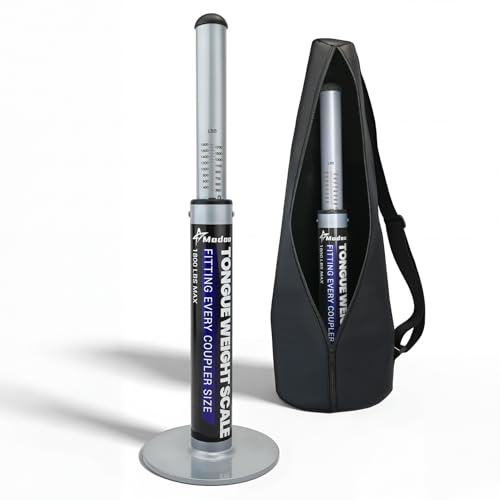
- TLR Rank9.0
TLR Rank is a ranking system developed by TravelLuggageReviews.com. TLR Rank has no relationship or impact from any manufacturers or sales agent websites. Learn more
- BrandModoo

- TLR Rank8.8
TLR Rank is a ranking system developed by TravelLuggageReviews.com. TLR Rank has no relationship or impact from any manufacturers or sales agent websites. Learn more
- BrandBroedissy

- TLR Rank8.6
TLR Rank is a ranking system developed by TravelLuggageReviews.com. TLR Rank has no relationship or impact from any manufacturers or sales agent websites. Learn more
- BrandYOMILINK

- TLR Rank8.4
TLR Rank is a ranking system developed by TravelLuggageReviews.com. TLR Rank has no relationship or impact from any manufacturers or sales agent websites. Learn more
- BrandFZZD
Last update on 2026-10-21 / Affiliate links / Images, Product Titles, and Product Highlights from Amazon Product Advertising API
Trailer weight varies dramatically based on length and build
Travel trailer weights change significantly depending on length, floor plan, and building materials. A tiny camper can weigh under 2,000 pounds, while a long family bunkhouse can exceed 8,000 pounds before you pack any camping gear. If you are still understanding what is a travel trailer and how floor plans differ, knowing these broad weight classes helps you narrow down realistic choices for your vehicle.
Small teardrop and micro trailers (10 to 14 feet)
Small teardrop campers and compact utility trailers generally weigh between 1,200 and 2,500 pounds empty. These tiny rigs usually feature a simple sleeping cabin and an outdoor kitchen tucked into the rear hatch. Most small crossovers, compact SUVs, and small trucks can pull them without straining their engines.
Compact single-axle campers (15 to 20 feet)
Single-axle travel trailers typically weigh between 2,500 and 4,000 pounds when empty. They give you stand-up interior room, a small kitchenette, a compact dining booth, and an enclosed wet bathroom where the shower and toilet share one space. Many mid-size SUVs and light-duty trucks can pull this size comfortably if properly equipped.
Mid-size family trailers (21 to 27 feet)
Mid-size trailers usually weigh between 4,000 and 6,500 pounds empty. At this length, trailers generally have tandem axles (two pairs of wheels), a walk-around queen bed, full bathrooms, and at least one slide-out section that pushes open to expand the living room floor. You generally need a half-ton pickup truck or a full-size SUV to tow these campers safely.
Large travel trailers and bunkhouses (28 to 35 feet)
Large travel trailers weigh between 6,500 and 9,000 pounds empty, and often reach 10,000 pounds or more once packed. These models offer private bunkrooms for children, multiple slide-outs, kitchen islands, and large storage compartments. Pulling trailers in this class usually requires a properly equipped half-ton truck with a dedicated tow package or a three-quarter-ton heavy-duty truck.
Construction materials and slide-outs
The materials inside the walls also alter trailer weight. Trailers with aluminum wall framing and smooth fiberglass siding often weigh less than older designs built with wooden studs and corrugated aluminum skin. But slide-outs add heavy steel support beams, electric motors, and framing that can add 500 to 800 pounds for every slide room on the camper.
Dry weight ignores gear while gross weight sets limits
When shopping for a camper, you will see two key ratings on brochures and metal door frame tags: dry weight and GVWR. Understanding the difference prevents you from buying a camper that is too heavy for your truck to handle on the road.
Dry weight represents empty trailer weight straight from the factory floor. It measures the trailer without propane in the tanks, without water in the holding tanks, without batteries, and without any personal belongings. RV dealerships love to advertise dry weight because it makes large trailers look lighter than they really are.
GVWR stands for gross vehicle weight rating, which is the total safe loaded weight a trailer can carry. This number is set by the trailer manufacturer based on the weakest link among the axles, tires, brakes, and frame. You must never let your trailer exceed this weight when fully packed for a trip.
You can find these numbers on the Federal Certification Label. This is a white or silver sticker located on the exterior front driver-side corner of the trailer frame or inside the main entry door jamb. The sticker lists the exact dry weight, the total safe loaded weight, and the cargo carrying capacity, which is the maximum weight of gear and fluids you can add.
Relying on dry weight when shopping is the most common mistake new RV owners make. If your truck has a tow limit of 5,000 pounds and you buy a trailer with a dry weight of 4,800 pounds, you will exceed your truck rating the moment you add water and gear. Always compare your vehicle towing capacity to the trailer gross weight rating instead.
Water and everyday camping gear add hundreds of pounds
Most campers add between 1,000 and 1,800 pounds of supplies, water, and accessories to their trailer before taking their first trip. These items add up fast, turning an easy tow into an overloaded hazard if you fail to account for them.
Water is one of the heaviest items you will carry. Fresh water weighs 8.34 pounds per gallon. If your trailer has a 40-gallon fresh water tank, filling it before you leave home adds over 330 pounds directly to the trailer frame. If you travel home with full gray or black waste holding tanks, you are carrying that same heavy liquid weight behind your vehicle.
Propane and tongue batteries also add immediate weight that is not included in the factory dry weight. A standard 20-pound steel propane tank weighs about 18 pounds empty and 37 pounds when filled with gas. Dual propane tanks add roughly 75 pounds, while one or two deep-cycle house batteries mounted to the tongue add another 60 to 120 pounds.
Here is what typical camping gear adds to your trailer:
- Kitchen supplies: Cast iron pans, pots, dishes, silverware, and pantry food add 100 to 150 pounds.
- Bedding and clothing: Linens, pillows, towels, and clothing for a family add 75 to 120 pounds.
- Outdoor gear: Camp chairs, portable folding tables, an outdoor grill, and patio mats add 80 to 120 pounds.
- Setup tools: Heavy leveling blocks, wheel chocks, power cords, drinking water hoses, and sewer pipes add 70 to 100 pounds.
- Recreation items: Coolers filled with ice and drinks, fishing tackle, hiking packs, and firewood add 100 to 200 pounds.
When you add up food, water, propane, batteries, and recreation gear, reaching 1,500 pounds of added cargo happens easily. Keep this extra weight in mind every time you plan your packing routine.
Proper tongue weight stops dangerous highway trailer sway
Tongue weight is the downward weight pressing on the hitch ball of your tow vehicle. Getting this weight right is critical for safe handling, stable braking, and keeping control of your vehicle at highway speeds.
For safe towing, tongue weight must stay between 10 and 15 percent of your total loaded trailer weight. If your trailer weighs 5,000 pounds when packed with gear, the downward force on your hitch ball should measure between 500 and 750 pounds. If you fall outside this window in either direction, your trailer will handle poorly.
When tongue weight is too low (under 10 percent), the trailer becomes tail-heavy. This happens when owners load heavy gear, coolers, or bicycles onto the rear bumper. A tail-heavy trailer acts like a pendulum; when a large commercial truck passes you or a crosswind hits your rig, the trailer begins to fish-tail back and forth across the road. This uncontrolled sway can quickly pull your tow vehicle off the pavement or cause a rollover.
When tongue weight is too high (over 15 percent), the trailer becomes nose-heavy. Placing too much cargo in the front pass-through storage compartment overloads the hitch. This forces the rear bumper of your truck down and levers the front wheels upward. When your truck front end lifts, you lose steering control, headlights point into the trees, and front braking traction drops dangerously.
To keep your tongue weight balanced, follow the 60/40 rule when packing. Place roughly 60 percent of your total cargo weight in front of the trailer axles and 40 percent behind them. Always keep heavy items, such as coolers and toolboxes, resting low on the floor directly over the axles.
Match total loaded trailer weight to vehicle tow ratings
Determining whether your truck or SUV can safely pull a travel trailer requires checking more than just the engine power. Follow these practical steps to verify your towing setup before you hitch up and drive.
- Find your vehicle payload capacity: Open the driver-side door and look at the tire and loading sticker on the door pillar. Look for the phrase stating the maximum combined weight of occupants and cargo. Payload capacity is the maximum weight your tow vehicle can carry inside and on the hitch. Payload is almost always the first limit you hit, well before you reach the maximum tow rating.
- Calculate your truck cabin and bed weight: Add together the weight of the driver, every passenger, your family dog, luggage in the trunk or truck bed, and heavy accessories like truck bed caps. Also add the weight of your hitch receiver hardware, which can weigh 60 to 100 pounds for a heavy-duty weight distribution hitch.
- Subtract vehicle cargo from payload: Subtract your total passenger and cargo weight from the payload capacity number on the door sticker. The number left over is the maximum allowable tongue weight your vehicle can support on its rear hitch ball.
- Compare trailer GVWR to towing limits: Look at the trailer total safe loaded weight (GVWR) instead of the empty dry weight. Make sure the trailer gross weight rating stays below your vehicle maximum tow rating. Then calculate 12 to 15 percent of that trailer gross weight to make sure the expected tongue weight fits within your remaining vehicle payload.
- Apply the 80 percent safety cushion: Experienced haulers avoid towing at 100 percent of their vehicle rated limits. Keep your fully loaded trailer weight at or below 80 percent of your vehicle maximum tow rating. If your SUV is rated to pull 6,000 pounds, aim for a loaded trailer weight of 4,800 pounds or less. This cushion gives your engine and brakes the reserve power needed to climb steep mountain highways and maintain control in gusty winds.
- Weigh your rig at a certified vehicle scale: Visit a public commercial truck scale at a highway truck stop. Weigh your truck alone, then pull onto the scale with the loaded trailer attached. The scale readout gives you exact wheel weights for your truck front axle, truck rear axle, and trailer axles so you know with absolute certainty that your setup is road-safe.
Tongue weight scales help balance your trailer safely
Checking your downward hitch load in your driveway prevents unsafe sway before you ever merge onto the highway. A dedicated trailer tongue weight scale makes this verification simple without requiring a trip to a commercial truck scale every time you repack your camper.
These portable scales sit directly on the ground underneath your trailer jack or underneath the coupler, which is the trailer socket that locks over the hitch ball. When you lower the trailer weight onto the scale head, a mechanical gauge measures the exact downward force pressing on your hitch. If the reading shows your hitch weight is below 10 percent or above 15 percent of your total loaded camper weight, you can shift heavy coolers and gear forward or backward inside the trailer until the balance is correct.
When shopping for a trailer tongue weight scale, look for a heavy-duty model with a capacity that matches your rig. For travel trailers, models with capacities of 1,800 to 2,000 pounds handle most single-axle and tandem-axle campers easily. Look for solid steel construction, fatigue-resistant springs, and a wide, stable base plate that sits firmly on asphalt or packed gravel without tipping under heavy downward pressure.


12 Best Heavy Duty Camping Table of 2026 That Will Not Wobble or Sag

10 Best Sleeping Bags For Tall People of 2026 To Stretch Out Fully

8 Best Camping Table Adjustable Legs of 2026 for Uneven Ground

10 Best Diaper Bag Backpacks For Dads of 2026 With Fast Gear Access

11 Best Framed Luggage of 2026 For Zipperless Security

11 Best Folding Two Wheeler For Luggage of 2026 To Prevent Tipping

11 Best Expandable Roller Luggage of 2026 That Fit Overhead Bins

10 Best Fishing Rod Luggage of 2026 To Protect Fragile Blanks









