How Much Does It Cost to Become a Travel Agent in 2026?

Launching costs far less than most expect. Partnering with a host agency (a parent company that shares booking access and administrative support) keeps your startup fees modest from day one. In contrast, building a standalone travel agency with your own accreditation (an official industry identification number used to book travel directly) requires substantially higher upfront capital and strict operational backing.
Total startup expenses also shift based on where you live and how you work. Certain states require an official Seller of Travel registration (a specialized state business permit) before you can sell a single vacation. Ongoing operational needs like client software, basic marketing, and errors and omissions insurance (a policy covering accidental booking mistakes) will shape your monthly budget as well. The breakdown below walks through each real expense so you can launch safely without falling for hidden fees.

- TLR Rank10.0
TLR Rank is a ranking system developed by TravelLuggageReviews.com. TLR Rank has no relationship or impact from any manufacturers or sales agent websites. Learn more
- BrandN/A

- TLR Rank10.0
TLR Rank is a ranking system developed by TravelLuggageReviews.com. TLR Rank has no relationship or impact from any manufacturers or sales agent websites. Learn more
- BrandMxrymvu

- TLR Rank9.4
TLR Rank is a ranking system developed by TravelLuggageReviews.com. TLR Rank has no relationship or impact from any manufacturers or sales agent websites. Learn more
- BrandSoul's Road Press

- TLR Rank9.2
TLR Rank is a ranking system developed by TravelLuggageReviews.com. TLR Rank has no relationship or impact from any manufacturers or sales agent websites. Learn more
- BrandN/A

- TLR Rank9.0
TLR Rank is a ranking system developed by TravelLuggageReviews.com. TLR Rank has no relationship or impact from any manufacturers or sales agent websites. Learn more
- BrandN/A

- TLR Rank9.0
TLR Rank is a ranking system developed by TravelLuggageReviews.com. TLR Rank has no relationship or impact from any manufacturers or sales agent websites. Learn more
- BrandMajosta

- TLR Rank8.2
TLR Rank is a ranking system developed by TravelLuggageReviews.com. TLR Rank has no relationship or impact from any manufacturers or sales agent websites. Learn more
- BrandN/A

- TLR Rank7.4
TLR Rank is a ranking system developed by TravelLuggageReviews.com. TLR Rank has no relationship or impact from any manufacturers or sales agent websites. Learn more
- BrandMajosta

- TLR Rank7.4
TLR Rank is a ranking system developed by TravelLuggageReviews.com. TLR Rank has no relationship or impact from any manufacturers or sales agent websites. Learn more
- BrandMajosta

- TLR Rank6.8
TLR Rank is a ranking system developed by TravelLuggageReviews.com. TLR Rank has no relationship or impact from any manufacturers or sales agent websites. Learn more
- BrandCREATESPACE
Last update on 2026-10-21 / Affiliate links / Images, Product Titles, and Product Highlights from Amazon Product Advertising API
The Short Version
- Joining a host agency (a parent company that shares booking access and support) is the most affordable route, requiring only a modest setup fee and predictable monthly platform dues.
- Starting an independent agency completely on your own requires a much larger cash reserve because you must purchase direct industry credentials, secure surety bonds, and negotiate individual supplier contracts.
- Mandatory baseline costs include establishing your legal business structure, securing a Seller of Travel (a state business permit required to sell trips) if applicable, and carrying errors and omissions insurance (a policy covering accidental booking mistakes).
- Legitimate travel agencies earn their income from supplier commissions on actual client travel, so avoid any company that emphasizes recruiting other people over selling real trips.
Two Main Paths: Host Agency or Starting From Scratch
The total cost to start selling travel depends almost entirely on the business model you select. New advisors generally choose between two distinct routes: affiliating with an established host agency as an independent contractor or launching a completely standalone travel agency.
Working with a host agency is the path that most beginners take. Under this arrangement, your business operates as an independent contractor under the umbrella of a parent company. You maintain your own brand, select your own clients, and set your own hours. The host agency provides the backend plumbing. They give you access to their booking software, training libraries, supplier connections, and back-office accounting tools. In return, you pay an initial sign-up fee, an ongoing monthly membership fee, and a percentage split of the commissions you earn. This structure keeps your upfront financial risk very low because you do not have to fund your own commercial licensing, high-tier software packages, or heavy corporate insurance policies.
Launching a standalone agency means starting from scratch without a parent company. You operate as your own primary agency, which requires applying directly for your own industry accreditation and building individual contracts with every hotel chain, cruise line, and tour operator you want to sell. This route gives you total ownership over your gross commissions, with no splits to hand over. But it requires substantial upfront cash. You must pay directly for enterprise-grade booking systems, undergo rigorous financial reviews, and put up large financial deposits or surety bonds before major travel suppliers will work with you.
For someone testing the waters or building a home-based business, a host agency provides the lowest financial barrier to entry. Independent accreditation makes sense only for experienced agents who already have an established list of high-volume clients to justify the heavy overhead.
Upfront Startup Expenses: Legal Filing and Protection
Even when keeping startup costs low, treating travel planning as a real business means paying for legal formation, administrative compliance, and client protection before you ever book a vacation.
- Business entity registration: Before you open a dedicated bank account, you need to register your business with your state government. You can operate as a simple sole proprietorship with a registered trade name, or you can form a limited liability company (LLC). An LLC separates your personal assets from your business activities, which protects personal savings if a dispute occurs. State filing fees for an LLC vary widely depending on where you live, so check your state secretary of state website for exact filing costs.
- Seller of Travel permits: In the United States, several states require anyone selling travel to register and obtain a formal Seller of Travel permit. The most notable states with strict laws are California, Florida, Hawaii, and Washington. These laws apply not only to agents living in those states, but also to out-of-state agents who market to or accept bookings from residents living in those states. Independent agencies must pay individual registration fees and often post expensive surety bonds in each regulated state. If you partner with a host agency, you can often register as an independent contractor under their existing state licenses for a fraction of the cost, saving you hundreds of dollars in compliance fees.
- Errors and omissions insurance: Often called E&O insurance, this coverage protects your business if you make an honest booking mistake. If you accidentally book a hotel for the wrong month, spell a passenger name wrong on an international airline ticket, or misquote a cancellation window, this policy covers the financial loss and legal fees. Many host agencies include baseline E&O coverage inside their monthly dues, but securing your own standalone policy ensures you have adequate coverage limits tailored to your specific booking volume.
- Basic home office equipment: You do not need commercial storefront space to succeed. A reliable laptop or desktop computer, a high-speed home internet connection, and a secondary business phone line through a digital phone application will handle daily client communications without requiring expensive hardware.
Host Agency Partnerships vs. Buying Direct Industry Credentials
To reserve trips with major airlines, cruise ships, and hotel chains, an agency must hold an accreditation (an official industry identification number used to book travel). Suppliers use these credentials to verify that you are a legitimate travel business before issuing commission payments.
Securing these credentials independently involves major upfront investments and strict qualification rules. Industry credential bodies, such as the International Airlines Travel Agent Network, the Airlines Reporting Corporation, and the Cruise Lines International Association, set strict standards. Qualifying for your own independent credentials usually requires proving past booking volume, maintaining an active client bank account with minimum cash balances, submitting clean financial audits, and paying recurring organizational dues. For an aspiring advisor with zero sales history, meeting these requirements on day one is nearly impossible.
A host agency solves this problem by letting you use their established credential numbers. When you book a resort package or cruise, the supplier recognizes the host agency's credentials. The supplier pays the gross commission to the host, who then forwards your agreed percentage to your business bank account. Because the host agency bundles the booking volume of hundreds or thousands of home-based advisors, suppliers place the entire agency into their highest commission brackets. A solo agent booking on their own might receive a entry-level commission rate, while a hosted agent booking through a top-tier host often starts at the maximum commission rate available from that supplier.
Host agencies also belong to a consortium (an industry network offering group buying perks). Consortia negotiate exclusive client amenities, such as daily breakfast credits, shipboard spending money, and room upgrades. Joining a host grants your clients access to these perks immediately, giving your new business an edge against massive internet booking engines without requiring you to pay private consortium membership fees.
Recurring Monthly Software and Operating Expenses
Once your business is legally registered, your budget shifts to recurring monthly software and administrative tools. Keeping overhead lean during your first year gives you the staying power to build a steady pipeline of repeat travelers.
- Host agency platform fees: Most host agencies charge either a monthly or an annual membership fee. This fee pays for tech platform access, back-office commission tracking, supplier directory databases, and ongoing professional development webinars. Some hosts offer tier-based pricing: lower monthly fees with a smaller commission split for hobbyists, or higher monthly fees with a 90% or 100% commission split for high-volume producers.
- Client management and itinerary software: Professional travel advisors rely on Customer Relationship Management (CRM) tools to store client passport details, room preferences, and payment records. Dedicated itinerary builders allow you to assemble custom daily schedules with interactive maps, flight updates, and excursion details that send directly to your client's smartphone. When booking complex vacations, providing clear trip documentation and explaining client protections such as what is a travel waiver keeps your travelers informed while protecting your professional time.
- Website hosting and marketing tools: While word of mouth drives early sales, you need a polished digital presence. Budget for your website domain name, website hosting, a professional business email address matching your domain, and an email newsletter service to stay in touch with past travelers. Avoid paying thousands of dollars for custom web development at the start; a clean, one-page site explaining your specialty and booking process is plenty for new clients.
- Professional memberships: Joining trade associations, such as the American Society of Travel Advisors or Cruise Lines International Association, provides access to ship inspection passes, educational credentials, and industry advocacy. These memberships carry modest annual fees that help build your professional credibility.
Spotting Predatory Travel Schemes and Red Flags
Because the travel industry looks appealing from the outside, it attracts predatory multi-level marketing operations and fake credential sellers, often called "card mills." Falling for one of these traps will drain your startup budget while providing zero genuine booking support.
The clearest warning sign is a business model focused on recruitment rather than booking vacations. Legitimate host agencies make money when you sell travel to real clients. Predatory companies make their money by convincing you to recruit your friends, relatives, and neighbors as new travel agents. If an agency promises that you will earn more money by building a "downline" of new recruits than by booking hotel stays, walk away immediately.
Another major red flag is the promise of free luxury vacations simply for buying an identification badge. Disreputable companies sell cheap plastic travel agent cards with the claim that showing the card at hotel check-in desks will earn you free room upgrades and luxury perks. In the real travel industry, suppliers only extend discounted travel or educational site visits to working advisors who produce documented sales volume. Handing a fake credential card to a resort manager will only damage your reputation.
Legitimate host agencies are transparent about their fees, do not force you to maintain product inventory, and focus their training entirely on supplier knowledge, destination logistics, and client service. Whether your goal is booking complex overseas journeys or helping families organize simple domestic trips to places like where to travel without a US passport, a reputable host gives you real booking tools rather than empty recruitment promises.
FAQs
Do you need a college degree or formal license to become a travel agent?
No federal license or specific college degree is required to work as a travel advisor in the United States. You must comply with standard business registration laws and local Seller of Travel regulations if you live or sell in regulated states. Professional success comes from destination knowledge, organizational skills, and thorough supplier training rather than formal academic credentials.
Can you launch a travel agency as a part-time side gig to keep costs low?
Yes, many successful agency owners start part-time while keeping their full-time day jobs. Choosing a host agency with low monthly dues lets you build your client base and learn booking systems without taking on unsustainable financial pressure. As your commission income grows and your client roster expands, you can comfortably transition into full-time self-employment.
How long does it take for a new travel agency to make money?
Travel commissions are generally paid by suppliers after the client completes their trip rather than when the booking is made. If you book a cruise in January for a family sailing in December, you will not receive your commission payout until late December or January of the following year. Because of this built-in payment lag, planning for several months of operating expenses without relying on immediate commission income is essential.
Do travel agents still get free or discounted vacations?
Travel agents do not travel for free, but they can earn access to discounted educational rates, known as familiarization trips. Suppliers offer these lower rates so advisors can inspect hotel properties, taste the food, and experience tour itineraries firsthand to sell them more effectively to clients. These opportunities are earned through proven sales performance and completing supplier training courses, not simply by signing up as an agent.


12 Best Heavy Duty Camping Table of 2026 That Will Not Wobble or Sag

10 Best Sleeping Bags For Tall People of 2026 To Stretch Out Fully
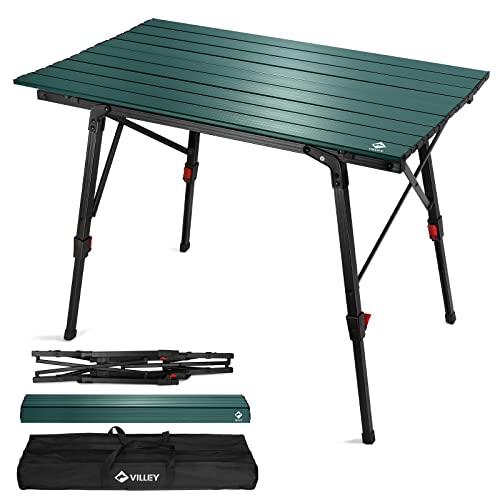
8 Best Camping Table Adjustable Legs of 2026 for Uneven Ground

10 Best Diaper Bag Backpacks For Dads of 2026 With Fast Gear Access

11 Best Framed Luggage of 2026 For Zipperless Security

11 Best Folding Two Wheeler For Luggage of 2026 To Prevent Tipping

11 Best Expandable Roller Luggage of 2026 That Fit Overhead Bins

10 Best Fishing Rod Luggage of 2026 To Protect Fragile Blanks