
How Much Does It Cost to Insure a Travel Trailer?

Many buyers assume a standard vehicle policy fully protects a towed camper wherever it goes. In reality, a tow vehicle only extends basic liability while rolling down the highway, meaning true protection requires a separate travel trailer policy. For most owners, annual rates scale from modest yearly fees to major expenses based on the amount of protection chosen against weather, theft, and campsite mishaps.
What you actually pay comes down to the replacement value of the camper, how often it leaves the driveway, and whether it serves as a weekend getaway or a permanent home. Extra options for personal belongings, emergency roadside help, and your choice of out-of-pocket deductibles also shape the final number. Here is how those factors balance out so you can pick the right coverage without overpaying.

- TLR Rank9.6
TLR Rank is a ranking system developed by TravelLuggageReviews.com. TLR Rank has no relationship or impact from any manufacturers or sales agent websites. Learn more
- BrandJintogrive

- TLR Rank9.2
TLR Rank is a ranking system developed by TravelLuggageReviews.com. TLR Rank has no relationship or impact from any manufacturers or sales agent websites. Learn more
- BrandVINPATIO

- TLR Rank8.6
TLR Rank is a ranking system developed by TravelLuggageReviews.com. TLR Rank has no relationship or impact from any manufacturers or sales agent websites. Learn more
- BrandUmbrauto
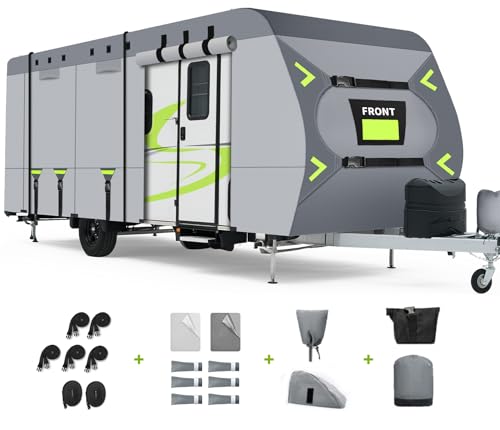
- TLR Rank8.6
TLR Rank is a ranking system developed by TravelLuggageReviews.com. TLR Rank has no relationship or impact from any manufacturers or sales agent websites. Learn more
- BrandXenjum

- TLR Rank8.4
TLR Rank is a ranking system developed by TravelLuggageReviews.com. TLR Rank has no relationship or impact from any manufacturers or sales agent websites. Learn more
- BrandDenForste
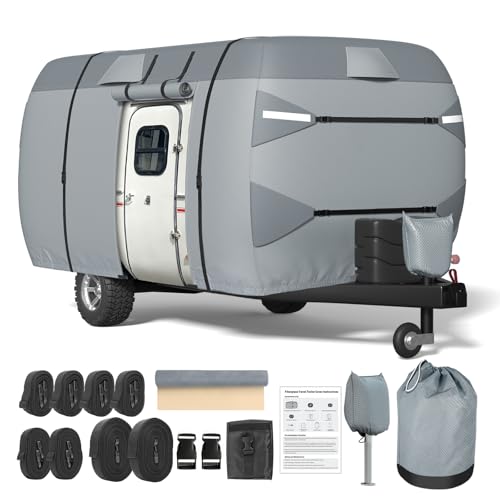
- TLR Rank8.4
TLR Rank is a ranking system developed by TravelLuggageReviews.com. TLR Rank has no relationship or impact from any manufacturers or sales agent websites. Learn more
- BrandMOFEEZ

- TLR Rank8.0
TLR Rank is a ranking system developed by TravelLuggageReviews.com. TLR Rank has no relationship or impact from any manufacturers or sales agent websites. Learn more
- BrandKING BIRD
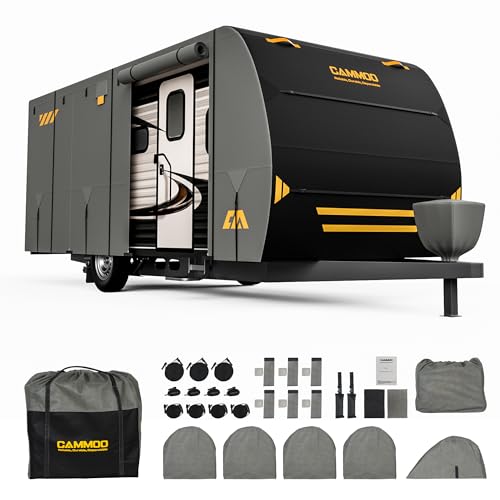
- TLR Rank7.8
TLR Rank is a ranking system developed by TravelLuggageReviews.com. TLR Rank has no relationship or impact from any manufacturers or sales agent websites. Learn more
- BrandCAMMOO

- TLR Rank7.6
TLR Rank is a ranking system developed by TravelLuggageReviews.com. TLR Rank has no relationship or impact from any manufacturers or sales agent websites. Learn more
- BrandMayrhofen

- TLR Rank7.2
TLR Rank is a ranking system developed by TravelLuggageReviews.com. TLR Rank has no relationship or impact from any manufacturers or sales agent websites. Learn more
- BrandVildVandring
Last update on 2026-10-21 / Affiliate links / Images, Product Titles, and Product Highlights from Amazon Product Advertising API
The Short Version
- Annual premiums (your regular insurance payments) typically range from a few hundred dollars for casual weekend camping up to well over a thousand dollars if you live in your camper full-time or tow a high-value trailer.
- Your personal auto insurance only provides liability coverage while hitched, meaning it pays for damage you cause to others on the road but pays zero dollars to repair your own camper.
- Once you unhitch at a campsite or park in storage, your car policy stops covering the trailer completely, leaving you unprotected against windstorms, falling branches, fire, theft, and guest injuries.
- You can lower your annual costs by raising your deductible (the out-of-pocket payment you make before insurance kicks in), storing the rig securely, and dropping extra policy add-ons you do not need.
Average Annual Costs for Travel Trailer Insurance
Most camper owners spend between a few hundred dollars and roughly one thousand dollars per year to insure a travel trailer. If you own an entry-level camper and take it out three or four times each summer, your yearly cost usually stays near the lower end of that range. If you tow a large, modern trailer packed with expensive slide-outs and outdoor kitchens, expect your annual bill to sit higher.
Your premium changes dramatically based on how you use the trailer. A recreational policy is designed for vacationers who use their camper for a few dozen days out of the year. Insurance companies consider these trailers low risk because they spend most of their time parked safely at home or in a dedicated storage yard.
Full-time living changes everything. If your travel trailer serves as your primary residence for several months or the entire year, standard recreational rates no longer apply. Full-time coverage functions much like a homeowner policy. It covers personal liability around your living site, high-value personal belongings, and continuous physical wear. Because the risk of an accident rises with everyday use, full-time trailer insurance often costs two to three times more than a recreational plan.
The type of rig also dictates the base price. An older, lightweight camper carries a much smaller replacement value than a heavy fifth wheel or a luxury toy hauler. Insurers look closely at what it would cost to repair or replace the trailer after a severe crash or storm. If replacement parts are hard to find, or if the unit contains specialized fiberglass shells, your regular insurance payment will reflect that added expense.
Auto Policy Limits Compared to Dedicated Trailer Insurance
Many first-time buyers believe their standard truck or SUV insurance will cover their trailer automatically. That assumption is one of the most expensive mistakes you can make. While you are driving down the highway, your car policy does extend liability to the towed unit. If your trailer swings wide and damages another vehicle, your auto liability pays for the other driver's repairs. But that is where the protection ends.
Your car insurance does not pay a single cent to fix your own trailer after a wreck. If you jackknife on an icy turn, blow a tire that tears through your wheel well, or scrape against a concrete post at a gas station, an auto policy leaves you paying the entire repair bill yourself. To protect the trailer structure, you need collision coverage (protection for crash damage while your camper is moving).
The biggest gap appears the second you unhitch. When you pull into a campsite and detach your tow vehicle, the connection to your auto policy vanishes completely. If a severe windstorm snaps an awning, a hail storm dents the roof, or someone steals the camper from your driveway, personal auto insurance will not help. Learning what is a travel trailer and how its living systems differ from a standard car helps clarify why separate protection is vital.
Dedicated trailer insurance bridges this dangerous gap. It stays active twenty-four hours a day, whether you are rolling down an interstate, parked under pine trees at a state park, or tucked away for the winter. It includes non-collision physical damage protection, which handles hail, fallen trees, vandalism, water leaks from sudden storm damage, and electrical fires. It also shields you against premises liability if a visitor trips over your leveling blocks or burns themselves near your outdoor stove.
Factors That Drive Your Insurance Quote Up or Down
Insurance companies do not pull prices out of thin air. They balance several specific details about you, your rig, and your travel habits to calculate your rate. Checking these factors helps you predict whether your quote will land on the affordable side or the expensive side:
- Valuation choice: Actual cash value pays out what your camper is worth on the day of the loss, accounting for depreciation. Agreed value locks in a set payout amount you and the insurer approve when you buy the policy. Total loss replacement pays to replace your damaged rig with a brand-new, comparable model. Total loss replacement offers the greatest security, but it carries the highest regular payment.
- Usage frequency: Occasional weekend camping represents very little highway exposure. In contrast, traveling across multiple state lines every month increases your chances of encountering severe weather, road debris, and traffic accidents, which drives up your rate.
- Storage location: Where your trailer sleeps when not in use matters. Parking inside a locked, climate-controlled facility or a gated yard with security cameras earns lower rates. Parking on a public street or in an open driveway exposed to storms and theft raises your costs.
- Your driving history: Because you tow the camper behind a personal vehicle, insurers pull your motor vehicle record. Speeding tickets, at-fault collisions, and past claims on your car insurance will push your trailer quotes higher.
- Your home address: Local climate and crime rates play a major role. Areas prone to hurricanes, frequent tornadoes, intense hailstorms, or high rates of property theft face higher baseline premiums across every insurance carrier.
Core Coverages Versus Extra Policy Add-Ons
Building an insurance package means balancing essential protection against unnecessary extras. The core of any reliable travel trailer policy contains collision protection, non-collision physical damage protection (handling weather, fire, and theft), and campsite liability. Campsite liability protects your savings if a neighbor at the campground slips on your wet entry steps or gets injured by your pet outside your door.
Beyond these foundational protections, insurance carriers offer an endorsement (an extra policy add-on that expands your base protection). Some endorsements provide genuine peace of mind, while others simply pad your annual bill with duplicate coverage you might already own elsewhere.
Personal property coverage is one add-on that deserves careful consideration. Standard trailer policies cover the camper structure and factory-installed fixtures, but they do not automatically cover your laptops, generators, expensive cookware, fishing gear, or bedding. While your standard homeowners or renters policy might cover some off-premises belongings, filing a claim on your home policy for items stolen from a camper often comes with a huge out-of-pocket cost. Adding dedicated personal property coverage directly to your camper policy keeps your belongings protected under a manageable deductible.
Emergency roadside assistance is another common add-on. Towing a disabled travel trailer requires specialized heavy-duty equipment, flatbeds, and technicians who know how to handle trailer hitches and trailer brakes safely. Standard auto roadside programs frequently refuse to tow a trailer, leaving you stranded on the shoulder. If you do not belong to a dedicated RV roadside club, adding this rider to your insurance plan is an affordable lifesaver.
On the other hand, you can often skip add-ons like vacation interruption coverage or pet injury riders if you travel close to home or carry separate emergency savings. Vacation interruption pays for hotel rooms and rental cars if your camper suffers damage during an active trip. If you camp locally and can easily head home if something breaks, paying extra for this rider every single year rarely makes financial sense.
How to Lower Your Annual Insurance Rate
You do not have to accept the first high quote that lands in your inbox. Follow these practical steps to bring your annual costs down while keeping the protection your camper needs:
- Bundle with your existing auto or home provider: Most major insurance companies offer multi-policy discounts if you insure your truck, house, and camper under the same roof. Bundling can trim five to fifteen percent off your total bill right away.
- Select a higher deductible: Raising your out-of-pocket payment from a low amount to a mid-level amount reduces your annual premium significantly. Just be sure you keep enough cash in your emergency savings account to pay that deductible if you ever need to file a claim.
- Install visible security hardware: Adding a hardened coupler lock, wheel chocks with built-in locks, or a hidden GPS tracking unit lowers the risk of trailer theft. Ask your insurance agent which security devices qualify for safety discounts.
- Complete an approved RV driving class: Many insurance carriers reward drivers who take certified safe towing courses. These classes teach safe turning radiuses, backing techniques, and downhill braking, which reduces your risk of a roadside claim.
- Inquire about winter layup options: If you live in an area with freezing winters and park your trailer between November and April, ask for a seasonal layup policy. The company pauses your moving collision coverage during freezing months while keeping weather and theft protection active, cutting your winter bill in half.
- Audit your policy once a year: As your camper ages, its market value drops. Recheck your policy terms each renewal season. If you originally selected high personal property limits but now leave expensive electronics at home, lower those coverage amounts to match your actual gear.
FAQs
Does car insurance cover a travel trailer while driving?
Your personal car insurance extends liability protection to your travel trailer while it remains securely hitched to your tow vehicle. This means if you cause a wreck, your auto policy pays for bodily injuries or property damage suffered by other people. But your auto insurance never pays to repair or replace your travel trailer, leaving all physical damage to your own rig completely uncovered unless you buy a dedicated camper policy.
What happens if my travel trailer is damaged by hail or a falling tree?
Physical damage from hail, high winds, and falling tree branches is covered under the non-collision physical damage portion of a dedicated trailer policy. You simply pay your chosen deductible, and the insurance carrier pays for the necessary roof, panel, or awning repairs. If you only rely on your tow vehicle auto policy, you will have to pay for all weather-related repairs out of your own pocket.
How does full-time living change the cost of travel trailer insurance?
Living in your travel trailer full-time increases your annual premium because your daily exposure to accidents, campsite slips, and property wear rises significantly. A full-time policy includes residential liability and broader contents coverage similar to a standard homeowners policy. Because of these expanded living protections, full-time policies usually cost two to three times more than standard weekend recreational policies.
Can I pause or suspend my travel trailer insurance during the winter?
You should never cancel your policy completely during storage, but you can ask your insurer for a seasonal storage or winter layup plan. This adjustment drops your moving collision coverage while keeping storm, fire, vandalism, and theft protection fully active. Dropping collision while your trailer sits on blocks saves you money without leaving your camper vulnerable to heavy snow loads or thieves.


12 Best Heavy Duty Camping Table of 2026 That Will Not Wobble or Sag

10 Best Sleeping Bags For Tall People of 2026 To Stretch Out Fully

8 Best Camping Table Adjustable Legs of 2026 for Uneven Ground

10 Best Diaper Bag Backpacks For Dads of 2026 With Fast Gear Access

11 Best Framed Luggage of 2026 For Zipperless Security

11 Best Folding Two Wheeler For Luggage of 2026 To Prevent Tipping

11 Best Expandable Roller Luggage of 2026 That Fit Overhead Bins

10 Best Fishing Rod Luggage of 2026 To Protect Fragile Blanks









