
How Much Does It Cost to Travel to London, England in 2026?

Start by checking seasonal calendar dates and lodging locations before planning anything else. These two major reservations determine the largest share of your total trip cost, setting the foundation for whether a visit remains modest or turns into a luxury splurge. Everyday expenses like food and city transit add up steadily, but simple choices keep those daily totals predictable and manageable.
Specific spending swings heavily based on a few key factors. Flying during quiet winter months drops airfare sharply compared to peak summer travel. Choosing a room just outside the central historic core along a direct subway line cuts nightly rates while keeping sightseeing easy. Daily habits matter just as much, especially when mixing free national museums with casual neighborhood pubs instead of formal sit-down dining. Here is how to build a realistic budget that fits your exact travel style.

- TLR Rank10.0
TLR Rank is a ranking system developed by TravelLuggageReviews.com. TLR Rank has no relationship or impact from any manufacturers or sales agent websites. Learn more
- BrandN/A

- TLR Rank9.2
TLR Rank is a ranking system developed by TravelLuggageReviews.com. TLR Rank has no relationship or impact from any manufacturers or sales agent websites. Learn more
- BrandLuvsweets

- TLR Rank-
TLR Rank is a ranking system developed by TravelLuggageReviews.com. TLR Rank has no relationship or impact from any manufacturers or sales agent websites. Learn more
- BrandN/A
Last update on 2026-10-20 / Affiliate links / Images, Product Titles, and Product Highlights from Amazon Product Advertising API
What does a typical daily budget look like?
London accommodates almost every travel style, but your daily spending depends on where you sleep, how you get around, and where you eat. Breaking the city into three practical spending styles helps you match your savings with daily realities for your 2026 visit.
A budget trip focuses on essentials. You sleep in a hostel dormitory or a basic private room in an outer residential borough. You walk as much as possible, use city buses when needed, and pick up supermarket meal deals for lunch. Because London has dozens of world-renowned free museums and public parks, your daily entertainment can cost next to nothing.
A moderate travel plan balances comfort with sensible spending. This is how most people explore the city. You stay in a clean mid-range hotel or apartment just outside the center. You take the Tube, which is the London subway system, to hop between neighborhoods. For meals, you grab breakfast at a bakery, lunch at a historic pub, and dinner at a neighborhood bistro, while paying for one major landmark ticket every few days.
A luxury trip removes daily budget restrictions. You stay in a historic hotel in Mayfair or Covent Garden with concierge service. You move around using licensed black cabs or rideshare apps instead of the subway. Your days include fine dining, afternoon tea, and evening West End theater tickets. While comfortable, these expenses add up rapidly across a week.
When is the cheapest time to fly to London?
Airfare is usually your single largest up-front expense, and ticket prices swing based on the season you travel.
The peak travel window runs from late June through August, along with the winter holidays. Long summer days bring heavy crowds, and airlines charge top rates for transatlantic flights. If you must visit in summer, set price alerts months ahead and aim for midweek departures, as Tuesday and Wednesday flights are often cheaper than weekend flights.
Shoulder season covers spring from April to May and autumn from September to October. Temperatures are mild, city parks are pleasant, and flight demand drops. Airlines run frequent fare sales during these months, letting you explore without peak summer crowds or high airfares.
The cheapest time to fly to London is during the off-peak winter period from January through March, excluding holidays. Off-peak means times of day or seasons outside the busiest rush periods. London winters are chilly and overcast, but theater seasons are active, museums are uncrowded, and airlines discount tickets heavily to fill empty seats.
Before booking non-refundable flights, check your entry documents. International travel requires a passport valid for six months beyond your stay. If you need time to renew documents, check where to travel without a US passport for other trip options. In addition, flight schedules can change, so reviewing what is a travel waiver can protect your booking if your plans shift.
Where should you stay to save on lodging?
Where you stay controls your nightly room bill and your daily travel time. Balancing central convenience with reasonable rates comes down to understanding London zones.
Central London, known as Zone 1, holds famous sights like Westminster Abbey and Covent Garden. Staying in these tourist neighborhoods lets you walk directly to major attractions. But Zone 1 hotels charge high rates, and rooms are often compact. Paying central hotel prices for an entire week can take a massive bite out of your savings.
You can lower lodging costs by booking in Zone 2 or Zone 3. Neighborhoods like Hammersmith, Camden, Greenwich, and Stratford offer lively local dining and quiet residential streets. Staying slightly farther out gives you more room for a lower nightly rate.
When choosing an outer hotel, prioritize walking distance to an active Tube station. London trains run frequently throughout the day. A hotel in Zone 2 that sits a three-minute walk from a major underground line will often get you to central sights faster than a costly Zone 1 hotel located twenty minutes from the nearest station. Focus on properties near direct lines like the Piccadilly, Jubilee, or Victoria lines.
Look into reliable UK budget chains such as Premier Inn for predictable comfort at set rates. Alternatively, booking a rental apartment with a kitchen lets you cook simple breakfasts and dinners, cutting your everyday restaurant spending.
How do you keep London transit fares low?
Getting around London is straightforward, but buying tickets the wrong way will inflate your costs. Follow this checklist to keep everyday transportation expenses low:
- Use contactless payment cards or phones: Tap your debit card, credit card, or smartphone on the yellow reader at station gates. Contactless means tapping a debit card or smartphone to pay transit fares. Avoid buying paper tickets, which cost more than double the electronic fare.
- Count on the automated daily cap: London transit tracks your journeys and applies a daily cap, which is the maximum total fare charged in one single day for the zones you travel. Once you reach that cap, extra rides on the Tube or bus that day are free.
- Take red double-decker buses: City buses charge a flat fare regardless of distance, making them far cheaper than underground trains. The system also gives you a one-hour transfer window to catch another bus without an extra charge.
- Travel during off-peak hours: Off-peak hours cover times outside the morning rush (6:30 AM to 9:30 AM) and evening rush (4:00 PM to 7:00 PM) on weekdays. Fares are cheaper during off-peak hours and all day on weekends.
- Walk between neighboring central stops: Stations on the central Underground map look spaced out but are often a short walk apart above ground. Walking between spots like Leicester Square and Covent Garden saves money and shows you the city streets.
How can you balance food and sightseeing costs?
Dining and sightseeing are your most flexible daily expenses. London has high-end prices, but free attractions and casual dining options make managing your budget simple.
London provides free admission to its world-famous national museums. You can see the Rosetta Stone at the British Museum, paintings at the National Gallery, and dinosaur skeletons at the Natural History Museum without paying entry fees. Special temporary exhibits require paid tickets, but permanent galleries are open to everyone. Mixing these free sights with one or two paid landmarks, like the Tower of London, keeps sightseeing costs reasonable.
For affordable lunches, turn to supermarket meal deals. Grocery stores like Sainsbury's, Tesco, and Marks & Spencer sell packaged sandwiches or salads with a snack and a drink for a low set price. Taking a meal deal to a nearby royal park gives you a relaxed lunch without restaurant markups.
For warm dinners, visit traditional neighborhood pubs. Pubs serve filling meals like fish and chips, meat pies, and roasted dishes in an informal setting. At most pubs, you order directly at the bar, which means there is no added service charge.
When dining at sit-down table-service restaurants, remember that VAT, which is the local sales tax, is already included in displayed prices. Most sit-down spots add an optional 12.5% discretionary service charge to the bill. Check your receipt: if the charge is included, you do not need to add an extra tip.
What costly tourist traps should you avoid?
Steering clear of common tourist traps protects your spending money so you can enjoy your trip. Follow these four practical steps:
- Skip airport taxis and express shuttles: Taking a black cab from Heathrow or Gatwick can be expensive due to heavy highway traffic. Dedicated express trains also charge high fares to save only a few minutes. Instead, take the regular Tube or the modern Elizabeth line directly into central London for standard transit fares.
- Always choose British pounds at payment terminals: When an ATM or card reader asks whether to charge you in US dollars or local currency, always choose British pounds. Choosing dollars triggers dynamic currency conversion, where local banks add steep exchange markups instead of your home bank rate.
- Use a card with no foreign transaction fees: Many standard bank cards charge a two to three percent fee on every international swipe. Over a full vacation, those small charges add up. Confirm with your bank before leaving that your card waives international transaction fees.
- Watch your belongings in crowded areas: Pickpocketing or bag snatching can happen in crowded subway stations, street markets, and busy tourist squares. Keep your phone and wallet in zipped front pockets or a secure cross-body bag. Never leave your phone on an outdoor pub table where someone can snatch it.
FAQs
Do you need cash when visiting London?
You will rarely need cash in London, because the city operates almost entirely on cashless payments. Subway gates, buses, cafes, museums, and street food stalls accept contactless cards and phone wallets. Carrying twenty or thirty pounds as backup is practical, but most purchases will be card-based.
Is an Oyster card better than a contactless card?
Using a contactless credit card, debit card, or smartphone is usually better than buying an Oyster card. Contactless taps offer the same daily caps and discounted fares without requiring a deposit or card balance management. You simply tap through the fare gates with your payment device.
How does tipping work in London restaurants?
Tipping is much simpler in London than in the United States. Casual pubs, fast food spots, and counter-service cafes do not expect tips. At sit-down restaurants, an optional 12.5% service charge is usually added to your itemized bill. If that fee is listed, you do not need to leave extra cash.
Are major London museums free to enter?
Major national museums like the British Museum, Tate Modern, and the Science Museum do not charge admission fees for their permanent collections. Anyone can walk in and view the primary galleries for free. You only pay if you decide to view ticketed temporary exhibitions.

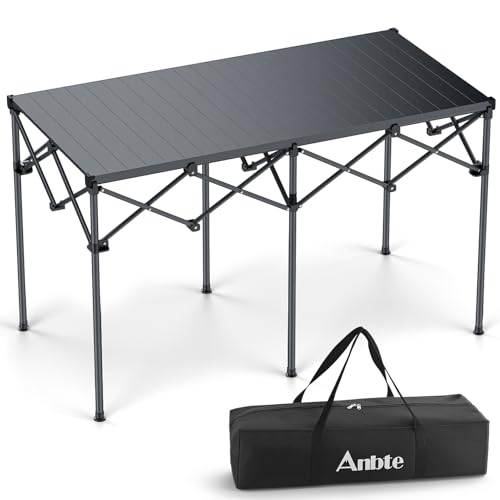
12 Best Heavy Duty Camping Table of 2026 That Will Not Wobble or Sag

10 Best Sleeping Bags For Tall People of 2026 To Stretch Out Fully
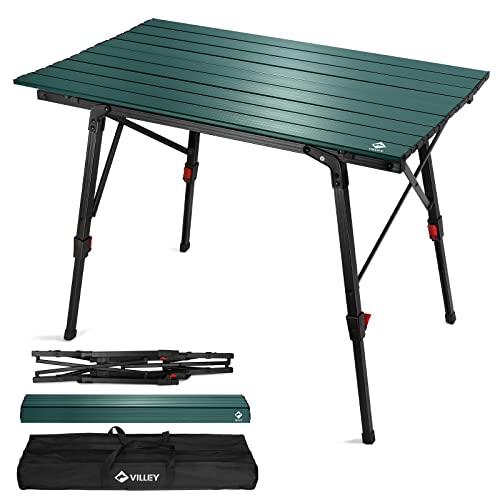
8 Best Camping Table Adjustable Legs of 2026 for Uneven Ground

10 Best Diaper Bag Backpacks For Dads of 2026 With Fast Gear Access

11 Best Framed Luggage of 2026 For Zipperless Security

11 Best Folding Two Wheeler For Luggage of 2026 To Prevent Tipping

11 Best Expandable Roller Luggage of 2026 That Fit Overhead Bins

10 Best Fishing Rod Luggage of 2026 To Protect Fragile Blanks









