
How Much Does It Cost to Travel to Scotland in 2026?

Check the calendar dates first before looking at flights or hotel listings. Timing dictates your baseline costs, since daily trip expenses vary widely by travel style. A simple itinerary using regional transit and modest rooms keeps costs low, while a scenic road trip with rental cars, private guesthouses, and sit-down dinners requires a substantially bigger savings cushion.
A few major decisions will change your final total. Traveling during peak summer weeks or the August festivals in Edinburgh can double lodging rates compared to the shoulder season (the slower travel months right before or after peak summer). Choosing between a rental car with fuel fees and regional trains also creates a big split in transit costs. Your balance between grocery runs and hearty pub dinners shifts daily totals, too. Here is a realistic breakdown of each expense category to help shape an accurate vacation budget.

- TLR Rank9.4
TLR Rank is a ranking system developed by TravelLuggageReviews.com. TLR Rank has no relationship or impact from any manufacturers or sales agent websites. Learn more
- BrandEPICKA

- TLR Rank9.4
TLR Rank is a ranking system developed by TravelLuggageReviews.com. TLR Rank has no relationship or impact from any manufacturers or sales agent websites. Learn more
- BrandRick Steves

- TLR Rank9.4
TLR Rank is a ranking system developed by TravelLuggageReviews.com. TLR Rank has no relationship or impact from any manufacturers or sales agent websites. Learn more
- BrandVINTAR

- TLR Rank9.4
TLR Rank is a ranking system developed by TravelLuggageReviews.com. TLR Rank has no relationship or impact from any manufacturers or sales agent websites. Learn more
- BrandLENCENT

- TLR Rank9.2
TLR Rank is a ranking system developed by TravelLuggageReviews.com. TLR Rank has no relationship or impact from any manufacturers or sales agent websites. Learn more
- BrandTESSAN

- TLR Rank9.2
TLR Rank is a ranking system developed by TravelLuggageReviews.com. TLR Rank has no relationship or impact from any manufacturers or sales agent websites. Learn more
- BrandFBDD

- TLR Rank9.2
TLR Rank is a ranking system developed by TravelLuggageReviews.com. TLR Rank has no relationship or impact from any manufacturers or sales agent websites. Learn more
- BrandFodor's Travel

- TLR Rank9.2
TLR Rank is a ranking system developed by TravelLuggageReviews.com. TLR Rank has no relationship or impact from any manufacturers or sales agent websites. Learn more
- BrandCeptics

- TLR Rank9.0
TLR Rank is a ranking system developed by TravelLuggageReviews.com. TLR Rank has no relationship or impact from any manufacturers or sales agent websites. Learn more
- BrandEFISH

- TLR Rank8.8
TLR Rank is a ranking system developed by TravelLuggageReviews.com. TLR Rank has no relationship or impact from any manufacturers or sales agent websites. Learn more
- BrandLonely Planet

- TLR Rank8.2
TLR Rank is a ranking system developed by TravelLuggageReviews.com. TLR Rank has no relationship or impact from any manufacturers or sales agent websites. Learn more
- BrandTESSAN

- TLR Rank-
TLR Rank is a ranking system developed by TravelLuggageReviews.com. TLR Rank has no relationship or impact from any manufacturers or sales agent websites. Learn more
- BrandN/A
Last update on 2026-10-20 / Affiliate links / Images, Product Titles, and Product Highlights from Amazon Product Advertising API
Map Out Your Daily Baseline Spending Across Realistic Travel Tiers
Every traveler approaches Scotland with a different comfort level, and your total cost reflects the daily pace you choose. Setting a workable budget starts by dividing your trip into distinct parts: lodging, transit, food, and sightseeing. Looking at these parts individually makes planning easier than guessing a single lump sum.
A lean budget setup focuses on shared spaces and smart food shopping. Staying in hostel dorms or simple guesthouses keeps overnight expenses low. You save the most by choosing self-catering (rental lodging with a kitchen for cooking your own meals) so you can prepare your own meals rather than dining out every day. Budget travelers rely on cross-country buses and commuter trains, take free walking tours, and hike public trails without paying admission fees.
A mid-range style offers the best balance between comfort and cost for most American visitors. In this tier, you stay in family-run bed-and-breakfasts or standard hotels along popular routes. You enjoy a cooked breakfast at your lodge, grab a quick lunch, and sit down for dinner at a neighborhood pub. You might rent a compact car for a few days to reach the Highlands, while paying entry fees at castles and distilleries.
A premium tier provides higher comfort with fewer compromises. You stay in historic boutique properties, four-star hotels, or countryside castle estates. Private driving tours handle the narrow mountain roads, and evening dining features upscale seafood bistros. Across every tier, lodging consumes the largest share of your vacation fund, followed directly by transit.
Weigh Rental Car Flexibility Against Public Transit Tickets
Choosing how to get around Scotland shapes both your daily schedule and your total trip expenses. Public transit and rental cars serve very different purposes, and picking the right one depends on where your itinerary leads.
If your plan focuses on major cities like Edinburgh, Glasgow, Stirling, and Aberdeen, public transit is the cheaper and less stressful choice. ScotRail trains run frequently between main hubs, linking Edinburgh to Glasgow in under an hour. You skip scarce city center parking and avoid steep garage fees. Booking train tickets weeks in advance yields major savings compared to buying walk-up fares at the station. For longer hops into towns like Inverness or Fort William, long-distance coach buses offer reliable transport for a fraction of the cost of driving.
Renting a car becomes worth the extra cost when heading into the Scottish Highlands, coastal villages, or the Isle of Skye. A car allows you to stop at remote lochs, trailheads, and ruined chapels that tour buses bypass. But self-drive travel brings expenses that surprise overseas visitors. Fuel is sold by the liter rather than the gallon, making a full tank noticeably more expensive than in the United States. Also, most rental cars in the United Kingdom are manuals. If you require an automatic transmission, reserve it early, as agencies charge a premium rate for automatics.
Driving in rural Scotland also requires patience. Many Highland roads are single-track routes with designated passing places where you pull over for oncoming traffic. Gravel and tight stone walls make tire and windshield damage coverage a wise addition to your rental agreement. If visiting both cities and remote glens, take trains between cities and pick up a car only when heading into the countryside.
Time Your Visit Around Shoulder Season To Dodge Steep Surge Pricing
Your travel dates have a larger impact on lodging bills than almost any other factor. Lodging prices in Scotland rise and fall dramatically depending on the month and local events.
Summer brings long daylight hours, but peak summer also brings peak crowds, sold-out guesthouses, and premium hotel rates. The biggest price surge happens in August during the Edinburgh Festival Fringe and the Royal Military Tattoo. During these weeks, hundreds of thousands of visitors arrive in the capital. Hotel rooms in central Edinburgh can triple in price compared to spring rates, and basic dorm beds command luxury rates. If visiting in August on a budget, book nearly a year in advance or stay in commuter towns like Linlithgow and take the local train into the city.
The smartest time to visit for most budget-conscious travelers is the shoulder season (slower travel months right before or after peak summer). May, June, September, and October offer pleasant weather, moderate daylight, and open visitor attractions without summer crowds. Lodging hosts often discount rooms, and car rental companies drop their daily fees. You can tour castle courtyards and scenic glen viewpoints without battling tour bus crowds.
Winter brings short days and snow across higher peaks from November through March. While city hotels offer low rates, many rural castles, island ferry routes, and visitor centers close for the season. If planning a winter city break, check any regional travel advisory or safety warning before driving, as sudden snow can close mountain passes. When booking flights or non-refundable rooms during storm-prone months, review what is a travel waiver so you understand how airlines handle weather cancellations without charging change penalties.
Balance Sit-Down Meals and Historic Sightseeing With Smart Daily Habits
Daily sightseeing and dining can quietly drain your vacation fund if you overlook small everyday transactions. Scotland offers plenty of ways to enjoy local culture, historic sites, and hearty food without overspending.
Food costs depend heavily on where you find lunch. Many traditional bed-and-breakfasts include a full Scottish breakfast with eggs, sausage, and potato scones that keeps you full well into the afternoon. For lunch, skip sit-down cafes and do what locals do: grab a meal deal at a grocery store or pharmacy chain. These grab-and-go packages include a sandwich, a snack, and a drink for a fraction of the cost of a cafe meal. Local bakeries are another great stop for hot meat pies and bridies.
In the evening, traditional pubs offer hearty dishes like haggis with neeps and tatties, steak pies, or fish and chips in a relaxed setting. Pubs generally cost less than formal sit-down restaurants, which often add service charges to the bill. Tipping in Scotland is modest compared to the United States. Leaving around ten percent for good table service at a sit-down meal is standard, but tipping is not expected when ordering drinks or pub food at a bar counter.
Sightseeing admissions also add up quickly at popular gates. Sites like Edinburgh Castle, Stirling Castle, and Urquhart Castle on Loch Ness charge individual ticket fees that strain a family budget. If visiting three or more historic properties, look into an explorer pass from Historic Environment Scotland. These multi-day passes grant entry to dozens of castles, abbeys, and ruins for one flat fee, saving substantial money.
Do not overlook Scotland's free public culture. World-class museums across Glasgow and Edinburgh, including the National Museum of Scotland and the Kelvingrove Art Gallery, are completely free to enter. Walking the Royal Mile, wandering Dean Village, or hiking Arthur's Seat for panoramic views costs nothing at all.
Sort Your Electrical Adapters and Route Planners Before You Fly
Preparation before leaving home prevents small, frustrating expenses that nibble away at your savings. Two items belong on every Scotland packing checklist: the correct power adapters and a reliable paper route map or guidebook.
Scotland uses the Type G plug (three-prong rectangular British electrical outlet), which operates on a 230-volt electrical system. American flat-prong cords will not fit into wall sockets anywhere in Great Britain. Waiting until you land at an airport to buy an adapter is an expensive mistake, as airport shops charge high markups for travel accessories. Look for a universal adapter or dedicated British plug unit equipped with multiple built-in USB ports. This allows you to recharge a phone, camera battery, and power bank simultaneously from a single wall socket in older guesthouse rooms. Before plugging in hair dryers, always verify that your appliance supports dual-voltage operation, since a plug adapter changes only the pin shape, not the voltage.
A physical Scotland route guide and road atlas are equally valuable for your travel budget. Mobile data signals regularly drop out among Highland mountains, deep glens, and remote islands. A printed route guide helps you choose efficient driving loops, avoid dead-end single-track roads, and find free parking near trailheads without wasting expensive fuel.
Before departing, check that you hold a passport valid for six months beyond your planned return date. If you have companions wondering about border rules, checking where to travel without a US passport clarifies which destinations require full international documentation. Keep your adapters and guidebooks in a carry-on bag that fits in the overhead bin so you arrive ready to explore.
FAQs
Is it cheaper to rent a car or take the train across Scotland?
Trains and long-distance buses are cheaper if you travel solo or stick mainly to the central belt connecting Edinburgh, Glasgow, and Stirling. Renting a car becomes more cost-effective for couples or families heading into the Highlands, because one rental fee covers everyone. But you must factor in expensive fuel, automatic transmission upcharges, and city parking fees when calculating your true driving expenses.
Do I need cash in Scotland or do businesses take cards?
Scotland is largely a cashless society, and almost all shops, pubs, buses, and ticket booths accept contactless card payments or mobile wallets. You only need a small amount of British pound sterling cash for self-service honesty boxes at rural farm stands or coin-operated public restrooms. Verify with your bank before traveling that your cards do not charge foreign transaction fees on overseas purchases.
How much do lodging rates spike during the Edinburgh festival season?
During the Edinburgh Festival Fringe in August, lodging prices in the capital frequently double or triple compared to regular spring rates. Rooms sell out months in advance across tourist neighborhoods or main hotel strips. You can avoid these high rates by visiting during the shoulder season or by lodging in neighboring towns connected to the city center by train.
Is tap water safe to drink when traveling in Scotland?
Scottish tap water safety is among the highest in the world, and water from the tap is clean, fresh, and delicious throughout the country. You do not need to spend money on single-use bottled water at convenience stores or tourist shops. Carrying a durable reusable bottle that you refill from guesthouse taps saves money while keeping your day pack light.

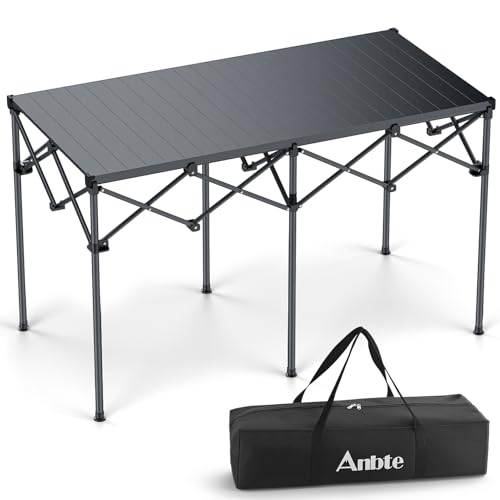
12 Best Heavy Duty Camping Table of 2026 That Will Not Wobble or Sag
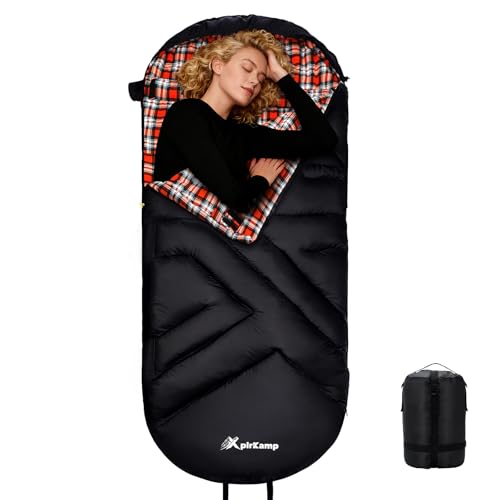
10 Best Sleeping Bags For Tall People of 2026 To Stretch Out Fully
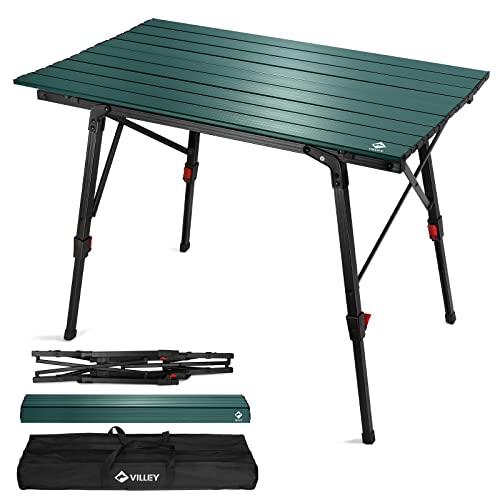
8 Best Camping Table Adjustable Legs of 2026 for Uneven Ground

10 Best Diaper Bag Backpacks For Dads of 2026 With Fast Gear Access

11 Best Framed Luggage of 2026 For Zipperless Security

11 Best Folding Two Wheeler For Luggage of 2026 To Prevent Tipping

11 Best Expandable Roller Luggage of 2026 That Fit Overhead Bins

10 Best Fishing Rod Luggage of 2026 To Protect Fragile Blanks









