
How Much Does It Cost to Travel to the Bahamas in 2026?

A tropical island vacation does not need to cause panic, but daily expenses across the Bahamas run noticeably higher than in many other warm destinations. Because nearly all goods and groceries arrive by ship, lodging, dining, and automatic service fees make up the largest share of the bill. Travelers who plan ahead can easily avoid getting blindsided by the final tab.
The total bill changes depending on the island, the calendar, and daily habits. Staying in central hubs like Nassau keeps transit and hotel costs lower, whereas remote outer islands demand extra flights, ferries, and pricier supplies. Visiting during the busy winter season also pushes room rates much higher than a late summer stay. Looking closely at real day-to-day costs will show exactly what to set aside before packing your bags.

- TLR Rank9.0
TLR Rank is a ranking system developed by TravelLuggageReviews.com. TLR Rank has no relationship or impact from any manufacturers or sales agent websites. Learn more
- BrandFodor's Travel

- TLR Rank9.0
TLR Rank is a ranking system developed by TravelLuggageReviews.com. TLR Rank has no relationship or impact from any manufacturers or sales agent websites. Learn more
- BrandN/A

- TLR Rank8.8
TLR Rank is a ranking system developed by TravelLuggageReviews.com. TLR Rank has no relationship or impact from any manufacturers or sales agent websites. Learn more
- BrandFodor's Travel

- TLR Rank8.8
TLR Rank is a ranking system developed by TravelLuggageReviews.com. TLR Rank has no relationship or impact from any manufacturers or sales agent websites. Learn more
- BrandLonely Planet

- TLR Rank8.0
TLR Rank is a ranking system developed by TravelLuggageReviews.com. TLR Rank has no relationship or impact from any manufacturers or sales agent websites. Learn more
- BrandLonely Planet

- TLR Rank-
TLR Rank is a ranking system developed by TravelLuggageReviews.com. TLR Rank has no relationship or impact from any manufacturers or sales agent websites. Learn more
- BrandN/A

- TLR Rank-
TLR Rank is a ranking system developed by TravelLuggageReviews.com. TLR Rank has no relationship or impact from any manufacturers or sales agent websites. Learn more
- BrandN/A

- TLR Rank-
TLR Rank is a ranking system developed by TravelLuggageReviews.com. TLR Rank has no relationship or impact from any manufacturers or sales agent websites. Learn more
- BrandMajosta

- TLR Rank-
TLR Rank is a ranking system developed by TravelLuggageReviews.com. TLR Rank has no relationship or impact from any manufacturers or sales agent websites. Learn more
- BrandN/A

- TLR Rank-
TLR Rank is a ranking system developed by TravelLuggageReviews.com. TLR Rank has no relationship or impact from any manufacturers or sales agent websites. Learn more
- BrandN/A

- TLR Rank-
TLR Rank is a ranking system developed by TravelLuggageReviews.com. TLR Rank has no relationship or impact from any manufacturers or sales agent websites. Learn more
- BrandN/A
Last update on 2026-10-20 / Affiliate links / Images, Product Titles, and Product Highlights from Amazon Product Advertising API
Match Your Daily Budget to Your Travel Style
Your daily expenses in the Bahamas will shift dramatically based on how you prefer to travel, where you sleep, and how you spend your afternoons. A budget-conscious traveler can keep costs manageable by booking modest guesthouses or rental apartments set a few blocks back from the water. At this level, you rely on public minibuses to move around, pick up breakfast items from local grocers, and grab lunch at roadside stands or casual seafood stalls. You spend your days relaxing on free public beaches like Cabbage Beach on Paradise Island or Junkanoo Beach near downtown Nassau, skipping pricey private boat charters.
A mid-range vacation balances comfort with sensible spending. At this tier, you stay at a standard beachfront hotel or a well-equipped vacation rental with pool access. You eat casual sit-down lunches near the marina, enjoy dinner at full-service neighborhood restaurants, and take licensed airport taxis when traveling with luggage. Your itinerary might include a guided group snorkeling tour, a day pass to a beach club, or a rental car for a day or two to explore quiet stretches of coastline. Most American couples and families aim for this balance to enjoy island conveniences without runaway expenses.
A luxury vacation embraces high-end mega-resorts, private villas, and personalized service. Travelers in this category book oceanfront suites on Paradise Island or Cable Beach, or rent private beachfront homes in the Out Islands (the outer islands beyond Nassau, such as the Exumas, Eleuthera, or Abaco). Days involve private boat charters to swim with marine wildlife, reserved poolside cabanas, spa treatments, and multi-course dinners at signature restaurants led by international chefs. At this level, convenience and seclusion take priority over every price consideration.
Location also changes your daily baseline. Nassau and Grand Bahama support dozens of competing hotels, regular supply shipments, and shared transit routes, which helps keep basic services accessible. The Out Islands offer quiet shorelines and empty coves, but goods must arrive by local mail boat or domestic cargo flight. That extra shipping distance raises the cost of restaurant meals, grocery staples, and fuel across smaller cays.
Account for Flight Seasons and Mandatory Hotel Surcharges Early
Airfare swings significantly between the dry winter months and the humid summer season. Peak travel runs from mid-December through mid-April, when visitors escape cold northern weather for warm Caribbean breezes. Flight prices and hotel rates climb to their annual highs during these months, especially over holidays and spring school breaks. Late spring, summer, and autumn offer cheaper airline tickets and discounted hotel rooms, but late summer brings tropical humidity and higher rain chances. If you plan a trip during hurricane season, understanding what is a travel waiver can help you protect your flights and lodging against sudden storm cancellations.
Make sure your travel documents are in order before shopping for flights. American citizens flying into the country need an official passport book valid for their stay. Travelers often research where to travel without a US passport when looking for tropical getaways, but the Bahamas is a sovereign nation that strictly enforces international entry rules for air arrivals. Cruise passengers on closed-loop voyages may have different rules at sea ports, but flying always requires a valid passport.
The sticker price you see on hotel booking websites is rarely the amount charged to your credit card at checkout. Many resorts apply mandatory daily resort fees to cover amenities like pool towels, beach chairs, Wi-Fi, and fitness room access. These fees apply per night or per guest, whether you use the amenities or never leave your room. On top of resort fees, hotels charge VAT (the local sales tax added to bills), a national hotel guest tax, and often an automatic hotel service levy or maid gratuity.
These combined surcharges can easily add 20 to 30 percent to your base lodging bill. When planning your accommodations, always click through to the final payment confirmation screen to review the itemized breakdown. Factoring in these mandatory fees from the very start prevents unpleasant surprises when settling your hotel bill on departure morning.
Anticipate Imported Grocery Markups and Mandatory Dining Service Charges
Food and drinks represent one of the largest ongoing expenses during any Bahamas getaway. The island chain has rocky limestone soil and limited freshwater supplies, which prevents large-scale commercial farming. Almost everything you eat and drink arrives on container ships from the United States mainland or international ports. Importers pay sea freight charges and government customs duties on food imports, and local grocers pass those handling fees straight to the retail shelves.
Booking a vacation rental with a kitchen lets you cook simple meals, but do not expect mainland grocery totals. Pantry staples like milk, eggs, cheese, butter, and imported meats cost noticeably more than in standard American supermarkets. Fresh produce must sell quickly before spoiling in the tropical heat, so items like berries, leafy greens, and citrus carry premium price tags. You can keep your grocery bill reasonable by buying local seasonal produce, bakery bread, and canned goods, while reserving restaurant outings for evening dinners.
Dining out comes with specific bill additions that catch many first-time visitors off guard. Every sit-down restaurant bill includes VAT (the local sales tax added to bills) alongside a mandatory gratuity (an automatic tip on checks, typically 15 percent). Because the tip is already calculated into the final balance, you do not need to add another standard 18 or 20 percent tip on the payment receipt. Travelers who sign their checks without looking closely end up tipping twice for the same meal.
Deciding between an all-inclusive resort and paying as you go depends on your planned daily routine. An all-inclusive property locks in your food and beverage spending upfront, which provides clear budget limits if you plan to spend all day on the resort grounds. However, if your itinerary includes boat excursions, island-hopping tours, and lunch stops at casual beach stands, paying as you go is often more economical. Paying for an all-inclusive package while buying meals off-property means paying for your food twice.
Plan Your Island Transportation Before You Step Out of the Airport
Ground transit costs can accumulate quickly if you do not map out your travel methods before landing. Review this checklist to select the right transportation for your itinerary and island destination:
- Licensed airport taxis: Taxis are widely available outside airport arrival halls, but they do not use digital meters. Official fares operate on fixed zone rates set by the government based on your pickup point and drop-off zone. Drivers often charge extra for luggage beyond two bags, additional passengers, and bridge tolls, such as the crossing between Nassau and Paradise Island. Always confirm the complete, all-inclusive fare with the driver before loading your luggage into the trunk.
- The local jitney bus: On New Providence Island, the jitney (a local public bus, usually a mid-sized passenger van) offers a practical and cheap way to travel. Routes run along tourist neighborhoods or main hotel strips, linking Cable Beach, downtown Nassau, and nearby commercial hubs. You pay the driver cash when stepping off the bus, so carry small dollar bills since drivers rarely have change for large notes. Jitneys stop running around sunset, so you will need a taxi for late evening dinners.
- Harbor water taxis and inter-island ferries: In Nassau, inexpensive water taxis make regular short runs between the cruise ship terminal downtown and Paradise Island. For longer journeys, government and commercial ferries connect major islands. If you stay on Great Exuma and want to visit Stocking Island, or stay in Marsh Harbour and want to explore Hope Town, small passenger ferries run scheduled daily routes for a flat round-trip fare.
- Rental cars: Renting a car makes practical sense on expansive Out Islands like Eleuthera or Grand Bahama, where beaches, settlements, and grocery markets sit miles apart. Remember that vehicles drive on the left side of the road throughout the Bahamas. Inspect the vehicle for existing scratches, confirm the spare tire is properly inflated, and clarify whether the rental agency requires a cash security deposit.
- Golf cart hires: On small, narrow barrier islands like Harbour Island or Green Turtle Cay, golf carts serve as the primary mode of travel for visitors and locals alike. Rental companies rent gas-powered or electric carts by the day or week. Reserve your cart months ahead if visiting during peak winter holidays, as local rental fleets book out completely.
Follow These Steps to Trim Your Bahamas Trip Costs
- Choose an island that matches your transit budget: If you want to keep ground travel costs low, base your stay in Nassau or Cable Beach where the public jitney runs frequently. If you choose an Out Island like Eleuthera or Exuma, budget in advance for a rental car or domestic puddle-jumper flights, because walking between settlements is impractical and daily taxi rides add up fast.
- Pack high-cost personal supplies before leaving home: Island sundries shops and hotel boutiques charge steep prices for basic toiletries and outdoor care products. Pack reef-friendly sunscreen, bug spray, over-the-counter pain relievers, and motion sickness tablets in your carry-on bag that fits in the overhead bin or in checked luggage. Buying these common items at a hotel gift shop can cost three times the normal retail price.
- Dine at community fish fries and harborside stands: Step away from hotel dining rooms and visit local gathering spots like Arawak Cay in Nassau, Smith's Point in Grand Bahama, or the waterfront docks on outer cays. These open-air stalls serve freshly prepared cracked conch, grilled snapper, peas 'n rice, and plantains at sensible prices. You get authentic Bahamian flavors while avoiding steep resort markups.
- Audit every restaurant bill before adding a tip: Check the printed bill line by line before handing over your credit card. Look for the mandatory gratuity (an automatic tip on checks) and VAT (the local sales tax added to bills). If the 15 percent service charge is already included in your total balance, you only need to write an additional cash tip if your server provided exceptional care.
- Bring your own snorkeling gear: Excursion operators and beach vendors charge daily rental fees for basic masks, snorkels, and fins. Bring your own lightweight snorkel set from home in your suitcase. You can walk straight into the water from public access beaches to view coral heads and reef fish without paying for an organized tour boat.
FAQs
What does a typical week in the Bahamas cost for two people?
A week for two travelers generally ranges from moderate to high depending on your choice of island and hotel tier. A budget-conscious pair staying in a modest rental and cooking simple meals can keep total costs manageable, while a mid-range trip with beachfront lodging, daily restaurant meals, and a boat excursion costs significantly more. Luxury stays at mega-resorts with fine dining and private tours easily push total spending into premium brackets. Your final figure depends heavily on whether you travel during peak winter or the slower summer months.
Why are groceries and restaurant meals so expensive across the islands?
The Bahamas has very little commercial agriculture and imports nearly all its food, beverages, and paper supplies by sea. Importers must pay freight shipping fees and government import tariffs, which retailers add directly to grocery shelf tags and restaurant menus. On the Out Islands, goods require an additional leg of transport by local cargo boat, which raises handling expenses even further.
Can I spend United States currency directly in the Bahamas?
The Bahamian dollar is pegged one-to-one with the United States dollar, and businesses across all islands accept American cash interchangeably. You do not need to convert your cash before arriving or exchange currency at the airport. Keep in mind that merchants may hand you change in Bahamian banknotes, which you should spend before flying home because mainland American banks rarely exchange them.
Is an all-inclusive resort cheaper than booking a regular hotel?
An all-inclusive resort can save money if you plan to stay on property for all your meals, snacks, and drinks. It sets a predictable total before your trip begins and protects you from menu sticker shock. However, if you plan to rent a car, explore outer cays, or eat fresh seafood at local beach stands, a standard hotel is usually cheaper because you will not be paying for meals you skip at the resort.

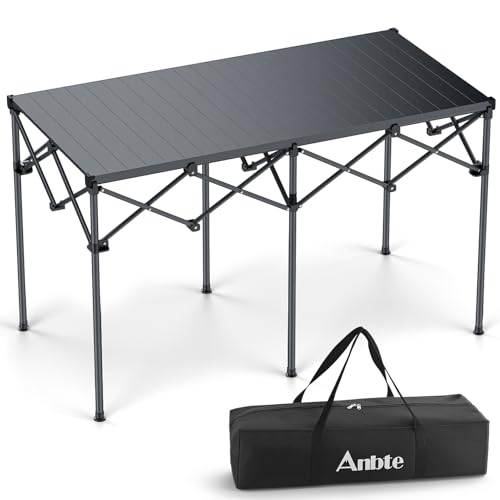
12 Best Heavy Duty Camping Table of 2026 That Will Not Wobble or Sag
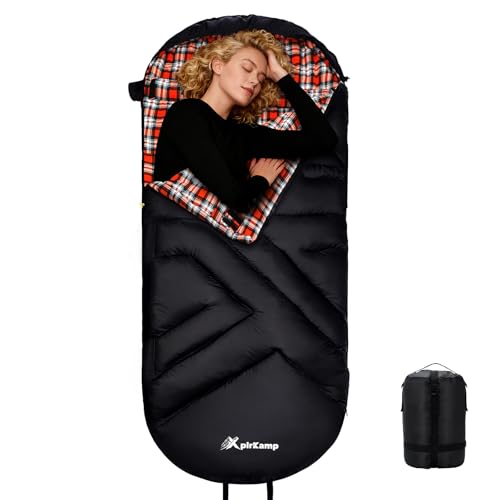
10 Best Sleeping Bags For Tall People of 2026 To Stretch Out Fully
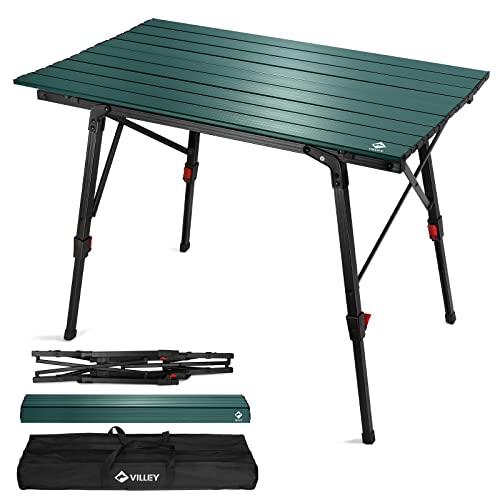
8 Best Camping Table Adjustable Legs of 2026 for Uneven Ground

10 Best Diaper Bag Backpacks For Dads of 2026 With Fast Gear Access

11 Best Framed Luggage of 2026 For Zipperless Security

11 Best Folding Two Wheeler For Luggage of 2026 To Prevent Tipping

11 Best Expandable Roller Luggage of 2026 That Fit Overhead Bins

10 Best Fishing Rod Luggage of 2026 To Protect Fragile Blanks









