
How Much Does Travel Baseball Cost for a Full Season?

A parent stands near the dugout fence after practice, looking down at a tryout flyer that only lists the base registration fee. In reality, covering a full season means budgeting for upfront club dues alongside travel lodging, equipment, and ballpark admission fees that quickly push well past that starting number. The team deposit secures a spot on the roster, but weekend road trips decide the final total.
What families ultimately spend depends on how far and how competitively the team plays. A community-based squad with volunteer coaches keeps seasonal expenses manageable, while an elite travel program with paid coaches brings higher training dues. Tournament travel distance makes an even bigger difference, especially once mandatory hotel bookings and long highway drives enter the schedule. Here is how to map out the real costs before your player takes the field.

- TLR Rank9.8
TLR Rank is a ranking system developed by TravelLuggageReviews.com. TLR Rank has no relationship or impact from any manufacturers or sales agent websites. Learn more
- BrandMoon Travel

- TLR Rank9.6
TLR Rank is a ranking system developed by TravelLuggageReviews.com. TLR Rank has no relationship or impact from any manufacturers or sales agent websites. Learn more
- BrandChalkTalkSPORTS
- TLR Rank9.4
TLR Rank is a ranking system developed by TravelLuggageReviews.com. TLR Rank has no relationship or impact from any manufacturers or sales agent websites. Learn more
- BrandBIAOTN

- TLR Rank9.2
TLR Rank is a ranking system developed by TravelLuggageReviews.com. TLR Rank has no relationship or impact from any manufacturers or sales agent websites. Learn more
- BrandWiseek

- TLR Rank9.2
TLR Rank is a ranking system developed by TravelLuggageReviews.com. TLR Rank has no relationship or impact from any manufacturers or sales agent websites. Learn more
- BrandEaston

- TLR Rank9.2
TLR Rank is a ranking system developed by TravelLuggageReviews.com. TLR Rank has no relationship or impact from any manufacturers or sales agent websites. Learn more
- BrandRawlings

- TLR Rank9.2
TLR Rank is a ranking system developed by TravelLuggageReviews.com. TLR Rank has no relationship or impact from any manufacturers or sales agent websites. Learn more
- BrandGoSports
- TLR Rank8.8
TLR Rank is a ranking system developed by TravelLuggageReviews.com. TLR Rank has no relationship or impact from any manufacturers or sales agent websites. Learn more
- BrandBaseGoal
- TLR Rank7.8
TLR Rank is a ranking system developed by TravelLuggageReviews.com. TLR Rank has no relationship or impact from any manufacturers or sales agent websites. Learn more
- BrandTYRONAL

- TLR Rank7.8
TLR Rank is a ranking system developed by TravelLuggageReviews.com. TLR Rank has no relationship or impact from any manufacturers or sales agent websites. Learn more
- BrandAudible
Last update on 2026-10-21 / Affiliate links / Images, Product Titles, and Product Highlights from Amazon Product Advertising API
What does the initial club fee actually cover?
When your player makes a travel team roster, the organization asks you to sign a contract and pay a base club fee. The club fee is your primary registration payment to the organization. It locks in your child's spot on the roster and keeps the organization running throughout the year. Many parents assume this single payment covers the entire baseball experience, but it only handles the shared overhead expenses for the team.
A major slice of your club fee pays for practice facilities. Youth teams need regular access to outdoor fields during the spring and summer, and lighted dirt or turf fields require hourly rental fees paid to local municipalities or private sports complexes. In the winter or during rainy weeks, teams move indoors to batting cages and turf training facilities. Your registration dues help pay for these monthly leases so the team has a reliable place to train.
Tournament entry fees also come out of your base dues. Most travel teams schedule between six and twelve tournaments per season. Tournament directors charge several hundred dollars per team for each weekend event. Your base fee pools money from every family to cover these registration costs well in advance of opening day.
Coaching compensation changes this fee dramatically. In developmental or community-based travel programs, volunteer parent coaches run the dugout, which keeps base fees lower. In higher-tier clubs, the organization hires independent coaches, former college players, or professional trainers to run practices and manage games. Paying professional coaching staff can double or triple the base club fee.
Your upfront fee usually includes insurance, league sanctioning fees, and an initial uniform package. That uniform bundle often includes two game jerseys, game pants, socks, a belt, and a team hat. But replacement pants, alternate jerseys for long weekend brackets, and team gear bags are frequently billed separately. Always ask the team manager for an itemized fee sheet before you write that initial deposit check.
What hidden costs surprise baseball parents the most?
Families rarely struggle with the upfront club fee because they plan for it before tryouts. The real financial strain comes from out-of-pocket expenses that trickle in week after week. These extra bills start adding up the moment the competitive season begins.
- Gate fees at tournament complexes: A gate fee is the spectator ticket price you must pay just to enter the ballpark and watch your child play. Complex owners charge daily or weekend admission per adult, and some charge for siblings or grandparents as well. Over a ten-tournament season, paying at the gate every Saturday and Sunday adds a noticeable extra expense to your calendar.
- Mandatory equipment upgrades: Travel baseball leagues enforce strict equipment standards that recreation leagues rarely require. Different tournament associations require specific safety stamps on bats, such as USSSA or USA Baseball marks. As players grow, they outgrow expensive cleats, fielding gloves, protective cups, and catcher gear, requiring mid-season replacements.
- Umpire fees paid at the plate: Some tournament formats and exhibition doubleheaders do not bundle umpire pay into the tournament registration. In these cases, the team manager collects cash from each parent on game day to hand straight to the umpires at home plate before the first pitch.
- Private lessons and specialty training: Once players enter competitive circles, peer pressure and skill gaps push families toward individual instruction. Paying a private hitting instructor, pitching coach, or speed trainer for weekly sessions quickly matches or exceeds the cost of team practices.
- Team slush funds: Teams often ask for an extra collection early in the season to handle shared needs. This cash fund covers game baseballs, scorekeeping software subscriptions, coach lodging stipends, and end-of-season award parties.
How much does weekend tournament travel add up?
Travel expenses represent the most unpredictable part of competitive youth baseball. A team playing exclusively within an hour of your home creates a very different budget than a team competing in regional or national brackets. Gas, tolls, and vehicle wear accumulate quickly when you drive several hours every Saturday morning.
Food expenses rise sharply during weekend tournaments. When you spend ten hours a day at a sports complex with games scattered across morning and afternoon slots, eating at local restaurants or concession stands becomes your only option. Buying meals, snacks, and sports drinks for an entire family three times a day across a three-day weekend creates a sizable food bill.
Overnight stays create the largest single expense for out-of-town events. Many large youth events enforce stay-to-play policies. A stay-to-play policy is a mandatory hotel booking rule set by tournament directors that requires traveling families to reserve rooms through an approved travel agency at specific partner hotels. If your family books outside the official hotel block, the tournament director can disqualify your child's team from the event.
These official partner hotels often charge standard or premium rates without allowing you to use personal loyalty points or discount codes. When bad weather cancels Sunday games early, hotel cancellation policies can leave you paying for unused rooms. When booking tournament lodging or flights for national events, checking what is a travel waiver can help you understand cancellation options if a tournament gets rained out.
To bypass expensive hotel blocks during extended tournament runs, some baseball families look for road alternatives. Exploring what is a travel trailer helps outdoor-minded parents understand whether camping near distant sports facilities offers long-term financial relief compared to summer hotel bills.
How does travel ball compare to recreation ball?
Understanding whether travel baseball makes financial sense starts with comparing it to your town's recreation league. Recreation baseball operates as an accessible community program. Your local league fee pays for a city park field, a sponsor-printed t-shirt, a hat, and volunteer-led practices. Games happen locally on weeknights or Saturday mornings, so travel costs do not exist.
Travel baseball operates as a private enterprise built around competitive selection and skill development. Travel teams invest in professional training spaces, paid coaches, and multi-game weekend tournaments against elite talent. The financial gap between recreation ball and travel ball is steep because travel programs pass every operating expense directly to the roster families.
The time investment also changes your family finances. Recreation seasons last two or three months with one or two outings per week. Travel programs run eight to ten months out of the year, spanning winter training, spring leagues, summer tournaments, and fall showcase schedules. A showcase is a high-level tournament attended by college scouts and pro evaluators to watch older prospects. That extended calendar turns baseball into a continuous year-round expense.
Before leaving recreation ball, weigh your child's actual athletic goals against your household budget. If your child simply wants to play with school friends and enjoy outdoor exercise, recreation ball delivers high value at minimal cost. If your player dominates local competition, asks for daily practice, and dreams of competing at high high-school tiers, the higher investment of travel baseball buys the repetition and coaching they crave.
How can families keep travel baseball costs down?
Playing competitive baseball requires dedication, but smart planning keeps your family from spending more than necessary. You can trim hundreds of dollars off your seasonal budget by taking practical steps before and during the tournament schedule.
- Ask for an itemized budget before committing: When your child receives an offer letter at tryouts, ask the club director for a complete written cost breakdown. Confirm whether the quoted club fee includes uniforms, indoor winter training, tournament entries, and coach travel stipends. Knowing what is missing lets you calculate the true seasonal price before signing.
- Carpool and split hotel rooms: Team up with another family on the roster for out-of-town tournaments. Driving together cuts your fuel and toll expenses in half. Sharing a double-queen hotel room or renting a shared house with teammates lowers lodging costs while giving kids fun team-bonding memories.
- Pack meals, drinks, and field snacks: Ballpark concession stands charge steep prices for simple snacks, water bottles, and fried food. Pack a large portable cooler every morning with ice, water jugs, fruit, protein bars, and sandwich fixings. Eating out of your cooler saves money and keeps your young athlete properly fueled between back-to-back games.
- Shop smart for protective gear: You do not need the most expensive composite bat on the market for your child to hit well. Look for certified bats from the previous model year at clearance prices, or check reputable sporting goods resale shops for gently used gear. Buy multi-packs of practice baseballs and standard white game pants online rather than paying boutique prices at specialty retail stores.
- Pursue team sponsorships and fundraising: Many businesses in your community look for opportunities to support youth athletics in exchange for banner advertising on outfield fences or team websites. Organize team car washes, discount card sales, or corporate sponsorship drives to pay down player dues and team tournament fees.
What gear helps families handle long tournament seasons?
Investing in reliable, protective equipment helps you avoid costly mid-season replacements when playing dozens of games in varying weather. Travel baseball puts immense wear and tear on sports bags, bats, and uniforms. Rough dirt dugouts, gravel pathways, and wet morning grass will destroy cheap equipment within a few tournament weekends.
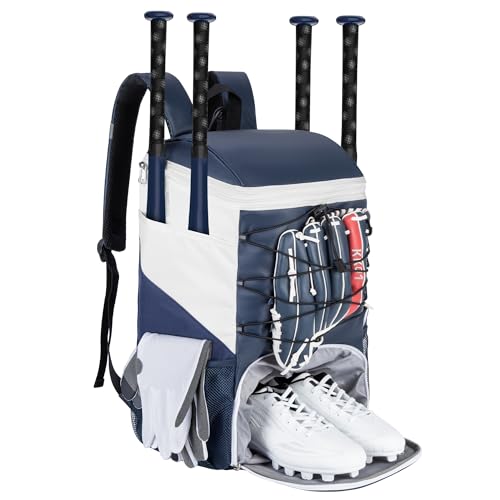
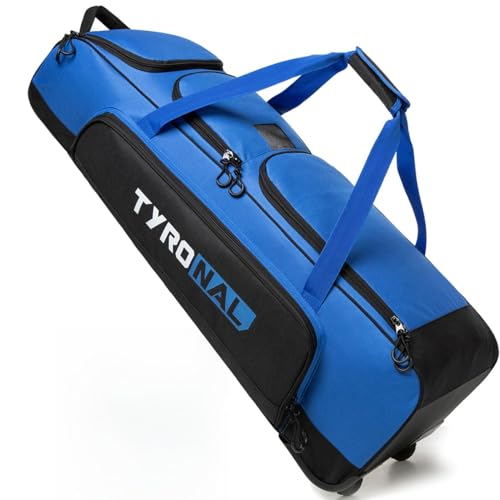
Look for dedicated equipment bags with reinforced stitching and weather-resistant fabrics. Rolling bags with sturdy, oversized wheels help players transport heavy catcher gear and multiple bats across gravel parking lots without tearing the base fabric. Backpack-style equipment bags with ventilated shoe compartments keep damp, muddy cleats separated from clean gloves and game jerseys.
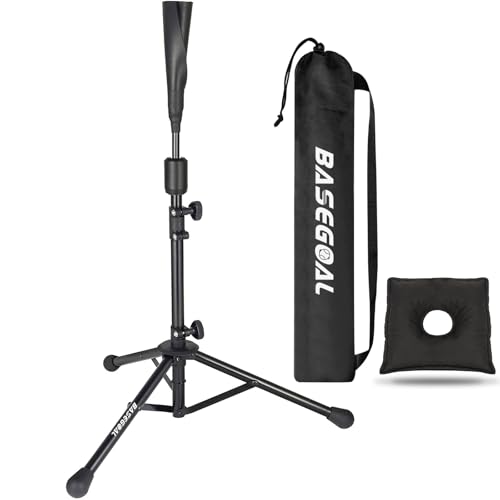
Portable training tools also protect your financial investment by allowing productive practice at home or during tournament downtime. Collapsible batting tees with weighted tripod bases let hitters warm up in hotel grass or batting cages without requiring expensive facility rentals. Durable travel bags and sturdy practice bases ensure your family gets multiple seasons of use out of the gear you purchase.
FAQs
Are travel baseball fees paid all at once?
Most travel organizations do not require full payment on day one. Clubs typically ask for an initial roster deposit upon making the team, followed by monthly installment payments spread across the fall and winter. Be sure to check the club's payment schedule and refund policy in case of injury or team cancellation.
What happens if a tournament gets rained out?
Tournament directors handle weather cancellations according to their posted rules. If bad weather cancels an entire event before play begins, teams usually receive a credit for a future tournament rather than a cash refund. If a tournament gets rained out midway through pool play, organizations rarely issue full refunds, meaning travel and gate expenses for that weekend are lost.
Do college scouts watch youth travel baseball tournaments?
College scouts do not attend tournaments for younger players aged eight through twelve. High-level scouting begins during high school showcase events for players aged fifteen and older. Putting younger children in expensive national showcase circuits will not help college recruitment, so sticking to local or regional competition saves money during early development.
Is travel baseball worth the cost for younger players?
Travel baseball offers value if your child loves the game and wants more competitive repetitions than local leagues provide. However, you do not need to spend excessive money on nationwide travel at eight or nine years old. Developmental regional teams offer great instruction and competitive game experience without the burden of expensive flights and distant hotel stays.


Best Affordable Carry On Luggage 2026 - 11 Most Loving

The 12 Best Carry On Luggage For Bad Back 2026 - Top Choices

Best Tandem Double Buggy 2026 - 11 Best Rating

Top 12 Kids Rolling Suitcases for Fun and Easy Travel

The Ultimate Guide to Choosing the Best 8 Wheel Suitcase

Best Lightest carry on luggage with wheels in 2026

Top Airport Traveling Suitcases: Our 11 Best Picks

The Best Prams For Rough Terrain - (2026 Top Choice)










