How Much Does a Trip to Rome Cost in 2026?

Planning a trip to Rome does not need to feel financially stressful. The city comfortably fits a wide variety of travel styles, keeping your total vacation cost manageable as long as you balance fixed transit fares with everyday living expenses.
A few major decisions will shift what leaves your wallet each day. Visiting during the shoulder season (the milder spring and autumn months) lowers room rates compared to the crowded summer rush. Choosing a room in a quiet neighborhood along a transit line also cuts lodging bills, while mixing casual counter slices with sit-down trattoria dinners keeps food spending grounded. Breaking down these daily categories makes it easy to set a dependable budget before you pack your bags.

- TLR Rank9.6
TLR Rank is a ranking system developed by TravelLuggageReviews.com. TLR Rank has no relationship or impact from any manufacturers or sales agent websites. Learn more
- BrandN/A

- TLR Rank9.6
TLR Rank is a ranking system developed by TravelLuggageReviews.com. TLR Rank has no relationship or impact from any manufacturers or sales agent websites. Learn more
- BrandRick Steves

- TLR Rank9.6
TLR Rank is a ranking system developed by TravelLuggageReviews.com. TLR Rank has no relationship or impact from any manufacturers or sales agent websites. Learn more
- BrandFodor's Travel

- TLR Rank9.6
TLR Rank is a ranking system developed by TravelLuggageReviews.com. TLR Rank has no relationship or impact from any manufacturers or sales agent websites. Learn more
- BrandRick Steves

- TLR Rank9.4
TLR Rank is a ranking system developed by TravelLuggageReviews.com. TLR Rank has no relationship or impact from any manufacturers or sales agent websites. Learn more
- BrandDK

- TLR Rank9.4
TLR Rank is a ranking system developed by TravelLuggageReviews.com. TLR Rank has no relationship or impact from any manufacturers or sales agent websites. Learn more
- BrandGlam World Publishing LLC

- TLR Rank9.4
TLR Rank is a ranking system developed by TravelLuggageReviews.com. TLR Rank has no relationship or impact from any manufacturers or sales agent websites. Learn more
- BrandFROMMER'S

- TLR Rank9.4
TLR Rank is a ranking system developed by TravelLuggageReviews.com. TLR Rank has no relationship or impact from any manufacturers or sales agent websites. Learn more
- BrandLonely Planet

- TLR Rank9.2
TLR Rank is a ranking system developed by TravelLuggageReviews.com. TLR Rank has no relationship or impact from any manufacturers or sales agent websites. Learn more
- BrandGlam World Publishing LLC

- TLR Rank9.2
TLR Rank is a ranking system developed by TravelLuggageReviews.com. TLR Rank has no relationship or impact from any manufacturers or sales agent websites. Learn more
- BrandDK

- TLR Rank9.0
TLR Rank is a ranking system developed by TravelLuggageReviews.com. TLR Rank has no relationship or impact from any manufacturers or sales agent websites. Learn more
- BrandN/A
Last update on 2026-10-20 / Affiliate links / Images, Product Titles, and Product Highlights from Amazon Product Advertising API
Match Your Daily Spending to a Clear Travel Style
Every vacation to Rome balances fixed upfront bills with daily choices on the ground. How much you spend each day depends on how you divide your funds across lodging, meals, and activities.
- Budget style: You stay in a shared hostel room or an affordable guesthouse in residential neighborhoods like San Giovanni or Tiburtina. You walk between sights, take the bus, grab counter-service pizza, and pick up fresh fruit at corner markets. Your activities focus on open piazzas and historic churches that cost nothing to enter.
- Moderate style: You book a private room in a small boutique hotel or bed-and-breakfast in walkable neighborhoods like Prati or Monti. You sit down for lunch or dinner at neighborhood trattorias, take the metro across town, and pay entry fees for one or two major cultural sights each day.
- Comfortable style: You stay in the heart of the historic center near Piazza Navona or the Pantheon. You eat sit-down meals for both lunch and dinner, book private or small-group tours, and use a licensed airport taxi or rideshare app when your feet get tired.
Your flights and lodging form the fixed foundation of your budget. Your food, local transit, and sightseeing tickets are flexible expenses you control day by day.
Time Your Trip to Cut Accommodation and Airfare Expenses
The calendar date you pick changes the price of a Rome trip more than almost any other choice. Hotel room rates and airline fares rise and fall along with seasonal tourism patterns.
Peak summer brings large crowds, high heat, and the highest room rates of the year. From June through August, hotel rooms across central neighborhoods fill up months in advance, and airfare sits at its highest levels. High summer temperatures also force you to spend extra money on cold drinks, rest stops at cafes, and taxis to avoid walking under the midday sun.
You will find better value during the shoulder season (spring and autumn months with milder prices and smaller crowds). April, May, late September, and October offer pleasant weather for walking and full sightseeing schedules. While airfare stays fairly steady, lodging prices drop compared to midsummer, and you spend far less time waiting in lines.
Winter brings the lowest travel expenses for anyone planning a trip to Rome in 2026. Outside of Christmas, New Year, and Easter, the months of November through February feature cheaper hotel rooms and reduced flight prices. Temperatures remain mild compared to northern climates, rarely dropping below freezing. You need a rain jacket and layers, but you can explore major ruins and museums without heavy crowds. When booking winter flights, consider checking flight cancellation policies and what a travel waiver covers if winter weather delays your connection.
Dine Away From Major Plazas to Protect Your Daily Meal Budget
Rome is famous for incredible food, but sitting down at the wrong table can quickly drain your daily cash. Avoid tourist-trap pricing by keeping these practical dining rules in mind:
- Walk a few blocks away from historic landmarks: Restaurants sitting directly opposite the Colosseum, the Pantheon, or the Trevi Fountain pay high commercial rents. They pass those expenses to customers through expensive menus and lower food quality. Walk five minutes down a side alley to find family-run trattorias where local residents eat.
- Check the menu for the coperto: The coperto (a per-person table fee added to restaurant bills) is a standard Italian fee covering bread, oil, and the table setting. It should always appear clearly on the printed menu. If an eatery charges an extra percentage service fee on top of a table fee without advance notice, ask for a bill correction or choose another spot.
- Drink espresso at the counter: Italian cafes use two separate prices for drinks and pastries. Standing at the counter (al banco) costs a fraction of what you pay when a waiter serves you at an outdoor table (al tavolo). Drink your morning coffee at the bar to keep breakfast costs minimal.
- Refill water bottles at street fountains: Rome features hundreds of public cast-iron fountains called nasoni that supply clean, cold tap water throughout the city. Bring a reusable water bottle in your bag and refill it for free instead of buying single-use plastic bottles from street vendors.
- Grab pizza by the slice for lunch: Bakeries and pizza shops sell pizza al taglio (sheet pizza cut with scissors and priced by weight). You choose the toppings, pay for the exact weight of your slice, and get a fast, hot meal without paying table fees or waiting for table service.
Reserve Major Landmark Tickets Early and Mix in Free Sights
Sightseeing costs multiply quickly if you wait until the last minute to book popular landmarks.
Top attractions like the Colosseum, the Roman Forum, Palatine Hill, and the Vatican Museums use timed entry systems to manage crowds. Booking directly through official museum websites several weeks ahead secures standard admission prices. If you wait until you arrive in the city, official tickets are usually sold out. That leaves you paying inflated rates to commercial resellers or booking expensive group tours just to step inside.
Keep in mind that ticket checks at major Italian cultural monuments require personal identification matching the name on your pass. While you can review where to travel without a US passport for trips close to home, flying to Rome requires an official passport valid for six months beyond your departure date. Keep your passport or a clean photocopy with you to ensure smooth entry at the turnstiles.
Stretch your sightseeing budget by alternating paid entries with Rome's wealth of free historic landmarks. St. Peter's Basilica offers free admission, though you must pass through a security screening. You can walk through the Spanish Steps, admire the Trevi Fountain, and explore Piazza Navona at any hour without a ticket. Dozens of central churches also house world-renowned art. The Church of San Luigi dei Francesi displays original paintings by Caravaggio, and the Basilica of Santa Maria del Popolo offers Renaissance sculptures right inside its public chapels.
Plan for City Lodging Taxes and Local Transit Fares in Advance
Small local fees can catch travelers off guard if they are not listed in initial vacation calculations. Prepare for these standard expenses before you start your journey:
- Budget for the local city tax: The Rome city tax (a local nightly cash or card fee charged by hotels) applies to visitors staying in hotels, guesthouses, and vacation rentals. This fee is calculated per person, per night, and varies based on the star rating of your lodging. Online booking websites rarely include this charge in their checkout total. You must pay it directly to the front desk when checking in or out.
- Rely on the public transit network: The local transit agency runs buses, trams, and two primary metro lines. A standard ticket is valid for 100 minutes of travel across the network, including transfers. You can buy paper tickets at metro station machines or simply tap a contactless bank card on bus scanners and station gates.
- Stick to official airport taxis: Official white city taxis have fixed flat rates between central Rome and the international airports at Fiumicino and Ciampino. Only get in line at the official taxi stands outside the arrivals terminal. Avoid drivers soliciting rides inside the terminal building, as they often overcharge unsuspecting arrivals.
- Carry small coins for public restrooms: Dedicated public restrooms at transit hubs and busy squares charge a small coin fee to enter. If you cannot find change, visit a local coffee bar, purchase an espresso at the counter, and ask to use the customer restroom.
- Protect your wallet against pickpocketing or bag snatching: Busy public buses and crowded metro platforms attract pickpockets looking for unzipped bags or phones in back pockets. Keep your bag zipped across your chest, store your wallet in a secure pocket, and leave backup credit cards in your room safe.
Pick a Practical Paper Guidebook Before You Leave Home
A dependable travel guidebook helps you navigate the city without draining your phone battery or burning through costly international mobile data plans. Paper guides provide curated walking routes, clear district maps, and vetted dining options that keep you from wandering into overpriced tourist zones.
When choosing a guidebook for your trip, pay close attention to physical size and weight. You will walk miles over cobblestone alleys every day, so pick a pocket-sized or compact edition that fits comfortably in a daypack without adding unnecessary bulk. Verify the publication date to confirm that ticket booking advice, museum operating hours, and transit routes match current rules. A guide featuring fold-out street maps and neighborhood walking tours will save you time and money throughout your stay.
FAQs
How much cash should I carry each day in Rome?
Credit and debit cards are accepted throughout Rome for meals, transit fares, and museum entries. Carrying twenty to fifty euros in cash per person is plenty for small purchases like espresso, gelato, public restroom fees, and hotel city taxes. Keep your backup payment cards and main cash supply stored safely in your room safe.
Is public transit cheap enough to skip taxis entirely?
Public transit is completely affordable and reaches every major landmark in the city. The two primary metro lines take you between the central train station, the Colosseum, the Spanish Steps, and the Vatican area. Buses and trams cover the remaining neighborhoods like Trastevere. You only need a taxi if you are traveling late at night after the metro shuts down or carrying heavy luggage directly to the airport.
Do I need to tip at restaurants and cafes in Rome?
Tipping is not customary or required in Rome because restaurant staff receive regular wages. Sit-down meals often include a small table fee or service charge printed directly on your bill. Leaving one or two euros in cash for helpful service at a sit-down dinner is a kind gesture, but percentage-based tipping is completely unnecessary.
How far in advance should I reserve Colosseum and Vatican tickets?
Reserve your entry tickets thirty to sixty days in advance through the official museum websites. Standard admission tickets for morning and early afternoon slots sell out quickly during the spring, summer, and autumn months. Booking ahead guarantees standard prices and prevents you from having to pay for marked-up commercial tour packages.

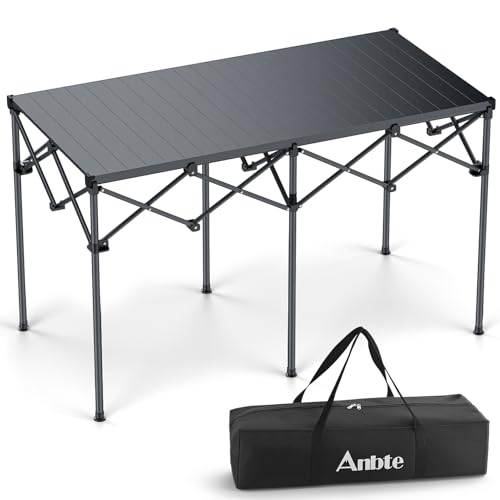
12 Best Heavy Duty Camping Table of 2026 That Will Not Wobble or Sag

10 Best Sleeping Bags For Tall People of 2026 To Stretch Out Fully
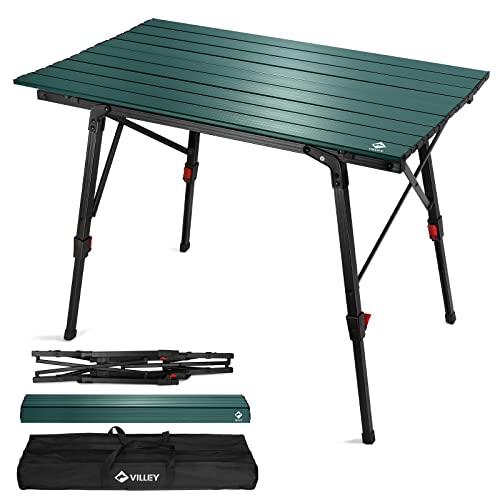
8 Best Camping Table Adjustable Legs of 2026 for Uneven Ground

10 Best Diaper Bag Backpacks For Dads of 2026 With Fast Gear Access

11 Best Framed Luggage of 2026 For Zipperless Security

11 Best Folding Two Wheeler For Luggage of 2026 To Prevent Tipping

11 Best Expandable Roller Luggage of 2026 That Fit Overhead Bins

10 Best Fishing Rod Luggage of 2026 To Protect Fragile Blanks