
How Often Is Luggage Stolen? Keep Your Carry-On Close

Many travelers assume airport luggage theft happens often, but there’s no dependable rate that tells you how often bags are stolen. The risk depends on the place and situation, so there’s no single reliable answer.
A bag left alone in a crowded airport or station is more exposed than one kept beside you. The risk can also change when a carry-on is handed over at the gate to travel in the plane’s baggage area. A clear name tag can help staff identify a missing bag, but it won’t stop someone from taking it. Here’s how to keep your bag close and what to do if it goes missing.

- TLR Rank9.7
TLR Rank is a ranking system developed by TravelLuggageReviews.com. TLR Rank has no relationship or impact from any manufacturers or sales agent websites. Learn more
- BrandSweetcrispy

- TLR Rank8.9
TLR Rank is a ranking system developed by TravelLuggageReviews.com. TLR Rank has no relationship or impact from any manufacturers or sales agent websites. Learn more
- BrandWrangler
- TLR Rank8.7
TLR Rank is a ranking system developed by TravelLuggageReviews.com. TLR Rank has no relationship or impact from any manufacturers or sales agent websites. Learn more
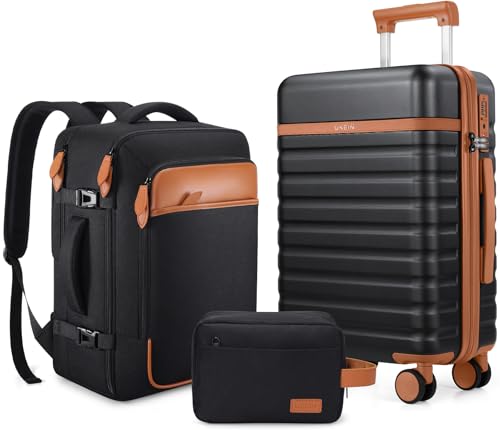
- BrandUKEIN

- TLR Rank7.8
TLR Rank is a ranking system developed by TravelLuggageReviews.com. TLR Rank has no relationship or impact from any manufacturers or sales agent websites. Learn more
- BrandSamsonite

- TLR Rank7.5
TLR Rank is a ranking system developed by TravelLuggageReviews.com. TLR Rank has no relationship or impact from any manufacturers or sales agent websites. Learn more
- BrandAmazon Essentials
Last update on 2026-11-15 / Affiliate links / Images, Product Titles, and Product Highlights from Amazon Product Advertising API
There is no dependable rate for stolen luggage
Airports and other busy travel areas handle many bags, but there is no single reliable figure that tells you how often a traveler’s luggage is stolen. Records can count different things, such as a bag taken by someone else, a bag sent to the wrong place, or a bag that cannot be found right away. Those situations are not the same, so a general rate may not tell you much about your own trip.
Your risk depends more on what happens to your bag than on a number. A carry-on that stays beside you is harder for someone to take unnoticed than one left alone by a crowded seat or baggage carousel. Crowds, distractions, and quick transfers can also make it harder to notice when a bag is no longer where you left it.
Where you travel matters, too. A busy station, packed airport line, or crowded shuttle area can make it easier for someone to move through a group without drawing attention. That does not mean theft is certain in a crowd. It means keeping track of your bag takes more attention when people are moving around you.
It also helps to separate theft from other problems. A bag can be delayed, sent to the wrong flight, or mistaken for someone else’s without anyone stealing it. If your bag disappears, report it promptly, but do not assume what happened until staff have checked the places where it may have been moved.
A carry-on is safer when it stays with you
A carry-on gives you more chances to keep your belongings close, but the label “carry-on” does not make a bag theft-proof. If you set it behind your chair, leave it near a restroom, or turn away while it sits by itself, someone can take it just as they could take another unattended bag.
Keeping your bag within reach lowers the chance of losing sight of it. At a gate, place it beside your feet or between your legs rather than several seats away. In a café, keep the handle or strap where you can feel it, and avoid leaving the bag on the far side of a chair while you look at your phone.
Checked luggage follows a different path. After you hand it over, you cannot keep it in sight during the trip, and you may have to collect it from the baggage area after landing. That creates more points where a bag can be delayed, misdirected, or taken by mistake. It does not prove that checked luggage is always at greater risk of theft than a carry-on.
A carry-on may need to be gate-checked if the flight has limited overhead space or the airline requires it. Gate-checked means you hand the bag over at the gate so it can travel in the plane’s baggage area. Before handing it over, take out passports, medication, electronics, keys, and other items you would need if the bag did not arrive with you.
If you are trying to avoid that handoff, check the airline’s current size rules before you leave. Limits can differ by airline and route, and some international flights allow smaller bags than many domestic flights. A guide to carry-on bags intended to help avoid gate checks may help you understand what to compare, but confirm the permitted size with your airline.
Whether you carry the bag onboard or check it, keep important travel documents and items you cannot easily replace with you when possible. A checked bag can be out of reach for much of the journey. A carry-on can be taken if left alone, so staying alert still matters.
Keep your bag close in crowded places
Use this short checklist when you are waiting, changing transport, or moving through a crowd:
- Choose a spot where you can see your bag. At the gate, sit with the bag in front of you or beside your feet. Avoid placing it around a corner, behind a post, or beyond a row of seats.
- Keep it within reach. In a line, hold the handle or keep the bag close to your legs. When seated, do not leave it where someone can walk away with it while you are turned toward a screen or counter.
- Stay aware during transitions. Pay attention when boarding, getting off a shuttle, changing trains, or moving from a gate to a restroom. These are easy moments to forget a bag or lose track of who is near it.
- Pause before moving on. Look beside your seat, under the table, and near the charging outlet before leaving. If you have more than one bag, count them before walking away.
- Make the bag easy to recognize. Use a clear tag or a distinctive ribbon, and keep a photo of the bag on your phone. This can help you describe it if it is missing or looks like another traveler’s bag.
- Keep valuables out of easy reach. Put passports, wallets, medication, and small electronics in a secure pocket or personal item you keep with you. Do not leave them in a bag that you are handing over or setting aside.
- Ask for help if you need to step away. If you are traveling with someone, ask them to stay with the bag. If you are alone, take it with you rather than assuming a nearby stranger will watch it.
These habits are useful at more than airports. Train platforms, bus terminals, hotel lobbies, and busy food areas all involve people moving past your belongings. The goal is not to watch every passerby. It is to avoid leaving your bag unattended or out of sight when you can help it.
A lock can discourage access, not bag theft
A luggage lock can make it harder for someone to open a bag quickly, but it cannot stop someone from taking the whole bag. Think of it as a barrier to casual access, not a way to secure a suitcase to the floor or guarantee that your belongings will stay safe.
A lock is most useful when it keeps the zippers from opening easily while the bag is stored or handled. It does not replace keeping the bag close, and it cannot protect items inside if the bag itself disappears. Do not put anything in a locked bag that you would need during a flight or immediately after landing.
Check that you can open the lock before you travel and that you know how to set or reset it. If your bag is checked or gate-checked, follow the airline’s instructions for the lock. Rules or handling needs can vary, so confirm them with the airline rather than assuming every lock will be handled the same way.
Locks can also make a bag less convenient to open if staff need to inspect it. Use one only if you understand how it works and can access your belongings when needed. A distinctive tag, a current photo, and keeping valuables with you can be more useful for finding a missing bag than relying on a lock alone.
Report a missing bag right away
If your bag is no longer where you left it, act promptly. First, look nearby without leaving other belongings unattended. Check under the seat, beside the counter, near the gate, or at the place where you last stopped. A bag may have been moved by staff or picked up by someone who thought it was theirs.
If you are at an airport, tell the airline or airport staff at the nearest service desk. If the bag disappeared at a station, on a shuttle, or in another public place, contact the staff responsible for that location. Explain when and where you last saw it, and say whether it was checked, gate-checked, or kept with you.
- Describe the bag clearly. Give its color, shape, size, and any visible marks, tags, ribbons, or stickers. A photo can help staff compare your description with bags they find.
- Share your travel details. Have your boarding pass, baggage receipt, or other travel information ready if you have it. Tell staff your destination and when you noticed the bag was missing.
- Ask what happens next. Find out where to report updates, how to contact the office later, and whether you need to complete a form. Keep any reference number or written instructions they give you.
- Protect what remains with you. If your passport, wallet, medication, keys, or phone is missing, tell the relevant staff and take steps to protect yourself. Contact your bank or the organization that issued a missing card or document if needed.
- Write down the details. Note the time, location, people you spoke with, and any instructions. Keep receipts for necessary purchases in case the airline or another organization asks for them later.
Do not chase or confront someone you suspect has taken your bag. Tell security or staff what you saw and let them handle it. If you are in immediate danger, move to a staffed area and contact local emergency services.
Keep following up through the contact method staff provide. A bag that is missing at first may turn up after a search, but no one can promise that it will. Clear details and a prompt report give staff the best chance to look in the right places while you make a plan for the rest of your trip.


Best Affordable Carry On Luggage 2026 - 11 Most Loving

The 12 Best Carry On Luggage For Bad Back 2026 - Top Choices

Best Lightest carry on luggage with wheels in 2026

Top Airport Traveling Suitcases: Our 11 Best Picks

The Best Delsey Paris Luggage Set 2026

Top 10 Delsey Softside Luggage Picks for Stress-Free Travel

11 Best Guest Room Luggage Rack of 2026 To Protect Clean Bedding

11 Best Grom Luggage Rack of 2026 For Direct Bolt-On Fit










