how to clean suede bag the Gentle Way

A suede bag can look polished one day and oddly tired the next, especially after dust, hand oils, or a surprise splash settles into the surface. That soft, brushed texture is exactly why how to clean suede bag needs a calmer touch than regular leather care. Scrubbing hard feels tempting, sure, but it can flatten the nap and leave a patch that looks worse than the original mark. A gentle brush, a dry-first mindset, and a little patience usually do far more good than a heavy-handed cleaning session.
Clean suede starts with removing loose dirt before anything wet goes near the bag. A suede brush helps lift dust from the fibers instead of pushing grime deeper, which is a small step that saves a lot of grief later. Short strokes in one direction work well for regular upkeep, while light back-and-forth brushing can help revive areas that look dull or pressed down. Slow and steady, as they say, keeps the texture from getting roughed up.
Stains need different treatment depending on what caused them. Dry mud should be left alone until it hardens, then brushed away gently instead of rubbed while damp. Grease or oil marks often need cornstarch or another absorbent powder to sit on the spot before brushing, because wiping oil usually spreads it like butter on warm toast. Water spots can sometimes be blended by lightly misting the whole panel, then drying it evenly, but soaking the bag is asking for trouble.
The safest routine also includes knowing what not to do. Harsh cleaners, soap-heavy mixtures, and rough cloths can strip color or leave stiff areas that never quite feel right again. A suede eraser can help with scuffs and small marks, but pressure should stay light, almost like sketching with a pencil. If a stain is deep, dark, or tied to dye transfer, professional cleaning may be the smarter move instead of gambling with a favorite bag.
Storage matters more than people think, too. Keeping the bag in a breathable dust bag helps protect suede texture from dust while still letting the material breathe. Plastic storage can trap moisture, and damp closets can invite mildew, which is a headache nobody wants. With the right habits, how to clean suede bag becomes less of a panic task and more of a simple care ritual that keeps the bag looking soft, clean, and ready to carry.

- TLR Rank8.8
TLR Rank is a ranking system developed by TravelLuggageReviews.com. TLR Rank has no relationship or impact from any manufacturers or sales agent websites. Learn more
- BrandAngelus

- TLR Rank8.8
TLR Rank is a ranking system developed by TravelLuggageReviews.com. TLR Rank has no relationship or impact from any manufacturers or sales agent websites. Learn more
- BrandFORTIVO
- TLR Rank8.8
TLR Rank is a ranking system developed by TravelLuggageReviews.com. TLR Rank has no relationship or impact from any manufacturers or sales agent websites. Learn more
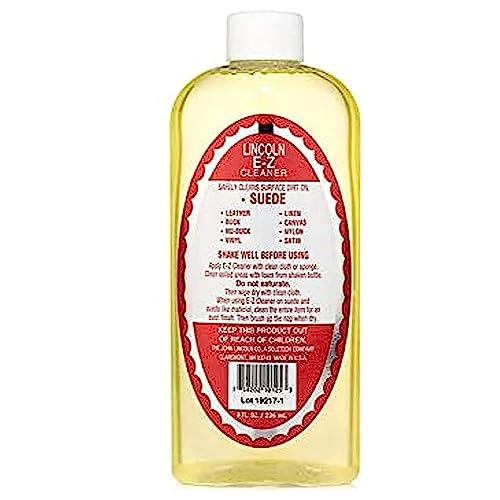
- BrandLincoln

- TLR Rank8.6
TLR Rank is a ranking system developed by TravelLuggageReviews.com. TLR Rank has no relationship or impact from any manufacturers or sales agent websites. Learn more
- BrandCare & Cool

- TLR Rank8.6
TLR Rank is a ranking system developed by TravelLuggageReviews.com. TLR Rank has no relationship or impact from any manufacturers or sales agent websites. Learn more
- BrandCare & Cool

- TLR Rank8.4
TLR Rank is a ranking system developed by TravelLuggageReviews.com. TLR Rank has no relationship or impact from any manufacturers or sales agent websites. Learn more
- BrandLeather Honey

- TLR Rank8.0
TLR Rank is a ranking system developed by TravelLuggageReviews.com. TLR Rank has no relationship or impact from any manufacturers or sales agent websites. Learn more
- BrandBYXIWA

- TLR Rank7.6
TLR Rank is a ranking system developed by TravelLuggageReviews.com. TLR Rank has no relationship or impact from any manufacturers or sales agent websites. Learn more
- BrandGleamGlee
Last update on 2026-07-02 / Affiliate links / Images, Product Titles, and Product Highlights from Amazon Product Advertising API
How To Clean Suede Bag Without Wrecking The Texture
A nice suede bag can turn stressful fast after one rainy sidewalk, one oily fingertip, or one dusty car seat. The soft nap looks rich because the fibers are raised, but that same surface grabs grime more easily than smooth leather. That is why how to clean suede bag should start with dry care, light pressure, and a little patience instead of water, soap, and panic scrubbing. Treat the bag like a delicate fabric with attitude, and the cleanup becomes much less risky.
Gentle Suede Bag Care
Suede bag care begins before stains become dramatic. A soft suede brush loosens surface dust, lifts flattened fibers, and helps the bag look fresher without adding moisture. Short strokes usually work best, especially around corners, seams, and handles where dirt collects first. Push too hard, though, and the nap can start looking scratched instead of revived.
Dry cleaning matters because suede does not forgive soaking very easily. Water can darken patches, spread minerals, or leave rings that stand out once the bag dries. So the smarter first move is simple: brush the surface, inspect the stain, and decide whether it is dry dirt, oil, water spotting, or scuffing. That small pause protects the suede texture from needless damage.
A suede brush, suede eraser, clean white cloth, and absorbent powder cover most basic cleaning needs. A white cloth helps prevent dye transfer, which can happen with colored towels or printed paper towels. Cornstarch can help with fresh oil because it pulls grease upward instead of pushing it deeper. These simple tools keep cleaning suede practical without turning the bag into a science project.
Storage also plays a bigger role than people expect. A breathable dust bag protects against lint and dust while letting the material breathe. Plastic bags trap moisture, and moisture is the sneaky villain behind mildew, odor, and stiffness. Keeping the bag stuffed lightly with tissue also helps preserve bag shape instead of letting corners collapse.
Dry Dirt And Dust Removal
Dry dirt is the easiest problem to make worse by rushing. Mud should dry fully before brushing because wet mud smears into the nap like paste. Once it hardens, a suede brush can break it apart with light, repeated strokes. The trick is to let the dirt release naturally instead of grinding it into the surface.
Start with the cleanest areas first, then move toward the dirtiest spots. That habit keeps dust from traveling across the bag and dulling panels that were already fine. Brush in one direction for a smoother look, then use a gentle back-and-forth motion only where the nap is flattened. This keeps suede fibers lifted without making the surface look fuzzy or uneven.
Travel can be rough on soft materials, especially if the bag sits under a seat or brushes against luggage wheels. Pack smarter around delicate accessories with a practical luggage mindset, and use sturdy organizers for rougher items. For compact flight packing ideas, plan your carry setup with best duffle bag norwegian air so your suede bag is not crushed beside shoes, chargers, and snack wrappers. Small packing choices can prevent dust marks before cleaning is even needed.
A lint roller may seem harmless, but sticky sheets can pull at the nap or leave residue behind. A soft brush is safer because it works with the raised fibers instead of grabbing them. For stubborn dry specks, a suede eraser can lift marks with light pressure. Keep the motion controlled, because aggressive rubbing may create a pale patch that looks like wear.
Oil Stains Need Patience
Oil stains are annoying because they sink in quietly. Hand cream, food grease, makeup, and natural skin oils can leave darker spots that resist normal brushing. The best move is to blot gently with a clean cloth, then cover the area with cornstarch or talcum powder. Let the powder sit long enough to absorb the oil instead of wiping the stain around.
After the powder rests, brush it away lightly and check the mark under natural light. Some oil stains need a second round, especially on lighter suede. That does not mean the method failed. It usually means the grease moved deeper into the fibers and needs more time to lift.
Avoid dish soap, laundry detergent, and random kitchen cleaners. Those products can leave a stiff patch, strip dye, or create a ring that is tougher than the original stain. Suede reacts badly to heavy moisture because the fibers clump as they dry. Keeping the process dry protects color balance and keeps the finish softer.
Fresh oil is easier to treat than old oil, so speed helps. Still, speed should not mean scrubbing like the bag owes you money. Press, powder, wait, brush, and repeat if needed. That calm routine gives how to clean suede bag a much better chance of working without leaving rough spots behind.
Water Marks And Rain Spots
Water spots can look scary because they often dry with uneven edges. A tiny splash may leave a ring, especially on darker suede or bags with a fine nap. The goal is not to soak the bag, but to blend the affected panel lightly so the edge looks less obvious. A barely damp cloth can help, but it must be used with restraint.
Lightly misting or wiping the full affected panel can sometimes even out a water mark. Then blot with a clean towel and let the bag air-dry away from heat. Hair dryers, radiators, and direct sun can stiffen suede or cause uneven fading. Slow drying protects the natural nap and reduces the risk of a hard, shiny patch.
Once dry, brush the surface to lift the fibers again. This step matters because suede can dry flat even if the stain improves. Work gently in small sections and stop once the texture looks more even. Overbrushing can create fuzz, and nobody wants a bag that looks worn from cleaning instead of carrying.
Rain protection sprays can help, but they are not magic shields. Always test a spray on a hidden area first because some formulas darken suede. Use light coats rather than soaking the material, then let the bag dry fully before carrying it outside. A measured approach keeps suede protection helpful instead of risky.
Scuffs, Flattened Nap, And Shiny Patches
Scuffs usually happen around bottom corners, straps, and flap edges. These areas rub against clothing, tables, car seats, and even your own hand during normal use. A suede brush can lift flattened fibers and soften the look of shallow marks. For stronger scuffs, a suede eraser often helps more than pressure alone.
Use the eraser with small, light movements rather than long, harsh strokes. The goal is to loosen grime and revive texture, not sand down the surface. After erasing, brush the area to blend it with the rest of the bag. This keeps scuff removal from creating one oddly bright spot in the middle of the panel.
Shiny patches can be harder because they often mean the nap has been compressed over time. Handles are especially prone to this because oils and repeated grip flatten the fibers. A little brushing may improve the look, but old shine may not fully disappear. Honest expectations matter, because suede maintenance can refresh a bag, not always rewind years of wear.
Some bags need small repairs beyond cleaning, especially around seams, linings, or handmade fabric trims. Basic sewing knowledge can help with simple tote-style repairs or lining fixes, though suede exterior work should stay gentle. For a practical carryall project, build confidence through how to sew tote bag before touching a more delicate suede piece. That keeps DIY repair from turning into an expensive mistake.
Cleaning The Inside Without Spreading Grime
The inside of a suede bag often collects crumbs, receipt dust, makeup powder, and tiny bits of mystery debris. Empty every pocket first, then turn the lining outward if the bag design allows it. A handheld vacuum with low suction can remove loose dirt without rubbing it deeper. Keep the nozzle away from delicate seams to avoid pulling threads.
For fabric linings, a slightly damp cloth may help with small spots, but do not let moisture soak through to the suede exterior. Blot rather than rub, especially near corners where liquid can travel into seams. If the lining is attached tightly, clean slowly in sections. Protecting the suede shell matters more than making the interior spotless in one pass.
Odor can linger if the bag has held gym clothes, snacks, or damp items. Baking soda placed in a small breathable pouch can sit inside overnight to absorb smell without touching the suede directly. Do not pour loose powder into the bag unless you want a cleanup chore hiding in every seam. A controlled method keeps odor control simple and tidy.
Outdoor plans can expose suede to sunscreen, trail dust, and spilled water bottles, so bag choice matters for rough days. Keep suede for low-risk outings and use a tougher pack when the route includes dirt, sweat, or changing weather. For more rugged carry planning, use best day pack hiking travel instead of asking a delicate suede bag to handle trail abuse. The right bag in the right setting prevents unnecessary cleaning problems later.
What Not To Use On Suede
Household cleaners are the fastest route to regret. Vinegar, alcohol, soap mixes, and leather conditioners can behave unpredictably on suede, especially on dyed bags. Some people use tiny amounts of white vinegar for certain stains, but it should never be treated like a casual cure-all. Spot testing protects suede color from surprise fading.
Leather conditioner belongs on smooth leather, not suede nap. It can darken the surface, flatten fibers, and leave a greasy feel that attracts more dirt. Baby wipes are risky for the same reason because they often contain moisturizers or cleaning agents. A bag that needed a small refresh can end up with a permanent-looking patch.
Hard brushes also cause trouble. Stiff bristles may scratch the surface or make the nap look rough and uneven. A proper suede brush has a texture designed for lifted fibers, not heavy-duty scrubbing. Using the right tool keeps clean suede from turning fuzzy, streaky, or worn out too soon.
Heat is another quiet problem. Drying suede near a heater can shrink, stiffen, or distort the material. Airflow is fine, but direct heat is too aggressive. Let the bag dry at room temperature, then restore the nap with gentle brushing once the surface feels fully dry.
How To Clean Suede Bag After Stains, Rain, And Daily Wear
A suede bag can look calm on the outside while hiding dust, oil, and moisture deep in the nap. After basic brushing and spot checks, the next step is building a care routine that prevents the same mess from coming back every week. How to clean suede bag becomes easier once the bag has a simple rhythm: dry first, treat stains gently, protect the surface, then store it the right way.
Small habits matter more than one big rescue session. A bag carried through busy streets, coffee shops, offices, and weekend errands picks up dirt in layers. Those layers slowly dull the color, especially on tan, beige, gray, and pastel suede. Regular light brushing keeps the fibers open so stains do not settle as deeply.
Moisture is still the trickiest problem. Even a clean water drop can leave an uneven edge if it dries too quickly or hits one small area. Letting suede dry naturally, then brushing the nap back into place, protects soft texture better than fast heat or heavy rubbing. The cleaner the drying process, the less patchy the bag looks afterward.
A practical suede routine should feel simple enough to repeat. Keep a brush, eraser, white cloth, and small pouch of absorbent powder in one place. That way, a grease mark or dusty corner does not turn into a full-blown closet emergency. Smart care gives suede bag maintenance a calm, repeatable system.
How To Handle Tough Suede Bag Stains Without Panic
Dark stains can make suede feel unforgiving, but not every mark means permanent damage. Ink, dye transfer, makeup, and old grease need slower treatment than dust or mud. Start by identifying the stain instead of grabbing the strongest cleaner nearby. That pause protects suede color from fading, bleeding, or turning cloudy.
Ink is especially risky because liquid cleaners can spread it fast. A dry suede eraser may soften the edge of the mark, but deep ink often needs professional care. Pressing alcohol or soap into the spot can create a bigger stain with a pale ring around it. With ink, less handling is usually the safer move.
Dye transfer from denim or dark clothing can cling to lighter suede. Light brushing may help surface transfer, but heavy rubbing can push pigment deeper. A clean white cloth is useful for checking whether color is still lifting. If color keeps transferring, stop before the panel loses its original even tone.
Makeup stains need a dry approach first. Powder makeup may brush away after the surface dries, while cream products behave more like oil. Cornstarch can help absorb greasy residue before gentle brushing. Patience works better than pressure because delicate suede fibers can flatten quickly.
How To Protect A Suede Bag Before It Gets Dirty Again
Protection spray can help, but it should never be treated like armor. Suede still needs careful handling around rain, oil, and rough surfaces. Test the spray on a hidden spot first, then apply a light coat from a safe distance. Over-spraying can darken the material and leave uneven finish across the panel.
Let the bag dry fully before carrying it. A rushed dry time can make the surface tacky, which attracts dust right away. After drying, brush lightly to lift the nap and restore the soft look. This simple step keeps suede protection from making the bag feel stiff.
Storage should protect shape as well as surface. Stuff the bag loosely with acid-free tissue or clean paper so corners do not collapse. A breathable dust bag is better than plastic because suede needs airflow. Poor storage can cause creased corners, trapped odor, and dull-looking panels.
Straps and handles deserve extra attention because they take the most daily friction. If a bag strap, tote handle, or fabric carry piece needs repair practice, build confidence with how to sew before touching delicate suede. That keeps experimental stitching away from an expensive accessory. Careful repair habits protect bag structure as much as cleaning does.
How To Keep Suede Bag Straps And Corners Clean
Straps collect hand oils faster than almost any other part of the bag. The marks may look slightly darker, smoother, or shinier than the rest of the suede. Brush the strap gently after frequent use, especially near the area your hand grips most. Regular care helps reduce oil buildup before it becomes obvious.
Corners need a different kind of attention. They rub against tables, car seats, walls, and clothing, so the nap often looks crushed. A suede brush can lift light wear, but older flattened spots may not fully bounce back. Realistic expectations keep suede care practical instead of frustrating.
Hardware areas can trap dust along seams and edges. Use a soft brush carefully around buckles, zippers, and magnetic closures. Avoid scraping metal parts against the suede because tiny scratches can show up in bright light. Gentle detail work keeps edge cleaning controlled and neat.
Backpack-style straps and adjustable webbing can also transfer dirt onto nearby suede pieces during storage or travel. For bags with mixed straps, tighten and route loose webbing properly with thread backpack strap so it does not rub against soft panels. Small strap adjustments reduce friction, twisting, and grime transfer. That kind of prevention saves cleaning time later.
How To Know When A Suede Bag Needs Professional Cleaning
Some stains are bigger than a home cleaning kit. Deep oil, ink, mildew, heavy dye transfer, and old water rings can all become worse with the wrong product. A professional cleaner has better tools for lifting stains without soaking the material. That route makes sense when suede damage risk feels higher than the cost of cleaning.
Color changes are another warning sign. If brushing leaves a pale patch or the stain keeps spreading, stop working the area. More pressure will not fix a pigment problem. Protecting original color matters more than forcing one stubborn spot to fade.
Mildew needs extra caution because it can affect smell, texture, and storage safety. Keep the bag away from other accessories until the issue is handled. Brushing mildew indoors can spread spores, so outdoor handling and professional advice are safer. A clean-looking surface does not always mean odor and moisture are gone.
Expensive, vintage, or sentimental suede bags deserve a lower-risk plan. Home care is great for dust, light scuffs, and fresh oil, but rare pieces should not become practice projects. A careful cleaner can assess stitching, lining, dye stability, and nap condition before treatment. That kind of judgment protects long-term bag value better than guesswork.
How To Build A Simple Suede Bag Cleaning Routine
A simple schedule keeps suede from reaching the disaster stage. Brush the bag lightly after heavy use, especially after travel, dusty errands, or dry outdoor events. Check handles, corners, bottom panels, and flap edges before storing it away. Those spots reveal early wear before the rest of the bag looks dirty.
Monthly care can stay quick. Empty the inside, remove crumbs, refresh the lining, brush the exterior, and inspect for small marks. Treat fresh stains early because old stains usually take more effort. Consistent habits make how to clean suede bag feel normal instead of nerve-racking.
Seasonal storage needs a little more care. Make sure the bag is dry, lightly stuffed, and stored away from damp closets or direct sunlight. Avoid stacking heavy bags on top of it because pressure can flatten the nap and bend the shape. Good storage protects suede texture, color, and structure at the same time.
Suede rewards restraint. Brush gently, treat stains by type, avoid harsh cleaners, and respect the material’s limits. A bag does not need to look brand new forever to look beautiful and well cared for. With steady maintenance, clean suede keeps its soft, lived-in charm without looking neglected.

10 Best Sleeping Bags For Tall People of 2026 To Stretch Out Fully

10 Best Diaper Bag Backpacks For Dads of 2026 With Fast Gear Access

9 Best Diaper Bags For Twins of 2026 With Dual Compartments

10 Best Rebecca Minkoff Leather Crossbody Bags Over 300 of 2026 With Genuine Everyday Capacity
11 Best Marc Jacobs Bags of 2026 For Daily Essentials
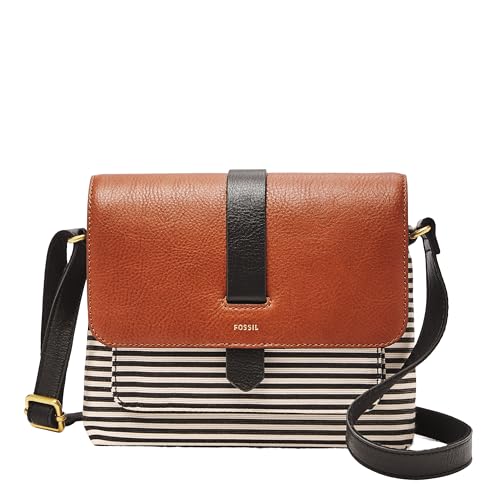
10 Best Fossil Handbags of 2026 For Everyday Organization

10 Best Tory Burch Handbags of 2026 For Everyday Wear

11 Best Kate Spade Handbags of 2026 For Work and Daily Carry