how to fix broken sunglasses hinge fast

how to fix broken sunglasses hinge starts with slowing down and checking what actually broke. A wobbly arm, missing screw, bent hinge plate, or cracked frame corner can all feel like the same problem at first glance. Still, each one needs a slightly different fix, and rushing in with glue or force can turn a small repair into a ruined pair. The smart move is to inspect the hinge closely under good light, then decide whether the frame needs tightening, reshaping, cleaning, or replacement hardware.
Small screws are usually the first suspects. They loosen after repeated folding, especially when sunglasses get tossed into bags, shirt pockets, cup holders, and car consoles. A precision screwdriver can tighten the hinge without chewing up the screw head, while a tiny drop of clear nail polish on the threads may help keep it from backing out again. Just don’t flood the hinge, because sticky residue can make the temple arm stiff and annoying to open.
Bent hinges need a gentler hand. Metal hinge pieces can sometimes be nudged back into place with small pliers, but padding the jaws with cloth helps avoid scratches. Plastic frames are trickier because too much pressure can crack the surrounding material before the hinge even moves. That’s where patience earns its keep, since a slow adjustment usually beats one hard squeeze and a regretful sigh.
Glue can help in certain repairs, but it’s not a magic wand. If the hinge has separated from the frame, a careful application of strong adhesive may hold, provided the surface is clean, dry, and properly aligned. However, glue should stay away from moving hinge joints, screw channels, and lens edges. A messy repair may look fixed for a day, then fail the moment the sunglasses are folded again.
how to fix broken sunglasses hinge also means knowing when a quick home repair isn’t enough. Deep cracks near the lens, stripped hinge barrels, missing metal pins, or expensive prescription sunglasses may deserve professional repair. That doesn’t mean giving up, though. It means choosing the repair that protects the frame instead of gambling on a shortcut that could cost more later.
Prevention matters after the fix. Folding both arms evenly, storing sunglasses in a hard case, and tightening loose screws early can keep the same hinge from acting up again. A little routine care sounds boring, sure, but it saves the headache of hunting for tiny screws on the floor. With the right approach, broken sunglasses hinge repair feels less like a disaster and more like a manageable weekend task.

Eyeglass Concealed Hinge Replacement 3.5x1.5mm Plastic Frames, Sunglasses, Wooden Frames,
View on Amazon- TLR Rank10.0
TLR Rank is a ranking system developed by TravelLuggageReviews.com. TLR Rank has no relationship or impact from any manufacturers or sales agent websites. Learn more
- BrandQYAJS
- TLR Rank9.4
TLR Rank is a ranking system developed by TravelLuggageReviews.com. TLR Rank has no relationship or impact from any manufacturers or sales agent websites. Learn more
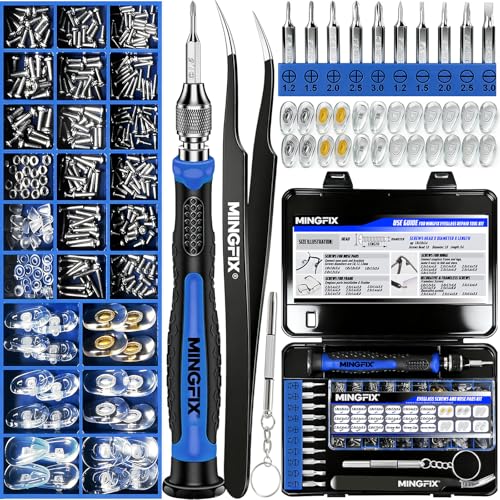
- BrandMINGFIX

- TLR Rank9.2
TLR Rank is a ranking system developed by TravelLuggageReviews.com. TLR Rank has no relationship or impact from any manufacturers or sales agent websites. Learn more
- BrandHQVOIC

- TLR Rank9.2
TLR Rank is a ranking system developed by TravelLuggageReviews.com. TLR Rank has no relationship or impact from any manufacturers or sales agent websites. Learn more
- BrandTrinkrittey

- TLR Rank8.8
TLR Rank is a ranking system developed by TravelLuggageReviews.com. TLR Rank has no relationship or impact from any manufacturers or sales agent websites. Learn more
- BrandPTSLKHN

- TLR Rank8.6
TLR Rank is a ranking system developed by TravelLuggageReviews.com. TLR Rank has no relationship or impact from any manufacturers or sales agent websites. Learn more
- BrandNynelly

- TLR Rank8.6
TLR Rank is a ranking system developed by TravelLuggageReviews.com. TLR Rank has no relationship or impact from any manufacturers or sales agent websites. Learn more
- BrandQYAJS

- TLR Rank8.4
TLR Rank is a ranking system developed by TravelLuggageReviews.com. TLR Rank has no relationship or impact from any manufacturers or sales agent websites. Learn more
- BrandOptigear

- TLR Rank8.4
TLR Rank is a ranking system developed by TravelLuggageReviews.com. TLR Rank has no relationship or impact from any manufacturers or sales agent websites. Learn more
- BrandKishYa

- TLR Rank8.2
TLR Rank is a ranking system developed by TravelLuggageReviews.com. TLR Rank has no relationship or impact from any manufacturers or sales agent websites. Learn more
- BrandQYAJS

- TLR Rank6.4
TLR Rank is a ranking system developed by TravelLuggageReviews.com. TLR Rank has no relationship or impact from any manufacturers or sales agent websites. Learn more
- BrandYINSHCO

Eye Glass Repair,All-in-One Eyeglass Frame Adjustment Tool,Glasses Frame Curvature Bender
View on Amazon- TLR Rank2.0
TLR Rank is a ranking system developed by TravelLuggageReviews.com. TLR Rank has no relationship or impact from any manufacturers or sales agent websites. Learn more
- BrandBADAO
Last update on 2026-08-07 / Affiliate links / Images, Product Titles, and Product Highlights from Amazon Product Advertising API
How To Fix Broken Sunglasses Hinge
A loose temple arm can make a favorite pair of shades feel useless fast, especially after one tiny screw disappears or the hinge starts flopping around in your hand. The good news is that how to fix broken sunglasses hinge usually starts with a simple check, not a dramatic repair bench setup. Small parts, light pressure, and a little patience often solve more than brute force ever will. The trick is matching the repair to the actual damage, because a missing screw, bent hinge, cracked plastic mount, and stripped barrel all need different handling.
Broken Sunglasses Hinge Repair
Broken sunglasses hinge repair begins with a close look at how the arm moves. Open and close the temple slowly, then watch whether the screw hole shifts, the hinge barrel separates, or the frame corner flexes. A hinge that wiggles but still lines up usually points to a loose or missing screw. A hinge that sits crooked may need careful alignment before any screw will hold properly.
Grab a clean towel and work over it, because tiny screws love to bounce into nowhere. A precision screwdriver is the safer choice for most sunglass hinges, since larger tools can strip the screw head in seconds. If the screw is still there, tighten it gently until the arm feels secure, then stop before the frame starts creaking. Over-tightening can crack plastic or bind the hinge so badly that the arm no longer folds smoothly.
A missing screw is annoying, but it’s not always a deal-breaker. Eyeglass repair kits usually include tiny replacement screws, nose pad screws, and a mini screwdriver that fits common hinge sizes. Match the screw length as closely as possible, because a screw that’s too long can poke through or grind against the hinge. A screw that’s too short may catch only a few threads and loosen again after a couple of folds.
Clean the hinge before installing anything new. Dust, old sweat residue, sunscreen, and pocket lint can collect around the joint and make the repair feel worse than it is. Use a dry microfiber cloth first, then a toothpick or soft brush for buildup around the hinge barrels. That small cleanup helps the replacement screw seat correctly and keeps the temple arm from feeling gritty.
Check The Damage Before Touching Tools
Smart repair starts with diagnosis, not guesswork. A hinge can fail because the screw backed out, the metal leaf bent, the plastic frame cracked, or the barrel snapped clean off. Each problem leaves a different clue, and spotting it early saves the frame from unnecessary stress. That’s why damage inspection matters more than grabbing glue right away.
Hold the sunglasses at eye level and compare both arms. The good side often shows how the broken side should sit, especially around the hinge spacing and temple angle. If one arm points upward, outward, or inward more than the other, the hinge may be bent instead of broken. A gentle comparison gives you a practical repair map without needing fancy tools.
Plastic frames need extra caution because cracks can hide near the hinge mount. Look for white stress marks, tiny splits, or a loose chunk around the screw hole. These signs mean the frame material has weakened, and a basic screw replacement may not last. In that case, frame reinforcement or professional repair may make more sense than repeatedly tightening the same spot.
Metal frames usually reveal trouble through bending, corrosion, or stripped threads. A rusty screw can seize inside the hinge, while a soft metal hinge can deform after repeated drops. If the screw spins endlessly without tightening, the hinge threads may be stripped. That’s a clear sign that thread grip has failed, so a slightly different screw size or hinge repair kit may be needed.
Use The Right Small Tools
The right tool keeps a small repair from becoming a bigger mess. A mini screwdriver set, microfiber cloth, tweezers, replacement screws, and a magnifying glass cover most basic hinge fixes. Good lighting helps too, because sunglass hinges are tiny and easy to misread in a dim room. Working slowly feels boring at first, but it prevents scratches, slips, and bent parts.
A magnetic screwdriver can be handy, though not required. It helps hold the screw steady while you line up the hinge barrels. Tweezers also help when fingers feel too clumsy for small hardware. Keep the lenses covered with a cloth so a dropped tool doesn’t leave a scratch across your line of sight.
For stubborn screws, don’t muscle through the problem. Press the screwdriver straight down into the screw head and turn with steady pressure. If it slips, stop and check whether the tool size is wrong. A stripped screw head turns a five-minute fix into a frustrating hunt for extraction tricks.
Household shortcuts have limits. A paperclip may temporarily replace a hinge pin in a pinch, and clear nail polish can help hold a screw after tightening. Still, those fixes should stay light and controlled. For travel mishaps and luggage chaos, keep a small repair kit beside other practical fixes like unlock suitcase lock without key so small problems don’t hijack the whole day.
Tighten A Loose Hinge Screw Correctly
A loose screw is the most forgiving hinge problem. Place the sunglasses on a flat towel, align the temple arm with the front frame, and seat the screwdriver firmly in the screw head. Turn clockwise in small movements until the hinge feels snug. The goal is smooth resistance, not a locked-up joint.
Test the arm after every few turns. Open and close it gently, then check whether it stays aligned with the other side. If the arm feels stiff, back the screw off slightly. A hinge should hold its shape while still folding without scraping or popping.
Loose screws often return if the threads have worn down. A tiny dab of clear nail polish on the screw threads can add mild grip once it dries. Keep it away from the hinge barrels, because dried polish inside the moving joint can make the arm sticky. This small step can help prevent repeat loosening without making the repair permanent.
Thread-locking products may be useful, but choose carefully. Strong formulas can make future repairs difficult, especially on delicate frames. A light, removable option is safer for eyewear if you already know how to use it. The safer rule is simple: use the smallest amount possible and keep the hinge movement clean.
Replace A Missing Sunglasses Hinge Screw
A missing screw leaves the temple arm dangling or completely detached. Start by lining up the hinge barrels so the screw channel looks straight from top to bottom. Use tweezers to hold the screw if your fingers block the view. A steady setup makes hinge screw replacement much less irritating.
Repair kits usually include several screw lengths and widths. Try the screw that matches the other hinge first if both sides use similar hardware. If it drops through without catching, the screw is too narrow or the threads are worn. If it stops too early, it may be too wide or too long.
Never force a replacement screw into the hinge. Forcing can strip the barrel, split plastic near the hinge, or bend the hinge leaf. Turn the screw backward first until you feel a tiny drop into the thread path, then tighten forward slowly. That little move helps the screw find the existing groove instead of cutting a messy new one.
After the screw is seated, compare both temple arms. The repaired side should fold with similar tension and sit evenly on a flat surface. If one side floats higher, the hinge may still be misaligned. For style-heavy frames, especially bold shapes like 60s oversized sunglasses, even a small angle difference can make the fit feel lopsided on the face.
Fix A Bent Metal Hinge Without Snapping It
A bent hinge calls for patience and a light touch. Metal can often be nudged back into shape, but repeated bending weakens it. Cover small pliers with cloth or tape before touching the frame. That padding protects the finish while you adjust the hinge alignment.
Work in tiny movements instead of one big bend. Move the hinge slightly, test the temple arm, then compare it with the opposite side. The frame should sit flat and open evenly. If the hinge resists strongly, stop before the metal fatigues or the solder joint loosens.
Some hinges bend because the sunglasses were stored under pressure. A packed backpack, tight side pocket, or crushed case can twist the temple arm sideways. Reduce that pressure after repair or the hinge may bend again. To keep packed gear from pulling frames out of shape, use a cleaner strap setup with shorten backpack straps without cutting and keep sunglasses inside a firm case.
Heat should be handled carefully around sunglass frames. Plastic can warp, coatings can suffer, and lenses may react badly to uncontrolled warmth. Warm water may help loosen grime, but direct heat from a lighter, stove, or hair dryer can create new problems. A safer repair depends on controlled pressure, not risky shortcuts.
Repair A Cracked Plastic Hinge Area
A cracked plastic hinge mount is tougher than a loose screw. The screw may still tighten, but the surrounding frame no longer holds stress evenly. Look for small splits around the hinge plate or screw hole. If the frame flexes when the arm opens, the repair needs structural support, not just tightening.
Clean the cracked area before using adhesive. Oils from skin, sunscreen, and dust weaken the bond. A dry fit matters too, so line up the broken pieces before applying anything. Glue works best when surfaces meet cleanly and stay still while curing.
Use adhesive sparingly and keep it away from the hinge joint. A tiny amount near the cracked mount may help stabilize the frame, but glue inside the moving barrel can freeze the temple arm. Hold the pieces in place according to the adhesive instructions, and don’t rush the cure time. Moving the frame too soon can break the bond before it gains strength.
Some plastic damage simply won’t hold well at home. Deep cracks near the lens groove, missing chunks, or crumbling screw posts often need professional help. That may sound annoying, but it protects the lenses and prevents more expensive damage. A realistic repair call is better than turning broken sunglasses hinge trouble into a ruined frame front.
How To Fix Broken Sunglasses Hinge After Basic Repair Fails
A hinge that keeps loosening after you tighten it is trying to tell you something. The screw may look like the problem, but the real trouble can sit in the stripped hinge threads, a widened screw hole, or a frame corner that has started to flex. That’s why how to fix broken sunglasses hinge needs a second check after the first repair attempt. If the arm gets sloppy again after a few folds, stop tightening and look deeper.
A stripped screw hole usually feels loose even with the screw fully seated. The screwdriver turns, the screw sinks, but the temple still wobbles like it’s had a rough week. In that case, a slightly wider replacement screw may give the hinge fresh bite. The key is gentle thread grip, not forcing hardware that can crack the frame.
Thin metal hinges can also spread apart after repeated stress. Use padded tweezers or small pliers to bring the hinge barrels back into line, then test the screw again. Small adjustments are safer than one hard squeeze. A careful reset can restore temple stability without leaving tool marks on the finish.
Plastic frames need even more restraint. A weak hinge post can split if the screw is oversized or tightened too far. If the frame material looks pale, cracked, or stretched around the hinge, treat it like a fragile repair. That’s the moment where frame support matters more than simply making the screw tighter.
How To Fix Broken Sunglasses Hinge With Glue Safely
Glue can save a cracked hinge mount, but it can also ruin a pair of sunglasses in seconds. The hinge has moving parts, and adhesive in the wrong place can freeze the temple arm shut. Use glue only on the broken frame area, not inside the hinge barrel. A clean repair depends on precise placement and a calm hand.
Start by cleaning the damaged area with a dry microfiber cloth. Grease, sunscreen, dust, and old pocket lint weaken the bond before the glue even cures. Dry-fit the broken pieces first so you know how they should sit. That quick rehearsal helps avoid a crooked repair with poor alignment.
Apply a tiny amount of adhesive with a toothpick instead of squeezing straight from the tube. Press the cracked area into position and keep the hinge still while the bond sets. Don’t fold the temple arm early just to “test it.” A rushed test can break the repair before the adhesive reaches its real strength.
Glue has limits, and pretending otherwise gets expensive. If the hinge plate has pulled out with missing plastic around it, adhesive alone may not hold for daily folding. A professional repair or frame replacement may be smarter for expensive lenses or designer frames. For travel days, protect repaired sunglasses inside a secure bag setup like an anti theft sling bag instead of letting them rattle around loose.
How To Fix Broken Sunglasses Hinge Without Scratching Lenses
Lens scratches are the sneaky disaster during hinge repair. The frame may be the broken part, but one slip with a screwdriver can leave a mark right where the eye looks through. Lay the sunglasses on a folded towel before touching the hinge. That soft base protects the lenses and gives the frame better grip while you work.
Cover the lens closest to the hinge with a microfiber cloth. This sounds fussy, but tiny screws and tools drop faster than anyone expects. A cloth barrier also keeps fingerprints and adhesive smears away from the lens coating. The small habit saves a lot of annoyance later.
Keep your repair area simple. Don’t work over carpet, cluttered desks, or open sink drains where screws disappear for good. A white towel or paper sheet makes tiny metal parts easier to spot. Better visibility means better screw control and fewer repair mistakes.
Lighting matters more than fancy equipment. A desk lamp angled across the hinge makes gaps, cracks, and bent parts easier to see. If the hinge shadow blocks your view, rotate the frame instead of twisting your wrist into an awkward angle. Clear sight helps you keep the hinge alignment straight from start to finish.
How To Fix Broken Sunglasses Hinge On Designer Frames
Designer sunglasses raise the stakes because the repair isn’t just about function. The finish, logo hardware, lens shape, and frame balance all matter. A heavy-handed repair can leave scratches, glue haze, or a crooked temple that makes the whole pair feel off. With designer frame repair, caution beats speed every time.
Start by checking whether the hinge uses standard screws or branded hardware. Some fashion frames have decorative hinge plates that don’t behave like basic drugstore sunglasses. If the screw shape looks unusual, don’t force a random repair kit screw into it. The wrong screw can damage the hinge and make a clean repair harder.
Oversized frames create extra leverage at the hinge. Larger lenses and wider temples put more pressure on that small joint every time the sunglasses open and close. That’s why bold styles like oversized square sunglasses need careful storage after repair, not just a quick screw tightening. A hard case helps protect the hinge angle from getting bent again.
Professional help makes sense when the frame is expensive, prescription, or sentimental. A shop may replace screws, adjust hinge tension, or stabilize a cracked mount without damaging the finish. Home repair is fine for simple issues, but not every frame deserves a gamble. Protecting lens value and frame shape can matter more than saving a few dollars today.
How To Fix Broken Sunglasses Hinge And Prevent Repeat Damage
A repaired hinge still needs better habits afterward. Folding one temple arm with one hand twists the frame over time, especially on lightweight plastic sunglasses. Use both hands when possible and close the arms evenly. That tiny change reduces uneven hinge stress more than most people expect.
Storage is the other big piece. Sunglasses tossed into bags, cup holders, glove boxes, and jacket pockets take pressure from every direction. A hard case prevents the temple arms from being pushed sideways. Soft pouches help with scratches, but they don’t protect the hinge structure nearly as well.
Check screws every few weeks if the sunglasses get daily use. A screw that loosens slightly is easy to tighten, but a screw that falls out can leave the frame hanging by one barrel. Keep a mini repair kit in a drawer or travel pouch. That small backup turns a surprise hinge problem into a quick fix.
Avoid leaving sunglasses in extreme heat. Hot cars can soften some plastic frames and make hinge areas more vulnerable to warping. Heat can also affect lens coatings and frame fit. Cool, steady storage keeps the frame shape more consistent.
How To Fix Broken Sunglasses Hinge With Realistic Expectations
Some hinge repairs last for years, and some are temporary by nature. A loose screw repair usually holds well if the threads are healthy. A cracked plastic mount may only buy time, especially if the sunglasses are folded often. Honest expectations keep repair frustration from turning into wasted effort.
Temporary fixes still have a place. A small wire, careful tape support, or emergency screw can get sunglasses through a trip, commute, or outdoor errand. Just don’t mistake a travel patch for a permanent repair. Temporary support should protect the frame until a better fix is possible.
Watch how the repaired hinge behaves during normal use. If the arm squeaks, binds, leans outward, or loosens again quickly, the repair needs adjustment. Smooth folding and even tension are better signs than simply seeing the screw in place. A repair should restore comfortable fit, not only make the sunglasses look assembled.
Replacement becomes the practical call when the hinge barrel is broken, the frame front is cracked near the lens, or the screw hole has no grip left. That doesn’t mean the repair failed. It means the frame has reached a point where daily stress beats small hardware fixes. Knowing that line helps you spend time and money where it actually makes sense.


11 Best Black Friday Sunglasses Deals of 2026 Built to Last

10 Best Cycling Sunglasses of 2026 For Wind Defense and Zero Slip

11 Best Mens Polarized Sunglasses of 2026 For Glare-Free Driving

10 Best Polarized Fishing Sunglasses of 2026 To Cut Water Glare

11 Best Smith Sunglasses of 2026 For Water and Trail

10 Best Carrera Sunglasses of 2026 for the Right Fit

11 Best Versace Sunglasses of 2026 For a Flattering Fit

11 Best Gucci Sunglasses of 2026 For Flattering Fit and Comfort