How to Remove Scratches from Leather Wallet: Easy Fixes for 2026

If your beloved leather wallet has been scratched and looks a bit worse for wear, don't worry there are simple ways to fix it. Leather wallets are durable, but over time, they can pick up marks from everyday use. Whether it’s a small scuff or a deeper scratch, restoring your wallet to its former glory is entirely possible with just a few tools and techniques.
One of the best ways to repair scratches is by using leather conditioner or a leather repair kit. These products can fill in minor scratches, bringing the surface back to its smooth finish. If the scratch is more severe, a leather dye or color restorer might be necessary to blend the scratch into the surrounding area.
Another popular method is using natural remedies like olive oil or coconut oil, which work wonders for small scuffs. Just apply a tiny amount to the scratched area and gently rub it in with a soft cloth. This helps moisturize the leather, potentially making the scratch less noticeable.
In addition, keeping your leather wallet clean and well-maintained can help prevent future damage. Regular cleaning with the right products and avoiding harsh chemicals will keep your leather in great shape for years to come. Taking proactive steps now can ensure your leather wallet stays looking new, despite the inevitable bumps and scratches.

- TLR Rank9.4
TLR Rank is a ranking system developed by TravelLuggageReviews.com. TLR Rank has no relationship or impact from any manufacturers or sales agent websites. Learn more
- BrandFAVIRZCE

- TLR Rank9.2
TLR Rank is a ranking system developed by TravelLuggageReviews.com. TLR Rank has no relationship or impact from any manufacturers or sales agent websites. Learn more
- BrandWeiman
- TLR Rank9.0
TLR Rank is a ranking system developed by TravelLuggageReviews.com. TLR Rank has no relationship or impact from any manufacturers or sales agent websites. Learn more
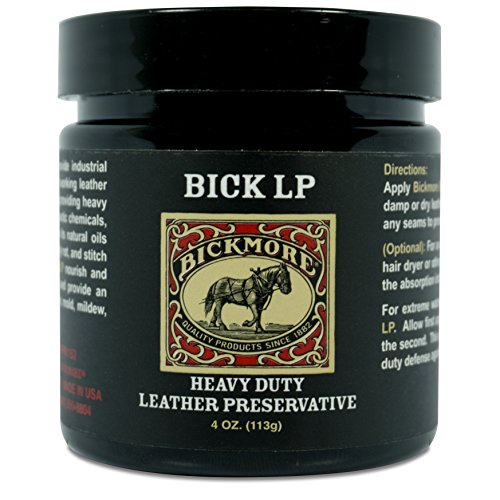
- BrandBickmore

- TLR Rank9.0
TLR Rank is a ranking system developed by TravelLuggageReviews.com. TLR Rank has no relationship or impact from any manufacturers or sales agent websites. Learn more
- BrandFORTIVO

- TLR Rank9.0
TLR Rank is a ranking system developed by TravelLuggageReviews.com. TLR Rank has no relationship or impact from any manufacturers or sales agent websites. Learn more
- BrandLeather Honey

- TLR Rank8.8
TLR Rank is a ranking system developed by TravelLuggageReviews.com. TLR Rank has no relationship or impact from any manufacturers or sales agent websites. Learn more
- BrandSAPHIR

- TLR Rank8.6
TLR Rank is a ranking system developed by TravelLuggageReviews.com. TLR Rank has no relationship or impact from any manufacturers or sales agent websites. Learn more
- BrandLeather Honey

- TLR Rank8.2
TLR Rank is a ranking system developed by TravelLuggageReviews.com. TLR Rank has no relationship or impact from any manufacturers or sales agent websites. Learn more
- Branddrtulz

- TLR Rank7.6
TLR Rank is a ranking system developed by TravelLuggageReviews.com. TLR Rank has no relationship or impact from any manufacturers or sales agent websites. Learn more
- BrandFiebing's

- TLR Rank6.8
TLR Rank is a ranking system developed by TravelLuggageReviews.com. TLR Rank has no relationship or impact from any manufacturers or sales agent websites. Learn more
- BrandMohawk Finishing Products
Last update on 2026-09-03 / Affiliate links / Images, Product Titles, and Product Highlights from Amazon Product Advertising API
How to Remove Scratches from Leather Wallet: Easy Tips and Tricks
Leather wallets are often cherished for their durability and timeless look. However, scratches on leather wallets are an unfortunate part of daily use. These blemishes can occur from everyday handling, but the good news is that you don’t need to toss out your favorite accessory just yet. With a few simple techniques, you can restore the leather to its smooth, polished state. Keep reading to discover effective methods that can help your wallet regain its original charm.
Identifying Different Types of Scratches on Leather
Before diving into the remedies, it’s important to understand the type of scratch your leather wallet has. Scratches can vary from superficial marks to deeper cuts that affect the wallet’s structure. Superficial scratches are the easiest to repair and often require just a bit of moisturizing. However, deeper gouges or scuffs may need more intensive treatment, such as leather dye or repair kits. Knowing the severity of the scratch will determine the best solution. Leather conditioners can often help with minor marks, but deeper scratches might need more attention.
If you find that your wallet has deep scuffs, you might want to consider using a leather repair kit. These kits often contain tools like color creams and sealants designed to blend the damaged area with the rest of the leather. It's important to choose a kit that matches the color of your wallet to ensure a seamless restoration.
Superficial scratches, on the other hand, can often be repaired with natural oils. Olive oil or coconut oil is commonly used for this. Applying just a small amount to the scratched area and rubbing it gently with a soft cloth can significantly reduce the visibility of the mark. Be sure not to over-apply, as too much oil can damage the leather further.
The key to effective scratch removal is patience. Whether you use a leather conditioner or natural oils, the results won’t be instant. It may take a few applications to see a significant reduction in the visibility of the scratch, but the results are well worth the wait.
Using Leather Conditioners to Restore Your Wallet
Leather conditioners are a great first step in restoring your wallet after it gets scratched. These products not only moisturize the leather but can also help smooth out minor scratches. When using a leather conditioner, it’s important to apply it sparingly. Too much conditioner can cause the leather to become overly soft or greasy, which can lead to long-term damage.
To use a conditioner, simply apply a small amount to a clean, soft cloth and rub it into the leather in a circular motion. Focus on the scratched areas but make sure to cover the entire surface of the wallet. After application, allow the conditioner to absorb for at least 30 minutes before wiping off any excess. This helps restore the wallet’s shine while minimizing the appearance of scratches.
Leather conditioners are available in a variety of formulas, so choose one that matches your wallet's type of leather. Some products are specifically designed for distressed or vintage leather, while others are better suited for smoother, more polished types of leather.
For wallets with deeper marks, you can consider a leather cleaner and conditioner combo. These products clean the surface while moisturizing the leather, making them ideal for wallets that see frequent use and exposure to dirt.
Repairing Deeper Scratches with Leather Dye
When dealing with deeper scratches, a leather dye is your best friend. Leather dye not only restores color to scratched areas but can also strengthen the leather’s integrity by filling in the gaps caused by deep marks. Choosing the right dye is crucial make sure it matches the color of your wallet. This will help ensure that the repaired area blends seamlessly with the rest of the wallet.
Start by cleaning the scratched area to remove any dirt or debris. Then, using a small brush, apply the leather dye to the affected area. Be careful not to over-apply, as too much dye can create an uneven texture. After applying the dye, allow it to dry completely before buffing it with a soft cloth. This will restore both the color and texture of the leather, making the scratch almost invisible.
While leather dyes can be highly effective, they’re best suited for wallets with significant damage. If you have minor scratches, you may not need to use dye. Instead, a simple conditioner or oil treatment may suffice. However, for deeper cuts or gouges, leather dye can make a world of difference.
Once your wallet is fully restored, continue to care for it by regularly moisturizing with leather conditioner to prevent future scratches. It’s always easier to prevent damage than to repair it later!
Common Mistakes to Avoid When Fixing Scratches
While removing scratches from a leather wallet can be straightforward, there are a few common mistakes that can make the process more difficult. One major mistake is using the wrong products. Not all leather conditioners or dyes are created equal. Some may be too harsh for certain types of leather, causing more harm than good. Always read the product labels and make sure you’re using the right items for your wallet.
Another common error is over-applying products. It’s tempting to pile on conditioner, oils, or dyes, thinking that more will make the scratch disappear faster. However, too much product can saturate the leather, causing it to become limp or overly shiny. Always apply products sparingly and follow the manufacturer’s instructions for best results.
Additionally, many people make the mistake of neglecting to clean the wallet before applying treatment. Leather repair products work best when they’re applied to a clean surface. Dust, dirt, and oils from your hands can interfere with the effectiveness of the treatment. Be sure to wipe your wallet with a soft cloth to remove any debris before applying any product.
Finally, some people may try to buff out scratches with abrasive materials like paper towels or rough cloths. This can actually worsen the damage, leaving the leather more prone to further scratching. Always use a soft cloth to gently apply any product and to wipe away excess.
Maintaining a Scratch-Free Leather Wallet
After putting in the effort to fix scratches on your leather wallet, it’s important to maintain its appearance to avoid future damage. Regular cleaning and conditioning are key to keeping your wallet looking like new. Consider adopting a cleaning routine to prevent buildup of dirt and oils that can attract scratches.
Regular Cleaning and Conditioning
Cleaning your leather wallet regularly is one of the easiest ways to maintain its appearance. Dust and grime can accumulate on the surface, making the leather more susceptible to scratches. To clean your wallet, use a damp cloth with a small amount of mild soap. Gently wipe the surface, being careful not to soak the leather.
After cleaning, it’s important to apply a conditioner to restore moisture to the leather. Conditioning helps prevent the leather from drying out, which can cause it to crack and become more prone to scratches. Use a high-quality leather conditioner and apply it sparingly. Follow the same steps as when repairing scratches, using a soft cloth to rub the conditioner in a circular motion.
Some people also choose to apply a protective spray designed for leather goods. These sprays can create a barrier that helps prevent scratches and stains from damaging the leather. While these sprays aren’t a guarantee, they can add an extra layer of protection, especially for wallets that are exposed to rough handling.
Keep in mind that regular cleaning and conditioning should be done every few months, depending on how often you use your wallet. If your wallet sees heavy use, consider conditioning it more frequently to keep it looking fresh.
Storing Your Wallet Properly
Another important aspect of maintaining a leather wallet is proper storage. Leaving your wallet in a drawer or pocket where it can be easily scratched isn’t ideal. Instead, store your wallet in a cool, dry place, and avoid placing it on rough surfaces. If you’re not using your wallet regularly, consider keeping it in a dust bag or a soft cloth to protect it from scratches.
Additionally, avoid overstuffing your wallet. Too many cards, receipts, or coins can cause the leather to stretch or develop creases. These creases can eventually turn into scratches or cracks. Keep your wallet organized and only carry the essentials to prevent unnecessary wear and tear.
By storing your wallet properly, you can minimize the risk of accidental scratches and prolong its lifespan. Leather is a durable material, but it still needs the right care and attention to stay looking great.
Using Leather Balms and Creams for Extra Protection
In addition to regular conditioning, you can use leather balms or creams that offer an extra layer of protection. These products are designed to nourish and protect the leather from environmental factors such as moisture, dirt, and UV rays. Leather balms are especially useful for wallets that are used outdoors or in harsh conditions.
Applying a leather balm is simple just rub a small amount onto the surface of the wallet using a soft cloth. This will create a protective barrier that helps repel moisture and dirt. It’s a great way to keep your wallet looking its best for longer, without having to worry about the damage caused by daily use.
How to Remove Scratches from Leather Wallet: Effective Methods for Restoring Leather
Leather wallets can be the cornerstone of your style, but scratches and scuffs can often detract from their polished look. Restoring your wallet to its former glory requires more than just a little elbow grease; it requires the right techniques and tools. Whether you're dealing with minor scuffs or more noticeable scratches, there are plenty of ways to restore your wallet without the need for expensive professional repairs. Understanding the right treatment for different types of scratches will help you bring your leather wallet back to life.
Assessing the Severity of the Scratch
The first step in fixing a scratched leather wallet is assessing the severity of the damage. If the scratches are minor, you may be able to address them with simple products like leather conditioner or natural oils such as olive oil. These can be highly effective in smoothing out light scuffs and minor abrasions. However, deeper scratches may require the use of a leather repair kit that includes color-restoring products to blend the damaged area back into the rest of the wallet’s surface.
If you're unsure of how deep the scratches are, try testing the scratch with a small amount of leather conditioner. If the scratch becomes less noticeable after application, then it’s a minor issue that can be easily handled at home. However, if the scratch remains visible or becomes even more prominent, it's time to consider using a leather dye or repair kit for a more thorough solution.
Superficial scratches that don’t affect the texture of the leather may just need some moisturizer to rejuvenate the leather. In cases where the leather feels dry or cracked, applying a leather-specific moisturizer can prevent further damage. A healthy leather surface is less likely to develop new scratches.
For those who want to prevent further scratches, regular maintenance of your wallet’s leather is essential. Applying a protective layer every few months will keep it from becoming too brittle or prone to scratching in the first place.
Using Leather Repair Kits for Deep Scratches
If your wallet has deep scratches or gouges, a leather repair kit is your best option. These kits are designed to repair leather surfaces, filling in the damaged area with a color-matching filler. The process is relatively simple: clean the affected area, apply the filler, and smooth it out with a spatula or cloth. Once the filler is dry, apply a colorant or leather dye to blend the repair seamlessly into the wallet’s color.
It’s essential to choose a repair kit that matches the exact color of your leather wallet. Some kits come with multiple color options, so you can mix them to find the perfect shade. Take your time with the application process to ensure that the dye is evenly distributed and doesn’t create noticeable patches.
Once the repair is complete, allow the wallet to dry thoroughly before using it again. This ensures that the color sets properly and prevents the repair from smudging or rubbing off over time. Regular use of a leather conditioner after repairs will keep the surface moisturized and prevent future cracking or peeling.
For wallets with extensive damage, you may want to seek professional restoration services, especially if the wallet is of significant value or sentimental importance. However, for most cases, a repair kit can provide a lasting solution at home.
How Leather Dyes Restore Color to Scratched Wallets
When dealing with noticeable discoloration from scratches, a leather dye is often the most effective solution. Leather dye restores both the color and integrity of the wallet’s surface. Using leather dye is particularly useful when the scratch has gone beyond the surface and has left a visible mark that conditioner alone cannot fix.
Applying leather dye is fairly straightforward. First, clean the wallet with a mild soap and water solution to remove any dirt or oils. Then, use a soft brush or cloth to apply the dye to the scratched area. Be careful not to use too much dye, as it can create streaks or uneven coloration. It’s best to start with a small amount and gradually build up the color.
Once you’ve applied the dye, let it dry completely. This might take several hours, so be patient. Once dry, you can use a soft cloth to buff the surface and ensure the repair is even and smooth. Leather dye can make a significant difference, restoring the wallet’s appearance and blending the scratch into the rest of the leather.
For those who use their wallets frequently, regular dyeing may be necessary to maintain its appearance. Applying a fresh coat of dye once every few months can help keep your leather wallet looking vibrant and scratch-free. If you're unsure which dye to use, seek a product that is designed specifically for leather and matches the color of your wallet.
Prevention Tips for Keeping Your Leather Wallet Scratch-Free
Now that your leather wallet is back to looking its best, it's time to think about prevention. A few simple tips can go a long way in preserving the wallet’s appearance and preventing future scratches. One of the most effective ways to protect your leather wallet is by keeping it out of contact with sharp objects. Avoid throwing your wallet in bags or pockets where it may rub against keys, coins, or other hard materials.
Additionally, consider storing your wallet in a protective pouch when you’re not using it. A soft cloth pouch can shield it from dust, dirt, and accidental scratches. If you’re frequently on the go, consider using a leather briefcase to carry your wallet. This will protect it from external elements and keep it safe from potential damage.
When handling your wallet, be gentle. Avoid overstuffing it with cards or cash, as this can stretch the leather and increase the risk of scratches and creases. Treating your wallet gently will ensure its longevity and keep it looking pristine for years to come.
For extra protection, you can use leather protectant sprays. These sprays form a thin, invisible barrier on the surface of your wallet that repels water and dirt, preventing them from soaking into the leather. While these sprays don’t prevent scratches directly, they help keep the leather in good condition, which can reduce the chances of damage over time.
Maintaining the Leather’s Natural Beauty
Maintaining the natural beauty of your leather wallet requires more than just fixing scratches it’s about regular care and upkeep. A leather wallet that’s well cared for will age beautifully, developing a rich patina over time. The key to this is moisturizing the leather regularly with quality leather care products to ensure it stays soft, supple, and protected from the elements.
It’s also essential to keep the leather clean. Use a mild soap solution and a soft cloth to wipe down the surface of your wallet every few weeks. Avoid harsh chemicals or cleaners that can strip the leather of its natural oils. Instead, opt for products specifically designed for leather care to maintain its softness and resilience.
Lastly, don’t forget about your wallet’s stitching. Over time, stitching can become frayed or loose, especially with frequent use. To prevent this, periodically check the stitching for signs of wear and tear. If you notice any damage, it’s a good idea to repair it promptly to avoid further issues.

14 Best Hip Pack 2026 - Best Selling
15 Best Mtb Lumbar Pack 2026
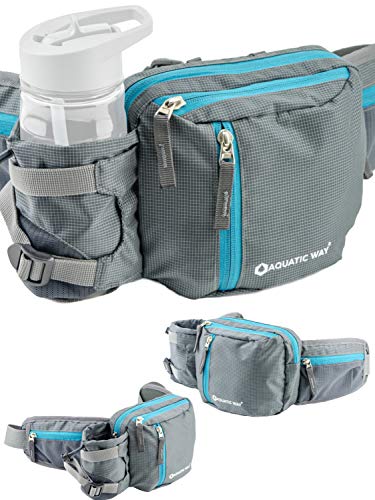
Top Hiking Waist Packs: Unearth the Best Choices in 2026

9 Best Camera Waist Pack - (2026 Top Picks)

Top Best Hydration Waist Pack 2026 - Best Reviews

Best Running Waist Pack With Water Bottle 2026 - 12 Most Loving
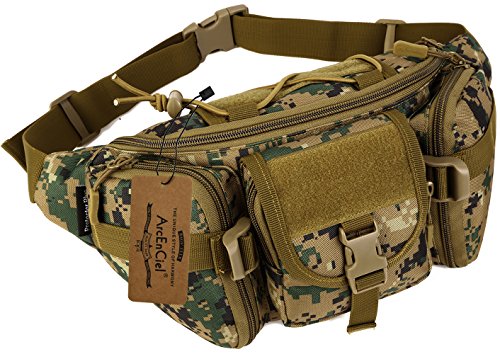
Top Best Waist Pack For Hunting (2026 Lastest)

Best Edc Waist Pack 2026 - 12 Best Rating