
How to Reset Any TSA Luggage Lock Safely

A fresh suitcase sits open across the bed while the factory number wheels rest on triple zeros. Setting your own code takes less than a minute: turn the dials to the active numbers, hold down the reset mechanism, roll to your new numbers, and release the catch to save it.
The exact steps depend on how your luggage secures itself. Built-in zipper locks usually use a tiny button you push with a ballpoint pen or a small sliding tab, while standalone padlocks rely on pressing down the metal loop at a right angle. You also need to know the active code to start, because an unopened lock will not clear. Identifying your lock style first prevents jammed dials and ensures your bag stays safely accessible for your trip.

- TLR Rank9.6
TLR Rank is a ranking system developed by TravelLuggageReviews.com. TLR Rank has no relationship or impact from any manufacturers or sales agent websites. Learn more
- BrandForge

- TLR Rank9.6
TLR Rank is a ranking system developed by TravelLuggageReviews.com. TLR Rank has no relationship or impact from any manufacturers or sales agent websites. Learn more
- BrandPuroma

- TLR Rank9.6
TLR Rank is a ranking system developed by TravelLuggageReviews.com. TLR Rank has no relationship or impact from any manufacturers or sales agent websites. Learn more
- BrandPuroma

- TLR Rank9.4
TLR Rank is a ranking system developed by TravelLuggageReviews.com. TLR Rank has no relationship or impact from any manufacturers or sales agent websites. Learn more
- BrandSURE LOCK

- TLR Rank9.4
TLR Rank is a ranking system developed by TravelLuggageReviews.com. TLR Rank has no relationship or impact from any manufacturers or sales agent websites. Learn more
- BrandForge

- TLR Rank9.4
TLR Rank is a ranking system developed by TravelLuggageReviews.com. TLR Rank has no relationship or impact from any manufacturers or sales agent websites. Learn more
- BrandPuroma
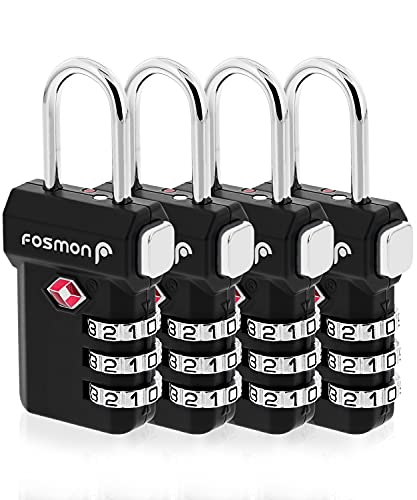
- TLR Rank9.2
TLR Rank is a ranking system developed by TravelLuggageReviews.com. TLR Rank has no relationship or impact from any manufacturers or sales agent websites. Learn more
- BrandFosmon

- TLR Rank8.6
TLR Rank is a ranking system developed by TravelLuggageReviews.com. TLR Rank has no relationship or impact from any manufacturers or sales agent websites. Learn more
- BrandMaster Lock
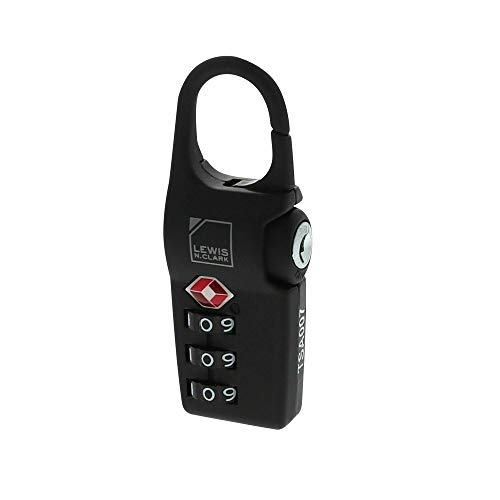
- TLR Rank8.6
TLR Rank is a ranking system developed by TravelLuggageReviews.com. TLR Rank has no relationship or impact from any manufacturers or sales agent websites. Learn more
- BrandLewis N. Clark
Last update on 2026-10-12 / Affiliate links / Images, Product Titles, and Product Highlights from Amazon Product Advertising API
Check your lock mechanism and confirm your starting code first
Luggage locks fail most often when travelers attempt a reset while the dials are between numbers or while the lock is still latched. Before touching any setting pin or lever, verify that the lock is currently open. If your suitcase is fresh from the store, the factory preset is almost always 0-0-0, or 0-0-0-0 on four-wheel models.
Align the numbers squarely with the indicator line on the lock body. Press the release latch or pull the metal U-shaped loop to confirm the mechanism opens freely. If the lock will not release at 0-0-0, check the paper tag or inner pocket slip that came with the suitcase to see if the brand set a different starting code.
Look closely at your luggage to determine which of the three primary lock styles you have. Built-in suitcase locks usually feature a tiny pin-sized button you push with a pen, or a flat sliding lever tucked along the bottom edge. Detachable padlocks usually rely on rotating the metal U-shaped loop into a special notch. Each style requires a different movement to engage the internal tumblers safely.
Never force the dials (the number wheels you spin) while setting a code. If the wheels resist turning, the reset mechanism is only half-engaged. Forcing a stuck wheel can shear the internal plastic pins, leaving your suitcase permanently locked right before you head to the terminal.
Use a ballpoint pen to set a recessed button lock
Most hard-shell suitcases and many structured fabric bags feature a built-in lock with a recessed button (a tiny pin-sized button you push with a pen). This small hole sits beside the number wheels or along the rim of the zipper slot. Follow these steps to change your combination without jamming the internal gears.
- Align the wheels to your active code: Spin the dials so your current working combination lines up with the center hash marks. If the lock is brand new, set it to 0-0-0.
- Depress the reset pin: Take a standard ballpoint pen, a paperclip, or a dull toothpick and press down firmly into the recessed hole. You will feel a light snap, and the button should stay pushed in on its own. Do not use a sharp needle or pencil tip that can snap off inside the lock.
- Roll the dials to your new code: Turn each wheel to your chosen combination one digit at a time. Keep the numbers centered on the indicator line so the internal teeth engage cleanly.
- Release the reset mechanism: Slide the main zipper release latch or push the large opening button as if you were opening the bag. The internal spring will kick the recessed button back out with a sharp click.
- Verify the combination before closing the bag: Do not insert the zipper pulls yet. Spin the dials to scramble the code, try sliding the release latch to confirm it stays firm, then return to your new combination to make sure the latch moves freely. Once confirmed, snap your zipper tabs into place.
Slide and hold the release lever to set a built-in switch lock
Many modern travel bags use a sliding lever instead of a push-button mechanism. You can find this switch on the underside of the lock housing, along the bottom edge, or directly beside the zipper slots. These designs avoid the need for a pen, but they require continuous pressure while you change the numbers.
- Open the lock with the current combination: Set the number wheels to your working code so the zipper pulls pop free. The reset switch will not budge if the wheels sit on the wrong digits.
- Find the reset lever: Look for a small switch often stamped with the letters A and B, or marked with the words OFF and SET. Some locks place this lever on the back panel inside the suitcase lining behind a zippered flap.
- Move the switch to the set position: Push the lever from position A to position B, or slide it in the direction of the setting arrow. On some compact locks, you must slide the main opening button all the way in the opposite direction and hold it there with your thumb throughout the next step.
- Spin your new numbers: While the switch rests firmly in the set position, roll the number wheels to your desired code. Ensure each digit rests flat against the alignment mark.
- Return the switch to the starting position: Push the lever back from B to A, or release your thumb pressure from the main slide. The lock is now mapped to your new sequence.
- Confirm the latch action: Push the opening lever back and forth several times while watching the catch teeth move. Scramble the numbers to verify the lock catches, then dial your new code to make sure it opens smoothly.
Rotate the metal loop ninety degrees to set a travel padlock
Detachable travel padlocks secure duffel bags, backpacks, and older luggage zippers using a rigid or flexible shackle (the metal U-shaped loop that latches into the body). These locks do not have buttons or side levers. Instead, the loop itself acts as the reset key.
- Turn the wheels to the open code: Align the active digits along the indicator line on the front or side of the lock body. Pull the metal loop straight up so the padlock pops open.
- Swing the loop ninety degrees: Turn the open loop ninety degrees counterclockwise away from the closed hole. On some models, the lock body features a small notch at either the 90-degree or 180-degree mark. Look for a tiny metal peg on the base of the loop post that matches this notch.
- Press the loop downward: Push the loop down into the body of the lock. You will feel a spring compress underneath. Keep holding downward pressure so the internal tumblers disengage from the number wheels.
- Turn the loop another ninety degrees if required: Depending on the lock brand, you may need to hold the loop down at the 90-degree mark, or rotate it a further 90 degrees while pressed down to lock it into the setting channel.
- Select your new combination: Spin the dials to your preferred numbers while keeping the loop seated in its lowered position. Make sure each wheel rests in a definite groove.
- Lift and return the loop: Pull the metal loop back up out of the reset notch and swing it back over the locking hole. Push it down into the latch to close the padlock.
- Scramble and confirm: Spin the number wheels away from your combination. Pull upward on the loop to ensure it stays locked, then dial your new numbers to confirm it releases instantly.
Ignore the keyhole because airport screeners carry the only master key
New suitcase owners frequently search their luggage lining or product packaging looking for a missing key. Your combination lock did not come with a key, and you do not need one to use the bag. That round cylinder (the keyhole meant only for airport security screeners) exists exclusively for official inspection personnel.
Transportation Security Administration officers and international screening authorities carry master tools that open these standardized locks without cutting them. When officers need to inspect checked luggage, they use their master key to bypass the combination, inspect the contents, and relock the bag before it heads to the airplane cargo hold. The combination you set remains completely unchanged after an inspection.
Many travel locks also feature a small inspection alert window. If a screener opens your lock with a master key, a tiny red indicator pops up inside the lock face to let you know the bag was opened during transit. You can reset that red indicator back to its hidden position using your personal combination once you retrieve your bag from the luggage carousel.
Try a systematic combination roll before you break your zipper pulls
Forgetting your combination or having a wheel slip during the reset process can induce sudden panic, especially when packing hours before a flight. Before you grab pliers or cut your bag zippers, try these practical recovery techniques.
Start with an adjacent number check. When setting a new code, your fingers can easily nudge a neighboring dial by one position. If your intended code was 4-2-8, try combinations like 5-2-8, 3-2-8, 4-3-8, or 4-2-9. Check one wheel at a time, moving one digit up and one digit down from your target code. This simple step resolves a large percentage of locked-out luggage issues.
If the adjacent check fails, run a methodical manual sweep. A standard three-dial lock has exactly 1,000 possible combinations, running from 0-0-0 to 9-9-9. While rolling through 1,000 combinations sounds overwhelming, you can test about fifty numbers per minute with steady hand movements. The entire sequence takes between fifteen and twenty minutes.
- Apply light tension: Hold the suitcase zipper release lever in the open position with your thumb, or pull lightly upward on the metal loop of a padlock.
- Start at zero: Set the wheels to 0-0-0 and roll the right-hand wheel through digits zero through nine while keeping gentle pressure on the latch.
- Advance the middle wheel: Move the middle wheel to 1, then cycle the right wheel from zero through nine again.
- Feel for the gate: Keep consistent thumb pressure on the release latch. When a wheel hits its correct internal slot, you will often feel the wheel turn slightly looser, or the main latch will give a tiny fraction of an inch before clicking open entirely.
Never shove a small screwdriver, knife blade, or hairpin into the security keyhole. That cylinder uses delicate pins designed strictly for screener keys. Forcing metal tools into the keyhole will twist the internal plug out of round, permanently jamming the latch and leaving you with no choice but to clip the zipper sliders off your bag.
Pick reliable luggage hardware to avoid airport travel headaches
When an old luggage lock jams repeatedly or the number wheels become stiff, replacing the hardware or choosing bags with well-designed locking systems saves significant travel stress. Reliable travel gear protects your belongings while ensuring airport screeners can access your bag without damaging the closure.
If you prefer a suitcase with integrated security, look for a frequent flyer carry-on with a lock mounted flush against the bag exterior. Recessed locks that sit flat against a tough hard shell or sturdy woven fabric avoid direct impact from baggage conveyor belts and overhead bin walls. High-contrast white numbers stamped on dark dials are much easier to read in dim airplane cabins than shiny chrome-on-chrome wheels.
For bags that need external security, standalone travel padlocks made from zinc alloy or reinforced steel hold up well against rough airport handling. If you travel with sensitive electronics or work documents, choosing a dedicated carry-on with an accessible laptop compartment allows you to keep high-value items within arm's reach while your main packing compartment stays locked down. When checking larger bags for business trips, pairing durable checked luggage with an open-alert combination lock gives you immediate visual proof if screening staff opened your case during transit.
Check the dial action before each trip. Good luggage wheels turn with crisp, distinct detents that seat firmly on every digit. If the wheels begin to drift between numbers on their own or drag against the housing, replace the lock before your next trip to prevent accidental lockouts on the road.
FAQs
What is the default factory code on a brand new TSA luggage lock?
The standard factory preset for almost every travel lock is 0-0-0 on three-dial styles, or 0-0-0-0 on four-dial styles. A few specialty luggage makers occasionally ship bags set to 9-9-9, but this is rare. If the default numbers do not release the latch on a brand-new bag, inspect the user manual or product tag tucked inside the interior lining for model-specific instructions.
Can you reset a TSA lock if you completely forgot the current combination?
You cannot reset the lock without first opening it using the active combination. The reset pin, lever, or shackle notch remains mechanically blocked until the correct numbers align. Your only safe recovery option is rolling through the combinations systematically from 0-0-0 upward, or taking the bag to a luggage repair shop where an authorized technician can assist you.
Why will the dials on my suitcase lock not turn after setting a new code?
This problem happens when the reset button or lever did not snap completely back into its operating position after you entered the numbers. If the reset mechanism remains half-depressed, the internal gears stay pinched against the wheels. Firmly push the main zipper release latch or slide the opening switch back and forth to force the reset pin to pop flush with the casing.
What does a red dot or pop-up indicator mean on a TSA lock?
A red indicator popping out from the lock body signals that an airport security officer opened your bag using an official master key during screening. It provides visual confirmation that your luggage was inspected between check-in and the baggage carousel. You can reset the indicator back inside the lock by turning the wheels to your personal code and sliding the main opening latch.


11 Best Framed Luggage of 2026 For Zipperless Security

11 Best Folding Two Wheeler For Luggage of 2026 To Prevent Tipping

11 Best Expandable Roller Luggage of 2026 That Fit Overhead Bins

10 Best Fishing Rod Luggage of 2026 To Protect Fragile Blanks

10 Best Feminine Luggage of 2026 For Chic and Durable Travel
11 Best Female Carry On Luggage of 2026 For Easy Overhead Lifting
11 Best Fashion Carry On Luggage of 2026 With Durable Shells

10 Best Fabric Spinner Luggage Carry On of 2026 To Avoid Gate Checks









