
How to Travel From Milan to Lake Como by Train in 2026

Getting to Lake Como from Milan is straightforward and nothing to stress over. Taking a direct train is the fastest way to make the trip, putting travelers right on the water in about 40 to 60 minutes. Reaching the main lakeside city means taking a train to Como San Giovanni, while heading toward Bellagio and the central shoreline works best on the line to Varenna-Esino.
The exact route changes depending on where the day begins and ends. Milano Centrale runs quick trains up to Varenna, but Milano Cadorna might sit closer to certain hotels and drops passengers right into Como town. Carrying heavy rolling suitcases also makes a difference, since catching a connecting foot ferry requires a short walk down to the boat docks. Matching the train stop to the right lake village is all it takes to keep the journey simple.

- TLR Rank10.0
TLR Rank is a ranking system developed by TravelLuggageReviews.com. TLR Rank has no relationship or impact from any manufacturers or sales agent websites. Learn more
- BrandN/A

- TLR Rank9.2
TLR Rank is a ranking system developed by TravelLuggageReviews.com. TLR Rank has no relationship or impact from any manufacturers or sales agent websites. Learn more
- BrandRick Steves

- TLR Rank9.2
TLR Rank is a ranking system developed by TravelLuggageReviews.com. TLR Rank has no relationship or impact from any manufacturers or sales agent websites. Learn more
- BrandDK

- TLR Rank9.0
TLR Rank is a ranking system developed by TravelLuggageReviews.com. TLR Rank has no relationship or impact from any manufacturers or sales agent websites. Learn more
- BrandDK

- TLR Rank9.0
TLR Rank is a ranking system developed by TravelLuggageReviews.com. TLR Rank has no relationship or impact from any manufacturers or sales agent websites. Learn more
- BrandLonely Planet

- TLR Rank8.8
TLR Rank is a ranking system developed by TravelLuggageReviews.com. TLR Rank has no relationship or impact from any manufacturers or sales agent websites. Learn more
- BrandMajosta

- TLR Rank8.2
TLR Rank is a ranking system developed by TravelLuggageReviews.com. TLR Rank has no relationship or impact from any manufacturers or sales agent websites. Learn more
- BrandMajosta
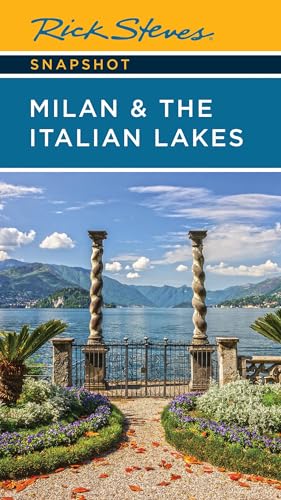
- TLR Rank7.4
TLR Rank is a ranking system developed by TravelLuggageReviews.com. TLR Rank has no relationship or impact from any manufacturers or sales agent websites. Learn more
- BrandRick Steves

- TLR Rank-
TLR Rank is a ranking system developed by TravelLuggageReviews.com. TLR Rank has no relationship or impact from any manufacturers or sales agent websites. Learn more
- BrandN/A

- TLR Rank-
TLR Rank is a ranking system developed by TravelLuggageReviews.com. TLR Rank has no relationship or impact from any manufacturers or sales agent websites. Learn more
- BrandN/A

- TLR Rank-
TLR Rank is a ranking system developed by TravelLuggageReviews.com. TLR Rank has no relationship or impact from any manufacturers or sales agent websites. Learn more
- BrandN/A
Last update on 2026-10-23 / Affiliate links / Images, Product Titles, and Product Highlights from Amazon Product Advertising API
Choosing the Right Train Line: Como San Giovanni Versus Varenna-Esino
Picking your train route depends entirely on which part of Lake Como you plan to visit first. The lake resembles an upside-down letter Y, with two southern branches separated by a mountainous peninsula. The city of Como sits at the tip of the southwestern branch, while the village of Varenna rests along the eastern shore in the central lake area. Boarding the wrong train out of Milan sends you to the wrong side of the water, which can turn a quick morning trip into an exhausting two-hour detour.
If your hotel is in Como city or you want grand villas and historic silk shops, head toward Como town. You have two main rail options from Milan. The fastest choice departs from Milano Centrale station and arrives at Como San Giovanni in roughly forty minutes. Trenitalia operates this route, running both EuroCity express trains and a Regionale (a regular local commuter train with unreserved seating). Como San Giovanni sits on a hill just west of the city center. You walk down a set of public stairs and through town streets for about ten minutes to reach the lakefront and the boat piers.
The second option for Como town leaves from Milano Cadorna station, operated by the regional rail network Trenord. These trains arrive at Como Nord Lago station in just under an hour. Como Nord Lago sits directly beside the water, so you step off the train onto flat pavement only steps from the boat ticket office. If your Milan hotel is near the Duomo, the Sforza Castle, or the Cadorna metro stop, this is often the most relaxing way to reach the southern end of the lake.
If you want the classic postcard views of pastel houses stacked on steep hillsides, buy a ticket to Varenna-Esino instead. These trains depart exclusively from Milano Centrale, running along the eastern lake shore toward Tirano or Sondrio. The ride takes just over an hour on a standard Regionale train. Varenna-Esino serves as the main gateway to the central lake district, giving you immediate access to ferries heading across the water to Bellagio and Menaggio.
Always check your ticket type before boarding any regional train in Italy. If you buy a physical paper ticket at a station counter or kiosk, you must complete the convalida (stamping your paper ticket in a machine before boarding) using the small yellow or green validation boxes near the tracks. Riding with an unstamped paper ticket can lead to a steep cash fine from the train conductor. If you purchase your regional ticket on a mobile app, you must activate the digital check-in button on your phone before the train departs.
Reaching Bellagio: Step-by-Step From Milan by Rail and Ferry
Many travelers try to buy a direct train ticket to Bellagio, only to discover that the village has no train tracks. Bellagio sits on the promontory right where the three branches of the lake meet. While you could take a train to Como town and catch a public bus up the winding shoreline road, that bus ride often gets stuck in bumper-to-bumper traffic on narrow curves. The smoothest, most scenic route pairs a train to Varenna with a quick passenger boat across the water.
- Catch the train at Milano Centrale: Look at the main station departure boards for a train with a final destination of Tirano, Sondrio, or Colico. Varenna is an intermediate stop, so you will rarely see the name Varenna on the overhead departure screen. Board your assigned Regionale train and find any open seat.
- Exit at Varenna-Esino station: The train ride takes roughly an hour and passes through several long tunnels along the edge of the mountains. Listen for the station announcements or follow your progress on your phone map. Gather your bags early, because trains pause at small village stations like Varenna for only two minutes.
- Walk down to the ferry landing: Step out of the small brick station building and follow the paved pedestrian path heading downhill toward the lake. The walk takes about five to eight minutes along a clearly marked walkway that leads past gardens, small cafes, and the local harbor.
- Purchase your boat ticket: Walk up to the waterfront ticket desk and ask for a one-way or round-trip ticket to Bellagio. You will board either a battello (a foot-passenger boat) or a traghetto (a public car and passenger ferry). Both carry walk-on travelers across the central lake.
- Disembark at Bellagio: The boat ride takes fifteen minutes. You cross the open water with sweeping views of the surrounding peaks and grand waterfront estates. The boat docks right at the foot of Bellagio's main cobblestone stairs, placing you steps from hotels, restaurants, and shops.
Before locking in tight connections, check what is a travel waiver to see if your travel reservations cover missed connections or schedule changes. Giving yourself a thirty-minute cushion between train arrivals and boat departures prevents stressful sprints down the hill.
Driving Versus Taking the Train: Mountain Curves and Parking Traps
Renting a car at Milan Malpensa or Milan Central station might seem like an easy way to explore Lake Como at your own pace. On a map, the drive looks straightforward. In reality, driving around the lake creates significant stress for most visitors, especially during spring, summer, and autumn.
The roads flanking Lake Como, such as the western SS340 and the eastern SP72, were built centuries ago along cliff walls. In many stretches, the pavement narrows to a single lane where two cars cannot pass without one pulling onto a narrow gravel shoulder. You will frequently share these tight curves with wide delivery trucks, passenger buses, and local scooters. Side mirrors often pass within inches of ancient stone retaining walls, and blind corners require constant horn tapping to alert oncoming drivers.
Parking is the largest headache for drivers. Historic lake towns like Bellagio, Varenna, and Menaggio have very little flat land, meaning parking spaces are scarce. Paid parking lots often fill completely by nine in the morning during high season. Once the lots are full, police turn away outside traffic. Even worse, many village centers operate strict limited traffic zones, marked as ZTL areas. If you accidentally drive past a ZTL sign looking for a parking spot, automated overhead cameras record your license plate, resulting in heavy automated fines mailed to your home months later.
Taking the train removes these obstacles entirely. Trains run on fixed schedules, bypass all shoreline traffic jams, and cost only a few euros per ticket. You step off the train directly into town without paying steep daily parking garage fees or navigating tight mountain turns. A simple carry-on bag that fits in the overhead bin makes getting on and off the rail carriages easy. Unless you are staying at an isolated mountain villa far from the water, public transit beats driving in every practical category.
Navigating the Ferry Docks: Schedules, Tickets, and Boarding
Once you reach the lakefront, public ferries run by Gestione Navigazione Laghi become your primary transit system. The boats link all the major towns, allowing you to glide between Varenna, Menaggio, Bellagio, and Cadenabbia without touching a car. Understanding how the boat docks work will keep you from standing in the wrong line or boarding a vessel heading the wrong direction.
The ferry company operates three main styles of vessels. Standard foot-passenger boats offer leisurely rides with open-air top decks that let you take photos of the hillsides. Larger vehicle ferries carry cars across the central lake, but they also welcome walk-on foot passengers on their lower and upper viewing decks. The third style is the fast hydrofoil, known locally as the aliscafo. Hydrofoils travel at high speeds to connect distant towns like Como and Colico, but they require a seat surcharge and have limited space for luggage.
Keep this quick ferry checklist in mind before you line up at the dock:
- Match your boat to your ticket: Check whether your paper pass covers a standard passenger boat or a fast hydrofoil, as standard tickets will not let you board a hydrofoil without paying an extra fee.
- Read the overhead dock signs: Ferry docks usually have multiple numbered piers, so confirm which gate serves your destination before joining a crowd.
- Buy tickets early in the day: Purchase all your daily ferry tickets or a central lake day pass during your morning transfer to avoid waiting in thirty-minute ticket lines in the hot afternoon sun.
- Store large luggage on the entry deck: Place heavy wheeled bags in the open luggage racks near the boat entrance doors rather than dragging them up narrow stairs to the observation deck.
If you travel with a family dog, remember that pets are welcome on public lake boats and regional trains as long as they stay on a leash and wear a muzzle when asked. Review where to get a health certificate for pet travel ahead of time so your paperwork stays in order for all transit checks.
Why a Physical Travel Guide and Pocket Map Help on Lake Como
Mobile phones make travel navigation convenient, but relying only on cellular data around Lake Como can leave you stranded. The train tracks from Milan cut through deep granite mountains, causing your cell signal to drop out repeatedly along the eastern shoreline. Once you reach the lake villages, narrow stone alleys, tall stone villas, and steep mountain valleys frequently block mobile internet reception. Running map applications also drains phone batteries quickly while you take photos across the water.
A printed pocket guidebook and a detailed regional map serve as reliable backups that work everywhere. When you choose a travel guide for Lake Como, look for a lightweight, compact edition that fits easily inside a daypack or jacket pocket. Thick, heavy hardcovers add unnecessary weight when walking up steep stone steps.
Verify that your guide includes a clear ferry connection diagram showing direct routes between mid-lake villages. It should also feature detailed pedestrian street maps that clearly mark public stairways and pedestrian-only lanes, which standard driving maps often overlook. Having a physical map in your hands lets you glance at village layouts, identify public restroom locations, and confirm boat dock numbers without searching for a cellular signal.
FAQs
Do I need to book my regional train tickets to Lake Como weeks in advance?
No, standard regional train tickets have fixed prices and unreserved seating, meaning the price stays the same whether you buy tickets weeks early or ten minutes before departure. However, buying your ticket through the official rail app on the morning of your trip saves you from waiting in long kiosk lines at busy Milan stations. If you choose an express EuroCity train to Como San Giovanni, booking in advance guarantees you an assigned seat.
What should I do if I forget to validate my train ticket before boarding?
If you realize your paper ticket is unstamped after stepping onto the train, seek out the train conductor immediately before they come through to check passengers. Explain politely that you could not locate the validation machine on the platform, and ask the conductor to stamp your ticket manually. Waiting until the conductor inspects your ticket at your seat usually results in an automatic fine.
Can I bring luggage and strollers on the trains and ferries?
Yes, Italian regional trains offer overhead racks for small carry-on bags and open floor areas near the carriage doors for larger suitcases and folded strollers. Public lake ferries also accommodate bags, though you must carry your own gear across boarding gangways and down stone stairs. Packing light makes a noticeable difference, as almost every lake village features steep cobblestone climbs leading up from the waterfront.


Best Affordable Carry On Luggage 2026 - 11 Most Loving

The 12 Best Carry On Luggage For Bad Back 2026 - Top Choices

Best Tandem Double Buggy 2026 - 11 Best Rating

Top 12 Kids Rolling Suitcases for Fun and Easy Travel

The Ultimate Guide to Choosing the Best 8 Wheel Suitcase

Best Lightest carry on luggage with wheels in 2026

Top Airport Traveling Suitcases: Our 11 Best Picks

The Best Prams For Rough Terrain - (2026 Top Choice)










