
How to Travel to Alaska by Plane, Road, or Sea

Getting to Alaska comes down to four clear routes: flying into a major hub, booking a coastal cruise, driving through Canada, or taking the state ferry. Available travel time changes that choice immediately. A nonstop flight from the West Coast takes only a few hours, while driving or sailing requires several days. Air travel provides the fastest arrival, while highways and sea lanes turn the journey itself into a scenic adventure.
Your destination and vehicle plans also shape the trip. Huge parts of Alaska, including the capital city of Juneau, have no road connections to the outside world, making planes and boats the only ways in. Bringing a personal camper or car requires either a long drive across the Canadian border or a reserved vehicle spot on the water. Here is how each option works so you can pick the easiest route for your schedule.

- TLR Rank10.0
TLR Rank is a ranking system developed by TravelLuggageReviews.com. TLR Rank has no relationship or impact from any manufacturers or sales agent websites. Learn more
- BrandN/A

- TLR Rank9.6
TLR Rank is a ranking system developed by TravelLuggageReviews.com. TLR Rank has no relationship or impact from any manufacturers or sales agent websites. Learn more
- BrandN/A

- TLR Rank9.4
TLR Rank is a ranking system developed by TravelLuggageReviews.com. TLR Rank has no relationship or impact from any manufacturers or sales agent websites. Learn more
- BrandN/A

- TLR Rank9.0
TLR Rank is a ranking system developed by TravelLuggageReviews.com. TLR Rank has no relationship or impact from any manufacturers or sales agent websites. Learn more
- BrandFodor's Travel
- TLR Rank9.0
TLR Rank is a ranking system developed by TravelLuggageReviews.com. TLR Rank has no relationship or impact from any manufacturers or sales agent websites. Learn more
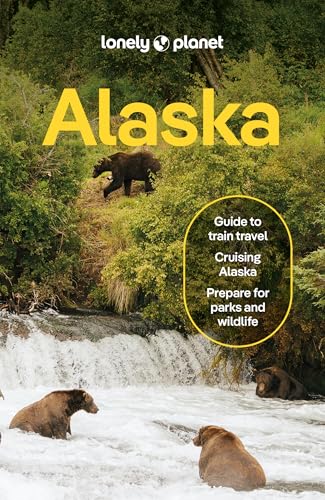
- BrandLonely Planet

- TLR Rank8.6
TLR Rank is a ranking system developed by TravelLuggageReviews.com. TLR Rank has no relationship or impact from any manufacturers or sales agent websites. Learn more
- BrandMajosta

- TLR Rank8.4
TLR Rank is a ranking system developed by TravelLuggageReviews.com. TLR Rank has no relationship or impact from any manufacturers or sales agent websites. Learn more
- BrandN/A

- TLR Rank-
TLR Rank is a ranking system developed by TravelLuggageReviews.com. TLR Rank has no relationship or impact from any manufacturers or sales agent websites. Learn more
- BrandN/A

- TLR Rank-
TLR Rank is a ranking system developed by TravelLuggageReviews.com. TLR Rank has no relationship or impact from any manufacturers or sales agent websites. Learn more
- BrandMajosta
Last update on 2026-10-21 / Affiliate links / Images, Product Titles, and Product Highlights from Amazon Product Advertising API
Comparing the Four Ways to Reach Alaska
Planning a trip to Alaska can feel overwhelming because the state is massive and sits thousands of miles from the contiguous United States, often called the lower 48. Your choice comes down to your available vacation days, your budget, whether you want your own vehicle, and which regions you plan to see.
The four main transit routes are flying, taking a commercial cruise, driving the highway through Canada, and riding the state ferry. Flying takes a few hours from West Coast hubs like Seattle, giving you maximum days on the ground to hike, fish, or tour parks. But once you land, you must rent a car or pay for guided tour buses to travel between towns.
Cruising offers a scenic path along the coast with all meals and lodging included, but ships stay on tight schedules and stop in port towns for only a few hours. Driving allows you to bring your own vehicle, camping gear, and pets, but the road journey requires at least a week of steady travel each way. The state ferry lets you bring your car by sea, but it runs on limited schedules and takes several days on the water.
Flying into Anchorage, Fairbanks, and Juneau
Flying is the fastest option for travelers with two weeks or less to spend. Most flights from the lower 48 connect through Seattle, Minneapolis, or Salt Lake City before landing at one of three gateway airports.
Anchorage hosts Ted Stevens Anchorage International Airport, the busiest hub in the state. Anchorage connects directly to the paved highway system. From the airport terminal, you can rent a car or board the Alaska Railroad. You can easily drive south along the Seward Highway to the Kenai Peninsula or travel north toward Denali National Park.
Fairbanks International Airport sits further north in the central Interior region. Flying to Fairbanks works best if your main goal is viewing the northern lights between September and April, or driving the rugged Dalton Highway toward the Arctic. Fairbanks also serves as an easy staging point for visiting the northern entrance of Denali.
Juneau, the state capital, sits in Southeast Alaska. Unlike most capitals, no roads connect Juneau to the outside world. Steep coastal mountains and ocean fjords block road building, so you can only reach the city by plane or boat. Flying into Juneau gives you fast access to glaciers, whale watching, and coastal rainforests, but you cannot drive from Juneau to Anchorage or the rest of the highway grid.
Cruising the Inside Passage Coastal Sea Route
A cruise travels along the Inside Passage, which is a coastal sea route shielded by islands that keeps ocean waters calmer than the open sea. This route winds past green islands, tall fjords, and coastal glaciers in Southeast Alaska.
Most cruise lines offer two primary route styles. Round-trip cruises depart from Seattle or Vancouver, British Columbia, travel north through the Inside Passage, and return to the same port seven days later. Common stops include Ketchikan for totem poles and salmon creeks, Juneau for glacier tours, and Skagway for Gold Rush history. These trips are simple to plan, but they do not reach interior destinations like Denali.
One-way cruises, often called Gulf of Alaska routes, sail between Vancouver and ports south of Anchorage, such as Whittier or Seward. These seven-day sailings let you combine sea transit with land travel. Once you disembark, you can take a bus or train to Anchorage, rent a car, and spend an extra week exploring the interior road system.
While cruises handle your lodging and meals, they limit your independence. Port visits last only four to ten hours, leaving little time to explore off the beaten path.
Driving the Alaska Highway: Essential Steps for the Road
Driving to Alaska from the lower 48 is a memorable road journey. The Alaska Highway officially starts in Dawson Creek, British Columbia, and runs over 1,300 miles northwest to Delta Junction, Alaska. Including the drive to the Canadian border, the round trip can easily cover 5,000 miles. Following these practical steps keeps your trip safe and organized:
- Check your border paperwork and travel eligibility. Driving requires passing through Canada, so every passenger needs a valid passport book or card. Canadian border officials enforce strict entry rules regarding criminal records, and personal handguns are not permitted across the border.
- Inspect your vehicle and pack a full-size spare tire. Northern highways feature frost heaves, which are sudden bumps and dips in the road caused by underground ice freezing and thawing. Flying gravel thrown by passing trucks can crack windshields or slice tire sidewalls, making a full-size spare tire essential.
- Refill your fuel tank whenever it reaches half. Gas stations along remote stretches of British Columbia and the Yukon Territory can be spaced 100 to 150 miles apart. Small rural stations sometimes close without notice due to power cuts, so letting your fuel run low creates unnecessary risk.
- Inspect and secure your towing gear daily. If you pull a camper, road vibrations along rough pavement can loosen hitch pins, safety chains, and cabinet doors. Understanding what is a travel trailer setup and maintenance helps protect your equipment across thousands of miles of rough road.
- Download offline navigation maps before you lose cell service. Mobile phone coverage disappears for entire driving days along the Alaska Highway and the alternative Cassiar Highway. Saving offline maps on your phone ensures you can locate rest stops and track distances without relying on cellular data.
- Pack cold-weather emergency supplies, food, and water. Mountain passes in northern Canada can see freezing temperatures and sudden snow showers even in mid-summer. Keep warm blankets, drinking water, and shelf-stable food in your vehicle in case a mechanical failure leaves you waiting for roadside assistance.
Riding the Alaska Marine Highway Ferry System
The Alaska Marine Highway is a public ferry system for passengers and cars operated by the state of Alaska. It serves as a marine roadway for coastal towns cut off from the main road grid. Unlike commercial cruise liners, these state vessels offer practical transit for residents, travelers, and vehicles.
The primary southern departure port is Bellingham, Washington, located north of Seattle. Another convenient boarding point is Prince Rupert in British Columbia. From these terminals, ferries travel north through the Inside Passage, stopping at Ketchikan, Wrangell, Petersburg, Juneau, Haines, and Skagway.
The main advantage of the ferry is vehicle transport. You can drive your car, truck, camper, or motorcycle directly onto the vehicle deck. When the ferry docks in Haines or Skagway, you drive off the vessel and connect directly to the interior highway grid. This bypasses thousands of highway miles through Canada while keeping your own vehicle for the trip.
Accommodations on the ferry are simple. Travelers can reserve private cabins with beds and bathrooms, but these sell out months ahead. Many budget passengers sleep on reclining chairs inside heated observation lounges or set up tents directly on the outdoor solarium deck using duct tape to anchor against sea breezes. The ferries provide hot showers, baggage lockers, and cafeterias.
Entry Rules, Border Passes, and Weather Windows
Because Alaska is separated from the lower 48 by Canada, entry rules depend on your mode of transport.
- Flying on a domestic flight: Direct flights between the lower 48 and Alaska do not pass through foreign customs. You only need a Real ID compliant driver's license or standard passport to clear airport security. If you are reviewing your identification options, reading where to travel without a US passport clarifies rules for domestic travel.
- Driving through Canada or cruising with Canadian ports: A valid passport book or passport card is mandatory for everyone in your party. Canada enforces strict entry rules, barring travelers with past criminal convictions such as drunk driving unless granted special government entry permits.
- Crossing borders with pets: Dogs and cats crossing into Canada require an official rabies vaccination certificate signed by a veterinarian. Reviewing where to get a health certificate for pet travel before leaving helps ensure your animal documentation meets both Canadian and US border rules.
- Summer window (June through August): Long daylight hours, warm weather in the 60s and 70s, and fully running tours make this the most popular season. Expect larger crowds, peak lodging rates, and mosquitoes in low-lying areas.
- Shoulder season (May and September): Fall colors, active wildlife, and lower lodging prices highlight these months. Temperatures drop quickly, snow is possible on high passes, and many seasonal tours shut down after Labor Day.
- Winter window (October through April): Ideal for northern lights viewing and snow activities. Driving demands winter tires, an engine block heater, and preparation for icy roads and sub-zero conditions.
Why a Physical Route Guide Matters on the Road
Carrying a printed travel guide or paper road atlas is essential when traveling to Alaska. While smartphones work well in major cities, cellular reception vanishes across hundreds of miles of northern highways and ferry routes. A printed book remains readable when mobile batteries die or cell towers disappear.
Before picking a travel guide, look for an edition with clear milepost markers, elevation charts, and up-to-date service lists. A reliable guide points out open fuel stations, rest areas, campgrounds, and repair shops along remote roads. It also details driving distances between settlements, helping you pace your travel safely each day without getting stranded after dark.
FAQs
Do I need a passport to visit Alaska?
A passport is not required if you fly directly between Alaska and another US state. You only need a Real ID compliant driver's license or other approved domestic ID. A valid passport or passport card is mandatory if you drive through Canada, board a ferry that stops in Canada, or take a cruise that starts or stops in a Canadian port.
What is the fastest and easiest way to travel to Alaska?
Flying is the fastest option. Nonstop flights from West Coast cities like Seattle reach Anchorage in under four hours. This eliminates days of transit time, leaving you more vacation days to explore parks, view glaciers, and experience local culture.
Can I drive my own car from the lower 48?
Yes, you can drive your personal car or truck across Canada along the Alaska Highway. The route is paved, but you will encounter frost heaves, gravel construction zones, and chip-seal surfaces. Expect the road trip to take at least five to seven days of driving each way from the northern US border.
How does the Alaska ferry system work?
The state ferry system carries passengers and vehicles between coastal communities that lack connecting roads. You can load your vehicle in Bellingham, Washington, or Prince Rupert, Canada, and travel along the Inside Passage. Once the ferry arrives at road-connected ports like Haines or Skagway, you drive off and continue into the interior on paved highways.
See also: how much does it cost to travel to alaska.


Best Affordable Carry On Luggage 2026 - 11 Most Loving

The 12 Best Carry On Luggage For Bad Back 2026 - Top Choices

Best Tandem Double Buggy 2026 - 11 Best Rating

Top 12 Kids Rolling Suitcases for Fun and Easy Travel

The Ultimate Guide to Choosing the Best 8 Wheel Suitcase

Best Lightest carry on luggage with wheels in 2026

Top Airport Traveling Suitcases: Our 11 Best Picks

The Best Prams For Rough Terrain - (2026 Top Choice)










