
How to Travel to the Great Wall of China from Beijing in 2026

A traveler sits in a Beijing hotel lobby staring at a sprawling transit map, trying to figure out which mountain ridge connects to the city rails. Getting to the stone ramparts is easiest by taking a direct tourist bus or high-speed rail out to Mutianyu or Badaling. Most visitors head straight for Mutianyu because it offers smooth cable car rides and manageable crowds about ninety minutes north of downtown.
The right route for your trip depends on your walking comfort, how much time you have, and your overall travel style. Fast trains zip straight to Badaling for visitors on quick airport layovers, while private cars give families a direct ride to Mutianyu's quieter stone stairs. Different outposts require very different transit plans, and the steps below will help you pick the right path.

- TLR Rank9.2
TLR Rank is a ranking system developed by TravelLuggageReviews.com. TLR Rank has no relationship or impact from any manufacturers or sales agent websites. Learn more
- BrandFodor's Travel

- TLR Rank9.2
TLR Rank is a ranking system developed by TravelLuggageReviews.com. TLR Rank has no relationship or impact from any manufacturers or sales agent websites. Learn more
- BrandDK

- TLR Rank8.0
TLR Rank is a ranking system developed by TravelLuggageReviews.com. TLR Rank has no relationship or impact from any manufacturers or sales agent websites. Learn more
- BrandLonely Planet

- TLR Rank2.0
TLR Rank is a ranking system developed by TravelLuggageReviews.com. TLR Rank has no relationship or impact from any manufacturers or sales agent websites. Learn more
- BrandN/A

- TLR Rank-
TLR Rank is a ranking system developed by TravelLuggageReviews.com. TLR Rank has no relationship or impact from any manufacturers or sales agent websites. Learn more
- BrandN/A
- TLR Rank-
TLR Rank is a ranking system developed by TravelLuggageReviews.com. TLR Rank has no relationship or impact from any manufacturers or sales agent websites. Learn more
- BrandN/A

- TLR Rank-
TLR Rank is a ranking system developed by TravelLuggageReviews.com. TLR Rank has no relationship or impact from any manufacturers or sales agent websites. Learn more
- BrandN/A

- TLR Rank-
TLR Rank is a ranking system developed by TravelLuggageReviews.com. TLR Rank has no relationship or impact from any manufacturers or sales agent websites. Learn more
- BrandMajosta

- TLR Rank-
TLR Rank is a ranking system developed by TravelLuggageReviews.com. TLR Rank has no relationship or impact from any manufacturers or sales agent websites. Learn more
- BrandMajosta

- TLR Rank-
TLR Rank is a ranking system developed by TravelLuggageReviews.com. TLR Rank has no relationship or impact from any manufacturers or sales agent websites. Learn more
- BrandN/A
Last update on 2026-10-23 / Affiliate links / Images, Product Titles, and Product Highlights from Amazon Product Advertising API
Which Great Wall section should you visit?
Choosing the right section shapes your entire trip. The wall stretches for thousands of miles across northern China, but the sections near Beijing offer the most reliable transit, safety railings, and visitor amenities. Picking the best match depends on your walking ability, the crowds you want to handle, and how much time you have.
Mutianyu is the top recommendation for most travelers. Located about 45 miles northeast of Beijing, it features fully restored watchtowers winding along lush green mountain ridges. It draws far fewer large domestic tour groups than Badaling, making it much more pleasant to walk. Visitors can ride an enclosed cable car to the high ridge, or take an open chairlift up and ride a toboggan (a small wheeled cart on a metal chute used to ride down the mountain) back to the base.
Badaling is the most famous and crowded section. It sits roughly 40 miles northwest of the city center and connects directly to Beijing via public rail. The paths here are wide, paved, and equipped with handrails and wheelchair ramps along lower sections. But Badaling frequently reaches maximum visitor capacity on weekends and public holidays, resulting in shoulder-to-shoulder crowds that make steady walking difficult.
Simatai and Jinshanling appeal to travelers seeking rugged scenery and longer hikes. Jinshanling lies about 80 miles from central Beijing and offers a striking mix of restored ramparts and wild, crumbling brickwork. Simatai sits adjacent to Gubei Water Town and is the only section open for organized night tours along illuminated battlements. Both require a two to three-hour drive each way and demand strong knees for steep, uneven stone steps.
How do you get to the wall from Beijing?
Getting from the city center to the mountains requires choosing between public trains, direct shuttle buses, or hired cars. In 2026, transit links are reliable and well-marked, but each method requires a different level of planning.
- Ride the high-speed bullet train to Badaling. A bullet train (a high-speed rail connecting central stations to the wall) runs from Beijing North Railway Station or Qinghe Station directly to Badaling Great Wall Station. The train ride takes roughly 20 to 30 minutes. Once you step off the train, the underground station exit brings you within a five-minute walk of the park ticket gate and cable car entrance.
- Take a direct tourist bus to Mutianyu. Dedicated morning buses depart directly from major transit hubs in central Beijing, such as Dongzhimen Station and Qianmen Station. These private and municipal lines run non-stop to the Mutianyu visitor center in about 90 minutes. They drop you off at the main service area where you transfer to the internal shuttle bus.
- Use local public bus 916 Express for budget transit. Budget travelers can catch bus 916 Express from Dongzhimen Transport Hub to Huairou North Street. From Huairou, you must switch to a local minibus or hail a licensed taxi for the final 20-minute ride to the Mutianyu gate. This route takes around two hours total but runs frequently throughout the entire day.
- Hire a licensed private driver for flexible door-to-door service. You can arrange a private car through your hotel concierge or a trusted rideshare service. The driver picks you up from your hotel lobby, waits in the parking lot while you hike, and drives you directly back. This option costs more than public transit, but it eliminates connection stress and saves significant walking time.
How do tickets and passport bookings work?
China operates an official real-name booking system (reserving tickets tied directly to your passport number) for nearly all major cultural sites. You cannot simply walk up to a ticket window and buy an anonymous paper pass. You must plan your ticket purchase before arriving at the gate.
- Reserve your entry slot online in advance. Both Badaling and Mutianyu enforce strict daily visitor caps. Book your tickets three to seven days early through official park booking platforms, authorized travel portals, or your hotel desk.
- Carry your physical passport with you on travel day. Turnstiles at the wall scan your physical passport data chip to grant entry. A photo of your passport on your phone will not open the automatic gates. Unlike trips closer to home where you might research where to travel without a US passport, entering China and visiting its national monuments strictly requires a physical passport valid for six months.
- Set up mobile digital payment tools before leaving the city. Most ticket booths, souvenir stalls, and food shops inside the scenic areas do not accept foreign cash cards or large banknotes. Download Alipay or WeChat Pay to your smartphone and link an international credit card before your trip. This setup allows you to pay for snacks, drinks, and locker rentals with a quick phone scan.
- Bundle your transportation add-ons into your entry pass. Entry to the wall only covers the walking path from the base. If you plan to ride the enclosed cable car, chairlift, or toboggan chute, purchase those add-on passes at the same time to avoid waiting in separate payment queues on the mountain.
Can you visit the wall during an airport layover?
Visiting the Great Wall during a flight stopover is entirely doable if you have a long layover in Beijing. China offers a policy known as visa-free transit (entering China without a tourist visa for short layovers) to citizens of dozens of countries passing through Beijing Capital or Beijing Daxing airports. This rule allows eligible travelers to leave the airport terminal and explore the region for up to 144 hours.
You must meet specific flight requirements to qualify for this entry permit. You must hold an onward international ticket to a third country or region, meaning your travel route must look like Country A to Beijing to Country C. A direct round-trip flight from your home country into Beijing and back to the same country does not qualify. If your international connection runs into delays or changes, knowing what is a travel waiver can help you protect your ticket when adjusting complex multi-leg flights.
Time management is critical when planning a layover hike. You need a layover of at least eight to nine hours to make the trip safely. Clearing customs, passing health inspections, and receiving your temporary transit stamp at the airport takes one to two hours. The drive from Beijing Capital Airport to the Mutianyu section takes approximately one hour each way by car.
Do not attempt public transit during a tight layover. Book a licensed airport taxi or rideshare app car, or hire a private driver waiting at arrivals with your name on a card. This ensures you spend two relaxing hours walking the wall before returning to the airport with at least two hours left to clear international departure security.
Which transit scams and travel traps should you avoid?
The journey from Beijing to the Great Wall is heavily traveled, which attracts unlicensed operators looking to take advantage of unfamiliar visitors. Knowing what to watch for keeps your day smooth, predictable, and safe.
Watch out for unlicensed drivers outside transit hubs. Men often linger near the subway exits at Dongzhimen or near railway ticket halls, aggressively offering cheap rides to the wall. These drivers often demand much higher fees halfway through the drive, or take you to undeveloped, remote sections without safety railings. Always use marked, official taxi queues or clear transit counters.
Beware of fake transit workers at major bus hubs. Con artists sometimes dress in blue coats or wear counterfeit transit badges around Dongzhimen bus station. They tell tourists that the public bus to Mutianyu is broken, canceled, or closed for the season, and point them toward an overpriced private minivan. Walk directly into the indoor bus depot bays to verify departure schedules for yourself.
Avoid cheap group bus tours sold by street promoters or informal brochure stands. These low-cost packages seem like bargains, but they often spend only an hour at the wall. The rest of the day is spent trapped at forced shopping stops, including jade showrooms, silk factories, and traditional herbal clinics where staff pressure visitors into expensive purchases. Book direct public transit or use reputable tour operators booked through your hotel.
Stay aware of personal items in dense crowds. Turnstile lines and cable car queues at Badaling get extremely tight. Keep your wallet, phone, and passport stored in a secure front pouch rather than an open backpack pocket to avoid pickpocketing or bag snatching during the boarding crush.
What travel resources should you carry before you go?
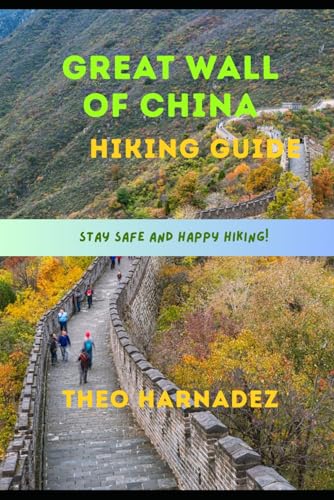
Navigating rural transit and historic mountain sites in China is much easier when you carry the right reference materials. A reliable printed travel guide or detailed regional map provides valuable backup if your smartphone loses cellular signal in deep mountain valleys or drains its battery in cold ridge winds. Having a physical book or booklet ensures you always have access to offline walking maps and essential details.
When selecting a guidebook or offline travel tool for this trip, check a few key points before you buy. Look for materials that print destination names in both English and Chinese characters. Being able to point to clear Chinese text for specific bus stops, train stations, and wall gates helps local bus drivers and taxi operators direct you to the right platform without translation errors.
Verify that your guide includes clear transit route maps for Beijing subways and high-speed rail lines. Choose compact paper editions that slide into an under-seat personal item or a small daypack without weighing down your hike. Practical layouts with step-by-step station instructions and clear trail descriptions will serve you better on the ramparts than dense historical overviews.
FAQs
Is the Great Wall open during bad weather?
The wall remains open through light rain, mist, and light snowfall. Park management will temporarily close steep sections, chairlifts, and toboggan rides during severe thunderstorms, heavy ice, or dense fog for visitor safety. Check morning weather reports and wear rubber-soled shoes with deep tread, as wet stone steps become extremely slippery.
Can you bring your own food and water?
Yes, you can bring your own snacks, fruit, and bottled drinks inside the park. Staying hydrated is essential during long climbs up stone stairs, and food stalls on the upper watchtowers charge significantly higher prices than downtown convenience stores. Pack two bottles of water and light snacks in your daypack, and be sure to carry all trash back down to the bins at the base.
How much walking and climbing should you expect?
Expect a moderate to strenuous physical workout regardless of which section you choose. Even if you ride the cable car to the top ridge, walking between watchtowers involves hundreds of uneven stone steps, steep ramps, and sudden changes in elevation. Visitors with knee issues or limited mobility should stick to Mutianyu or Badaling, where cable car lifts bypass the steepest base ascents.
Are restrooms easily accessible along the wall?
Restrooms are plentiful around the main visitor centers, parking plazas, and cable car transfer stations at the bottom of the mountain. Facilities along the top ridge itself are far more limited and typically spaced several watchtowers apart. Use the modern, clean restrooms at the park entrance before boarding the shuttle or cable car to the wall.


Best Affordable Carry On Luggage 2026 - 11 Most Loving

The 12 Best Carry On Luggage For Bad Back 2026 - Top Choices

Best Tandem Double Buggy 2026 - 11 Best Rating

Top 12 Kids Rolling Suitcases for Fun and Easy Travel

The Ultimate Guide to Choosing the Best 8 Wheel Suitcase

Best Lightest carry on luggage with wheels in 2026

Top Airport Traveling Suitcases: Our 11 Best Picks

The Best Prams For Rough Terrain - (2026 Top Choice)










