
How to Travel With a Bearded Dragon Safely

Most owners assume a pet lizard can simply lounge on the dashboard or ride on a passenger's lap. In reality, reptiles get startled easily and belong inside a secure, ventilated carrier lined with soft towels. Buckling the box onto a seat away from direct sun protects them from sudden stops and dangerous window heat. Adjusting your car heat or adding wrapped warm packs keeps the air between 70 and 85 degrees Fahrenheit so they stay comfortable.
The exact routine changes with the length and nature of the trip. A quick vet run needs little more than a warm towel, while a multi-day drive requires temporary overnight lighting and carefully timed feedings. Because commercial airlines rarely permit reptiles in the cabin, road travel is standard, making outside weather and vehicle temperature control your top priorities. Here is how to prep the carrier, balance the heat, and hit the road safely.
- TLR Rank9.6
TLR Rank is a ranking system developed by TravelLuggageReviews.com. TLR Rank has no relationship or impact from any manufacturers or sales agent websites. Learn more
- BrandFurryShell

- TLR Rank9.4
TLR Rank is a ranking system developed by TravelLuggageReviews.com. TLR Rank has no relationship or impact from any manufacturers or sales agent websites. Learn more
- BrandWEVONIGU
- TLR Rank9.4
TLR Rank is a ranking system developed by TravelLuggageReviews.com. TLR Rank has no relationship or impact from any manufacturers or sales agent websites. Learn more
- BrandWEVONIGU

- TLR Rank9.4
TLR Rank is a ranking system developed by TravelLuggageReviews.com. TLR Rank has no relationship or impact from any manufacturers or sales agent websites. Learn more
- BrandLAIRIES
Bearded Dragon Travel Carrier Backpack,Lizard Backpack Carrier,Space Capsule Clear Bubble
View on Amazon- TLR Rank9.2
TLR Rank is a ranking system developed by TravelLuggageReviews.com. TLR Rank has no relationship or impact from any manufacturers or sales agent websites. Learn more
- BrandWEVONIGU

- TLR Rank9.0
TLR Rank is a ranking system developed by TravelLuggageReviews.com. TLR Rank has no relationship or impact from any manufacturers or sales agent websites. Learn more
- BrandYosadol
- TLR Rank8.8
TLR Rank is a ranking system developed by TravelLuggageReviews.com. TLR Rank has no relationship or impact from any manufacturers or sales agent websites. Learn more
- BrandEsmorah

- TLR Rank8.6
TLR Rank is a ranking system developed by TravelLuggageReviews.com. TLR Rank has no relationship or impact from any manufacturers or sales agent websites. Learn more
- BrandWATFOON

RunDuck Travel Portable Foldable Terrarium Kits for Reptiles -Heat-Resistant Material,
View on Amazon- TLR Rank8.4
TLR Rank is a ranking system developed by TravelLuggageReviews.com. TLR Rank has no relationship or impact from any manufacturers or sales agent websites. Learn more
- BrandRunDuck

- TLR Rank8.4
TLR Rank is a ranking system developed by TravelLuggageReviews.com. TLR Rank has no relationship or impact from any manufacturers or sales agent websites. Learn more
- BrandDexspoeny

- TLR Rank4.0
TLR Rank is a ranking system developed by TravelLuggageReviews.com. TLR Rank has no relationship or impact from any manufacturers or sales agent websites. Learn more
- BrandHomedy Crafts
Last update on 2026-10-22 / Affiliate links / Images, Product Titles, and Product Highlights from Amazon Product Advertising API
Choosing and Prepping the Right Travel Carrier
Your bearded dragon needs a secure, dark, and well-ventilated carrier for any trip in a vehicle. Never transport a reptile in a large glass tank. Glass is heavy, slides around easily on car seats, and can shatter during an abrupt stop. Glass also traps vehicle heat like a greenhouse, which can quickly overheat your pet.
A plastic pet tote, a modified plastic storage container with air holes, or a soft-sided pet travel carrier with mesh windows works best. The carrier should give your lizard enough room to lie flat without bending its tail, but not so much room that it slides around during turns. A dark interior helps keep your lizard calm because reptiles naturally settle down and sleep when their environment gets dim.
Before you place your dragon inside, prepare the container with these essentials:
- Ventilation: Ensure the container has plenty of air holes along the upper sides or secure mesh panels so fresh air circulates freely.
- Non-slip substrate: Line the bottom with paper towels or a flat cloth towel to serve as the substrate (the bottom bedding like paper towels). Loose sand or wood chips will spill everywhere and can irritate your dragon's eyes during transit.
- A soft anchor: Place a small rolled hand towel or soft washcloth inside so your lizard can grip the fabric with its claws to feel stable when the car turns.
- Secure fasteners: Verify that all zippers, latches, or lid snaps lock down tightly. Bearded dragons can push surprisingly hard against loose plastic lids with their snouts.
- Visual barrier: Cover any fully clear plastic windows with a light pillowcase or towel. Watching trees and highway signs blur past at high speed can cause severe sensory overload and panic.
Managing Temperature on the Road
Bearded dragons are ectothermic (meaning they rely on outside heat to stay warm). They cannot generate their own body heat the way mammals do. If the car interior gets too cold, their body systems slow down dramatically. If the interior gets too hot, they can suffer fatal heatstroke within minutes.
During transport, your goal is not to mimic their hot basking spot at home. Instead, aim for a steady, safe middle range between 70 and 85 degrees Fahrenheit. Because your dragon will not be digesting food while riding in the car, it does not need a hot 100-degree basking area (a warm resting spot under a heat lamp) while the car is moving.
You can manage this temperature balance through your car climate control and passive warmers:
Use your vehicle heater or air conditioning to keep the passenger cabin around 75 degrees. Avoid pointing air conditioning vents directly at the carrier. Cold air blowing directly through the mesh can chill your dragon quickly and lead to a respiratory infection.
If you are traveling in cold weather, use a reptile shipping heat pack or a warm water bottle. Never place standard drugstore chemical hand warmers directly next to your pet because they can spike above 130 degrees and cause severe contact burns. Wrap any warm water bottle or heat pack in a thick towel, place it against one side of the carrier, and leave the other side unheated. This setup allows your dragon to crawl away from the heat source if it gets too warm.
Check the temperature inside the carrier whenever you stop. A digital probe thermometer or a small infrared temperature gun gives you an instant reading of the exact surface your pet is resting on.
Vehicle Safety Steps for Moving Day
Car rides present unusual motion and vibrations that can frighten even a calm lizard. Follow these specific steps to keep your pet secure from driveway to destination.
- Place the carrier on the rear floorboard or buckle it into a back seat. The floorboard behind the front passenger seat is often the most stable spot in a vehicle because the carrier cannot slide forward if you stop suddenly.
- Shield the carrier from direct window glare. Car windows act like magnifying lenses under direct sunshine, which can overheat a dark carrier even when the air conditioner runs at full blast.
- Keep your dragon locked inside the carrier whenever the engine is running. A loose lizard inside a moving car can crawl under the brake pedal, slip behind the dashboard wiring, or distract the driver, creating an immediate crash hazard.
- Point air vents toward the ceiling rather than toward the carrier. Indirect airflow keeps the car cabin comfortable without pushing cold drafts or dry, baking air into your lizard's breathing space.
- Check on your dragon at every scheduled highway stop. Look for physical warning signs like heavy mouth gaping, which signals that your pet is too hot, or limp lethargy, which signals that the car is too cold.
- Never leave the carrier inside a parked car unattended. Parked vehicle cabins reach dangerous temperatures within ten minutes on both sunny summer afternoons and cold winter mornings.
Feeding, Water, and Bathroom Routines While Traveling
Travel disrupts regular reptile digestion, so your normal daily feeding schedule must change on the road. Ectothermic digestion requires sustained high heat to break down food. If a dragon eats a large meal of crickets or roaches and stays at 75 degrees for hours, that food can sit undigested in its stomach and cause dangerous bacterial fermentation.
Stop feeding solid insects 24 hours before your trip begins. This short fast clears your dragon's digestive tract and prevents stomach distress while the lizard is away from its regular basking light. A healthy sub-adult or adult bearded dragon can easily go a couple of days without solid food without losing weight or energy.
Hydration needs extra attention, especially in cars where running heaters or air conditioners pulls moisture out of the air. Offer a few drops of fresh water from an eye dropper or plastic syringe directly onto your dragon's snout during rest stops. Most dragons will lick the drops away readily. You can also offer a few fresh collard greens or dandelion leaves misted with water as a light, hydrating snack during overnight stops.
Dragons often defecate when they feel vehicle vibrations or experience travel stress. Always pack a travel cleanup kit in an easy-to-reach spot. Include a roll of paper towels, dog waste bags, a bottle of reptile-safe disinfectant spray, and fragrance-free baby wipes. If your pet makes a mess inside the carrier, pull over safely at the next exit, clean the carrier thoroughly, replace the paper towel substrate, and put your pet back in a clean, dry space.
If you want to bring your dragon out for fresh air during a highway rest stop, always attach a dedicated reptile harness and leash first. Outdoor sounds like rumbling diesel semi-trucks, barking dogs, or swooping birds can trigger an instant flight response. Even the calmest pet can bolt across a parking lot into tall grass in a split second if startled.
Setting Up an Overnight Enclosure in a Hotel
If your road trip takes more than one day, you need a safe plan for hotel stays. Many pet-friendly hotels welcome reptiles, but you should confirm their exotic pet rules ahead of time. When crossing state lines, check local regulations regarding exotic pets, and consider where to get a health certificate for pet travel so you have official proof of veterinary health if an agricultural checkpoint requests it.
Do not leave your dragon inside its travel carrier overnight. Set up a temporary staging enclosure in your hotel room using this gear:
- A collapsible enclosure or deep plastic tote: A pop-up mesh playpen or a 30-gallon plastic storage bin gives your dragon room to stretch out after hours in a tight carrier.
- Fresh paper towel substrate: Lay down fresh paper towels on the enclosure floor to keep the hotel carpet clean and make morning waste cleanup simple.
- A single dome clamp lamp and basking bulb: Bring a low-wattage basking bulb (50 to 75 watts) with a porcelain-socket clamp lamp. Clamp the lamp securely to the rim of your temporary bin or an adjacent heavy desk so your dragon can warm its core body for two to three hours before bedtime.
- A portable power strip and short extension cord: Hotel wall outlets are often hidden behind heavy headboards or desks, so an extension cord makes positioning the heat lamp much easier.
- A low cardboard box or small towel for sleeping: Once you turn off the heat lamp for the night, give your dragon a dark corner to sleep peacefully until morning. Keep the hotel room thermostat set between 68 and 74 degrees overnight.
What to Look for in Reptile Travel Gear
Investing in purpose-built travel items makes moving an exotic pet significantly safer. When you evaluate travel accessories for a bearded dragon, focus on secure containment, claw-safe materials, and temperature control.
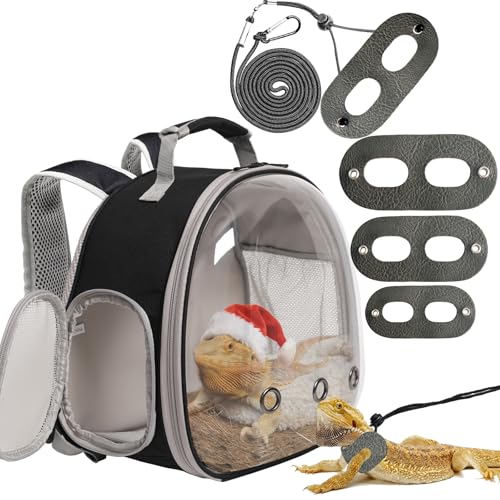
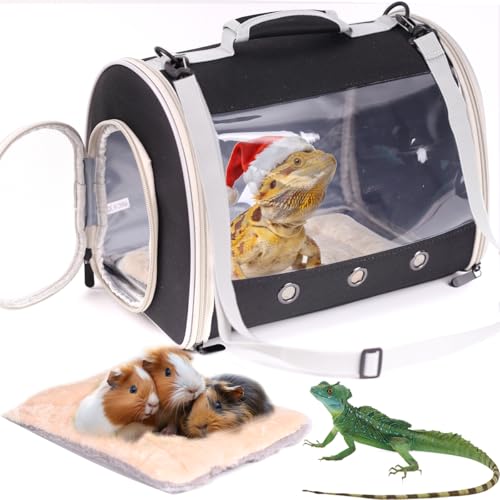
Start with the carrier itself. Look for soft-sided carriers or travel backpacks with durable, scratch-resistant mesh windows. These mesh panels provide steady ventilation while preventing claws from snagging. The carrier should feature double zippers that lock or clip together, as lizards can push open unsecured slider tabs with their noses. Removable, wipe-clean base pads make cleaning up unexpected bathroom accidents quick and sanitary.
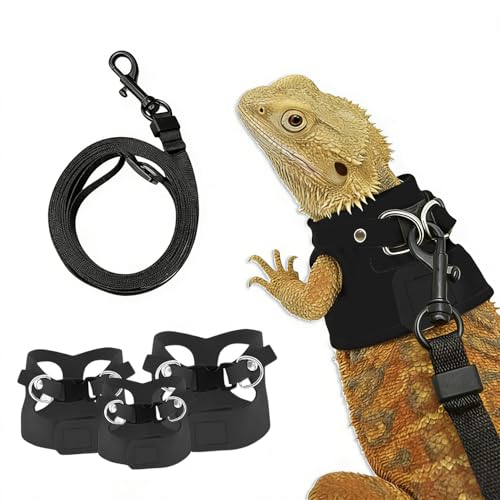
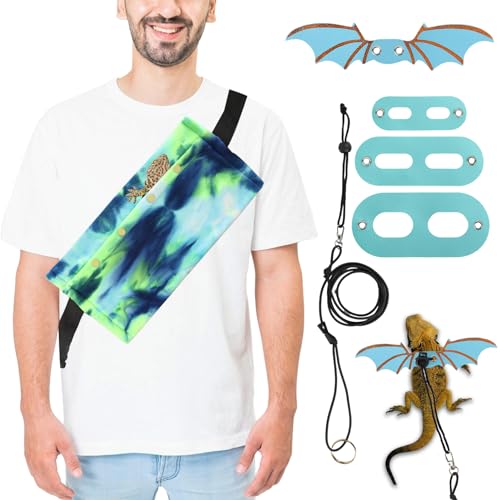
Harnesses and walking leashes are essential for safe rest-stop breaks. Look for harnesses made from soft microfiber leather or soft fleece that fit around the chest without pinching the front legs or rubbing delicate scales raw. Three-size harness sets work well because they adjust as your pet grows and let you find a snug fit that prevents your dragon from wiggling backward out of the strap.
For multi-day travel, consider collapsible enclosures or portable travel terrariums made from sturdy, heat-resistant plastic panels. These temporary habitats fold flat in your vehicle during the day and pop up into rigid enclosures for hotel rooms. Ensure any portable habitat you select has a secure lid, adequate ventilation slots, and enough clearance to safely suspend a clamp lamp above your lizard.
FAQs
Can I fly on a commercial airplane with my bearded dragon?
Most commercial passenger airlines in the United States do not allow reptiles in the passenger cabin. A few airlines permit reptiles as manifested cargo, but cargo holds carry extreme temperature and pressure risks that can harm cold-blooded animals. Driving your bearded dragon by car or using a specialized live-animal ground transport service is almost always the safest choice.
How long can a bearded dragon go without UVB lighting during a move?
A healthy bearded dragon can go three to five days without full-spectrum UVB light during travel without suffering long-term harm. While UVB is vital for long-term calcium absorption, short-term interruptions will not trigger bone disease. Focus on maintaining safe body temperatures and reducing stress while on the road, then resume your normal UVB light schedule as soon as you reach your final destination.
What should I do if my bearded dragon turns its beard black in the car?
A darkened chin or black beard indicates that your dragon feels stressed, cold, or startled by vehicle movement. Check the carrier temperature immediately with your thermometer to verify that your pet is not too cold. If temperatures are within the safe 70 to 85 degree range, cover the carrier with a light towel to block visual distractions and leave your lizard undisturbed in the dark until it calms down.
Can I plug an electric heating pad into my car power outlet for my dragon?
Avoid placing your lizard directly on an electric heating pad plugged into a car outlet. Vehicle power inverters can cause heating pads to spike unpredictably, and reptiles have poor heat sensors on their bellies that make them slow to move away from burning surfaces. Stick to car cabin heating, wrapped warm water bottles, or regulated reptile shipping heat packs instead.


Best Affordable Carry On Luggage 2026 - 11 Most Loving

The 12 Best Carry On Luggage For Bad Back 2026 - Top Choices

Best Tandem Double Buggy 2026 - 11 Best Rating

Top 12 Kids Rolling Suitcases for Fun and Easy Travel

The Ultimate Guide to Choosing the Best 8 Wheel Suitcase

Best Lightest carry on luggage with wheels in 2026

Top Airport Traveling Suitcases: Our 11 Best Picks

The Best Prams For Rough Terrain - (2026 Top Choice)










