
How to Travel with a Cat on an Airplane Safely

Cats fly best right under your seat. The key is to reserve a pet spot early directly with your airline, since flights limit how many animals can ride in the passenger area. Pack a flexible travel bag that slides beneath the seat in front of you. During airport security, hold your cat against your chest while the empty bag rolls through the scanner.
Specific details depend on your airline's under-seat measurements and whether your destination requires written health clearance from a vet. A shy pet also needs time at home to get comfortable resting inside the travel bag before departure day. Walking through the process step by step helps avoid airport surprises and keeps your companion calm the whole way.
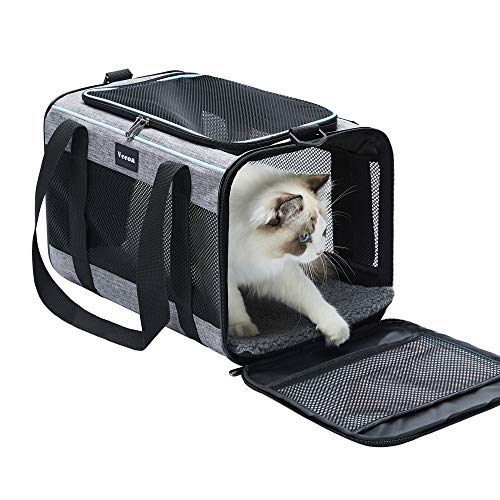
- TLR Rank9.6
TLR Rank is a ranking system developed by TravelLuggageReviews.com. TLR Rank has no relationship or impact from any manufacturers or sales agent websites. Learn more
- BrandVceoa

- TLR Rank9.4
TLR Rank is a ranking system developed by TravelLuggageReviews.com. TLR Rank has no relationship or impact from any manufacturers or sales agent websites. Learn more
- BrandPawaii

- TLR Rank9.2
TLR Rank is a ranking system developed by TravelLuggageReviews.com. TLR Rank has no relationship or impact from any manufacturers or sales agent websites. Learn more
- BrandHenkelion

- TLR Rank9.2
TLR Rank is a ranking system developed by TravelLuggageReviews.com. TLR Rank has no relationship or impact from any manufacturers or sales agent websites. Learn more
- BrandTexsens

- TLR Rank9.2
TLR Rank is a ranking system developed by TravelLuggageReviews.com. TLR Rank has no relationship or impact from any manufacturers or sales agent websites. Learn more
- BrandLEHNI
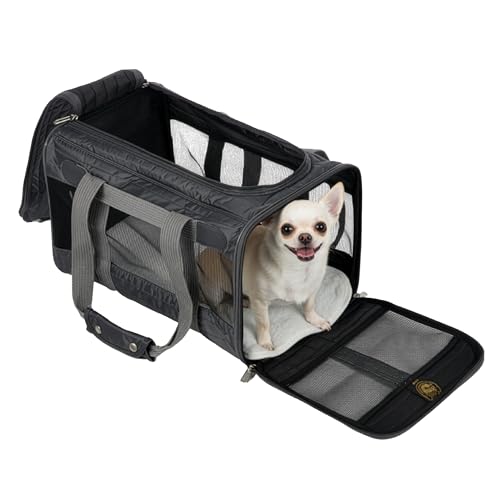
- TLR Rank9.2
TLR Rank is a ranking system developed by TravelLuggageReviews.com. TLR Rank has no relationship or impact from any manufacturers or sales agent websites. Learn more
- BrandSherpa
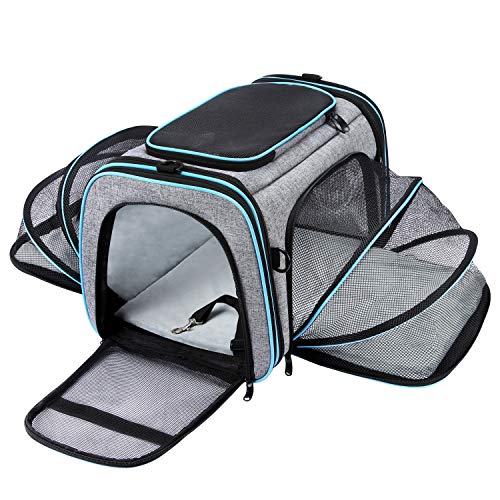
- TLR Rank9.0
TLR Rank is a ranking system developed by TravelLuggageReviews.com. TLR Rank has no relationship or impact from any manufacturers or sales agent websites. Learn more
- BrandMASKEYON

- TLR Rank8.8
TLR Rank is a ranking system developed by TravelLuggageReviews.com. TLR Rank has no relationship or impact from any manufacturers or sales agent websites. Learn more
- BrandMuchL
- TLR Rank6.6
TLR Rank is a ranking system developed by TravelLuggageReviews.com. TLR Rank has no relationship or impact from any manufacturers or sales agent websites. Learn more
- BrandMajosta
Last update on 2026-10-22 / Affiliate links / Images, Product Titles, and Product Highlights from Amazon Product Advertising API
Airlines Limit Pets So Book By Phone Early
Booking your flight ticket is only the first step. Airlines restrict the number of pets permitted in the passenger cabin on any single flight, usually capping the limit at two to six animals for the whole plane. If you purchase your seat online and assume you can add your cat at the gate, you risk being turned away if that quota is already full.
Call the airline directly before finalizing your flight. Confirm that an open pet spot exists on your exact flight numbers. Once confirmed, book your seat and have the agent link the pet reservation to your booking code. In-cabin pet fees apply each way, and you will pay them either over the phone or at check-in.
When speaking to the agent, ask for the exact under-seat dimensions for your specific aircraft. Airplane models have different clearances beneath the seats, and an agent can tell you if a metal life-vest container or entertainment box reduces the floor space in your assigned row. Confirm whether the pet fee is charged immediately or collected at the airport desk. Write down the confirmation number and ensure your ticket receipt clearly states that an in-cabin pet is approved.
Seat selection directly impacts your cat. You must place your cat under the seat in front of you during taxi, takeoff, and landing. Bulkhead rows, which face a solid wall, have no under-seat storage and are strictly forbidden for pet carriers. Emergency exit rows also bar pets. Choose a window seat instead. Window seats keep the carrier safe from rolling beverage carts, aisle foot traffic, and swinging luggage. Pick non-stop flights whenever possible to avoid the added stress of layovers and missed connections.
Choose A Flexible Pet Travel Bag And Practice Early
Hard plastic crates create serious problems at boarding. Under-seat airplane spaces are shallow, low, and often narrowed by life-vest brackets or electronic boxes. A flexible pet travel bag made of soft fabric can compress an inch or two under tight frames without collapsing on your cat.
Use this checklist when picking a flight-ready carrier:
- Pliable frame: Pick a soft bag with a flexible wire frame that compresses under low seats and springs back to full height.
- Multiple mesh panels: Ensure the carrier has strong mesh on at least three sides for cross-ventilation.
- Locking zippers: Choose bags with zipper clips or self-locking pulls so paws cannot push them open.
- Solid baseboard: A firm, removable base prevents sagging when carrying your cat through terminals.
- Proper fit: Your cat must be able to stand, turn around, and lie down naturally inside.
Never introduce a brand-new carrier on travel day. Forcing a frightened cat into an unfamiliar bag right before leaving home creates instant panic. Start carrier training three to four weeks before your trip.
Leave the carrier open in the living room with an unwashed t-shirt carrying your scent inside. Drop treats and catnip near the opening, then place food bowls inside over several days. Once your cat rests inside willingly, zip the door shut for two minutes while speaking softly, then open it. Gradually extend the time to twenty minutes. Finish by taking short practice car rides to get your cat used to engine noise and shifting movement.
Get Vet Clearance And Travel Papers Well Before Flying
A missing document or health issue can ruin your trip at check-in. Visit your veterinarian three to four weeks before departure to confirm your cat is healthy enough for air travel.
Review this health checklist before you fly:
- Travel paperwork: Airlines and destination authorities often require an official health inspection signed within ten to thirty days of travel. If you are unsure where to start, learn where to get a health certificate for pet travel to complete tests and regional paperwork on time.
- Vaccines and microchip: Keep rabies vaccinations current. Carry printed paper copies of all records in your personal item. Make sure your cat's microchip contact information is up to date.
- Calming remedies: Discuss travel anxiety with your vet. Vets strongly discourage heavy sedatives or tranquilizers because they lower blood pressure and hinder breathing at high altitudes. Mild calming supplements or synthetic pheromone sprays are much safer.
Ask your vet to clip your cat's claws during the pre-flight checkup. Short, blunt claws prevent your cat from snagging the carrier's mesh windows or scratching you during security screening. Make sure the clinic scans the microchip under the skin to confirm it reads accurately, and verify that your current mobile phone number is listed on the microchip registry.
Fast your cat from solid food for four to six hours before leaving for the airport. An empty stomach prevents motion sickness and vomiting during turbulence. Offer fresh water until departure time, as proper hydration prevents stress-related bladder issues while limiting accidents in transit.
Carry Your Cat Safely Through Airport Security Screenings
Airport security bag check is often the most stressful hurdle for cat owners. Crowds, barking dogs, and loud scanner noises can terrify any indoor cat. Never let your cat loose in an open terminal.
Follow these steps to clear security smoothly:
- Check in at the ticket counter first: Stop at the airline desk before going to the checkpoint. The agent confirms your reservation, checks paperwork if required, collects the pet fee, and tags the carrier.
- Put on a secure harness and leash: Fit an escape-proof harness and leash on your cat before leaving home. Wrap the leash around your wrist before unzipping anything. If your cat startles, you maintain physical control.
- Tell the security officer about your pet: When entering the lane, inform the officer that you have a live cat. The bag goes through the x-ray conveyor belt, but your cat stays in your arms.
- Prepare your personal items early: Take off your jacket, slip off your shoes if required, and place your personal carry-on luggage on the belt first. Getting your own belongings onto the rollers beforehand frees up both of your hands, allowing you to lift and hold your cat without fumbling with bins.
- Request a private screening room: If your cat is skittish, ask for a private screening room. An officer escorts you to a closed room with an inspection table. Your cat is safe from loud concourse noise, and if they slip from your arms, they cannot run away.
- Walk through the metal detector: In the regular line, hold your cat securely against your chest with both hands. Send the empty carrier through the x-ray machine. Walk through the metal detector doorway, avoiding the full-body glass scanner.
- Get swabbed and re-zip: An officer swabs your palms for explosive residue while you hold your cat. Once cleared, set your cat back inside the carrier feet-first, pull all zippers completely shut, and collect your personal belongings.
Manage In-Flight Space Under The Seat And Fix Accidents
Keep your cat zipped in the carrier after security. Find a calm gate area away from high foot traffic to wait for boarding.
Follow these practical steps during your flight:
- Board calmly: If possible, board early during courtesy boarding to settle without fighting crowded aisles. Otherwise, board near the end so your cat spends less time in a warm cabin during passenger loading.
- Place the bag feet-first: Slide the flexible pet travel bag under the seat in front of you with the main mesh window facing you. This lets you monitor your cat and offer comfort without blocking the aisle.
- Keep the carrier closed: Federal regulations and airline policies require pets to stay inside the carrier during the entire flight. Never remove your cat in the cabin. A panicked cat can dash down the aisle or wedge under seats where crew members cannot reach.
- Adjust the overhead air vent: Turn the overhead air nozzle so it does not blast cold air directly onto your cat. If aisle activity makes your cat nervous, drape a light cotton cloth over the carrier while leaving one mesh side open for ventilation.
- Calm meowing with sound and touch: If changing cabin pressure causes crying during takeoff or descent, speak in a gentle voice. Rest your hand firmly against the outer mesh so your cat senses your familiar warmth and scent.
- Handle accidents inside the lavatory: If your cat pees or poops, take the closed bag into the aircraft bathroom. Lock the door and lower the toilet lid. Lift your cat onto your lap, remove the soiled pad, wipe the waterproof base with pet-safe wet wipes, and insert a clean pee pad. Seal the dirty pad in a plastic bag, dispose of it in the trash bin, place your cat back inside, and zip the bag shut before opening the bathroom door.
Pick The Right Travel Gear For Safe Cabin Flying
Flying safely with your cat comes down to having practical, dependable gear ready before you head to the airport. The primary item you need is a flexible pet travel bag designed to meet airline cabin requirements. Look for soft-sided carriers built with sturdy fabric, claw-resistant mesh windows on multiple sides, and a rigid, removable baseboard that prevents sagging when you lift the bag. Check that the zippers have safety clasps or self-locking tabs so your cat cannot nose them open from the inside.
In addition to the carrier, prepare an in-flight kit in your personal carry-on bag. Use a snug, lightweight walking harness and short leash that remain on your cat throughout the journey. Line the carrier bottom with an absorbent puppy training pad, and pack three extra pads in a sealed plastic bag. Pack a travel pack of unscented pet wipes, several sealable trash bags to lock in odors, and a small collapsible silicone water dish. Having these basic supplies close at hand ensures you can manage airport security, long gate delays, and mid-flight cleanups with total confidence.


Best Affordable Carry On Luggage 2026 - 11 Most Loving

The 12 Best Carry On Luggage For Bad Back 2026 - Top Choices

Best Tandem Double Buggy 2026 - 11 Best Rating

Top 12 Kids Rolling Suitcases for Fun and Easy Travel

The Ultimate Guide to Choosing the Best 8 Wheel Suitcase

Best Lightest carry on luggage with wheels in 2026

Top Airport Traveling Suitcases: Our 11 Best Picks

The Best Prams For Rough Terrain - (2026 Top Choice)










