
How to Travel With a CPAP Machine

Keep the breathing machine by your side as a carry-on instead of handing it over to baggage handlers. Airlines treat sleep apnea devices as exempt medical equipment, which means it never counts against your carry-on bag limit. Always dump out the removable water tub completely before zipping your case so trapped moisture cannot leak into the motor during transit.
Exact packing routines shift depending on how you travel and where you sleep. Commercial flights require pulling the main blower out at airport security, while remote road trips or camping stays call for a backup battery instead of a wall outlet. Sourcing pure distilled water also depends on where you land, though sealed bottled water works in a pinch. Here is how to keep your gear safe, clean, and powered on any journey.

- TLR Rank9.4
TLR Rank is a ranking system developed by TravelLuggageReviews.com. TLR Rank has no relationship or impact from any manufacturers or sales agent websites. Learn more
- BrandHOhangerSE

- TLR Rank9.4
TLR Rank is a ranking system developed by TravelLuggageReviews.com. TLR Rank has no relationship or impact from any manufacturers or sales agent websites. Learn more
- BrandDura Cleanse

- TLR Rank9.2
TLR Rank is a ranking system developed by TravelLuggageReviews.com. TLR Rank has no relationship or impact from any manufacturers or sales agent websites. Learn more
- BrandCURMIO

- TLR Rank9.2
TLR Rank is a ranking system developed by TravelLuggageReviews.com. TLR Rank has no relationship or impact from any manufacturers or sales agent websites. Learn more
- BrandCURMIO

- TLR Rank9.0
TLR Rank is a ranking system developed by TravelLuggageReviews.com. TLR Rank has no relationship or impact from any manufacturers or sales agent websites. Learn more
- BrandPEKREWS

- TLR Rank8.8
TLR Rank is a ranking system developed by TravelLuggageReviews.com. TLR Rank has no relationship or impact from any manufacturers or sales agent websites. Learn more
- BrandGatycallaty

- TLR Rank8.4
TLR Rank is a ranking system developed by TravelLuggageReviews.com. TLR Rank has no relationship or impact from any manufacturers or sales agent websites. Learn more
- BrandEASYLONGER

- TLR Rank8.4
TLR Rank is a ranking system developed by TravelLuggageReviews.com. TLR Rank has no relationship or impact from any manufacturers or sales agent websites. Learn more
- BrandVornalex
- TLR Rank7.6
TLR Rank is a ranking system developed by TravelLuggageReviews.com. TLR Rank has no relationship or impact from any manufacturers or sales agent websites. Learn more
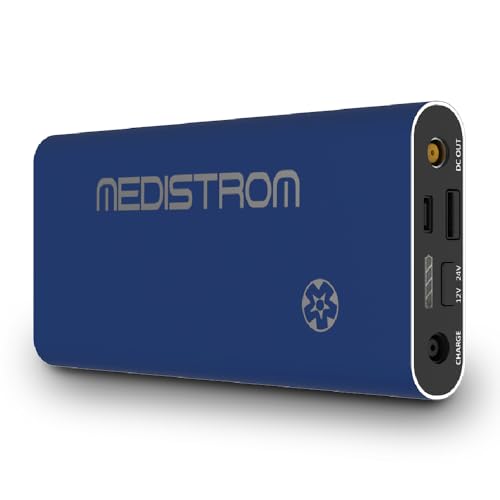
- BrandMedistrom

- TLR Rank7.2
TLR Rank is a ranking system developed by TravelLuggageReviews.com. TLR Rank has no relationship or impact from any manufacturers or sales agent websites. Learn more
- BrandHZGJCCMG

- TLR Rank4.0
TLR Rank is a ranking system developed by TravelLuggageReviews.com. TLR Rank has no relationship or impact from any manufacturers or sales agent websites. Learn more
- BrandWanyshapy
Last update on 2026-10-22 / Affiliate links / Images, Product Titles, and Product Highlights from Amazon Product Advertising API
Keep Your Machine in Your Hands Under the Free Medical Carry-On Rule
Never pack your CPAP in a checked suitcase. Checked bags get dropped, tossed onto luggage carts, and shoved beneath heavy cargo. Cargo holds on commercial planes can drop to freezing temperatures, which can crack plastic housings or damage internal sensors. If the airline loses your luggage, you will be stuck without your breathing therapy in an unfamiliar city.
In the United States, airlines must follow the free medical carry-on rule. Medical devices do not count toward your ticket baggage allowance. If your flight allows one carry-on bag that fits in the overhead bin and one under-seat personal item, your CPAP case travels as an extra free bag. Gate agents cannot charge you a fee for it, and they cannot force you to cram it into regular luggage.
Rules can vary on international airlines. While many foreign carriers respect medical gear, some set strict weight limits for cabin bags or require advance notice. Check your airline website a few weeks before your departure date. If flight disruptions force you to reschedule your travel, knowing what is a travel waiver can help you change your ticket without paying steep penalty fees.
Always keep your paperwork inside your carrying case. Pack a paper copy of your prescription and a brief doctor letter explaining your medical need. Keep them in an outside zipper pocket next to the manufacturer card that confirms the unit meets aviation medical guidelines.
Move Through Airport Security Without Letting Your Gear Get Dirty
Navigating airport security with medical gear is simple when you organize your equipment before joining the line. Security officers inspect these machines daily, and a little preparation keeps the line moving smoothly.
Follow these steps to clear the screening checkpoint cleanly:
- Unzip your carry case before reaching the conveyor belt. Have your bag ready so you can slide the main machine out quickly without fumbling with zippers in the line.
- Place the main motor inside a clear plastic bag. Security bins hold dirt and germs from thousands of travelers. Putting your bare machine directly into a bin lets grime touch the air intake. Slide your blower unit into a clear plastic bag before setting it in the bin to keep it clean.
- Separate the blower unit from your mask and tubing. Screening officers need an unobstructed X-ray view of the internal motor and electronics. Pull the main machine out and lay it in the bin. Leave your mask, headgear, tubing, and power cords inside your carrying case.
- Ask the officer to change gloves before a manual inspection. If an officer pulls your machine aside for an explosive trace swab, politely ask them to put on fresh gloves. Officers routinely grant this request, which prevents bacteria and chemical residues from touching your breathing equipment.
- Repack your gear in the post-screening area. Carry your bins to the benches past the checkpoint. Never rush to repack fragile parts right at the roller belt where other travelers grab heavy luggage.
Empty Your Water Tub Completely and Source Safe Water Locally
Water is the biggest hazard to your machine during travel. Even a small amount of liquid left inside the water tub can slosh into the motor housing when your bag tilts, permanently ruining the internal circuitry.
Follow this checklist to manage water safely on the road:
- Dump all water before packing. Never move your machine with liquid in the water tub. Empty it before leaving, wipe the plastic dry with a clean cloth, and let it air-dry before packing it away.
- Buy pure bottled water without minerals at your destination. Look for distilled water in local grocery stores, pharmacies, or baby care aisles. Pure water without minerals keeps your heating plate clean and stops mineral crusts from forming.
- Use bottled drinking water if pure water is unavailable. If you cannot find distilled water, do not skip therapy. Plain bottled spring water or purified drinking water is safe to breathe for several nights. It will leave a light mineral film on the metal plate, but you can rinse it with warm water and white vinegar once you return home.
- Check tap water safety before using hotel sinks. Never pour untreated tap water into your machine if local tap water safety is uncertain. In areas with boil-water advisories, boil the water for three minutes, allow it to cool completely to room temperature, and then fill your tub.
- Run your machine dry if you cannot find safe water. You can turn the humidifier setting completely off in your machine menu. Modern machines operate safely as dry blowers, delivering room-temperature pressurized air without heating an empty tub.
Match Your Power Setup to Your Bed, Plane Seat, or Campsite
A steady power source keeps your therapy running smoothly, but wall outlet locations and voltages vary by destination. Planning your connections before leaving ensures you never spend a night without treatment.
Hotel wall outlets are rarely right beside the nightstand. Pack a standard six-foot or ten-foot extension cord in your CPAP case. When traveling overseas, look at your power brick. Modern machines feature universal power supplies that automatically handle 100 to 240 volts and 50 to 60 Hertz. You do not need a heavy voltage converter; you only need a physical plug adapter that fits the local wall socket shape.
Airplane seat power is rarely dependable for sleep therapy. Many in-seat outlets shut off during turbulence, takeoff, and landing, or they fail to deliver enough wattage for medical equipment. If you plan to sleep on a long flight, notify your airline at least 48 hours ahead and bring an approved lithium travel battery.
Camping and road trips call for a direct current setup. Plug your machine into a portable power bank or 12-volt vehicle socket using a 12-volt vehicle or battery cord (DC adapter). Using direct current avoids the energy loss of an alternating current wall cord, which can waste up to 30 percent of battery capacity converting power back and forth. If you travel by road, looking into what is a travel trailer power setup can show you how 12-volt systems manage nightly medical equipment off the grid.
Turn off your humidifier heat and heated tubing when running on battery power. The heating elements account for up to 80 percent of the total power draw. Turning them off allows a portable battery to power your machine for two to three full nights instead of draining in a single evening.
Protect Your Gear and Keep It Sanitary in Hotel Rooms
Hotel rooms expose medical gear to dust, unfamiliar surfaces, and harsh cleaning chemicals. A few basic hygiene habits protect your equipment while away from home:
- Use a dedicated travel bag with padded dividers. Keep your power cords, flexible hose, and mask in separate compartments so hard plugs and clips do not scratch your screen or tear your silicone cushion during transit.
- Pack travel-sized, unscented mask wipes. Washing a mask in a hotel sink can be awkward, and hotel soaps often contain heavy fragrances that break down silicone. A quick wipe down each morning clears facial oils, dead skin cells, and sweat so your mask seals firmly the next night.
- Keep your tubing and mask off the floor. Hotel carpets hold dirt and dust that can enter your breathing loop. Hang your tubing over the headboard or place your machine on a protective bedside tray to keep the cushion sanitary.
- Bring emergency replacement parts. A cracked swivel connector or torn headgear strap can ruin your trip. Always pack a spare mask cushion, an extra air filter, and a small roll of medical tape so you can fix minor problems without hunting down a local medical supplier.
Choose Travel Gear That Protects Your Machine and Saves Space
The right travel gear solves real transit challenges like protecting fragile electronics, maintaining hygiene away from home, and powering your device off the grid.
A dedicated CPAP travel bag or backpack makes moving through airports easy. Look for bags with thick foam padding around the motor compartment, dedicated pockets for tubing and cords, and a luggage strap that slides over your suitcase handle. If you want to carry only one bag aboard the plane, choose a travel backpack featuring a TSA-friendly laptop sleeve so your electronics and medical equipment stay organized in one place.
For flights, camping trips, or remote stays, consider a dedicated portable CPAP battery. Check the watt-hour rating before purchasing. Lithium batteries up to 100 watt-hours are widely permitted in carry-on bags, while larger units between 101 and 160 watt-hours require airline approval. Make sure the battery supports direct DC output cables compatible with your unit to maximize run time.
Simple maintenance items round out your kit. Unscented, alcohol-free wipes made of lint-free fabric let you clean your mask in seconds without a sink. Compact bedside hose holders or nightstand trays prevent water drips on hotel furniture and keep tubing elevated so moisture does not collect in the line while you rest.
FAQs
Can an airline force me to check my CPAP as regular baggage?
Airlines flying in the United States cannot force you to check an approved medical breathing device into the cargo hold under federal rules. Medical devices are exempt from standard carry-on limits and ride free in the cabin. If overhead bins are completely full, crew members must help you locate space in a cabin closet or under a seat so your machine stays with you.
Can I use normal bottled drinking water in my CPAP for a few days?
Yes, using plain bottled spring or purified drinking water for a few days while traveling is safe to breathe. Bottled water contains minerals like calcium that will leave a light chalky film on the heating plate inside your water tub over several nights. Once you return home, soak the water tub in warm water and white vinegar for twenty minutes to dissolve those deposits completely.
Do I need a voltage converter when traveling overseas with my CPAP?
Most travelers do not need a voltage converter because modern CPAP power bricks are dual voltage. Check the small print on your power brick to confirm it lists an input range of 100 to 240 volts and 50 to 60 Hertz. If your unit lists that range, you only need an inexpensive physical plug adapter that fits the wall socket shape of your destination.
What should I do if water accidentally gets inside my machine while traveling?
Unplug the power cord immediately and do not turn the machine on if water spills from the tub into the motor casing. Remove the water tub, tilt the machine gently to drain trapped liquid through the air outlet, and place the unit in a dry room. Allow the machine to dry out for at least 24 hours before plugging it back in, because running an electrical unit with moisture inside can damage the circuit board.


Best Affordable Carry On Luggage 2026 - 11 Most Loving

The 12 Best Carry On Luggage For Bad Back 2026 - Top Choices

Best Tandem Double Buggy 2026 - 11 Best Rating

Top 12 Kids Rolling Suitcases for Fun and Easy Travel

The Ultimate Guide to Choosing the Best 8 Wheel Suitcase

Best Lightest carry on luggage with wheels in 2026

Top Airport Traveling Suitcases: Our 11 Best Picks

The Best Prams For Rough Terrain - (2026 Top Choice)










