
How to Travel With a Newborn Safely and Calmly

Most people assume traveling with an infant requires rigid departure times and military-style packing lists, but sticking to a strict schedule almost always backfires. Success actually comes down to matching your route to your baby's feeding and sleep cycles. Planning the travel day around when your little one naturally eats and rests, while packing plenty of extra supplies right beside you, keeps both flights and highway drives manageable.
Your actual game plan depends on how you get there, your baby's exact age, and whether you nurse, pump, or mix formula. Long drives require pausing every two hours to take your infant out of the car seat, while flights require navigating airport crowds and planning feeds for takeoff and landing. Clearing travel timing with your pediatrician first gives you peace of mind before you head out. Here is how to keep the journey safe, clean, and calm from start to finish.
- TLR Rank9.6
TLR Rank is a ranking system developed by TravelLuggageReviews.com. TLR Rank has no relationship or impact from any manufacturers or sales agent websites. Learn more
- BrandMunchkin
- TLR Rank9.6
TLR Rank is a ranking system developed by TravelLuggageReviews.com. TLR Rank has no relationship or impact from any manufacturers or sales agent websites. Learn more
- BrandMunchkin

- TLR Rank9.6
TLR Rank is a ranking system developed by TravelLuggageReviews.com. TLR Rank has no relationship or impact from any manufacturers or sales agent websites. Learn more
- BrandDetsuk

- TLR Rank9.4
TLR Rank is a ranking system developed by TravelLuggageReviews.com. TLR Rank has no relationship or impact from any manufacturers or sales agent websites. Learn more
- BrandUbbi

- TLR Rank9.4
TLR Rank is a ranking system developed by TravelLuggageReviews.com. TLR Rank has no relationship or impact from any manufacturers or sales agent websites. Learn more
- BrandThe Honest Company

- TLR Rank9.2
TLR Rank is a ranking system developed by TravelLuggageReviews.com. TLR Rank has no relationship or impact from any manufacturers or sales agent websites. Learn more
- BrandMomcozy

- TLR Rank9.2
TLR Rank is a ranking system developed by TravelLuggageReviews.com. TLR Rank has no relationship or impact from any manufacturers or sales agent websites. Learn more
- BrandN/A

- TLR Rank8.8
TLR Rank is a ranking system developed by TravelLuggageReviews.com. TLR Rank has no relationship or impact from any manufacturers or sales agent websites. Learn more
- BrandJ.L. Childress

- TLR Rank8.8
TLR Rank is a ranking system developed by TravelLuggageReviews.com. TLR Rank has no relationship or impact from any manufacturers or sales agent websites. Learn more
- BrandMajosta

- TLR Rank8.0
TLR Rank is a ranking system developed by TravelLuggageReviews.com. TLR Rank has no relationship or impact from any manufacturers or sales agent websites. Learn more
- BrandN/A

- TLR Rank7.8
TLR Rank is a ranking system developed by TravelLuggageReviews.com. TLR Rank has no relationship or impact from any manufacturers or sales agent websites. Learn more
- BrandCOZYBONDER
Last update on 2026-10-22 / Affiliate links / Images, Product Titles, and Product Highlights from Amazon Product Advertising API
Check With Your Pediatrician Before Booking Any Trip
A newborn baby has a developing immune system that needs time to build strength. Most pediatricians recommend waiting until an infant is at least two months old before taking long journeys or boarding public transit. This milestone matters because babies usually receive their first round of core vaccinations around eight weeks of age.
Your baby's specific birth history also changes the timeline. Infants born prematurely, or those who spent time in a neonatal care unit, often have sensitive lungs that require extra protection from dry airplane air or crowded spaces. Always schedule a visit with your pediatrician to verify that your child is medically cleared for transit before you spend money on non-refundable tickets.
During that checkup, ask specific questions about health thresholds. Find out what exact rectal temperature your doctor considers a medical emergency, which is typically 100.4 degrees Fahrenheit for babies under twelve weeks. Ask for the names of approved infant fever reducers, the correct dosage based on your baby's current weight, and what symptoms require an immediate visit to an emergency clinic.
You should also locate urgent care clinics and pediatric emergency rooms along your route or near your destination. If your newborn develops a fever, unusual lethargy, or trouble feeding right before you leave, cancel the trip immediately. Checking ahead on what is a travel waiver can protect your budget if sudden medical advice requires you to reschedule your flights or hotel stays.
Driving Gives You Flexibility While Flying Saves Total Time
Choosing between a road trip and a flight comes down to balancing travel duration against your daily routine. Driving gives you complete control over your schedule, allows you to carry extra gear, and keeps your newborn away from large crowds of strangers. But road trips take significantly longer and demand frequent stops that can stretch a short drive into an all-day event.
If you choose to drive, you must follow the infant car seat rule. Newborns should not remain in a semi-upright car seat for more than two hours at a time. A young infant has weak neck muscles, and resting at an angle for hours can cause their heavy head to tilt forward, which narrows their airway and lowers their blood oxygen levels. Plan your driving route around stops every two hours where you take the baby completely out of the car seat to lie flat, stretch, and feed.
Never feed your baby while the vehicle is in motion. If the baby chokes or spits up heavily while strapped into a moving seat, you cannot react safely without creating an immediate traffic hazard. Always pull off the highway into a safe parking lot before offering a bottle or nursing.
Flying cuts hours of travel down to a fraction of the time, making it ideal for distant destinations. When you fly, you can either hold the baby on your lap as a lap infant or purchase an extra airplane ticket for their car seat. While airlines allow infants under two years old to sit on an adult's lap for free or at a reduced rate, safety agencies advise securing your infant in an FAA-approved (certified safe for use in an airplane seat) infant car seat. In severe turbulence, an infant held on a lap can be torn from an adult's arms.
Cabin pressure changes during takeoff and landing can cause sharp ear pain for newborns who do not know how to pop their ears. Offer a breast, a bottle, or a pacifier during the initial climb and the final twenty minutes of descent. The continuous swallowing motion works the jaw muscles and opens their ear passages, relieving pressure naturally. For parents who want to avoid the hassle of obtaining a newborn passport for international travel, reviewing options for where to travel without a US passport can open up easy domestic flights to warm coastal areas or island territories.
Pack Enough Carry-On Essentials For A Full Extra Day
When traveling with a newborn, lost luggage or delayed transportation is more than an inconvenience. You must prepare for flight cancellations, prolonged tarmac delays, or highway traffic jams by keeping supplies within arm's reach. Your carry-on bag that fits in the overhead bin and your under-seat personal item should hold enough feeding and sanitation gear to last twenty-four hours beyond your estimated arrival time.
- Diapers and baby wipes: Pack one clean diaper for every two hours of planned travel, plus at least six to eight extra diapers for unexpected delays. Bring a full, unopened pack of sensitive wipes so you do not run out mid-journey.
- Portable changing mat: A cushioned, wipe-clean changing mat creates a safe barrier between your baby and dirty public changing tables in airport restrooms or rest stop facilities.
- Multiple changes of clothes: Pack at least three clean outfits for your baby, choosing simple one-piece zipper suits that make quick changes painless. Pack at least one complete change of clothing, including an extra shirt, for yourself because diaper blowouts and heavy spit-up almost always land on the parent holding the child.
- Prepared feeding supplies: If you use formula, bring pre-measured powder in separate dispensers alongside bottles filled with measured, purified water, or pack sealed bottles of ready-to-feed liquid. If you nurse or pump, bring your pump parts, charging cables, collection bottles, and an insulated cooler bag with frozen ice packs.
- Pacifiers and clips: Keep three or four pacifiers stored in individual zip pouches. If one falls onto a dirty airport floor or car seat footwell, put it away and pull out a clean spare instead of scrambling to sanitize it on the spot.
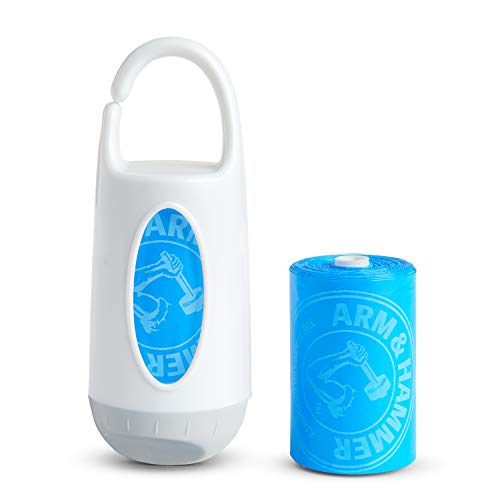
- Odor-locking bags: Bring a roll of small plastic diaper disposal bags and two sealable wet-dry fabric bags to isolate soiled baby clothes and dirty diapers until you reach a trash can or laundry machine.
- Soft swaddles and burp cloths: Pack three or four absorbent burp cloths for spit-up, along with a breathable muslin swaddle blanket to shield your infant from cold air conditioning drafts on planes or in restaurants.
Sort these items inside your bag using clear, color-coded pouches. When a diaper leak happens in a cramped airplane seat or at a dark highway stop, you need to locate a fresh outfit, a wipe, and a clean diaper in five seconds without dumping your entire bag onto the floor.
Take Every Transit Step At Your Baby's Pace
Rushing through transit hubs creates panic for parents and distress for an infant who senses changes in stress levels. Break your journey down into distinct, orderly phases so you stay composed from departure to arrival.
- Clear airport security with infant liquids: The standard TSA liquid rule (the airport limit on liquids, which has an exception for baby milk) does not restrict breastmilk, formula, or purified water for infants. These liquids are medically exempt from the standard three-ounce container limit. Tell the screening officers that you are carrying baby milk before your bags go into the scanner. Place all milk, clean water, and cool packs into a separate clear plastic bin so officers can inspect them quickly without rummaging through your personal items.
- Use gate check for heavy gear: Keep your baby in their travel stroller as you navigate the airport terminals. When you arrive at your departure gate, walk up to the gate agent and ask for gate-check tags for your stroller and car seat base. Gate check (handing large baby gear over at the plane door) means you push your stroller all the way down the jet bridge, fold it up right outside the airplane door, and leave it for the ground crew. When you land at your destination, airline workers return the gear directly to the jet bridge as you exit the aircraft.
- Time your boarding approach carefully: Airlines routinely invite families with small children to board first. If you are traveling as two adults, have one partner board early to carry the bags, claim overhead bin space, and install the car seat. The other parent can remain in the open terminal area with the baby until the final boarding group is called. This strategy keeps your newborn out of the hot, crowded airplane cabin for an extra thirty minutes. If you are traveling alone, board during family pre-boarding so you can install your car seat without passengers crowding behind you in the aisle.
- Settle into your seat space: Once you reach your seat, wipe down the armrests, window shade, and tray table with sanitizing wipes before you set anything down. Place your diaper essentials and feeding gear into the under-seat personal item directly in front of your feet. You cannot access overhead bins during taxi, takeoff, or sudden turbulence, so keep your newborn's pacifiers, burp cloths, and bottles within immediate reach.
- Manage road stops methodically: When driving, choose large travel plazas or family-friendly rest stops with clean, well-lit facilities. Park away from busy traffic flow. Instead of placing your newborn on cold plastic public changing counters, change their diaper in the back seat of your vehicle using your portable pad. Feed the baby while seated comfortably in the parked car, burp them thoroughly, and keep them upright for ten to fifteen minutes before buckling them back into their safety harness.
Keep Feeding Gear Clean And Sleep Spaces Safe Everywhere
Feeding and sleeping are the two primary activities of a newborn, and keeping both routines sanitary and secure away from home prevents health setbacks. Hotel rooms, airport bathrooms, and rental cabins present cleanliness challenges, but you can build a reliable sanitation routine anywhere.
Hotel bathroom sinks are known hot spots for common germs and bacteria. Never let your baby's bottle nipples, pump flanges, or pacifiers touch the bare porcelain basin or hotel counters. Wash your hands thoroughly with warm water and soap before touching feeding gear. Carry a compact collapsible wash basin that fits inside your suitcase, and use it exclusively for washing infant items.
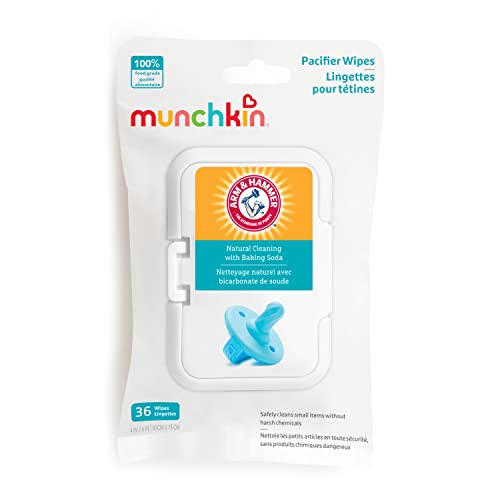
Rinse all milk residue from bottles and pump parts using cool tap water. Add a drop of gentle liquid dish soap, wash the parts with a dedicated travel bottle brush, and rinse them thoroughly under hot running water. Place the cleaned parts on a clean, portable drying rack with raised posts that keep parts elevated away from countertops, allowing air to circulate freely. If you do not have access to running water and drop a pacifier or bottle nipple, wipe it clean using baby-safe cleaning wipes formulated specifically for food surfaces instead of using unverified water sources or regular sanitizing wipes containing harsh chemicals.
Maintaining safe sleep practices while traveling requires strict discipline. Newborns must always sleep alone, on their back, on a firm, flat surface to eliminate the danger of positional suffocation. Never let a newborn sleep unsupervised in a car seat outside of the vehicle, on an adult bed, or on soft upholstered hotel furniture. When an infant falls asleep on an incline or soft cushion, their head can tilt forward and seal off their trachea.
Use a certified portable travel crib or bassinet with a tight, firm mattress pad. If your hotel supplies a crib, inspect it closely before placing your baby inside. Confirm that the mattress fits tightly against the frame with no gaps wider than two fingers, verify that the slats are undamaged, and make sure the surface is flat and firm. Remove all plush blankets, soft bumpers, pillows, and stuffed animals from the sleep area. Dress your baby in a wearable sleep sack or light swaddle to keep them warm without loose fabrics near their face. Avoid using toddler airplane seat extender beds or inflatable mattress loungers on flights; these products are designed for older children and create dangerous suffocation and entrapment hazards for an infant.
Choose Compact Gear That Protects Health And Simplifies Cleaning
Investing in a few pieces of practical travel gear solves the daily logistical challenges of mobile newborn care. When browsing equipment for upcoming trips, focus on products that directly address sanitation, portable feeding, and equipment protection during transit.
Look for travel bottle cleaning kits that pack brushes, nipple scrubbers, and drying racks into a single self-contained, ventilated carrying case. The case should feature built-in drainage holes or removable drip trays so residual water does not collect at the bottom around damp bristles. Check that the cleaning kit materials are free from harmful plastics and compact enough to slide into the side pocket of your diaper bag or carry-on.
Choose portable diaper changing mats crafted from durable, non-porous materials that repel liquids and wipe clean with a single stroke. Verify that the pad offers gentle head cushioning while folding down into a slim profile that takes up minimal space in your pack. A changing mat that features an integrated clip or loop allows you to attach it to the outside of your stroller for instant access during emergency diaper changes.
For parents checking infant gear at the airplane gate, look for specialized travel bags designed for car seats and strollers. A well-constructed gate-check bag should be made from thick, tear-resistant polyester or nylon with reinforced stitching around the carry handles. Bright colors and large labeling help ground crew members identify your gear quickly on the tarmac. Built-in storage pouches that allow the travel bag to fold down into a tiny bundle when not in use keep your hands free while moving through terminals. Adding dedicated diaper disposal bags that seal tightly and contain unpleasant odors ensures you can handle diaper emergencies discreetly, whether you are seated in an airplane cabin or traveling between highway exits.
More guides: how to travel with a guitar.


Best Affordable Carry On Luggage 2026 - 11 Most Loving

The 12 Best Carry On Luggage For Bad Back 2026 - Top Choices

Best Tandem Double Buggy 2026 - 11 Best Rating

Top 12 Kids Rolling Suitcases for Fun and Easy Travel

The Ultimate Guide to Choosing the Best 8 Wheel Suitcase

Best Lightest carry on luggage with wheels in 2026

Top Airport Traveling Suitcases: Our 11 Best Picks

The Best Prams For Rough Terrain - (2026 Top Choice)










