
How to Travel with a Car Seat on a Plane

Many parents assume airlines make traveling with a car seat complicated and expensive. In reality, major airlines let you bring a car seat for free, either as checked luggage or directly into the cabin. Securing it on board gives your little one familiar comfort and better protection, provided you reserved a separate seat for them and the car seat carries an official flight-approval label.
The right choice depends on your child's age and your ticket type. Holding a baby on your lap means you will likely gate check the seat at the boarding door or hand it over at the front desk. Bringing it aboard requires an assigned seat, a base narrow enough to fit between armrests, and a window row. The steps below walk you through moving across the terminal smoothly and locking the seat in place before takeoff.

- TLR Rank10.0
TLR Rank is a ranking system developed by TravelLuggageReviews.com. TLR Rank has no relationship or impact from any manufacturers or sales agent websites. Learn more
- BrandMoBearer

- TLR Rank9.2
TLR Rank is a ranking system developed by TravelLuggageReviews.com. TLR Rank has no relationship or impact from any manufacturers or sales agent websites. Learn more
- BrandJ.L. Childress

- TLR Rank9.0
TLR Rank is a ranking system developed by TravelLuggageReviews.com. TLR Rank has no relationship or impact from any manufacturers or sales agent websites. Learn more
- Brandzhtangrui
- TLR Rank9.0
TLR Rank is a ranking system developed by TravelLuggageReviews.com. TLR Rank has no relationship or impact from any manufacturers or sales agent websites. Learn more
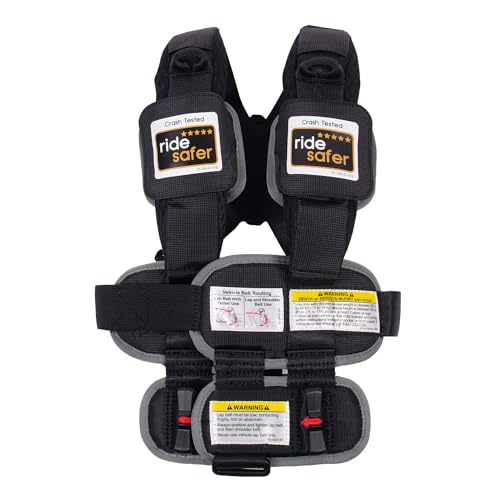
- BrandRideSafer

- TLR Rank8.8
TLR Rank is a ranking system developed by TravelLuggageReviews.com. TLR Rank has no relationship or impact from any manufacturers or sales agent websites. Learn more
- BrandJ.L. Childress

- TLR Rank8.8
TLR Rank is a ranking system developed by TravelLuggageReviews.com. TLR Rank has no relationship or impact from any manufacturers or sales agent websites. Learn more
- BrandOrzbow
- TLR Rank8.0
TLR Rank is a ranking system developed by TravelLuggageReviews.com. TLR Rank has no relationship or impact from any manufacturers or sales agent websites. Learn more
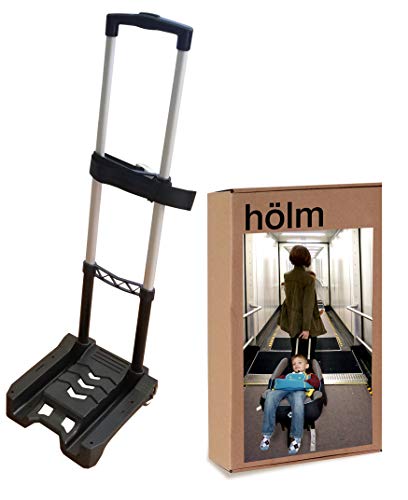
- BrandHÖLM

- TLR Rank7.8
TLR Rank is a ranking system developed by TravelLuggageReviews.com. TLR Rank has no relationship or impact from any manufacturers or sales agent websites. Learn more
- BrandCOZYBONDER
Last update on 2026-10-22 / Affiliate links / Images, Product Titles, and Product Highlights from Amazon Product Advertising API
Bring your seat on board for safety and peace of mind
When flying with a young child, you have three ways to handle your car seat. You can bring it on board for your child to sit in, leave it at the plane door right before boarding through a gate check, or hand it over at the ticket counter with standard luggage. Each option brings specific trade-offs for safety, cost, and physical effort.
Bringing the seat into the cabin is the safest choice recognized by flight safety officials. Sudden turbulence can make holding a child on your lap impossible, while a secured child safety seat protects them in their own space. It also provides a familiar spot where babies and toddlers sleep more easily. To use a car seat on board, you must buy a separate seat ticket for your child.
If your child flies as a lap infant under age two, you cannot count on using the seat in flight. You can bring the car seat to the gate on the chance that unsold seats remain open. If the flight has an empty seat next to you, gate agents often let you use the car seat for free. But if the flight is completely booked, you must gate check it.
A gate check means leaving your gear at the plane door right before boarding. This service is free on major airlines and lets you wheel your child through the terminal. Ground crews return the seat to the jet bridge when you land. But ramp workers still load gate-checked items into the cargo hold, which can cause scratches or fabric tears.
Checking the seat at the ticket counter frees your hands right away, but it carries the highest risk of damage. Baggage conveyor systems and cargo drops can crack internal safety foam without visible damage. Also, booster seats cannot be used on airplanes because plane seats lack shoulder belts. Pack boosters in the overhead bin or check them as luggage.
Look for the red flight approval text on your seat
Take a few minutes to inspect your car seat in bright light before leaving home. Flight crews have the right to inspect your gear at boarding. If your seat lacks the required official markings, airline staff will require you to check it into cargo even if you bought a separate ticket for your child.
Child safety seats must be approved by flight safety officials for airplane use. In the United States, that means meeting Federal Aviation Administration standards. Use this quick checklist at home to prevent surprises at the gate:
- Check for the certification text: Look for a printed sticker on the shell or base with red lettering. It must state: "This restraint is certified for use in motor vehicles and aircraft." Without this exact phrase, the seat cannot be used during flight.
- Ensure the sticker is readable: If the label is peeling, faded, or torn, clean the area and make sure the text is clear. Airline staff will treat an unreadable label the same as a missing one.
- Measure the base width: Standard coach airplane seats measure 16 to 18 inches across. If your car seat base is 17 inches or narrower, it will fit easily between armrests. Seats wider than 17 inches may require raised armrests to sit flat.
- Verify the harness type: Only car seats with an internal five-point harness or rear-facing infant carriers are approved for flight. Booster seats that rely solely on aircraft lap belts are strictly prohibited.
- Keep the manual handy: Keep the printed instruction booklet in your carry-on or save the manufacturer PDF on your phone. Having quick proof of aircraft installation instructions resolves doubts from gate staff immediately.
Wheel or strap your car seat through the terminal smoothly
Navigating airport security and busy concourses with bulky child gear can feel overwhelming. Knowing the screening rules and using the right transport technique keeps your hands free and protects your back.
At the security checkpoint, your child safety seat must go through screening. If you use an infant carrier, carry your baby through the metal detector in your arms. Place the empty car seat flat on the belt so it passes through the standard X-ray machine.
If your convertible seat is too wide for the scanner opening, tell the security officer before forcing it onto the belt. The officer will manually check the seat with explosive-trace swabs and hand inspection. This physical check takes only two or three extra minutes.
Carrying a heavy seat through long concourses by its plastic handle will quickly wear you out. Parents use three common strategies to move car seats across the airport without physical strain:
First, use dedicated backpack straps to wear the seat on your back. This balances the weight evenly and leaves both hands free to hold your toddler or steer a stroller. Second, use a travel strap to connect the car seat directly to your rolling carry-on bag. Threading the strap through the belt path locks the seat firmly against your suitcase handle. Third, clip a folding wheeled cart to the base of the seat. A wheeled cart turns the car seat into a temporary stroller, allowing your child to ride safely right down the jet bridge.
Install your car seat in a window seat step by step
Installing a car seat on an airplane is straightforward because planes only use lap belts. You do not need to look for lower anchor bars or top tethers. The key is securing the belt tightly through the proper path.
Federal rules require car seats to sit in window seats. This placement keeps the aisle clear so other passengers can exit quickly in an emergency. Never place a car seat in an exit row, or in the rows directly in front of or behind an exit row.
Follow these steps to complete a safe installation:
- Take advantage of early boarding: Board during family pre-boarding so you have space and time to position the seat without holding up the aisle.
- Raise the armrests: Lift the armrests on your row if they move. This creates extra width so the car seat sits level against the cushion.
- Set the seat in position: Infant bucket seats must face backward toward the tail of the plane. Convertible seats can face backward for infants or forward for toddlers, depending on the child's height, weight, and the legroom available between rows.
- Find the correct belt path: The belt path is the plastic tunnel where the seat belt slides through. Forward-facing seats use the tunnel behind the child's back. Rear-facing seats use the tunnel under the child's knees.
- Thread and latch the airplane belt: Pull the lap belt through the belt path and buckle it in the center. Pro tip: flip the latch buckle upside down by half a turn before clicking it shut. This prevents the release flap from getting pinned flat against the car seat shell.
- Press down and pull tight: Put your hand or knee into the seat cushion and press down firmly using your body weight. While pushing down, pull the loose belt strap until all slack is gone.
- Check for movement: Grab the seat near the belt path and pull firmly. The seat should not slide more than one inch in any direction. Once secure, buckle your child into the five-point harness.
Know your passenger rights if flight attendants question your seat
Flight crews occasionally misunderstand car seat rules, especially on full flights. You might encounter a crew member who mistakenly claims that car seats are banned on that aircraft or that rear-facing seats are not permitted. Knowing the rules helps you stay calm and resolve the issue quickly.
Federal aviation rules state that airlines cannot stop you from using an approved seat if you bought a ticket for your child and the seat fits. If a flight attendant questions your car seat, show them the red certification text on the shell. If doubts remain, politely ask the lead flight attendant to check the airline's in-flight safety manual regarding child restraint systems.
Narrow coach seating can sometimes create a tight fit. Some seats have fixed armrests that hold tray tables, reducing the space between seats. If your car seat does not sit flat, ask the crew if you can switch to another window seat in your cabin where armrests raise freely. Flight attendants can usually help arrange a seat swap with another passenger.
If the airplane seat belt is too short, ask a crew member for a belt extender, though verify that airline policy allows extenders with car seats. Weather delays or mechanical issues can also disrupt your plans. If your carrier reschedules your flight, understanding what is a travel waiver can help you rebook without penalty so you keep confirmed seats together.
Choose the right travel accessories to carry your seat
Transporting a heavy car seat through long terminals is much easier when you use travel accessories designed for airport mobility. Matching the right gear to your trip reduces physical strain and keeps your family moving smoothly.
If you plan to use your car seat in flight, consider a folding wheeled cart or a travel strap. A wheeled cart lets you roll the seat like a piece of luggage, and many models fold flat enough to store in an overhead bin or under your seat. Look for durable wheels that glide easily over terminal carpets and sturdy straps that prevent the seat from wobbling.
Travel straps provide a lighter option by anchoring your car seat directly to the handle of a rolling suitcase. Verify that the strap uses thick nylon webbing and heavy-duty buckles that latch securely onto your car seat frame.
If you choose to check your seat at the gate or ticket counter, use a protective travel bag. Look for thick, water-resistant fabric with reinforced seams and padded backpack straps for comfortable carrying. Thick padding around the corners helps absorb bumps and drops during baggage handling. Always check your car seat dimensions before choosing a bag to ensure a clean, secure fit.


Best Affordable Carry On Luggage 2026 - 11 Most Loving

The 12 Best Carry On Luggage For Bad Back 2026 - Top Choices

Best Tandem Double Buggy 2026 - 11 Best Rating

Top 12 Kids Rolling Suitcases for Fun and Easy Travel

The Ultimate Guide to Choosing the Best 8 Wheel Suitcase

Best Lightest carry on luggage with wheels in 2026

Top Airport Traveling Suitcases: Our 11 Best Picks

The Best Prams For Rough Terrain - (2026 Top Choice)










