
How to Travel With Protein Powder Without Delays or Spills

Many people assume airport security bans loose supplements from airplanes, but protein powder is completely allowed in both carry-on and checked bags. Security officers simply treat powders differently once they cross a certain size. Any container in your cabin baggage holding more than 12 ounces (about the volume of a standard soda can) requires separate manual screening, which can slow you down at the checkpoint.
The best packing method depends on your luggage choice, your container, and your destination. Large tubs travel easiest in checked luggage since checked bags face no powder restrictions. Unmarked plastic bags invite extra questioning from security officers, while international border agents often restrict unsealed dairy or plant products at customs. Taking a few simple steps before leaving home prevents messy spills and keeps your checkpoint transit fast.

- TLR Rank10.0
TLR Rank is a ranking system developed by TravelLuggageReviews.com. TLR Rank has no relationship or impact from any manufacturers or sales agent websites. Learn more
- BrandMITOB

- TLR Rank9.8
TLR Rank is a ranking system developed by TravelLuggageReviews.com. TLR Rank has no relationship or impact from any manufacturers or sales agent websites. Learn more
- BrandTONJOLY

- TLR Rank9.6
TLR Rank is a ranking system developed by TravelLuggageReviews.com. TLR Rank has no relationship or impact from any manufacturers or sales agent websites. Learn more
- BrandBooMetCheer
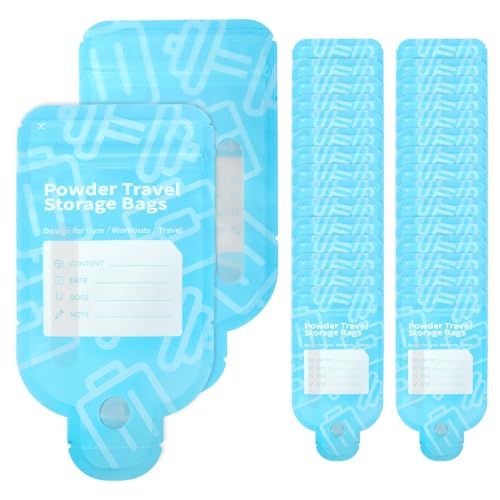
- TLR Rank9.4
TLR Rank is a ranking system developed by TravelLuggageReviews.com. TLR Rank has no relationship or impact from any manufacturers or sales agent websites. Learn more
- BrandEunoir

- TLR Rank9.2
TLR Rank is a ranking system developed by TravelLuggageReviews.com. TLR Rank has no relationship or impact from any manufacturers or sales agent websites. Learn more
- BrandHydra Cup

- TLR Rank9.2
TLR Rank is a ranking system developed by TravelLuggageReviews.com. TLR Rank has no relationship or impact from any manufacturers or sales agent websites. Learn more
- BrandWORKOUT BW BYLWORKOUT

- TLR Rank9.2
TLR Rank is a ranking system developed by TravelLuggageReviews.com. TLR Rank has no relationship or impact from any manufacturers or sales agent websites. Learn more
- BrandUndeuxall

- TLR Rank9.0
TLR Rank is a ranking system developed by TravelLuggageReviews.com. TLR Rank has no relationship or impact from any manufacturers or sales agent websites. Learn more
- BrandLerine

- TLR Rank8.8
TLR Rank is a ranking system developed by TravelLuggageReviews.com. TLR Rank has no relationship or impact from any manufacturers or sales agent websites. Learn more
- BrandVAGANTH
Last update on 2026-10-22 / Affiliate links / Images, Product Titles, and Product Highlights from Amazon Product Advertising API
Airport Security Powder Rules for Carry-On Bags
Airport security allows protein powder in your carry-on bag, but the amount you bring determines how your bag gets screened. Transportation Security Administration officers apply a specific rule for any powder substance packed in cabin luggage. If your powder container holds more than 12 ounces (roughly 350 milliliters, or about the volume of a standard soda can), it requires extra screening at the checkpoint.
This rule exists because dense organic powders look opaque on standard checkpoint X-ray monitors. When an X-ray scanner cannot see through a block of powder, security officers must inspect the container by hand. They will open your carry-on bag, pull the container out, and inspect the seal. In many cases, officers swab the outside of the container or the inside rim to run an automated chemical trace check for prohibited compounds.
You can bring more than 12 ounces of powder in your cabin luggage, but you should expect the process to take extra minutes. To prevent delays, pull your powder container out of your bag and drop it into a separate security bin alongside your laptop and liquids before your bag enters the X-ray tunnel. Telling the officer that you have protein powder in the bin keeps the line moving smoothly and prevents agents from having to pull your entire suitcase aside for a full search.
Unmarked powders raise immediate suspicion during manual checks. If you carry loose white or light-colored powder inside an unlabeled plastic sandwich bag, an officer cannot easily identify what it is. While protein powder is completely legal to fly with, security officers have full authority to turn away any substance that cannot be cleared through routine screening. Keeping your powder identified clearly prevents unnecessary confiscation.
Carry-On Versus Checked Luggage for Supplement Storage
Choosing where to pack your protein powder comes down to convenience, trip length, and how much risk you want to take with your clothing. A carry-on bag is the luggage you keep with you inside the plane cabin, while a checked bag is the large suitcase you hand over at the check-in counter to travel in the cargo hold under the aircraft. Each option has clear trade-offs for fitness supplements.
Packing protein powder in a carry-on bag keeps your nutrition directly in your hands. If the airline loses your checked luggage or delays your delivery, you still have your daily shakes ready. This choice works best for short trips or weekend getaways where you only need a few scoops. The drawback is the checkpoint screening process, since packing a giant tub inside a carry-on takes up valuable space and triggers manual inspections if it exceeds the 12-ounce threshold.
A checked bag has no quantity limits on powders. You can pack a massive five-pound tub or multiple supplement jars without worrying about the 12-ounce airport rule. However, cargo holds undergo noticeable shifts in air pressure and temperature, and baggage handlers move suitcases quickly. If a brittle plastic tub cracks or the lid pops loose under the weight of other luggage, powder will coat every piece of clothing you packed.
If flight delays disrupt your schedule and you find yourself checking what is a travel waiver to change flight dates during bad weather, having several days of supplements in your personal cabin bag keeps your nutrition steady. The safest strategy for longer vacations is splitting your supply. Keep two or three days of powder in your personal bag for transit, and place your larger bulk supply securely inside your checked luggage.
Five Steps to Pack Protein Powder Without Spills
-
Measure individual servings into small, sealable pouches ahead of time.
Scooping dry powder out of a giant tub inside a moving vehicle, cramped airplane seat, or small hotel room almost always leads to dust clouds and counter spills. Pre-portioning single servings before you leave home lets you dump exact measurements into your bottle in seconds without carrying bulky plastic scoops.
-
Press all excess air out of each packet before closing the seal.
Air trapped inside flexible plastic containers expands as the aircraft climbs to cruising altitude and cabin air pressure drops. Squeezing the air out prevents the seams from bursting open under pressure changes, keeping your pouches intact throughout the flight.
-
Label every container clearly with the supplement brand and flavor.
Airport security officers and customs agents work faster when they can read what a substance is rather than guessing. Writing the exact product name, such as vanilla whey isolate or chocolate plant protein, removes doubt and reduces the time spent on manual bag checks.
-
Pack all portioned pouches inside a secondary heavy-duty zip-top bag.
A double-bag barrier provides essential insurance against accidental punctures and zipper failures. If a single small pouch develops a tear from a sharp toiletry bottle or zipper tooth, the outer gallon bag traps the loose powder and protects your packed garments from a messy cleanup.
-
Place the powder pack near the center of your suitcase surrounded by soft clothes.
Cushioning your supplements between rolled shirts, gym shorts, or sweaters absorbs physical shocks from baggage carousels and rough road transit. Placing the pouch in the center also prevents hard suitcase frames from crushing brittle lids or piercing plastic packets.
International Border Crossings and Customs Rules
Crossing international borders introduces another layer of oversight managed by customs, the border officers who inspect food, plants, and goods entering a new country. While domestic flights within the United States focus strictly on aviation security risks, international border agents focus heavily on biosecurity, agriculture, and food safety laws.
- Keep powder in commercial packaging when possible: Border officials prefer factory-sealed packaging that features an official ingredient label. If you must portion your powder, bring a photo of the original nutrition panel on your phone or cut the label off the tub and place it inside your clear pouch.
- Account for dairy and animal product restrictions: Whey and casein powders are derived from cow milk, which makes them animal-derived dairy products. Countries with strict biosecurity laws, such as Australia, New Zealand, and Japan, closely regulate incoming dairy to protect domestic livestock from foreign diseases.
- Expect scrutiny on plant-based powders: Powders made from hemp seeds, pea protein, or raw grains may trigger agricultural inspections. Some nations prohibit the entry of viable seeds or raw plant material without agricultural permits.
- Always declare your supplements on arrival forms: If an arrival card asks whether you are bringing food, animal products, or agricultural goods into the country, always check "yes." Declaring your protein powder allows customs officers to inspect it openly. Failing to declare food items can lead to confiscation and steep cash fines, even if the powder itself is legal.
- Check destination rules before leaving home: When your itinerary takes you to territories or domestic destinations where you research where to travel without a US passport, standard domestic screening rules apply. But when entering foreign sovereign soil, local agricultural prohibitions override general travel guidelines.
Mixing Protein Shakes on the Move Without a Mess
Packing your powder securely is only half the battle; mixing a smooth shake in an airport terminal, hotel, or rental car requires a clean process. The most common mistake travelers make is leaving residual moisture inside their shaker cup before packing it. If you put dry powder into a damp bottle hours before adding water, the powder sticks to the bottom corners and creates a damp, sour paste that refuses to dissolve.
Keep your shaker cup completely dry throughout your transit day. Store your measured powder in its separate pouch or a screw-on container rather than sitting inside the shaker cup itself. This leaves your shaker cup clean, dry, and ready to receive liquid first when you reach your gate or rest stop.
Always pour your liquid into the shaker before adding the powder. Adding powder first causes the bottom layer to trap against the plastic base when liquid hits it, resulting in stubborn, dry clumps. Adding water first allows the powder to disperse evenly as soon as you drop the mixing ball inside and shake.
If you prefer using disposable water bottles purchased past airport security, use a wide-mouth funnel or a container designed with a narrow pouring spout. Trying to pour a wide plastic scoop into a narrow disposable bottle opening almost always spills powder onto your lap or the floor. Once you finish drinking your shake, rinse the bottle with warm water immediately. Trapped protein residue sitting in a warm bag produces an intense, unpleasant odor within hours.
Helpful Travel Gear for Packing Protein Powder
Dedicated travel accessories make transporting nutrition supplements simpler, cleaner, and much more compact than lugging commercial tubs. If you travel frequently, investing in specialized food storage gear eliminates the mess of flimsy grocery bags and makeshift containers.
Look for travel pouches or stackable powder dispensers made from food-grade, BPA-free plastics or durable polymers. Flexible pouches with wide-mouth openings allow easy filling from standard scoops at home, while narrow pour spouts make transferring powder into small bottle openings effortless. Sturdy side seams and thick multi-mil plastic walls prevent pressure blowouts during flights.
Screw-together storage towers provide another reliable option for short trips. These hard-shell containers feature separate compartments that thread tightly into each other, giving you leakproof sections for individual workout days. When selecting hard plastic containers, verify that the threads engage smoothly and that the top cap includes a silicone gasket or tight-fitting seal to stop fine powder dust from escaping into your gym bag.
FAQs
Can I bring protein powder on a plane in my carry-on bag?
Yes, protein powder is fully permitted in your carry-on bag. If your container holds more than 12 ounces of powder, airport security officers will pull it aside for additional manual screening and chemical trace checks. Packing it in an accessible pocket makes it simple to remove at the screening checkpoint.
What is the 12-ounce airport powder rule?
The 12-ounce airport powder rule is a security guideline requiring powders larger than roughly 350 milliliters to undergo separate screening. Because large quantities of dense powder obstruct checkpoint X-ray scanners, security officers must inspect the container manually. The rule applies only to carry-on bags, not checked luggage.
Do I need to keep protein powder in its original retail tub?
Domestic flights do not legally require original retail packaging, meaning clear bags or travel dispensers are acceptable. However, keeping powder in its original labeled container speeds up airport security checks because officers can read the manufacturer label immediately. For international flights, original packaging is strongly recommended to satisfy customs and food safety inspectors.
Is it better to pack protein powder in checked luggage or a carry-on?
Carry-on bags are better for short trips where you need guaranteed access to your supplements without relying on baggage delivery. Checked luggage is better for longer trips that require bulk tubs larger than 12 ounces. If you pack powder in checked luggage, seal the container inside a heavy-duty outer bag to prevent spills caused by pressure changes or rough baggage handling.


Best Affordable Carry On Luggage 2026 - 11 Most Loving

The 12 Best Carry On Luggage For Bad Back 2026 - Top Choices

Best Tandem Double Buggy 2026 - 11 Best Rating

Top 12 Kids Rolling Suitcases for Fun and Easy Travel

The Ultimate Guide to Choosing the Best 8 Wheel Suitcase

Best Lightest carry on luggage with wheels in 2026

Top Airport Traveling Suitcases: Our 11 Best Picks

The Best Prams For Rough Terrain - (2026 Top Choice)










