
How to Travel With Snakes When Moving Cross Country

Cardboard boxes are stacked to the ceiling, but the glass tank in the corner cannot simply be loaded onto a moving truck. The safest method is to secure the snake inside a tied cloth sack, place that sack into a latching plastic tub, and keep it in your car cabin at 75 to 80 degrees. Unheated cargo vans and direct sun can kill a reptile quickly, so close climate control is essential.
Your exact routine depends on the weather along your driving route, how many hotel stops you make, and wildlife regulations in every state you cross. Extreme temperatures change how you insulate the bin, while longer trips require discreet overnight care. Some states also ban or restrict specific snake species. Here is how to plan your travel timeline, pack your pet safely, and avoid dangerous temperature swings on the road.

- TLR Rank10.0
TLR Rank is a ranking system developed by TravelLuggageReviews.com. TLR Rank has no relationship or impact from any manufacturers or sales agent websites. Learn more
- BrandGeneric

- TLR Rank10.0
TLR Rank is a ranking system developed by TravelLuggageReviews.com. TLR Rank has no relationship or impact from any manufacturers or sales agent websites. Learn more
- BrandGeneric

- TLR Rank9.4
TLR Rank is a ranking system developed by TravelLuggageReviews.com. TLR Rank has no relationship or impact from any manufacturers or sales agent websites. Learn more
- BrandSkyhorse

- TLR Rank9.2
TLR Rank is a ranking system developed by TravelLuggageReviews.com. TLR Rank has no relationship or impact from any manufacturers or sales agent websites. Learn more
- BrandYeyeplum

- TLR Rank9.0
TLR Rank is a ranking system developed by TravelLuggageReviews.com. TLR Rank has no relationship or impact from any manufacturers or sales agent websites. Learn more
- BrandMajosta

- TLR Rank9.0
TLR Rank is a ranking system developed by TravelLuggageReviews.com. TLR Rank has no relationship or impact from any manufacturers or sales agent websites. Learn more
- BrandN/A
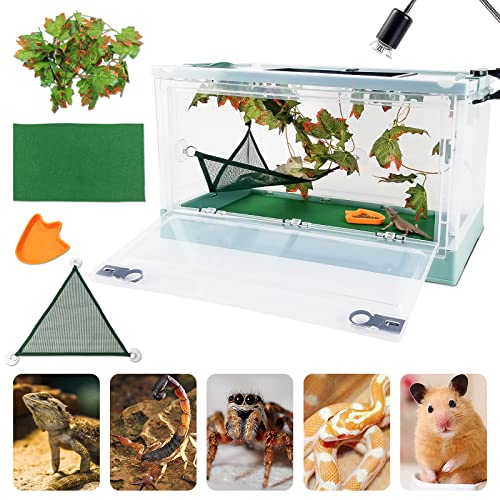
RunDuck Travel Portable Foldable Terrarium Kits for Reptiles -Heat-Resistant Material,
View on Amazon- TLR Rank8.6
TLR Rank is a ranking system developed by TravelLuggageReviews.com. TLR Rank has no relationship or impact from any manufacturers or sales agent websites. Learn more
- BrandRunDuck

- TLR Rank8.6
TLR Rank is a ranking system developed by TravelLuggageReviews.com. TLR Rank has no relationship or impact from any manufacturers or sales agent websites. Learn more
- Brandpranovo

- TLR Rank8.2
TLR Rank is a ranking system developed by TravelLuggageReviews.com. TLR Rank has no relationship or impact from any manufacturers or sales agent websites. Learn more
- BrandExo Terra
- TLR Rank7.4
TLR Rank is a ranking system developed by TravelLuggageReviews.com. TLR Rank has no relationship or impact from any manufacturers or sales agent websites. Learn more
- BrandExo Terra

- TLR Rank2.0
TLR Rank is a ranking system developed by TravelLuggageReviews.com. TLR Rank has no relationship or impact from any manufacturers or sales agent websites. Learn more
- BrandMajosta

- TLR Rank-
TLR Rank is a ranking system developed by TravelLuggageReviews.com. TLR Rank has no relationship or impact from any manufacturers or sales agent websites. Learn more
- BrandN/A
Last update on 2026-10-23 / Affiliate links / Images, Product Titles, and Product Highlights from Amazon Product Advertising API
Feeding Schedule and Travel Prep: Why Empty Bellies Keep Snakes Safe
The single most dangerous mistake you can make when moving cross country with a snake is feeding it right before you hit the road. Snakes rely on their environment for controlling body temperature, a process known as thermoregulation. When a snake eats, its stomach requires steady, warm temperatures to break down prey. If that heat source disappears or fluctuates wildly while you drive, the digestive process stops in its tracks.
When digestion halts, undigested food begins to rot inside the stomach. The snake responds by throwing up undigested food, which is called regurgitation. Regurgitation is not like a dog throwing up grass; it strips the lining of the snake's digestive tract, causes severe dehydration, and can easily turn fatal during a high-stress road trip. To prevent this crisis, stop feeding your snake at least seven to ten days before moving day. If you own a large constrictor that eats jumbo rats or rabbits, stop feeding two full weeks before you pack up.
An empty digestive system keeps your reptile safe and calm. A healthy snake can go weeks or even months without food, so fasting for a week before a move will not harm them at all. It guarantees that the stomach is completely clear, eliminating the threat of rot or belly cramps brought on by road vibrations.
While you must withhold food, you should keep clean water available right up until moving morning. Dehydration makes shedding difficult and stresses internal organs. Let your snake drink freely from its regular water dish in the days leading up to the trip. The morning you pack, remove the water dish so the snake does not soak and get soggy right before going into travel bags.
Packing the Travel Bin: The Double-Containment Method
Never move a snake inside its everyday glass tank, also called a vivarium. Glass tanks are heavy, shatter easily during sudden highway stops, and lose heat rapidly. Even worse, heavy cage items like resin caves, water bowls, and branches turn into sliding battering rams that can crush a reptile when your car turns a sharp corner. Instead, use a simple double-containment setup that keeps the snake secure, dark, and cushioned.
- Check your inner fabric travel bag: Use a clean, breathable cloth sack such as a plain cotton pillowcase or a commercial reptile transport bag. Turn the bag inside out first to inspect every seam. Snip away any loose threads or strings, because stray threads can wrap tightly around a snake's neck or body and cut off circulation.
- Bag the snake gently: Place your snake tail-first into the bottom corner of the fabric bag. Gently work upward to ensure the head is safely inside. Gather the open fabric near the top, twist the neck of the bag tightly, fold the twisted neck over itself, and tie it into a tight overhand knot. You can also slip a heavy zip tie around the folded neck for extra insurance. Never use rubber bands, as they degrade in car heat and snap easily.
- Prepare a ventilated outer plastic bin: Get a sturdy plastic storage tub with locking side handles, or a plastic transport container with a secure latching lid. Use a drill or a soldering iron to melt dozens of small breathing holes around the upper sides and lid. Keep the holes small enough that a curious nose cannot push through them.
- Pad the bottom: Line the floor of the plastic bin with three or four layers of dry paper towels. These absorb any accidental waste and stop the cloth sack from sliding across bare plastic. Add crumpled unprinted packing paper around the edges to cushion the snake against vehicle bumps.
- Nestle the sack and lock the lid: Place the knotted fabric bag flat on the padded floor of the tub. The fabric sack acts as a dark, snug cave that keeps the animal calm, while the locked plastic bin guarantees that an escape artist cannot get loose inside your car. Snap all latches firmly in place.
Car Climate Control: Managing Heat, AC, and Road Dangers
Snakes cannot produce their own body warmth, so the climate inside your vehicle cabin decides their survival. Never put a live animal in the back of an enclosed moving truck, inside a pulled cargo trailer, or locked inside a car trunk. Temperatures in unconditioned cargo beds can easily soar past 110 degrees Fahrenheit in summer or plunge below freezing in winter, and engine exhaust fumes will seep through floorboards. Your snake must ride directly inside the passenger cabin with you.
Aim to keep your car cabin between 75 and 80 degrees Fahrenheit throughout the drive. This middle-ground range is safe for almost every common pet species, including ball pythons, corn snakes, milk snakes, and king snakes. Run your air conditioning on hot summer afternoons to prevent overheating, and use your vehicle heater during chilly mornings. Place a digital thermometer with a probe or remote display right near the travel bin so you know the exact temperature around the container at all times.
Direct sunlight through vehicle glass is a silent killer. The greenhouse effect can turn a plastic tub into a lethal oven in under ten minutes, even if your cabin air conditioner is blowing cold. Set the travel bin on the vehicle floor directly behind the front passenger seat. The floor provides the most stable footing, eliminates sliding, and protects the container from direct sun rays piercing through side windows.
Never place electric heat rocks or unmonitored human heating pads under the plastic bin. Heat rocks have notorious hot spots that cause severe thermal burns on reptile bellies, and vehicle power converters can cause cheap heating pads to short out or overheat. If you are traveling through mild spring or summer weather, the car cabin air is all the warmth your pet needs. If you are driving through severe winter freezes, tape a reptile-safe 40-hour heat shipping pack to the outside wall or underside of the bin lid, never directly against the snake, with thick layers of towel between the pack and the cloth bag.
- Verify the digital thermometer reads between 75 and 80 degrees Fahrenheit before pulling onto the highway.
- Position the bin out of direct sunlight on the rear floorboard rather than on seats.
- Secure the tub with luggage or the passenger seat frame so it cannot tip over during hard braking.
- Never leave your snake inside a parked car during highway rest stops or meal breaks.
Hotel Overnight Routine and State Wildlife Rules
When you stop for the night, treat the snake bin like your most valuable luggage: it goes into the hotel room with you immediately. Parked cars lose or gain heat at dangerous speeds once the engine turns off. On an 85-degree day, a parked car reaches lethal temperatures in fifteen minutes. In freezing weather, cabin heat vanishes almost instantly. Carry the plastic tub into your hotel room as soon as you get your room key.
Most hotels have pet policies tailored to dogs and cats, and desk clerks often panic if you mention a reptile. You do not need to advertise what is inside your container. Place the entire plastic travel bin inside an opaque canvas duffel bag or reusable grocery tote. Walk directly to your room, place the bin on a desk or sturdy nightstand away from drafts, and leave the snake alone. Keep the room thermostat set between 74 and 78 degrees.
Resist the urge to unpack the snake, put it in a bathtub, or let it crawl around the hotel bed. Handling stresses the animal, and loose snakes have an uncanny ability to vanish into hotel mattress frames, baseboards, or heating vents. Keep the cloth bag knotted inside the ventilated plastic tub. An undisturbed snake will simply curl up and sleep quietly in the dark through the night.
Before you embark on your route, check state wildlife regulations for every state you will cross. While common pet species like corn snakes and ball pythons are legal across most of the United States, certain areas enforce strict restrictions. Some states ban the possession of native reptile species to prevent poaching, while others restrict large constrictor species or venomous animals under state Lacey Act rules. If you are crossing several borders, verify whether you need veterinary travel paperwork. You can learn more about where to get a health certificate for pet travel to make sure your vet records and documentation satisfy any state agricultural inspection stations along your driving route.
Choosing the Right Travel Gear for Moving Day
The right gear makes the difference between an easy cross-country relocation and an emergency search under your car pedals. When you prepare for your journey, focus on two main equipment pieces: an escape-proof inner sack and a sturdy outer shell. Look for soft, tightly woven canvas or cotton reptile transport sacks with smooth inner seams. Smooth stitching prevents your snake's scales from catching or rubbing raw during hours of slight road vibration.
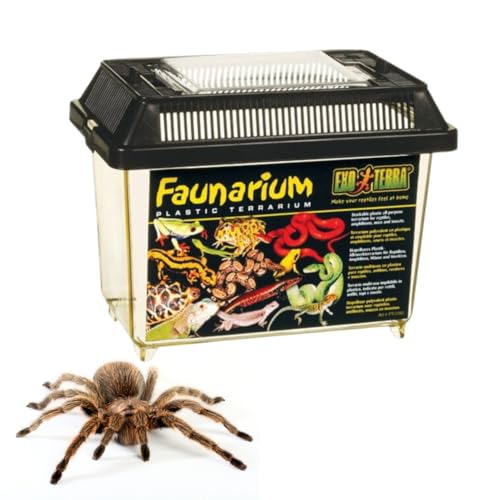
For the outer container, select a durable plastic transport tub or faunarium that features secure, mechanical locking latches. Standard snap-on lids can bend or pop loose if another piece of luggage shifts against them. Verify that the lid locks firmly on both sides and that the plastic material is thick enough not to flex when lifted. Ensure ventilation holes are clean, smooth on the inside, and numerous enough to maintain steady airflow without exposing your pet to drafts or direct sunlight.
FAQs
Can I transport my snake inside its regular glass enclosure?
No, you should never transport a snake inside a glass tank during a move. Glass tanks crack easily under road vibration, lose heat quickly, and weigh too much to move safely. Furthermore, decor items like heavy hides and rocks slide around inside moving vehicles and can fatally crush your pet.
How do I keep the travel bin warm if I am driving in freezing winter weather?
Keep your car cabin heater running steadily between 75 and 80 degrees Fahrenheit while driving. For extra protection against outdoor chills when moving between the car and hotels, tape a commercial reptile-safe 40-hour heat shipping pack to the underside of the bin lid. Always separate the heat pack from the snake with several layers of cloth or cardboard so your pet cannot touch it directly.
How long can a snake stay inside a travel bag during a cross-country move?
A healthy snake can comfortably stay inside a dark, breathable travel sack for three to five days during a road trip. As long as temperatures remain stable and the snake was fasted beforehand, the dark, tight enclosure feels like a natural burrow and keeps stress levels low. Do not open the sack until you arrive at your new home and have its permanent enclosure fully assembled.


Best Affordable Carry On Luggage 2026 - 11 Most Loving

The 12 Best Carry On Luggage For Bad Back 2026 - Top Choices

Best Tandem Double Buggy 2026 - 11 Best Rating

Top 12 Kids Rolling Suitcases for Fun and Easy Travel

The Ultimate Guide to Choosing the Best 8 Wheel Suitcase

Best Lightest carry on luggage with wheels in 2026

Top Airport Traveling Suitcases: Our 11 Best Picks

The Best Prams For Rough Terrain - (2026 Top Choice)










