How to Wear a Waist Bag 2026: Best Style Moves

How to wear a waist bag isn’t about tossing it on and hoping for the best. Style lives in the details, and this accessory has a funny way of exposing lazy choices fast. Proportions matter. Placement matters. Even the strap tension can quietly make or break the look. Done right, it reads intentional and modern. Done wrong, it feels stuck in a different decade.
Outfits benefit most when the waist bag works like punctuation, not the whole sentence. Worn snug across the chest, it sharpens streetwear and adds structure to relaxed layers. Slung low on the hips, it leans casual but only works if the rest of the outfit keeps its cool. Balance plays referee here, keeping the look grounded instead of gimmicky.
Fabric choices quietly do the heavy lifting. Sleek nylon or matte leather sends a cleaner message than shiny plastics that scream for attention. Neutral colors behave well with busy outfits, while bold shades deserve breathing room. Either way, the bag should complement the outfit’s rhythm, not hijack it.
Strap adjustment changes everything. Too loose, and the bag bounces awkwardly with every step. Too tight, and the whole outfit feels stiff and uncomfortable. The sweet spot sits close to the body, allowing movement without flopping around. Comfort isn’t a bonus here. Comfort is the foundation.
Layering introduces opportunity and risk in equal measure. A waist bag over a jacket adds dimension and breaks up bulky silhouettes. Under a coat, it stays subtle and practical, almost secretive. Each option sends a different signal, and neither is wrong when done with intention.
How to wear a waist bag also ties into attitude. Confidence sells the look long before anyone notices the brand or price tag. The accessory works best when it feels chosen, not forced. A relaxed posture, an easy stride, and suddenly the bag looks like it belongs.
Seasonal shifts change the rules slightly. Summer calls for lighter materials and higher placement to avoid visual clutter. Cooler months welcome darker tones and layered styling that integrates the bag seamlessly. Adaptability keeps the accessory relevant year-round.
Ultimately, the waist bag earns its place by solving problems without creating new ones. It frees the hands, secures essentials, and adds character when styled with care. That sweet spot, where function and style shake hands, is where the look truly clicks.

- TLR Rank9.4
TLR Rank is a ranking system developed by TravelLuggageReviews.com. TLR Rank has no relationship or impact from any manufacturers or sales agent websites. Learn more
- BrandMEISEE

- TLR Rank9.2
TLR Rank is a ranking system developed by TravelLuggageReviews.com. TLR Rank has no relationship or impact from any manufacturers or sales agent websites. Learn more
- BrandFREETOO
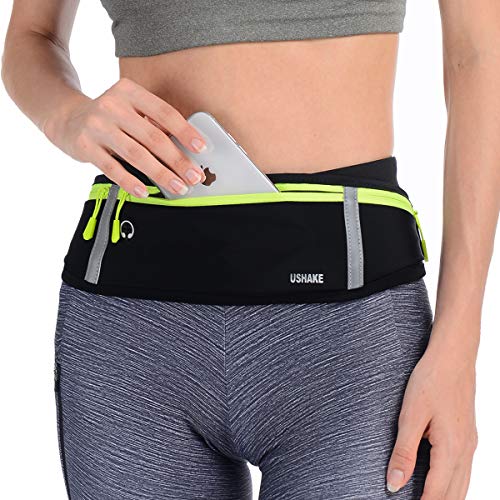
- TLR Rank8.8
TLR Rank is a ranking system developed by TravelLuggageReviews.com. TLR Rank has no relationship or impact from any manufacturers or sales agent websites. Learn more
- BrandUSHAKE
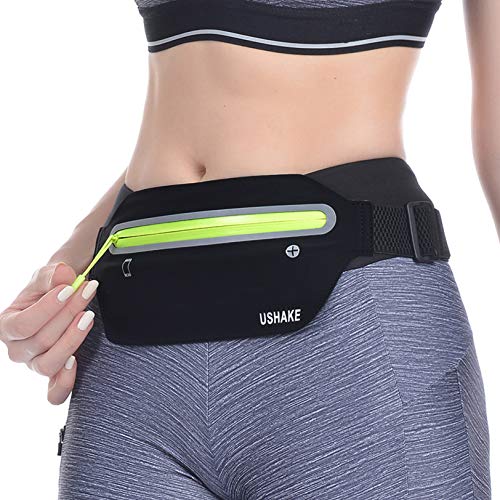
- TLR Rank8.8
TLR Rank is a ranking system developed by TravelLuggageReviews.com. TLR Rank has no relationship or impact from any manufacturers or sales agent websites. Learn more
- BrandUSHAKE
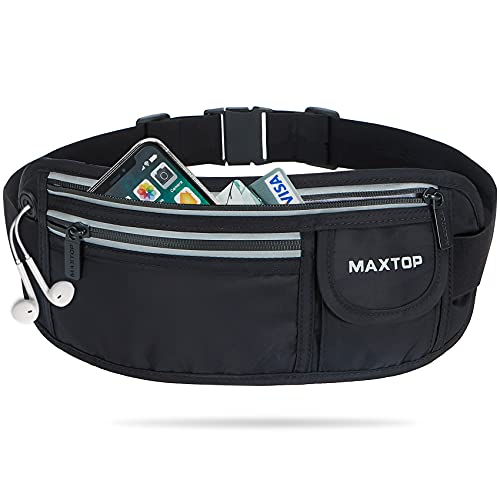
- TLR Rank8.8
TLR Rank is a ranking system developed by TravelLuggageReviews.com. TLR Rank has no relationship or impact from any manufacturers or sales agent websites. Learn more
- BrandMAXTOP

- TLR Rank8.8
TLR Rank is a ranking system developed by TravelLuggageReviews.com. TLR Rank has no relationship or impact from any manufacturers or sales agent websites. Learn more
- BrandHUA ANGEL

- TLR Rank8.6
TLR Rank is a ranking system developed by TravelLuggageReviews.com. TLR Rank has no relationship or impact from any manufacturers or sales agent websites. Learn more
- BrandTravelon
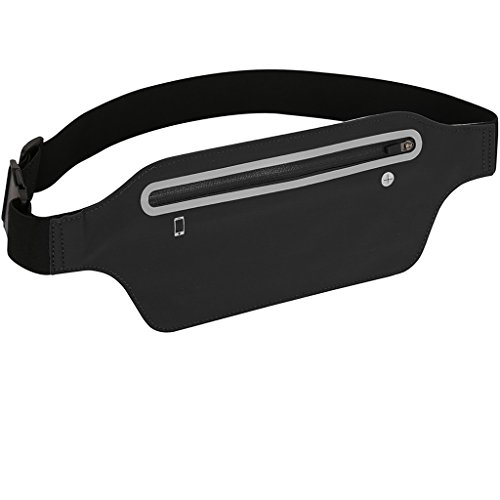
- TLR Rank8.4
TLR Rank is a ranking system developed by TravelLuggageReviews.com. TLR Rank has no relationship or impact from any manufacturers or sales agent websites. Learn more
- BrandMOVOYEE

- TLR Rank8.2
TLR Rank is a ranking system developed by TravelLuggageReviews.com. TLR Rank has no relationship or impact from any manufacturers or sales agent websites. Learn more
- BrandGeneric
Last update on 2026-06-03 / Affiliate links / Images, Product Titles, and Product Highlights from Amazon Product Advertising API
How To Wear A Waist Bag
Morning routines move fast, pockets feel cramped, and bulky bags slow everything down. That friction pushes people toward compact carry options that don’t hijack an outfit. How to wear a waist bag slips into that gap, blending mobility with style when done right. The trick lies in placement, proportion, and attitude, not loud logos or rigid rules.
Why The Waist Bag Made A Comeback
Fashion cycles love irony, and the waist bag rode that wave straight back into relevance. Once mocked, it returned smarter, slimmer, and more intentional. Designers leaned into hands-free convenience while streetwear reframed it as a styling tool instead of a utility pouch. That shift turned skepticism into curiosity.
Urban life quietly demanded the comeback. Phones grew bigger, keys multiplied, and pockets stayed the same. Carrying essentials without shoulder strain or clutter became a daily win. The waist bag solved that pain point without asking for wardrobe sacrifices.
Cultural influence sealed the deal. Musicians, athletes, and off-duty creatives wore waist bags casually, not as statements. That nonchalance mattered. Confidence made the accessory feel natural again.
Critics still exist, but relevance doesn’t need universal approval. Practical style often thrives on divisive reactions. The waist bag’s return proved usefulness beats nostalgia every time.
Placement Changes The Entire Look
Placement acts like a volume knob for style. Wearing the bag across the chest sharpens casual outfits instantly. This position signals intention and keeps the silhouette tight. Streetwear thrives here because structure balances relaxed layers.
Hip placement leans relaxed and familiar. That classic position works best with clean fits and neutral colors. Sloppy styling shows faster here, so restraint matters. Keep straps snug and lines clean.
Back placement prioritizes movement over display. Cyclists, travelers, and long walkers appreciate the freedom. The bag stays out of sight while essentials remain secure. Comfort quietly becomes the star.
Each option solves a different problem. How to wear a waist bag depends less on trends and more on daily rhythm. Let movement, not mirrors, decide.
Strap Fit And Proportion Mistakes
Loose straps sabotage good outfits. A bouncing bag reads careless no matter how expensive it is. Tighten the strap until it hugs the body without restricting breath or movement. That balance keeps the look controlled.
Bag size must respect body proportions. Oversized bags overwhelm slim frames, while tiny ones disappear on layered outfits. Visual harmony matters more than storage capacity. Choose scale wisely.
Strap width also plays a role. Thin straps look sleek but dig during long wear. Wider straps distribute weight and feel intentional. Comfort reinforces confidence.
These details seem small, yet they define success. Fit precision separates effortless style from forced experimentation.
Materials And Colors That Always Work
Material choice sets the tone before anyone notices styling. Matte nylon feels modern and practical. Leather leans polished without trying too hard. Shiny finishes demand attention and rarely age well.
Neutral colors carry outfits quietly. Black, olive, beige, and gray blend seamlessly across seasons. Bold colors work too, but only with breathing room. Let the bag speak, not shout.
Texture contrast elevates simple outfits. A soft fabric bag over structured outerwear adds dimension. Smooth leather against casual cotton sharpens the look subtly. These combinations feel deliberate.
Material discipline keeps outfits grounded. Visual balance always beats novelty.
Layering With Jackets And Coats
Layering invites opportunity and risk in equal measure. Wearing the bag over outerwear breaks bulky silhouettes. This approach adds depth and keeps proportions clean. It also makes the bag accessible.
Under-coat placement stays discreet and functional. Cold-weather outfits benefit from minimal clutter. The bag disappears visually while staying useful. Subtlety becomes the appeal.
Mid-layer placement works with hoodies and light jackets. The bag anchors the torso and avoids shapelessness. This trick sharpens casual fits instantly.
Layering rewards experimentation. Adaptability keeps the waist bag relevant year-round.
Situational Styling That Makes Sense
Commutes demand efficiency. A waist bag keeps essentials close without shoulder fatigue. Crossing it over the chest protects valuables in crowded spaces. Function leads style here.
Travel amplifies the bag’s strengths. Security, speed, and accessibility matter more than trends. For broader carry needs beyond compact bags, explore best tote bags for work and travel as a complementary option. Different tools solve different days.
Casual outings benefit from simplicity. The bag replaces pockets without adding bulk. Hands stay free, posture stays relaxed. Ease becomes the aesthetic.
Situational awareness drives smart styling. Purpose-first choices always age well.
Outfit Pairings That Never Miss
Minimal outfits love structure. Plain tees and denim gain focus with a waist bag. The accessory breaks monotony without noise. Clean lines win.
Athleisure thrives on utility. Joggers, sneakers, and performance fabrics align naturally. The bag reinforces movement and comfort. Nothing feels forced.
Elevated casual looks welcome restraint. Tailored trousers and simple knits pair best with understated bags. For refined carry inspiration, compare silhouettes with best designer tote bags for women to see how structure elevates outfits. Lessons translate across accessories.
Consistency matters more than category. Styling cohesion beats trend chasing every time.
Confidence Makes Or Breaks The Look
Posture sells the outfit before details do. A slouched stance undermines effort instantly. Standing tall makes the bag feel intentional. Body language communicates style.
Overthinking shows. Adjust once, then move on. Constant fidgeting draws the wrong attention. Ease reads better than perfection.
Confidence grows through repetition. Wearing the bag regularly normalizes it. Familiarity removes self-consciousness. Style settles naturally.
How to wear a waist bag ultimately mirrors attitude. Comfort fuels confidence.
Active Use And Performance Crossover
Active days test accessories harder than mirrors do. Movement reveals weak straps and poor balance fast. A well-fitted waist bag stays put without distraction. Performance earns trust.
Outdoor activities demand durability. Sweat resistance and secure zippers matter. Lightweight materials reduce fatigue. Every feature serves a purpose.
For high-intensity adventures, hydration becomes critical. To support longer rides, pair minimal carry with best hydration pack for mountain biking for proper fluid access. Specialized gear complements casual accessories.
Performance crossover strengthens everyday style. Function-backed design never feels gimmicky.
how to style a waist bag for everyday outfits
Daily outfits don’t fail because of a lack of clothes. They fall apart because small details feel unresolved. Accessories either support the look or quietly sabotage it, and waist bags sit right in that danger zone. Learning how to style a waist bag day after day removes that friction and turns a practical item into a reliable style anchor.
Everyday Balance Between Function And Style
Everyday dressing demands balance more than boldness. A waist bag earns its place by solving storage issues without stealing attention. The right styling keeps pockets light, posture relaxed, and movement natural. Functional balance becomes the real flex.
Outfits feel calmer when accessories don’t compete. Neutral waist bags blend into daily rotations, allowing clothes to carry the mood. Loud colors or oversized shapes tend to exhaust the look quickly. Subtlety stretches wearability.
Consistency matters more than variety. Wearing the bag in a familiar position trains muscle memory and confidence. That ease shows up visually, even if no one can explain why. Comfort always reads as intention.
Daily success comes from repeatable habits. Reliable styling beats experimental chaos on busy mornings.
Workday Looks Without Feeling Overstyled
Workday outfits walk a tightrope between polish and comfort. A slim waist bag worn crossbody keeps essentials close without bulking the silhouette. Clean fabrics and muted tones help it disappear into the outfit. The look stays professional, not performative.
Structured clothing benefits from restraint. Tailored pants, crisp shirts, and minimal footwear pair best with understated bags. Visual noise undermines credibility fast. Less detail often signals more confidence.
On days requiring extra carry, larger bags sometimes make more sense. For refined alternatives, pair structured outfits with best designer tote bags for women to maintain polish while increasing capacity. Each accessory serves a different purpose.
Workday styling rewards clarity. Purpose-driven choices keep outfits sharp and stress-free.
Casual Errands And Off-Duty Ease
Errands expose weak styling faster than events do. Comfort leads, but appearance still matters. A waist bag worn snug across the chest keeps hands free and posture upright. The outfit feels intentional, not rushed.
Casual wear thrives on simplicity. Hoodies, tees, and relaxed denim pair easily with streamlined bags. Over-accessorizing ruins the ease. One strong piece does enough.
Footwear and bag tone should cooperate. Sporty shoes pair best with technical fabrics. Leather bags lean better with casual classics. Harmony keeps the look grounded.
Off-duty style values effortlessness. Ease of movement becomes the aesthetic.
Travel Days And Long Transitions
Travel exposes every flaw in an accessory. Security lines, boarding gates, and cramped seats punish bulky bags. A waist bag worn across the torso keeps documents accessible and safe. Efficiency shapes the look.
Layering during travel adds complexity. Outerwear changes often, so consistent bag placement matters. Wearing it over layers prevents fumbling and delays. Smooth transitions reduce stress.
For flights with strict cabin limits, pairing compact accessories with smart luggage helps. For larger carry needs, explore best carry on backpack for american airlines to complement a waist bag setup without overloading pockets. Strategy matters.
Travel styling favors clarity. Streamlined systems beat last-minute improvisation.
Seasonal Adjustments That Actually Work
Seasonal shifts demand subtle tweaks. Summer styling benefits from lighter materials and higher placement to avoid heat buildup. Breathable fabrics keep the look comfortable and clean. Small changes prevent irritation.
Cold weather introduces layers and bulk. Darker tones blend seamlessly with coats and knits. Wearing the bag over outerwear maintains access and shape. Under layers, it disappears quietly.
Weather resistance grows more important outdoors. Water-resistant fabrics protect essentials and preserve appearance. Durability supports confidence during unpredictable days.
Seasonal awareness keeps outfits relevant. Adaptable styling sustains year-round wear.
Social Settings Without Looking Try-Hard
Social outings expose overthinking quickly. A waist bag should never look like the star of the outfit. Wearing it naturally, without constant adjustment, sells the look. Nonchalance does the heavy lifting.
Evening settings benefit from darker palettes and sleeker materials. Leather or matte finishes feel intentional after dark. Shiny textures often feel out of place. Mood alignment matters.
Confidence grows through familiarity. Wearing the bag across different settings builds comfort. Eventually, it feels like muscle memory rather than a statement. That ease shows.
Social styling rewards restraint. Quiet confidence always outperforms forced flair.
Common Styling Errors And How To Avoid Them
Overloading the bag ruins posture and shape. Bulges disrupt clean lines instantly. Carry essentials only and reassess regularly. Discipline preserves style.
Ignoring outfit proportion causes imbalance. Oversized bags overwhelm slim frames, while tiny bags vanish on layered outfits. Scale should match the silhouette. Visual harmony matters.
Constant repositioning signals discomfort. Adjust once, then forget it. Confidence fades when accessories demand attention. Comfort should feel automatic.
Error awareness sharpens results. Intentional restraint keeps the waist bag working for you.

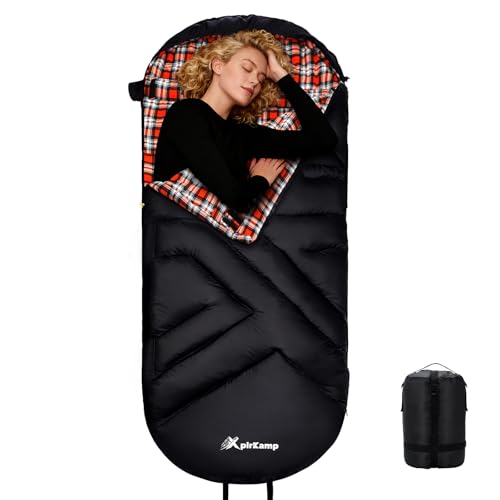
10 Best Sleeping Bags For Tall People of 2026 To Stretch Out Fully

10 Best Diaper Bag Backpacks For Dads of 2026 With Fast Gear Access

9 Best Diaper Bags For Twins of 2026 With Dual Compartments

10 Best Rebecca Minkoff Leather Crossbody Bags Over 300 of 2026 With Genuine Everyday Capacity
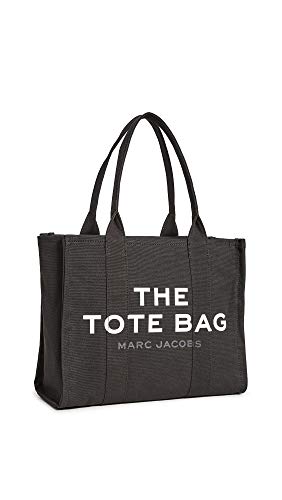
11 Best Marc Jacobs Bags of 2026 For Daily Essentials
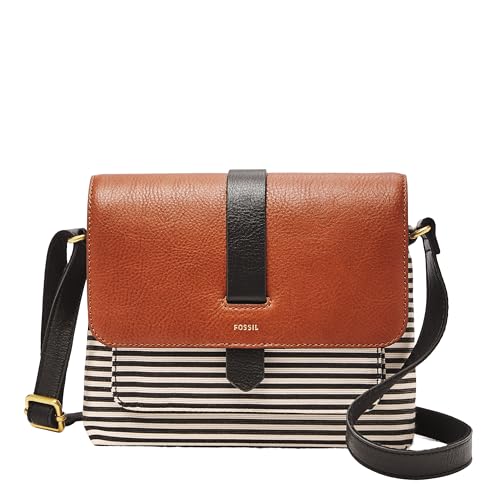
10 Best Fossil Handbags of 2026 For Everyday Organization

10 Best Tory Burch Handbags of 2026 For Everyday Wear

11 Best Kate Spade Handbags of 2026 For Work and Daily Carry