is it ok to travel to bali? honest trip advice

is it ok to travel to bali is a fair question, especially when travel plans start bumping into headlines about weather, traffic, local rules, or health concerns. Bali can be a rewarding place to visit, but it’s not the kind of trip that works best on autopilot. A little street smarts, a flexible schedule, and respect for local customs can save a lot of headaches. That’s the real sweet spot, not fear, not blind excitement, just practical preparation.
Travel safety in Bali usually comes down to ordinary choices made consistently. Licensed transport, reputable tour operators, travel insurance, mosquito protection, and careful handling of valuables all matter more than flashy planning. Roads can feel chaotic, especially around busy beach towns, so scooter riding isn’t something to treat casually. If confidence behind the handlebars is shaky, using app-based rides or hired drivers is often the calmer move.
Local etiquette also shapes the trip in ways many first-time visitors don’t expect. Temples, ceremonies, sacred areas, and village customs deserve patience and modest behavior. Wearing proper clothing at religious sites, following posted rules, and avoiding disrespectful photos are small gestures with big impact. Honestly, good manners travel better than any suitcase.
Health planning deserves a spot near the top of the checklist. Tropical heat can sneak up fast, and dehydration has a way of ruining a beautiful day before lunch. Bottled water, sunscreen, insect repellent, and sensible food choices help keep the trip steady. Nobody wants their island break hijacked by stomach trouble, sunburn, or mosquito bites.
Natural conditions are another piece of the puzzle because Indonesia sits in an active region with volcanoes, earthquakes, heavy rain, and strong ocean currents. That doesn’t mean panic belongs in the itinerary. It means checking official updates, respecting beach flags, leaving buffer time around flights, and keeping plans loose enough to shift if needed. A packed schedule looks good on paper, but Bali often rewards travelers who leave breathing room.
Budget expectations should stay realistic too. Bali can be affordable, but popular areas, private drivers, beach clubs, tours, and nicer stays can add up quickly. Cheap choices sometimes come with tradeoffs, especially with transport, location, or cleanliness. Spending wisely, rather than chasing the lowest price, usually creates a smoother and safer experience.
Trip planning works best when it matches the island’s rhythm instead of fighting it. Canggu, Seminyak, Ubud, Uluwatu, Sanur, and Nusa Dua all feel different, so picking the right base matters. Some areas lean lively and crowded, while others feel slower, greener, or more polished. So yes, Bali can be okay to visit, but the best version of the trip comes from clear expectations and grounded choices.

- TLR Rank10.0
TLR Rank is a ranking system developed by TravelLuggageReviews.com. TLR Rank has no relationship or impact from any manufacturers or sales agent websites. Learn more
- BrandN/A

- TLR Rank10.0
TLR Rank is a ranking system developed by TravelLuggageReviews.com. TLR Rank has no relationship or impact from any manufacturers or sales agent websites. Learn more
- BrandN/A

- TLR Rank9.4
TLR Rank is a ranking system developed by TravelLuggageReviews.com. TLR Rank has no relationship or impact from any manufacturers or sales agent websites. Learn more
- BrandN/A

- TLR Rank9.2
TLR Rank is a ranking system developed by TravelLuggageReviews.com. TLR Rank has no relationship or impact from any manufacturers or sales agent websites. Learn more
- BrandTuttle Publishing

- TLR Rank9.0
TLR Rank is a ranking system developed by TravelLuggageReviews.com. TLR Rank has no relationship or impact from any manufacturers or sales agent websites. Learn more
- BrandTuttle Publishing

- TLR Rank8.8
TLR Rank is a ranking system developed by TravelLuggageReviews.com. TLR Rank has no relationship or impact from any manufacturers or sales agent websites. Learn more
- BrandLonely Planet

- TLR Rank8.6
TLR Rank is a ranking system developed by TravelLuggageReviews.com. TLR Rank has no relationship or impact from any manufacturers or sales agent websites. Learn more
- BrandLonely Planet

- TLR Rank8.6
TLR Rank is a ranking system developed by TravelLuggageReviews.com. TLR Rank has no relationship or impact from any manufacturers or sales agent websites. Learn more
- BrandDK

- TLR Rank8.2
TLR Rank is a ranking system developed by TravelLuggageReviews.com. TLR Rank has no relationship or impact from any manufacturers or sales agent websites. Learn more
- BrandN/A

- TLR Rank8.0
TLR Rank is a ranking system developed by TravelLuggageReviews.com. TLR Rank has no relationship or impact from any manufacturers or sales agent websites. Learn more
- BrandLonely Planet
Last update on 2026-08-10 / Affiliate links / Images, Product Titles, and Product Highlights from Amazon Product Advertising API
Is It Ok To Travel To Bali Right Now?
Trip planning gets messy fast once the dreamy beach photos run into questions about entry rules, health risks, traffic, weather, and local etiquette. That is exactly why is it ok to travel to bali needs a practical answer, not a glossy travel poster. Bali can be a rewarding trip, but it asks for common sense, flexible timing, and respect for the island’s rules. A little preparation keeps the fun parts from getting tripped up by avoidable headaches.
Is It Ok To Travel To Bali?
Is it ok to travel to bali depends on how prepared the trip is, not just whether the island looks beautiful online. Official travel advice from several governments generally points toward extra caution in Indonesia because of terrorism risks, natural disasters, petty crime, and local safety issues. That does not mean Bali is off-limits for careful travelers. It means the trip should be planned with clear eyes instead of wishful thinking.
Bali still welcomes international visitors, and daily life in major travel areas continues as usual for many people. The smarter move is checking entry requirements, travel advisories, airline updates, and local rules before departure. Passport validity, visa type, proof of onward travel, the Bali tourist levy, and digital arrival declarations can all affect how smooth arrival feels. Nobody wants to start a vacation stuck at the airport because one form was skipped.
Safety in Bali often comes down to ordinary travel habits that are easy to ignore. Keep valuables close, avoid isolated areas late at night, use licensed transport, and stay cautious around money changers with rates that look too good to be real. Beaches and cliffs also need respect, especially where currents are strong or warning signs are posted. Bali has postcard views, sure, but nature does not care about vacation plans.
Travel insurance deserves a boring but serious spot on the checklist. Medical care, flight delays, volcanic ash disruptions, lost bags, scooter accidents, and sudden cancellations can turn expensive quickly. A policy that covers medical treatment, missed connections, planned activities, and emergency changes gives the trip a stronger safety net. Skipping it to save a few dollars can feel clever until the first real problem shows up.
Entry Rules And Arrival Checks
Bali’s arrival process is easier when paperwork is handled before the flight. Most short-stay visitors need a valid passport with enough remaining validity, the right visa or visa-on-arrival arrangement, and proof of onward travel. The All Indonesia arrival system now plays a bigger role by combining key declarations into one digital process. Filling it out early can save time, especially after a long flight when patience is already running thin.
The Bali tourist levy is another detail that should not be treated as an afterthought. It supports cultural and environmental preservation, and travelers are expected to pay it through official channels. Keeping digital receipts handy helps avoid awkward delays or confusion. Travel documents should be saved offline too, because airport Wi-Fi and tired phones love picking the worst possible moment to misbehave.
Immigration officers may ask about accommodation, return flights, planned activities, or available funds. That is not a reason to panic, but vague answers can slow things down. Keep hotel bookings, onward tickets, and basic itinerary notes easy to access. For a smoother airport day, pack documents in a lightweight carry-on that opens cleanly, and for longer routes, compare best lightweight 29 inch suitcase options before the packing chaos starts.
Visa rules can change, and advice from old blogs or random social posts may be outdated. Official immigration sources should carry more weight than someone’s vacation recap from two years ago. Travelers with special situations, longer stays, remote work plans, or business activities need to be especially careful about using the correct visa. Bali is relaxed in mood, but immigration rules are not something to wing.
Safety Habits That Actually Matter
Petty theft is one of the more realistic annoyances in busy tourist areas. Phones left on café tables, bags hanging loosely from scooters, and wallets tucked into back pockets can invite trouble. A crossbody bag, a zipped pocket, and a habit of checking surroundings are simple but useful. It is not paranoia, it is just smart travel behavior in crowded places.
Transport is where many Bali trips either feel smooth or start grinding gears. Traffic around Canggu, Seminyak, Kuta, and Ubud can be slow, loud, and frustrating, especially during peak hours. Scooter rental looks tempting, but road confidence, insurance coverage, helmet use, and local traffic habits need honest thought. If riding feels even slightly shaky, a hired driver or app-based ride is usually the calmer choice.
Cash handling deserves attention because money changer scams still catch distracted travelers. Use reputable exchange counters, count notes before leaving, and avoid unofficial booths with strange rates. ATMs inside bank branches or busy malls tend to feel safer than lonely machines on quiet streets. For work trips or mixed travel days, To keep devices, documents, and clothes better organized, rely on best duffle bags for business travel instead of juggling loose pouches and overstuffed backpacks.
Health precautions sound basic until they save the trip. Bottled water, sunscreen, mosquito repellent, and careful food choices help prevent the most common vacation-ruiners. Heat and humidity can sneak up quickly, especially after temple visits, hikes, or long walks through markets. A slower pace, shade breaks, and steady hydration make Bali feel far more enjoyable.
Culture, Weather, And Realistic Expectations
Bali’s culture is not decoration for tourist photos. Temples, ceremonies, offerings, sacred trees, and traditional dress carry real meaning in daily life. Respectful behavior includes wearing proper clothing at religious sites, following local instructions, and avoiding silly poses in sacred spaces. A little humility goes a long way, and locals notice the difference.
Weather can also shift the mood of a trip. Rainy season may bring heavy showers, slick roads, and slower travel days, while dry season often brings bigger crowds and higher demand in popular areas. Flexible planning works better than building an itinerary packed to the brim. Bali rewards people who leave room for delays, detours, and the occasional lazy afternoon.
Volcanic activity in Indonesia can disrupt flights even when Bali itself feels calm. Ash clouds from eruptions on other islands have affected airline schedules before, which makes buffer time around international connections a smart idea. Travel insurance and flight alerts matter here, not because disaster is expected, but because natural disruptions are part of the region’s reality. A tight connection after Bali can turn into a costly headache if flights shift suddenly.
Packing choices also affect how easy the trip feels. Lightweight clothes, modest temple outfits, reef-safe sun protection, and a compact day bag all help with daily movement. Budget airline rules can be strict, so To avoid gate-side stress on short regional flights, consider best 18x14x8 inches travel bag spirit for tighter personal-item packing. Small decisions like that keep attention on the island instead of luggage drama.
Safe Bali Travel Tips For A Smoother Island Trip
A good Bali trip usually falls apart in small ways before anything dramatic happens. A bag is too heavy for a fast hotel transfer, a beach day runs long, a driver gets stuck in traffic, or a temple stop needs more modest clothing than expected. That is why safe Bali travel works best as a series of practical choices, not a pile of panic. The goal is simple: keep the trip relaxed without pretending every day on the island will run like a polished travel reel.
Is it ok to travel to bali still has a yes attached to it for many travelers, but that yes comes with a few strings. Respect the island, move with patience, and plan around real conditions instead of fantasy timing. Bali can feel warm, generous, and wildly memorable, yet it also pushes back when plans are rushed or careless. A slower schedule often does more for the trip than another crowded attraction squeezed into the afternoon.
Local rhythm matters because Bali is not one single experience. Ubud feels different from Canggu, Sanur moves differently from Seminyak, and Uluwatu has its own cliffside pace. Picking a base should match the kind of days you actually want, not just the photos saved on your phone. Fewer hotel changes can mean less time wrestling luggage and more time enjoying the island.
Packing plays a bigger role than people expect, especially with heat, stairs, narrow sidewalks, boat transfers, and busy airport queues. A large case can be useful for longer stays, family travel, or mixed-weather packing, but only if it rolls well and does not turn every move into a workout. For longer Bali itineraries, keep bulky packing realistic with a 32 inch suitcase that fits the trip instead of fighting it. Smart luggage planning keeps daily energy where it belongs.
Plan Around Traffic Without Killing The Mood
Bali traffic can be the quiet thief of a travel day. A short distance on the map may take far longer than expected once scooters, cars, ceremonies, rain, and narrow roads get involved. That does not make the island less worth visiting, but it does mean timing needs breathing room. Treat travel between areas as part of the day, not a tiny gap between “real” plans.
Morning starts often work better for temple visits, waterfall stops, and longer transfers. Crowds build, heat rises, and roads get busier as the day moves along. A loose plan with one main activity and one backup usually feels better than a schedule packed from breakfast to sunset. Flexible timing lowers stress because delays stop feeling like failures.
Private drivers can be worth it for full-day routes, especially when the plan includes several stops across different areas. App-based rides may be useful in some places, but availability and local restrictions can vary by neighborhood. Scooters may look fast, yet they bring real risk if road confidence is low. Transport safety should beat convenience every time.
Beach clubs, sunset spots, and popular restaurants can create evening bottlenecks. Leaving early, booking ahead, or staying closer to the area you want to enjoy can make the night feel smoother. Nobody wants to spend a golden-hour plan staring at brake lights. Location strategy is not glamorous, but it can save the best parts of the day.
Handle Food, Water, And Heat With Common Sense
Food in Bali can be one of the best parts of the trip, from warungs and grilled seafood to smoothie bowls and slow breakfasts tucked behind garden walls. Still, a sensitive stomach can turn bold eating into a bad bet fast. Start with busy places where turnover looks steady, then branch out once the body adjusts. That simple approach keeps curiosity alive without turning meals into a gamble.
Bottled or properly filtered water should be the default for drinking and brushing teeth if stomach issues are a concern. Ice in established restaurants is often handled better than people fear, but street-side uncertainty deserves caution. Heat makes dehydration sneakier than expected, especially after long walks, shopping, or beach time. Hydration habits can protect the whole itinerary from one rough afternoon.
Sun exposure deserves the same respect as any big travel risk. Bali’s humidity can make the air feel soft while the sun still burns hard. A hat, sunscreen, light clothing, and shade breaks make outdoor days easier to enjoy. Heat management is not about being fussy, it is about staying comfortable enough to keep moving.
Mosquito protection belongs in the daily routine too, especially around dawn, dusk, gardens, rice fields, and still water. Repellent, covered skin in buggy areas, and rooms with screens or good airflow help reduce bites. Small precautions feel boring until they prevent itchy nights and health worries. Preventive care is one of those unglamorous travel habits that pays off quietly.
Respect Sacred Places And Local Boundaries
Temple etiquette is not optional decoration in Bali. Sacred spaces carry deep meaning, and visitors are expected to behave with care. Sarongs, sashes, modest clothing, and calm behavior are part of showing respect. Photos should never matter more than the place itself.
Offerings appear on sidewalks, steps, doorways, and shrines throughout the island. Stepping around them carefully is a small act, but it signals awareness. Ceremonies may slow traffic or close roads, and frustration will not change that. Cultural patience makes the island feel less confusing and more meaningful.
Public behavior also matters near temples, villages, beaches, and family-run places. Loud complaints, skimpy clothing away from beach zones, and careless jokes can land badly. Bali is friendly, but friendliness should not be mistaken for permission to ignore local norms. Responsible travel keeps interactions warmer and avoids unnecessary tension.
Guides can help explain customs that might otherwise go unnoticed. A good guide does more than point at landmarks; they help connect behavior with meaning. That can turn a temple visit from a quick photo stop into something more grounded. Local context makes the trip feel richer without making it complicated.
Pack Light Enough For Real Bali Movement
Packing for Bali should match the way the island actually moves. Hotel stairs, villa paths, uneven sidewalks, boat docks, and airport transfers can make heavy bags annoying quickly. Light clothing helps, but overpacking still happens when every “just in case” item sneaks into the suitcase. A tighter packing list often creates a calmer trip.
For shorter stays or multi-stop routes, smaller luggage can make transfers easier. Clothes dry slowly in humid weather, so quick-dry fabrics and a small laundry plan help more than packing double. Shoes should be practical because temple steps, wet paths, and beach walks do not care about style alone. For easier hotel moves, rely on lightweight 25 inch luggage instead of dragging extra weight through every stop.
A day bag should carry the basics without becoming a second suitcase. Water, sunscreen, mosquito repellent, a light cover-up, hand sanitizer, tissues, power bank, and offline documents usually cover most daily needs. Too much gear becomes annoying by lunch. Simple carry habits make long days feel less clumsy.
Leave room for local purchases if shopping is part of the plan. Bali markets, boutiques, ceramics, textiles, and small handmade items can tempt even careful packers. A little empty space prevents the classic end-of-trip stuffing ritual on the hotel floor. Practical packing keeps souvenirs from becoming a problem at the airport.
Set Expectations Before The Island Sets Them For You
Bali travel expectations need a reality check before arrival. The island can be peaceful, beautiful, spiritual, lively, crowded, noisy, slow, and expensive in the same week. That mix is not a flaw; it is part of the place. The trip feels better when plans leave space for both charm and friction.
Popular spots may not feel untouched, especially during busy seasons. Rice terraces can be crowded, beach clubs can be pricey, and famous cafés may have lines. A quieter experience usually requires earlier starts, less obvious neighborhoods, or a willingness to skip a famous stop. Realistic planning beats chasing every viral location.
Budget surprises often come from transport, tips, entrance fees, beach clubs, laundry, imported food, and spontaneous tours. Bali can still be affordable, but not every version of Bali is cheap. Setting a daily comfort range helps avoid awkward choices halfway through the trip. Money planning protects the mood as much as the wallet.
The best Bali days often come from a balanced rhythm. A temple visit in the morning, a slow lunch, a swim, and a quiet dinner can feel better than racing across the island. Big plans are fine, but the island rewards travelers who know when to stop. Travel confidence comes from making decisions that fit the day in front of you.


9 Best Travel Camping Table of 2026 For Uneven Ground

12 Best Heavy Duty Camping Table of 2026 That Will Not Wobble or Sag

10 Best Sleeping Bags For Tall People of 2026 To Stretch Out Fully
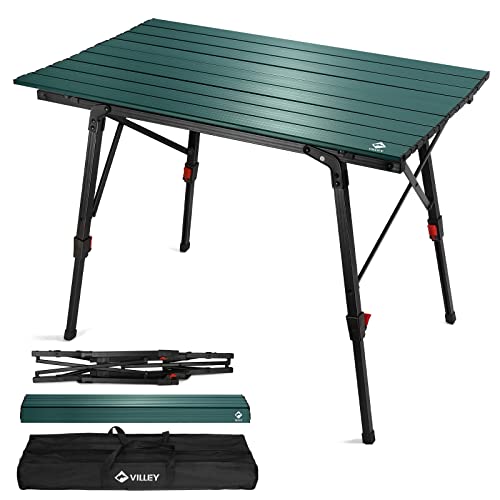
8 Best Camping Table Adjustable Legs of 2026 for Uneven Ground

10 Best Diaper Bag Backpacks For Dads of 2026 With Fast Gear Access

11 Best Framed Luggage of 2026 For Zipperless Security

11 Best Folding Two Wheeler For Luggage of 2026 To Prevent Tipping

11 Best Expandable Roller Luggage of 2026 That Fit Overhead Bins