is it safe for americans to travel to europe? real talk

The question is it safe for americans to travel to europe usually starts with a tiny knot in the stomach, not a dramatic fear of travel. Flights look tempting, hotel photos look sunny, and then a headline about protests, strikes, pickpockets, border rules, or airport delays throws a wrench in the plan. Europe is still a realistic and generally manageable trip for many Americans, but smart preparation matters more than breezy confidence. A calm traveler checks official advisories, reads local transport updates, keeps documents backed up, and avoids treating every city like it plays by the same rules.
Most safety concerns in Europe are practical rather than extreme, which is good news, but hey, practical problems can still ruin a day fast. Petty theft around train stations, crowded plazas, nightlife areas, and major tourist routes remains one of the most common headaches. Bags left on chair backs, phones resting on café tables, and wallets tucked into loose pockets can disappear before the second espresso lands. So the better move is simple: use a crossbody bag, keep one payment card separate, and stay sharp in crowds without acting tense.
Local demonstrations, labor strikes, and transport disruptions can also turn a smooth itinerary into a bit of a circus. Big cities may feel perfectly normal one block away from a march, while train schedules or airport routes quietly shift in the background. Flexible planning helps here because a backup train, a refundable hotel night, or one lighter travel day can save the whole rhythm of the trip. That’s not fear talking, that’s just travel with its shoes tied.
Entry rules deserve attention too, especially because Europe isn’t one single door with one single policy. The Schengen Area allows short stays for many American travelers under common rules, while the United Kingdom, Ireland, and several non-Schengen countries have their own systems. Passport validity, trip length, insurance needs, and upcoming travel authorization requirements should be checked before buying nonrefundable tickets. A trip can be safe and still get messy if paperwork is treated like an afterthought.
Health and personal comfort also belong in the safety conversation, even if they sound less dramatic than crime or security. Heat waves, medication rules, uneven sidewalks, late-night transit gaps, and language barriers can create stress in small but stubborn ways. Travel insurance, copies of prescriptions, emergency contacts, and a working phone plan can keep small problems from snowballing. Europe rewards curiosity, but it also rewards the traveler who packs a little common sense right beside the charger.
The better answer to is it safe for americans to travel to europe is yes, with country-by-country judgment and a few grown-up habits. Skip the doom scrolling, but don’t ignore official guidance either. Watch your belongings, respect local rules, avoid heated crowds, and build room into the schedule for delays. Done that way, the trip feels less like rolling the dice and more like moving through a busy, beautiful place with your eyes open.

- TLR Rank10.0
TLR Rank is a ranking system developed by TravelLuggageReviews.com. TLR Rank has no relationship or impact from any manufacturers or sales agent websites. Learn more
- BrandN/A

- TLR Rank10.0
TLR Rank is a ranking system developed by TravelLuggageReviews.com. TLR Rank has no relationship or impact from any manufacturers or sales agent websites. Learn more
- BrandN/A

- TLR Rank10.0
TLR Rank is a ranking system developed by TravelLuggageReviews.com. TLR Rank has no relationship or impact from any manufacturers or sales agent websites. Learn more
- BrandN/A

- TLR Rank9.6
TLR Rank is a ranking system developed by TravelLuggageReviews.com. TLR Rank has no relationship or impact from any manufacturers or sales agent websites. Learn more
- BrandBowker

- TLR Rank9.0
TLR Rank is a ranking system developed by TravelLuggageReviews.com. TLR Rank has no relationship or impact from any manufacturers or sales agent websites. Learn more
- BrandN/A

- TLR Rank-
TLR Rank is a ranking system developed by TravelLuggageReviews.com. TLR Rank has no relationship or impact from any manufacturers or sales agent websites. Learn more
- BrandMajosta
- TLR Rank-
TLR Rank is a ranking system developed by TravelLuggageReviews.com. TLR Rank has no relationship or impact from any manufacturers or sales agent websites. Learn more
- BrandMajosta

- TLR Rank-
TLR Rank is a ranking system developed by TravelLuggageReviews.com. TLR Rank has no relationship or impact from any manufacturers or sales agent websites. Learn more
- BrandN/A

- TLR Rank-
TLR Rank is a ranking system developed by TravelLuggageReviews.com. TLR Rank has no relationship or impact from any manufacturers or sales agent websites. Learn more
- BrandN/A

- TLR Rank-
TLR Rank is a ranking system developed by TravelLuggageReviews.com. TLR Rank has no relationship or impact from any manufacturers or sales agent websites. Learn more
- BrandN/A
Last update on 2026-08-10 / Affiliate links / Images, Product Titles, and Product Highlights from Amazon Product Advertising API
Is It Safe For Americans To Travel To Europe
A dream trip can get weirdly stressful before the suitcase even leaves the closet. Headlines about strikes, scams, border rules, protests, and airport chaos can make is it safe for americans to travel to europe feel less like a simple travel question and more like a puzzle with moving pieces. The honest answer is that Europe can be a safe, rewarding trip, but smart planning beats blind confidence every single time. A traveler who checks advisories, protects documents, packs lightly, and stays flexible usually has a smoother time than someone who assumes every city works the same way.
Travel Safety Starts Before The Flight
Trip safety starts long before the first coffee at the airport. A U.S. passport, a loose itinerary, and a hotel booking may feel like enough, but Europe rewards people who handle boring details early. Schengen rules can affect how long a traveler may stay, while the United Kingdom, Ireland, and other non-Schengen countries may follow different entry systems. That small paperwork gap can turn into a big headache if passport validity or stay limits get ignored.
Official travel advisories should be treated like weather reports, not panic buttons. The U.S. Department of State often lists risks such as petty theft, demonstrations, terrorism alerts, or local disruptions by country. Those warnings don’t mean every street is dangerous, but they do help set expectations before money gets locked into hotels and trains. A calm review of the advisory can show whether a destination needs extra caution or just normal city awareness.
Document backup is one of those unglamorous habits that can save a trip from turning sour. A printed passport copy, a digital copy stored securely, and a photo of key reservations can help if a phone dies or a bag disappears. Keep one payment card away from the main wallet, because losing everything in one pocket is asking for trouble. Small systems like that make travel control feel less fragile.
Packing choices also affect safety more than people expect. A massive checked bag can slow down train transfers, make stairs miserable, and draw extra attention in crowded stations. For travelers who want cabin-friendly movement without dragging half the closet, pack smarter with a best suitcase for cabin crew setup that keeps essentials tight and easy to manage. Light luggage gives you quicker exits, fewer hands off your belongings, and less fuss when plans shift.
City Awareness Beats Nervous Travel
European cities can feel familiar and unfamiliar at the same time. A plaza may look relaxed, the metro may run beautifully, and then a pickpocket team works the crowd near a ticket machine. That doesn’t mean the city is unsafe, but it does mean tourists should keep phones, wallets, and bags close in busy spots. Petty theft is usually quiet, quick, and avoidable with better habits.
Train stations deserve special attention because they mix tired travelers, luggage, ticket confusion, and crowds in one messy space. A person asking for help at a machine may be sincere, but distraction tricks are common enough to justify a polite no. Keep bags in front of you, avoid leaving phones on café tables, and don’t hang a backpack off a chair in a packed terminal. These habits aren’t paranoid, they’re just street-smart travel.
Nightlife areas bring a different kind of risk. Late trains, unfamiliar neighborhoods, alcohol, and dead phone batteries can turn a fun night into a sloppy problem fast. Share your location with someone you trust, check the route back before leaving, and avoid wandering alone through quiet streets after the last metro. A little planning keeps personal safety from depending on luck.
Local scams often look harmless at first. Friendship bracelets, fake petitions, broken taxi meters, overly helpful strangers, and sudden “found ring” tricks still catch travelers because they feel casual. The best response is short, calm, and firm, with no long explanation. A simple no, steady walking, and a hand on your bag can shut down most tourist-targeted distractions before they get traction.
Protests, Strikes, And Crowds Need Flexibility
Public demonstrations are part of normal civic life in many European capitals. Most are peaceful, but visitors can still get stuck behind closed streets, delayed buses, or heavy police presence. The smarter move is not to debate the issue or squeeze through the crowd for a better photo. Step around it, check local transit updates, and treat crowd avoidance as a basic travel skill.
Transport strikes can be more disruptive than safety alerts because they mess with timing, hotel check-ins, flights, and pre-booked tours. France, Italy, Spain, Germany, and the United Kingdom all have strong transit networks, but even good systems can pause or run reduced service. Build a cushion into airport days and avoid planning tight train-to-flight connections. Flexibility protects both money and mood.
Short trips can feel especially vulnerable to delays because every hour counts. A four-day Europe visit packed with museums, dinner reservations, and train rides leaves little room for surprises. Keep one lighter day in the itinerary and use a compact carry setup to move faster between hotels and stations. For tighter routes, travel easier with a best backpack for 4 day trip approach that keeps hands free in crowded places.
Major events can change the feel of a city overnight. Football matches, festivals, political visits, and holiday markets can bring extra police, packed transport, higher prices, and more pickpocketing opportunities. That energy can be fun, sure, but it can also wear people down if they expected a quiet stroll. Check event calendars and local news so busy travel days don’t catch you flat-footed.
Health, Money, And Communication Matter
Health preparation rarely gets the spotlight, but it matters a lot. Medication rules vary by country, pharmacies may use different brand names, and medical visits can feel confusing without the right documents. Carry prescriptions in original packaging and keep a short note with generic drug names if you rely on daily medicine. Travel insurance can make medical surprises easier to handle without scrambling.
Phone access is a safety tool, not just a convenience. Maps, translation apps, banking alerts, transit tickets, and emergency contacts all live on that little screen. Set up roaming, an eSIM, or a local SIM before you’re standing outside a station with low battery and no signal. A power bank and offline maps can turn a stressful moment into a manageable travel hiccup.
Money habits should be practical and boring. Use ATMs attached to banks, decline sketchy currency conversion prompts, and avoid carrying a thick wad of cash in one place. Notify your bank before travel if needed, and keep a backup card separate from your wallet. That simple split can soften the blow if theft or card trouble happens mid-trip.
Small luggage helps with more than airline rules. Cobblestones, stair-only hotels, narrow train aisles, and compact elevators can make oversized bags feel like dead weight. For travelers trying to move cleanly through older city centers, pack lighter with a best 19 inch roller bag that fits tighter spaces and keeps valuables close. Better mobility supports safer decisions, especially in crowded transit zones.
Country Differences Shape The Real Answer
Europe is not one safety profile, and that’s where a lot of confusion starts. A traveler might feel relaxed in a small Dutch town, alert in a packed Paris metro, and unsure at a border crossing in the Balkans. The question is it safe for americans to travel to europe needs a country-by-country answer, not a blanket yes or no. Local laws, social habits, protest patterns, and crime trends can shift the practical advice.
Schengen travel can feel seamless once inside the zone, but entry rules still matter at the edges. American travelers often focus on flights and hotels while forgetting stay limits, passport dates, and onward travel proof. Border officers may ask simple questions about lodging, trip length, or return plans. Clear answers and organized documents make border checks much less stressful.
Language gaps are usually manageable, but they can raise stress during emergencies, ticket disputes, or medical visits. Download offline translation tools, save hotel addresses in the local language, and learn a few basic phrases before arrival. People often help more warmly when the effort is visible, even if the pronunciation is rough. That small respect can smooth out awkward travel moments.
Local respect also affects safety in quiet ways. Loud behavior on late trains, ignoring dress codes at religious sites, filming strangers, or treating neighborhoods like theme parks can create friction. Most Americans won’t face serious trouble from cultural mistakes, but careless behavior can invite conflict or unwanted attention. A little humility keeps travel confidence from sliding into cluelessness.
How Americans Can Travel Europe Safely With Less Stress
After the big safety basics are handled, the trip gets easier to shape around real-life comfort. Is it safe for americans to travel to europe depends less on fear and more on how well the daily details are managed. A traveler who knows where the passport is, keeps luggage manageable, and checks local alerts before leaving the hotel already has a stronger safety net. That kind of preparation doesn’t make the trip stiff or boring, it simply keeps small problems from stealing the whole day.
Europe travel can feel smooth in one city and slightly chaotic in the next. A quiet morning train in Switzerland feels nothing like a packed evening metro in Barcelona or a strike-affected airport in Paris. So the smartest approach is to stay flexible, not suspicious of everything. Calm awareness lets people enjoy cafés, museums, markets, and neighborhoods without walking around like every corner has a trapdoor.
Luggage size plays a bigger role than many travelers expect. Heavy bags can slow exits, make stairs painful, and create awkward moments in older hotels with small elevators. For longer routes with multiple countries, move easier with best 30 inch hardside luggage if checked storage makes more sense than juggling several smaller pieces. The key is matching the bag to the trip instead of dragging around gear that fights every sidewalk.
Older city centers often come with cobblestones, narrow stairs, and train platforms that don’t care how tired someone feels. That’s where lighter packing starts to look less like a preference and more like a safety decision. Anyone who wants less strain during airport transfers can travel steadier with lightweight carry on luggage built around easier handling. Less physical stress means better attention, and better attention supports safer movement.
Daily Habits That Keep Europe Trips Safer
Morning planning can take five quiet minutes and prevent hours of confusion later. Check the day’s route, save offline maps, confirm train platforms if possible, and keep the hotel address stored in the local language. That routine feels simple, but it protects against dead zones, language mix-ups, and sudden transit changes. A traveler who starts the day organized usually reacts better when plans wobble.
Public transport is often the easiest way to move through Europe, but it also demands attention. Crowded buses, metro platforms, and airport trains are prime spots for distraction theft. Keep bags zipped, hold phones firmly, and avoid placing wallets in back pockets. These habits don’t ruin the mood, they just make petty theft much harder.
Restaurant and café safety deserves a quick mention because relaxed moments are where people often drop their guard. A phone on the table, a purse on the chair, or a camera hanging loose can tempt quick hands in tourist-heavy areas. Keep valuables on your body or between your feet where you can feel them. It sounds fussy until it saves a passport, then it feels like common sense.
Hotel awareness matters too, especially in large cities. Use the room safe for backup cards or documents when it makes sense, check that doors close fully, and don’t announce room numbers in public areas. Staff can help with trusted taxi options, safer late-night routes, and neighborhood advice. A good hotel desk can become a quiet source of local safety insight.
How To Handle Emergencies Without Panic
Emergency planning sounds dramatic, but most of it is plain and practical. Save the local emergency number, the nearest U.S. embassy or consulate information, and important medical details before the trip begins. Europe uses different emergency systems by country, though 112 works across many places in the European Union. Having those details ready keeps a stressful moment from turning into a scramble.
Lost passports are rare, but they do happen. A backup copy, passport photo, and digital scan can speed up the process if replacement help is needed. Keep those copies separate from the original passport rather than tucked in the same bag. That split creates a useful safety cushion when documents go missing.
Medical hiccups can feel intimidating abroad because the brands, systems, and language may be unfamiliar. Carry daily medications in original packaging and keep prescription names written clearly. Travel insurance can help with costs, guidance, and support if a clinic visit becomes necessary. A small folder of health details can make unexpected care much less stressful.
Communication backup should not depend on one phone battery. Carry a power bank, write down one trusted contact, and keep hotel details somewhere outside the phone. Messaging apps are helpful, but paper still wins when a screen cracks or gets lost. That old-school backup gives peace of mind without adding much weight.
Smarter Choices For Nights, Tours, And Border Days
Night travel calls for a different rhythm than daytime sightseeing. Streets that feel charming at 3 p.m. may feel confusing after midnight, especially near closed stations or quiet side roads. Plan the ride back before dinner, and keep enough battery for maps and ride apps. A good night out should end with safe transport, not a guessing game.
Group tours can reduce stress in places where transport, language, or local rules feel tricky. They are not necessary everywhere, but they can help with day trips, border areas, remote sights, or busy attractions. The tradeoff is less freedom and a fixed schedule. Still, a guided option can be worth it when local logistics feel heavier than the fun.
Border days deserve extra breathing room. Even within Europe, flights, ferries, trains, and passport checks can create delays that don’t show up in glossy itineraries. Avoid stacking tight connections, prepaid dinners, and long transfers on the same day. Space in the schedule gives travel mistakes less power.
Personal judgment remains the best tool across the whole trip. Leave a street if the mood feels off, skip a crowded carriage if another train is coming, and don’t argue with aggressive strangers. Those choices may seem small, but they stack up. Safe travel often comes from quiet decisions made before trouble has a chance to grow.
What Safe Travel Really Looks Like In Europe
Safe travel does not mean every moment feels polished or predictable. It means the traveler can handle small problems without spiraling. A delayed train, a blocked street, a lost card, or a confusing pharmacy visit can all be manageable with the right backup plan. That mindset makes is it safe for americans to travel to europe feel less like a warning and more like a planning question.
Realistic expectations help more than blind optimism. Europe has beautiful cities, efficient transit, historic neighborhoods, and plenty of friendly people, but it also has scams, crowds, strikes, and occasional security alerts. Both truths can sit side by side. A traveler who accepts that balance usually moves with more confidence and less drama.
Respect for local routines also makes the trip smoother. Quiet train cars, restaurant customs, cashless payments, late dinners, Sunday closures, and neighborhood norms can vary widely. Watch how locals behave, ask politely, and avoid treating every place like a vacation backdrop. That kind of awareness lowers friction and supports better travel choices.
Americans can travel Europe safely by pairing curiosity with preparation. Keep belongings close, follow country-specific guidance, avoid risky crowds, and build wiggle room into the plan. The trip doesn’t need to be wrapped in fear or overplanned into a checklist marathon. It just needs enough structure to let the good parts breathe.


9 Best Travel Camping Table of 2026 For Uneven Ground

12 Best Heavy Duty Camping Table of 2026 That Will Not Wobble or Sag
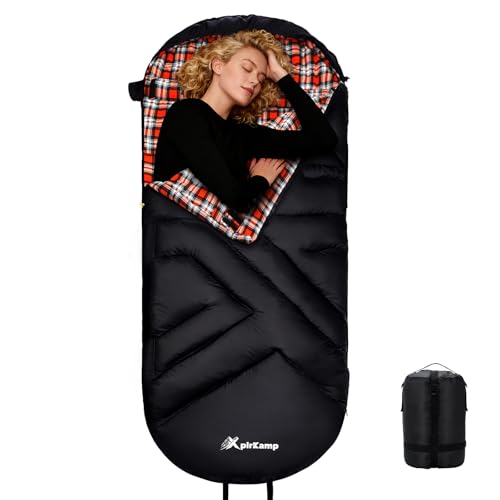
10 Best Sleeping Bags For Tall People of 2026 To Stretch Out Fully
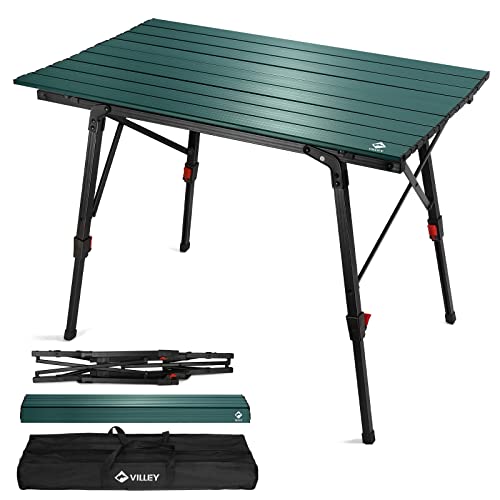
8 Best Camping Table Adjustable Legs of 2026 for Uneven Ground

10 Best Diaper Bag Backpacks For Dads of 2026 With Fast Gear Access

11 Best Framed Luggage of 2026 For Zipperless Security

11 Best Folding Two Wheeler For Luggage of 2026 To Prevent Tipping

11 Best Expandable Roller Luggage of 2026 That Fit Overhead Bins