
Is It Safe for Green Card Holders to Travel Abroad?

Permanent residents can travel outside the country safely without losing their legal status. Trouble only starts if a trip lasts too long or key identity documents expire while abroad. As long as the vacation or family visit remains brief, border officers simply verify identity and welcome returning residents back home.
Safety at the border depends on a few clear habits. Keeping trips under six months avoids questions about whether someone still lives in the country. Travelers also need an unexpired green card, an active passport from their home country, and a clear legal record. Here is what to know about travel time limits, airport customs questions, and the documents needed for a smooth return.
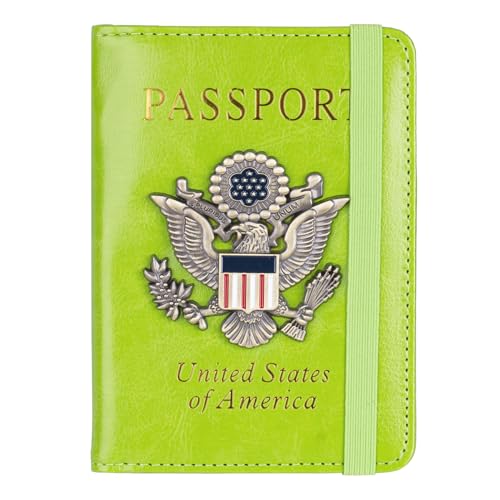
- TLR Rank9.6
TLR Rank is a ranking system developed by TravelLuggageReviews.com. TLR Rank has no relationship or impact from any manufacturers or sales agent websites. Learn more
- BrandTOURSUIT

- TLR Rank9.4
TLR Rank is a ranking system developed by TravelLuggageReviews.com. TLR Rank has no relationship or impact from any manufacturers or sales agent websites. Learn more
- BrandKAOBAN

- TLR Rank9.4
TLR Rank is a ranking system developed by TravelLuggageReviews.com. TLR Rank has no relationship or impact from any manufacturers or sales agent websites. Learn more
- BrandMelsbrinna

- TLR Rank9.2
TLR Rank is a ranking system developed by TravelLuggageReviews.com. TLR Rank has no relationship or impact from any manufacturers or sales agent websites. Learn more
- BrandSpigen

- TLR Rank9.2
TLR Rank is a ranking system developed by TravelLuggageReviews.com. TLR Rank has no relationship or impact from any manufacturers or sales agent websites. Learn more
- BrandZICOTO

- TLR Rank9.2
TLR Rank is a ranking system developed by TravelLuggageReviews.com. TLR Rank has no relationship or impact from any manufacturers or sales agent websites. Learn more
- BrandVENTURE 4TH
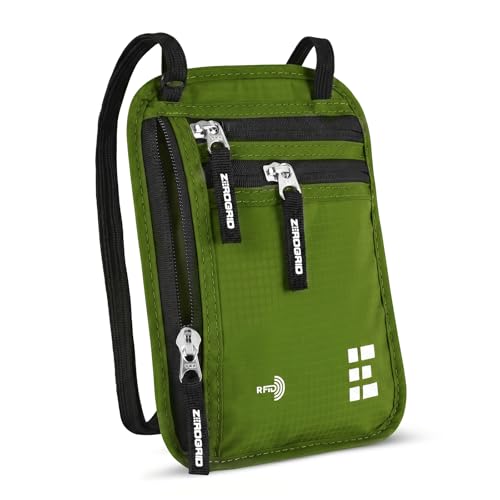
- TLR Rank9.0
TLR Rank is a ranking system developed by TravelLuggageReviews.com. TLR Rank has no relationship or impact from any manufacturers or sales agent websites. Learn more
- BrandZero Grid

- TLR Rank9.0
TLR Rank is a ranking system developed by TravelLuggageReviews.com. TLR Rank has no relationship or impact from any manufacturers or sales agent websites. Learn more
- BrandLewis N. Clark
Last update on 2026-10-20 / Affiliate links / Images, Product Titles, and Product Highlights from Amazon Product Advertising API
Your Legal Right to Travel as a Green Card Holder
Holding a green card means you are a lawful permanent resident of the United States. You have earned the legal right to live and work in the country permanently. That status also gives you the freedom to travel outside the United States for vacations, work assignments, family events, and personal business, then return home when your trip is over.
Many travelers worry that boarding an international flight puts their residency on the line. As long as your trip is truly temporary and you follow a few basic travel rules, leaving the country does not cancel your status. Millions of permanent residents leave and re-enter the country through major airports and land border crossings every single year without any trouble.
There is, however, an important distinction between a U.S. citizen and a green card holder. A U.S. citizen has an absolute right to enter the country under any circumstances. A permanent resident is always subject to inspection by Customs and Border Protection officers at airport customs or border checkpoints. The officer at the desk must confirm your identity, verify that your travel documents are valid, and ensure you have not given up your right to live in the U.S. while you were away.
Understanding what border officers look for removes the mystery from the process. Officers want to see that the United States remains your true, permanent home. When you take a two-week holiday or a month-long trip to visit relatives, your intent is clear. You are simply taking a short break from your daily life in America, which is fully permitted under immigration law.
Trip Lengths and the Six-Month Rule
The single most important factor in keeping your travel safe is the amount of time you spend outside the country. Border officers track your departures and arrivals electronically, and the length of your trip determines how closely they review your status upon return.
Trips under six months (fewer than 180 days) are considered standard temporary travel. When you return within this window, border officers generally assume you maintained your permanent home in the United States. Routine questions about your trip length and what you bought abroad are normal, but your legal status is rarely questioned. If you keep all your international trips under six months, you avoid nearly all border scrutiny.
Trips between six months and one year raise immediate questions. When an absence passes the 180-day mark, immigration law stops presuming that your trip was brief. The officer at the airport customs desk has the legal authority to ask detailed questions about why you were away for so long. You may need to prove that you still work in the U.S., maintain an apartment or house, and pay your taxes. In addition, an absence of more than six months can disrupt your continuous residence, which pushes back the date you can apply for U.S. citizenship.
Trips longer than one year break your residency automatically unless you prepare in advance. If you stay abroad for more than 365 consecutive days without prior approval, your physical green card can no longer be used as a valid entry document. To take a trip that lasts between one and two years, you must apply for a re-entry permit (a travel pass for long trips over one year) using Form I-131 before you depart the United States. You must attend your fingerprint appointment inside the country before leaving, though you can choose to pick up the approved permit at an overseas embassy.
Paperwork and Documents to Carry on Every Trip
Traveling smoothly through border control comes down to having the right physical documents packed in your personal bag. Never place your legal identification in checked luggage that could get lost or delayed by an airline.
- Your physical, unexpired green card: You must present your original plastic card. Paper photocopies, photos on your smartphone, or expired cards without official extension paperwork will cause boarding denials at foreign airports.
- A valid passport from your home country: Your green card grants you entry to the United States, but you still travel under the citizenship of your home nation. Ensure your passport has at least six months of validity remaining beyond your planned return date.
- Official extension notices, if applicable: If your permanent resident card is expired but you filed for a replacement or renewal, bring your original Form I-797 receipt notice showing your status has been extended. If you are an airline traveler who had to adjust your itinerary around renewal delays, understanding what is a travel waiver can help you change flights without paying excessive airline penalties.
- Your approved re-entry permit: If your journey will keep you away for more than one year, this travel pass is your primary re-entry document. Keep it alongside your foreign passport.
- Evidence of ongoing U.S. ties for longer trips: If your trip extends past several months, carry copies of your latest U.S. tax return transcripts, a recent bank statement, an apartment lease or mortgage bill, and an employer letter confirming your leave of absence.
If you prefer to take a vacation without worrying about foreign entry stamps or international customs checks, you can explore domestic options. You can read our guide on where to travel without a US passport to see tropical U.S. territories like Puerto Rico and the U.S. Virgin Islands where permanent residents can travel just like domestic travelers.
What to Expect at Airport Customs Step by Step
Walking through international arrivals can feel stressful, but the inspection process follows a predictable, orderly routine. Knowing each phase ahead of time keeps you relaxed and confident as you clear the checkpoint.
- Join the correct inspection line at the border checkpoint. Follow the overhead airport signs directed toward U.S. Citizens and Lawful Permanent Residents. Reason: These lanes connect you to officers whose systems are configured to scan permanent resident identification cards quickly.
- Hand your physical green card and passport to the border officer. Remove any plastic sleeves or wallets before reaching the booth so your documents are ready to scan. Reason: The customs officer must run the magnetic strip and optical codes on your cards directly through their database reader.
- Answer basic questions about your trip length and activities. Tell the officer where you traveled, the primary purpose of your trip, and how many weeks or months you were away. Reason: Clear, direct answers show that your trip had a definite ending date and that you never intended to live overseas permanently.
- Provide biometric confirmation on the scanner. Place your fingers flat on the glass scanner and look directly into the small desk camera when prompted. Reason: Biometrics match your living identity against the federal records created when your green card was originally approved.
- Declare any agricultural goods, gifts, or currency over ten thousand dollars. State honestly if you are bringing back fresh fruits, meats, soil, or large sums of cash. Reason: Customs agricultural rules apply to all travelers equally, and failing to declare food items can lead to fines and customs delays.
- Proceed to baggage claim or head to secondary inspection if requested. Collect your stamped documents and walk toward the exit, or walk calmly to the secondary inspection waiting area if the officer directs you there. Reason: A referral to secondary inspection does not mean your status is canceled; it usually means an officer needs extra time to review paperwork or clear a computer flag.
Common Travel Mistakes That Put Your Status at Risk
Most travelers who experience difficulties at re-entry run into trouble because of simple oversights or misunderstandings about immigration rules. Staying mindful of these common traps keeps your status secure.
- Staying out of the country too long without planning: Leaving for a casual summer trip and stretching it past six months creates legal hurdles. Always set a firm calendar return date before you leave.
- Filing taxes as a non-resident alien: As a green card holder, you must file U.S. federal tax returns on your worldwide income regardless of where you travel. Choosing a non-resident filing status on tax forms to save money sends an official signal that you have abandoned your residency.
- Signing Form I-407 under pressure: Form I-407 is a voluntary card surrender form. A border officer may suggest that you have been gone too long and ask you to sign this document to surrender your card. You are never legally required to sign it. If you refuse to sign, the officer must let you enter the country and refer your case to an immigration judge, who makes the final decision.
- Traveling while facing open criminal charges: Certain criminal convictions or active probation terms can make a permanent resident inadmissible upon return. If you have any criminal history, consult an immigration attorney before buying an international ticket.
- Relying on expired documentation: Boarding a flight back to the United States with an expired card often results in airlines refusing to let you on the plane. Always confirm your expiration date months before booking international travel.
Keeping Your Physical Documents Safe While Traveling
Losing your physical green card while traveling in another country creates major logistical headaches. Foreign airlines will not allow you to board a flight bound for the United States without proof of legal status. If your card is lost or stolen abroad, you must schedule an emergency appointment at a U.S. embassy or consulate, pay official processing fees, and wait for temporary carrier documentation before you can fly home.
The best way to prevent this nightmare is to treat your immigration documents with serious care throughout your trip. Use a dedicated travel wallet, passport cover, or an RFID-blocking neck pouch that keeps your foreign passport and your green card stored securely together in one place. These organizers keep your cards flat, prevent bent corners or cracked magnetic strips, and protect personal data chips from electronic scanning in crowded transit terminals.
When selecting travel protection gear for your documents, look for models made with water-resistant fabrics and sturdy, reinforced zippers. A compact organizer that measures roughly five to seven inches tall easily accommodates standard passports, credit cards, and residency cards without bulging. Opt for slim profiles that slip discreetly under your clothing or tuck securely into an under-seat personal item rather than floating loose inside a large carry-on bag.
Before leaving home, take clear color photographs of the front and back of your green card, your passport identity page, and your re-entry permit. Store these photos in a secure, encrypted cloud folder or email them to yourself. If your physical documents go missing during your trip, having clear digital copies makes it significantly faster for local police and embassy staff to verify your legal status and issue replacement travel paperwork.
FAQs
Can a border officer cancel my green card at the airport?
No, an airport customs officer cannot unilaterally revoke your green card on the spot. Only an immigration judge has the legal authority to formally strip a permanent resident of their status. If an officer believes you abandoned your residency, they can issue you a notice to appear in immigration court, but they must still allow you to enter the United States to plead your case.
What happens if my green card expires while I am outside the country?
Airlines will generally deny you boarding on a U.S.-bound flight if your card is expired. If this happens, you must locate the nearest U.S. embassy or consulate and file Form I-131A to request a boarding foil, which serves as a temporary travel pass. The process costs money and can take several weeks, so always verify your card expiration date well before leaving the country.
Can I travel internationally while my U.S. citizenship application is pending?
Yes, you can travel outside the country while your Form N-400 naturalization application is being processed. However, your trip must remain brief, and you must maintain your continuous physical presence requirements. You must also return in time to attend your mandatory biometrics appointment, naturalization interview, and oath ceremony.
What should I do if my green card is lost or stolen overseas?
File a report with the local police immediately to establish an official written record of the theft or loss. Next, contact the nearest U.S. embassy or consulate to schedule an appointment for an emergency boarding foil. You will need to show your police report, proof of your permanent resident status like a photo copy of your card, and your foreign passport to secure your return travel documents.


12 Best Heavy Duty Camping Table of 2026 That Will Not Wobble or Sag

10 Best Sleeping Bags For Tall People of 2026 To Stretch Out Fully

8 Best Camping Table Adjustable Legs of 2026 for Uneven Ground

10 Best Diaper Bag Backpacks For Dads of 2026 With Fast Gear Access

11 Best Framed Luggage of 2026 For Zipperless Security

11 Best Folding Two Wheeler For Luggage of 2026 To Prevent Tipping

11 Best Expandable Roller Luggage of 2026 That Fit Overhead Bins

10 Best Fishing Rod Luggage of 2026 To Protect Fragile Blanks









