Is It Safe To Travel By Air? Honest Answers

Is it safe to travel by air is a question that usually pops up right before booking, packing, or stepping into a crowded airport. That little knot in the stomach makes sense, especially with packed terminals, tight seats, weather delays, and all the “what ifs” bouncing around your head. Air travel can feel out of your hands, and yeah, that’s exactly why people want straight talk instead of fluffy reassurance. The good news is that flight safety relies on layered systems, trained crews, strict maintenance routines, and procedures designed to catch problems before they become serious.
Still, safety isn’t only about the aircraft. Air travel comfort, health habits, seat choice, hydration, movement, and timing all shape how secure and calm the trip feels from curb to cabin. A smooth flight starts before boarding, with simple choices like checking entry rules, keeping medication in a carry-on, wearing breathable layers, and giving yourself enough airport time so you’re not sprinting through security like a movie extra. Small things, oddly enough, do a lot of heavy lifting. They reduce stress, help you think clearly, and make the whole experience less chaotic.
Is it safe to travel by air also depends on personal context, not just general aviation rules. Someone taking a short domestic hop may worry about turbulence, while someone flying long haul may care more about sleep, circulation, germs, or jet lag. Turbulence feels dramatic, sure, but seat belts are there for that exact reason, and staying buckled while seated is one of the simplest protective habits. For longer flights, walking occasionally, drinking water, and avoiding heavy last-minute rushing can make the body feel less boxed in.
Here’s the plain-English version: modern air travel is built around prevention, repetition, and backup plans. Pilots train for unusual situations, aircraft are inspected on schedules, and airports run on rules that may feel annoying but exist for a reason. That doesn’t mean every trip feels effortless. Delays happen, weather can shake plans, and cramped cabins can test anyone’s patience, but those irritations don’t automatically mean the flight itself is unsafe.
The smarter question isn’t only is it safe to travel by air, but how to make flying safer, calmer, and less draining for your own trip. Keep essentials close, listen to crew instructions, move your legs during longer flights, wash or sanitize hands before eating, and avoid treating boarding time like a race. With a little planning and a cool head, air travel becomes less of a mystery and more of a managed routine. Not glamorous, maybe, but pretty dependable.

- TLR Rank10.0
TLR Rank is a ranking system developed by TravelLuggageReviews.com. TLR Rank has no relationship or impact from any manufacturers or sales agent websites. Learn more
- BrandN/A

- TLR Rank8.8
TLR Rank is a ranking system developed by TravelLuggageReviews.com. TLR Rank has no relationship or impact from any manufacturers or sales agent websites. Learn more
- BrandWiley-Blackwell

- TLR Rank8.8
TLR Rank is a ranking system developed by TravelLuggageReviews.com. TLR Rank has no relationship or impact from any manufacturers or sales agent websites. Learn more
- BrandN/A

- TLR Rank2.0
TLR Rank is a ranking system developed by TravelLuggageReviews.com. TLR Rank has no relationship or impact from any manufacturers or sales agent websites. Learn more
- BrandN/A

- TLR Rank-
TLR Rank is a ranking system developed by TravelLuggageReviews.com. TLR Rank has no relationship or impact from any manufacturers or sales agent websites. Learn more
- BrandN/A

- TLR Rank-
TLR Rank is a ranking system developed by TravelLuggageReviews.com. TLR Rank has no relationship or impact from any manufacturers or sales agent websites. Learn more
- BrandN/A

- TLR Rank-
TLR Rank is a ranking system developed by TravelLuggageReviews.com. TLR Rank has no relationship or impact from any manufacturers or sales agent websites. Learn more
- BrandN/A

- TLR Rank-
TLR Rank is a ranking system developed by TravelLuggageReviews.com. TLR Rank has no relationship or impact from any manufacturers or sales agent websites. Learn more
- BrandN/A

- TLR Rank-
TLR Rank is a ranking system developed by TravelLuggageReviews.com. TLR Rank has no relationship or impact from any manufacturers or sales agent websites. Learn more
- BrandN/A
Last update on 2026-08-10 / Affiliate links / Images, Product Titles, and Product Highlights from Amazon Product Advertising API
Is It Safe To Travel By Air?
Airport nerves can sneak up fast, especially after a few headlines, a bumpy forecast, or a rushed morning with bags half-zipped on the floor. Still, is it safe to travel by air has a calmer answer than most anxious thoughts suggest, because commercial flying is built around layers of checks, training, maintenance, and backup procedures. The real stress often comes from feeling trapped, uninformed, or rushed, not from the aircraft itself. A safer-feeling trip usually starts with clear expectations, a simple plan, and a little less doom-scrolling before boarding.
Why Flying Feels Scarier Than It Usually Is
Air travel anxiety often grows because passengers can’t see what pilots, mechanics, dispatchers, and air traffic teams are doing behind the scenes. Sitting in a narrow seat while the cabin door closes can make every sound feel suspicious, even though many noises are normal parts of takeoff, landing gear movement, or airflow. The brain loves filling silence with worst-case stories. That’s why flight safety feels easier to trust once the process stops feeling like a black box.
Turbulence is one of the biggest troublemakers for nervous flyers because it feels dramatic in the body. The plane bumps, drinks shake, and suddenly every calm thought leaves the building. Yet turbulence is usually a comfort issue rather than a sign that the aircraft is in danger. Keeping the seat belt fastened while seated is a boring habit, sure, but seat belt discipline is one of the smartest moves during rough air.
Commercial aviation runs on repetition, and that repetition is the point. Crews follow checklists because memory alone is not treated like a safety system. Aircraft maintenance follows scheduled inspections, and flight crews train for unusual scenarios before they ever happen in real life. That routine may not look exciting, but predictable procedures are exactly what make flying feel less like chance and more like managed movement.
Fear also gets louder when travelers confuse discomfort with danger. A dry throat, tight legroom, a crying baby, or a long taxi delay can make the whole trip feel unsafe, even if the flight itself is operating normally. So, the better question isn’t only is it safe to travel by air, but what makes the experience feel steadier from start to finish. Comfort habits matter because calmer passengers make better decisions.
Health, Hygiene, And Cabin Comfort Matter
Cabin health is often the quiet worry behind the safety question. Crowded terminals, shared armrests, tray tables, and recycled-looking air can make a traveler feel like every cough is aimed straight at them. Modern aircraft ventilation is designed to move and filter air, but personal habits still matter. Washing hands, packing sanitizer, and avoiding face-touching before eating are small steps that support practical travel hygiene.
Dry cabin air can make flying feel harsher than expected, especially on longer routes. Lips crack, eyes feel gritty, and that airport coffee suddenly seems like a questionable life choice. Drinking water before and during the flight helps, while heavy alcohol or too much caffeine can make dehydration more noticeable. For long flights, hydration and light movement can make the body feel less boxed in.
Circulation deserves attention on longer trips because sitting still for hours can leave legs stiff and uncomfortable. Simple ankle circles, short aisle walks when allowed, and loose clothing can make a real difference. Nobody needs to turn the cabin into a gym, obviously, but staying completely frozen in one position is asking for misery. A little movement supports long-haul comfort without making the trip complicated.
Packing also affects health and peace of mind. Medication, glasses, chargers, documents, and a light layer belong within reach, not buried in checked luggage. To keep essentials organized before a longer route, pack smarter with a travel backpack for checked luggage that separates must-grab items from everything else. That kind of carry-on planning reduces panic if delays, gate changes, or baggage hiccups show up.
Weather Delays Do Not Mean Unsafe Flights
Weather delays can feel suspicious because passengers often get little more than a short announcement and a new boarding time. The waiting stings, especially after an early wake-up, pricey airport food, and a schedule that was already tight. But delays often show that the system is being cautious, not careless. A grounded plane is annoying, yet risk management sometimes looks like sitting at the gate longer than planned.
Thunderstorms, wind, fog, snow, and visibility issues all affect how flights are timed and routed. Pilots and dispatchers don’t simply shrug and hope for the best. Routes can change, departure windows can shift, and aircraft may wait until conditions meet operational limits. That’s why safe air travel sometimes feels inefficient from the passenger seat.
Turbulence forecasts can also lead to altitude changes or seat belt sign adjustments. That doesn’t mean the crew is scared. It means they’re managing comfort and safety while working with the air around them. A good habit is to treat the seat belt sign like a serious instruction, because unexpected bumps don’t care whether someone just stood up to grab a bag.
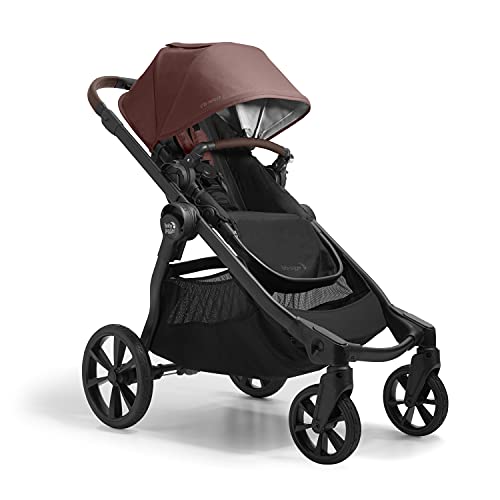
Travel days get easier when plans have breathing room. Tight layovers, last-minute airport arrivals, and overpacked itineraries turn normal delays into full-blown stress. Building extra time into the schedule protects the trip from small disruptions that snowball fast. For families dealing with rough sidewalks, gravel parking areas, or uneven paths near airports, plan ground movement with a stroller for dirt roads so the pre-flight scramble doesn’t start before check-in.
Security Rules Are Annoying For A Reason
Airport security can feel like a patience test designed by someone who enjoys watching people remove belts in public. The bins, liquids, laptop rules, and shoe shuffle can make even experienced travelers grumble. Still, those procedures exist to reduce risk before anyone reaches the aircraft. The smoother move is to treat security like part of flight preparation, not an obstacle that ruins the day.
Documents should be easy to reach, bags should be packed with screening in mind, and liquids should not become a surprise performance at the checkpoint. A messy carry-on slows everyone down and raises stress for no good reason. The best packing style is boringly practical: visible essentials, fewer loose items, and no mystery objects at the bottom of the bag. That simple setup supports faster screening and fewer awkward delays.
Personal safety also includes knowing what not to pack. Restricted items, oversized liquids, and questionable tools can create avoidable problems before the trip even starts. Rules vary by country and airport, so checking official guidance before packing is smarter than arguing at security. A calm checkpoint experience starts at home, not at the conveyor belt.
Small luggage choices can make a bigger difference than people expect. A compact personal item helps keep passports, medication, earbuds, snacks, and chargers from disappearing into a bottomless pit. For shorter trips or tighter packing setups, streamline your airport carry with a best 18 inch travel bag that keeps essentials close without turning boarding into a wrestling match. Less clutter means less airport friction, and that counts on stressful travel days.
What Passengers Can Control Before Boarding
Pre-flight habits shape the whole mood of a trip. Arriving late turns every line into a threat, every slow walker into an enemy, and every announcement into a heart attack. Giving yourself a wider buffer may sound basic, but it lowers the chance of rushed decisions. A calmer airport pace supports better travel judgment from check-in to boarding.
Seat selection can also change how safe or comfortable a flight feels. Aisle seats make it easier to move on long flights, while window seats can help some travelers feel tucked away and less disturbed. Seats near the wing may feel steadier during turbulence because that area is closer to the aircraft’s center of lift. Picking a seat based on comfort needs is not fussy; it’s practical.
Carry-on essentials should cover the annoying little problems that make flying feel worse than it is. A refillable water bottle, snacks, medication, tissues, hand sanitizer, a charging cable, and a light sweater can save the day. Cabin temperatures can swing from stuffy to chilly without asking anyone’s permission. Packing for those swings gives travelers more control in the cabin.
Food choices matter too, especially before a long flight. Heavy meals, too much soda, or salty snacks can leave the body feeling bloated and cranky once the seat belt sign stays on. A lighter pre-flight meal and steady water intake usually feel better than rolling onto the plane already uncomfortable. That kind of simple body care makes safety feel less abstract and more personal.
What To Do During The Flight
In-flight safety starts with listening, even if the safety demo feels familiar. Every aircraft layout can differ, and knowing the nearest exit is useful information, not paranoia. Keep the seat belt fastened while seated, even after the sign turns off. That one habit protects against unexpected turbulence better than any lucky charm ever could.
Cabin crew instructions deserve quick attention because flight attendants are trained for safety, not just snacks and drink carts. If they ask passengers to sit, stow bags, raise shades, or clear aisles, there is usually a practical reason behind it. Arguing wastes time and raises tension in a shared space. Respecting crew guidance keeps cabin order steady when the flight needs it most.
Electronic devices should be handled the way the crew requests, especially during takeoff and landing. Airplane mode, secured laptops, and stowed larger devices reduce distractions and loose-object hazards. Nobody wants a laptop sliding across the cabin during a sudden stop or rough movement. Small compliance choices support safer cabin behavior without much effort.
Stress management belongs in the safety conversation too. Slow breathing, music, a familiar podcast, or a simple grounding exercise can keep anxiety from running the show. Nervous thoughts may still pop up, but they don’t need to drive every reaction. The more prepared and settled someone feels, the easier it becomes to trust the structure behind safe air travel.
How To Travel By Air Safely Without Feeling Overwhelmed
Air travel safety feels more manageable once the trip stops being a giant mystery and starts looking like a string of small, controllable choices. A calm flight usually begins before the airport, with documents checked, bags packed sensibly, and essentials placed where they can be reached without digging through everything. That kind of preparation doesn’t remove every delay or rough patch, but it does lower the odds of panic. Is it safe to travel by air becomes easier to answer when the traveler has fewer loose ends pulling at their attention.
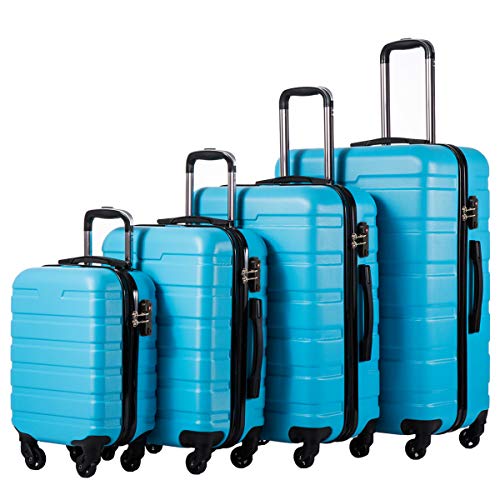
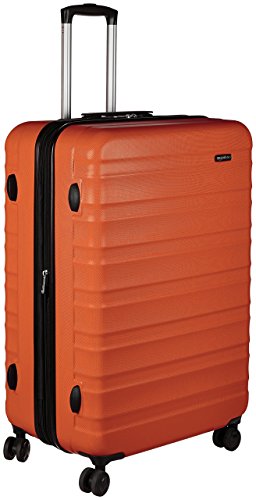
Checked luggage can reduce cabin clutter, but it also needs smart planning. Medication, passports, chargers, valuables, and one basic change of clothes should stay close because baggage delays can happen even on well-run routes. For longer trips where durability matters more than squeezing into an overhead bin, plan ahead with 28 inch hard shell luggage that protects packed items from rough handling. A stronger packing setup supports less airport stress and fewer surprises after landing.
Carry-on weight matters more than many travelers admit. A heavy bag can turn boarding into a shoulder workout, especially during tight connections or long walks between terminals. Lighter luggage also makes it easier to move quickly without bumping into seats, bins, or other passengers. For smoother boarding and easier overhead storage, rely on lightweight softside carry on luggage when flexibility matters more than rigid protection.
Safe flying also means being realistic about your own limits. Red-eye flights, short layovers, long security lines, and heavy bags can wear people down before the plane even leaves the gate. A trip feels safer when the body isn’t already exhausted and the brain isn’t trying to solve five problems at once. Build in extra time, pack lighter than your first instinct, and keep the important stuff where your hand can reach it.
Why Turbulence Feels Worse Than It Usually Is
Turbulence has a way of turning calm passengers into armrest philosophers. The aircraft shakes, the seat belt sign dings, and suddenly every tiny drop feels bigger than it is. Most turbulence is uncomfortable rather than dangerous, especially for passengers who stay buckled while seated. The safest habit is simple: treat the seat belt like part of the seat, not something to use only during takeoff and landing.
Rough air can happen in clear skies, near storms, over mountains, or during seasonal weather shifts. Pilots often adjust altitude or route to improve the ride, but they can’t make the atmosphere behave like a paved road. That doesn’t mean the aircraft is struggling. It means the flight crew is working within normal operating procedures while keeping passenger safety at the center.
Cabin injuries during turbulence are more likely when someone is standing, reaching into overhead bins, or ignoring crew instructions. Hot drinks, loose laptops, and open bags can become problems during sudden movement. That’s why announcements about stowing items and fastening seat belts deserve attention, even if the flight feels smooth. Small habits protect people from the most common avoidable issues.
Flight anxiety often eases when the body has something steady to do. Slow breathing, relaxed shoulders, both feet on the floor, and a familiar playlist can keep fear from sprinting ahead of reality. Nervous thoughts may still show up, but they don’t need the steering wheel. Calm routines help the brain read turbulence as discomfort, not disaster.
How To Stay Healthy During Long Air Travel
Long flights ask the body to sit still, breathe dry cabin air, and handle schedule changes that may not match normal meals or sleep. That combination can leave travelers feeling foggy, stiff, and irritated. Water, movement, and sensible snacks sound basic, but basic works. A few grounded habits can make air travel comfort feel much less random.
Hydration should start before boarding, not halfway through the flight after a headache arrives. Cabin air tends to feel dry, and caffeine or alcohol can make that dryness more noticeable. Drinking water steadily is better than chugging a bottle right before the seat belt sign stays on. Lip balm, eye drops, and a light layer can also help the body handle cabin conditions without fuss.
Movement matters on longer routes because stiff legs and cramped hips can make the flight feel twice as long. Ankle circles, gentle calf stretches, and short walks when allowed can support circulation. Nobody needs a dramatic aisle routine, but staying frozen for hours rarely feels good. A little motion keeps long-haul fatigue from building too quickly.
Food choices can help or hurt the trip. Heavy, salty meals before boarding may leave the body bloated and uncomfortable once space gets tight. Lighter meals, familiar snacks, and steady water usually make more sense than gambling on airport food during a delay. Practical eating supports better travel energy, especially after landing.
What To Do If A Flight Delay Throws Off Your Plan
Flight delays test patience because they steal control. A short wait can turn into missed connections, tired kids, cold meals, and a phone battery sliding toward zero. Still, delays don’t automatically mean anything unsafe is happening. Often, they reflect weather checks, maintenance review, crew timing, airport traffic, or routing changes that keep air travel safety ahead of convenience.
Smart backup planning makes delays less painful. Keep chargers, medication, snacks, and important documents in a personal bag instead of checked luggage. Save airline apps, hotel details, and travel insurance information before leaving home. A prepared traveler can react faster when gate numbers change or the schedule gets messy.
Connection time deserves more respect than it usually gets. A tight layover may look efficient on paper, but one late arrival can turn the airport into a sprint track. Longer layovers may feel boring, but they leave room for bathroom breaks, food, gate changes, and slower security lines. That extra breathing space can protect the whole trip from one small delay.
Communication helps when plans go sideways. Airline staff can explain options, but calm questions usually get better results than frustration at full volume. Keep receipts, screenshots, and booking references handy if rebooking or reimbursement becomes necessary. Clear records support faster problem solving without turning the delay into a bigger mess.
How To Feel More Secure From Takeoff To Landing
Takeoff and landing feel intense because the body notices speed, pressure changes, and engine noise all at once. Those moments are also highly procedural, with crew members following established steps. Keeping bags stowed, tray tables up, and seat belts fastened helps the cabin stay clear and controlled. Simple compliance supports safer flight operations.
Ear pressure can make flying feel more uncomfortable than dangerous. Chewing gum, swallowing, sipping water, or using pressure-regulating earplugs can help during climb and descent. Travelers with sinus congestion may feel pressure more sharply, so planning around health conditions matters. Comfort improves when small issues are handled before they become distractions.
Personal awareness should stay practical, not paranoid. Notice exits, listen to the safety briefing, and keep shoes accessible on longer flights. These habits don’t mean expecting trouble; they mean treating travel like any other activity where preparation helps. Calm awareness is very different from fear, and it supports better decision-making.
Is it safe to travel by air is best answered through both systems and habits. Airlines, pilots, maintenance crews, air traffic teams, and cabin staff handle the technical side, while passengers handle preparation, health, packing, and behavior. The two sides work better together when travelers stay informed without spiraling. A safer-feeling trip comes from trusting the structure while still taking care of the details within reach.


9 Best Travel Camping Table of 2026 For Uneven Ground

12 Best Heavy Duty Camping Table of 2026 That Will Not Wobble or Sag
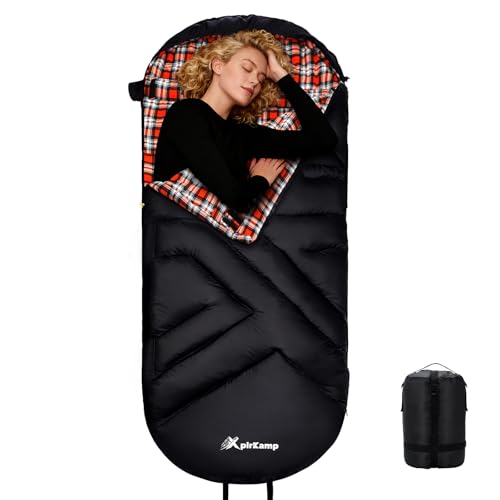
10 Best Sleeping Bags For Tall People of 2026 To Stretch Out Fully
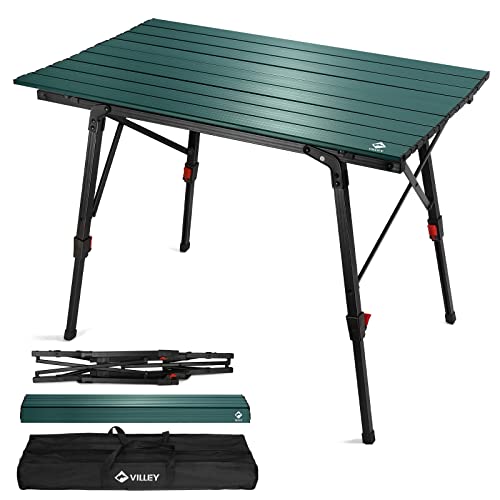
8 Best Camping Table Adjustable Legs of 2026 for Uneven Ground

10 Best Diaper Bag Backpacks For Dads of 2026 With Fast Gear Access

11 Best Framed Luggage of 2026 For Zipperless Security

11 Best Folding Two Wheeler For Luggage of 2026 To Prevent Tipping

11 Best Expandable Roller Luggage of 2026 That Fit Overhead Bins