
Is It Safe To Travel To Antigua? Smart Truth

Antigua looks easy on the surface, all bright water, lazy beach bars, and postcard coves that make planning feel like a no-brainer. Still, the real question, is it safe to travel to antigua, deserves a clear answer instead of a sugar-coated brochure line. For most trips, Antigua is generally a safe Caribbean destination, especially around well-known hotel areas, beaches, restaurants, and organized tours. But, yep, smart habits still matter because petty theft, isolated beach risks, road quirks, and storm-season surprises can turn a relaxed trip into a headache.
The biggest everyday issue is usually not dramatic crime, but simple stuff that catches people slipping. A phone left on a towel, a wallet tucked into an open beach bag, or a rental car parked with bags inside can invite trouble. Keep passports, cash, and cards secured, use hotel safes where available, and avoid flashing jewelry or thick rolls of cash. That sounds boring, sure, but boring precautions are often what keep the vacation smooth.
Beach safety needs a little respect too, because gorgeous water doesn’t always mean gentle water. Some beaches are calm and easygoing, while others can have currents, rocks, or fewer people nearby. Ask locally before swimming somewhere quiet, especially outside the main resort zones. A good rule of thumb: if the beach feels remote and empty, treat swimming conditions and belongings with extra caution.
Getting around Antigua can feel casual, but driving may take adjustment. Roads can be narrow, signage can be inconsistent, and local driving habits might feel a bit spirited if you’re used to wide lanes and predictable traffic. Taxis and arranged transfers often make more sense for nights out, especially after dinner or drinks. If renting a car, keep valuables out of sight and plan routes before heading off to tucked-away beaches.
Weather is another piece of the puzzle, especially during the Atlantic hurricane season. A sunny forecast can shift, and travel plans can get messy fast if storms develop nearby. Travel insurance that covers delays, medical needs, and weather interruptions is worth considering, not as fear-mongering, but as plain common sense. So, is it safe to travel to antigua? Yes, with normal precautions, weather awareness, and a little street smarts, it can be a relaxed and memorable trip.

- TLR Rank10.0
TLR Rank is a ranking system developed by TravelLuggageReviews.com. TLR Rank has no relationship or impact from any manufacturers or sales agent websites. Learn more
- BrandN/A
- TLR Rank8.8
TLR Rank is a ranking system developed by TravelLuggageReviews.com. TLR Rank has no relationship or impact from any manufacturers or sales agent websites. Learn more
- BrandN/A

- TLR Rank8.4
TLR Rank is a ranking system developed by TravelLuggageReviews.com. TLR Rank has no relationship or impact from any manufacturers or sales agent websites. Learn more
- BrandRough Guides

- TLR Rank8.0
TLR Rank is a ranking system developed by TravelLuggageReviews.com. TLR Rank has no relationship or impact from any manufacturers or sales agent websites. Learn more
- BrandN/A

- TLR Rank8.0
TLR Rank is a ranking system developed by TravelLuggageReviews.com. TLR Rank has no relationship or impact from any manufacturers or sales agent websites. Learn more
- BrandMajosta

- TLR Rank-
TLR Rank is a ranking system developed by TravelLuggageReviews.com. TLR Rank has no relationship or impact from any manufacturers or sales agent websites. Learn more
- BrandN/A

- TLR Rank-
TLR Rank is a ranking system developed by TravelLuggageReviews.com. TLR Rank has no relationship or impact from any manufacturers or sales agent websites. Learn more
- BrandN/A

- TLR Rank-
TLR Rank is a ranking system developed by TravelLuggageReviews.com. TLR Rank has no relationship or impact from any manufacturers or sales agent websites. Learn more
- BrandN/A

- TLR Rank-
TLR Rank is a ranking system developed by TravelLuggageReviews.com. TLR Rank has no relationship or impact from any manufacturers or sales agent websites. Learn more
- BrandMajosta

- TLR Rank-
TLR Rank is a ranking system developed by TravelLuggageReviews.com. TLR Rank has no relationship or impact from any manufacturers or sales agent websites. Learn more
- BrandN/A
Last update on 2026-08-13 / Affiliate links / Images, Product Titles, and Product Highlights from Amazon Product Advertising API
Is It Safe To Travel To Antigua?
A beach trip can look simple from a distance, then get messy fast once money, weather, transport, and personal safety enter the picture. That’s why is it safe to travel to antigua deserves a straight answer, not fluffy brochure talk. Antigua and Barbuda currently sits at a low advisory level from major travel authorities, yet normal precautions still matter because petty theft, storm season, road conditions, and isolated beaches can catch relaxed travelers off guard. The sweet spot is planning with clear eyes, then enjoying the island without acting like every small risk is a crisis.
Antigua Safety
Antigua is generally safe for most travelers, especially around popular resort areas, main beaches, restaurants, and organized excursions. The U.S. travel advisory level has recently placed Antigua and Barbuda in the “exercise normal precautions” category, which is about as calm as official travel language gets. Still, that doesn’t mean leaving common sense at the hotel door. A smooth trip usually comes from pairing island ease with simple security habits.
Petty theft is the practical issue to watch, not some movie-style danger around every corner. Phones on beach towels, loose cash in tote bags, and backpacks left in rental cars are the kinds of small openings that create big vacation headaches. Keep valuables out of sight, use a hotel safe when one is available, and avoid carrying every card and document at once. Boring advice, sure, but it works.
Nighttime choices deserve a little extra thought. A lively dinner near the harbor or a resort bar usually feels relaxed, but walking through quiet streets after drinks can be a different story. Use licensed taxis, prearranged transfers, or transportation recommended by your hotel instead of guessing your way back. That small move can save you from stress, awkward detours, or a long walk in an area you don’t know.
The safer mindset is not fear. It’s rhythm. Move through Antigua like someone who knows that beautiful places still need boundaries, especially with money, documents, and late-night plans. That way, the trip stays focused on beaches, food, boat days, and slow mornings instead of missing belongings or avoidable surprises.
Crime Risks That Actually Matter
The most realistic safety concern in Antigua is opportunistic theft, especially in busy tourist pockets or during festivals and crowded events. Pickpocketing and purse snatching can happen, and unattended bags are easy targets. Travelers often relax faster in beach destinations, which is exactly why small mistakes become expensive. Keep your daily setup lean: one card, modest cash, and a copy of key documents stored separately.
Hotels and villas can feel private, but doors and windows still need basic attention. Lock up before leaving, even for a quick breakfast or pool run, because quick absences are when people get sloppy. Don’t leave passports, watches, or electronics sitting near open windows or patio doors. A little discipline in the room makes the whole stay feel lighter.
Beach theft has its own rhythm. Someone goes swimming, everyone assumes someone else is watching the bags, and suddenly a phone or wallet disappears. Use waterproof pouches, bring less to the beach, and take turns watching belongings if you’re with others. For beach-hopping days, minimal carry beats dragging half your room around the island.
Scams are usually low-pressure compared with bigger cities, but tourists can still overpay for rides, informal tours, or vague “special deals.” Agree on taxi prices before leaving, confirm what a tour includes, and avoid paying large cash deposits to someone you just met on the sand. Pack smarter before these move-heavy days too, and for smoother hotel corridors or airport transfers, compare best suitcase rolling on carpet so your luggage doesn’t fight you from lobby to room. Small travel choices stack up, and less friction gives you more energy for the island itself.
Beach And Water Safety
Antigua’s beaches are the headline, but calm-looking water can still hide currents, rocks, drop-offs, or uneven footing. Popular beaches usually offer more people nearby and easier access to help, while quieter coves can feel peaceful but less forgiving. Ask local staff about conditions before swimming somewhere unfamiliar. If the water looks rough or locals seem cautious, trust that signal.
Snorkeling and boat tours are often a highlight, but the safest trips usually come from operators who explain the plan clearly. Ask about life jackets, weather changes, pickup times, and what happens if someone feels uncomfortable in the water. A good operator won’t act annoyed by basic questions. That calm professionalism is a green flag.
Sun exposure can sneak up fast in Antigua. A cloudy sky doesn’t mean weak UV, and a long beach day can turn into dehydration before anyone notices. Bring water, use reef-conscious sunscreen where appropriate, and pace rum punches with common sense. It sounds simple, but heat and alcohol are a rough combo on vacation.
Remote beaches are better with a plan. Go earlier in the day, avoid bringing flashy belongings, and leave before an area gets too empty or dark. Quiet sand feels romantic until transportation gets spotty or phone service gets weak. Treat island exploring like a pleasure, not a dare.
Weather, Hurricane Season, And Timing
Antigua sits in a region where hurricane season matters, typically running from June through November in the Caribbean. That doesn’t mean every trip during those months is risky, and many days can be sunny and calm. It does mean travelers should watch forecasts, buy flexible coverage where possible, and avoid pretending weather is just background noise. Storm planning is boring right up until it becomes the most important thing on the itinerary.
Travel insurance deserves a serious look, especially for delayed flights, medical care, weather disruptions, or prepaid lodging. Cheap plans can have gaps, so read the details instead of grabbing the first checkbox at checkout. Look for coverage that matches the way you’re actually traveling. Weather protection is not dramatic, it’s practical.
Rain can also change road conditions, boat schedules, and beach plans. A road that feels fine in dry weather may become slippery or harder to navigate after a sudden shower. Boat captains may delay or cancel trips if seas get rough, which can be annoying but usually means someone is making a safe call. Build a flexible day into the plan so one stormy morning doesn’t wreck the whole mood.
Packing matters more than people admit. Light layers, quick-dry clothes, a small medical kit, and a waterproof phone pouch can make weather swings less irritating. For regional flights with tighter cabin rules, plan your bag setup carefully and compare best carry on luggage for icelandair if you want a cleaner way to think about compact carry-on space. A smarter bag won’t control the weather, but organized essentials can keep small disruptions from turning into full-blown travel drama.
Getting Around Without Headaches
Driving in Antigua can feel different if you’re used to wide roads, bright lane markings, and predictable signage. Roads may be narrow, turns can sneak up, and local driving habits might feel more casual than expected. Renting a car can still be useful, especially for beach-hopping, but it rewards patience. Slow driving beats nervous overcorrection every time.
Taxis are often the easier choice for airport runs, dinner nights, and days when nobody wants to study a map. Confirm the fare before you leave, and use hotel-recommended drivers whenever possible. That removes awkward pricing conversations at the end of the ride. It also gives you a trusted transport option if plans change after dark.
Parking deserves attention too. Don’t leave bags, cameras, passports, or shopping bags visible in the car, even for a quick stop. A rental vehicle can signal tourist, and visible belongings add temptation. Put items in the trunk before arriving, not after parking where people can see what you’re hiding. Out of sight should happen before the stop.
Navigation apps help, but they shouldn’t replace local advice. Ask hotel staff which roads are easiest, which beaches are better reached by taxi, and which routes are annoying after rain. Local knowledge can save time and keep the day from turning into a sweaty argument in a parking lot. For short stays, simple routes often beat ambitious loops.
Health, Money, And Everyday Street Smarts
Health planning in Antigua should be plain and practical. Bring prescriptions in original packaging, keep a small first-aid kit, and know where the nearest clinic or pharmacy is before you need one. Medical care may not match what some travelers expect at home, especially for specialized needs. Travel medical coverage is worth considering if you’d rather not gamble with emergency costs.
Mosquito protection also belongs on the checklist. Use repellent, wear light coverage in the evening, and avoid letting standing water collect around balconies or villa patios. Mosquito-borne illnesses can occur in the Caribbean, so prevention is easier than dealing with fever, bites, or a ruined week. This is one of those small habits that pays off quietly.
Money habits should stay simple. Use ATMs in safer, visible places, avoid counting cash in public, and keep a backup card separate from your wallet. Restaurants, tours, and taxis can vary in payment options, so carry some cash without carrying too much. A split-money setup keeps one lost wallet from becoming a full emergency.
Style and security can work together too. A sturdy day bag, simple clothing, and low-key accessories help you blend in better than flashy vacation gear. For a polished travel setup that still feels practical, compare best leather duffel bag men before choosing a weekender bag that can handle airports, taxis, and hotel storage without looking messy. The goal is not to dress scared, but to move with less obvious tourist energy.
Who Should Be Extra Careful
Solo travelers can have a great trip in Antigua, but clear routines matter more when nobody else is watching your back. Share plans with someone, use known transport, and avoid isolated beaches late in the day. A confident pace helps, yet overconfidence can make small risks easier to miss. Keep the adventure, just don’t wing every detail.
Couples often relax into the island quickly, which is lovely until both people assume the other has the wallet, keys, or phone. Split responsibilities before beach days and excursions so nothing important gets left behind. Dinner nights should include a return plan before the first drink arrives. Romance feels better when logistics aren’t falling apart.
Families need a different kind of safety rhythm. Choose beaches with calmer water, shade, restrooms, and easier parking, because tired kids plus remote locations can get rough fast. Keep snacks, water, sunscreen, and basic medicine close. The less you rely on luck, the more the day feels like a vacation instead of a group project.
Older travelers or anyone managing health concerns should think carefully about heat, stairs, uneven paths, and distance from medical support. A gorgeous villa on a hill may look dreamy, but steep access can become annoying after a few days. Ask specific questions before booking, not vague ones like “is it convenient?” Real comfort comes from matching the stay to actual daily needs.
Is It Safe To Travel To Antigua For A Relaxed Island Trip?
Travel feels better when the big worries are handled before the suitcase even closes. After sorting out crime basics, beach awareness, weather timing, and transport habits, the next layer of is it safe to travel to antigua is about daily decisions that keep the trip calm. Small choices around lodging, nightlife, luggage, documents, and health can make the difference between an easy island break and a string of annoying fixes. Antigua rewards people who stay relaxed without getting careless.
Where To Stay Without Creating Extra Stress
Location matters more than a glossy room photo. A hotel near restaurants, beaches, taxis, and staffed front desks gives you more control after dark and fewer awkward transport gaps. Remote villas can be beautiful, but they may require rental cars, night driving, or longer waits for help. That tradeoff isn’t bad, it just needs honest planning.
Resort areas often feel easier because security, lighting, and transport options are usually more predictable. Still, even a polished property needs basic habits. Lock patio doors, keep valuables in a safe, and avoid leaving bags near balconies or open windows. The goal is simple: don’t make theft convenient.
Smaller guesthouses can be charming if the setup fits the trip. Ask about parking, nighttime access, nearby restaurants, and how taxis are arranged. Vague answers can become real friction once you’re tired, hungry, or coming back late. A good stay should support easy movement, not turn every outing into logistics.
For business-style travelers or anyone moving between airport, hotel, and meetings before a beach day, luggage can quietly affect safety and comfort. Keep documents and electronics organized, and use a bag that doesn’t slow you down in crowded spaces. For smoother travel routines, rely on business travel suitcase if your trip includes tight transfers, packed lobbies, or multiple stops. Better organization helps protect passports, cards, and work gear without making you dig through everything in public.
Nightlife, Restaurants, And After-Dark Decisions
Antigua has relaxed evenings, friendly restaurants, and plenty of places where the mood stays easy. The trick is not treating every area the same after dark. Busy dining zones and hotel bars usually feel manageable, while quiet roads and empty beaches need more caution. Good nightlife safety starts before the night gets rolling.
Set the ride home before drinks become part of the plan. Hotel taxis, known drivers, or arranged transfers are better than guessing outside a bar late at night. Agree on the fare upfront and keep some cash separate from your main wallet. That tiny bit of structure protects both money and peace of mind.
Alcohol can blur simple judgment, especially in a place that feels warm, social, and low-pressure. Keep an eye on your drink, don’t accept open drinks from strangers, and pace yourself if you’re far from your lodging. None of that means acting stiff or suspicious. It means keeping control of the night while still enjoying it.
Couples and groups should avoid splitting up without a plan. A quick walk, a bathroom stop, or a separate taxi can cause confusion in unfamiliar places. Share locations, confirm meeting spots, and keep phones charged before heading out. Simple coordination keeps fun from turning into stress.
Documents, Luggage, And Theft Prevention
Travel documents need boring, careful handling. Carry a copy of your passport while keeping the original secured unless you actually need it. Store backup card details separately and keep emergency contacts somewhere accessible offline. Document safety becomes priceless the moment a wallet goes missing.
Luggage locks won’t stop every problem, but they can slow down casual tampering and keep zippers from popping open during transfers. Use practical locks for checked bags, hotel storage rooms, or shared transport situations where your suitcase leaves your sight. For better bag security, pack with travel locks that fit your luggage style without making airport checks harder. The point is deterrence and organization, not pretending a lock solves everything.
Beach days call for a lighter carry. Bring only what you need, keep cash small, and avoid taking every card or document to the sand. If everyone swims at once, belongings become easy pickings. A waterproof pouch and a simple rotation system can protect phones, keys, and cash without killing the mood.
Rental cars need the same mindset. Don’t leave shopping bags, backpacks, cameras, or passports visible, even during short stops. Move items into the trunk before arriving at the beach or viewpoint, not after parking in front of everyone. Low visibility is one of the easiest safety habits to keep.
Food, Health, And Heat Without Drama
Food safety in Antigua is usually manageable with normal care. Busy restaurants with steady turnover are often a safer bet than food that has been sitting around too long in the heat. Drink enough water, especially after beach time or alcohol. Heat fatigue can sneak up before you feel truly sick.
Pack basic medicine instead of assuming every small issue can be solved nearby. Bring motion sickness tablets for boat trips, stomach relief, pain medicine, bandages, and any prescriptions in original packaging. Keep prescriptions in your carry-on, not checked luggage. Small health supplies can save hours of hassle.
Mosquito protection belongs in the bag too. Evenings near gardens, patios, or still water can bring bites fast. Use repellent, wear light coverage when needed, and keep windows screened where possible. Bite prevention is easier than dealing with itching, fever worries, or poor sleep.
Sun protection is not just a beach concern. Boat decks, walking tours, and open-air lunches all add exposure. Use sunscreen, sunglasses, shade breaks, and water like they’re part of the itinerary. A trip feels better when sunburn and dehydration don’t steal two days from the schedule.
How To Handle Emergencies Calmly
Preparation makes emergencies feel less chaotic. Save hotel contacts, taxi numbers, travel insurance details, and local emergency information before you need them. Keep screenshots too, because mobile signal and battery life are not guaranteed. Offline access can be a quiet lifesaver.
Lost cards or passports require quick action. Contact your bank, report missing documents, and ask your lodging staff for help with next steps. Staff at established hotels often know the practical route better than a panicked search online. Fast reporting reduces the damage.
Weather disruptions need a calm backup plan. Flights, ferries, and tours can shift if storms or rough seas move through. Keep a flexible buffer around important connections, especially during hurricane season. Schedule breathing room beats gambling on perfect timing.
Medical situations deserve travel insurance and realistic expectations. Clinics and hospitals may handle common problems, but complex care can require more planning. Keep your policy number, medication list, and emergency contacts easy to reach. Medical readiness helps you act quickly instead of scrambling.
Smart Travel Habits That Keep Antigua Enjoyable
The best safety habits are the ones that don’t feel heavy. Keep valuables modest, plan rides, respect water conditions, and stay weather-aware. Antigua doesn’t require fear, but it does reward travelers who pay attention. Relaxed caution is the sweet spot.
Ask local staff direct questions instead of relying only on vibes. Which beach is calm today? Which road is rough after rain? Which taxi driver is reliable for dinner? Those answers can shape a smoother day than any generic travel checklist. Local advice often solves problems before they appear.
Build the trip around comfort, not bragging rights. A packed schedule with remote beaches, late nights, long drives, and boat tours can wear people down fast. Leave space for slower mornings and easy meals near the hotel. Less rushing usually means fewer mistakes.
So, is it safe to travel to antigua for a beach vacation, romantic escape, solo break, or family trip? Yes, for most travelers who use normal precautions and don’t treat island beauty as a safety plan. The island can feel warm, scenic, and welcoming, but the smartest trips still protect money, documents, health, and transportation. That balance lets the good parts take up more room.


9 Best Travel Camping Table of 2026 For Uneven Ground
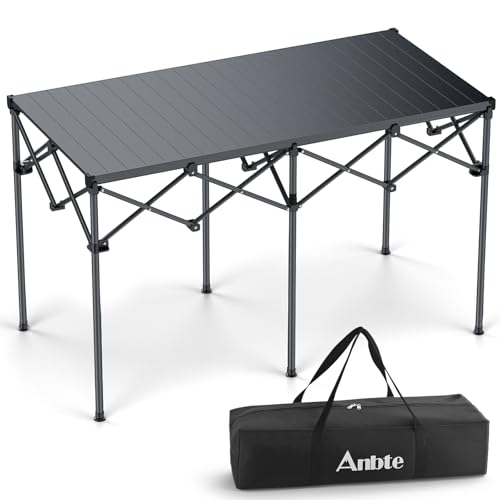
12 Best Heavy Duty Camping Table of 2026 That Will Not Wobble or Sag
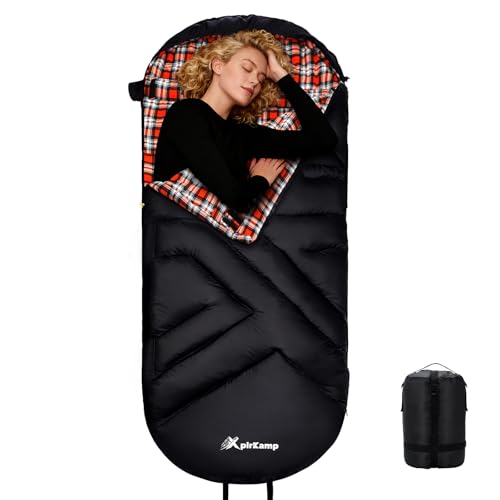
10 Best Sleeping Bags For Tall People of 2026 To Stretch Out Fully
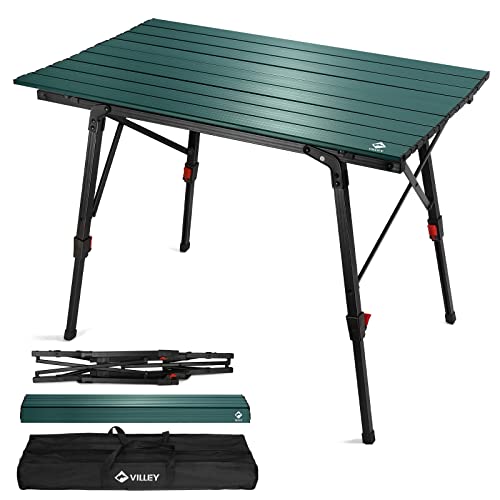
8 Best Camping Table Adjustable Legs of 2026 for Uneven Ground

10 Best Diaper Bag Backpacks For Dads of 2026 With Fast Gear Access

11 Best Framed Luggage of 2026 For Zipperless Security

11 Best Folding Two Wheeler For Luggage of 2026 To Prevent Tipping

11 Best Expandable Roller Luggage of 2026 That Fit Overhead Bins









