
Is It Safe To Travel To Aruba Right Now? Smart Tips

Is it safe to travel to Aruba right now is a fair question, especially with Caribbean headlines often lumping very different islands into one noisy bucket. Aruba generally feels easier to plan than many beach destinations because major travel advisories place it in a lower-risk category, but that doesn’t mean a trip runs on autopilot. Petty theft can still happen around beaches, rental cars, nightlife zones, and busy hotel areas, so normal precautions still matter. Leave flashy jewelry in the room, keep bags zipped, and don’t treat a quiet island vibe like a free pass to stop paying attention.
Beach days sound simple until sun, wind, currents, and dehydration start working together. Aruba’s weather is part of the appeal, yet the same steady breeze that cools your shoulders can trick you into staying out too long without water or sunscreen. Rough surf can show up on the wilder coast, and not every pretty stretch of shoreline is a casual swimming spot. So, yeah, the smart move is to follow posted signs, ask local staff about conditions, and treat ocean safety like part of the plan, not a mood-killer.
Transportation is another place where small choices make the trip smoother. Roads near resorts are usually manageable, but unfamiliar roundabouts, scooters, late-night driving, and sandy side roads can turn a quick ride into a headache. Using licensed taxis, confirmed rides, or a rental from a reputable company helps cut down on awkward surprises. For anyone renting a car, keeping valuables out of sight is one of those boring little habits that saves the day.
Health-wise, a good Aruba trip is mostly about preparation rather than panic. Pack basic medicine, bring reef-safe sun protection, drink more water than you think you need, and don’t wait until you feel cooked to find shade. Travel insurance also earns its keep if flights shift, luggage vanishes, or a clinic visit pops up out of nowhere. The best answer to is it safe to travel to Aruba right now is yes for many trips, as long as the plan includes petty crime awareness, weather checks, and practical beach judgment.
The real trick is avoiding two extremes. Don’t walk around anxious, expecting trouble around every corner, but don’t stroll through Oranjestad at midnight with your phone out and your bag hanging loose either. Aruba rewards a steady, common-sense style of travel: book solid lodging, watch your drinks, keep emergency contacts handy, and respect local rules. Do that, and the island feels less like a risk puzzle and more like what it’s supposed to be, a warm, breezy break with a little street smarts packed next to your sandals.

- TLR Rank10.0
TLR Rank is a ranking system developed by TravelLuggageReviews.com. TLR Rank has no relationship or impact from any manufacturers or sales agent websites. Learn more
- BrandN/A

- TLR Rank10.0
TLR Rank is a ranking system developed by TravelLuggageReviews.com. TLR Rank has no relationship or impact from any manufacturers or sales agent websites. Learn more
- BrandN/A

- TLR Rank9.2
TLR Rank is a ranking system developed by TravelLuggageReviews.com. TLR Rank has no relationship or impact from any manufacturers or sales agent websites. Learn more
- BrandN/A

- TLR Rank9.2
TLR Rank is a ranking system developed by TravelLuggageReviews.com. TLR Rank has no relationship or impact from any manufacturers or sales agent websites. Learn more
- BrandFodor's Travel

- TLR Rank8.8
TLR Rank is a ranking system developed by TravelLuggageReviews.com. TLR Rank has no relationship or impact from any manufacturers or sales agent websites. Learn more
- BrandFodor's Travel

- TLR Rank7.6
TLR Rank is a ranking system developed by TravelLuggageReviews.com. TLR Rank has no relationship or impact from any manufacturers or sales agent websites. Learn more
- BrandMajosta

- TLR Rank-
TLR Rank is a ranking system developed by TravelLuggageReviews.com. TLR Rank has no relationship or impact from any manufacturers or sales agent websites. Learn more
- BrandN/A

- TLR Rank-
TLR Rank is a ranking system developed by TravelLuggageReviews.com. TLR Rank has no relationship or impact from any manufacturers or sales agent websites. Learn more
- BrandN/A

- TLR Rank-
TLR Rank is a ranking system developed by TravelLuggageReviews.com. TLR Rank has no relationship or impact from any manufacturers or sales agent websites. Learn more
- BrandN/A

- TLR Rank-
TLR Rank is a ranking system developed by TravelLuggageReviews.com. TLR Rank has no relationship or impact from any manufacturers or sales agent websites. Learn more
- BrandN/A
Last update on 2026-08-12 / Affiliate links / Images, Product Titles, and Product Highlights from Amazon Product Advertising API
Is It Safe To Travel To Aruba Right Now
Beach plans can feel strangely fragile after one scary headline, one storm map, or one friend saying, “Are you sure about that trip?” That hesitation makes sense, because is it safe to travel to Aruba right now isn’t just a search query, it’s the question sitting between a paid booking and peace of mind. Aruba is generally a lower-stress Caribbean destination, with the U.S. State Department listing it at Level 1: Exercise Normal Precautions, but smart travel still takes more than sandals and a hotel confirmation. The real answer lives in the details: petty theft awareness, beach judgment, transportation habits, weather timing, and knowing where casual confidence turns into carelessness.
Aruba Travel Safety
Aruba travel safety starts with a pretty simple truth: the island is not a danger zone, but it’s not a bubble either. Travelers often relax fast because the resort areas feel polished, English is widely spoken, and the tourism setup runs smoothly. That easy feeling is part of Aruba’s charm, yet it can also make people forget basic habits they’d use in any busy vacation spot. Keep the vibe loose, sure, but keep normal precautions switched on.
Petty crime is the main thing worth watching, not dramatic movie-style trouble. Pickpocketing, purse snatching, car break-ins, and theft from hotel rooms can happen, especially where people are distracted by beaches, drinks, or late-night plans. A phone left on a beach chair while someone “just dips in for a second” is the kind of tiny mistake that can sour a whole afternoon. Use the room safe, keep bags close, and don’t leave valuables sitting in a rental car like bait.
The calmer Aruba feels, the more useful a steady routine becomes. Take photos of passports and insurance details, carry one card instead of your whole wallet, and keep emergency numbers saved offline. These moves aren’t paranoid; they’re just travel housekeeping. To keep the ride from airport to beach less clumsy, pack light and stay organized with best luggage for car trips so valuables aren’t scattered across seats, trunks, and hotel corners.
Aruba also has a practical advantage: tourist zones are familiar with visitors who need directions, taxis, pharmacy stops, and quick help. That doesn’t mean every problem gets fixed instantly, but it does mean the island is used to handling vacation friction. The smarter approach is to act like Aruba is safe enough to enjoy and real enough to respect. That balance keeps confidence from turning into sloppy travel behavior.
Crime Risks Without The Panic
Crime in Aruba tends to be opportunistic, which is both reassuring and annoying. Reassuring because most trips don’t involve serious incidents, annoying because preventable theft still happens when people get comfortable. Busy beaches, parking areas, hotel lobbies, casinos, and nightlife streets all create easy chances for someone watching distracted travelers. A relaxed island does not cancel out situational awareness.
Nightlife deserves a little extra street sense. Aruba has fun bars, beach clubs, and casinos, but alcohol can flatten good judgment faster than people expect. Keep an eye on drinks, leave with the people you came with, and use licensed taxis instead of wandering around half-lost after midnight. That old “nothing will happen” mindset is usually where small problems begin.
Rental cars need boring discipline too. Don’t leave passports, cameras, backpacks, beach bags, or shopping bags visible inside the vehicle, even for a quick lunch stop. Some travelers treat the trunk like a magic vault, but moving valuables into it in a public lot can still advertise what’s inside. Put things away before arriving, lock the car, and choose well-lit areas whenever possible.
Separately, packing style can lower risk before the trip even starts. A clean layout helps you avoid flashing cash, digging through bags in public, or misplacing documents at the worst moment. For longer island-hopping plans or future warm-weather routes, compare practical carry setups with best travel backpack for asia because organized travel gear often makes movement calmer, faster, and less messy. The point is not to overpack, it’s to make important items easy to protect.
Beach Safety Is The Big Sleeper Issue
Beach safety may matter more than crime for many Aruba trips, especially for people who picture every shoreline as soft, shallow, and harmless. Popular resort beaches often feel gentle, but Aruba also has rougher coastal areas where swimming can be risky. Wind, waves, rocks, and currents can change the mood fast. A beach can look stunning in photos and still be a poor place to enter the water.
Local signs deserve attention, even if the water looks inviting. Red flags, warning boards, and staff advice are there because conditions can fool visitors who aren’t used to the coastline. Strong sun also sneaks up on people because Aruba’s breeze makes heat feel less aggressive than it is. Drink water early, reapply sunscreen, and treat shade breaks like part of the fun rather than proof you’re missing out.
Snorkeling and boat trips are usually smoother with reputable operators. Ask about life jackets, weather changes, and where the crew recommends swimming. A casual “I’m a decent swimmer” doesn’t mean much if wind and current decide otherwise. Honest limits make ocean activities more enjoyable because nobody has to fake confidence while fighting the water.
Wet gear also creates practical headaches after beach days. Damp towels, sandy swimsuits, sunscreen leaks, and rain squalls can make luggage smell like a forgotten gym bag. To keep beach gear separated from clean clothes, rely on best waterproof duffel bags for trips where swimsuits, sandals, and toiletries need their own lane. That small packing decision protects clean clothing and keeps hotel-room chaos from taking over.
Weather, Storms, And Travel Timing
Aruba weather is one reason travelers feel better about this island than some other Caribbean picks. Aruba sits outside the main hurricane belt, so it usually faces a lower direct hurricane threat than many islands farther north. Still, hurricane season across the region runs from June through November, and flight routes can be affected even when Aruba itself stays calm. Travel plans need weather awareness, not weather panic.
Rain in Aruba often behaves differently than people expect from a tropical vacation. Showers can be brief, the island is relatively dry, and sunshine often returns quickly. That said, slippery roads, cloudy beach windows, or delayed excursions can still happen. Keep one flexible day in the schedule so a passing weather hiccup doesn’t wreck the whole plan.
Wind is another Aruba detail that sounds pleasant until it starts bossing around hats, beach umbrellas, boat rides, and loose clothing. The breeze cools the island beautifully, but it can make sun exposure feel less intense than it really is. That’s why hydration, sunscreen, and sunglasses matter even when the temperature feels manageable. Skin can burn before the body realizes it’s been sitting in full sun too long.
Travel insurance earns a serious look for Aruba, not because the island feels unsafe, but because modern travel is full of moving parts. Flights get delayed, luggage goes missing, hotel plans shift, and health issues don’t care about vacation dates. A policy that covers medical needs, trip interruption, and delays can turn a messy surprise into a solvable inconvenience. That kind of backup plan keeps stress from hijacking the trip.
Transportation Choices That Keep Trips Smooth
Transportation in Aruba is usually manageable, but casual mistakes can still create expensive or annoying problems. Taxis, rental cars, buses, and tours all have their place depending on where you’re staying and how much exploring you want. Resort-heavy trips may not need a car every day, while travelers chasing beaches and restaurants across the island may enjoy the freedom. The key is matching the ride to the actual plan, not renting out of habit.
Licensed taxis are a sensible move after dinner, late drinks, or casino time. Walking short distances may feel fine in busy hotel areas, but unfamiliar roads and dark stretches can make a simple stroll less comfortable. Agree on the fare or confirm the system before leaving, and keep the hotel name handy. Small steps like that protect time, money, and patience.
Driving in Aruba is not impossible, but visitors should stay sharp around roundabouts, scooters, pedestrians, and narrow streets. Beach roads and scenic routes can tempt people into pulling over suddenly for photos. That’s fine if it’s safe, but don’t stop in awkward spots or leave the car unlocked while everyone jumps out. A pretty view is not worth a rental car headache.
Navigation apps help, though they shouldn’t replace common sense. Download offline maps before heading out, especially if cell service gets spotty or the route wanders away from resort zones. Keep fuel levels comfortable rather than waiting until the warning light starts nagging. Smooth travel in Aruba often comes down to simple planning done before the day gets hot, busy, or rushed.
Is It Safe To Travel To Aruba Right Now For Beach Days
Beach planning in Aruba gets easier once the trip stops being a vague dream and starts looking like real days on sand, roads, and restaurant patios. A calm resort area can make everything feel handled, but that’s exactly why tiny mistakes sneak in. Phones get left on towels, passports ride around in beach bags, and sunscreen gets treated like an afterthought. The safer rhythm is simple: enjoy the island, but keep small travel habits working in the background.
Popular beaches such as resort-facing stretches usually feel relaxed, yet crowded sand still creates easy chances for petty theft. A bag sitting behind a chair while everyone swims is not being watched, even if it feels close. Take turns going into the water, use a dry pouch for essentials, and leave expensive extras in the room safe. Aruba rewards a light setup, not a pile of gadgets spread across a lounge chair.
Rougher coastlines need a different mindset because beauty and swim safety are not the same thing. Some rocky or wind-hit areas look incredible from land but can be poor places for casual swimming. Signs, flags, and local staff advice should carry more weight than a pretty photo angle. That one-minute check can save a messy afternoon.
Sun exposure is another sneaky issue because Aruba’s breeze can make the heat feel softer than it is. Drink water before thirst starts barking, reapply sunscreen after swimming, and give your skin a break in the shade. A burnt first day can turn the next three days into a grumpy routine of loose shirts and regret. Smart beach safety keeps the vacation fun instead of turning it into damage control.
Is It Safe To Travel To Aruba Right Now With Valuables
Valuable items create most of the avoidable stress on an Aruba trip. The island may feel easygoing, but cameras, wallets, passports, watches, and unlocked bags still attract attention in busy places. Keep the daily carry lean and leave backup cards, extra cash, and travel documents secured at the hotel. A simple setup means fewer things to lose, forget, or guard all day.
Rental car theft risk is usually about visible temptation rather than complicated crime. A backpack on the seat, a shopping bag in the footwell, or a camera case near the window can be enough to invite trouble. Put items away before reaching a beach lot or restaurant, not after parking while people can see what you’re hiding. That habit is boring, sure, but it works.
Airport and hotel transfers also feel smoother when luggage is easy to control. Hard-sided bags can help protect fragile items and keep clothing from getting crushed during tight taxi rides or crowded storage areas. To keep documents, electronics, and clean outfits better protected, compare hard case lightweight luggage before packing for a trip that mixes beach days with city stops. The goal is less fumbling, fewer loose items, and a calmer arrival.
Nighttime plans call for a smaller wallet and a sharper routine. Carry one card, some cash, your phone, and a hotel key, then skip the full passport unless it’s truly needed. Keep bags zipped in restaurants and don’t hang them over the back of a chair where they’re easy to grab. Aruba can feel friendly and still require the same street smarts you’d use anywhere popular.
Is It Safe To Travel To Aruba Right Now Without A Car
Getting around Aruba without a rental car can be perfectly workable if the trip is built around beaches, restaurants, and tours near the hotel zone. Taxis, hotel shuttles, buses, and organized excursions can cover a lot of ground without the hassle of parking or navigation. That setup can also reduce stress after dinner or drinks. Not driving is sometimes the safer choice, especially late at night.
Licensed taxis make the most sense for airport rides, nightlife, and evenings when walking feels longer than expected. Confirm the fare or pricing system before the ride starts so there’s no awkward back-and-forth at the end. Keep your hotel name saved on your phone and written somewhere offline, just in case service gets spotty. Little backups help when tired travel brains stop being useful.
Tour pickups can simplify beach hopping, snorkeling, and desert-style routes where road conditions or directions might annoy first-time visitors. A guided trip also means someone else watches the timing, parking, and route choices. That doesn’t remove every risk, but it lowers the chance of getting stuck, lost, or rushed. For many travelers, that tradeoff is worth the extra cost.
Walking at night should stay practical rather than romanticized. Busy resort strips may feel comfortable, but quiet roads, poor lighting, and unfamiliar turns can make a short walk feel longer fast. Use a taxi when the route feels uncertain, especially after alcohol. Safe travel often comes from making the less dramatic decision before a small issue grows teeth.
Is It Safe To Travel To Aruba Right Now For First Visits
First-time Aruba trips feel better with a loose plan instead of a packed schedule. Cramming too many beaches, restaurants, tours, and sunset stops into one day creates rushing, and rushing is where wallets get misplaced and details get missed. Pick fewer activities and leave space for weather, traffic, or a slow lunch. A relaxed pace is not lazy; it’s safer and more enjoyable.
Hotel location matters more than many people expect. Staying near the activities you care about can reduce late rides, confusing routes, and last-minute transportation scrambles. A quieter property may sound peaceful, but it can also mean more planning for dinner and beach access. Match the stay to the actual trip style, not just the prettiest listing photos.
Packing discipline helps first visits run smoother because Aruba is casual, warm, and windy. Bulky luggage gets annoying fast in taxis, hotel rooms, and short transfers. A compact carry system can keep hands free while moving through airports or tour pickups, and travel backpack for asia ideas can still be useful for Aruba if the focus is smart pockets, balanced weight, and easy access. Keep the bag practical, not stuffed like you’re moving in.
Local rules and manners also shape safety in quiet ways. Respect protected areas, don’t climb where signs say not to, and avoid treating residential streets like resort extensions. People live there, work there, and deal with visitor behavior every day. Good manners make the trip smoother and reduce the odds of awkward confrontations.
Is It Safe To Travel To Aruba Right Now With Real Expectations
Realistic expectations make Aruba feel safer because they remove the pressure for every moment to be flawless. A beach may be windy, a restaurant may be full, a taxi may take longer, or a tour may shift because of weather. None of that means the trip is going badly. It just means the island is real, not a brochure with room service.
Health preparation should stay simple but not sloppy. Bring basic medicine, sunscreen, insect repellent, reusable water bottles, and any prescriptions in original packaging. Know where the nearest clinic or pharmacy is before anyone needs it. That tiny bit of homework feels priceless when someone wakes up dehydrated, sunburned, or dealing with stomach trouble.
Money safety works best with separation. Keep one card for daily spending, a backup card in the hotel safe, and a small amount of cash for taxis or quick purchases. Avoid counting money in public or pulling everything out at once. The less you show, the less you have to worry about.
Is it safe to travel to Aruba right now has a practical answer for most well-planned trips: yes, with normal precautions and clear eyes. The island’s relaxed feel is a strength, but it should sit beside smart decisions about beaches, valuables, rides, weather, and health. Treat safety as a quiet routine rather than a scary checklist. That mindset keeps the trip light, flexible, and far easier to enjoy.


9 Best Travel Camping Table of 2026 For Uneven Ground

12 Best Heavy Duty Camping Table of 2026 That Will Not Wobble or Sag

10 Best Sleeping Bags For Tall People of 2026 To Stretch Out Fully
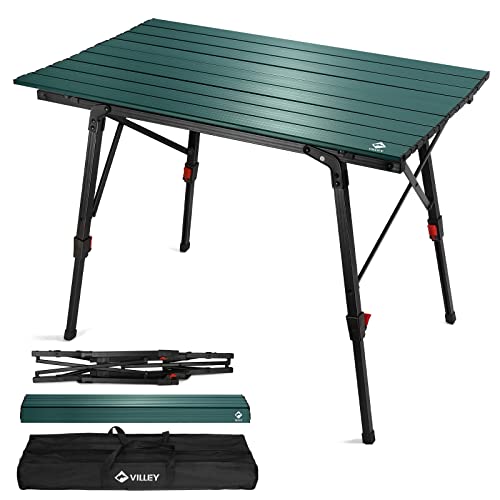
8 Best Camping Table Adjustable Legs of 2026 for Uneven Ground

10 Best Diaper Bag Backpacks For Dads of 2026 With Fast Gear Access

11 Best Framed Luggage of 2026 For Zipperless Security

11 Best Folding Two Wheeler For Luggage of 2026 To Prevent Tipping

11 Best Expandable Roller Luggage of 2026 That Fit Overhead Bins









